
Experts Matter. Find Yours.
Connect for media, speaking, professional opportunities & more.

Smell training, not steroids, best treatment for Covid-19 smell loss
Steroids should not be used to treat smell loss caused by Covid-19 according to an international group of smell experts, including Prof Carl Philpott from the University of East Anglia. Smell loss is a prominent symptom of Covid-19, and the pandemic is leaving many people with long-term smell loss. But a new study published today shows that corticosteroids - a class of drug that lowers inflammation in the body – are not recommended to treat smell loss due to Covid-19. Instead, the team recommend ‘smell training’ – a process that involves sniffing at least four different odours twice a day for several months. Smell loss expert Prof Carl Philpott from UEA’s Norwich Medical School, said: “The huge rise in smell loss caused by Covid-19 has created an unprecedented worldwide demand for treatment. “Around one in five people who experience smell loss as a result of Covid-19 report that their sense of smell has not returned to normal eight weeks after falling ill. “Corticosteroids are a class of drug that lowers inflammation in the body. Doctors often prescribe them to help treat conditions such as asthma, and they have been considered as a therapeutic option for smell loss caused by Covid-19. “But they have well-known potential side effects including fluid retention, high blood pressure, and problems with mood swings and behaviour.” The team carried out a systematic evidence-based review to see whether corticosteroids could help people regain their sense of smell. Prof Philpott said: “What we found that there is very little evidence that corticosteroids will help with smell loss. And because they have well known potential adverse side effects, our advice is that they should not be prescribed as a treatment for post-viral smell loss. "There might be a case for using oral corticosteroids to eliminate the possibility of another cause for smell loss actually being a confounding factor, for example chronic sinusitis – this is obviously more of a diagnostic role than as a treatment for viral smell loss. “Luckily most people who experience smell loss as a result of Covid-19 will regain their sense of smell spontaneously. Research shows that 90 per cent of people will have fully recovered their sense of smell after six months. “But we do know that smell training could be helpful. This involves sniffing at least four different odours twice a day every day for several months. It has emerged as a cheap, simple and side-effect free treatment option for various causes of smell loss, including Covid-19. “It aims to help recovery based on neuroplasticity - the brain’s ability to reorganise itself to compensate for a change or injury,” he added. The research was led by researchers at the Cliniques universitaires Saint-Luc in Brussels (Belgium) in collaboration with the Univeristé catholique de Louvain, Brussels (Belgium), the University of East Anglia (UK), Biruni University, Istanbul (Turkey), Aarhus University (Denmark), Université du Québec à Trois-Rivières (Canada), Geneve University Hospitals (Switzerland), Harvard University (USA), Aristotle University, Thessaloniki (Greece), University of Insubriae (Italy), University of Vienna (Austria), the University of Chicago (USA) and the University of Colorado (USA). ‘Systemic corticosteroids in COVID-19 related smell dysfunction: an international view’ is published in the journal International Forum of Allergy & Rhinology.


Marijuana law scholar on legalization in New York
Robert Mikos, professor of law, is available for commentary on the legalization of recreational marijuana in New York. Professor Mikos is one of the nation’s leading experts on federalism and drug law. His most recent scholarship analyzes the struggle among federal, state and local governments for control of marijuana law and policy, which includes a first-of-its-kind casebook, Marijuana Law, Policy, and Authority. He has written, testified and lectured on: States’ constitutional authority to legalize marijuana Federal preemption of state marijuana regulations Political and budgetary considerations that limit enforcement of the federal marijuana ban Federal law’s influence on state regulation and taxation of the marijuana industry Desirability of marijuana localism


What Can A Forgotten Piece of Our Opioid Addiction and Treatment History Teach Us?
As the nation struggles with the third wave of a continuing opioid epidemic, a newly republished book co-authored by Nancy Campbell, the head of the Department of Science and Technology Studies at Rensselaer Polytechnic Institute, offers insight into present-day drug addiction and treatment by exploring a complex chapter from the nation’s past. Written with JP Olsen and Luke Walden, The Narcotic Farm: The Rise and Fall of America’s First Prison for Drug Addicts details the history of the United States Narcotic Farm, a federal institution that opened in 1935 outside of Lexington, Kentucky. Jointly operated from 1935 to 1975 by the U.S. Public Health Service and the Federal Bureau of Prisons, the Narcotic Farm was a combination prison, hospital, working farm, rehabilitation center, and research laboratory. “All of our scientific knowledge about human opioid addiction comes from that time, comes from that place,” said Campbell, a leading figure in the social history of drugs, drug policy, and harm reduction, on an episode of the Landmark Recovery Radio podcast. The facility, which was also the subject of a 2009 documentary featuring Campbell, has a complicated legacy. It revolutionized treatment methods commonly accepted today, such as using methadone to medically manage heroin detox and the development of drugs like naloxone and buprenorphine. But it fell under a cloud of suspicion in 1975, when Congress learned that researchers had recruited patients as test subjects for CIA-funded LSD experiments as part of the notorious MK-Ultra project. “With the ongoing opioid epidemic worsening this past year in the midst of the COVID-19 pandemic, the lessons learned in this book continue to be relevant today,” Campbell said. Campbell is also the author of Using Women: Gender, Drug Policy, and Social Justice and Discovering Addiction: The Science and Politics of Substance Abuse Research, as well as the co-author of Gendering Addiction: The Politics of Drug Treatment in a Neurochemical World. Her most recent book, OD: Naloxone and the Politics of Overdose, was published in 2020. “Nobody should die of overdose. A high overdose death rate signals that we have not cared for the people who have been hurt most by the war on drugs, first pursued by President Dwight D. Eisenhower in 1954,” Campbell said in a recent “Academic Minute” segment. Campbell is available to discuss a wide range of topics relating to drug policy and history, including the Narcotic Farm.


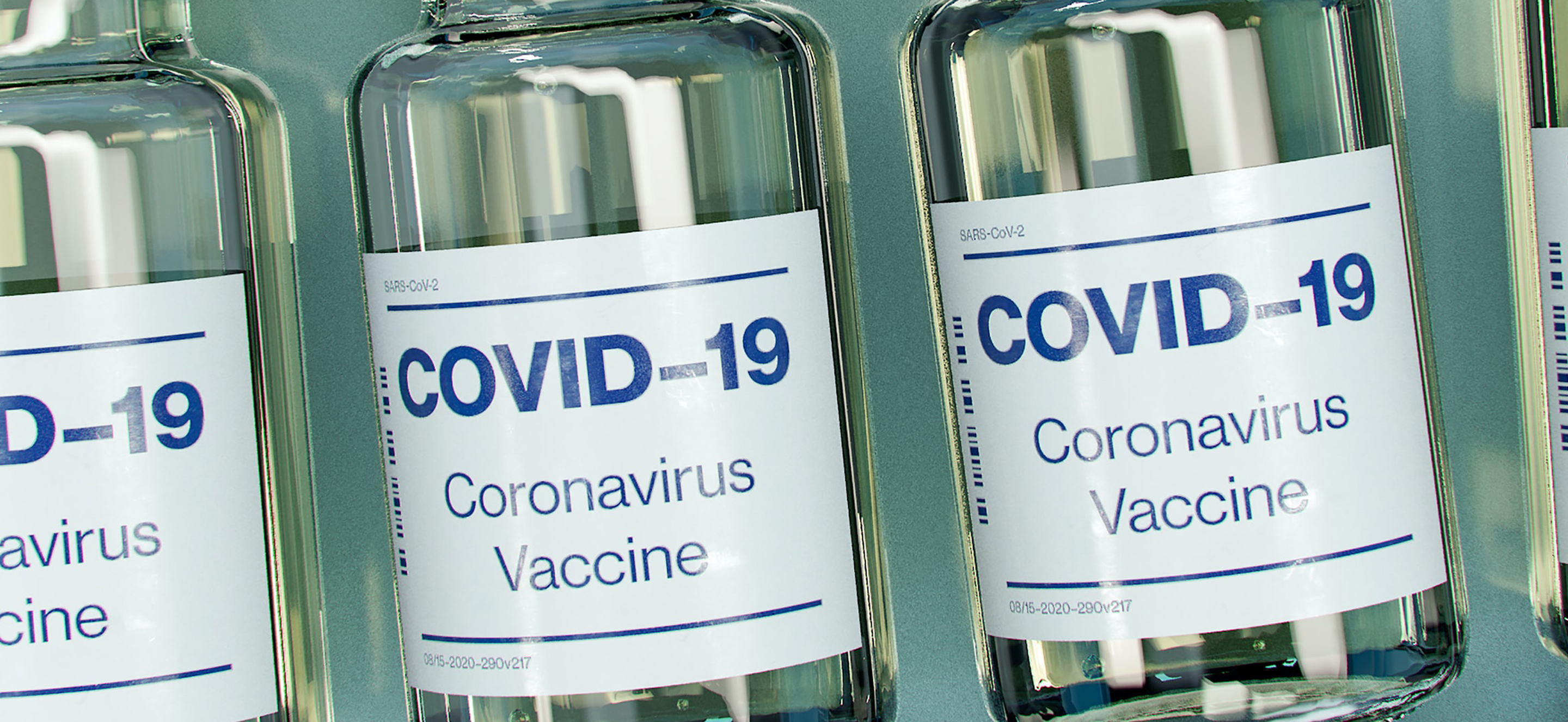
Ask the Expert: Vaccine myths and scientific facts
Now that there are authorized and recommended COVID-19 vaccines, it is critical people receive accurate information. Peter Gulick, professor of medicine at the Michigan State University College of Osteopathic Medicine and infectious disease expert, reviews some myths about the vaccine and counters these with scientific facts. Myth: The COVID-19 vaccines were developed in a rush, so their effectiveness and safety can’t be trusted. Fact: Studies found that the Pfizer/BioNTech and Moderna are both about 95% effective compared to the influenza vaccine, which ranges from being 50% to 60% effective each year. The Johnson & Johnson vaccine is 85% effective at curbing serious or moderate illness. The most important statistic is that all three were 100% effective in stopping hospitalizations and death. As of March 9, 2021, the Centers for Disease Control and Prevention reports that 93.7 million people have been vaccinated and all safety data collected from these doses show no red flags. There have been about 5 cases of anaphylaxis, an allergic reaction, per 1 million but this is no different than allergic reactions from other vaccines. There are many reasons why the COVID-19 vaccines could be developed so quickly and here are a few: The COVID-19 vaccines from Pfizer/BioNTech and Moderna were created with a messenger RNA technology that has been in development for years, so the companies could start the vaccine development process early in the pandemic. China isolated and shared genetic information about COVID-19 promptly so scientists could start working on vaccines. The vaccine developers didn’t skip any testing steps but conducted some of the steps on an overlapping schedule to gather data faster. The Pfizer/BioNTech and Moderna vaccines were created using messenger RNA, or mRNA, which allows a faster approach than the traditional way that vaccines are made. Because COVID-19 is so contagious and widespread, it did not take long to see if the vaccine worked for the vaccinated study volunteers. Companies began making vaccines early in the process — even before FDA authorization — so some supplies were ready when authorization occurred. They develop COVID-19 vaccines so quickly also due to years of previous research on the SARS COV-1, a related virus. Myth: The messenger RNA technology used to make the Pfizer/BioNTech and Moderna COVID-19 vaccine is brand new. Fact: The messenger RNA technology behind these two vaccines has been studied and in development for almost two decades. Interest has grown in these vaccines because they can be developed in a laboratory using readily available materials, making vaccine development faster. mRNA vaccines have been studied before for flu, Zika and rabies. Myth: You only need one dose of J&J vaccine so it’s more effective. Fact: Johnson & Johnson’s vaccine uses a different strategy — a weakened cold virus that is reprogrammed to include the code for the spike protein. Once inside the body, the viral genes trigger a similar response against the virus. All three vaccines are considered overall effective and 100% effective in preventing hospitalizations and death. Myth: Vaccine efficacy and effectiveness mean the same thing. Fact: Efficacy and effectiveness do not mean the same thing. “Efficacy” refers to the results for how well a drug or vaccine works based on testing while “effectiveness” refers to how well these products work in the real world, in a much larger group of people. Most people, however, use them interchangeably even though they have different scientific meanings. Myth: The vaccines aren’t effective against new strains of the virus. Fact: Currently, we know both the U.K. strain as well as the South African variant have increased transmissibility of 30% to 50% over the natural strain. As far as an increase in causing more serious disease, it is not known yet. We have over 600 U.K. variants in Michigan and one case of the South African variant, and I just heard of 47 cases of the U.K. variant in Grand Ledge. We (Michigan) are second in the nation in variants, but that's likely because we test for them more. The most important information is that the vaccines, in general, are 100% effective in prevention of hospitalization and death. So, it is felt they all offer some protection against variants to prevent serious disease. As far as the Johnson & Johnson, it was used with variants and has efficacy overall of 72% in U.S., 66% in Latin America and 57% in South Africa (where the main strain is the South African variant). All companies are looking at modifying (their products) (the mRNA) to cover variants and either give a booster or a multivalent vaccine to cover all variants. Myth: There are severe side effects of the COVID-19 vaccines. Fact: The COVID-19 vaccine can have side effects, but the vast majority go away quickly and aren’t serious. The vaccine developers report that some people experience pain where they were injected; body aches; headaches or fever, lasting for a day or two. This is good and are signs that the vaccine is working to stimulate your immune system. If symptoms persist beyond two days, you should call your doctor. Myth: Getting the COVID-19 vaccine gives you COVID-19. Fact: The vaccine for COVID-19 cannot and will not give you COVID-19. The two authorized mRNA vaccines instruct your cells to reproduce a protein that is part of the SARS-CoV-2 coronavirus, which helps your body recognize and fight the virus, if it comes along. The COVID-19 vaccine does not contain the SARS-Co-2 virus, so you cannot get COVID-19 from the vaccine. The Johnson & Johnson vaccine was developed using adenovirus vector technology and also will not give you COVID-19. It shows your immune system a weakened, common cold virus “disguised” as the coronavirus instead. Adenovirus vaccines have been around for about two decades, the same as mRNA vaccines. Johnson & Johnson developed a vaccine for Ebola using this technology. Myth: The vaccines are ineffective against the virus variants. Fact: More time is needed to study the vaccines’ effectiveness against the variants. Studies are now being conducted to determine if a booster dose is needed to protect against the variants or if modifications to the vaccines are needed. Myth: I already had COVID-19 and I have recovered, so I don't need to get the vaccine. Fact: There is not enough information currently available to say if or for how long after getting COVID-19 someone is protected from getting it again. This is called natural immunity. Early evidence suggests natural immunity from COVID-19 may not last very long, but more studies are needed to better understand this. The CDC recommends getting the COVID-19 vaccine, even if you’ve had COVID-19 previously. However, those that had COVID-19 should delay getting the vaccination until about 90 days from diagnosis. People should not get vaccinated if in quarantine after exposure or if they have COVID-19 symptoms. Myth: I won't need to wear a mask after I get the vaccine. Fact: It may take time for everyone who wants a COVID-19 vaccination to get one. Also, while the vaccine may prevent you from getting sick, more research is needed, but early indications show that while the vaccine is effective in reducing transmission, it is possible for a vaccinated person to spread the virus. Until more is understood about how well the vaccine works, continuing with precautions such as mask-wearing and physical distancing will be important. Myth: COVID-19 vaccines will alter my DNA. Fact: The COVID-19 vaccines will not alter any human genome and cannot make any changes to your DNA. The vaccines contain all the instructions necessary to teach your cells to make SARS-CoV-2's signature spike protein, release it out into the body, and your immune system gets a practice round at fighting off COVID-19. Myth: The COVID-19 vaccine can affect women’s fertility Fact: There is currently no evidence that antibodies formed from COVID-19 vaccination cause any problems with pregnancy, including the development of the placenta. In addition, there is no evidence suggesting that fertility problems are a side effect of any vaccine. People who are trying to become pregnant now or who plan to try in the future may receive the COVID-19 vaccine when it becomes available to them but it’s always prudent to consult with your doctor. Myth: The COVID-19 vaccine was developed to control the general population either through microchip tracking or "nanotransducers" in our brains. Fact: There is no vaccine microchip, and the vaccine cannot track people or gather personal information into a database. Myth: The vaccines were developed and produced using fetal tissue. Fact: The vaccines do not contain fetal cells nor were fetal cells used in the production the Pfizer and Moderna vaccines. Johnson & Johnson used human cell lines or also known as cell cultures to grow the harmless adenovirus but did not use fetal tissue. These same cell lines have been used for other vaccines including hepatitis, chickenpox and rabies and have been around for years. Peter Gulick is an associate professor of medicine at Michigan State University, College of Osteopathic Medicine, and serves as adjunct faculty in the College of Human Medicine and the College of Nursing. Dr. Gulick is available to speak with media - simply click on his icon now to arrange an interview today. Peter Gulick is an associate professor of medicine at Michigan State University, College of Osteopathic Medicine, and serves as adjunct faculty in the College of Human Medicine and the College of Nursing. Dr. Gulick is available to speak with media - simply click on his icon now to arrange an interview today.


Study of auto recalls shows carmakers delay announcements until they can 'hide in the herd'
BLOOMINGTON, Ind. - Automotive recalls are occurring at record levels, but seem to be announced after inexplicable delays. A research study of 48 years of auto recalls announced in the United States finds carmakers frequently wait to make their announcements until after a competitor issues a recall - even if it is unrelated to similar defects. This suggests that recall announcements may not be triggered solely by individual firms' product quality defect awareness or concern for the public interest, but may also be influenced by competitor recalls, a phenomenon that no prior research had investigated. Researchers analyzed 3,117 auto recalls over a 48-year period -- from 1966 to 2013 -- using a model to investigate recall clustering and categorized recalls as leading or following within a cluster. They found that 73 percent of recalls occurred in clusters that lasted 34 days and had 7.6 following recalls on average. On average, a cluster formed after a 16-day gap in which no recalls were announced. They found 266 such clusters over the period studied. "The implication is that auto firms are either consciously or unconsciously delaying recall announcements until they are able to hide in the herd," said George Ball, assistant professor of operations and decision technologies and Weimer Faculty Fellow at the Indiana University Kelley School of Business. "By doing this, they experience a significantly reduced stock penalty from their recall." Ball is co-author of the study, "Hiding in the Herd: The Product Recall Clustering Phenomenon," recently published online in Manufacturing and Service Operations Management, along with faculty at the University of Illinois, the University of Notre Dame, the University of Minnesota and Michigan State University. Researchers found as much as a 67 percent stock market penalty difference between leading recalls, which initiate the cluster, and following recalls, who follow recalls and hide in the herd to experience a lower stock penalty. This indicates a "meaningful financial incentive for auto firms to cluster following recalls behind a leading recall announcement," researchers said. "This stock market penalty difference dissipates over time within a cluster. Additionally, across clusters, the stock market penalty faced by the leading recall amplifies as the time since the last cluster increases." The authors also found that firms with the highest quality reputation, in particular Toyota, triggered the most recall followers. "Even though Toyota announces some of the fewest recalls, when they do announce a recall, 31 percent of their recalls trigger a cluster and leads to many other following recalls," Ball said. "This number is between 5 and 9 percent for all other firms. This means that firms are likely to hide in the herd when the leading recall is announced by a firm with a stellar quality reputation such as Toyota. "A key recommendation of the study is for the National Highway Traffic Safety Administration (NHTSA) to require auto firms to report the specific defect awareness date for each recall, and to make this defect awareness date a searchable and publicly available data field in the auto recall dataset NHTSA provides online," Ball added. "This defect awareness date is required and made available by other federal regulators that oversee recalls in the U.S., such as the Food and Drug Administration. Making this defect awareness date a transparent, searchable and publicly available data field may discourage firms from hiding in the herd and prompt them to make more timely and transparent recall decisions." Co-authors of the study were Ujjal Mukherjee, assistant professor of business administration at the Gies College of Business at the University of Illinois who was the lead author; Kaitlin Wowak, assistant professor of IT, analytics, and operations at the Mendoza College of Business at the University of Notre Dame; Karthik Natarajan, assistant professor of supply chain and operations at the Carlson School of Management at the University of Minnesota; and Jason Miller, associate professor of supply chain management at the Broad College of Business at Michigan State University.


COVID-9 is changing. With variants from places like Britain, Brazil, and South Africa surfacing and presenting in patients around the globe, the virus that scientists are trying to trap seems to be finding ways to wiggle free. The topic has many in the scientific and health care communities concerned, and recently, the New York Times featured leading experts to help explain what is happening and what American’s need to know to stay safe and healthy. Now, Dr. Denison and Sandra Weller, a virologist at the University of Connecticut School of Medicine, are investigating whether this insight could treat people with Covid. Certain antiviral drugs such as remdesivir fight infections by serving as RNA decoys that gum up the viral replication process. But these medications don’t work as well as some had hoped for coronaviruses. One theory is that the nsp14-ExoN enzyme chucks out the errors caused by these drugs, thereby rescuing the virus. Dr. Denison and Dr. Weller, among others, are looking for drugs that would block the activity of nsp14-ExoN, allowing remdesivir and other antivirals to work more effectively. Dr. Weller likens this approach to the cocktail therapies for H.I.V., which combine molecules that act on different aspects of the virus’s replication. “We need combination therapy for coronaviruses,” she said. Dr. Weller notes that nsp14-ExoN is shared across coronaviruses, so a drug that successfully suppresses it could act against more than just SARS-CoV-2. She and Dr. Denison are still at the early stages of drug discovery, testing different molecules in cells. February 05 – New York Times The ongoing COVID-19 pandemic is seeing many different twists in turns as scientists are learning more about the virus and how we can contain its spread – and if you are a journalist looking to speak with an expert on the topic, then let us help. Sandra K. Weller is Professor and Chair in the Department of Molecular Biology and Biophysics at the University of Connecticut and is a world-renowned expert in the spread of viruses. Dr. Weller is available to speak with media – simply click on her icon now to arrange an interview today.



Exploring the direct link between drug abuse and the internet
Drug overdoses account for a staggering number of deaths in the United States. In 2017 alone, more than 70,000 U.S. citizens died from opioid overdoses, a number that eclipses the death toll due to traffic accidents, gun violence, or HIV in the same year. Among the academic community, media and national organizations such as the Drug Enforcement Agency (DEA) and the Food and Drug Administration (FDA), there is a growing consensus that the internet plays a key role in enabling access to illicit drugs in America. As far back as 2005, the DEA referred to the internet as an “open medicine cabinet; a help-yourself pill bazaar to help you feel good.” But until now, the jury has been out about whether online platforms actually drive substance abuse among internet users. Research by Anandhi Bharadwaj, vice dean for faculty and research and Roberto C. Goizueta Endowed Chair in Electronic Commerce, along with doctoral candidate Jiayi Liu 22PhD, casts compelling new light on this issue. Their paper, Drug Abuse and the Internet: Evidence from Craigslist, was published in March 2020. By using data from Craigslist, one of the largest online platforms for classified advertisements, the researchers found a significant uptick in drug abuse in areas where Craigslist had become active in the last decade or so. Launched in San Francisco in 1995, Craigslist is a location-specific site that has been spreading to different U.S. cities in a staggered fashion since 2000. As the site has grown, so too have the number of illicit, user behaviors that exist in tandem with the many positive services it offers. Among these are prostitution and the sale of controlled or illicit drugs. The internet: a pipeline for narcotics Historically the sale and purchase of illegal drugs has happened in physical spaces—streets and urban areas prone to certain boundaries and limitations, not to mention the risk of arrest or potential violence. The internet has changed the game in two key ways. First, there is the simple mechanism of buyer-seller matching. Dealers and buyers transact online, which is more straightforward, faster and cuts through many of the risks associated with physical interaction. Simply put, it’s easy to buy drugs online. Second, there is the issue of anonymity. Research has documented how human beings behave differently when we believe our identity is shielded from others. We are prone to take more risks under the cloak of anonymity. Working off these two premises, Bharadwaj and Liu hypothesized that the internet not only facilitates the sale and purchase of drugs—it must also proactively spur supply and demand. To put this to the test, they documented the U.S. cities and counties where Craigslist has become operational since 2000 and then analyzed three other key variables: total number of people admitted into drug treatment facilities in different counties between 1997 and 2008, county-level drug abuse violations, and number of deaths caused by overdose per county. Eager to understand how this new access to drugs online might also be impacting people at a demographic and socioeconomic level, the researchers merged this data with statistics on age, ethnicity and poverty from the U.S. Census Bureau. Additionally, the authors compiled information about income and unemployment, crime and arrests from the Bureau of Labor Statistics and the FBI respectively. What they found was stunning. Not only is there a marked increase in drug-related treatments (14.9 percent), violations (5.7 percent) and deaths (6.0 percent) wherever Craigslist becomes operational in a city or county; the momentum of increasing drug abuse also continues to grow over time in that area. And that’s not all. Economic disadvantages—poverty, unemployment and lower standards of education—are typically associated with a higher risk of substance abuse. But the findings suggest that in fact it’s the wealthier, higher-educated groups—especially among whites, Asians, and women—that are more likely than others to engage in drug abuse once Craigslist starts operating in an area. In fact, they conclusively found an uptick in this kind of behavior where crime and drug abuse had been less prevalent previously. In other words, where drugs are becoming readily available online, there is a dramatic increase in new and first-time users. If you are interested in learning more or if you are a journalist looking to cover this research – then let our experts help. Professor Anandhi Bharadwaj is the Vice Dean for Faculty and Research and the Goizueta Endowed Chair in Electronic Commerce and Professor of Information Systems, Operations Management. To arrange an interview with – simply click on her icon today.


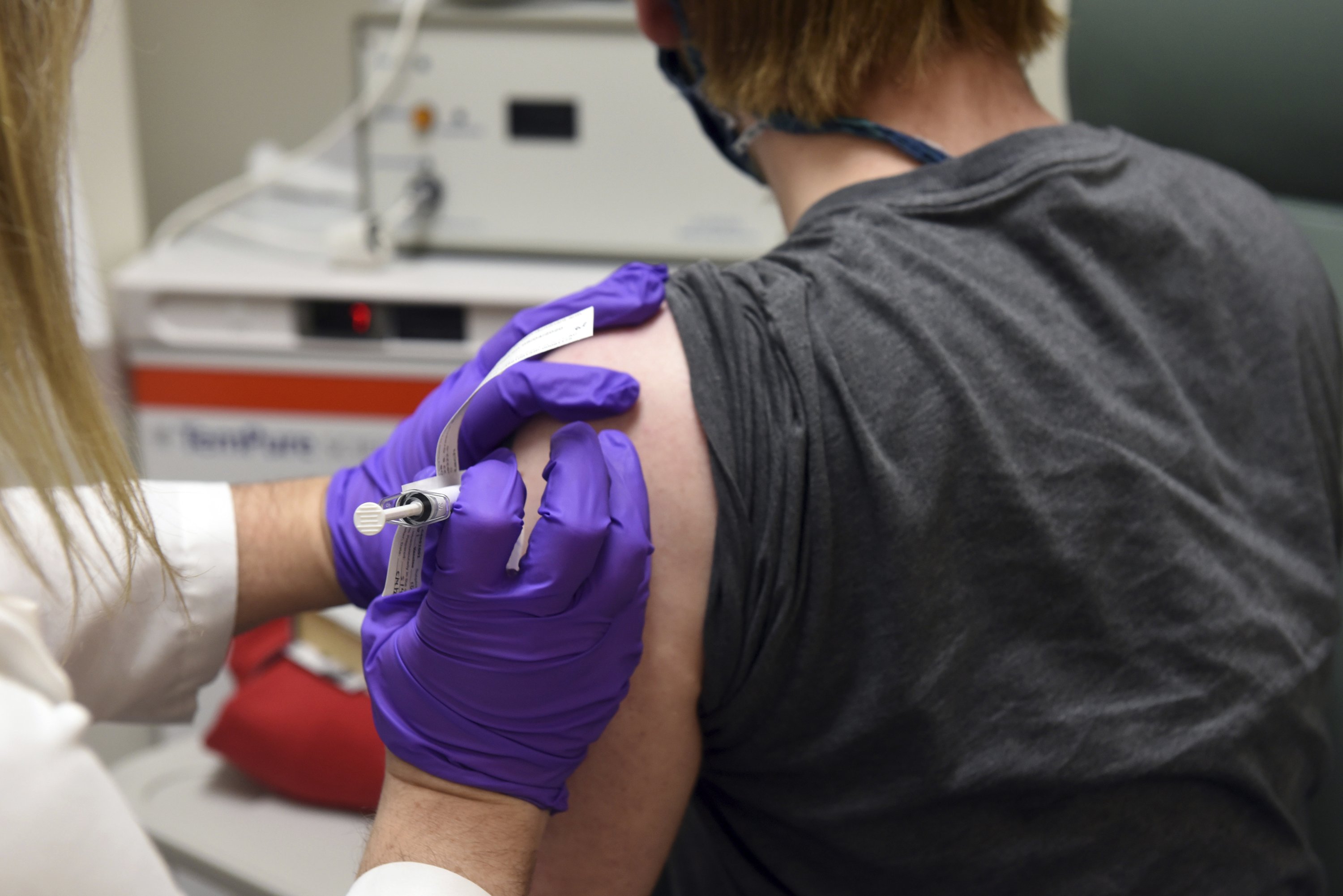
Are we on the verge of a vaccine? Let our COVID-19 expert explain if you are covering
It’s breaking news that is dominating headlines, impacting financial markets and perhaps finally relieving some of the anxiety that has been growing across America since late winter. On Monday, Pfizer announced that early results from its coronavirus vaccine indicate that it is 90 percent effective at preventing COVID-19. The pharmaceutical giant expects to be applying as soon as this month for emergency use approval from the Food and Drug Administration. If you are covering this breaking news and need to know about: What is the testing process for vaccines? How they are developed? What is involved in final approval? How will it be administered? And how quickly will it take to show positive results in our population? Then let the experts from UConn help with your coverage. Dr. Paulo Verardi is a virologist who specializes in vaccine research and development. He is an Associate Professor at UConn and a member of the Center of Excellence for Vaccine Research. Dr. Verardi is available to speak with media regarding this emerging development – simply click on his icon now to arrange an interview today.


Featuring: B. Frank Gupton, Ph.D. A former process development executive in the pharmaceutical industry, B. Frank Gupton, Ph.D., was coaxed out of retirement to teach in the Department of Chemical and Life Science Engineering at Virginia Commonwealth University. Gupton, whose research focuses on improving health care by making pharmaceutical production cleaner and more cost-effective, is founder and CEO of the Medicines for All Institute (M4ALL), based in the VCU College of Engineering. The institute began with a simple idea: expand global access to lifesaving medications by producing them more efficiently. The institute’s team of chemical engineers and chemists demonstrated compelling results with its first target, the anti-HIV/AIDS drug nevirapine. As the researchers continue to work on additional therapies for HIV/AIDS treatment and other diseases, M4ALL is now working with a manufacturer in South Africa and partnering with the government of Ivory Coast to bring their advances to the places they are most needed. VCU Engineering’s experts are available to speak about how M4ALL is transforming pharmaceutical engineering and improving access to medicines around the world. Gupton is the Floyd D. Gottwald Junior Chair in Pharmaceutical Engineering, professor and chair of the Department of Chemical and Life Science Engineering. An award-winning researcher and National Academy of Inventors Fellow with multiple patents, he is an expert in his field. Simply click on his icon to arrange an interview.


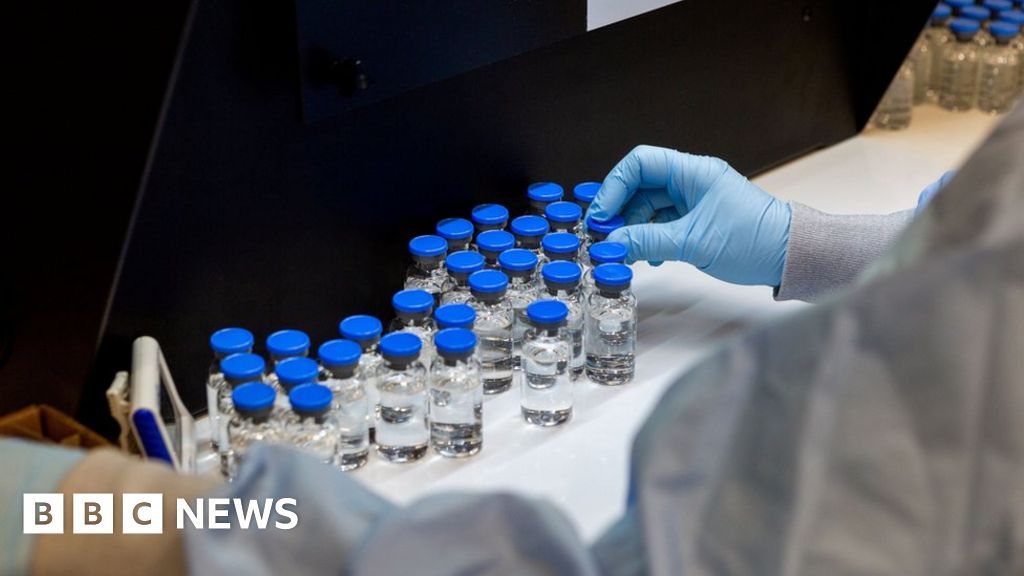
Covering Remdesivir – Contact an expert from Cedarville first
There has been a lot of talk about treatment, vaccinations and drugs that are being used during the CVOID-19 pandemic. The latest is Remdesivir – and it is getting a lot of attention. The US's Food and Drug Administration (FDA) has authorised emergency use of the Ebola drug remdesivir for treating the coronavirus. The authorisation means the anti-viral drug can now be used on people who are hospitalised with severe Covid-19. A recent clinical trial showed the drug helped shorten the recovery time for people who were seriously ill. However, it did not significantly improve survival rates. Experts have warned the drug - which was originally developed to treat Ebola, and is produced by Gilead pharmaceutical company in California - should not be seen as a "magic bullet" for coronavirus. What do we know about remdesivir? The drug did not cure Ebola, and Gilead says on its website: "Remdesivir is an experimental medicine that does not have established safety or efficacy for the treatment of any condition." Gilead also warns of possible serious side-effects. However, President Trump has been a vocal supporter of remdesivir as a potential treatment for the coronavirus. In its clinical trial, whose full results are yet to be released, the US National Institute of Allergy and Infectious Diseases (NIAID) found that remdesivir cut the duration of symptoms from 15 days down to 11. The trials involved 1,063 people at hospitals around the world - including the US, France, Italy, the UK, China and South Korea. Some patients were given the drug and others were given a placebo (dummy) treatment. Dr Anthony Fauci who runs NIAID, said that remdesivir had "a clear-cut, significant, positive effect in diminishing the time to recovery". However, although remdesivir may aid recovery - and possibly stop people having to be treated in intensive care - the trials did not give any clear indication whether it can prevent deaths from coronavirus. May 02 - BBC There are still a lot of questions to be asked: When could it be ready for mass distribution? How is it administered? Who can get it? And how much will it cost? If you are a journalist covering this emerging issue – then let our experts help. Dr. Zach Jenkins is an infectious disease expert at Cedarville University. He is available to speak with media about this topic – simply click on his icon to arrange an interview.

