
Experts Matter. Find Yours.
Connect for media, speaking, professional opportunities & more.

'I knew the men murdered in the Amazon—and their alleged killer'
On June 5, 2022, Indigenous expert Bruno Pereira of Brazil and freelance reporter Dom Phillips of Britain went missing while working in a remote part of the Amazon. Since then, a suspect in the case has confessed to their murders. But the story hasn't ended there. As journalists and experts take a closer look, the plot behind the story has thickened with politics, Indigenous rights, and organized crime. Scott Wallace, an associate professor of journalism at the University of Connecticut and author of The Unconquered: In Search of the Amazon’s Last Uncontacted Tribes, has worked extensively in Brazil's Javari Valley. He shared his perspective -- as someone who knew the victims as well as the alleged perpetrator, with National Geographic: The increasingly brazen intruders are no longer small-time players with a net or rifle seeking to put a meal on the family table. Members of the Indigenous patrols say that more and more, poaching crews appear to be highly-capitalized ventures, backed by a shadowy network of outside investors with suspected links to the illicit drug trade. Their fishing boats feature high-horsepower motors, and they carry large quantities of fuel, expensive gill nets, ice, and hundreds of kilos of salt to preserve bushmeat and critically endangered pirarucu, one of the world’s largest freshwater fish. In a rare police action, officers in March intercepted fishermen leaving the reserve with two dozen endangered river turtles, 650 pounds of salted bushmeat, and nearly 900 pounds of salted pirarucu. The evident outlays of cash create both the ability and the imperative for fishermen such as Oliveira to head deeper into the Javari territory, stay there longer, and return with hefty payloads to settle their debts. Unconfirmed reports indicate that Oliveira may have owed a Peruvian financier nicknamed “Colombia” more than $15,000 because a load of his contraband had been intercepted by the Indigenous patrols. As intruders penetrate into the depths of the Javari, Indigenous leaders and their allies fear the growing likelihood of a conflagration involving the uncontacted nomads roaming the forest. “They’re definitely putting the isolados—the isolated ones—at risk,” says Orlando Possuelo, Sydney’s son, who is based in Atalia do Norte and has been working alongside Pereira in advising the Indigenous patrols for the past two years. Poachers are pillaging the animals the isolated groups depend on for survival. And uncontacted groups remain highly vulnerable to contagious diseases, for which they have little to no immunological defense. Finally, and perhaps most immediately, there’s the very real danger of violence. “These fishermen don’t hesitate to shoot,” Orlando says. “If they’re willing to kill outside the reserve, there’s no doubt the lives of the isolated ones are in danger.” An uncontacted Indigenous group would have no way to peacefully communicate with interlopers entering their territory. Their likely first response would be to attack, which could provoke a bloodbath when intruders respond to spears or arrows with far more lethal bullets, says Paulo Marubo. “Anyone knows what the results will be between those carrying firearms and those who do not have them.” The hope of averting that alarming possibility was what led Pereira to risk his life. “The greatest concern that I have is the advance of outsiders—be they for projects authorized by the government or illegal players like loggers, miners, and land-grabbers—into the territories of the isolados,” Pereira told me in a phone call in 2019 after he was ousted from heading the isolated tribes department. “At the same time, you have the crippling of FUNAI and the department to protect the isolated tribes. It’s a very dangerous mix.” Scott Wallace is a bestselling author, photojournalist and educator who covers the environment and vanishing cultures worldwide. Scott is available to speak to media - simply click on his icon now to arrange an interview today.


Addiction expert on FDA plan to lower nicotine levels
Erin Calipari, assistant professor of pharmacology, is available for media commentary on the Food and Drug Administration (FDA)'s plans for a proposed rule to require companies to lower the nicotine levels in cigarettes. Erin is lead researcher at the Vanderbilt Center for Addiction Research, and her research focuses on the neuroscience behind addiction. She can speak to how the brain gets addicted to substances and the many ways in which addiction takes a toll on the human body, as well as nicotine dosing. Much of Erin's research also focuses on gender differences in addiction and the need to understand female-specific factors that contribute to Substance Use Disorder.


Worth Longest research on more targeted aerosol drug delivery systems
Michael Hindle, Ph.D., a professor in the VCU Department of Pharmaceutics, and P. Worth Longest, a professor in the VCU Department of Mechanical and Nuclear Engineering, have invested years of time and millions of dollars to address challenges found in the field of medical aerosols. In particular: While smaller particles are more effective in delivering drugs into the lungs and airways, these tiny particles are often exhaled out immediately when taking a dose. Current aerosol delivery systems — think asthma inhalers — effectively deliver just 10 percent of an aerosolized dose. That’s fine for most asthma and COPD sufferers who use standard inhalers with existing medications, as these patients only need a small amount of the potent drugs to reach the lungs and have an effect. “But the medical world wants to use the lungs for delivery of other drugs, whether it’s locally to the airways or systemically to the body, and for that, you need more efficient devices,” Hindle says. To effectively use inhaled drugs for complex medical conditions requires more of the aerosol to reach the airways and to potentially target different regions of the airways — plus the devices to get them there. “Our work is about doing something different — changing that ballgame from having 90% of the drug wasted and 10% make it to the lungs, and flip it so that we get just 10% lost and 90% in the lungs,” Hindle says. “That’s always been our goal.” Taking aerosols from lab to lung Over more than a decade, the duo and their teams have created the three keys to making aerosol drug-delivery work: “developing the strategy, developing the device, and developing the formulation,” says Longest, the College of Engineering’s Louis S. and Ruth S. Harris Exceptional Scholar Professor. “When you see inhalation of aerosols fail, or a new pharmaceutical aerosol product fail, one of these areas has often been neglected. Between my lab and the Hindle lab, we have expertise in each of these different areas.” The fourth component — commercializing their inventions — is underway through a partner in Quench Medical in a deal signed in 2020 thanks to VCU Innovation Gateway. The Minnesota-based company, led by founder and CEO Bryce Beverlin II, Ph.D., has identified lung cancer, severe asthma, and cystic fibrosis as potential initial applications using VCU’s intellectual property, the licensing of which covers both the aerosols and the delivery devices. “It’s very difficult for an academic institution to develop a drug product,” says Hindle, the Peter R. Byron Distinguished Professor in Pharmaceutics. “So Bryce has moved forward with a team of manufacturers, clinical testing plans, and is talking to the Food and Drug Administration.” The VCU researchers had not previously pursued lung cancer as a possible application until Quench came along, Hindle says. “The idea that you could deliver a chemotherapy locally to the lungs is obviously very advantageous, because you don’t get the systemic side effects through the body like with traditional chemotherapy,” he says. “You’re just delivering drugs direct to that site of action for targeting the metastases in the lung.” In May, Quench presented data using the VCU technology to the Respiratory Drug Delivery conference in Florida showing that using a chemotherapeutic dry powder aerosol in rats was highly effective. It significantly reduced tumor burden but used half of the standard IV-delivered chemo dose. “This approach also aims to decrease the total drug delivered with reduced systemic drug levels in the circulation to decrease systemic toxicity,” the report read. It noted the efforts “solve a critical unmet medical need to develop new strategies to improve treatment outcomes in patients with lung cancer.” Heavy interest nationally Hindle and Longest have millions of dollars in funded projects underway, backed by the National Institutes of Health, U.S. Food & Drug Administration, and the Bill & Melinda Gates Foundation. Their work is building on the reputation of VCU’s Aerosol Research Group, founded in 1988 by emeritus professor Dr. Peter Byron (the name on Hindle’s professorship). The group’s work spans a wide variety of research areas in aerosol formulation and delivery. Hindle and Longest have worked together since 2006. While Hindle is focused on drug formulations, Longest is the engineering and computer modeling expert. His background is in biological fluid flow, and prior to joining VCU in 2004 had worked in the area of blood flow in vascular disease. But he wanted to differentiate his work, and found VCU’s reputation in medical aerosols was the place he could, in his words, “make an impact.” Through computer models, Longest and his team can understand how powders or liquids will turn into aerosol particles and the behaviors they will undertake when delivered into the body. “The lung is an area of the body where we have all these complex phenomena occurring with airflow and moving walls,’” he says. “It really takes high performance computers to understand it.” Drs. Longest and Hindle have developed a series of technology platforms that produce particles that are tiny when entering the lungs to minimize deposition losses in the mouth and throat — but grow in size as they travel down the warm, humid airways. One of the devices uses a mixer-heater to produce tiny particles, other technologies use a pharmaceutical powder or liquid containing a simple hygroscopic excipient such as sodium chloride; it is this excipient that attracts water from the lungs and makes the particles grow and deposit in the lungs with high efficiency. Eyes on infants Lately, the pair have been working on a method of aerosol drug delivery to newborns and prematurely born babies. “It’s a different set of challenges when you’re trying to deliver aerosols to infants who are born prematurely, and don’t have the ability to breathe on their own due to the lack of airway surfactant,” Hindle says. “And that’s something that, academically, we thought we were in a position to try and make a contribution to the field.” The group is working with funding from the NIH and the Bill and Melinda Gates Foundation to develop a method of delivering an aerosol surfactant to infants that will hopefully remove the need to intubate these fragile babies. In addition to striking licensing deals with Quench and building relationships with additional partners, Innovation Gateway has backed the pair’s work with an initial $25,000 from VCU’s Commercialization Fund as well as a just-awarded additional $35,000. “We turned that into a series of intellectual property that has resulted in three licensed patents and a whole family of IP in relation to both formulations and devices,” Hindle says. “There’s been lots of interest in delivering drugs to the lungs, it’s just been very difficult to institute any sea change, because the pharmaceutical industry is relatively risk averse.” And so their research continues, as Quench moves forward to bring their inventions to the bedside. “What I’m doing, I don’t really consider it work — it’s an opportunity to interact with great colleagues and contribute to a mission that will be very helpful to a broad range of people,” Longest says. “I also see it as a big responsibility. We want to do this in the right way. Because people’s health and lives are at stake. We want to make sure we approach this with a large sense of responsibility, and do our best.”


Findings point to potential new therapeutic targets for this highly aggressive, drug-resistant breast cancer subtype In breakthrough research at ChristianaCare’s Helen F. Graham Cancer Center & Research Institute, scientists have discovered that a protein secreted by tumor cells can switch off the body’s natural defenses against triple negative breast cancer (TNBC). The study, led by Jennifer Sims-Mourtada, Ph.D., lead research scientist at the Cawley Center for Translational Cancer Research (CTCR), at the Graham Cancer Center, is reported in The Journal of Translational Medicine, available online. “What we found is that TNBC tumor cells can effectively shut down the body’s defense systems against the tumor by secreting a type of protein called IL-10,” Dr. Sims-Mourtada said. “The presence of this immune system protein forces the antibodies that would normally be created to attack the tumor to become non-reactive and not do what they are supposed to do.” The study was initiated in partnership with The Wistar Institute of Philadelphia, Pennsylvania, in collaboration with the late Raj “Shyam” Somasundaram, Ph.D., a cell biologist at the Melanoma Research Center. “Dr. Sims-Mourtada and her team have brought us tantalizingly close to understanding what drives the aggressive nature of triple negative breast cancer, a treatment-starved disease that disproportionately affects Delaware women,” said Nicholas J. Petrelli, M.D., Bank of America endowed medical director of the Helen F. Graham Cancer Center & Research Institute. “Their work underscores our belief that scientific collaborations such as this one between our Cawley CTCR clinicians and Wistar scientists can smooth the way for new findings to become effective therapies, especially for hard-to-treat and aggressive forms of cancer like TNBC.” Understanding the mechanism behind TNBC Delaware ranks highest in the nation for incidence of triple negative breast cancer. TNBC is an aggressive form that affects Black women at twice the rate of white women with poorer outcomes. Patients have higher rates of early recurrence than other breast cancer subtypes, particularly in the first five years after diagnosis. Currently there is no targeted therapy for TNBC. “One of our missions within the Cawley CTCR is to understand the mechanisms behind TNBC and find a treatment for it,” Dr. Sims-Mourtada said. “Our study sheds new light on what is prompting the body’s immune response to the cancer cells and offers clues to potential new therapeutic targets.” Normally it is the job of the B cells to regulate the immune response against foreign invaders like cancer. Among other jobs, they control inflammation at the site of an attack by releasing proteins including IL-10 to signal the defender cells to stand down. “Previously it was thought that the immune cells were the ones to express IL-10 to regulate themselves,” Dr. Sims-Mourtada said. “But our study shows that the tumor cells also release this protein, which means they are driving how the immune system behaves.” Within the tumor microenvironment, IgG4 is one of four antibody subclasses expressed and secreted by B cells. Whereas another type of antibody would urge the immune system to press on with the attack, activation of IgG4 signals the job is done. TNBC and activation of IgG4 “Our findings support that TNBC may create a tumor environment that supports activation of IgG4, and messaging from IL10 is triggering the switch,” Dr. Sims-Mourtada said. As previously reported with other cancers, such as melanoma, this study confirms that the presence of IgG4-positive B cells within the tumor associates with advanced disease increased recurrence and poor overall breast cancer survival. It is also possible that IL-10 expression by tumor cells may also be a cause of poor outcomes in TNBC, and this may be independent of IgG4+ B cells. “At this point, we don’t know what causes tumor cells to start secreting IL-10, but we know that B cell-tumor cell interactions are involved,” Dr. Sims-Mourtada said. “We still have to look at what is really going on in the B cell population to determine which subtypes of B cells are affected by this tumor crosstalk and why some forms of TNBC express IL-10 (the ones with poor outcomes) and others do not. “We think that the presence or absence of other immune cells in the microenvironment may affect how B cells interact with tumor cells to drive IL-10 expression,” she said. Resources for the study, including blood and tissue samples from consenting patients, were obtained through the Graham Cancer Center’s Tissue Procurement program. Interestingly, in a small subset of samples, the researchers found that IL-10 expression was significantly higher in Black patients than non-Hispanic white patients. These findings need to be confirmed in a larger more diverse population with different TNBC subtypes. Understanding tumor-infiltrating B cells “Our growing understanding of the contribution of IgG4+ cells to the immune microenvironment of TNBC and what drives IL-10 expression may reveal ways in which tumor-infiltrating B cells can contribute to tumor growth and provide new targets to increase the immune response to TNBC,” Dr. Sims-Mourtada said. As partners for more than a decade, Graham Cancer Center research clinicians and Wistar scientists collaborate across disciplines to translate cancer research into more effective therapies for patients everywhere. In addition to providing high-quality, viable tissue samples for Wistar research studies, Graham Cancer Center clinicians actively participate in concept development, sharing their unique understanding of the everyday patient experience.


Major study reveals the lasting impact of Covid lockdowns
New research from the University of East Anglia reveals first-hand the lasting impact that lockdowns may have had on people’s mental and physical health. The UK’s first Covid lockdown was announced by Prime Minister Boris Johnson exactly two years ago today. Just a few days later, researchers at UEA launched a major project to track the mental and physical health of the nation through lockdowns and beyond. More than 1,000 participants carried out daily surveys – with questions on a range of lifestyle behaviours including physical activity, diet, sleep, smoking, drinking, and drug use. Some of the participants were then interviewed by the research team, to try to understand what was happening for people from their own viewpoints. Listen to what they had to say in our oral history project Lockdown Voices. New findings published today show how people responded very differently to social restrictions depending on their existing circumstances. For those who were less well-off to start with, adapting to lockdown was more difficult, and health behaviours typically worsened to a greater extent. In contrast, those who were better off at the start of the pandemic demonstrated faster adaptation and were more able to respond positively to restrictions, for example by taking to online exercise classes. It is likely that any lasting impact to mental and physical health will therefore be much greater for those who were worse off to start with. Those with good social links and healthy behaviours already in place described in their interviews how they were able to adapt to lockdown and thrive, whereas some of the more vulnerable in our communities had fallen into unhealthy spirals. Prof Caitlin Notley, from UEA's Norwich Medical School, said: “When the first lockdown was announced back in 2020, we started surveying participants from around the UK daily. Our initial results showed that people were eating less fruit and veg, getting less exercise and drinking more alcohol. “It quickly became apparent that lockdown may have lasting consequences for the physical and mental health of the nation. “We wanted to see whether people’s lifestyles changed in the long-term so we continued the study by carrying out regular surveys with the participants, and interviewing some people to find out more.” Now, two years on, the team’s results show how health inequalities are likely to have widened. Prof Notley said: “Social restrictions imposed as a result of the coronavirus pandemic have had a significant impact on health behaviours at the individual and population level. “It’s fair to say that all of our participants’ lives were disrupted by lockdown and they were forced to adapt. “But people responded to the lockdowns very differently and their experiences of social restrictions varied considerably. “Fundamentally, people were hindered or helped by their existing support structures and resources, such as access to technology to engage with the outside world, or private outdoor space. “Those people who had good friends, community links and who were already health conscious, were able to respond positively and better able to cope. “They were able to adapt to the ‘new normal’, use technology to keep in touch with friends and relatives, order veg boxes, carry on with a healthy diet and take part in healthy pursuits in new and innovative ways such as online fitness classes or ‘doing Joe Wicks’. “But lockdowns are very likely to have caused a sustained widening of social and health inequalities. “Those who remained in work outside the home, or who were retired, were the least impacted overall. But those who were unemployed, younger, on a lower income, clinically unwell or told to fully shield were particularly impacted by strict restrictions. “For these more vulnerable people, supportive social factors were taken away or severely restricted. Anxiety and depression worsened, and unhealthy behaviours like exercising less, drinking more alcohol, and eating a poor diet increased. “As we work through the ‘roadmap to recovery’, emphasis needs to be placed on a collaborative, community-based approach, with a focus on what makes us well. “Encouraging membership of community exercise groups, for example, may help those most impacted to engage again with healthy behaviours to keep them well. We also need to pay attention to how those who are less well-off responded more negatively to the policy of lockdown, so that lessons can be learnt for the future,” she added. ‘Disruption and adaptation in response to the coronavirus pandemic – assets as contextual moderators of enactment of health behaviours’ is published in the British Journal of Health Psychology.

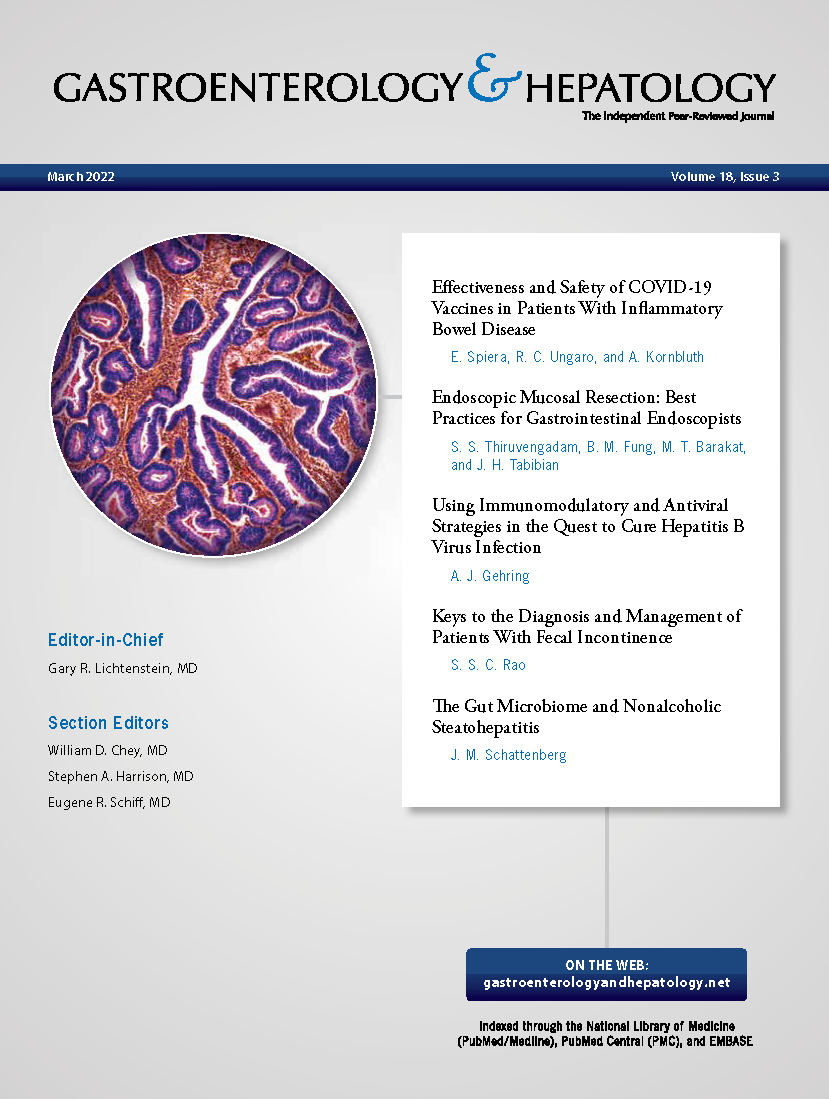
Bowel or fecal incontinence, according to the Mayo Clinic, “is the inability to control bowel movements, causing stool (feces) to leak unexpectedly from the rectum. Also called bowel incontinence, fecal incontinence ranges from an occasional leakage of stool while passing gas to a complete loss of bowel control. Common causes of fecal incontinence include diarrhea, constipation, and muscle or nerve damage. The muscle or nerve damage may be associated with aging or with giving birth.” Dr. Satish Rao is a seasoned gastroenterologist and an expert in digestive health, particularly the brain-gut connection. Rao, a professor of medicine at the Medical College of Georgia at Augusta University, recently offered a Q&A on the topic of fecal incontinence with the journal Gastroenterology & Hepatology. What is the prevalence of fecal incontinence in the adult population? Surveys have indicated a prevalence of approximately 9% to 10% in the United States. A recent study reported a 14% prevalence, although this study was Internet-based and, thus, may not have included many elderly patients, as they may not be as computer-savvy as younger patients. It is safe to say that one in seven Americans currently suffers from fecal incontinence. Prevalence appears to be equal in men and women, although women outnumber men almost three to one when it comes to gastroenterology clinic visits and health care-seeking. Men may be too embarrassed to bring the issue of fecal incontinence to the attention of a physician, but when asked about it, they will admit and discuss it. Also, extracting information from a patient about fecal incontinence depends on how the question is asked. Asking patients whether they have daily leakage vs whether they ever have had leakage or have had leakage in the past month will elicit different responses that a clinician may interpret differently. It is important to remember that leakage is not a physiologic event that a healthy adult should have at any time, even once a month or once a year. Not having the capacity to control bowel evacuation or having leakage unaware of its occurrence signals an abnormality. What are notable risk factors for fecal incontinence? In women, pregnancy can be a risk factor, particularly if giving birth involves pelvic tissue damage, such as injury inflicted by forceps use or the unfortunate occurrence of a significant tear. Neurologic or back injuries are other common risk factors. Also, chronic diarrhea can progress to fecal incontinence owing to severe irritation of the rectum or irritants in stool. Further, any condition that changes the ability of rectal capacity can result in fecal incontinence. These circumstances can include surgery or radiation to the rectal area. Hear from a patient and learn more about Rao's research using magnetic stimulation to treat fecal incontinence. What treatment modalities are currently available? Simple, conservative treatment consists of educating patients about fecal incontinence and instructing them to avoid precipitating events. For example, although many people love to have a meal followed by a cup of coffee and a walk, such a sequence of activities is ill-advised for an incontinent patient: the meal provokes a gastric-colonic response, coffee is a powerful colonic stimulant, and exercise also stimulates motility. This triad creates the perfect storm for a stool leakage or accident while the patient is out on the after-dinner walk. Antidiarrheal therapies can be very effective but only in approximately 15% to 20% of patients. Another treatment is biofeedback, which can correct muscle weakness using behavioral techniques. Biofeedback provides resolution in approximately 50% to 70% of patients. The traditional model of office-based biofeedback requires that the patient make 6 or even up to 10 visits to a specialty clinic. This may mean that some patients must drive very long distances to an appropriate care facility that is staffed with trained personnel or physical therapists. This scenario presents a significant challenge for many patients, which is increasingly being recognized by health care professionals and researchers. Good devices for home-based biofeedback have been scarce; however, such a device was recently approved by the US Food and Drug Administration. The research center at Augusta University has tested it in a clinical trial setting and found it to be quite effective as a home biofeedback treatment. Dextranomer is another treatment modality. It involves injection of small beads of dextran polymers into the anorectal region. The beads form a protective cuff or a buffer to stop stool leakage. Another treatment modality is sacral nerve stimulation using the Medtronic InterStim system. The patient is outfitted with a pacemaker-like device with wires that continuously stimulate the sacral nerves that control stool events. In the case of a torn muscle, suturing the torn ends to reduce the size of the anorectal opening is usually useful for women postpartum, although the effect may not be sustained in the long term. What emerging treatments and research should clinicians be aware of? One emerging treatment developed at Augusta University’s Clinical Research Center is called translumbosacral neuromodulation therapy (TNT). TNT is similar to TAMS and involves the fecal delivery of magnetic energy through an insulated coil to the lumbosacral nerves that regulate anorectal function. The pulses generated are of the same strength as those of magnetic resonance imaging. The team at Augusta University’s research center has shown that TNT mechanistically improves nerve function and substantively improves stool leakage. A sham-controlled study and long-term study are currently underway at Augusta University and Harvard University’s Massachusetts General Hospital. These studies are being sponsored by the National Institute of Diabetes and Digestive and Kidney Diseases. A multicenter study sponsored by the National Institutes of Health that the team at Augusta University also is involved with is the FIT (Fecal Incontinence Treatment) trial. This randomized study compares biofeedback with dextranomer injection. Also, as mentioned, tools are becoming available for home biofeedback that should allow many more affected patients to receive treatment because they can do so in the comfort of their own home. The research center at Augusta University is working on a novel home biofeedback protocol for the treatment of constipation and fecal incontinence. Thus, novel noninvasive tools are emerging for fecal incontinence. The repertoire of current and emerging tools holds the promise of improved outcomes for patients with fecal incontinence. Rao is also the founder of the Augusta University Digestive Health Center. He is available to speak to media regarding any aspect of digestive health -- simply click on his icon now to arrange an interview today.


Antimicrobial resistance now causes more deaths than HIV/AIDS and malaria worldwide – new study
Antimicrobial resistance is spreading rapidly worldwide, and has even been likened to the next pandemic – one that many people may not even be aware is happening. A recent paper, published in Lancet, has revealed that antimicrobial resistant infections caused 1.27 millions deaths and were associated with 4.95 million deaths in 2019. This is greater than the number of people who died from HIV/AIDS and malaria that year combined. Antimicobial resistance happens when infection-causing microbes (such as bacteria, viruses or fungi) evolve to become resistant to the drug designed to kill them. This means than an antibiotic will no longer work to treat that infection anymore. The new findings makes it clear that antimicrobial resistance is progressing faster than the previous worst-case scenario estimates – which is of concern for everyone. The simple fact is that we’re running out of antibiotics that work. This could mean everyday bacterial infections become life-threatening again. While antimicrobial resistance has been a problem since penicillin was discovered in 1928, our continued exposure to antibiotics has enabled bacteria and other pathogens to evolve powerful resistance. In some cases, these microbes are resistant even to multiple different drugs. This latest study now shows the current scale of this problem globally – and the harm it’s causing. Global problem The study involved 204 countries around the world, looking at data from 471 million individual patient records. By looking at deaths due to and associated with antimicrobial resistance, the team was then able to estimate the impact antimicrobial resistance had in each country. Antimicrobial resistance was directly responsible for an estimated 1.27 million deaths worldwide and was associated with an estimated 4.95 millions deaths. In comparison, HIV/AIDS and malaria were estimated to have caused 860,000 and 640,000 deaths respectively the same year. The researchers also found that low- and middle-income countries were worst hit by antimicrobial resistance – although higher income countries also face alarmingly high levels. They also found that of the 23 different types of bacteria studied, drug resistance in only six types of bacteria contributed to 3.57 million deaths. The report also shows that 70% of deaths that resulted from antimicrobial resistance were caused by resistance to antibiotics often considered the first line of defence against severe infections. These included beta-lactams and fluoroquinolones, which are commonly prescribed for many infections, such as urinary tract, upper- and lower-respiratory and bone and joint infections. This study highlights a very clear message that global antimicrobial resistance could make everyday bacterial infections untreatable. By some estimates, antimicrobial resistance could cause 10 million deaths per year by 2050. This would overtake cancer as a leading cause of death worldwide. Next pandemic Bacteria can develop antimicrobial resistance in a number of ways. First, bacteria develop antimicrobial resistance naturally. It’s part of the normal push and pull observed throughout the natural world. As we get stronger, bacteria will get stronger too. It’s part of our co-evolution with bacteria – they’re just quicker at evolving than we are, partly because they replicate faster and get more genetic mutations than we do. But the way we use antibiotics can also cause resistance. For example, one common cause is if people fail to complete a course of antibiotics. Although people may feel better a few days after starting antibiotics, not all bacteria are made equal. Some may be slower to be affected by the antibiotic than others. This means that if you stop taking the antibiotic early, the bacteria that were initially able to avoid the effect of the antibiotics will be able to multiply, thus passing their resistance on. Likewise, taking antibiotics unnecessarily can help bacteria to evolve resistance to antibiotics faster. This is why it’s important not to take antibiotics unless they’re prescribed, and to only use them for the infection they’re prescribed for. Resistance can also be spread from person to person. For example, if someone who has antibiotic-resistant bacteria in their nose sneezes or coughs, it may be spread to people nearby. Research also shows that antimicrobial resistance can be spread through the environment, such as in unclean drinking water. The causes driving this global antimicrobial resistance crisis are complex. Everything from how we take antibiotics to environmental pollution with antimicrobial chemicals, use of antibiotics in agriculture and even preservatives in our shampoo and toothpaste are all contributing to resistance. This is why a global, unified effort will be needed to make a difference. Urgent change is needed in many industries to slow the spread of antimicrobial resistance. Of the greatest importance is using the antibiotics we have smarter. Combination therapy could hold the answer to slowing down antimicrobial resistance. This involves using several drugs in combination, rather than one drug on its own – making it more difficult for bacteria to evolve resistance, while still successfully treating an infection. The next pandemic is already here – so further investment in research that looks at how we can stop this problem will be key.


Senior lecturer at Aston University appointed as a Champion of the Microbiology Society
Dr Jonathan Cox, a senior lecturer in microbiology at Aston University, has been made a Champion of the Microbiology Society for the Midlands area, U.K. Microbiology Society Champions are members who help to raise the Society’s profile in their local area by initiating activities and events of their own or participating in Society-led events. They are appointed because of their passion for their subject matter and an enthusiasm to communicate it widely. Jonathan’s research interests surround the discovery of new antibiotics. He leads the Mycobacterial Research Group at Aston University, a multidisciplinary team spanning microbiology, biochemistry, molecular genetics, structural biology and drug discovery. The team’s main focus is to study the physiology of various pathogenic mycobacteria and to discover new ways to treat infections. He also teaches at Aston University and currently leads the teaching for first year microbiology on courses in biomedical science, biology and biochemistry, Jonathan also regularly engages with the press to comment on news stories and issues related to microbiology, infectious diseases and antibiotic resistance. He has been a full member of the Microbiology Society for 10 years and has already contributed in many ways, including hosting the Microbiology Society Roadshow at Aston University in 2021. He has also been featured in Microbiology Today discussing his research. Speaking of his appointment, Jonathan said: “Anti-microbial resistance (AMR) accounts for around 700,000 deaths per annum globally and that number is predicted to rise to 10 million by 2050. The current economic burden of AMR is estimated to be at least €1.5 billion per year in the EU. New antibiotics and an improved understanding of how to use them will help to slow the progression of AMR, saving countless lives in the future. “I am delighted to have been appointed as a Microbiology Society Champion and to use this opportunity to raise the profile of the Society and, in particular, the importance of research into AMR.”

Aston University has teamed up with biotechnology company Biocleave Ltd in a new knowledge transfer partnership (KTP) to develop the company’s capacity to produce membrane-associated proteins on a competitive commercial scale. The partnership will see Aston University’s world-leading expertise provide next-level solutions to a complex problem and provide exciting breakthroughs from both commercial and scientific standpoints. A knowledge transfer partnership (KTP) is a three-way collaboration between a business, an academic partner and a highly qualified graduate, known as a KTP associate. The UK-wide programme helps businesses to improve their competitiveness and productivity through the better use of knowledge, technology and skills. Aston University is the leading KTP provider within the Midlands. Biocleave Ltd produces ‘Research Use Only’ (RUO) proteins. These are used widely in industry and academia to study and develop diagnostics and disease treatments. The process of manufacturing these proteins is known as ‘expression’, requiring host cells to produce them. The company is the first to engineer the non-pathogenic microbe Clostridia as a recombinant protein expression host, enabling them to overcome the typical expression challenges of production host toxicity and costly development cycles. Initial trials have demonstrated advantages to making membrane-associated proteins in Clostridia compared with established production systems. However, these proteins are associated with the fatty membrane that surrounds a cell and are not soluble in water. While Biocleave has well-established proprietary technology for manipulating the microbes, they want to extend their expertise for purifying these challenging membrane proteins, essential to commercialising their production. The Aston University team will be led by Dr Alan Goddard, senior lecturer in biochemistry in the School of Biosciences and founding member of Aston Membrane Proteins and Lipids (AMPL). Dr Goddard’s research focuses on the application of membrane biology to industrially relevant problems. He has nearly 20 years' experience working with membranes and their integral proteins. Dr Goddard will be joined by Professor Roslyn Bill, associate dean (research) for the College of Health and Life Sciences and director of AMPL. Professor Bill’s research focuses on the purification and characterisation of membrane proteins and she has published extensively on yeast as a recombinant expression host. Commenting on the project, Dr Goddard said: “This is a really exciting opportunity to leverage the decades of research experience Professor Bill and I have with expressing and purifying membrane proteins. It will allow Biocleave to enter new markets, many of which are important for drug development and healthcare. Hopefully, the products we make will have positive benefits not only for Biocleave’s customers but also wider society.” Dr Liz Jenkinson, chief executive of Biocleave Ltd, said: “We’ve made great progress in establishing the technology to work with Clostridia, a promising host, and although we’re constantly learning, so much is still unknown about the clostridial membrane. Through this KTP partnership with Aston University, we’re excited to develop the skills of our staff and expand our commercial offering to extend our range of RUO protein targets.” Because the Clostridial membrane adds a new level of complexity, successfully developing the required tools internally to resolve these issues, without input from experts, would take considerable time.


Antimicrobial resistance now causes more deaths than HIV/AIDS and malaria worldwide – new study
Antimicrobial resistance is spreading rapidly worldwide, and has even been likened to the next pandemic – one that many people may not even be aware is happening. A recent paper, published in Lancet, has revealed that antimicrobial resistant infections caused 1.27 millions deaths and were associated with 4.95 million deaths in 2019. This is greater than the number of people who died from HIV/AIDS and malaria that year combined. Antimicobial resistance happens when infection-causing microbes (such as bacteria, viruses or fungi) evolve to become resistant to the drug designed to kill them. This means than an antibiotic will no longer work to treat that infection anymore. The new findings makes it clear that antimicrobial resistance is progressing faster than the previous worst-case scenario estimates – which is of concern for everyone. The simple fact is that we’re running out of antibiotics that work. This could mean everyday bacterial infections become life-threatening again. While antimicrobial resistance has been a problem since penicillin was discovered in 1928, our continued exposure to antibiotics has enabled bacteria and other pathogens to evolve powerful resistance. In some cases, these microbes are resistant even to multiple different drugs. This latest study now shows the current scale of this problem globally – and the harm it’s causing. Global problem The study involved 204 countries around the world, looking at data from 471 million individual patient records. By looking at deaths due to and associated with antimicrobial resistance, the team was then able to estimate the impact antimicrobial resistance had in each country. Antimicrobial resistance was directly responsible for an estimated 1.27 million deaths worldwide and was associated with an estimated 4.95 millions deaths. In comparison, HIV/AIDS and malaria were estimated to have caused 860,000 and 640,000 deaths respectively the same year. The researchers also found that low- and middle-income countries were worst hit by antimicrobial resistance – although higher income countries also face alarmingly high levels. They also found that of the 23 different types of bacteria studied, drug resistance in only six types of bacteria contributed to 3.57 million deaths. The report also shows that 70% of deaths that resulted from antimicrobial resistance were caused by resistance to antibiotics often considered the first line of defence against severe infections. These included beta-lactams and fluoroquinolones, which are commonly prescribed for many infections, such as urinary tract, upper- and lower-respiratory and bone and joint infections. This study highlights a very clear message that global antimicrobial resistance could make everyday bacterial infections untreatable. By some estimates, antimicrobial resistance could cause 10 million deaths per year by 2050. This would overtake cancer as a leading cause of death worldwide. Next pandemic Bacteria can develop antimicrobial resistance in a number of ways. First, bacteria develop antimicrobial resistance naturally. It’s part of the normal push and pull observed throughout the natural world. As we get stronger, bacteria will get stronger too. It’s part of our co-evolution with bacteria – they’re just quicker at evolving than we are, partly because they replicate faster and get more genetic mutations than we do. But the way we use antibiotics can also cause resistance. For example, one common cause is if people fail to complete a course of antibiotics. Although people may feel better a few days after starting antibiotics, not all bacteria are made equal. Some may be slower to be affected by the antibiotic than others. This means that if you stop taking the antibiotic early, the bacteria that were initially able to avoid the effect of the antibiotics will be able to multiply, thus passing their resistance on.