
Experts Matter. Find Yours.
Connect for media, speaking, professional opportunities & more.

Georgia Southern University has established a new research and outreach center, the Institute for Water and Health, to investigate the complex interactions between water and human activities, and protect and restore public health in a changing environment. As part of the University’s focus on public impact research, the center will foster collaboration among scientists, government agencies, industry, nonprofit organizations and communities. Coastal Georgia is the perfect location for such an institute to conduct interdisciplinary research because it lies at the intersection of many social, economic and ecological issues. The center supports the region through research, workforce training for students, and actively involving communities in water resource management decision-making process, said Asli Aslan, Ph.D., associate professor in Georgia Southern’s Jiann-Ping Hsu College of Public Health Department of Biostatistics, Epidemiology and Environmental Health Sciences. Now also director of the Institute for Water and Health, Aslan is a water microbiologist, and her research program bridges ecosystem and human health. She has ongoing funded projects on tracking sources of water pollution and assessing health risks associated with exposure to chemical and microbial contaminants. She works with local communities and nonprofit organizations to encourage water stewardship behaviors. Aslan has served in various federal and state agencies and organizations as an adviser, reviewer, scientific committee member and affiliated faculty. She is also the founder and currently the co-chair of the Water and Health Committee of the American Public Health Association. “We want to create a nationally recognized institution that provides meaningful solutions for community needs,” said Aslan. “Our immediate plan is to develop a coalition with all stakeholders in the region to address issues related to increased water demand, impact of sea-level rise on water resources, and potential emerging contaminants in our urban and rural water infrastructure. We are in the process of establishing a community advisory group consisting of scientists from academic institutions, representatives from local and state governments, community leaders, non-profit organizations and businesses to identify and prioritize community needs in water research and education.” For example, she said, although one in every six households in Georgia has a private well, few residents realize any water testing, treatment or well maintenance is the sole responsibility of the property owner as per the Safe Drinking Water Act. Aslan said the Institute for Water and Health will work with the homeowners to help them recognize potential risks and provide solutions that will keep families safe in the long term. “We also look at sources of contaminants using state-of-the-art-methods. And if you know where the pollution is coming from precisely, it’s easier to go fix that problem once and for all, which has a direct impact on the decision-making process to protect water resources.” she said. These new techniques allow researchers with the institute to provide test results within a few hours, which helps end-users to be informed the same day instead of days where most water testing methods currently take about 48 hours. The implications of these methods are broad, as they can be used to identify pathogens in storm water or in household drinking water pipes; assess how new sustainable water treatment technologies efficiently remove contaminants, or provide same-day results for recreational beach monitoring. “We can do all this fancy research in the lab, but it will be very important for us to go out into the community and talk to people, ask them what their immediate needs – our goal is to involve communities from the very beginning of our research so that we co-develop meaningful solutions that will improve the quality of their everyday lives,” Aslan said. “Our group at Georgia Southern consists of established researchers from multiple disciplines such as environmental education, public health, social and behavioral sciences, environmental and computational engineering, coastal ecology, and we are growing everyday”. Carl L. Reiber, Ph.D., Georgia Southern’s provost and vice president for academic affairs, said the center will pull together faculty from across the University, many of whom have already established themselves as water experts within their own discipline. He expects the center to take a very visible role for the University and is renovating space in Savannah near the Armstrong campus to house the center and its labs. “The Institute for Water and Health will bring to southeast Georgia an awareness of the importance of water quality, water management and how tightly these areas are aligned with our health,” Reiber said. “The public impact of this institute is immeasurable and will ultimately increase the quality of life in our community.” If you're a journalist looking to know more about this topic or are looking to cover - then let us help. Asli Aslan, Ph.D., is a water microbiologist, and her research program bridges ecosystem and human health. She has ongoing funded projects on microbial source tracking, health risk assessment of water resources, and the ecology of pathogens in the aquatic environment. She is available to speak with reporters – simply click her icon now to arrange an interview today.



Hats off to the 2,100 graduates at Georgia Southern
Last week, approximately 2,100 undergraduate and graduate students from Georgia Southern University’s Statesboro, Armstrong and Liberty campuses received associate, baccalaureate, master’s, specialist and doctoral degrees in three Fall 2021 Commencement ceremonies. Georgia Southern President Kyle Marrero welcomed the graduates and their families to the University’s Fall Commencement ceremonies, held at the Savannah Convention Center in Savannah on Dec. 11, and the Allen E. Paulson Stadium in Statesboro on Dec. 13 and 14. He commended the graduates on their achievements and tenacity. “Graduates, I don’t need to tell you about your unique college journey, which has been challenging for all of us,” said Marrero. “I am very proud of how, together, we have persevered allowing us to have a successful semester and today, our commencement ceremony. You, our graduates, deserve great recognition.” During the Savannah ceremony, Georgia’s 2022 Teacher of the Year Cherie Dennis (Armstrong ‘10), who teaches English to Speakers of Other Languages at Hesse K-8 School in Savannah-Chatham County Public Schools, addressed the packed house with a call for kindness. “My hope for you is that you go out into the world with your eyes and your hearts wide open,” she said. “That you go out into the world and make something beautiful out of its cracks and imperfections. A world that is bound together by the irrefutable strength and integrity of kindness. Be the repairers of the world; the menders of the world; the bridge builders; the constructive, contributive citizens who nurture communities large and small. And that may sound daunting, but really it all starts with something so very simple, something so very possible and within your reach. Something you knew how to do even as a child. Just being kind.” Sachin Shailendra, chair of the University System of Georgia Board of Regents and president of SG Contracting, Inc. in Atlanta, spoke at the first ceremony in Statesboro. “Georgia Southern – which in a few minutes will be your alma mater – is one of the shining stars among our 26 institutions,” he said. “It ranks as one of Georgia’s best comprehensive universities, with a growing reputation for research that impacts not only vital industries but the environment and our communities. The degree you earned lets everyone know you learned from outstanding faculty, top staff and talented fellow students. “The opportunities ahead of you are many. I know this because of my own experience. I was born in Georgia, but my father was not. I am only a generation away from the farmers my family were in India. Education has been a game changer for both me and my family, and I know it’s a major accomplishment for many of you. I hope your degree will inspire you to take the next steps in building your future. So go out into the world and create a worthy future, not only for yourselves, but one that will represent Georgia Southern, our entire university system, and this state as well…Your education has already changed you. It also has the power to change your community, and move our state forward in exciting ways.” To read the full release please see the attachment below. This is a great moment for Georgia Southern University and if you are looking to learn more about this year's graduating class or the school - then let us help. Simply reach out to Georgia Southern Director of Communications Jennifer Wise at jwise@georgiasouthern.edu with your questions or to arrange an interview today.

Can oily fish, cherries or milk help you sleep? Here’s what the evidence shows
Almost one in five British people report they don’t get enough sleep each night. The problem is so bad that in total the UK public are losing around a night’s worth of shut-eye each week. There are a lot of popular beliefs about foods and drinks helping people get a good night’s rest, but many of them are not based on scientific evidence. Here’s what we know. Chemistry of food and sleep Our diet has an influence upon sleep patterns by affecting the sleep hormone melatonin. For example, foods rich in the essential amino acid tryptophan are commonly cited as helping sleep, as tryptophan helps produce melatonin. Additionally, some vitamins and minerals may help sleep, such as vitamin D, magnesium and zinc. Oily fish: Evidence suggests the more oily fish, such as salmon or herring, you eat the better you sleep. Oily fish contain healthy fats such as omega-3 oils which have been shown to improve sleep in children and are involved in serotonin release. Serotonin, a brain chemical linked to mood, also regulates the sleep-wake cycle which may also explain how eating oily fish can help. Tart cherries: A number of studies have looked at consumption of tart cherries, usually in the form of a drink, and sleep. Evidence suggests that tart cherries improves sleep in older adults, probably due to their ability to increase melatonin levels. And tart cherries are also rich in nutrients, including magnesium, which also may improve your sleep. Kiwi fruit: The evidence for kiwi fruit helping you sleep is mixed. One study suggested four weeks of kiwi fruit consumption improved multiple sleep measures, while another, admittedly in sufferers of insomnia, found no effect. Based on these findings it is not clear yet that eating kiwi fruit will benefit sleep for most people. Oysters: In 1888 W F Nelsom wrote “He who sups on oysters is wont on that night to sleep placidly…”. There is some evidence to back up this statement, with zinc-rich foods, including oysters, being reported to benefit sleep. However, on balance eating oysters before bedtime is unlikely to be beneficial to your night’s sleep. Alcohol and other drinks Alcohol causes brain activity to slow down and has sedative effects that can induce feelings of relaxation and sleepiness> But consuming alcohol is actually linked to poor sleep quality and duration. Although drinking alcohol may cause more rapid sleep onset, this can affect the different stages of sleep, decreasing overall sleep quality. If you want a good night’s sleep, avoiding alcohol is sound advice. But are there any non-alcoholic drinks that might help? Warm milk: Research conducted in the 1970s suggested that a glass of warm milk before bed could improve sleep quality. This research was performed in a very small group however, and little research has been done since. Drinking milk does increase melatonin levels which could help. But there isn’t enough evidence to support the claim that a glass of warm milk definitely makes you nod off. Bone broth: Bone broth commonly crops up in online articles as a food that can aid sleep. This may be due its high content of the amino acid glycine. Glycine has been shown to improve sleep in rodents and humans, possibly by lowering body temperature. There are however no studies specifically looking at bone broth consumption and sleep. Herbal teas: The range of herbal teas aimed at the sleep market has grown and grown. Evidence for valerian, a common ingredient, to aid sleep is inconclusive. Decaffeinated green tea has been reported to improve sleep quality, which might be linked to the relaxing qualities of L-theanine, an amino acid it contains, but in general, avoiding caffeinated teas is a wise choice. If you like herbal teas, then they can be part of a relaxing pre-bedtime routine – but they are unlikely to improve your sleep quality. A bedtime routine Having a bedroom environment and daily routines that promote consistent, uninterrupted sleep are important. These include keeping to the same time to head off to bed, making your bedroom free of disruptions and having a relaxing pre-sleep routine. But many of the foods that have claimed benefits for sleep have little or no evidence behind them, to the point there are no legally recognised health claims for food assisting sleep approved in the UK or Europe. If any one of these things helps you to sleep well, there’s no reason to stop. But just remember the other basics of a good nights sleep too, including relaxing before bed and avoiding too much blue light from electronic devices.


Consumer behavior expert and former "Survivor" contestant on holiday deals and scarcity
Kelly Goldsmith, professor of marketing, is available for commentary on holiday deals and anticipated scarcity due to supply chain issues. Kelly is a former Survivor contestant, which influenced her research into consumer behavior in the wake of scarcity. She is an expert in how people think and act when faced with limited availability of what they need and how they perceive competition when it comes to purchasing items that are in limited supply. Topics she can discuss include: How and why the combination of sales and perceived scarcity prompts consumers to behave selfishly (such as buying out entire stock) and other anticipated consumer behaviors and attitudes this holiday season How to plan ahead and find the best deals well in advance and stick to a budget when there are too many good deals to pass up How to keep your cool in the demanding, stressful environment



Six popular beliefs about colds: experts explain the facts
As we return to pre-lockdown levels of social mixing, colds are starting to become all too common. A TikTok video has gone viral involving putting garlic up your nose as a cold cure, just one in a long line of claimed treatments or cures. We asked two experts to examine some commonly held beliefs around colds. 1. Can you get a cold by getting cold? Colds become more common in winter. Like other upper respiratory tract infections (in the nose, throat and windpipe) they are normally caused by a virus. There might be a little truth in the idea that getting cold can give you a cold, because as the temperature changes this can alter the lining of our throat and windpipe, which can possibly make it easier for viruses to infect cells. However, the main reason we get more colds in winter is spending more time inside, closer to other people – the perfect environment to transmit viruses. 2. Does sticking garlic up your nose help? The TikTok trend involves putting cloves of garlic up your nose because it claims to act as a decongestant. Sticking something up your nose blocks the flow of mucus, so when it is removed, the flow starts and the mucus drips or even runs out of your nose. Mucus not only helps trap and remove pathogens including viruses, but also contains antibodies and can reduce how infectious and spreadable viruses are. So this is not a good idea. Garlic contains a range of compounds which might irritate the nose, and remember sticking anything up your nose isn’t a great idea. It could damage the lining and lead to bleeding or even get stuck. So it doesn’t really help and could be harmful. 3. Can herbal remedies prevent colds? Various herbal remedies claim to either prevent or speed up recovery from a cold. People often mention echinacea, a family of plants that grow in North America. Some trials have suggested a small preventative effect, but the evidence does not show statistically significant reductions in illness levels. Turmeric is also touted as a preventative medicine, but there is no robust evidence for its effectiveness either. 4. Can vitamin C help? Nobel prize-winning scientist Linus Pauling suggested that vitamin C in high doses could be an effective treatment for many viral infections. But a Cochrane review, a very robust system in which researchers assess evidence, found that vitamin C did not prevent colds, but may reduce their duration, in some people. As vitamin C supplements of around 200mg per day are considered low risk, some suggest this is a reasonable strategy to shorten the effects of a cold. 5. Does vitamin D prevent colds? Vitamin D has moved from being the sunshine vitamin associated with healthy bones, to being linked to reducing the risks around everything from heart disease and diabetes to viruses. This has included a lot of interest in vitamin D as a way of helping us fight off flu and more recently COVID-19. Laboratory experiments show that vitamin D is important in supporting immunity and this is critical in fighting off viruses. The problem may be that some people have inadequate vitamin D levels. Sunshine allows us to make our own vitamin D - but that happens less in winter. So it is likely that taking vitamin D supplements as advised by the UK government over winter is sensible so that you get enough, and this may help prevent you from getting a cold. 6. What about chicken soup? Chicken soup has been used through the ages to treat colds, and like honey it might have some benefits in managing symptoms. But it is unlikely to make a big impact on driving out the infection. The water in the soup will help with hydration, which is a often a problem when we have a cold. Like most hot drinks it can help to relieve painful sinuses. There are studies looking at the effect on our immune system cells, but the evidence from these is far from conclusive. Sadly, there are no miracle cures for the common cold. Some suggestions may be helpful, and are generally not harmful, such as getting enough vitamin C and D. But others are definitely not worth trying and could be risky, such as putting garlic up your nose. The best thing to do is get plenty of rest and drink plenty of fluids to stay hydrated.

Emory Experts - Post-Financial Crisis: How Well do Mutual Fund Stocks Fare?
Following the global financial crisis in 2008, the assets of passively managed mutual funds have ballooned, while the market share of actively managed funds has fallen dramatically. Addressing this topic, a new research has been coauthored by Jeffrey “Jeff” Busse, professor of finance, and Goizueta alumni Kiseo Chung 17PhD, assistant professor of finance, Texas Tech University and Badrinath Kottimukkalur 17PhD, assistant professor of finance, George Washington University. In their paper, the researchers explain the shift in assets from actively managed funds to passive funds, “Impediments to Active Stock Selection and the Growth in Passive Fund Management. In 1999, Busse and his coauthors explain, the net assets of passive funds were “less than an eighth the assets of active funds.” But by the end of 2019, “the market share of passive equity funds increased to more than 50 percent,” Busse, Chung, and Kottimukkalur note. Passive funds track indices such as the S&P 500, Dow Jones Industrial Average, NASDAQ Composite, and Wilshire 5000—all indices that have been difficult to beat over the last decade. According to the Wall Street Journal, from 2008 to 2018, more than 80 percent of actively managed funds in the U.S. underperformed the S&P Composite 1500. This is in large part, the trio notes in their paper, because the so-called “FAANG” stocks—Facebook, Apple, Amazon, Netflix, and Google—comprise such a large part of these indices. In fact, the top 10 stocks in the S&P 500 currently make up around 30 percent of its market cap. “The market caps of these companies are huge, and they’ve done exceptionally well since the financial crisis,” Busse explains. Hence, active fund managers and their teams of analysts have found it much more challenging to discover undervalued and overlooked stocks with positive alphas ─ the stocks that outperform an index. “As such, a general move toward passively managed funds is not so surprising,” the paper reveals. Finding Diamonds and Avoiding Duds Making it even more difficult to find diamonds in the rough is a lack of volatility in the stock market. Except for some isolated periods, including the month or so around the start of the pandemic in March 2020, the market hasn’t experienced much volatility since 2008. Without wide swings in prices, fund managers have less opportunity to buy low and sell high. Over the same time period, aggregate stock liquidity has also been high, which means less chance for fund managers to pick up winners at bargain prices. “When there’s money in the market—when there’s liquidity—it means there aren’t a lot of disagreements on prices,” explains Busse. “Liquidity is inversely related to mispricing,” the researchers explain in their paper. This combination of circumstances—the rise of the FAANG stocks, the lack of market volatility, and higher liquidity—is making it much more difficult for actively managed funds to find stocks that will help their funds beat the indices, and therefore, outperform the passive funds. As a result, justifying their management fees gets more complicated. According to Thomson Reuters Lipper, the average expense ratio (management fees divided by total investment in a fund) for actively managed funds is 1.4 percent compared to 0.6 percent for the average passive fund—nearly three times as much. While active fund managers have realized that these higher costs are no longer paying off and have moved to reduce them, actively managed funds continue to lose market share. Market Share Gain of Passively Managed Funds While the authors weren’t surprised by the growth of passively managed funds, they were surprised by how much they grew. From 1999 to 2019, the authors note, the number of actively managed funds grew by 11 percent, while the number of passively managed funds increased by 244 percent. “There haven’t been any papers that try to explain why passive funds have gained so much market share,” says Busse. He and his coauthors believe their research illustrates that it’s in large part because the market, post-financial crisis, is challenging for stock pickers. “As such, it has been difficult for actively-managed funds to recoup the costs associated with active management, and compared to earlier periods, passively managed funds are better positioned to gain market share,” they explain. “As the payoffs to active management decrease, it becomes more difficult to justify the costs of active management, and, thus, we expect funds to decrease these costs given their negative performance implications.” Busse doesn’t believe the current fund management environment will continue indefinitely. When the pandemic knocked the S&P 500 down 30 percent in March 2020, managers did gain opportunities to find positive alpha stocks—which they bought. “It’s just, on average, over the last 10 years, there haven’t been enough of those opportunities,” explains Busse. “It’s a matter of hanging in there and, in some sense, keeping your investors from fleeing to passive funds until the environment is a little bit better.” Jeffrey Busse is the Goizueta Foundation Term Professor of Finance where his research focuses on investments, with an emphasis on mutual funds. Jeff is available to speak with the media regarding this important topic – simply click on his icon now to arrange an interview today.



MEDIA RELEASE: Ten things Ontarians need to know prior to booking travel abroad
CAA South Central Ontario (CAA SCO) has compiled a list of ten things that Ontarians should be aware of if they are considering travelling abroad. “Now that the Canadian government is no longer advising against non-essential travel due to COVID-19, those who are considering booking a trip should make sure they understand the scope of what travel looks like at the moment,” said Kaitlynn Furse, director, corporate communications, CAA Club Group. “The checklist for planning a trip has changed and we want to help people navigate this new environment.” Through consultation with its top travel agents, CAA SCO has identified ten key considerations that potential travellers may not be aware of. Anyone who is considering travel in the current environment should make sure they have looked into the following and remember that travel requirements and regulations are continually changing. 1. Confirm the COVID-19 situation at destination prior to booking. Understand the risk level associated with travel to a particular destination by checking the Government of Canada Travel Advice and Advisories website. While the Global Affairs Canada Level 3 Travel Advisory to avoid all non-essential travel has been lifted, individual travel advisories do remain on a country-by-country basis. It is important that Canadians understand the ongoing uncertainty associated with international travel, whether that be related to the continued community transmission of COVID-19, or state of health care systems in destinations hit hard by the pandemic. 2. Understand the type, timing, cost and accessibility of required COVID testing. Every country has different requirements when it comes to the COVID tests that are needed prior to travel, and every country has different testing capacities once you are there. There are also requirements in order to return to Canada. Make sure you understand the difference between molecular PCR and rapid antigen tests, in what time period tests must be taken, the associated costs and locations where these tests are available. 3. Confirm change and cancellation flexibility with your travel service provider. Many airlines and hotels have been providing more flexibility when it comes to refunds and changes to bookings. Make sure you understand any key dates related to cancellation and changes and whether you are entitled to a refund or a future travel voucher or credit at the time of booking. 4. Buy travel insurance and understand what is covered. Make sure you have $5 million in coverage for emergency medical situations and that illness related to COVID-19 is included. Understand your entitlements for things like denied boarding in the event of a positive test and coverage related to isolation expenses. 5. Prepare required travel documentation and the format it must be presented in, for both Canada and your destination. Canadians returning home should have all required documentation loaded onto the ArriveCAN App or website. Each destination has varying requirements, so make sure you fully understand what information you need to have ready and in what format. Make sure you also take into consideration connections and any requirements in the connecting destination due to lay over or delays. 6. Take note of local public health rules prior to departure. Many destinations have measures in place such as curfews and quarantine requirements. You should also understand what the regulations are if you happen to test positive for COVID-19 in the country you are visiting. 7. Be aware of changes between booking and departure. Make sure you reconfirm all the details that were researched prior to booking, to ensure they are still accurate prior to departure. What was true when a trip was booked may not be the case by the time you are ready to travel. 8. Double check all research with the appropriate embassy or consulate. Travel at this time is complex and many factors can change quickly, so ensuring you have the most up to date and accurate information is essential. 9. Plan for extra time. From disembarkment and customs to retrieving luggage and exiting the airport, most things on the travel journey are taking longer than during pre-COVID travel times. Also note the check-in and baggage drop off deadline for your flight as it may require you to arrive earlier than anticipated. 10. Stay connected. Fully unplugging while travelling is likely a thing of the past. It is important to have access to trusted, up-to-date information while travelling so you can monitor changing conditions and requirements and adapt accordingly. Bookmark the Global Affairs Canada website prior to departure and check it regularly while abroad. It is also a good idea to sign up for Registration of Canadians Abroad and stay in touch with a family or friend that has knowledge of your travel plans.


UCI experts can discuss California's Climate Crisis
For the past half century, UC Irvine has been home to some of the world’s leading experts on the environment, energy, oceans and atmosphere in the Golden State. To share their stories, UCI today is launching a web special report, “California’s Climate Crisis.” Through its three main sections – The Problem, Human Impacts and Solutions – the site offers dozens of feature articles, videos, podcast recordings and photographs, with plans for ongoing updates and new stories. The materials outline the UCI researchers’ understanding of the climate issues facing California and the extent to which they are working to counteract the dilemma. The site includes an experts' page. Contact Tom Vasich at 949-285-6455 or tmvasich@uci.edu for more information.

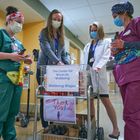
ChristianaCare recognized by American Medical Association with 2021 Joy in Medicine distinction
ChristianaCare one of only 44 nationwide to receive the distinction; one of only five to receive the highest level – Gold Recognition (WILMINGTON, Del. – Oct. 7, 2021) ChristianaCare has been named a recipient of the American Medical Association’s Joy in MedicineTM Health System Recognition Program. The distinction recognizes health systems that demonstrate a commitment to preserving the wellbeing of health care team members by engaging in proven efforts to combat work-related stress and burnout. The American Medical Association awarded ChristianaCare a “Gold Recognition” – the highest level within the program. Only 44 health systems nationwide received the Joy in Medicine distinction, with only four other health systems along with ChristianaCare achieving the Gold Recognition. “When caregivers feel supported and fulfilled in their work, the quality of both their experience and their patient’s experience improves,” said Heather Farley, M.D., MHCDS, chief wellness officer and head of ChristianaCare’s Center for WorkLife Wellbeing. “That’s why, when the COVID-19 pandemic struck, we deepened our investment of resources to support our caregivers. While there’s still a long way to go, we are grateful to receive this recognition as it affirms our commitment to helping our caregivers foster meaning, connection and joy in work and in life.” ChristianaCare received the “Gold Recognition” for achieving six criteria: An organization-wide commitment to improving physician wellbeing. An assessment of the costs of physician burnout. Evidence-based interventions to reduce and eliminate burnout. Leadership commitment to address areas for improvement. Interventions to improve teamwork. Structured programs that actively engage doctors to cultivate community at work. These criteria align with ChristianaCare’s commitment to support its caregivers in alignment with the organization’s core values of love and excellence. ChristianaCare has implemented structured ways of working that encourages leaders to create environments where their workers feel safe asking questions and feel empowered to identify and solve problems. ChristianaCare also uses numerous surveys and assessments to track progress in improving the wellbeing and experience of caregivers. ChristianaCare’s Unique Center for WorkLife Wellbeing ChristianaCare established the Center for WorkLife Wellbeing in 2016 to develop support systems to enable clinicians to reconnect with the joy and meaning in medicine. “We recognized the growing problem of stress and burnout in health care, and we made a decision to tackle it head-on,” said Janice E. Nevin, M.D., MPH, ChristianaCare president and CEO. “The work of our psychologists, researchers, clinicians and peer supporters in the Center for WorkLife Wellbeing is built on the understanding that when we care for ourselves, we are better able to care for others, resulting in decreased medical errors and a better experience of care for everyone involved.” The Center soon expanded its mission to support all of ChristianaCare’s caregivers, including those who don’t work in clinical roles. The Center also has received national recognition for its expertise and leadership in the field of workplace wellbeing. Throughout the pandemic, the Center for WorkLife Wellbeing has proactively shared a variety of resources to support caregivers as they work to provide safe, effective care and reduce the spread of COVID-19. This includes: The Care for the Caregiver program, which provides confidential individual peer support and group support to caregivers when they experience stress related to patient care or the workplace. Peer supporters and organizational leaders receive training so they can provide psychological first aid to caregivers whom they recognize are struggling as well as connect them to helpful resources if needed. Emotional support through mindfulness resources and regular rounds where the Center’s experts can check on staff wellbeing. OASIS Rooms, which are quiet sanctuaries inside the hospital where caregivers can go to take a break, de-stress, meditate or enjoy a chair massage. 24/7 mental health services and programs to help caregivers maintain healthy habits including proper exercise, sleep and nutrition. Fitness centers that are free for all caregivers to use and provide easy access to exercise and fitness programs. “I always use the analogy, you can’t take the canary out of the coal mine and teach it to be more resilient and then put it back in the same coal mine and expect it to survive,” Dr. Farley said. “You actually have to change the coal mine – the environment surrounding our caregivers and clinicians. That’s what we’re doing in the Center for WorkLife Wellbeing.” Solutions to a National Problem A national study examining the experiences of physicians and other health care workers who worked in health systems during the COVID-19 pandemic found that 38% self-reported experiencing anxiety or depression, while 43% suffered from work overload and 49% had burnout. “The COVID-19 pandemic has placed extraordinary stress on physicians and other health care professionals,” said American Medical Association President Gerald E. Harmon, M.D. “While it is always important for health systems to focus on the wellbeing of care teams, the imperative is greater than ever as acute stress from combatting the COVID-19 pandemic has contributed to higher rates of work overload, anxiety and depression. The health systems we recognize today are true leaders in promoting an organizational response that makes a difference in the lives of the health care workforce.” Launched in 2019, the Joy in Medicine Health System Recognition Program is a component of the American Medical Association’s practice transformation efforts, an ambitious initiative to advance evidence-based solutions to address the physician burnout crisis. Candidates for the program were evaluated according to their documented efforts to reduce work-related burnout through system-level drivers. Scoring criteria were based on demonstrated competencies in commitment, assessment, leadership, efficiency of practice environment, teamwork and support. About ChristianaCare Headquartered in Wilmington, Delaware, ChristianaCare is one of the country’s most dynamic health care organizations, centered on improving health outcomes, making high-quality care more accessible and lowering health care costs. ChristianaCare includes an extensive network of primary care and outpatient services, home health care, urgent care centers, three hospitals (1,299 beds), a freestanding emergency department, a Level I trauma center and a Level III neonatal intensive care unit, a comprehensive stroke center and regional centers of excellence in heart and vascular care, cancer care and women’s health. It also includes the pioneering Gene Editing Institute. ChristianaCare is nationally recognized as a great place to work, rated by Forbes as the 5th best health system to work for in the United States and by IDG Computerworld as one of the nation’s Best Places to Work in IT. ChristianaCare is rated by HealthGrades as one of America’s 50 Best Hospitals and continually ranked among the nation’s best by Newsweek and other national quality ratings. ChristianaCare is a nonprofit teaching health system with more than 260 residents and fellows. With its groundbreaking Center for Virtual Health and a focus on population health and value-based care, ChristianaCare is shaping the future of health care. #####

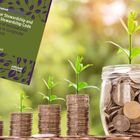
Aston Law School corporate governance experts launch new book on investor stewardship
Dr Daniel Cash and Robert Goddard co-wrote Investor Stewardship and the UK Stewardship Code: The Role of Institutional Investors in Corporate Governance The book will be relevant for an international audience of academics, regulators and policymakers in financial regulation, investment regulation and financial services It coincides with the publishing of the Stewardship Code 2020 signatories as part of a new regulatory code by the Financial Reporting Council (FRC) Two members of Aston Law School have released a new book around investor stewardship to coincide with a major milestone by the Financial Reporting Council (FRC). The FRC published the first main list of Stewardship Code 2020 signatories on 6 September 2021, after a round of reporting earlier this year. This milestone details who is following the Code and allows the regulator to focus on holding signatories to the articulated standards of stewardship and how it is reported. The new book by Dr Daniel Cash and Robert Goddard, Investor Stewardship and the UK Stewardship Code: The Role of Institutional Investors in Corporate Governance, provides a critical assessment of the development of the Stewardship Code 2020, which sets out principles regarding the role of institutional investors in corporate governance. It discusses how the regulatory framework for stewardship evolved before and after the financial crisis, and how that evolution resulted in the 2020 Code. It also critiques the Code from a practical and academic perspective, as well as evaluating the wider regulatory framework; in particular, the position of the FRC merging into the Audit, Reporting and Governance Authority (ARGA). Dr Daniel Cash, senior lecturer in law at Aston Law School, said: “The Stewardship Code is a big deal in British governance, and that is exactly what the book looks at. “It examines the history of the stewardship Codes and regulation in the UK, and uses this to critically examine the new 2020 Code. “That critical analysis leads into projections of how the Code may fare in the modern business environment, aspects that may affect its progression, and puts forward elements that can make the Code’s impact more substantial. “This important regulatory development will play a massive role in aligning the actions of investors with the wider societal needs in the new world being dominated by ESG concerns. “Stewardship Codes modelled on the UK’s original 2010 version have been introduced in numerous markets and, as such, the book will be relevant for an international audience of academics, regulators and policymakers in financial regulation, investment regulation and financial services.” You can buy a copy of Investor Stewardship and the UK Stewardship Code: The Role of Institutional Investors in Corporate Governance here.