
Experts Matter. Find Yours.
Connect for media, speaking, professional opportunities & more.
New research partnership to develop biodegradable gloves from food waste for healthcare sector
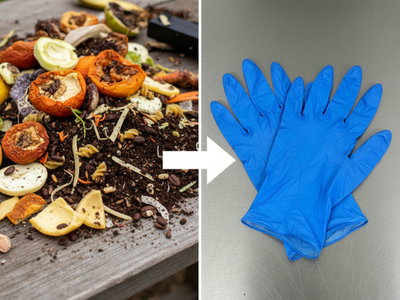
Knowledge Transfer Partnership between Aston University and PFE Medical to develop a biodegradable clinical glove from food waste The gloves will provide a low-cost, convenient and sustainable alternative to the 1.4bn disposable gloves used in the NHS each year The innovation will reduce clinical waste and costs and help the NHS reach its net zero goals. Aston University and Midlands-based company PFE Medical are teaming up to create biodegradable gloves made from food waste for use in the NHS. They will offer a low-cost, convenient alternative to disposable gloves without compromising patient safety. More than 1.4bn disposable gloves are used by the NHS each year. They create large volumes of clinical waste which has both an environmental and economic cost. The Knowledge Transfer Partnership (KTP) project will develop a more sustainable alternative made from polymers derived from food waste such as orange peel, able to degrade naturally. The gloves will initially be for use during low-risk tasks such as ultrasound scans, rather than in more critical situations such as operating theatres. The gloves would be designed to not only reduce clinical waste and costs in the NHS, but also carbon emissions, helping the NHS reach its goal to be the world’s first net-zero health service. With most personal protective equipment (PPE) currently sourced from Chinese manufacturers, the goal is to develop a biodegradable glove that can be manufactured using a UK supply chain. The challenging project draws on Aston University’s expertise in sustainable polymer chemistry, centred at Aston Institute for Membrane Excellence (AIME). Aston University has one of the largest research groups of polymer chemists in the UK. The project will be led at the University by Professor Paul Topham, director of AIME, and Dr James Wilson, AIME associate member. The research team have chosen to focus on polymers from food waste in order to ensure that the final product can be manufactured sustainably. Most polymers are currently made from petroleum. Polymers made from food waste, ranging from fruit waste to corn or dairy products, have the potential for antioxidant and antibacterial properties if designed appropriately. The team will manipulate the polymer molecules so that they include the right monomers (the smaller units which make up the molecules) in the right location to achieve the properties they require. Critical to the success of the project will be PFE Medical’s commercial and clinical experience of taking new innovations into medical use. It will be the third KTP between Aston University and PFE, following on from successful projects to develop an automated endoscope cleaner, now in use across University Hospitals Birmingham NHS Foundation Trust (UHB). Professor Topham said: “At Aston University, we have a long history of working with industry, of translating fundamental research into solutions for real world problems. This project with PFE Medical provides us with that route, to take our science and engineering and make a difference to peoples’ lives. That’s exactly where, as researchers, we want to be.” Rob Hartley, CEO of PFE Medical, said: “Our previous KTP with Aston University was a phenomenal success, thanks to the brilliant team we had on board. I’m just as excited by this project, which is looking to solve an equally long-standing problem. If we can achieve our goal, then the implications are huge, going far beyond the NHS to all the other situations where people are wearing disposable gloves.” KTPs, funded by Innovate UK, are collaborations between a business, a university and a highly qualified research associate. The UK-wide programme helps businesses to improve their competitiveness and productivity through the better use of knowledge, technology and skills. Aston University is a sector-leading KTP provider, ranked first for project quality, and joint first for the volume of active projects. For further details about this KTP, visit the webpage: www.aston.ac.uk/business/collaborate-with-us/knowledge-transfer-partnership/at-work/pfe-medical.

Venezuela: Why Regime Change Is Harder Than Removing A Leader
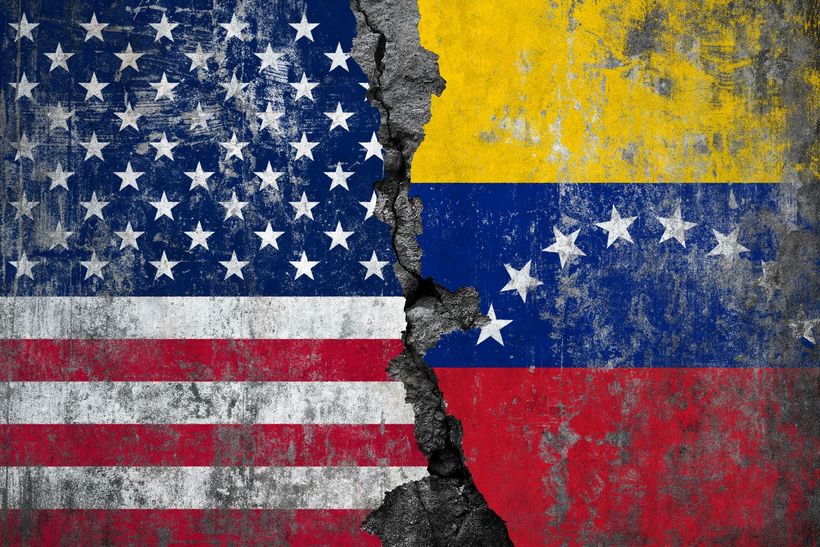
With global attention on Venezuela following the U.S. removal of Nicolás Maduro, one of the central questions is whether taking out a leader actually changes the political system that put him in power. Two University of Rochester political scientists — Hein Goemans and Gretchen Helmke — study different sides of this issue, and can shed light on why authoritarian regimes often survive even when leaders fall and what the U.S. intervention means for Venezuela and the world order. Goemans specializes in how wars begin and end, regime survival, and why so-called “decapitation strategies” — removing a leader without dismantling the broader power structure — so often fail to produce stable outcomes. His research draws on cases ranging from Iraq and Afghanistan to authoritarian regimes in Latin America. In a recent interview with WXXI Public Media, Goemans warned that removing Maduro does not resolve the underlying system of military and economic control that sustained his rule. Without changes to those institutions, he said, power is likely to remain concentrated among the same elite networks. “The problem isn’t just the leader,” Goemans explained. “It’s the structure that rewards loyalty and punishes defection. If that remains intact, the politics don’t fundamentally change.” Helmke, a leading scholar of democracy and authoritarianism in Latin America, emphasizes that legitimacy, not just force, determines whether democratic transitions take hold. Her research helps explain why democratic breakthroughs so often stall after moments of dramatic change, and why outside interventions can unintentionally weaken domestic opposition movements by shifting power toward regime insiders. “When the institutions and elites remain in place, uncertainty — not democratic transition — often becomes the dominant political reality,” she said. For journalists covering the fast-moving situation, Goemans and Helmke are available to discuss why removing leaders rarely brings the political transformation policymakers expect and what history suggests comes next. They can address: • Why regime-change operations so often backfire, even when dictators are deeply unpopular • What sidelining democratic opposition means for legitimacy • Whether U.S. claims that Maduro is illegitimate hold up under international and U.S. law • How prosecuting a foreign leader in U.S. courts could reshape norms of sovereignty • The risks the U.S. intervention poses to the rules-based international order and NATO • How interventions affect international norms, including sovereignty and the rule of law, and why short-term tactical successes can create long-term strategic risks. • Why treating global politics as a series of “one-off” power plays misunderstands how states actually enforce norms over time • How competing factions inside the U.S. administration may be driving incoherent foreign policy Geomans also brings rare insight into the internal dynamics of U.S. policymaking, having taught and observed Stephen Miller, one of President Donald Trump’s closest aides who is helping shape the administration’s worldview. (Goemans taught Miller at Duke University in 2003.) Click on the profiles for Goemans and Helmke to connect with them.




Why Greenland Matters: The History and Strategic Importance of the World’s Largest Island
Often viewed as remote and sparsely populated, Greenland has long played an outsized role in global strategy. Settled by Inuit peoples for thousands of years, Greenland later became part of the Danish realm in the 18th century and today exists as an autonomous territory within the Kingdom of Denmark. Its location—bridging North America and Europe—has consistently drawn the attention of major powers, especially during moments of geopolitical tension. That attention intensified during the Cold War, when Greenland became a critical asset in Arctic defense. The United States established military installations on the island, most notably what is now known as Pituffik Space Base, to support missile warning systems and transatlantic defense. Greenland’s position along the shortest air and missile routes between North America and Russia made it indispensable to early-warning networks—and that strategic logic has not faded with time. Today, Greenland’s importance is growing rather than shrinking. Climate change is reshaping the Arctic, opening new shipping routes and increasing access to natural resources such as rare earth minerals, hydrocarbons, and freshwater reserves locked in ice. These developments have renewed global interest in Greenland from NATO allies and rival powers alike, as control over Arctic infrastructure, data, and mobility becomes central to economic and security planning. At the same time, Greenland’s own political future—balancing autonomy, Indigenous priorities, and external pressure—adds another layer of complexity. Greenland’s story is ultimately one of geography shaping history. What once made the island strategically valuable for defense now places it at the center of debates about climate, security, energy, and sovereignty in the 21st century. As Arctic competition accelerates, Greenland is no longer a peripheral actor—it is a focal point where global interests converge. Journalists covering geopolitics, Arctic security, climate change, Indigenous governance, or global resource competition are encouraged to connect with experts who study Greenland’s past and its evolving strategic role. Expert insight can help explain why this vast island continues to matter—and why it is likely to play an even larger role in the years ahead. Our experts can help! Connect with more experts here: www.expertfile.com


Power, Politics, and Petroleum: The Story of Venezuela
After gaining independence from Spain in the early 19th century under the leadership of Simón Bolívar, the country spent much of the next century marked by political instability and military rule. Everything changed in the early 20th century with the discovery of vast oil reserves, which rapidly transformed Venezuela into one of the world’s leading petroleum exporters and shifted power toward a centralized state funded almost entirely by oil revenue. By the mid-20th century, oil had become both Venezuela’s greatest asset and its greatest vulnerability. Democratic governments that emerged after 1958 used oil income to expand social programs and infrastructure, but also built an economy dangerously dependent on a single commodity. When oil prices fell in the 1980s and 1990s, economic inequality and public frustration surged, creating the conditions that brought Hugo Chávez to power in 1999. Chávez reoriented the political system around a state-controlled oil sector, using petroleum revenues to fund social initiatives while consolidating political authority and weakening independent institutions. Under Chávez and his successor Nicolás Maduro, oil remained the backbone of the state—but declining production, corruption, and mismanagement hollowed out the industry itself. As oil revenues collapsed, so did public services, democratic norms, and economic stability. Venezuela’s history illustrates a central paradox: immense natural wealth paired with fragile governance. Control of oil has repeatedly shaped political power, domestic policy, and Venezuela’s relationship with the world—making energy inseparable from the country’s political story. Journalists covering Venezuela, Latin American politics, energy markets, or resource-driven economies are encouraged to connect with experts who can provide historical context, explain the role of oil in shaping political outcomes, and assess how Venezuela’s past continues to influence its uncertain future. Our experts can help! Connect with more experts here: www.expertfile.com
Maduro is gone; expert details potential impact on the Caribbean
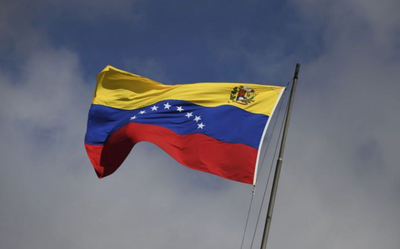
Globally, the ousting of Nicolás Maduro in Venezuela has been met with a mix of reactions and cautious optimism. The University of Delaware’s Kalim Shah can discuss how regime change will play across the Caribbean and the spillover effect that will ripple throughout the region – and the world – in the years and decades to come. Shah, professor of energy and environmental policy and an expert on the island nations of the Caribbean, says that although public statements have been muted and restrained, there is a shared understanding. “For small island states that have absorbed the effects of Venezuelan collapse for more than two decades, this moment represents the possible end of a long and destabilizing chapter,” Shah said. Caribbean governments are not celebrating regime change, Shah said. Rather, they are responding to the prospect of reduced systemic risk. “A Venezuela that no longer exports large-scale displacement, opaque energy leverage and permissive criminal governance is objectively preferable for the region.” Shah can discuss several aspects of Venezuela’s political history, how the nation has arrived where it is, where it might be headed and the impact this will have on the Caribbean as a whole. Those include: • Venezuela’s political and economic deterioration during the Chávez–Maduro era and how that has translated directly into pressures felt across the Caribbean in the form of migration, fiscal exposure, security risks and regional uncertainty. • How the nation’s institutional collapse coincided with deepening organized crime activity across the Caribbean basin. Data from the United Nations Office on Drugs and Crime consistently places the region within major cocaine trafficking corridors linking South America with North American and European markets. For Caribbean governments, this meant higher interdiction costs, increased exposure to transnational criminal networks and growing pressure on already limited security institutions. • This moment invites a reassessment of China’s expanding footprint in the Caribbean, Shah says. He can discuss the ways in which Beijing has deepened its presence throughout the region. Shah says that as this transition unfolds, five policy developments will determine whether the cautious optimism proves warranted: • The impact on Venezuelan outward migration to the Caribbean. • Whether Caribbean public systems receive durable support rather than short-term humanitarian fixes. • Organized crime and drug trafficking pressures in the Caribbean basin. • External security engagement in the Caribbean. • Whether the region avoids a return to dependency-driven energy and infrastructure politics. “For the Caribbean, hope today is not naïve. It is conditional. The Chávez–Maduro years imposed real costs on the region. Their end creates an opening…but only if policy follows through,” Shah said. To contact Shah directly for interviews, visit his expert page and click on the "contact" button. Interested reporters can also send an email to mediarelations@udel.edu.


From Libraries to Heart Health: Marlo Vernon Takes Cardiovascular Care Into Rural Georgia
Marlo Vernon, PhD, associate professor in the Department of Health Management, Economics, and Policy at Augusta University’s School of Public Health, is leading a creative public health initiative designed to improve cardiovascular monitoring in rural Georgia. Through the university’s Rural Obese At-Risk initiative, Vernon and her team are placing blood pressure monitors in local libraries, allowing residents to check them out just like books. The effort addresses a critical access gap in rural communities where preventive health tools are often limited or difficult to obtain. Vernon’s work focuses on the realities facing communities in the South’s so-called Stroke Belt, where overlapping health conditions significantly elevate cardiovascular risk. View her profile “There are significant chronic disease risk factors in this so-called Stroke Belt. We’ve got high obesity rates. We have family history. We have high rates of diabetes and kidney disease and they all kind of feed into each other to really create this cardiovascular health need in our communities. And women, in general, are just at a higher risk for this,” said Marlo Vernon, PhD. Beyond equipment access, Vernon’s research also examines how people understand and manage their health when traditional care options are limited. The library-based model helps normalize blood pressure monitoring while reducing barriers such as travel distance, cost, and limited clinic availability. It also creates opportunities to study how community-based solutions can improve awareness, engagement, and long-term cardiovascular outcomes. For journalists covering rural health, women’s health, chronic disease prevention, or innovative public-health strategies, Vernon offers grounded, real-world insight into how trusted community spaces can play a vital role in addressing persistent health disparities. A full article on this topic is available below. To arrange an interview with Dr. Vernon simply click on her iconnow to set up a time to talk today.


UF professor to expand proven disease-prediction dashboard to monitor Gulf threats
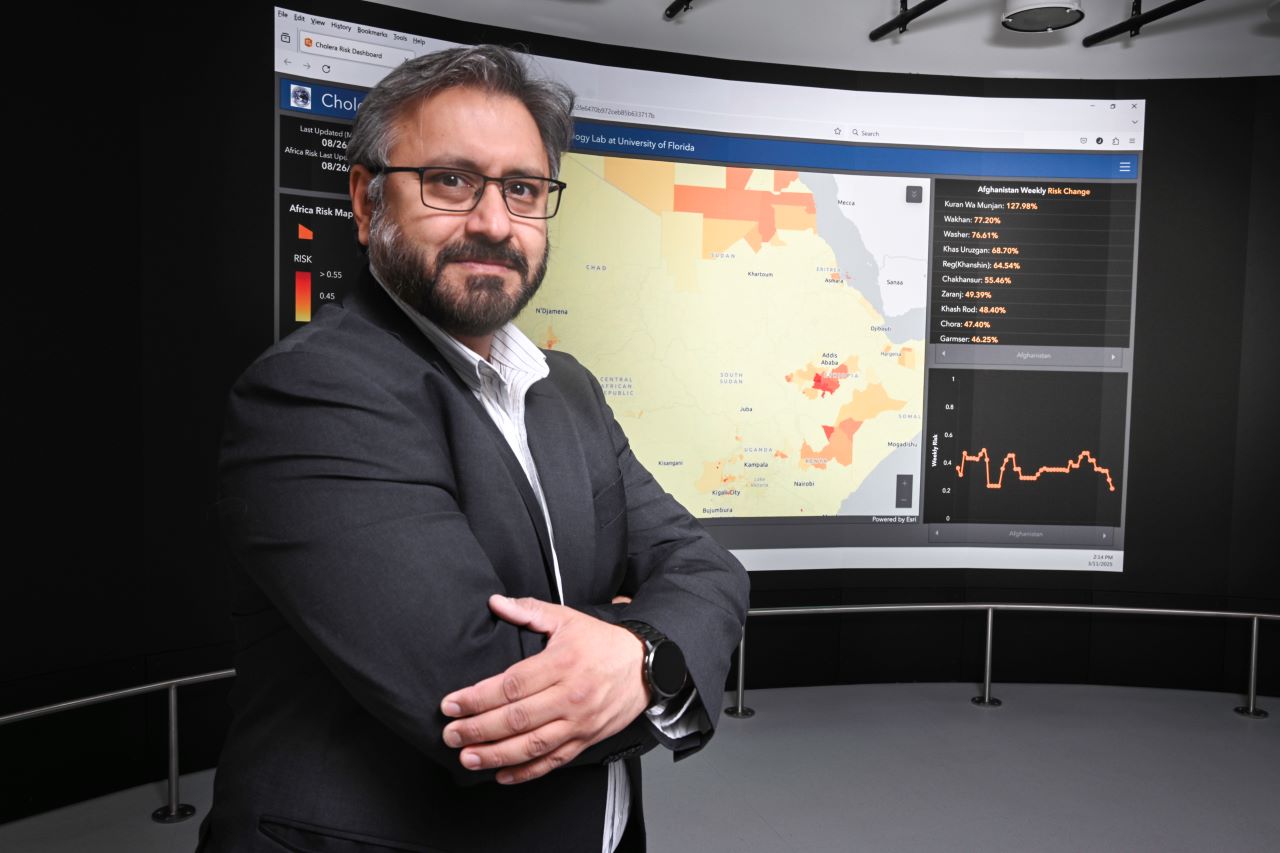
After deploying life-saving cholera-prediction systems in Africa and Asia, a University of Florida researcher is turning his attention to the pathogen-plagued waters off Florida’s Gulf Coast. In the fight to end cholera deaths by 2030 – a goal set by the World Health Organization – UF researcher and professor Antar Jutla, Ph.D., has deployed his Cholera Risk Dashboard in about 20 countries, most recently in Kenya. Using NASA and NOAA satellite images and artificial intelligence algorithms, the dashboard is an interactive web interface that pinpoints areas ripe for thriving cholera bacteria. It can predict cholera risk four weeks out, allowing early and proactive humanitarian efforts, medical preparation and health warnings. Cholera is a bacterial disease spread through contaminated food and water; it causes severe intestinal issues and can be fatal if untreated. The US Centers for Disease Control reports between 21,000 and 143,000 cholera deaths each year globally. Make no mistake, the Cholera Risk Dashboard saves lives, existing users contend. His team now wants to set up a similar pathogen-monitoring and disease-prediction system for pathogenic bacteria in the warm, pathogen-fertile waters of the Gulf of America. “Its timeliness, its predictiveness and its ease of access to the right data is a game changer in responding to outbreaks and preventing potentially catastrophic occurrences.” - Linet Kwamboka Nyang’au, a senior program manager for Global Partnership for Sustainable Development Data Closer to home Jutla is seeking funding to develop a pathogen-prediction model to identify dangerous bacteria in the Gulf to warn people – particularly rescue workers – to use protective gear or avoid contaminated areas. He envisions post-hurricane systems for the Gulf that will help the U.S. Navy/Coast Guard and other rescue workers make informed health decisions before entering the water. And he wants UF to be at the forefront of this technology. “If we have enough resources, I think within a year we should have a prototype ready for the Gulf,” said Jutla, an associate professor with UF’s Engineering School Sustainable Infrastructure and Environment. “We want to build that expertise here at UF for the entire Gulf of America.” Jutla and his co-investigators have applied for a five-year, $4 million NOAA RESTORE grant to study pathogens known as vibrios off Florida’s West Coast and develop the Vibrio Warning System. These vibrios in the Gulf can cause diarrhea, stomach cramps, nausea, vomiting, fever and chills. One alarming example is Vibrio vulnificus, commonly known as flesh-eating bacteria, a bacterium that often leads to amputations or death. The Centers for Disease Control and Prevention (CDC) has reported increases in vibrio infections in the Gulf region, particularly from 2000 to 2018. The warm and ecologically sensitive Gulf waters provide a thriving habitat for harmful pathogens. “The grant builds directly on the success of our cholera-prediction system," Jutla noted. "By integrating AI technologies into public health decision-making, we would not only lead the nation but also become self-reliant in understanding the movement of environmentally sensitive pathogens, positioning ourselves as global leaders.” Learning from preparing early Jutla’s dashboards are critical tools for global health and humanitarian officials, said Linet Kwamboka Nyang’au, a senior program manager for Global Partnership for Sustainable Development Data. “Its timeliness, its predictiveness and its ease of access to the right data is a game changer in responding to outbreaks and preventing potentially catastrophic occurrences,” Kwamboka Nyang’au said. Over the last few years, Jutla and several health/government leaders have been working to deploy the cholera-predictive dashboard. “Our partnership with UF, the government of Kenya and others on the cholera dashboard is a life-saving mission for high-risk, extremely vulnerable populations in Africa. By predicting potential cholera outbreaks and coordinating multi-stakeholder interventions, we are enabling swift action and empowering local governments and communities to prevent crises before they unfold,” said Davis Adieno, senior director of programs for the Global Partnership for Sustainable Development Data. The early warnings for waterborne pathogens also allows the United Nations time to issue early assistance to residents in the outbreak’s path, said Juan Chaves-Gonzalez, a program advisor with the United Nations’ Office for the Coordination of Humanitarian Affairs. “There are several things we do with the money ahead of time. We provide hygiene kits. We repair and protect water sources. We start chlorination, we set up hand-washing stations, train and deploy rapid-response teams. At the community level, we try to inject funding to procure rapid-diagnostic tests,” he said. “We identify those very, very specific barriers and put money in organizations’ hands in advance to remove those barriers.” Eyes on the Gulf In the United States, hurricanes stir up vibrios in the Gulf, posing a high risk of infection for humans in the water. There has been a nearly 200% increase in these cases over the last 20 years in the U.S., according to the CDC. “After Hurricane Ian, we saw a very heavy presence of these vibrios in Sarasota Bay and the Charlotte Bay region. Not only that, but they were showing signs of antibiotic-resistance. Last year, we had one of the largest number of cases of vibriosis in the history of Florida,” Jutla said. Samples from 2024 hurricanes Helene and Milton are being analyzed with AI and complex bioinformatics algorithms. “If there is a risky operation by rescue personnel, not using personal protective equipment, then we would want them to know there is a significant concentration of these bacteria in the water,” Jutla said. “As an example, Navy divers operating in contaminated waters are at risk of infections from vibrios and other enteric pathogens, which can cause severe gastrointestinal and wound infections.” Safety and economics “Exposure to vibrios and other enteric pathogens,” Jutla added, “can disrupt economic activities, particularly in coastal regions that are dependent on tourism and fishing. And vibrios may be considered potential bioterrorism agents due to their ability to cause widespread illness and panic.” In developing the Vibrio Warning System, Jutla noted, he and his team want to significantly enhance public health safety and preparedness along the Gulf Coast. By leveraging advanced AI technologies, satellite datasets and predictive modeling, they plan to mitigate the risks posed by environmentally sensitive pathogenic bacteria, ensuring timely interventions and safeguarding human health and economic activities. “Hospital systems and healthcare providers in the Gulf region will have a tool for anticipatory decision making on where and when to anticipate illness from these environmentally sensitive vibrios, and issue a potential warning to the general public,” he said. “With the potential to become a leader in environmental pathogen prediction, UF stands at the forefront of this critical research, poised to make a lasting impact on local, regional, national and global health and safety.”


Kwanzaa Explained: A Modern Celebration Rooted in Culture, Community, and Purpose
Observed from December 26 to January 1, Kwanzaa is a cultural celebration that centres on African heritage, shared values, and community renewal. While often grouped with year-end holidays, Kwanzaa is distinct in both origin and intent — designed not as a religious observance, but as a time for reflection, education, and collective responsibility. At its core, Kwanzaa asks a simple but powerful question: How do communities honour their past while shaping a stronger future? The Origins of Kwanzaa Kwanzaa was established in 1966 by scholar and activist Maulana Karenga during a period of social change in the United States. It was created to provide African Americans with a way to reconnect with African cultural traditions while reinforcing shared values that support family, community, and social progress. The name “Kwanzaa” is derived from a Swahili phrase meaning “first fruits”, reflecting harvest celebrations common across many African cultures. The Seven Principles: Nguzo Saba Each day of Kwanzaa focuses on one of the Seven Principles, known collectively as the Nguzo Saba. These principles guide the celebration and serve as a framework for reflection and action: Umoja (Unity) – Strengthening family and community bonds Kujichagulia (Self-Determination) – Defining and speaking for oneself Ujima (Collective Work and Responsibility) – Building together and solving problems collectively Ujamaa (Cooperative Economics) – Supporting and sustaining community businesses Nia (Purpose) – Contributing to the restoration and development of community Kuumba (Creativity) – Leaving communities more beautiful and beneficial than before Imani (Faith) – Belief in people, parents, teachers, leaders, and collective struggle Each evening, families light a candle on the kinara, symbolizing progress through these values. Symbols and Traditions Kwanzaa celebrations include meaningful symbols that reinforce its themes: Kinara – The candle holder representing roots and foundation Mishumaa Saba – Seven candles representing the Nguzo Saba Mkeka – A woven mat symbolizing tradition and history Mazao – Crops representing collective labour and productivity Kikombe cha Umoja – The unity cup used for communal reflection Zawadi – Gifts that emphasize creativity, learning, and cultural meaning Celebrations often include storytelling, music, poetry, shared meals, and discussions about cultural identity and social responsibility. Kwanzaa in Practice Today Kwanzaa is observed in the United States and internationally by people of African descent and others interested in African culture and values. It may be celebrated alongside religious holidays such as Christmas or Hanukkah, or on its own. Over time, Kwanzaa has become a platform for conversations about: Cultural identity Community empowerment Education and youth development Economic equity Social responsibility Story Angles for Journalists Why Kwanzaa was created — and why it still resonates today The role of culture in community resilience How Kwanzaa is celebrated across generations Education, identity, and the Nguzo Saba Kwanzaa’s place in modern multicultural societies How families blend Kwanzaa with other year-end traditions Why Kwanzaa Matters Kwanzaa offers a framework for reflection that extends beyond a single week. Its principles emphasize unity, purpose, and shared responsibility — themes that remain relevant in discussions about culture, equity, and community building. In a season often dominated by consumption and spectacle, Kwanzaa provides a values-driven pause — one rooted in heritage, intention, and collective progress. Let's get you connected to an expert! Find more experts here: www.expertfile.com
With the MOMitor™ app, Florida mothers have better maternal care right at their fingertips
A program spearheaded by University of Florida physicians recently expanded to improve care for new mothers throughout the state, using tools they have right at home. Five years ago, a team of obstetricians and researchers at the UF College of Medicine launched MOMitor™, a smartphone app that allows new mothers to answer health screening questions and check vitals like blood pressure in the comfort of their own homes, using tools given to them by their health care providers. Depending on the data, the clinical team can then follow up with patients as needed for further medical intervention. Now, the app is expanding beyond North Central Florida — where nearly 4,400 mothers have participated in the program — to other areas in the state. Clinicians are also teaming up with data scientists at the College of Medicine who are using artificial intelligence to study data and identify trends that can lead to more personalized care. Program expansion Thanks to funding from the Florida Department of Health to support the state’s Telehealth Maternity Care Program, MOMitor™ has recently expanded for use in Citrus, Hernando, Sumter, Flagler, Volusia, Martin, St. Lucie and Okeechobee counties, said Kay Roussos-Ross, M.D. ’02, MPAS ’98, a UF professor of obstetrics/gynecology and psychiatry who is leading the program. “The Florida Legislature was really motivated and interested in improving maternal morbidity and mortality, and through this program we’re touching additional parts of the state and helping patients beyond North Central Florida,” she said. Maternal mortality is a serious concern in the United States, with more than 18 deaths recorded per 100,000 births in 2023, according to the latest data available from the U.S. Centers for Disease Control and Prevention. This is a much higher rate than most other developed countries, Roussos-Ross said. Common factors that may lead to maternal mortality, which is measured from pregnancy through the first year after giving birth, include infection, mental health conditions, cardiovascular conditions and endocrine disorders. Many of these complications can go unnoticed or unmonitored, particularly if at-risk mothers are not reporting complications to clinicians. A 2025 study published in the Journal of the American Medical Association shows that up to 40% of women do not attend postpartum visits. “By leveraging AI, we have the opportunity to target moms and moms-to-be who might be at greater risk of complications ... and encourage them to participate in the program to mitigate these.” — Tanja Magoc, Ph.D. “Whereas we’re used to seeing patients pretty routinely during pregnancy, after delivery visits quickly drop off and some women don’t make it back for postpartum care, so we may not have an opportunity to continue supporting them,” Roussos-Ross said. “This can often be because of barriers such as housing, transportation or food insecurity. We offer referrals to help with some of these services.” With MOMitor™, patients can let their clinician know how they are recovering without visiting the clinic, improving access to care in situations where that is not always an easy option for new mothers. “It’s a way to be proactive,” Roussos-Ross said. “Instead of waiting for a patient to come to us when they haven’t been doing well for a while, we connect with them through the app and follow up when they initially begin not doing well, so we can address concerns more quickly.” Studying data to personalize care Roussos-Ross’ team is collaborating with data scientists from the College of Medicine’s Quality and Patient Safety initiative, or QPSi, to determine how AI can assist in finding ways to further improve processes. “By leveraging AI, we have the opportunity to target moms and moms-to-be who might be at greater risk of complications, such as developing postpartum depression or hypertension, and encourage them to participate in the program to mitigate these complications,” said Tanja Magoc, Ph.D., the associate director of QPSi’s Artificial Intelligence/Quality Improvement Program. David Hall, Ph.D., a QPSi data scientist, said his team is working alongside the clinical team to analyze data that can be used to create recommendations for patients. “Everything we do comes from information supported in the patients’ charts,” Hall said. “We also make sure the data upholds compliance standards and protects patients’ privacy.” “We’re interested in finding out what areas might be hot spots and determining what makes them this way, so we can ... better identify areas where there may be high-risk patients and provide interventions to those who need it most.” — David Hall, Ph.D. The teams aim to intervene before patients encounter postpartum complications, addressing potential issues before they become significant problems. After taking into account a patient’s personal and family medical history, the team looks at information such as geolocation, drilling down to areas much smaller than the ZIP code level in order to find points of potential concern. “We’re interested in finding out what areas might be hot spots and determining what makes them this way, so we can study these patterns throughout the state and better identify areas where there may be high-risk patients and provide interventions to those who need it most,” Hall said. Roussos-Ross said she is proud of the work her team has done to improve patient outcomes through the program so far and is excited to empower more patients. “Every year, the participants give us recommendations on how to improve the app, which we love. But they also say, ‘This is so great. It helped me think about myself and not just my baby. It helped me learn about taking care of my own health. It made me remember I’m important too, and it’s not just about the baby,’” Roussos-Ross said. “And that is so gratifying, because women are willing to do anything to ensure the health of their baby, sometimes at the expense of their own care. This is a way for us to let them know they are still important, and we care about their health as well.”

AU scientists advance understanding of Nobel-winning immunology research
The 2025 Nobel Prize in Physiology or Medicine recognized the discovery of regulatory T cells, which are immune cells that maintain tolerance and prevent autoimmunity. At Augusta University, scientists have built upon that foundational work, uncovering how these cells function, fail and evolve across diseases like cancer and atherosclerosis. Regulatory T cells, or Tregs, are essential for controlling immune responses and preventing the body from attacking its own tissues. Early discoveries by Shimon Sakaguchi, MD, PhD, who identified the CD25 marker and later the transcription factor FoxP3, revealed how Tregs suppress immune activation. Sakaguchi, a distinguished professor at Osaka University in Japan, shared the Nobel Prize with Mary E. Brunkow, PhD, Princeton University, and Fred Ramsdell, PhD, University of California, Los Angeles. Sakaguchi once shared lab space with Nicholas Gascoigne, PhD, now a professor at AU’s Immunology Center of Georgia, where he studies T-cell signaling and differentiation — a connection that ties the global history of Treg research to the university’s ongoing expertise. Gascoigne’s research continues to illuminate how Tregs differentiate and signal, critical steps in ensuring immune tolerance to self. “Drs. Sakaguchi, Brunkow and Ramsdell have made enormous contributions to our understanding of how immunological tolerance works, so this prize is very well deserved,” Gascoigne said. “I was happy I could help Drs. Shimon and Noriko Sakaguchi when they needed lab space back in the early ‘90s. They were wonderful to work with.” At Augusta University, David Munn, MD, co-director of the Pediatric Immunotherapy Program of the Medical College of Georgia at Augusta University, made seminal discoveries showing that Tregs are not always stable. Munn’s team demonstrated that these cells could lose their suppressive identity and become “exTregs,” adopting pro-inflammatory characteristics under certain conditions. Munn also uncovered an entirely distinct tolerance mechanism through indoleamine 2,3-dioxygenase, a pathway independent of FoxP3 that regulates immune balance through tryptophan metabolism. “In particular, the work of Shimon Sakaguchi and Fred Ramsdell was profoundly influential on our early work, as we were just starting out to explore how the immune system is regulated in pediatric cancers,” Munn said. “The work of these Nobel laureates helped transform the scientific understanding of how the immune system responds — or fails to respond — in the setting of tumors.” Catherine “Lynn” Hedrick, PhD, co-director of the Immunology Center of Georgia, further expanded this understanding by showing that Tregs can convert into follicular helper T cells, offering new insight into how immune regulation can shift toward antibody production in chronic inflammatory diseases such as atherosclerosis. “Understanding how regulatory T cells can shift identities helps explain why the immune system sometimes loses balance in chronic disease,” Hedrick said. “By tracing how Tregs convert into other helper cells, we’re uncovering new therapeutic targets to restore immune harmony in conditions like atherosclerosis.” Building on these advances, Klaus Ley, MD, co-director of IMMCG, and his team have investigated how exTregs contribute to cardiovascular inflammation, identifying them in human tissues and clarifying their role in atherosclerosis. His lab also recently discovered human exTregs, providing the first direct evidence of these cells in people. Two postdoctoral fellows in Ley’s lab, Qingkang Lyu, PhD, and Smriti Parashar, PhD, continue this work, exploring how regulatory and ex-regulatory T cells influence chronic disease progression. Additionally, Dimitrios Moskofidis, MD, PhD, a professor based in the Georgia Cancer Center, contributed key early insights into immune tolerance and memory, defining how effector T cells persist or are deleted following infection. “Together, these discoveries place Augusta University and the Immunology Center of Georgia at the forefront of modern immunology, connecting molecular mechanisms of tolerance to real-world diseases and therapies,” Ley said. To connect with any of the experts or researchers in this article - simply contact AU's External Communications Team mediarelations@augusta.edu to arrange an interview today.