
Experts Matter. Find Yours.
Connect for media, speaking, professional opportunities & more.

As Mayor Pete pops and Democrats feel the ‘Bern’ – is Biden a bust for the third time?
As the results from Iowa seem to be still trickling in, it looks like it could be either a slim lead or even a pretty much statistical tie between Indiana’s (former) Mayor Pete Buttigieg and Vermont Senator Bernie Sanders. Both spent a lot of time, money and energy campaigning across Iowa and that seems to have paid off. For Democratic candidate Joe Biden – it must feel like Groundhog Day. For the third time, his presidential bid that started with high hopes and promise seems to be crashing down in front of him. And as the critical primary in New Hampshire approaches – there are a lot of questions to be asked as this once crowded field of close to two dozen might be down to four or even fewer. Can Biden recover? With two losses in a row, can he sustain, and should he? What about Elizabeth Warren? If her ‘plan’ can’t attract the support of even 15 percent of any primary, perhaps it’s back to the drawing board? And what are the key differences between Buttigieg and Sanders? Which one has the upper hand with voters, organizers and finances? Oh … and the legend of Michael Bloomberg and his gold-plated campaign team are reaching an almost legendary status. When is the time right for the former mayor of New York City and does he risk being too late to the game? It is going to be a wild-ride for those who follow politics over the next few months and if you are a journalist covering this road to November – let our experts help. Mark Caleb Smith is the Director of the Center for Political Studies at Cedarville University. Mark and Marc are both available to speak with media regarding the DNC Primary and the upcoming election. Simply click on either icon to arrange an interview. Dr. Marc Clauson is a professor of history and law at Cedarville and is an expert in the fields of political and economic philosophy.


The election is on. In fact, it’s as if the campaign of the 2016 election has never come to a finish. U.S. President Donald Trump’s strategy of constant rallies, speeches and campaign stops has essentially meant the Republican incumbent has been on the stump for the better part of almost five years now. On the other side, at one time last year, there were more than two dozen contenders vying for the right to represent the Democrats. That field has been whittled down to about half of that, and it is expected to continue shrinking now that primaries are in play and the financial costs of keeping up will become a reality. So, if there were to be an actual starting point for the November election – this week could be it. On Monday, the Iowa Caucus kicks off what could be months of rigorous and aggressive campaigning for Democrats. The winner Monday will have a huge boost, but after that it’ll be all eyes on New Hampshire, Nevada, South Carolina and then Super Tuesday. Also, this week, the President will deliver the State of the Union. The timing of this speech could be the change of channel the President needs as the clouds of impeachment linger. As well, the speech and the huge audience it gathers could set the tone of what's to come on the campaign trail. For political junkies and journalists – it is going to be a busy nine months. And if you are a reporter covering the primaries, politics and the presidential election – then let our experts help. The team from FAU can help with a variety of topics that will inevitably be part of or influence the policies and platforms of each party and candidate. Kevin Wagner's research and teaching interests include presidential and judicial politics, political behavior and legislative behavior. He is also a research fellow of the FAU Business and Economics Polling Initiative (BEPI). Robert Rabil is an expert in political Islam, terrorism, U.S. foreign policy, and U.S.-Arab relations. Kelly Shannon specializes in the history of U.S. foreign relations, with particular attention to the Middle East and the 20th century. Colin Polsky is trained as a geographer, specializing in the human dimensions of global environmental change. He also oversees FAU's quarterly environmental poll. All of these experts from Florida Atlantic University are available to help with any of your questions or coverage – simply click on an expert’s icon to arrange an interview today.


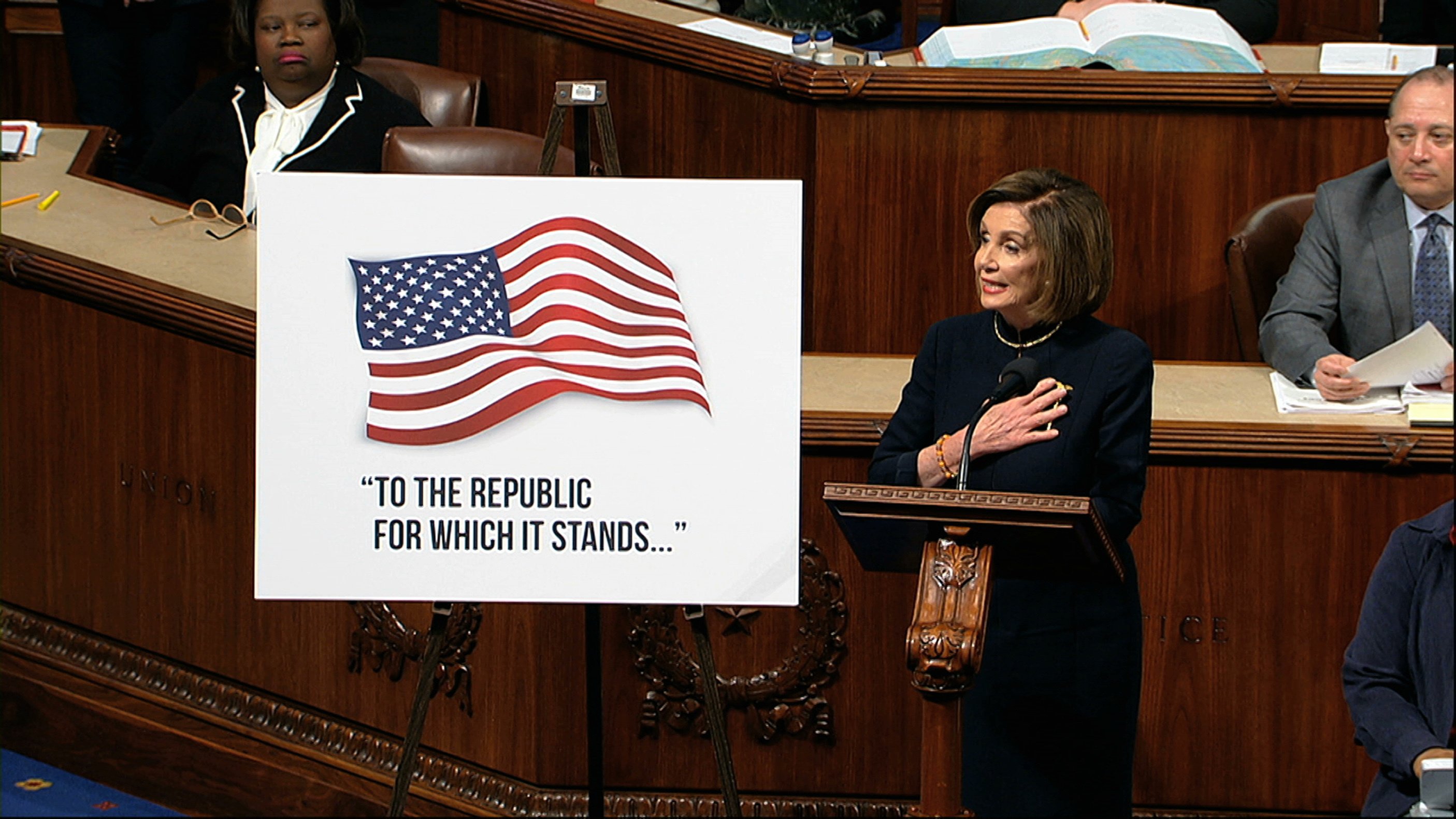
A President is Impeached – Now What?
The numbers are in and for the third time in history – a sitting United States President has been impeached. But now what? There will be rhetoric, threats and predictions – but what is the process and what are the actual potential outcomes? This is a serious issue, and not just for either political party, but for the government and country as well. So, if you are covering – let one of the leading political experts in the country help with your stories. Dr. Stephen Farnsworth is a sought-after political commentator on subjects ranging from presidential politics to the local Virginia congressional races. He has been widely featured in national media, including The Washington Post, Reuters, The Chicago Tribune and MSNBC. He is author or co-author of six books on presidential communication. His latest work, "Presidential Communication and Character: White House News Management from Clinton and Cable to Twitter and Trump," examines how the last four U.S. presidents sell themselves and their policies in an ever-expanding and sometimes precarious media environment. Dr. Farnsworth is available to speak with media – simply click on his icon to arrange an interview today.



Villanova Experts Reflect on the 2010s
The iPad. Hurricane Sandy. Affordable Care Act. #MeToo. Brexit. Streaming services. Since 2010, there have been so many memorable and historic events that have shifted culture and society into unfamiliar territory around the world. Two Villanova experts have put together thoughts on a few of the decade's top stories that will continue to be relevant for the next ten years—and beyond. Stephen Strader, assistant professor of geography and the environment Over the last decade we have seen the issue of anthropogenic or human-induced climate change shift from something discussed between select, interested scientists to the front page of the news on a daily basis. This dramatic change in the importance and coverage of climate change makes complete sense given six of the last ten years globally have been in the top ten warmest on record. Actually, it's very likely, if not certain, that the last five years will be the hottest globally on record. The odds of that happening naturally are very close to zero. Nowhere have the effects of a changing climate been realized more so than in the western United States, where wildfires have wreaked havoc year after year in the 2010s. States such as California, Colorado, Kansas, Oklahoma, New Mexico and Washington all experienced record-breaking wildfires over the last decade. Specifically, the Camp Fire in 2018 became the deadliest and most destructive wildfire in California history, destroying 18,000-plus homes and killing 85 people in the town of Paradise. Additionally: Hurricanes Dorian, Irma, Harvey, Maria, etc. damaged entire countries (Puerto Rico and Bahamas) so much that there is question whether they will ever recover from the effects. The deadliest tornado season on record occurred in 2011, including the devastating April 27, 2011, tornado outbreak and the deadliest U.S. tornado in modern history, which struck Joplin, Missouri (158 fatalities). Between 2011 and 2017, drought and water shortages impacted the western U.S., with California seeing its worst drought in history (or worst in 1,200 years). The drought killed 100-plus million trees and resulted in water shortages that affected crops and caused municipalities to limit water use. Record-setting rainfall and floods occurred in locations such as Colorado, New York, Oklahoma, Texas, etc., resulting in hundreds dead and millions of dollars in crop losses. If the last 10 years have taught scientists, climatologists, policy makers and the general public anything, it's that we have our work cut out for us if we are to reverse this trend of increasing disasters around the world. The atmosphere continues to warm, and all model projections point to a progressively warmer future Earth if action is not taken. And this action can't be tomorrow or by 2025, 2050 or some other arbitrary year; it has to happen now if we want to reduce future economic and societal losses. Yes, it's easy to be afraid and fearful of the future when all we see as scientists and citizens are rising temperatures, deadlier disasters and a lack of drastic climate action. However, we can't let this fear result in crippling inaction; we have to let it motivate us to fight, not for just our futures but our children's, grandchildren's and great-grandchildren's futures. Let's give them a chance to see the world the way we used to: beautiful. Jerusha Conner, associate professor of education and counseling The latter half of this decade witnessed a resurgence of student activism, sparked by Black Lives Matter protests and the dramatic events at the University of Missouri in the fall of 2015. Highlighting 2015 as a pivotal year for student activism, the authors of the American Freshman National Norms survey deemed the 2015 freshman class "the most ambitious" group in 49 years of the survey's administration in terms of their expectations for participating in protests, connecting to their communities and influencing the political structure; and the numbers of freshmen who report having participated in demonstrations as high school seniors has ticked up every year since. In my own research with college student activists in 2016, I found three striking trends: Nearly half came to college already seeing themselves as activists; only 10% consider themselves single-issue activists (with more than half identifying seven or more issues their activism addressed); and a significant share were not protesting their own institution's policies or practices, but instead concerning themselves with broader social and political issues. They are what I call "outward-facing activists," who use their campuses to stage and mobilize campaigns, rather than as the targets of their change efforts. In the last couple of years, we have seen activism among high school students take off, as students have staged walkouts and school strikes to protest inaction on climate change and gun violence. Although these movements may appear narrowly focused on a single issue, the students involved have intentionally advanced an intersectional perspective, which draws attention to the racialized, economic and gendered dimensions of the multifaceted problems they are seeking to address. Digital natives, these young people have deployed the affordances of social media not only to mobilize their peers in large-scale collective action, but also to attract and sustain the attention of the media, pressure business leaders and politicians and shape public understanding of the issues. One interesting shift with this generation of student activists is that, rather than turning their backs on the system or seeking to upend it, they are focused on enhancing voter registration and turnout, especially among young people. And their efforts appear to be working. Youth turnout in the 2018 midterms was double that of 2014, and record numbers of youth are continuing to register to vote. As the decade comes to a close and the 2020 campaign season revs up, the engagement of student activists in electoral politics will be important to continue to track.


In this Era of Fake News and Alternate FactsExperts are King
There’s nothing new about fake news. Satirical media outlets such as The Onion have been around for a decade giving us a good laugh. But somewhere in the past 12 months, something changed for the worse. The wool that was being pulled over people’s eyes wasn’t so obvious anymore. Satire and bad humour were replaced by visceral accusations, conspiracies, and smear campaigns. How did we get to this point, and what can be done to stem the tide? A sure sign that we had a problem was a development that was apparent in the last presidential election. New voices were on the national scene branding our traditional media outlets as biased, and elitist. We saw the phrase “mainstream media” become a bigger part of the conversation. Now we have to contend with “fake news.” Unlike traditional journalism fake news outlets deliberately spew wrong information. In an effort to get a story out, mistakes will happen. But in the world of fake news there is no retraction or correction of these mistakes — even when they are exposed as blatantly untrue. Further damage ensues when social media then acts as an enabler as fake news articles get amplified to millions of people, who are clicking away, feeding advertising revenues to these publishers. No matter what your political stripe or where you stood regarding the recent US election, fake news was rampant on both sides spreading false information, invoking anger, and deceiving the public. More recently, a fresher version of fake news has emerged as “Alternate Facts.” A term made famous by Trump adviser Kellyanne Conway as she defended the statements made by Press Secretary Sean Spicer who lectured and insisted that the crowd present for President Trump’s swearing-in was “the largest audience ever to It seems that the whole nature of the game has changed almost overnight. Even the White House press gallery isn’t immune to these developments. This week’s Saturday Night Live sketch brilliantly sums up the aversive relationship that we’re seeing develop between the media and the new administration. (Note: For the record, the photo at the bottom is NOT a C-SPAN broadcast. It’s a comedy sketch. It did not really happen. This is NOT Sean Spicer in the photo below — it’s an actor portrayal). Perhaps most ironic for me is how believable fake news can appear to be. A friend of mine, a former investigative journalist commented that “given the outright absurdity of the actual “real” news cycle,” it’s getting hard for people to sort fact from fiction.” Perhaps this says as much about society as it does about media. So Where Does All This Leave Us? Some say the solution is as simple as removing the bias from our news media. The problem is, I know quite a few (real) journalists and they are serious about reporting facts. They work in newsrooms and report the news, they tell stories, but gathering and checking facts are what define them. As they work to a set of professional standards and deliver real information. However, we’re witnessing a massive change in the way that ideas are shaped and communicated to the public. Sadly, the traditional avenues of information flow and the mutual respect that even democratic nation states have had with the media appears to be eroding. There is also a disturbing undercurrent of thought that traditional news organizations are biased, and every outlet is always serving a hidden agenda. Recent events have prompted the need for news organizations to brief their journalists on how to govern themselves in these very “interesting times.” John Daniszewski, Vice President for Standards for Associated Press in a recent blog post called for clarity regarding the definition of the so-called “alt-right.” “We should not limit ourselves to letting such groups define themselves, and instead should report their actions, associations, history and positions to reveal their actual beliefs and philosophy, as well as how others see them,” writes Daniszewski. Other news organizations are looking at recent events and taking the opportunity to internally brief their journalists. In a recent message to staff, Reuters Editor-in-Chief Steve Adler wrote about covering President Trump the Reuters way: “The first 12 days of the Trump presidency (yes, that’s all it’s been!) have been memorable for all — and especially challenging for us in the news business. It’s not every day that a U.S. president calls journalists “among the most dishonest human beings on earth” or that his chief strategist dubs the media “the opposition party.” It’s hardly surprising that the air is thick with questions and theories about how to cover the new Administration. So what is the Reuters answer? To oppose the administration? To appease it? To boycott its briefings? To use our platform to rally support for the media? All these ideas are out there, and they may be right for some news operations, but they don’t make sense for Reuters. We already know what to do because we do it every day, and we do it all over the world. To state the obvious, Reuters is a global news organization that reports independently and fairly in more than 100 countries, including many in which the media is unwelcome and frequently under attack. We don’t know yet how sharp the Trump administration’s attacks will be over time or to what extent those attacks will be accompanied by legal restrictions on our news-gathering. But we do know that we must follow the same rules that govern our work anywhere.” Adler goes on to provide a set of rules for the Reuters team that I think are very wise, especially given the current environment. Do’s: Cover what matters in people’s lives and provide them the facts they need to make better decisions. Become ever-more resourceful: If one door to information closes, open another one. Give up on hand-outs and worry less about official access. They were never all that valuable anyway. Our coverage of Iran has been outstanding, and we have virtually no official access. What we have are sources. Get out into the country and learn more about how people live, what they think, what helps and hurts them, and how the government and its actions appear to them, not to us. Keep the Thomson Reuters Trust Principles close at hand, remembering that “the integrity, independence and freedom from bias of Reuters shall at all times be fully preserved.” Don’ts: Never be intimidated, but: Don’t pick unnecessary fights or make the story about us. We may care about the inside baseball but the public generally doesn’t and might not be on our side even if it did. Don’t vent publicly about what might be understandable day-to-day frustration. In countless other countries, we keep our own counsel so we can do our reporting without being suspected of personal animus. We need to do that in the U.S., too. Don’t take too dark a view of the reporting environment: It’s an opportunity for us to practice the skills we’ve learned in much tougher places around the world and to lead by example — and therefore to provide the freshest, most useful, and most illuminating information and insight of any news organization anywhere. Winning back the public trust — Why Experts Matter Perhaps a way to help reverse this trend is to ask more of our experts within our organizations, and get them to contribute more to these important conversations. It’s about getting our academics, physicians, professionals, and leaders in their respective fields to contribute more to help the media present a more balanced set of perspectives in ways that engage the public. In this new era, it appears that many experts are invisible to the media on a range of big issues such as climate change, economic data, security, crime and healthcare policy. Opinions — not always informed opinions — are taken as fact. People without qualifications are being asked to speak on topics that require years of study, research, and experience. This is why, now more than ever, we need to see a return of intelligence and knowledge to present true facts. Credible Experts Matter Credible sources are vital in helping ensure the proper degree of research has been done. Published work, peer-reviewed studies, as well as policy that has been developed and practised all play key roles in determining an actual expert. Proven credibility cuts through rhetoric. It promotes the delivery and flow of facts as opposed to feeding only one side of a debate. Being Approachable Matters We have to agree that the current sentiment that many have toward traditional institutions and their experts is that they are not providing enough practical information of benefit to the public. The term “ivory tower” comes up frequently to describe environments such as universities and think tanks. While we need these environments of intellectual pursuit they cannot be seen as disconnected from the practical concerns of everyday life. Transparency Matters Do you know where your information is actually coming from? The flow of money into the development of fake news and so-called “experts” who are pushing agendas is tremendous. We’ve seen it recently with the sugar industry — much like the tobacco industry who literally wrote the book on manipulating and re-wrapping expertise and research in the middle of the last century — setting ideas on nutrition back decades. The market is crying out for a more consistent way to discover and evaluate the credibility of experts. We need a quick and trusted way to review their education, background, publications as well as their affiliations. We need to be able to conduct a front-line background check before we give them the platform to share their perspectives on television, radio, or in print. We need to vet the expert before they reach an audience that relies on the information being communicated to form opinions and make critical decisions that affect their lives. Local News Matters Local media is shrinking. Newsrooms are currently being threatened by constant shifts in both consumption and business models. If we are to promote accurate information and win the war on actual facts, we must make it easier for local journalists to do their jobs. Mainstream media still carries a lot of weight, especially online and television where the nightly news reaches a massive audience. Though the ratings are large, the subject matter doesn’t always resonate with viewers at home. We need to do a much better job helping local media get better access to the experts in our organisations so they can localise issues and tell stories, and do it in ways that everyone can understand. For example, a story on national unemployment numbers has a different context in San Francisco than it does in Flint, Michigan. Climate change is impacting Miami a lot differently than it is in the Great Lake states. In the end, all news is local. Speed Matters News is increasingly a speed game. With social media, a 24-hour news cycle, and the race to be first, time is of the essence. But in this game, haste may not only make waste, the truth may be a casualty as well. Most recently Fox News reported on a violent shooting at a mosque in Quebec City, Canada. Six people were killed by a lone gunman. Fox News reported that the suspect was of Moroccan origin — that was false. The shooter was in fact of Canadian origin. It wasn’t until the Canadian Prime Minister’s office requested a retraction that Fox walked the story back…but it took almost two full days. In true Canadian fashion, Kate Purchase, Communications Director for Prime Minister Trudeau thanked Fox News. In the meantime, wrong information was shared across multiple platforms and seen by millions of people. This is when having your experts prepared, media-trained, and trusted internally to speak with media is key. In times of emergency and chaos, it may be the words, advice and perspective of a high-level expert that can calm a nervous public, or at the very least, clearly explain a situation and its outcomes with accuracy and trust. So Why Should This Matter to You? If you are focused on building your market visibility and brand reputation, making your organization’s experts more discoverable and responsive to media is as much a function of good public relations as it is a public service. In these days of fake news, alternate facts, and unclear agendas, an unbiased and objective point of view presented by a credible expert may be one of the few remaining pillars of integrity we have left. Experts bring credibility, reliability, and an elevated level of perspective and advice that the public can trust. It’s up to all of us to ensure our thought leaders rise above the fray and help rebuild the trust that is essential to building a civil society. How is your organization working with its experts to respond to these challenges? I’m particularly interested in speaking with communications and media relations professionals in higher education, healthcare and professional services as our team conducts more research in this area. Let us know what you think by sharing below. I read every comment.


Part 2: How Duke University doubled their media hits by showcasing faculty
Last week we shared the first five major rules of Expert Marketing that are currently being used by Duke University to double their media hits (READ PART I). We also developed some strategies and best practices for higher education institutions to better market their experts. In this blog post, we are going to share our team’s final insights into how to better leverage your experts. Rule #6: Create Once, Publish Everywhere At one time we just had to focus on creating a news site. That’s now expanded to a multi- screen environment that requires we thread content into sites that are being accessed from desktops, mobile devices and even digital signage that is often scattered throughout the campus. Sit down with your digital team and map out how to distribute media across multiple channels such as social networks, news-feeds, homepages, faculty sites, as well as faculty profiles in your expert center or speakers bureau. Many schools still don’t have the “responsive” capability to push their news content out to mobile users. Insiders Tip: Duke applies a “create once publish everywhere” model to ensure that time-crunched journalists can easily connect with their expert commentary, whether they access the website’s desktop or mobile versions, or through a wide range of social channels. Rule #7: Get Your Expert Quotes Ready for the Real-Time News Cycle Organizing a system with your faculty to publish pre-approved expert quotes on your website can pay huge dividends, as news outlets have fewer reporters covering more territory. Many of our clients tell us they are seeing less experienced reporters who have much less time to research and interact with media departments. Having pre-approved quotes ready to go makes it much simpler for media, making you much more attractive to them. This pre-planning can minimize the strain on faculty experts during class hours. An added bonus is that it also minimizes misquotes. Insiders Tip: Duke University aims to provide daily quotes on its website by midday as part of its “news tips” section. While these quotes generally take less than one hour to produce, they have proven most effective. Almost all of their news tips have been used by the media since they started producing them in June 2014. Rule #8: Promote Your Core Areas of Expertise First With so much going on throughout the campus there are a lot of opportunities to promote a diverse range of topics to the media. However, it’s really important to identify the core topics where you have expert commentary in demand. The best media relations people have established their school as go-to sources for select topics. You should also stake your claim. What groundbreaking research can you find on the campus that relates to key news events? Think about what reporters need to communicate to their audiences. Do you have faculty who are credible, approachable and engaging on these topics? Invest the time with your team to develop a master topics list and tune this list regularly based on upcoming faculty contributions and news cycle developments. Insiders Tip: Duke University identified a number of key factors that contribute to the media take-up rate such as the degree of media interest in a story; the relative supply of experts available to media and timing considerations. While it’s impossible to control all these variables, They learned, based on trial and error, that concentrating on core topics where they have an academic focus such as politics, law and the environment generated more coverage. Rule #9: Focus your Editorial Calendar on Key Event Anniversaries It is important to get the mix right when looking for media opportunities. While it will always be to your advantage to leverage breaking news if you can mobilize your faculty experts, there is also a predefined editorial flow to the news across a calendar of special and recurring events. It’s crucial that you get some of these major opportunities on the calendar and develop a campaign to enlist faculty experts. For example, Black History Month and the Super Bowl are both annual recurring events happening in February. It’s good to map these along with other special events that are periodically staged or non- recurring such as a G8 Summit or the upcoming papal visit to the US. If you can mobilize your experts to provide value for media who need to start researching these events well in advance you increase your chances of coverage. Insiders Tip: The Duke University media relations team actively monitors upcoming anniversaries and other timely events that reporters are likely to write about. Events that have the potential to generate stories that Duke can leverage with their experts are reviewed by the communications team in twice weekly scrum meetings. Rule #10: Leverage Tools such as Twitter to Grow your Media Contacts Much of the success you will have with faculty experts hinges on your ability to take your message to the market. So it’s important to focus on grooming and growing your media contacts. Besides buying access to media lists from vendors such as Cision, PR Newswire, Marketwired and Meltwater; don’t forget about Twitter. It provides a huge opportunity to build a list of influencers and key opinion leaders. Using a simple topic and hashtag searches on Twitter, you can begin to map various clusters of people who are following specific news beats that may be relevant to your institution. Remember that media outlets tend to follow other media outlets for story angles and media sources. Having a well organized list of people that have interacted with you in the past is a large part of distributing your news faster to a larger audience. It’s important to do Twitter searches to research specific reporters you want to pitch to see where their interests lie. Insiders Tip: Duke University refines its media lists continually using Twitter. It looks at the social graph of reporters who make use its online news tips to identify other journalists to add to their database.
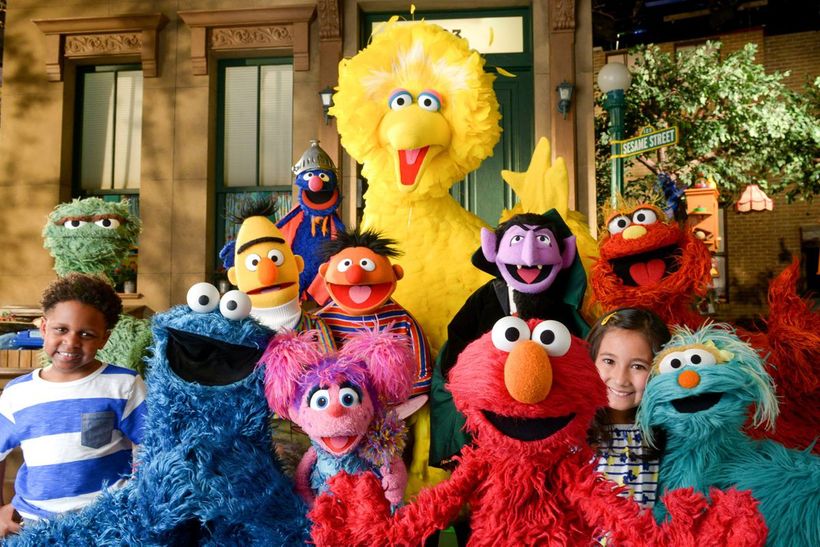
Sesame Street Celebrates 50 Years
Sesame Street, the longest-running children's show in American history, recently celebrated its 50th anniversary. Villanova's Emory Woodard, PhD, Dean of Graduate Studies in the College of Liberal Arts and Sciences, spent time working at Children's Television Workshop (now Sesame Workshop), the nonprofit organization that puts on Sesame Street. He reflects back on its legacy, its important focus on diversity and what lies ahead. Concerning the Program's Legacy "Sesame Street transformed the landscape for educational television at a time when very few content producers were paying attention to quality content for children. The show has effectively reduced the school readiness gap and prepared millions for scholastic success." On Special Memories "My parents could not afford to send me to preschool but used Sesame Street to reinforce the literacy and numeracy skills they taught me. I have fond memories of learning to count with Count von Count, learning the alphabet with Cookie Monster and even getting phonetics lessons with Big Bird. I cannot tell you how much of a delight it was to have Big Bird speak at one of our Commencement Ceremonies... "Perhaps more than the literacy and numeracy skills that I learned from Sesame Street, I remember the prosocial lessons of the show. At such a formative stage, I remember learning about sharing, cooperation and appreciating the differences between people." On Sesame Street and Diversity "Sesame Street has been keenly aware of the dual audiences it engages: children and their parents. At the preschool age, parents tend to be very involved in the media diet of their children. Sesame Street has taught a generation of parents to be more sensitive to issues of diversity." On the Program's Future "I think the future is bright. With the advent of increasingly diverse content distribution platforms (e.g., Netflix, Sling, Roku, Apple TV, etc.), the demand for quality content will remain strong. The makers of Sesame Street may have to be creative in figuring out how to support the production of their high-quality content while still serving their primary mission. Nonetheless, their longevity is a testament to the good thinkers they have charting the course to ongoing success. "The partnership with HBO is an industry reality. The funding for public television remains under threat and the choice is to either fold or be financially creative. I am delighted that the makers of Sesame Street have chosen to be financially creative. Moreover, they chose to partner with an outlet that has demonstrated itself to be a purveyor of high-quality content. As long as that content is shared with platforms that are more accessible to the economically disadvantaged, I do not see this much differently than the decision to use television as a distribution platform that was not universally accessible back in the late 1960s. "Sesame Street will remain relevant as long as they remain true to their original mission of bringing literacy and numeracy skills to disadvantaged populations through high-quality content. No one is and perhaps will ever be better at it than the makers of Sesame Street."

It was a historic election in Georgia that saw changing tastes and shifting tides among voters across the state. The coverage was extensive and the experts from front and center in local and statewide media lending their expert perspectives and opinions to reports and journalists about the results. “A political science associate professor on Georgia Southern’s Armstrong Campus in Savannah says all the women who made history in Tuesday’s election overcame significant obstacles with their campaigns in Bulloch and Chatham counties. “Those three new women beat incumbents and that’s very unusual,” said Dr. Lara Wessel. “So when we see women or men beating incumbents, again we want to look to try to figure out what’s going on behind those election results. “What it says to me is that the citizens of Statesboro and the citizens of Savannah are interested in change.” Dr. Wessel adds that the five women who won elections are much more than trailblazers, they’re local proof female candidates can break through barriers that have held women out of some local political offices for centuries.” November 06 – NBC News Soon, Savannah will be welcoming four new aldermen, and two new alderman-at-large. “It’s majority progressive. It’s majority female. It’s majority community activists. A lot community activists," said Georgia Southern Associate Professor of Sociology Dr. Ned Rinalducci … “We’re going to see a shift to deal with things like affordable housing, homelessness, and less on development and tourism,” said Rinalducci. Rinalducci said the city saw a turnover back in 2015-ushering in more pro-business candidates. He said this election’s shift towards could be a sign of dissatisfaction with voters. “I think clearly there’s some discontent with the priorities of city government previous, and I think that was communicated clearly with yesterday’s election results," said Rinalducci. November 06 – ABC News The coming twelve months are going to be a busy one for political reporters across the state and country. If you are a journalist looking for political experts who can be a solid source of context and perspective for your stories – let us help. Dr. Lara Wessel and Ned Rinalducci are both available to speak to media about politics, elections and issues affecting voters. Simply click on either expert’s icon to arrange an interview. https://fox28media.com/news/local/municipal-election-draws-low-turnout-equates-to-sweeping-changes-in-savannah-races


The link between veterans coming home and racial violence in America. Our expert can explain.
There is a long history of white supremacist and white-power ideology developing out of the wars the United States has fought. In Bring the War Home: The White Power Movement and Paramilitary America (Harvard University Press, 2018), Kathleen Belew shows that, beginning in the 1970s, a small but committed number of Vietnam War veterans took the racist understanding of the Vietnamese and Asians more broadly that the U.S. military taught them and became instrumental in building the current white-power movement. These vets often did not initially know each other, but they eventually built a wide variety of organizations: the White Aryan Resistance, the latest, post-Civil Rights Era iteration of the Ku Klux Klan, various Christian Identity and white skinhead organizations, and the militia movement of the 1980s and 1990s. In his forthcoming book, Guarding the Empire: Soldier Strikebreakers on the Long Road to the Ludlow Massacre, Otterbein’s Dr. Anthony DeStefanis has found that the men who fought the Plains Indians in the late nineteenth century and who served in Cuba and the Philippines during the Spanish-American-Filipino War (1898-1902) came to understand Native Americans, Cubans, and Filipinos as formidable but racially inferior enemies. When these same men joined the National Guards in states across the country and were called out on strike duty during the late nineteenth and early twentieth century, they took what they learned on the Plains and overseas to create a racist rationale for breaking the labor strikes of a working class that was increasingly made up of southern and eastern European, Mexican, and Asian immigrants. Many of these same men also joined the Second Ku Klux Klan that emerged in the late 1910s and became a nationwide organization by expanding the targets of its hatred beyond African Americans to include Jews, Catholics, and immigrants. Racism is a many-headed hydra with multiple roots in experience at home and abroad. Some white southerners who were central in the project of creating and maintaining Jim Crow white supremacy were Confederate military veterans and it is clear that wars across the twentieth century – from Cuba and the Philippines to Vietnam – pushed some veterans into the white- power movement. Today, we know that white-power organizations concentrate on recruiting military veterans and we have seen a spike in support for these organizations among current members of the military. It’s no accident that some of these active troops and veterans served in the Iraq and Afghan Wars, where they faced a Muslim enemy with unfamiliar social and cultural practices, and who did not welcome the U.S. military presence with open arms. Clearly, we must reckon with what our wars overseas have brought back to the United States. If you are a reporter covering this topic – let the experts from Otterbein University help. Dr. Anthony DeStefanis is an associate professor of history at Otterbein University. He specializes in modern U.S. history with an emphasis on labor and the working class and immigration, race, and ethnicity. Dr. DeStefanis is available to speak with media regarding the history of racial violence in America – simply click on his icon to arrange an interview.

On August 3, 2019, a white power-inspired gunman killed 24 people and injured 22 others at a Wal-Mart in El Paso, Texas. We tend to understand mass shootings as isolated events committed by “lone wolf” gunmen who might have mental health problems, but what we know about the El Paso gunman – as well as the terrorists who carried out mass killings at the Al Noor Mosque and Linwood Islamic Center in Christchurch, New Zealand in March 2019, the Tree of Life Synagogue in Pittsburgh in 2018, and at the Emanuel African Methodist Episcopal Church in Charleston, South Carolina in 2015 – tell a different story. The evidence investigators have complied shows that these white-power terrorists had never met one another, but that they lived in an on-line world created by 4chan, 8chan, and white-power organizations’ websites, where they consumed racist ideas and propaganda that shaped their decision to kill African-Americans, Muslims, Jewish people, and Mexicans and Mexican-Americans. We also know that white-power terrorists have particular goals in mind. Message boards like 8chan reveal a competition among participants about who can top the number of people killed in the last mass shooting. There is also a strong belief expressed on-line that killing racial minorities will foment a race war and allow white-power advocates to create an all-white world. I describe these terrorists as advocates of white power because it is important to understand that “white power” and “white nationalism,” a term often used in the media to describe the perpetrators of recent mass killings and the movement that animates them, are not the same thing. White nationalism calls to mind an effort to shore up the interests of white people within the American nation as it currently exists. The white-power movement, on the other hand, imagines a transnational, Aryan nation of white people living in an all-white world after wiping out non-whites. This might sound far-fetched, but does not mean that those who carry out mass killings in pursuit of this goal are mentally ill. Rather, their actions are the result of a white-power ideology fostered and spread on-line. What is new about how white-power advocates communicate with each other is that some of it now happens on-line. Interaction between racists who never met one another, however, has a long history in the United States. Approximately 4,100 African Americans were lynched between the end of the Civil War in 1865 and the 1960s. The white perpetrators of these lynchings lived hundreds of miles apart and often did not know one another, but they were united in a collective effort to enforce Jim Crow white supremacy in the American South (I use “white supremacist” here because white southerners who carried out lynchings did not, broadly speaking, subscribe to white power as the current movement defines it: the creation of a transnational, Aryan nation of white people living in an all-white world after wiping out non-whites). Lynchings were sometimes public events that drew hundreds or thousands of people with the purpose of “teaching” southern African Americans what would happen to them if they violated the rules of Jim Crow. Southern newspapers ran stories that justified lynchings; perpetrators took pieces of flesh, body parts, and hair from lynching victims as souvenirs and passed them around; and white southerners took lynching photographs, turned them into postcards, and mailed them to friends, family, business associates, and fellow travelers in the white supremacist movement. This racist community building had the goal of creating and maintaining white supremacy and, of course, it all happened without the help of the Internet. Communication, whether on-line or through the more traditional means has played an integral role in fostering and perpetuating racial violence and hatred. If you are a reporter covering this topic – let one of our experts help. Dr. Anthony DeStefanis is an associate professor of history at Otterbein University. He specializes in modern U.S. history with an emphasis on labor and the working class and immigration, race, and ethnicity. Dr. DeStefanis is available to speak with media regarding the history of racial violence in America – simply click on his icon to arrange an interview.