
Experts Matter. Find Yours.
Connect for media, speaking, professional opportunities & more.

While a huge focus is on health and mortality during the coronavirus outbreak, not to be forgotten are those who are grappling with death from natural causes, diseases, accidents and crime. Funerals and visitations are the customary means of support friends and loved ones — but restricted travel and social distancing poses challenges. Here are suggestions about grieving from Candi Cann, Ph.D., associate professor in the Baylor Interdisciplinary Core of the Honors College and author of “Virtual Afterlives: Grieving the Dead in the Twenty-first Century”; and Bill Hoy, clinical professor of medical humanities and author of “Do Funerals Matter: The Purposes and Practices of Death Rituals in Global Perspective.” Q: Funerals and visitations are such a time of hugs, hand-holding, prayers, closeness — simply being there. How might travel restrictions, social distancing and concerns for personal health interfere — and how can family and friends be supportive? CANN: I think live-streaming of funerals is a great option and allows people to be present from a distance. Most companies also offer virtual guestbooks where one can leave a teddy bear or flowers, light candles, etc., online in honor of the person. Many cemeteries are also moving online so that each gravestone will have a corresponding virtual memorial, filled with the deceased person's playlist, videos, pictures and memories. Of course, as with all technology, the capability of funeral homes varies from business to business, but my guess is that from an industry perspective, we are going to see a jump in virtual and online offerings as the funeral industry tries to stay relevant and contemporaneous. Also, if presence is important, one can choose disposal options that allow for the return of the deceased into the home, such as being cremated into cremains, or made into a diamond that one wears, or a record that one plays. You can insert cremains into the vinyl and make a record, or a glass sculpture with the cremains mixed into the glass. So, you don't have to be separated from the dead. HOY: I agree that live-streaming may have to suffice, but our experience shows it is a poor second choice. From time immemorial, we have seen that physical presence is vital, and I think that is what is so alarming to me about some of the current discussion in our culture. I was taking care of AIDS patients in Los Angeles in the 1980s when we saw some of the same disenfranchisement of grief, requiring direct cremation of the body and in some cases, forbidding the gathering of people in funeral rituals. It did not turn out to be a psychosocially sound practice and is creating a high level of concern on the part of my clinical colleagues. Q: Have there been times in history when this has been an issue as well when it comes to contagious disease? Have people taken safeguards before? HOY: Two notable examples were the 1918-19 Influenza Epidemic — unfortunately misnamed Spanish Flu — and the 2014-15 Ebola crisis in West Africa. In both cases, high numbers of dead coupled with high levels of contagion caused health authorities to create quarantines and eliminate gatherings such as funerals. Recent research out of the Ebola epidemic indicates that at least in some cases, these measures were counterproductive in that “secret” burials took place and those who had money were able to bribe officials to look the other way. I think we want to be especially vigilant to make sure we are being economically and socially just in the policies we put in place. Fortunately, we do have media to help bridge those gaps now that were not available in those other events, so that will almost certainly help. I am going to stop far short, however, of suggesting that media even approaches a point of providing the same psycho-social-spiritual benefit that sharing a space, rubbing shoulders and sharing tears do. CANN: The most recent epidemic in the United States was the AIDS epidemic in the 1980s and 1990s. By October of 1995, there were over half a million cases of people with AIDS, and many people did not know how to treat or interact with those who were infected. And just this month, a second person was cured of HIV with a stem cell transplant. I have lots of faith in our scientists and that they will be able to create an effective vaccination or cure for COVID-19. Q: Besides finding new or different ways to express support and love to others, what about oneself? We hear about self-isolation – what about self-comfort and self-care in other ways? HOY: This is a great time for self-reflection. What I am doing for myself are the things I recommend to others. Besides being vigilant about what I eat and getting out in the fresh air, I am taking care of myself by limiting my exposure to media. I have not been a big user of social media anyway, but I recommend to folks to be very careful about that because the COVID-19 misinformation is rampant. Instead, I check the National Institutes of Health website once each day for scientific updates, and I have taken all the news update alerts off my phone. Instead, I am trying to give more time to talking with family and friends by phone and video conferencing, journaling and reading. Of course, like other professors, I am spending time talking with students and getting ready to take my classes online next week. In my personal Bible study time, I decided I would spend some time looking at Scripture passages that address fear and have particularly enjoyed hearing God’s perspective on this. CANN: I think one of the hardest things about death is that life goes on without the dead. The birds keep chirping, the flowers keep blooming, people keep being worried about the most mundane matters — and that's difficult when a part of our world has stopped. But this is also what is beautiful about death. It forces us to see life all around us — its fragility, its constancy and its beauty. So, for me, self-care in grief is talking about death, talking with others about the one we lost and living again — in honor of the person who died who doesn't get to be here living anymore. As we embrace life, I strongly recommend that people reach out to friends and family. Social distancing does not need to mean social isolation. I'm also going on regular walks and spending time outside. We need to stay healthy and in shape during this time. Some people are finding it fun to do group-gaming and discovering new ways to spend time with family and friends either virtually in games or via video. Catholic churches are offering drive-through Eucharist and confession, Protestant churches are live-streaming their services and youth groups, Islamic mosques are live-streaming prayers and Buddhist temples are live-streaming meditation sessions. ABOUT BAYLOR UNIVERSITY Baylor University is a private Christian University and a nationally ranked research institution. The University provides a vibrant campus community for more than 17,000 students by blending interdisciplinary research with an international reputation for educational excellence and a faculty commitment to teaching and scholarship. Chartered in 1845 by the Republic of Texas through efforts of Baptist pioneers, Baylor is the oldest continually operating University in Texas. Located in Waco, Baylor welcomes students from all 50 states and more than 90 countries to study a broad range of degrees among its 12 nationally recognized academic divisions.


Public health crises such as COVID-19 — in which people may feel powerless and receive conflicting information — can lead to a flare-up of unsafe religious sentiments, says Baylor University epidemiologist Jeff Levin, Ph.D., who cites past persecution of religious and ethnic minorities who were blamed unfairly for spreading disease. While some possibly unreliable projections about COVID-19 are being spread, containment — and common sense — are key, Levin says. In addition, research shows that maintaining one’s spiritual life can help people remain strong in the face of health challenges and encourage them to reach out to help others. Levin is University Professor of Epidemiology and Population Health, director of the Program on Religion and Population Health in Baylor University’s Institute for Studies of Religion and adjunct professor of psychiatry and behavioral sciences at Duke University School of Medicine. He recently lectured at Duke about the COVID-19 outbreak, on infectious disease pandemics in general and on religious dimensions of the present crisis. In this Q&A, he speaks about these issues. Q. What do you feel is the most important message that needs to get out about the coronavirus outbreak? LEVIN: There are still folks out there saying, “Ah, this is nothing” or “It's all hype.” I'm not that guy. This is very serious. Still, I believe that some misinformation is getting out there that's scaring people, and that's not a helpful thing. I have some concerns about how the facts and nuances of this outbreak have been communicated to the public. In the past few weeks, the news and internet and social media have been inundated with some very alarming projections, some of which in my opinion may be off perhaps by an order of magnitude. This is due in part to mistaken calculations being made by people, including M.D.s who don't understand the parameters of disease transmission or the concepts that epidemiologists use to track outbreaks. This also includes some government officials who are miscommunicating issues regarding risk, pathogenesis and prognosis, and this information is then being picked up by the media and projected out to the general public. Suddenly, even laypeople people are throwing around very technical epidemiologic jargon — exposure, infectivity, case fatality, herd immunity, transmission, incubation period, flattening the curve — without knowing exactly what these words mean or how they’re used, and some faulty messages are getting out. There’s a pressing need for responsible public voices who can help separate the signal from the noise, but those voices seem to be scarce. But regardless, whatever the projections are — good, bad, or ugly — so much hinges on containment. If we manage that properly, such as through all the good advice we’ve been given about social distancing, washing our hands, disinfecting surfaces and so on, we'll get through this with minimal — a relative term — casualties. If we ignore this advice, things can go south in a hurry. It only takes one clinical case getting loose in the community to create a secondary outbreak. Noncompliance can easily create an army of “Typhoid Marys” in communities across the country. In any outbreak due to any pathogenic agent, such as the SARS-CoV-2 virus, there are things we can do, one, to break the chain of transmission and, two, to minimize the damage to ourselves. There’s a public health response and a personal response. The public health effort is focused on how to limit exposure and transmission, which is exactly what needs to happen. There are policies that we should follow as far as our own behavior and social interactions and as far as the environment we live in where the virus is circulating. We’ve all become familiar with what these things are. But there’s the other side of the coin. In epidemiologic terms, exposure does not imply infectivity. Not everyone who is exposed to the virus will become infected. Infectivity in turn does not imply pathogenicity. Not everyone who is infected, who receives a positive test, will become a clinical case, will become sick. And finally, not everyone who comes down with COVID-19 and manifests signs and symptoms of disease will have a virulent enough case that will require intensive medical care or hospitalization, and only a minority of those will lose their life. Most, we believe, will recover just fine. So the folks who are at risk of a very serious outcome are a subset of a subset of a subset of folks who are exposed to the virus. The problem right now is that we don’t have a definitive grasp on these percentages. So we all need to do everything that we can not just to limit exposure and transmission but to strengthen ourselves to withstand the natural course of infection and disease. Epidemiologists call this “host resistance.” Q. What can we do to strengthen our resistance to the infection and the disease? How does faith figure into this? LEVIN: We know from decades of research that so many things that we can do in our daily lives can help us to withstand and recover from illness. We can eat right — avoid junk food and overeating and consuming toxins. We should avoid smoking and abusing alcohol, we need to get enough sleep and manage our stress, we need to get some exercise and fresh air. We all know all of this, but in difficult times it’s easy to fall into inaction and depression, which itself can depress the immune system and impair our ability to stay healthy or to recover. One of the important things that we can do, and decades of research support this, is to maintain continuity in our spiritual life. Studies show that people with a strong ongoing faith commitment can marshal an ability to remain resilient and deal with stress and even have better medical outcomes. There is a longstanding research literature on the physical and mental health benefits of hope and optimism and positive attitudes, including in the context of one’s spiritual life, and including due to the tangible and emotional support that faith and being a part of faith communities give us. Faith matters. But this isn’t a magic bullet, and I want to be careful about overstating things. Folks who expect that by being a diligent Christian or Jew, believing in God, going to religious services — in person or online — showing strong faith, studying Scriptures regularly, that by doing all this somehow a pathogenic agent won’t enter their body or won’t cause signs or symptoms of disease — I think they’re laboring under some false expectations. They’re asking belief or faith to do things that are very difficult for me to envision. Maybe that’s just the scientist in me talking, although I too am a person of faith. On the other hand, our faith can indeed be part of keeping us strong and helping us to recover. But we ought to combine expressions of faith with careful efforts to limit our exposure and contain the outbreak, and to wisely seek medical care if we start to not feel well. The Bible encourages us with verses like “put on the full armor of God,” but at the same time if you stand out in the pouring rain you can’t sanely expect not to get rained on. Q. Will this outbreak lead to a resurgence of religious belief? Are there examples of this from history? LEVIN: Yes, there are, but not necessarily in a positive way. Times of crisis like this, especially when people feel powerless and are receiving conflicting information, can lead to a dangerous flare-up of unwholesome religious sentiments, including scapegoating. Look at the Black Plague of the 14th century. From a third to over one half of Europe perished, and the one constant in every country affected by the epidemic, besides the millions of bodies piling up, was a consistent and organized effort to massacre Jews, who were blamed for the disease. Lest we think those days are behind us, look at how we responded to the brief Ebola crisis in the U.S. in 2014, which ramped up hatred toward Mexican immigrants. Or consider the present outbreak, and the terrible animosity directed at Asian Americans. We aren’t immune to this kind of behavior, especially when we feel a sense of dread or hopelessness or a sense that our prayers to God have failed and that we are receiving a divine chastisement or punishment. It’s easy then to lash out and try to identify a “demonic” source for our travail and try to seek vengeance. There is also precedent for waves of apocalypticism, fear that the end of the world is nigh. We saw this during the 1918 influenza pandemic, and it gave rise to much of the end-times thinking that persists to the present day. So faith can sustain us, even benefit us physiologically, but it can also embitter us and make us do evil or drive us to become obsessed or crazy. Q. Are there other more positive ways that faith or spirituality come into play here? LEVIN: Sure, I can think of a few. There’s a bioethical dimension. Our faith traditions remind us of our obligations to others, especially those in grave need who lack the requisite material or social resources to care for themselves. This outbreak is a social-justice teaching moment for us as a society, and along with the medical and public health dimensions there are profound lessons in moral theology to learn and act on. Will we slip into a xenophobic fear-based response, self-absorbed with our own personal needs, or will we use this time, this enforced vacation for so many of us, to reach out to those in need? I have strong opinions about this. We have been given an opportunity to be selfless and act lovingly toward others, to represent the best of what faith has to offer. Or we can choose to reinforce the most selfish and hateful and ungodly aspects of what humans are capable of. This is a choice facing every one of us. There’s also a pastoral dimension here. Each of us, not just clergy or healthcare chaplains or pastoral counselors, has a role to play in offering consolation and reassurance to our fellow brothers and sisters. And also real, tangible assistance. Our family is Jewish, and we’re reminded in Exodus that we’ve been called to be “a nation of priests.” I think the same can be said for all of us, in our respective communities. We can also be thought of as a nation, or a community, of pastors. And in that role there is much for us to do. We can be a source of accurate information to counter the insidious memes circulating on social media. We can organize our neighbors and fellow congregants to provide help to people and families who need it. We can become leaders in our faith communities to help maintain study, prayer and worship activities while we are unable to attend church or synagogue. We can love and support those who are suffering and remind them of God’s love for us. These messages matter. Maybe it’s not realistic to expect them to cause a virus to not take hold or to become less virulent, but they can strengthen our ability to recover from this outbreak, both individually and as a community of people. ABOUT BAYLOR UNIVERSITY Baylor University is a private Christian University and a nationally ranked research institution. The University provides a vibrant campus community for more than 17,000 students by blending interdisciplinary research with an international reputation for educational excellence and a faculty commitment to teaching and scholarship. Chartered in 1845 by the Republic of Texas through efforts of Baptist pioneers, Baylor is the oldest continually operating University in Texas. Located in Waco, Baylor welcomes students from all 50 states and more than 90 countries to study a broad range of degrees among its 12 nationally recognized academic divisions.


How Blockchain Can Help Medical Facilities Control the Spread of Coronavirus
In the United States at least 12,000 people have tested positive for COVID-19, and 194 people have died as of Friday, March 20. Villanova College of Engineering professor Hasshi Sudler explains there are two critical areas where blockchain can help control the spread of coronavirus. "As individuals travel across borders, medical facilities need immutable, trustworthy medical data quickly and electronically. A critical requirement to contain coronavirus is to track any individual having tested positive and to track the health of anyone who has come in contact with that individual, even if those encounters were across borders," says Prof. Sudler, an expert on electrical and computer engineering. "The blockchain can be a common source of data that allows medical facilities to share immutable information internationally." Sudler cautions that, with the potential for people to provide false information about symptoms and travel history, medical facilities need a method to share trustworthy data with one another in real-time about individuals tested, their test results and test kits used (as some kits have proven faulty). Another requirement for controlling the spread of the virus is to validate quality medical advice while also identifying misinformation that could be circulating in society. "In the event of a pandemic, misinformation can be extremely dangerous. The public needs a way to confirm official statements made by reputable sources," says Prof. Sudler. While social media may be a popular source of information, it can also be a means of spreading myths, conspiracies and opinions often presented as facts. "The blockchain can serve as a means to verify quality advice the public should follow versus false claims the public should disregard," says Prof. Sudler.


Entrepreneurship expert: New Americans vital to U.S. economy
In the United States, there is a long history of marginalized communities being extremely entrepreneurial. These communities were driven, in large part, by the desire to meet their own ethnic, religious, and cultural needs, according to Christine Beech, D.M., the Dr. Jon and Betty Kabara Endowed Chair in Entrepreneurship and Innovation at Saint Mary’s University of Minnesota. In the mid-19th century, more than 100 hospitals were founded by the Jewish community to fight anti-Semitism in medical school appointments and meet patient needs of having kosher options during the hospital stay.These opportunities were not available in the existing network of mainstream hospitals. Similarly, in the beginning of the 20th century, Irish Catholic immigrants began establishing a network of parochial elementary schools as a way to preserve their faith and culture and allow children to learn about their faith in school, Dr. Beech said. These two initiatives, led by immigrant groups, helped establish networks of schools and healthcare institutions that served a social good in their communities while generating jobs and stimulating the economy. In addition, there is a long line of entrepreneurs in the African-American community who combatted racial discrimination through new businesses because they were marginalized from the mainstream economy, Dr. Beech said. Examples of these entrepreneurs include Madam C.J. Walker, who invented a line of hair care products to serve the needs of her community, and Charles Clinton Spaulding, who developed the largest African-American business in the early 20th century specifically serving the insurance needs of the African-American community. In modern times, one of the largest marginalized communities in the U.S. is comprised of new Americans, many of whom are immigrants and have developed culturally responsive businesses. Although current policies are set in place to curtail U.S. immigrants, it is important to remember that the country could potentially lose an entire segment of the population that has been vital to the economy, Dr. Beech said. Beech pointed to a 2015 study from the Kauffman Foundation which mentioned that 40% of the Fortune 500 in 2010 were companies founded by an immigrant or the child of an immigrant. Nearly 30% of all new businesses started in 2014 were started by immigrants, Dr. Beech said, according to a related study from the same foundation. “We've been able to see constant growth and diversity within our economy that's been very healthy for us,” said Dr. Beech, who also serves as the executive director of the Kabara Institute for Entrepreneurial Studies at Saint Mary’s. “There's a narrative that says that the immigrant community is coming here to find work. But in fact, when we look at the data, a significant portion of them are actually creating jobs and starting businesses.” Dr. Beech added three primary reasons for these continued statistics indicating significant immigrant entrepreneurship: The drive to be independent A desire to meet their communities culturally specific needs A response to societal biases that hinder success within the mainstream workforce “Those migrant communities often develop their own businesses, almost like a subset of the economy, where they can't be marginalized, where they're actually taking charge of their own economic well-being,” said Dr. Beech. When it comes to knowing the overall impact of the immigration policies on the economy, there will be a natural lag in the data — possibly as long as five years — given how much time it typically takes for immigrants to establish businesses after arriving in a new country, Dr. Beech said. Are you a journalist covering this topic and interested in an interview? That’s where we can help. Christine Beech, D.M., has had a career that encompasses academics, entrepreneurship, military service, and consulting. She has been a faculty member in the business department at Saint Mary’s University since 2017 and is the executive director of the Kabara Institute for Entrepreneurial Studies. Before joining Saint Mary’s University, Dr. Beech owned her own consulting business in the Washington, D.C., area for many years. Before that, she worked as a corporate entrepreneur where she led the development of a multimillion-dollar business line for a global consulting firm. Dr. Beech is an expert in entrepreneurship, social entrepreneurship, and women entrepreneurs. She is available to speak with the media. To arrange an interview with her, simply click on her photo below to access her contact information.


Unprecedented levels of partisanship vitriol threatens the health of democracy in U.S., globally
Voter-based political parties have played an integral role in American politics since their formation in the 1790s, yet it is difficult to remember any other time in history — other than perhaps the 1850s — when the level of divisiveness was this high and the polarity this profound between Republicans and Democrats. To add more fuel to the fire, the anti-democratic actions against the rule of law by President Donald Trump have become a primary threat to democracy in the U.S., said David Lynch, Ph.D., a professor of History and Social Sciences and Political Science program coordinator at Saint Mary’s University of Minnesota. The same action are also threatening how the government works and delegitimizing and undermining institutions that make and enforce laws,Lynch added. Those institutions include formal ones such as Congress and the political parties themselves, as well as less formal entities, such as the traditional news media. “You have to have free, fair, open media in order to have a democracy. If you do not have a free press, you do not have a democracy,” Dr. Lynch said. “And similarly, you need to have the rule of law where laws are carried out not for political ends, but based on the laws.” The recent impeachment proceedings were an attempt to curtail these actions, but the partisan response to the Senate’s impeachment trial allowed the violation of democratic norms to be rewarded, said Dr. Lynch. Furthermore, politicians who react strongly to anti-democratic actions threaten to further delegitimize the government, such as Trump’s refusal to shake the hand of House Speaker Nancy Pelosi, a Democrat, at his most recent State of the Union address and her subsequent action of tearing up his speech. “That helps both sides reinforce their own position that the other side is less legitimate and that we shouldn't cooperate with somebody like that,” Dr. Lynch said. Dr. Lynch pointed to how the indices that measure the health of democracy both in the U.S. and abroad have all gone down since Trump won the 2016 election. In addition, the most recent Economist Intelligence Unit’s Democracy Index reflected the worst registered global democracy score since its inception in 2006. In that report, the U.S. received a score of “flawed democracy.” Traditionally, the U.S. democratic system has been able to regulate such extreme partisanship before election day by not nominating candidates that violate democratic norms or are far from the ideological center. On election day, overly partisan candidates are vulnerable in swing districts and swing states. That ability for the public to express its collective voice, though, has eroded over the years as the number of swing districts has dwindled. "When people view through a partisan lens, it changes the incentives that elected officials have because they may be rewarded for partisan but anti-democratic actions,” Dr. Lynch said. “It also changes how average people view this whole debate.” To demonstrate the current political scene in the U.S., Dr. Lynch alluded to a 2017 study conducted by a group of political scientists at Yale University in which experimental surveys were sent to Venezuelans to see to what degree they would be willing to accept a less democratic candidate if he or she was a member of the political party they affiliated themselves with. The answer was quite a large degree. “The big message here is you can't necessarily rely on the public just to vote out an anti-democratic candidate because they might get a partisan advantage from that anti-democrat,” Dr. Lynch said. Are you a journalist covering this topic and interested in an interview? That’s where we can help. David Lynch, Ph.D., professor of History and Social Sciences and Political Science program coordinator, has taught political science at Saint Mary’s University of Minnesota since 1996. Dr. Lynch has also written over a dozen chapters on international relations, international political economy, and American foreign policy, including the chapter on trade in the United Nations Association of the USA’s “A Global Agenda” from 1996 to 2005. Dr. Lynch is an expert in political science, political economies, and international relations. He is available to speak with the media. To arrange an interview with him, simply click on his photo below to access his contact information.
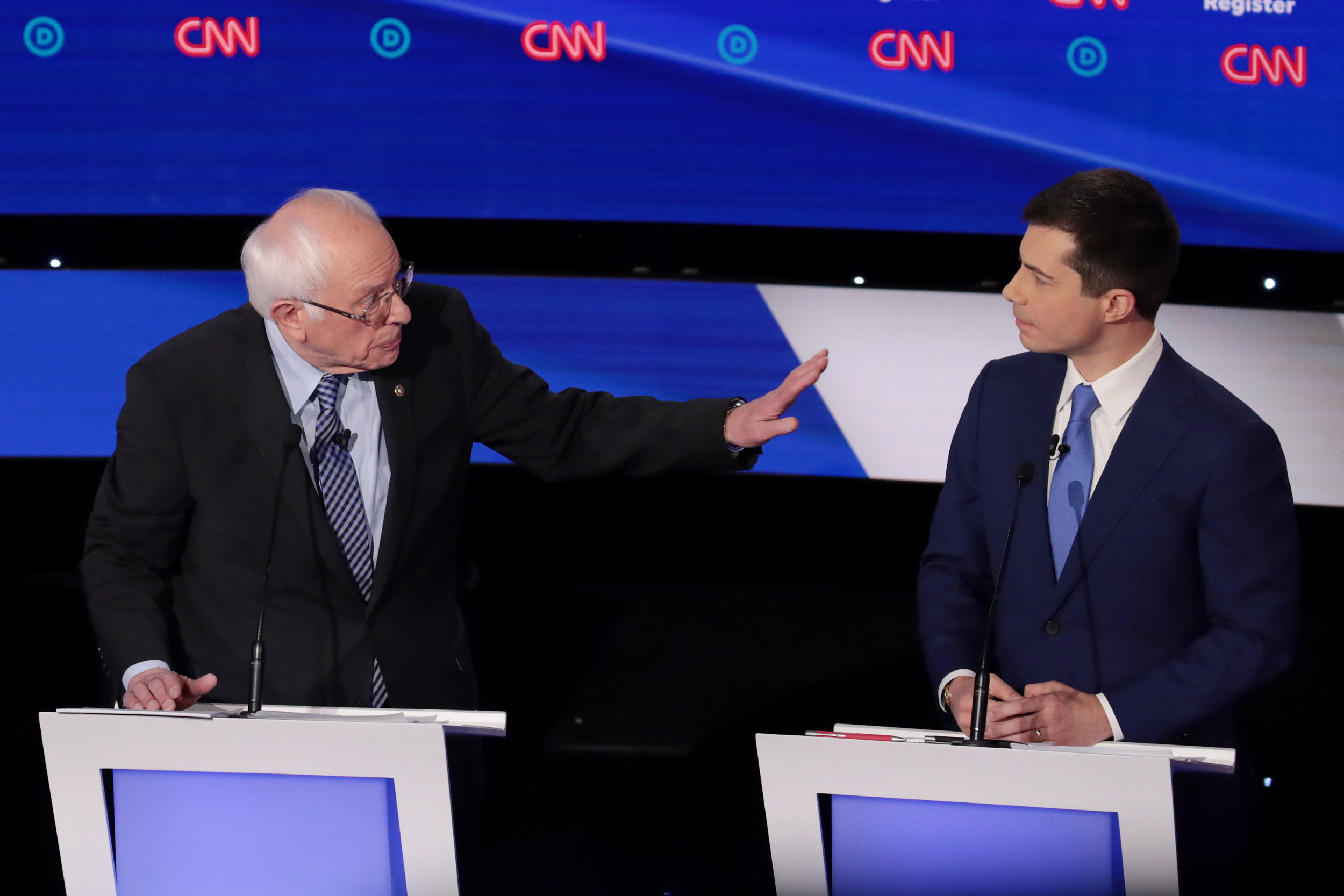
As Mayor Pete pops and Democrats feel the ‘Bern’ – is Biden a bust for the third time?
As the results from Iowa seem to be still trickling in, it looks like it could be either a slim lead or even a pretty much statistical tie between Indiana’s (former) Mayor Pete Buttigieg and Vermont Senator Bernie Sanders. Both spent a lot of time, money and energy campaigning across Iowa and that seems to have paid off. For Democratic candidate Joe Biden – it must feel like Groundhog Day. For the third time, his presidential bid that started with high hopes and promise seems to be crashing down in front of him. And as the critical primary in New Hampshire approaches – there are a lot of questions to be asked as this once crowded field of close to two dozen might be down to four or even fewer. Can Biden recover? With two losses in a row, can he sustain, and should he? What about Elizabeth Warren? If her ‘plan’ can’t attract the support of even 15 percent of any primary, perhaps it’s back to the drawing board? And what are the key differences between Buttigieg and Sanders? Which one has the upper hand with voters, organizers and finances? Oh … and the legend of Michael Bloomberg and his gold-plated campaign team are reaching an almost legendary status. When is the time right for the former mayor of New York City and does he risk being too late to the game? It is going to be a wild-ride for those who follow politics over the next few months and if you are a journalist covering this road to November – let our experts help. Mark Caleb Smith is the Director of the Center for Political Studies at Cedarville University. Mark and Marc are both available to speak with media regarding the DNC Primary and the upcoming election. Simply click on either icon to arrange an interview. Dr. Marc Clauson is a professor of history and law at Cedarville and is an expert in the fields of political and economic philosophy.


The election is on. In fact, it’s as if the campaign of the 2016 election has never come to a finish. U.S. President Donald Trump’s strategy of constant rallies, speeches and campaign stops has essentially meant the Republican incumbent has been on the stump for the better part of almost five years now. On the other side, at one time last year, there were more than two dozen contenders vying for the right to represent the Democrats. That field has been whittled down to about half of that, and it is expected to continue shrinking now that primaries are in play and the financial costs of keeping up will become a reality. So, if there were to be an actual starting point for the November election – this week could be it. On Monday, the Iowa Caucus kicks off what could be months of rigorous and aggressive campaigning for Democrats. The winner Monday will have a huge boost, but after that it’ll be all eyes on New Hampshire, Nevada, South Carolina and then Super Tuesday. Also, this week, the President will deliver the State of the Union. The timing of this speech could be the change of channel the President needs as the clouds of impeachment linger. As well, the speech and the huge audience it gathers could set the tone of what's to come on the campaign trail. For political junkies and journalists – it is going to be a busy nine months. And if you are a reporter covering the primaries, politics and the presidential election – then let our experts help. The team from FAU can help with a variety of topics that will inevitably be part of or influence the policies and platforms of each party and candidate. Kevin Wagner's research and teaching interests include presidential and judicial politics, political behavior and legislative behavior. He is also a research fellow of the FAU Business and Economics Polling Initiative (BEPI). Robert Rabil is an expert in political Islam, terrorism, U.S. foreign policy, and U.S.-Arab relations. Kelly Shannon specializes in the history of U.S. foreign relations, with particular attention to the Middle East and the 20th century. Colin Polsky is trained as a geographer, specializing in the human dimensions of global environmental change. He also oversees FAU's quarterly environmental poll. All of these experts from Florida Atlantic University are available to help with any of your questions or coverage – simply click on an expert’s icon to arrange an interview today.


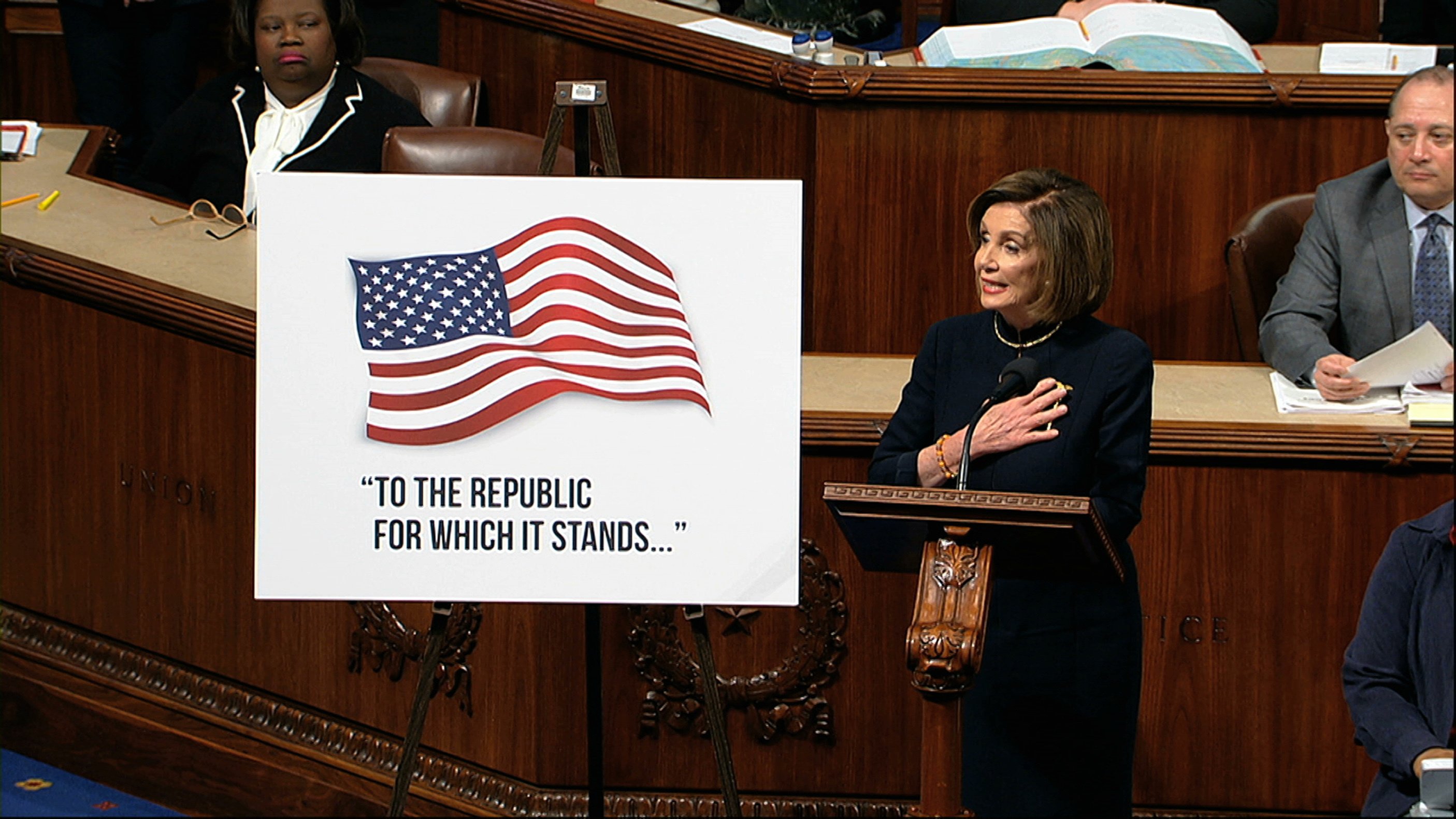
A President is Impeached – Now What?
The numbers are in and for the third time in history – a sitting United States President has been impeached. But now what? There will be rhetoric, threats and predictions – but what is the process and what are the actual potential outcomes? This is a serious issue, and not just for either political party, but for the government and country as well. So, if you are covering – let one of the leading political experts in the country help with your stories. Dr. Stephen Farnsworth is a sought-after political commentator on subjects ranging from presidential politics to the local Virginia congressional races. He has been widely featured in national media, including The Washington Post, Reuters, The Chicago Tribune and MSNBC. He is author or co-author of six books on presidential communication. His latest work, "Presidential Communication and Character: White House News Management from Clinton and Cable to Twitter and Trump," examines how the last four U.S. presidents sell themselves and their policies in an ever-expanding and sometimes precarious media environment. Dr. Farnsworth is available to speak with media – simply click on his icon to arrange an interview today.



Villanova Experts Reflect on the 2010s
The iPad. Hurricane Sandy. Affordable Care Act. #MeToo. Brexit. Streaming services. Since 2010, there have been so many memorable and historic events that have shifted culture and society into unfamiliar territory around the world. Two Villanova experts have put together thoughts on a few of the decade's top stories that will continue to be relevant for the next ten years—and beyond. Stephen Strader, assistant professor of geography and the environment Over the last decade we have seen the issue of anthropogenic or human-induced climate change shift from something discussed between select, interested scientists to the front page of the news on a daily basis. This dramatic change in the importance and coverage of climate change makes complete sense given six of the last ten years globally have been in the top ten warmest on record. Actually, it's very likely, if not certain, that the last five years will be the hottest globally on record. The odds of that happening naturally are very close to zero. Nowhere have the effects of a changing climate been realized more so than in the western United States, where wildfires have wreaked havoc year after year in the 2010s. States such as California, Colorado, Kansas, Oklahoma, New Mexico and Washington all experienced record-breaking wildfires over the last decade. Specifically, the Camp Fire in 2018 became the deadliest and most destructive wildfire in California history, destroying 18,000-plus homes and killing 85 people in the town of Paradise. Additionally: Hurricanes Dorian, Irma, Harvey, Maria, etc. damaged entire countries (Puerto Rico and Bahamas) so much that there is question whether they will ever recover from the effects. The deadliest tornado season on record occurred in 2011, including the devastating April 27, 2011, tornado outbreak and the deadliest U.S. tornado in modern history, which struck Joplin, Missouri (158 fatalities). Between 2011 and 2017, drought and water shortages impacted the western U.S., with California seeing its worst drought in history (or worst in 1,200 years). The drought killed 100-plus million trees and resulted in water shortages that affected crops and caused municipalities to limit water use. Record-setting rainfall and floods occurred in locations such as Colorado, New York, Oklahoma, Texas, etc., resulting in hundreds dead and millions of dollars in crop losses. If the last 10 years have taught scientists, climatologists, policy makers and the general public anything, it's that we have our work cut out for us if we are to reverse this trend of increasing disasters around the world. The atmosphere continues to warm, and all model projections point to a progressively warmer future Earth if action is not taken. And this action can't be tomorrow or by 2025, 2050 or some other arbitrary year; it has to happen now if we want to reduce future economic and societal losses. Yes, it's easy to be afraid and fearful of the future when all we see as scientists and citizens are rising temperatures, deadlier disasters and a lack of drastic climate action. However, we can't let this fear result in crippling inaction; we have to let it motivate us to fight, not for just our futures but our children's, grandchildren's and great-grandchildren's futures. Let's give them a chance to see the world the way we used to: beautiful. Jerusha Conner, associate professor of education and counseling The latter half of this decade witnessed a resurgence of student activism, sparked by Black Lives Matter protests and the dramatic events at the University of Missouri in the fall of 2015. Highlighting 2015 as a pivotal year for student activism, the authors of the American Freshman National Norms survey deemed the 2015 freshman class "the most ambitious" group in 49 years of the survey's administration in terms of their expectations for participating in protests, connecting to their communities and influencing the political structure; and the numbers of freshmen who report having participated in demonstrations as high school seniors has ticked up every year since. In my own research with college student activists in 2016, I found three striking trends: Nearly half came to college already seeing themselves as activists; only 10% consider themselves single-issue activists (with more than half identifying seven or more issues their activism addressed); and a significant share were not protesting their own institution's policies or practices, but instead concerning themselves with broader social and political issues. They are what I call "outward-facing activists," who use their campuses to stage and mobilize campaigns, rather than as the targets of their change efforts. In the last couple of years, we have seen activism among high school students take off, as students have staged walkouts and school strikes to protest inaction on climate change and gun violence. Although these movements may appear narrowly focused on a single issue, the students involved have intentionally advanced an intersectional perspective, which draws attention to the racialized, economic and gendered dimensions of the multifaceted problems they are seeking to address. Digital natives, these young people have deployed the affordances of social media not only to mobilize their peers in large-scale collective action, but also to attract and sustain the attention of the media, pressure business leaders and politicians and shape public understanding of the issues. One interesting shift with this generation of student activists is that, rather than turning their backs on the system or seeking to upend it, they are focused on enhancing voter registration and turnout, especially among young people. And their efforts appear to be working. Youth turnout in the 2018 midterms was double that of 2014, and record numbers of youth are continuing to register to vote. As the decade comes to a close and the 2020 campaign season revs up, the engagement of student activists in electoral politics will be important to continue to track.


In this Era of Fake News and Alternate FactsExperts are King
There’s nothing new about fake news. Satirical media outlets such as The Onion have been around for a decade giving us a good laugh. But somewhere in the past 12 months, something changed for the worse. The wool that was being pulled over people’s eyes wasn’t so obvious anymore. Satire and bad humour were replaced by visceral accusations, conspiracies, and smear campaigns. How did we get to this point, and what can be done to stem the tide? A sure sign that we had a problem was a development that was apparent in the last presidential election. New voices were on the national scene branding our traditional media outlets as biased, and elitist. We saw the phrase “mainstream media” become a bigger part of the conversation. Now we have to contend with “fake news.” Unlike traditional journalism fake news outlets deliberately spew wrong information. In an effort to get a story out, mistakes will happen. But in the world of fake news there is no retraction or correction of these mistakes — even when they are exposed as blatantly untrue. Further damage ensues when social media then acts as an enabler as fake news articles get amplified to millions of people, who are clicking away, feeding advertising revenues to these publishers. No matter what your political stripe or where you stood regarding the recent US election, fake news was rampant on both sides spreading false information, invoking anger, and deceiving the public. More recently, a fresher version of fake news has emerged as “Alternate Facts.” A term made famous by Trump adviser Kellyanne Conway as she defended the statements made by Press Secretary Sean Spicer who lectured and insisted that the crowd present for President Trump’s swearing-in was “the largest audience ever to It seems that the whole nature of the game has changed almost overnight. Even the White House press gallery isn’t immune to these developments. This week’s Saturday Night Live sketch brilliantly sums up the aversive relationship that we’re seeing develop between the media and the new administration. (Note: For the record, the photo at the bottom is NOT a C-SPAN broadcast. It’s a comedy sketch. It did not really happen. This is NOT Sean Spicer in the photo below — it’s an actor portrayal). Perhaps most ironic for me is how believable fake news can appear to be. A friend of mine, a former investigative journalist commented that “given the outright absurdity of the actual “real” news cycle,” it’s getting hard for people to sort fact from fiction.” Perhaps this says as much about society as it does about media. So Where Does All This Leave Us? Some say the solution is as simple as removing the bias from our news media. The problem is, I know quite a few (real) journalists and they are serious about reporting facts. They work in newsrooms and report the news, they tell stories, but gathering and checking facts are what define them. As they work to a set of professional standards and deliver real information. However, we’re witnessing a massive change in the way that ideas are shaped and communicated to the public. Sadly, the traditional avenues of information flow and the mutual respect that even democratic nation states have had with the media appears to be eroding. There is also a disturbing undercurrent of thought that traditional news organizations are biased, and every outlet is always serving a hidden agenda. Recent events have prompted the need for news organizations to brief their journalists on how to govern themselves in these very “interesting times.” John Daniszewski, Vice President for Standards for Associated Press in a recent blog post called for clarity regarding the definition of the so-called “alt-right.” “We should not limit ourselves to letting such groups define themselves, and instead should report their actions, associations, history and positions to reveal their actual beliefs and philosophy, as well as how others see them,” writes Daniszewski. Other news organizations are looking at recent events and taking the opportunity to internally brief their journalists. In a recent message to staff, Reuters Editor-in-Chief Steve Adler wrote about covering President Trump the Reuters way: “The first 12 days of the Trump presidency (yes, that’s all it’s been!) have been memorable for all — and especially challenging for us in the news business. It’s not every day that a U.S. president calls journalists “among the most dishonest human beings on earth” or that his chief strategist dubs the media “the opposition party.” It’s hardly surprising that the air is thick with questions and theories about how to cover the new Administration. So what is the Reuters answer? To oppose the administration? To appease it? To boycott its briefings? To use our platform to rally support for the media? All these ideas are out there, and they may be right for some news operations, but they don’t make sense for Reuters. We already know what to do because we do it every day, and we do it all over the world. To state the obvious, Reuters is a global news organization that reports independently and fairly in more than 100 countries, including many in which the media is unwelcome and frequently under attack. We don’t know yet how sharp the Trump administration’s attacks will be over time or to what extent those attacks will be accompanied by legal restrictions on our news-gathering. But we do know that we must follow the same rules that govern our work anywhere.” Adler goes on to provide a set of rules for the Reuters team that I think are very wise, especially given the current environment. Do’s: Cover what matters in people’s lives and provide them the facts they need to make better decisions. Become ever-more resourceful: If one door to information closes, open another one. Give up on hand-outs and worry less about official access. They were never all that valuable anyway. Our coverage of Iran has been outstanding, and we have virtually no official access. What we have are sources. Get out into the country and learn more about how people live, what they think, what helps and hurts them, and how the government and its actions appear to them, not to us. Keep the Thomson Reuters Trust Principles close at hand, remembering that “the integrity, independence and freedom from bias of Reuters shall at all times be fully preserved.” Don’ts: Never be intimidated, but: Don’t pick unnecessary fights or make the story about us. We may care about the inside baseball but the public generally doesn’t and might not be on our side even if it did. Don’t vent publicly about what might be understandable day-to-day frustration. In countless other countries, we keep our own counsel so we can do our reporting without being suspected of personal animus. We need to do that in the U.S., too. Don’t take too dark a view of the reporting environment: It’s an opportunity for us to practice the skills we’ve learned in much tougher places around the world and to lead by example — and therefore to provide the freshest, most useful, and most illuminating information and insight of any news organization anywhere. Winning back the public trust — Why Experts Matter Perhaps a way to help reverse this trend is to ask more of our experts within our organizations, and get them to contribute more to these important conversations. It’s about getting our academics, physicians, professionals, and leaders in their respective fields to contribute more to help the media present a more balanced set of perspectives in ways that engage the public. In this new era, it appears that many experts are invisible to the media on a range of big issues such as climate change, economic data, security, crime and healthcare policy. Opinions — not always informed opinions — are taken as fact. People without qualifications are being asked to speak on topics that require years of study, research, and experience. This is why, now more than ever, we need to see a return of intelligence and knowledge to present true facts. Credible Experts Matter Credible sources are vital in helping ensure the proper degree of research has been done. Published work, peer-reviewed studies, as well as policy that has been developed and practised all play key roles in determining an actual expert. Proven credibility cuts through rhetoric. It promotes the delivery and flow of facts as opposed to feeding only one side of a debate. Being Approachable Matters We have to agree that the current sentiment that many have toward traditional institutions and their experts is that they are not providing enough practical information of benefit to the public. The term “ivory tower” comes up frequently to describe environments such as universities and think tanks. While we need these environments of intellectual pursuit they cannot be seen as disconnected from the practical concerns of everyday life. Transparency Matters Do you know where your information is actually coming from? The flow of money into the development of fake news and so-called “experts” who are pushing agendas is tremendous. We’ve seen it recently with the sugar industry — much like the tobacco industry who literally wrote the book on manipulating and re-wrapping expertise and research in the middle of the last century — setting ideas on nutrition back decades. The market is crying out for a more consistent way to discover and evaluate the credibility of experts. We need a quick and trusted way to review their education, background, publications as well as their affiliations. We need to be able to conduct a front-line background check before we give them the platform to share their perspectives on television, radio, or in print. We need to vet the expert before they reach an audience that relies on the information being communicated to form opinions and make critical decisions that affect their lives. Local News Matters Local media is shrinking. Newsrooms are currently being threatened by constant shifts in both consumption and business models. If we are to promote accurate information and win the war on actual facts, we must make it easier for local journalists to do their jobs. Mainstream media still carries a lot of weight, especially online and television where the nightly news reaches a massive audience. Though the ratings are large, the subject matter doesn’t always resonate with viewers at home. We need to do a much better job helping local media get better access to the experts in our organisations so they can localise issues and tell stories, and do it in ways that everyone can understand. For example, a story on national unemployment numbers has a different context in San Francisco than it does in Flint, Michigan. Climate change is impacting Miami a lot differently than it is in the Great Lake states. In the end, all news is local. Speed Matters News is increasingly a speed game. With social media, a 24-hour news cycle, and the race to be first, time is of the essence. But in this game, haste may not only make waste, the truth may be a casualty as well. Most recently Fox News reported on a violent shooting at a mosque in Quebec City, Canada. Six people were killed by a lone gunman. Fox News reported that the suspect was of Moroccan origin — that was false. The shooter was in fact of Canadian origin. It wasn’t until the Canadian Prime Minister’s office requested a retraction that Fox walked the story back…but it took almost two full days. In true Canadian fashion, Kate Purchase, Communications Director for Prime Minister Trudeau thanked Fox News. In the meantime, wrong information was shared across multiple platforms and seen by millions of people. This is when having your experts prepared, media-trained, and trusted internally to speak with media is key. In times of emergency and chaos, it may be the words, advice and perspective of a high-level expert that can calm a nervous public, or at the very least, clearly explain a situation and its outcomes with accuracy and trust. So Why Should This Matter to You? If you are focused on building your market visibility and brand reputation, making your organization’s experts more discoverable and responsive to media is as much a function of good public relations as it is a public service. In these days of fake news, alternate facts, and unclear agendas, an unbiased and objective point of view presented by a credible expert may be one of the few remaining pillars of integrity we have left. Experts bring credibility, reliability, and an elevated level of perspective and advice that the public can trust. It’s up to all of us to ensure our thought leaders rise above the fray and help rebuild the trust that is essential to building a civil society. How is your organization working with its experts to respond to these challenges? I’m particularly interested in speaking with communications and media relations professionals in higher education, healthcare and professional services as our team conducts more research in this area. Let us know what you think by sharing below. I read every comment.

