
Experts Matter. Find Yours.
Connect for media, speaking, professional opportunities & more.
Deal or no deal – is Britain about to go bust with Brexit?
It’s pretty much deal or no deal. After a couple of years on negotiating, glad-handing, spinning and voting – Britain is now looking down the barrel of leaving the European Union with no deal in place. With two years to figure things out, it seems infighting and politics have help Theresa May and Britain in a stagnant stalemate when it comes to agreeing on any sort of term for the U.K. to leave the E.U with some semblance of a trade agreement in place. So, what can we expect in the days before April 12? What’s the hold-up now? Is the economy really in jeopardy and what will that mean globally? And is it a big deal? Is it a matter of renegotiating after the deadline or does Britain risk leaving an enormous amount of trade leverage on the table? There’s so much up in the air right now with Brexit - and that’s where the experts from Cedarville University can help. Dr. Glen Deurr's research interests include nationalism and secessionism, comparative politics, and international relations theory. Glen is available to speak to media regarding the rise of extremism – simply click on his icon to arrange an interview.


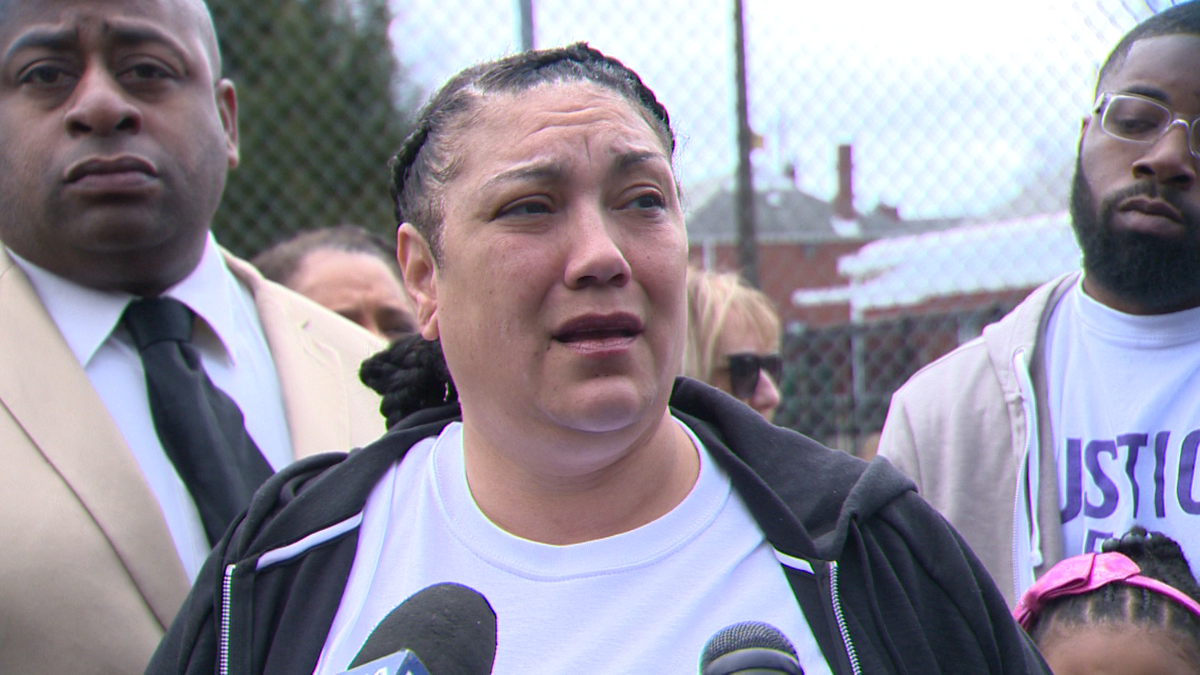
It is time to finally change the laws regarding use of force? Let our experts explain.
It’s a recurring subject that is dividing parts of society. What is the proper amount and when can and should police use force? With increased media coverage, very public trials and a country that is seeing deep divisions between law enforcement and the people it is intended to protect – each case of an officer using force now comes with an enormous amount of scrutiny. So, what are the laws pertaining to the proper use of force? What deems an action an improper use of force? How are officers trained and are they properly equipped when confronting a situation? Do these laws need updating? There are a lot of questions to be asked and that’s where the experts from Cedarville University can help. Dr. Patrick Oliver serves as Director of the Criminal Justice Program at Cedarville University. He has over 27 years experience in law enforcement and is an expert in the areas of proper and improper use of force. He was also he chief of police in Cleveland and suburban Columbus, Ohio. Patrick is available to speak with media regarding this issue – simply click on his icon to arrange an interview.

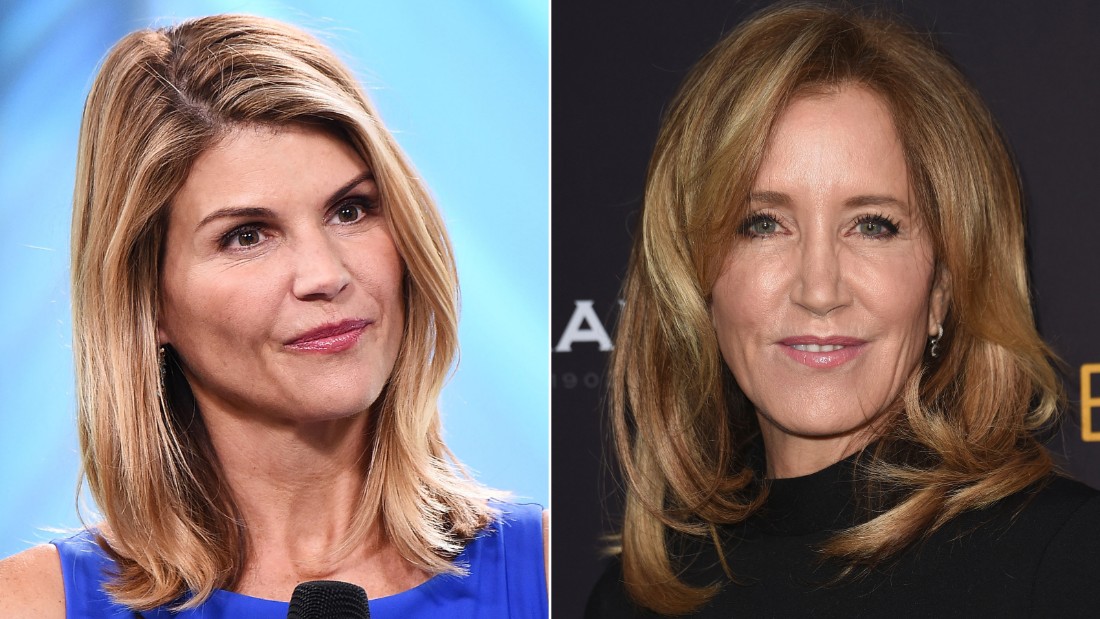
After the admissions scandal – Otterbein’s President lends his perspective and pledge
It was a scandal that seemed to rip through some of the top-rated universities and schools in America. The very institutions that portray and image of integrity, ethics and higher expectations had failed in a very public manner. Universities and colleges are supposed to be beyond reproach and in this case some of the best-known names in higher learning were now subject to accepting bribes and admitting students who may have had wealthy parents and worthy-pocket books - but lacked the essential grades to attend. Mix in a few well-known celebrities and this allowed the story to show that America’s elite have access to the levers of academia that most do not. But out of every mistake, there comes a lesson. And ideally a way to find the right way to do things. That’s how the President of Otterbein University, John Comerford sees it. He was recently published when asked about his views on the issue as it played out. “We should use the scandal as a moment to open our eyes to this long-standing inequity, because higher education is still the best door to social mobility our nation has to offer. Some institutions, like Otterbein University, are trying to provide opportunity to all students. We are investing more in need-based aid. We are setting transparent, inflationary 2 percent increases in tuition for the next four years. We are intentionally recruiting in underserved areas, expanding the diversity of our student body and providing student support services on campus. Family income will never be considered in who gets into Otterbein.” – The Columbus Dispatch John Comerford is an expert in higher education, regional and national topics. He is the President of Otterbein University and is available to speak with media regarding this issue and how higher-education needs to be made available to everyone in America regardless of income, family name or background. Simply click on his icon to arrange an interview.

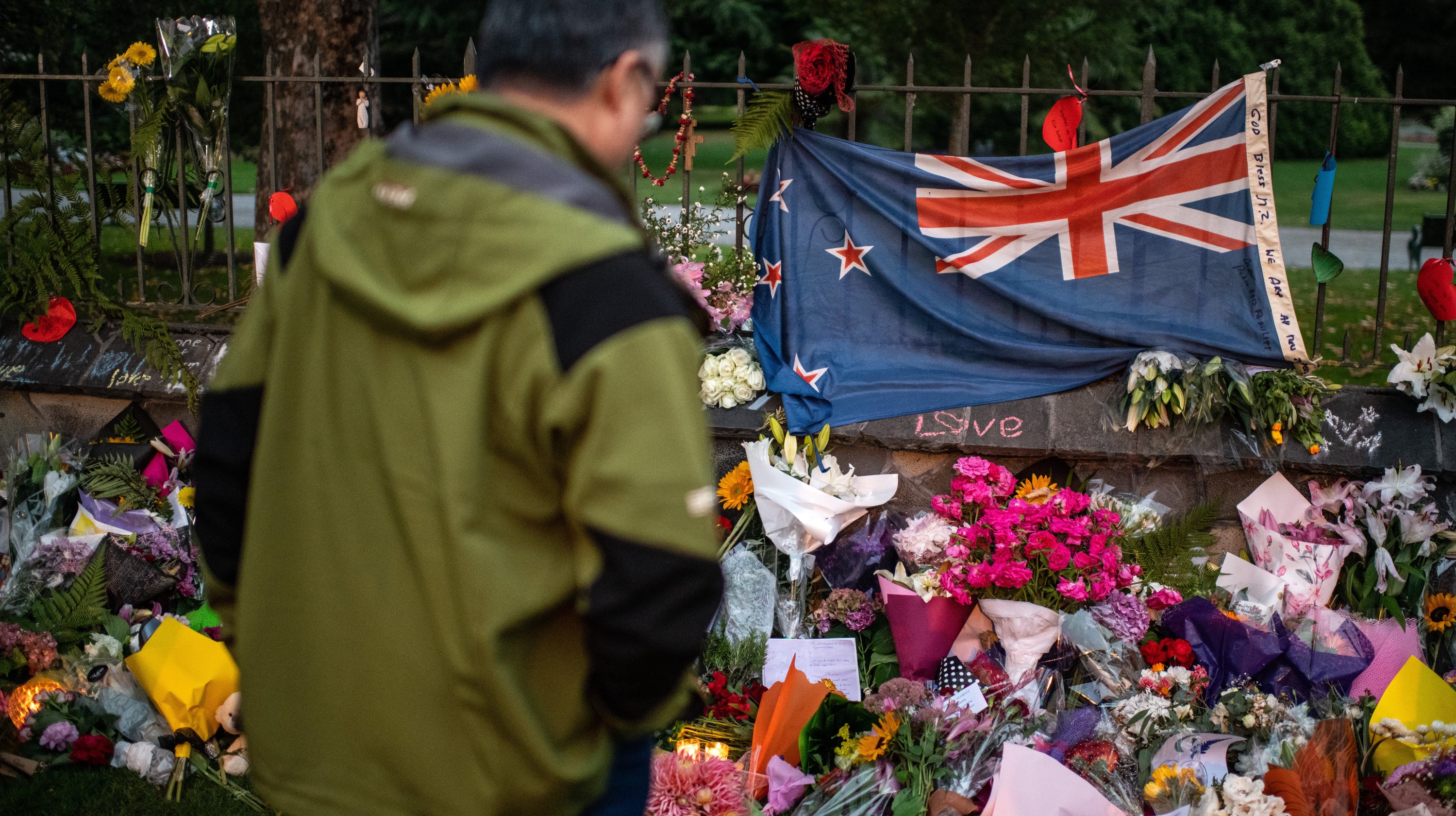
Extremism on the rise – Let our experts tell you just how concerned you need to be
Incidents across America and the planet are happening regularly. Protests are turning ugly with damage, violence and even death. Shootings and attacks on mosques, churches and public institutions are now happening at such a pace that the public is barely only one tragedy and another one strikes. Extremism is on the rise. The calls for thoughts and prayers are now common. The world, it seems, is fraying. What can be done about the rise of extremism? Is extremism being driven by economic, political or other factors? What role is social media and the Internet playing in fanning the flames of hatred and extremism? What can be done to police, prevent and ideally extinguish extremism? To begin with – we probably need to understand what’s actually going on and what’s the root of the issue? And that’s where the experts from Cedarville University can help. Dr. Glen Deurr's research interests include nationalism and secessionism, comparative politics, and international relations theory. Glen is available to speak to media regarding the rise of extremism – simply click on his icon to arrange an interview.

Why Operation Varsity Blues has some experts seeing red
It’s a scandal that has all the right ingredients - celebrity, trusted institutions, entitlement, bribery and now stars potentially behind bars. The 50 people charged on March 12 in a college admissions conspiracy include the tennis coach for the Obama family, an investor and friend of Bono and TV celebrities Felicity Huffman from Desperate Housewives and Full House’s Lori Loughlin. They are all wealthy, connected and parents who participated in a scheme that saw cheating on admission tests and bribery of college coaches to get their kids into some of the most elite schools across America. It’s embarrassing for the kids, the parents and the schools. But nonetheless, there will be consequences. This conspiracy was brought down by the FBI after all. However, there is collateral damage that has also been done to America’s academic community. The reputation, importance and value of a degree from a post-secondary institution has been sullied. And undoing this damage will not be easy. Dr. David Rettinger is Director of Academic Integrity at the University of Mary Washington and President of the International Center for Academic Integrity, an organization founded to combat cheating, plagiarism and academic dishonesty in higher education. “With the recent revelations from the indictments in Operation Varsity Blues, the integrity of higher education is once again under attack. As a scholar of student ethics and President of the International Center for Academic Integrity, I encourage both condemnation of this behavior and understanding of the context in which it occurred. Our society is commodifying higher education, focusing on degrees and not learning. I hope that the public discourse about education can focus on authentic learning rather than degrees and qualifications, so that higher education can remain a public good.” Approved quote from Dr. David Rettinger Dr. Rettinger is available to speak with media regarding this scandal as well as the importance of education and how universities and colleges across America will need to work to rebuild trust in the institutions that have been impacted by these events. Simply click on his icon to arrange an interview.


Everything old is new again – Is Joe Biden what the DNC needs or everything it’s trying to avoid?
It’s already a packed race with lots of political all-stars from the centre, left of centre and far left regions of the Democratic Party looking to be the one to face off against Donald Trump in 2020. It seems the only real heavy hitter left to jump in officially is former Vice President Joe Biden. Biden has been seen by many as the ‘one’ who can not only beat Donald Trump in the 2020 presidential election, but is likely one of only a few candidates with the political chops, thick enough skin and backbone to withstand the barrage of personal and political insults that will come with facing off against the President’s no holds barred approach to campaigning. Now Biden’s resume speaks for itself. But this isn’t his first kick at the DNC can. Previous attempts at running to lead the party have flopped. As well, the new crop of DNC politicians represents a new age of thinking. This new group is younger, feistier, more diverse and very much further to the left than the Democrats of the last 30 years – and though popular, is Joe Biden, who is 76 years old, part of the previous democratic establishment that America rejected in 2016? Another angle to consider is that this will be Biden’s third attempt to lead the DNC – do the Democrats risk, with all due respect, opting for its version of Bob Dole out of obligation as opposed to choosing a fresh face more aligned with the current party? There are a lot of questions to be asked and that’s where our experts can help. Mark Caleb Smith is the Director of the Center for Political Studies at Cedarville University. Mark is available to speak with media regarding the long journey to lead the DNC in 20220. Simply click on his icon to arrange an interview.

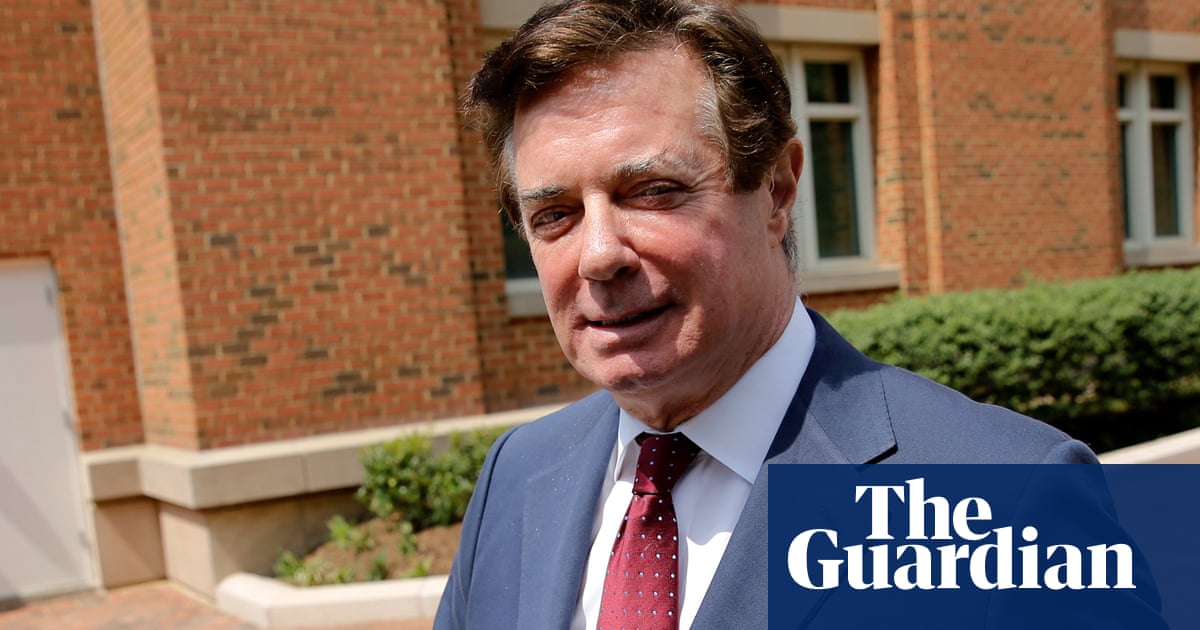
Justice is Not Only Bought, it's Racist!
After reading pieces in the Guardian and other news outlets, I find the assumption many news analysts, reporters, and commentators are making regarding Paul Manafort's sentence tone deaf. Yes, we all know money talks. And we also know that money has the ability to influence the legal outcomes within the U.S. justice system. But what people are not talking about, and should, is that his final sentence handed down by Judge TS Ellis, was rooted in racialized bias. Ok, let's just say, it had racist undertones. I know what many will say, "Race has nothing to do with the case." Well, it actually does. First, Paul Manafort has been essentially convicted of lying to federal officials, obstruction of justice, excessive felonies. And one can not forget about the morally reprehensible acts regarding collaborating with foreign governments bent on toppling the United States. He received 47 months. On the other hand, Judge TS Ellis, in 2009, was the presiding judge in the Representative William J. Jefferson of Louisiana case. Jefferson was indicted on 16 charges of corruption and later convicted. Judge Ellis did not give him 47 months. Jefferson was initially sentenced to 13 years for bribery. At the time, it was considered the longest sentence ever handed down to a member of Congress. This includes not only for the charge of bribery but any other crime. Looking through Ellis' convictions, a trail is visible. This is an old trail that is aligned to nothing but systemic racism.


Turning disability into accessibility
As communities grow and modernize – are we making the proper accommodations for those with disabilities to live a fulfilling, productive, and independent life? It’s a popular topic and one that we are now seeing being advocated more in many areas of everyday life. Accessibility laws and expectations are now ensuring that all aspects of education, business, transit, and health care are made available to everyone. The concept is sound – but how are we as a community developing reasonable accommodations and community resources that allow all people to participate in the community and successfully live their life? Often, it’s not a matter of intentional exclusion, rather the issue simply hasn’t been considered and no plan exists. And there are costs to not having a plan in place. Not addressing these “social determinants of health” (housing, transportation, etc.) affect healthcare outcomes and raise costs of hospitals, social services, and health care. Addressing these issues and improving accessibility may actually increase societal health, decrease long-term societal healthcare costs, and bolster the tax base. But as we move forward there are a lot of questions in the community about how to approach accessibility: What mechanisms are in place to gather input on needs, identify barriers, and consider requests for accommodation? What types of accessibility needs exist of the people who will use different community settings? (Physical, cognitive, sensory, emotional, developmental, etc.)? What types of accessibility barriers exist (architectural, environmental, attitudinal, financial, transportation, etc.)? How much do different accommodations cost? How can community settings partner with people with disabilities and/or health and human service providers? What specific ways can accessibility improve societal health? And that’s where the experts from CARF can help. Christine M. MacDonell is the Managing Director of Medical Rehabilitation and International Aging Services/Medical Rehabilitation at CARF International. She can address the issue of accessibility as it relates to people who have experienced brain injury, stroke, cancer, amputation, and spinal cord injury. Christine is available to speak with media regarding this topic – simply click on her icon to arrange an interview.



What Is Black Twitter and How Is it Changing the National Conversation? Baylor Expert Explains.
“Black Twitter” is a social media phenomenon that is changing the national conversation, but many people – including professional and strategic communicators – do not understand what it is or how it works, says Baylor University’s Mia Moody-Ramirez, Ph.D., professor of journalism, public relations and new media. Moody-Ramirez is a nationally recognized expert on mass media representations of minorities, women and other underrepresented groups. She coauthored the 2018 book From Blackface to Black Twitter: Reflections on Black Humor, Race, Politics, & Gender with Janette L. Dates, Ph.D., educator and critical commentator on the images of African-Americans in media. First things first, Moody-Ramirez said, Black Twitter is not a separate entity from Twitter. Black Twitter is a grassroots movement within Twitter that has provided a virtual community of mostly African-American Twitter users a collective voice on a variety of issues, including Black Lives Matter. Black Twitter users often identify themselves using the #blacktwitter hashtag or by focusing on issues related to the black experience. “We conclude [in our book] that alternative spaces, such as Twitter, offer a platform for ideas and concerns from a black perspective about social inequalities, politics and social justice, that were historically prohibited from taking root in other communication venues,” Moody-Ramirez said. In the following Q&A, Moody-Ramirez further explains Black Twitter. Q: When do you see the most Black Twitter activity? A: Much of the content on Black Twitter surfaces during a crisis that impacts black people such as race-related incidents that had less than favorable outcomes for the black community. As the saying goes, if society doesn’t handle it, then Black Twitter will step in to handle it. On a lighter note, Black Twitter users also collectively discuss media content such as TV shows, movies and award ceremonies from the black perspective. Q: How can people monitor what’s happening via Black Twitter? A: "Black Twitter" users often identify themselves using the #blacktwitter hashtag or other hashtags such as #BlackGirlJoy, #blackboyjoy, #blacklivesmatter, or any other hashtag focuses on issues related to the black experience. You can also monitor Black Twitter by following individuals who are known for sharing content about the black experience. Q: If someone outside the African-American community feels passionate about an issue or supports an issue raised by the Black Twitter community, how can they engage? Should they? A: As with any other platform, they should be considerate and proceed with caution. Anyone who is not a regular should make sure what they are sharing is appropriate. Q: Do you see Black Twitter or similar movements emerging on other social media platforms? A: Not to the same extent because Black Twitter is driven by hashtags and certain Twitter users who are trendsetters. Q: Is Black Twitter a reflection or an extension of other historical, social African-American grassroots movements? A: African Americans have used Twitter to share narratives on issues of interest to the black community, particularly in the United States. In her 2015 dissertation, Dr. Meredith Clark writes that African-American Twitter users have emerged as a subset of interest for two reasons – (1) their representation on Twitter has eclipsed that of White U.S. users; (2) because of their representation, they possess a unique ability to dramatically influence Twitter trends. Q: How do you feel Black Twitter will evolve? Will it? A: Scholars such as Feminista Jones and Dr. Meredith Clark have traced the history and content of Black Twitter, noting that the platform is used to share content on timely topics such as racial inequalities, politics, police brutality and women’s rights. In 2013, Feminista Jones described “Black Twitter” as a “collective of active, primarily African-American Twitter users who have created a virtual community that participates in continuous real-time conversations.” ABOUT BAYLOR UNIVERSITY Baylor University is a private Christian University and a nationally ranked research institution. The University provides a vibrant campus community for more than 17,000 students by blending interdisciplinary research with an international reputation for educational excellence and a faculty commitment to teaching and scholarship. Chartered in 1845 by the Republic of Texas through the efforts of Baptist pioneers, Baylor is the oldest continually operating University in Texas. Located in Waco, Baylor welcomes students from all 50 states and more than 80 countries to study a broad range of degrees among its 12 nationally recognized academic divisions. ABOUT THE COLLEGE OF ARTS & SCIENCES AT BAYLOR UNIVERSITY The College of Arts & Sciences is Baylor University’s oldest and largest academic division, consisting of 25 academic departments and seven academic centers and institutes. The more than 5,000 courses taught in the College span topics from art and theatre to religion, philosophy, sociology and the natural sciences. Faculty conduct research around the world, and research on the undergraduate and graduate level is prevalent throughout all disciplines. Visit www.baylor.edu/artsandsciences.



Baylor Expert on Race, Blackface Featured Nationally
Mia Moody-Ramirez, Ph.D., professor of journalism, public relations and new media at Baylor University, is a nationally recognized expert on mass media representations of minorities, women and other underrepresented groups. Over the past few weeks, Moody-Ramirez has been interviewed and quoted extensively by some of the nation's top media outlets for their stories about race -- specifically the history and cultural significance of blackface. She coauthored the 2018 book From Blackface to Black Twitter: Reflections on Black Humor, Race, Politics, & Gender with Janette L. Dates, Ph.D., educator and critical commentator on the images of African-Americans in media. In a Feb. 10 USA TODAY story about Viriginia's governor and blackface, Moody-Ramirez said, "I think we will see some good come out of these latest revelations. People will be more educated. They can no longer argue they didn't know that it is not appropriate to put on makeup to darken their face or change their hair texture to look like their favorite actor or celebrity . . . They will no longer have that excuse." Other stories include: The Washington Post Northam’s ugly yearbook photo and the racist origins of blackface CNN A not-so-funny story about blackface Arizona Republic He objected to a photo of coal miners who appeared to be in blackface. He never imagined the backlash. The Washington Post The lengthy history of white politicians wearing blackface — and getting a pass OZY Governor Wanted: Predators and Racists Need Not Apply PRI The World How blackface — ‘America’s first cultural export’ — reinforces oppression across the world USA TODAY Blackface in Virginia, other incidents show how deeply rooted anti-black racism is in America