
Experts Matter. Find Yours.
Connect for media, speaking, professional opportunities & more.
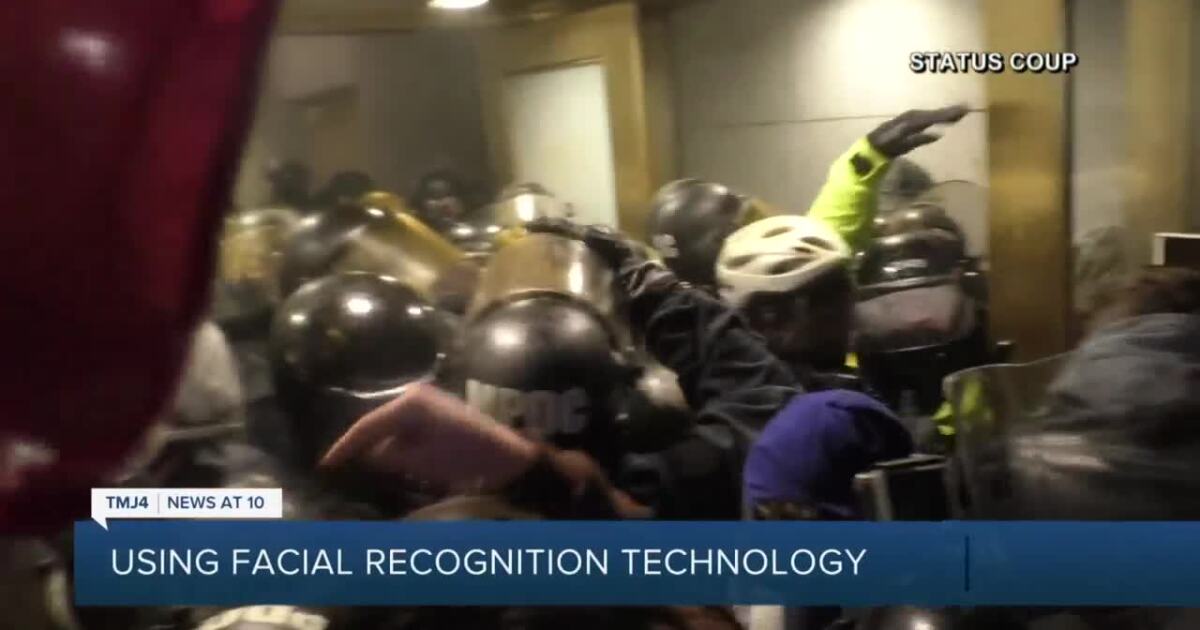
On January 06, America watched with shock as a mob of protesters stormed the gates in Washington, D.C. and invaded the Capitol buildings. For hours, the rioters looted and occupied America’s halls of power and though some were apprehended, many found a way to get out and get back home avoiding arrest. However, media coverage was substantial and some of the protesters were even bold enough to be caught posing for social media. Slowly, authorities are tracking them down, and Dr. Derek Riley, an expert at Milwaukee School of Engineering (MSOE) in the areas of computer science and deep learning, has been explaining how artificial intelligence (AI) technology that’s taught at MSOE is capable of enabling law enforcement's efforts to identify individuals from pictures. "With these AI systems, we’ll show it example photos and we’ll say, 'OK, this is a nose, this is an ear, this is Billy, this is Susie,'" Riley said. "And over lots and lots of examples and a kind of understanding if they guess right or wrong, the algorithm actually tunes itself to get better and better at recognizing certain things." Dr. Riley says this takes huge amounts of data and often needs a supercomputer—like MSOE's "Rosie"— to process it. To get a computer or software to recognize a specific person takes more fine-tuning, Riley says. He says your smartphone may already do this. "If you have a fingerprint scan or facial recognition to open up your phone, that’s exactly what’s happening," Riley said. "So, they’ve already trained a really large model to do all the basic recognition, and then you provide a device with a fingerprint scanning or pictures of your face at the end to be able to fine-tune that model to recognize exactly who you are." Riley says this technology isn't foolproof—he says human intelligence is needed at every step. He added we might be contributing to the data sources some of the technology needs by posting our pictures to social media. "Folks are uploading their own images constantly and that often is the source of the data that is used to train these really, really large systems," Riley said. January 14 – WTMJ, Ch. 4, NBC News The concept of facial recognition and the use of this technology in law enforcement (and several other applications) is an emerging topic – and if you are a reporter looking to cover this topic or speak with an expert, then let us help. Dr. Derek Riley is an expert in big data, artificial intelligence, computer modeling and simulation, and mobile computing/programming. He’s available to speak with media about facial recognition technology and its many uses. Simply click on his icon now to arrange an interview today.



Privacy Issues in Using Facial Recognition Software by Law Enforcement
The Atlanta Police Department is just the latest in criminal investigation units across the U.S. that have adopted facial recognition software to assist in police investigations. But privacy experts are cautiously watching the acceptance of this type of software for possible infringements of a citizen's privacy. The software uses a person’s photograph to search the internet including social media accounts for additional images of a suspect. The process is called “scraping” and Deven Desai, associate professor for law and ethics at Scheller College of Business at the Georgia Institute of Technology expresses concern over the use of the controversial technique, which is becoming more commonly used by hundreds of police departments across the U.S. “The issue becomes one of what we like to call “technical accountability,” said Desai, who cites the reliability of the software, the privacy of citizens, and the length of time images are stored by the departments as just a few factors to consider. How long will a person's photograph be kept and for what means? These are just a few of the questions that continue to raise concerns among some experts who see this new technology as a potential for harm to the public at large. Before fully embracing facial software, the accountability for using this form of spying should be studied in more detail before the practice is adopted widely.


Is your social media ready for when the next crisis strikes? Let our experts help!
At the National Institute for Social Media, response plans are the priority. A response plan is the high-level look, or the umbrella overview, that crisis management falls under. Your response plan details how you respond to positive, negative feedback, and any neutral feedback that comes your way. Take a compliment and make the most out of it: Positive feedback feels like you’re off the hook. If feedback is all positive, you feel like you don’t have to do anything. But that’s your opportunity to nurture and strengthen those who are already your supporters. They then become your brand champions. Avoid the neutral zone traps – react and respond accordingly: Questions or posts that aren’t really positive or negative land in neutral space, and that’s really not crisis communication, responding to those is just good customer service. When crisis strikes: If you have a crisis, most people associate it with an isolated event, and sometimes you can plan for it, sometimes you can’t. A few years ago, when Nordstrom’s discontinued Ivanka Trump’s clothing line, they anticipated a negative backlash by those who would accuse them of being politically motivated. They stated sales was the reason, and 100 percent came out neutral, but they could anticipate that particular feedback. Whereas, in the viral video of a passenger being physically dragged off an airplane, the airline couldn’t have anticipated that event. However, with an online response plan, they would have been prepared to respond to the unexpected event. A quick response is important but an informed response is more important than anything else. If it fits the situation, you may buy yourself time to do a little research by commenting that you’ve passed their question on and will respond soon. If you don’t have a strategic plan to fall back on, and you respond quickly but poorly, you run the risk of doing more harm than good. With an online response plan, people understand how to assess a given situation. Respond: To show transparency, we want everyone to see we are responding to customer; we have a planned response where we acknowledge the customer. Take offline: Give them an offline option for sharing additional information. Resolve: This allows the customer to have their issue resolved and be heard but discourages them from sharing ugly details on that highly visible platform. The plan is for a social media manager to have a path when they don’t know what to do. The viral airplane video is one example because by the time their social media people saw it, it was already going viral. They had every indication they should be panicking. Did they have a person to talk to help them make the decision about how it needs to be addressed? For those crises we can’t anticipate, there needs to be a clear path to a leader who can help with this difficult situation. One of my favorite things to tell people is that you don’t have to be victimized online just because you’re a professional organization. You can set up community guidelines. Some businesses think, what if someone starts using racial slurs or inappropriate comments? You can post community guidelines that state these are our expectations of how our customers can participate respectfully, and we reserve the right to delete your content. You can set the expectation that you want people to engage respectfully. You have to get to the heart of what people are really asking or wanting. In the case of Ivanka Trump’s clothing line, nobody was upset because Nordstrom’s wasn’t carrying the clothing line; what they were really upset about was that a large organization could be taking a political stance against the at-that-time republican candidate. Are you looking to know more about how corporations and institutions need to be prepared and how they need to react when bad news goes viral? That’s where we can help. Amy Jauman is social media expert, consultant, writer, and professor at Saint Mary’s University of Minnesota. Dr. Jauman authored a (National Institute for Social Media) NISM textbook for social media strategists and is available to speak to speak with media – simply click on her icon to arrange an interview.


Can Understanding the History of Drug Addiction Help Address the Opioid Epidemic?
According to the National Institute on Drug Abuse, more than 130 people die every day after overdosing on opioids. Lives have been lost, families shattered, and billions spent as experts, elected leaders, health care professionals, and law enforcement officials try to address the country's opioid epidemic. A professor at Rensselaer Polytechnic Institute can help shed light on the forces at work in this crisis and its history. Professor Nancy Campbell is an expert is in the history of science, technology, and medicine as it relates to drug policy and the social significance of drugs. She is a professor and head of the Department of Science and Technology Studies (STS) in the School of Humanities, Arts and Social Sciences at Rensselaer Polytechnic Institute. "We found her to be one of the most knowledgeable people on the history of opioids and how that history fits into the context of today’s problem," reporters for CBS 6 News in Albany wrote of Campbell. In a recent interview with the station, Campbell discussed her extensive research on the history of drug addiction, as well as her approach to educating students about it. “I actually want my students to go out of the class, knowing more about where our current opioid epidemic came from, the endemic that it built upon and also knowing more about drug markets and the social aspects,” Campbell said. August 15 – CBS 6 News Are you a reporter covering the opioid crisis and need to know what’s being done and what more needs to be done? Let our experts help with your questions. Campbell is available to speak to media regarding the opioid crisis and the history of drug addiction – simply click on her icon to arrange an interview.


The Gun Control Debate is at a Stalemate. Can Smarter Weapons Help to Solve it?
The gun control debate is at a stalemate. America seems incapable of finding common ground on background checks, waiting periods, weapons registries and restrictions or bans on select weapons. Shooting after shooting has resulted in decades of debate but little substantive change. But Professor Selmer Bringsjord from Rensselaer Polytechnic Institute, who recently weighed in on the issue, presented a concept that could turn the entire topic on its head by using artificial intelligence. Bringsjord accepts that America won’t get rid of its guns – so why not just make our guns smarter? Ethically AI-enabled weapons can put American politicians back to work by shifting the debate from the weapons we should ban, to the targets we will accept. Do we allow guns to kill school children, shoppers, concert-goers? The technology of ethical AI changes the conversation. His idea was just recently published in the Times Union: “Yet there is a solution, a technological alternative to the fruitless shouting match between politicians: namely, AI — of an ethical sort. Guns that are at once intelligent and ethically correct can put an end to the mass-shooting carnage. Consider the rifle apparently used by the human killer in the El Paso Walmart shooting. But now suppose that time is turned back to before his shots were fired on Aug. 3, and that his rifle, radically unlike the stupid one that killed, is both intelligent and ethical. This alternate-future rifle would know that it's approaching the Walmart by car and would accordingly know that it has no business being used anytime soon. Move forward in time a bit; the rifle is now in the hands of the aspiring, ear-muffed killer outside his car; but his weapon has fully disengaged itself and is locked into a mode of utter uselessness with the finality of a sealed bank vault. On the other hand, the guns in the hands of law enforcement officers who have dashed on scene know in whose hands they rest, and accordingly know that if they are trained on the would-be killer, they have every right to work well, if this criminal reveals some new threat. Notice: If people who don't actually pose a threat sufficient to warrant being shot by police can't be shot by smart, ethical guns, a fact that could lead to the welcome evaporation of a different but also vitriolic political shouting match.” -Times Union, August 16, 2019 Could AI be the answer to America’s gun problem? It’s truly a new perspective on an old issue. If you are a reporter covering this topic, let our experts help with your story. Dr. Selmer Bringsjord is the Chair of the Department of Cognitive Science expert in logic and philosophy, specializing in AI and reasoning. Dr. Bringsjord regularly speaks with media about AI and is available to speak about the concept of intelligent, ethical guns. Simply click on his icon to arrange an interview.

Surviving a mass shooting – let our experts help with your coverage and understand what’s next
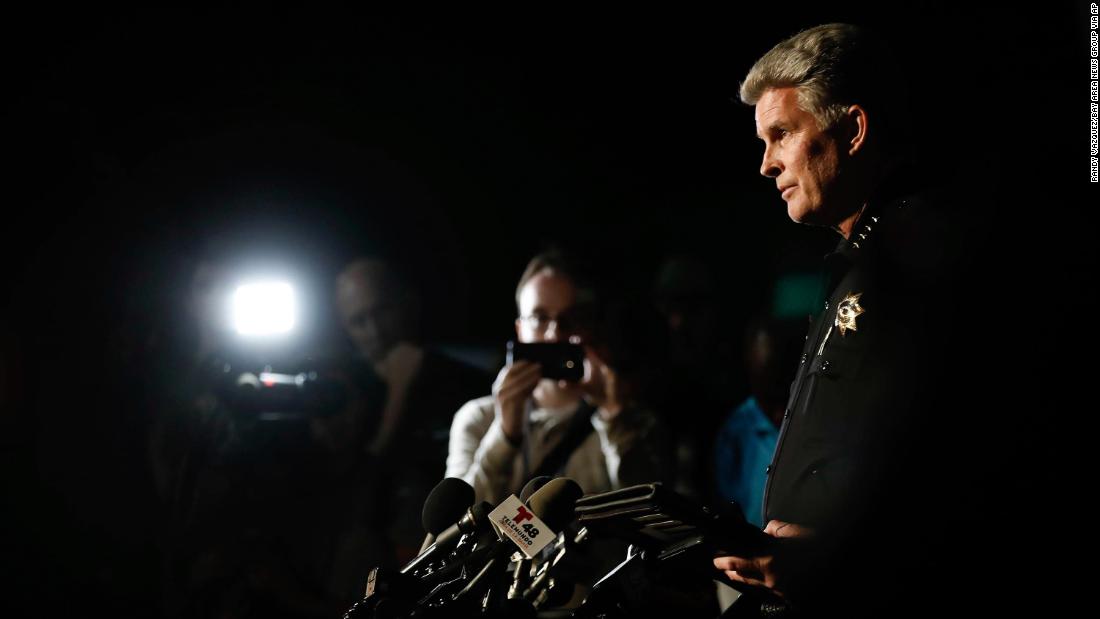
At least 15 people were injured and three were killed, including a six-year-old boy, when a gunman opened fire on a crowded festival in California on Sunday. Investigators are still left searching for a motive and reason. But in the wake of any tragedy there lies countless numbers of witnesses, relatives and first responders who will be impacted mentally, physically and psychologically from this event. Those wounds are often deep and difficult to treat. If you are a reporter covering this shooting or any other incident of this magnitude – that’s where our experts can help with your questions and coverage. Dr. Laura C. Wilson is a clinical psychologist whose expertise focuses on post-trauma functioning, particularly in survivors of sexual violence or mass trauma (e.g., terrorism, mass shootings, combat). Her research interests extend to predictors of violence and aggression, including psychophysiological and personality factors, as well as indicators of PTSD following mass trauma, long-term functioning among first responders, outcomes among survivors of sexual violence, and the influence of media on mental illness stigma. Dr. Wilson is available to speak with media – simply click on her icon to arrange an interview today.


It is time to finally change the laws regarding use of force? Let our experts explain.
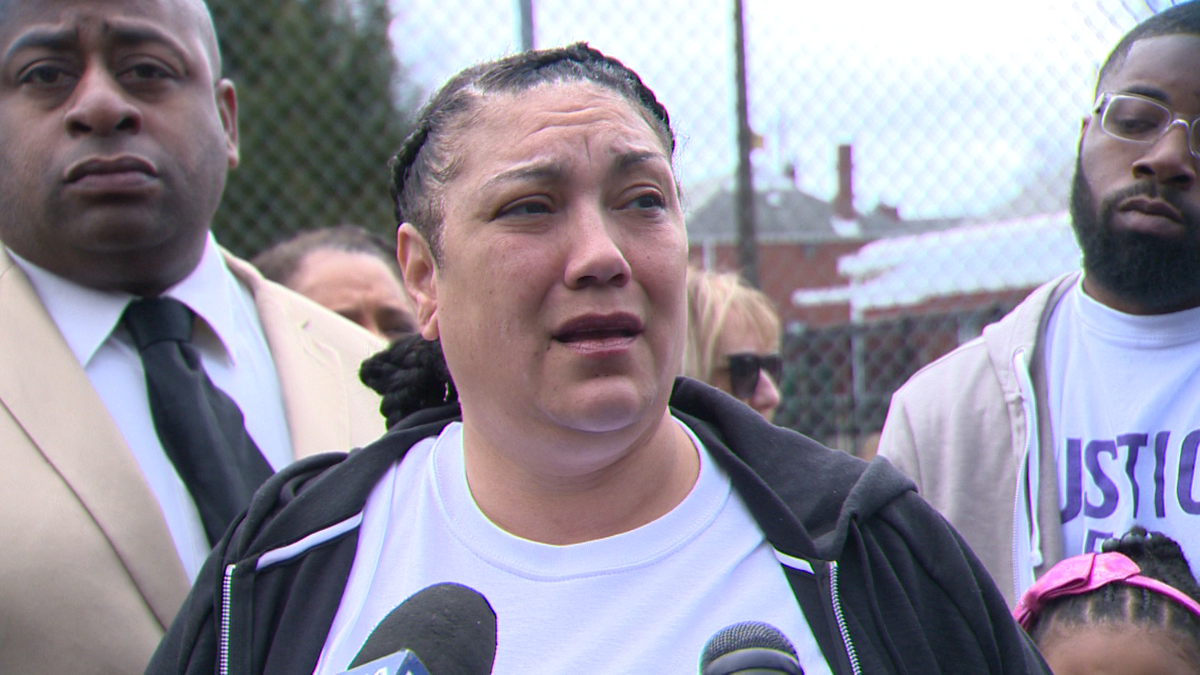
It’s a recurring subject that is dividing parts of society. What is the proper amount and when can and should police use force? With increased media coverage, very public trials and a country that is seeing deep divisions between law enforcement and the people it is intended to protect – each case of an officer using force now comes with an enormous amount of scrutiny. So, what are the laws pertaining to the proper use of force? What deems an action an improper use of force? How are officers trained and are they properly equipped when confronting a situation? Do these laws need updating? There are a lot of questions to be asked and that’s where the experts from Cedarville University can help. Dr. Patrick Oliver serves as Director of the Criminal Justice Program at Cedarville University. He has over 27 years experience in law enforcement and is an expert in the areas of proper and improper use of force. He was also he chief of police in Cleveland and suburban Columbus, Ohio. Patrick is available to speak with media regarding this issue – simply click on his icon to arrange an interview.


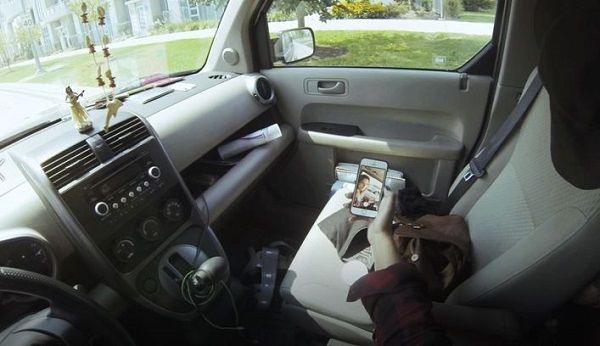
Starting January 2019, the stakes will be even higher when it comes to distracted driving in Ontario. CAA South Central Ontario (CAA SCO) is reminding Ontario drivers that strengthened distracted driving laws will take effect January 1, 2019. New additions include licence suspensions, increased demerit points and an increase to the minimum financial penalty that can be charged to those guilty of distracted driving. "CAA fully supports the increased fines and penalties that will be in place for distracted driving starting tomorrow,” said Elliott Silverstein, manager, government relations, CAA SCO. “Hopefully these new rules will encourage motorists to remain focused on the road and keep devices far from reach when operating their vehicle." Distracted driving continues to be a challenge on Ontario's roads, nearly a decade after the initial legislation banning handheld devices was passed. This new legislation is the first increase since September 2015 when demerit points were added to distracted driving convictions. Recent CAA research shows that one in three Ontario drivers claim to engage in distracted driving as a result of using a mobile device. According to the Ontario Ministry of Transportation, one person is injured in a distracted driving collision every half an hour. “The new fines and penalties are some of the strongest in the country, and they will further aid law enforcement in their continued effort to make road conditions safer for everyone,” continued Silverstein. Starting January 1, 2019, Ontario drivers can expect the following fines and penalties if caught driving distracted: The minimum financial penalty will increase from $490 to $615. A first conviction for distracted driving will now result in a three-day licence suspension, three demerit points and a minimum financial penalty of $615. A second conviction will result in a financial penalty of up to $2000 (previously up to $1000), six demerit points and a seven-day licence suspension. For third (or more) convictions, drivers will face a financial penalty of up to $3000 (previously up to $1000), six demerit points and a 30-day licence suspension. CAA recommends the following tips to reduce distractions behind the wheel: Turn off mobile devices Stow and secure loose objects Avoid eating, drinking or smoking Prepare children with everything they need Pre-set the climate control and radio Pre-program your route on GPS Allow phone calls to go to voicemail Don't text, surf the web or read emails CAA is dedicated to helping change certain rules and regulations for Ontario’s roads that will improve safety for everyone who uses them. Through its road safety efforts, CAA has been helping to educate and bring awareness about distracted driving, Slow Down, Move Over rules and cycling safety laws.



Baylor Gerontology Expert: Signs that Your Loved One is Suffering Elder Abuse
Each year, an estimated 5 million older adults are abused, neglected or exploited, according to the Administration for Community Living. Gerontology expert James Ellor, Ph.D., M.Div., professor in Baylor University’s Diana R. Garland School of Social Work, shares what elder abuse looks like and how people can respond if they see the signs. Reports of abuse are most often submitted by family members, hospital staff and law enforcement. But churches and other organizations should also be diligent, Ellor said, adding that clergy are considered mandatory reporters in many states. “No one group of caring persons can solve this problem alone; it takes a community of caring lay and professional leaders to even try to start to make a difference,” Ellor said. “If signs are noticeable, the next steps will depend on the type of abuse. In most cases, counseling support is critical, but often the need for medical help or legal help is also very important.” Elder abuse – intentional or negligent acts by a caregiver or trusted individual – comes in many forms: neglect or isolation, physical abuse, sexual abuse, exploitation or financial abuse, emotional and psychological abuse, verbal abuse and threats. Physical Abuse Like any other form of physical abuse, physical abuse incudes odd bruising, broken bones or contusions that are not easily explained, Ellor said. One sign that quickly raises suspicion is when broken bones or bruises happen repeatedly. Drug overdoses or the withholding of drugs are also challenging. Emotional abuse Ellor said this could include yelling at the senior, humiliating him or her, blaming and/or scapegoating. Sexual abuse “This is contact without consent,” Ellor said. “We see this often between spouses, particularly when one spouse has dementia.” Neglect “Possibly one of the most common categories, it simply means not taking the time to respond to a wide variety of needs when one is the designated caregiver,” Ellor said. Financial exploitation “Laws governing guardianship and power of attorney try to address this, but family members who take money from seniors as cash or property are the most common culprits,” Ellor explained. Fraud This can involve financial exploitation or even heath care fraud, but it generally involves either over-charging, selling unnecessary benefits of something, or it may include trying to sell something that would benefit one’s children, Ellor said. Self-Neglect “Some seniors simply choose to not help themselves, often in the name of leaving money or property to family members,” Ellor said. “Evidence of this could be that they don’t purchase needed medications or other resources.” Report suspected mistreatment to local adult protective services, long-term care ombudsman or law enforcement agencies that can investigate the situation. ALSO READ: "Gerontology Expert: Six Questions You Should Ask Before Choosing a Nursing Home" SEE: Baylor University's Directory of Faculty Experts ABOUT JAMES ELLOR, PH.D. James Ellor, Ph.D., M.Div., is a professor in Baylor University’s Diana R. Garland School of Social Work. Ellor works with older adults around issues of mental and spiritual health. He has served on the executive committee of the Midwestern Geriatric Education Center and provided education, counseling and planning for individuals and groups who work with seniors. His research includes work in entrostomal therapy, hunger, the church as service provider, spiritual assessment and intervention techniques with cognitively impaired older adults. ABOUT BAYLOR UNIVERSITY Baylor University is a private Christian University and a nationally ranked research institution. The University provides a vibrant campus community for more than 17,000 students by blending interdisciplinary research with an international reputation for educational excellence and a faculty commitment to teaching and scholarship. Chartered in 1845 by the Republic of Texas through the efforts of Baptist pioneers, Baylor is the oldest continually operating University in Texas. Located in Waco, Baylor welcomes students from all 50 states and more than 80 countries to study a broad range of degrees among its 12 nationally recognized academic divisions. ABOUT DIANA R. GARLAND SCHOOL OF SOCIAL WORK Baylor University’s Diana R. Garland School of Social Work is home to one of the leading graduate social work programs in the nation with a research agenda focused on the integration of faith and practice. Upholding its mission of preparing social workers in a Christian context for worldwide service and leadership, the School offers a baccalaureate degree (B.S.W.), a Master of Social Work (M.S.W.) degree and three joint-degree options, M.S.W./M.B.A., M.S.W./M.Div. and M.S.W./M.T.S., through a partnership with Baylor’s Hankamer School of Business and George W. Truett Theological Seminary, and a Ph.D. program. Visit www.baylor.edu/social_work to learn more.


Former U.S. Attorney Available to Discuss Fallout for Trump Administration in Light of Cohen Plea
Wheaton College Professor David Iglesias, a former U.S. Attorney in New Mexico whose areas of expertise include federal prosecutions, is available for interviews regarding the fallout for the Trump administration in light of Michael Cohen’s guilty plea in federal court on 8 criminal counts, including violation of campaign finance laws. “President Trump is now in a place few presidents have ever been,” Iglesias says. “At this point, he is basically an unindicted co-conspirator to federal crimes.” “I wouldn’t call it the beginning of the end, but it’s certainly the end of the beginning.” Iglesias is an associate professor of politics and law and director of the Wheaton Center for Faith, Politics, and Economics. He can discuss topics including: -The process of presidential pardons -How federal prosecutors treat indicted persons who cooperate with information concerning the crimes of other persons, and the quid pro quo for getting an individual to cooperate with law enforcement -Guilty pleas, hung juries, and sentencing in federal court -Impeachment (What Iglesias calls “the nuclear option for removing a sitting President of the United States”), the process, and why it has happened so rarely in U.S. history -Whether a sitting president can be indicted for crimes -The importance of the rule of law (Why is America the world leader for holding all accountable for their actions? What message is being sent if wealthy and powerful people can avoid criminal exposure for their actions?) -Watergate as a precedent, and similarities/differences with the current situation -Rules of federal investigations (How do federal agencies conduct investigations? What is public and what is non-public? Why are prosecutions that are considered "political" so dangerous for law enforcement?) To request an interview with Professor Iglesias, e-mail Wheaton College Director of Media Relations LaTonya Taylor at latonya.taylor@wheaton.edu. Source:
