
Experts Matter. Find Yours.
Connect for media, speaking, professional opportunities & more.
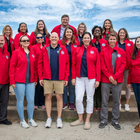
AU research team awarded $4.4 million American Heart Association grant
A research team at Augusta University, led by Jennifer C. Sullivan, PhD, has secured a $4.4 million grant from the American Heart Association to study the risk factors for cardiovascular and kidney diseases and how they impact women. Sullivan’s research center, “Disruptions in cardiorenal free fatty acid metabolism in Cardiovascular Kidney Metabolic Syndrome,” is part of a larger $15 million project titled “Strategically Focused Research Network on Cardiovascular Kidney Metabolic Syndrome: Heterogeneity in Women.” The overarching AHA project is aimed at learning why women may be more likely to develop cardiovascular and kidney diseases due to certain unique risk factors and life stages. Research teams from Massachusetts General Hospital and The Ohio State University were also chosen. “I think this is a huge step for Augusta University as we continue to distinguish ourselves and the research that we have here focused on the health of women,” said Sullivan, dean of The Graduate School. “This grant is particularly impactful as we look to advance and improve the health of women, not just in Georgia, but for the entire country.” According to the Healthy Georgia Report, produced by AU’s School of Public Health, Georgia has the 23rd highest rate of obesity in the United States. Among the women living in the state, 38.3% of them, as well as 37.5% of people living in rural areas, suffer from obesity. “It’s great that we are able to represent the state of Georgia because our state has such a high prevalence for obesity rates,” said Sullivan, who is the director of AU’s SCORE project “Improving awareness of women with hypertension: ROAR (Rural, Obese, At Risk).” “It’s important for us to understand that different populations have distinct needs. You can’t talk about a one-size-fits-all approach to health. This is really about trying to understand how different groups are impacted.” Each center is comprised of three teams, as well as a training component and an area partner. Together, they will explore obesity’s lifetime impact on CKM syndrome through three projects. CKM syndrome is a clinical term that describes the combined health effects of heart disease, kidney disease, diabetes and obesity, which puts people at high risk for heart attack, stroke and heart failure. According to the American Heart Association’s 2025 Heart Disease and Stroke Statistics, about 1 in 3 U.S. adults has at least three components of CKM syndrome, which include high blood pressure, abnormal cholesterol, high blood glucose (sugar), impaired kidney function and excess body weight. The first project is led by Daria Ilatovskaya, PhD, and Justine Abais-Battad, PhD, and will look at aging and Western diet-induced CKMS mechanisms in obesity. Ilatovskaya is an associate professor and the graduate program director for the Doctor of Philosophy in Physiology program, and Abais-Battad is an assistant professor in the Department of Physiology with the Medical College of Georgia at Augusta University. The second component, led by Jessica Faulkner, PhD, an assistant professor in MCG’s Physiology department, will study obesity-associated mechanisms of CKMS in pregnancy. The third project, led by Stephen Coughlin, PhD, with Marlo Vernon, PhD, is looking at CKMS epidemiology, associations with obesity, CVD/CKD. Coughlin is the program director for the Master of Science in Epidemiology and professor of epidemiology in the School of Public Health’s Department of Biostatistics, Data Science, and Epidemiology, while Vernon is an associate professor with MCG’s Georgia Prevention Institute and SPH’s Department of Community and Behavioral Health Sciences. Additionally, the team will talk to women and health care providers from a variety of backgrounds and experiences to assess current knowledge and interest levels in heart health and use that information to develop programs that may help treat and prevent disease. There is also a training director, Alison Kriegel, PhD, a professor in the Department of Physiology, and a core director, Guido Verbeck, PhD, chair and professor of the Department of Chemistry and Biochemistry in the College of Science and Mathematics. “We have a strong blend of clinical epidemiology and basic science, as well as a training component, which we will fill with post-doctoral fellows,” Sullivan said. “Dr. Ilatovskaya, Dr. Faulkner, Dr. Abais-Battad and Dr. Vernon are all a part of our ROAR grant, and, while this isn’t directly related to that program, it allowed us to demonstrate how we are already well positioned to work together to amplify our ability and increase awareness about the importance of the health of women.” The team has over 50 collaborative papers and has secured more than $13 million in collaborative funding to advance the health of women. They also all have experience training fellows and students to continue to expand their reach. “We already have a lot of the infrastructure in place for this kind of cross-disciplinary project, so we leaned very heavily into our connections and the expertise we have here at Augusta University. It’s set up very similar to our ROAR program, so this is something that was really organic in nature,” Sullivan said. The American Heart Association has invested almost $300 million to establish 18 Strategically Focused Research Networks, each aimed at addressing a key strategic issue identified by the association’s volunteer Board of Directors. Prior networks have been studying a wide variety of important topics including, but not limited to, prevention, hypertension, the health of women, heart failure, obesity, vascular disease, atrial fibrillation, arrhythmias/sudden cardiac death, cardiometabolic health/type 2 diabetes, health technology, cardio-oncology, the biological impact of chronic psychosocial stress and the role of inflammation in cardiovascular health. Each network centers around scientific knowledge and knowledge gaps, prevention, diagnosis and treatment of the key research topic. Three to six research centers make up each network, bringing together investigators with expertise in basic, clinical and population/behavioral health science to find new ways to diagnose, treat and prevent heart disease and stroke. Funding scientific research and discovery through initiatives like these awards is a cornerstone of the century-old American Heart Association’s lifesaving mission. The association has now funded more than $5.9 billion in cardiovascular, cerebrovascular and brain health research since 1949, making it the single largest non-government supporter of heart and brain health research in the United States. New knowledge resulting from this funding continues to save lives and directly impact millions of people in every corner of the U.S. and around the world. Looking to know more about the amazing research happening at Augusta? To connect with Dr. Sullivan, simply click on her icon to arrange an interview today.


Kyle Davis wins NSF CAREER Award for pioneering research on climate-resilient food systems
University of Delaware assistant professor Kyle Davis has received a National Science Foundation (NSF) CAREER Award—one of the most competitive and prestigious honors for early-career faculty—for his work advancing the climate resilience of global food systems. Davis, who holds joint appointments in the College of Earth, Ocean and Environment and the College of Agriculture and Natural Resources, leads cutting-edge research at the intersection of agriculture, sustainability and global environmental change. His focus? Making food production more efficient, climate-smart and socially equitable—especially in regions grappling with limited water resources. With a growing global population and increasing pressure on land and water, Davis’s research is helping to answer one of the most critical questions of our time: How can we feed the world without destroying the planet? His lab’s work recently led to the development of MIRCA-OS, a groundbreaking open-source dataset that offers high-resolution global data on irrigated and rain-fed croplands across 23 crop types. The tool, co-created with UD doctoral student Endalkachew Kebede and published in Nature Scientific Data, allows researchers, farmers and policymakers to assess how crop choices, rainfall and irrigation interact with water systems and food security. Some of the thirstiest crops are grown in the most water-stressed areas Davis said. Shifting crop mixes to crops that require less water but still ensure farmer profits is a promising way to reduce the amount of water needed to irrigate crops and to avoid conditions of water scarcity. Davis’s research spans continents, with active projects in the United States, India, China and Nigeria, where his team is exploring solutions to water scarcity, crop nutrition and agricultural sustainability. His work has appeared in Earth.com, Phys.org and major scientific journals. In 2023, he was recognized with the American Geophysical Union’s Global Environmental Change Early Career Award. In addition to research, Davis is a dedicated mentor, guiding graduate students from around the world. “So much of my research is the result of their passion, abilities, drive and creativity,” Davis said. Davis is available for interviews on topics including sustainable agriculture, water use, climate adaptation, food systems and the power of data science in global development. He can be contacted by clicking the "View Profile" button.


UD researchers launch open-source tool to boost global food security and water sustainability
Efficient water usage in agriculture is crucial for sustaining a growing human population. A better understanding of the systems that support agriculture, farmers and farmlands allows for food production to become more efficient and prosperous. That's what makes the Monthly Irrigated and Rainfed Cropped Areas Open Source (MIRCA-OS) dataset so important. MIRCA-OS offers high-resolution data on 23 crop classes — including maize, rice and wheat — and helps researchers, students and farmers examine irrigation, rainfall and croplands and how they interact with global water systems. Co-authored by Endalkachew (Endi) Kebede, a doctoral student in University of Delaware’s Department of Geography and Spatial Sciences, a recent paper focused on MIRCA-OS was published in Nature Scientific Data. Kyle Davis, assistant professor in the Department of Geography and Spatial Sciences and the Department of Plant and Soil Sciences, served as a co-author on the paper and coordinated the study. “We first developed a comprehensive data library of crop-specific irrigated and rainfed harvested areas for all countries,” Kebede said. “This involved two years of gathering data from a wide range of international, national and regional sources. Through this process, we produced a tabulated crop calendar, annual harvested area grids and monthly harvested area grids for all irrigated and rainfed crops.” “The amount of effort that Endi put in to gather, process and harmonize all of this data is truly incredible,” Davis said. “His effort is a very important contribution to the scientific and development communities.” Doctoral student Endalkachew Kebede (left) and Assistant Professor Kyle Davis. (Photo credit: University of Delaware) Cropland accounts for 13% of Earth's total habitable land, and the preservation of cropland is important in feeding the growing global population. “Crop production has been a widespread human activity for a few thousand years, and it has a huge role in global food security,” Kebede said. “But it also has unintended impacts on the environment, such as overutilization of water resources, pollution through rivers or the effects on soil and the environment.” MIRCA-OS can play a crucial role in helping to better understand croplands and agriculture, allowing the global population to be successfully fed while minimizing the agricultural effects on the environment. In addition to the data included on cropland and water resources, MIRCA-OS allows researchers to view social aspects like poverty and unemployment through an agricultural lens, creating a better understanding of the interconnectivity of agriculture and social issues. MIRCA-OS is an updated version of the earlier MIRCA2000 dataset. Kebede said the MIRCA2000 was released nearly two decades ago, so renewing the data gives users more accurate and timely information. Both datasets specialized in examining irrigation and rainfall, but the MIRCA-OS added two new complexities to their data. First, MIRCA-OS is open source, meaning it is publicly available for anyone to use, download, or modify. Kebede said the added accessibility allows the technology to contribute to anyone's work, whether it be a student, a researcher or a farmer. “Anybody can use, update it, or upscale it to the special skill they’re interested in,” Kebede said. “Some might use it for research, some might use it to create policies and some might use it to practice agriculture.” To arrange an interview with Davis, visit his profile and click on the contact button.

When Luis Quiroga-Nuñez, Ph.D was appointed director of Florida Tech’s Ortega Observatory and its primary tenant – a non-functioning, 32-inch telescope – in 2023, he decided it was time to provide astronomy students and others a window to space. The observatory is already a base for research across a spectrum of cosmic exploration through disciplines such as astronomy and astrophysics, heliophysics, planetary science and astrobiology. However, current students have yet to see the stars up close, as the aging telescope, commissioned in 2008, has sat dormant for the last several years. With restoration, the telescope could be a powerful tool to train students to use professional telescopes and make observations – critical skills that will help prepare them for their future careers. It soon became apparent, however, that this was no simple task. The restoration would necessitate reverse engineering on a large scale to even understand how to fix and upgrade the telescope, much less actually repair it. It would also, as Quiroga-Nuñez wisely recognized, be its own powerful educational opportunity, providing unique hands-on learning opportunities for students in the College of Engineering and Science. “We are an institute of technology. We have perfectly capable people, like these young students, ready to join hands-on projects, get crazy and start to be creative.” Luis Quiroga-Nuñez With various issues to tackle and eager to support home-grown expertise, Quiroga-Nuñez and Lee Caraway, Ph.D, an instructor in the department of electrical engineering and computer science, recruited students with varied backgrounds, from astronomy to electrical engineering and computer science. Students could apply what they learned in class and grow their portfolios with a real-world project, the sort of experiential learning that is a hallmark of a Florida Tech education. Some improvements have been made, but the project remains an exciting puzzle for students and faculty alike. Here’s how they are doing it. An Interdisciplinary Project In January 2023, Quiroga-Nuñez partnered with Caraway to rebuild the telescope from the inside out. They say the conversation started over lunch, sketching ideas on a napkin. With various issues to tackle and eager to support home-grown expertise, Caraway and Quiroga-Nuñez recruited students with varied backgrounds, from astronomy to engineering to computer science. “This is about as real-world as you can get without leaving school. We have this giant piece of technology that is not working. Figure out why,” said recent graduate Adrianna Agustin ’24, who helped update the telescope’s communication system. “All of those problem-solving skills will directly translate to wherever we go in the future.” The project’s multidisciplinary nature also boosts collaboration between both sides of the college. “We keep integrating different parts of the university and involving students in a project that we were blinded by,” Quiroga-Nuñez says. “We sit between the scientists and the engineers.” And there’s no shortage of tasks. In addition to the refurbishment, Quiroga-Nuñez and Caraway are also completing routine telescope maintenance, with students taking on adjacent projects around the observatory. With the telescope repair, each student is given their own task, such as redesigning a small clip that supports the dome’s electric current, reviewing the conditions of the finder’s lens or understanding how analog devices control the telescope’s focus. This allocation allows each student to claim their own individual contribution to the greater telescope puzzle. Opening a Time Capsule The telescope’s biggest issues were mechanical and electrical, all exacerbated by age. Its motors were decades old and naturally failing, Caraway said. These motors controlled the telescope’s right ascension and declination – essentially, its ability to move. The chaotic interior also involved multiple individual systems with dozens of wires. And the circuits controlling the motors, which dated back to the 1980s, were also failing due to age. As Caraway noted, his students are sweeping off “dust older than them.” “The technology back then simply did not exist to control the motors, run the diagnostics and make it all happen,” Caraway explained. “They’re not designed to run 30 years.” Additionally, the computer program that controlled the motors was outdated and did not meet to the university’s security requirements. Given all this, the team needed to develop a new communication system for the telescope, starting with the computer software. They decided instead of purchasing an upgraded computer system, they could build and program their own in-house from scratch. Next, once the new computer was up and running, it needed motors to command. Marisa Guerra ’24 worked on a senior design project involving a robotic arm whose motor structure was the same as the telescope’s. She crafted a blueprint for the telescope’s new motors using what she learned for her capstone project. At the same time, Agustin worked on developing a cleaner communication system between the computer to the motors. Her senior design research focused on electric vehicles and their internal circuit systems, and she could replicate something similar within the telescope – but not without digging through the decaying electronics first. “We had to reverse engineer and actually redraw the circuits, which was good practice because a lot of the time, for senior design at least, you don’t really have to design a new circuit. You are just kind of puzzle-piecing it together,” Agustin said. “But with this circuit, all of them were bad.” Using Guerra’s and Agustin’s senior design research, the team reprogrammed the telescope’s circuits. What once took 20 wires to operate now only takes two. They also reduced the weight of the telescope’s motors from 40 pounds to just 2 pounds. Once the communication system was finished, the team was just waiting for mobility. And on a day in Spring 2024, thanks to the refurbished system, they were able to create movement within the telescope for the first time in years. “I didn’t even know if that device could move internally,” Quiroga-Nuñez says. The moment was celebrated, but the team knew this success triggered a new challenge. It was time to tackle high astrometric precision – a crucial element of properly tracking movement in space. “We are pointing to tiny points in the sky. If we do not track that properly, we are going to be lost in the universe,” Quiroga-Nuñez says. The Value of Time Perfecting precise movement is expected to take some time, but that’s not a bad thing, Quiroga-Nuñez says. He believes that a lengthy timeline will offer more value in the long run because it will give even more students a chance to get involved. Besides, its primary purpose will be to teach students how to use a telescope and allow them to make observations and prepare for their future careers. Ultimately, Quiroga-Nuñez predicts that the telescope could pick up its first image from space in about a year if everything stays on track. However, the team still has a lot of ground within the telescope to uncover, with an unpredictable number of potential troubleshooting challenges. For example, while rebuilding the motor, they discovered that the internal mirror that illuminates the telescope’s visuals was in poor condition – it needed cleaning and new aluminum to reflect enough light to see the telescope’s imagery, Agustin explains. So, the team had to remove the mirror and ship it to New York for refurbishment – a process that took several months. Once the mirror is reinstalled, they can return to their quest for better precision. The mirror is just one example of unpredictability in reverse-engineering. Ultimately, dedicating more time to understanding and solving the unforeseen challenges allows more students to participate in the telescope’s journey, Quiroga-Nuñez says. “This is like a big Lego for them,” he says. “They are learning the process, and the students, I think, will have found a very valuable life experience.” If you're interested in connecting with Luis Quiroga-Nuñez, director of Florida Tech’s Ortega Observatory - simply contact Adam Lowenstein, Director of Media Communications at Florida Institute of Technology at adam@fit.edu to arrange an interview today.


Expert Perspective: Mitigating Bias in AI: Sharing the Burden of Bias When it Counts Most
Whether getting directions from Google Maps, personalized job recommendations from LinkedIn, or nudges from a bank for new products based on our data-rich profiles, we have grown accustomed to having artificial intelligence (AI) systems in our lives. But are AI systems fair? The answer to this question, in short—not completely. Further complicating the matter is the fact that today’s AI systems are far from transparent. Think about it: The uncomfortable truth is that generative AI tools like ChatGPT—based on sophisticated architectures such as deep learning or large language models—are fed vast amounts of training data which then interact in unpredictable ways. And while the principles of how these methods operate are well-understood (at least by those who created them), ChatGPT’s decisions are likened to an airplane’s black box: They are not easy to penetrate. So, how can we determine if “black box AI” is fair? Some dedicated data scientists are working around the clock to tackle this big issue. One of those data scientists is Gareth James, who also serves as the Dean of Goizueta Business School as his day job. In a recent paper titled “A Burden Shared is a Burden Halved: A Fairness-Adjusted Approach to Classification” Dean James—along with coauthors Bradley Rava, Wenguang Sun, and Xin Tong—have proposed a new framework to help ensure AI decision-making is as fair as possible in high-stakes decisions where certain individuals—for example, racial minority groups and other protected groups—may be more prone to AI bias, even without our realizing it. In other words, their new approach to fairness makes adjustments that work out better when some are getting the short shrift of AI. Gareth James became the John H. Harland Dean of Goizueta Business School in July 2022. Renowned for his visionary leadership, statistical mastery, and commitment to the future of business education, James brings vast and versatile experience to the role. His collaborative nature and data-driven scholarship offer fresh energy and focus aimed at furthering Goizueta’s mission: to prepare principled leaders to have a positive influence on business and society. Unpacking Bias in High-Stakes Scenarios Dean James and his coauthors set their sights on high-stakes decisions in their work. What counts as high stakes? Examples include hospitals’ medical diagnoses, banks’ credit-worthiness assessments, and state justice systems’ bail and sentencing decisions. On the one hand, these areas are ripe for AI-interventions, with ample data available. On the other hand, biased decision-making here has the potential to negatively impact a person’s life in a significant way. In the case of justice systems, in the United States, there’s a data-driven, decision-support tool known as COMPAS (which stands for Correctional Offender Management Profiling for Alternative Sanctions) in active use. The idea behind COMPAS is to crunch available data (including age, sex, and criminal history) to help determine a criminal-court defendant’s likelihood of committing a crime as they await trial. Supporters of COMPAS note that statistical predictions are helping courts make better decisions about bail than humans did on their own. At the same time, detractors have argued that COMPAS is better at predicting recidivism for some racial groups than for others. And since we can’t control which group we belong to, that bias needs to be corrected. It’s high time for guardrails. A Step Toward Fairer AI Decisions Enter Dean James and colleagues’ algorithm. Designed to make the outputs of AI decisions fairer, even without having to know the AI model’s inner workings, they call it “fairness-adjusted selective inference” (FASI). It works to flag specific decisions that would be better handled by a human being in order to avoid systemic bias. That is to say, if the AI cannot yield an acceptably clear (1/0 or binary) answer, a human review is recommended. To test the results for their “fairness-adjusted selective inference,” the researchers turn to both simulated and real data. For the real data, the COMPAS dataset enabled a look at predicted and actual recidivism rates for two minority groups, as seen in the chart below. In the figures above, the researchers set an “acceptable level of mistakes” – seen as the dotted line – at 0.25 (25%). They then compared “minority group 1” and “minority group 2” results before and after applying their FASI framework. Especially if you were born into “minority group 2,” which graph seems fairer to you? Professional ethicists will note there is a slight dip to overall accuracy, as seen in the green “all groups” category. And yet the treatment between the two groups is fairer. That is why the researchers titled their paper “a burden shared is a burdened halved.” Practical Applications for the Greater Social Good “To be honest, I was surprised by how well our framework worked without sacrificing much overall accuracy,” Dean James notes. By selecting cases where human beings should review a criminal history – or credit history or medical charts – AI discrimination that would have significant quality-of-life consequences can be reduced. Reducing protected groups’ burden of bias is also a matter of following the laws. For example, in the financial industry, the United States’ Equal Credit Opportunity Act (ECOA) makes it “illegal for a company to use a biased algorithm that results in credit discrimination on the basis of race, color, religion, national origin, sex, marital status, age, or because a person receives public assistance,” as the Federal Trade Commission explains on its website. If AI-powered programs fail to correct for AI bias, the company utilizing it can run into trouble with the law. In these cases, human reviews are well worth the extra effort for all stakeholders. The paper grew from Dean James’ ongoing work as a data scientist when time allows. “Many of us data scientists are worried about bias in AI and we’re trying to improve the output,” he notes. And as new versions of ChatGPT continue to roll out, “new guardrails are being added – some better than others.” “I’m optimistic about AI,” Dean James says. “And one thing that makes me optimistic is the fact that AI will learn and learn – there’s no going back. In education, we think a lot about formal training and lifelong learning. But then that learning journey has to end,” Dean James notes. “With AI, it never ends.” Gareth James is the John H. Harland Dean of Goizueta Business School. If you're looking to connect with him - simply click on his icon now to arrange an interview today.


Research Matters: Ultra-conductive molecule sets stage for post-silicon computing era
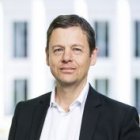
A research team has uncovered what it believes is “the world’s most electrically conductive organic molecule,” a discovery that opens new possibilities for building smaller, more powerful, and more energy-efficient computers. It could also allow computer chip manufacturers to eliminate their reliance on silicon and metal as conductors. “Molecules are nature’s tiniest, mightiest, and most configurable building blocks and can be engineered to build ultra-compact, ultra-efficient technology for everything from computers to quantum devices,” said Ignacio Franco, who was part of the research team that was led by scientists at the University of Miami. Their research was detailed in a paper published in the Journal of the American Chemical Society. The molecule, which is composed of chemical elements found in nature, including carbon, sulfur, and nitrogen, can carry electrical current over record-breaking distances without losing efficiency. Using molecular materials in electronic chips offers several advantages. They consume less power. They can be more easily customized than silicon. They are more environmentally friendly. And, perhaps most importantly to manufacturers, they are potentially cheaper to produce. “This molecular design overcomes many of the big issues that for decades have prevented the use of molecules in electronics,” Franco said. To learn more about this ground-breaking research, read about it at the University of Rochester News Center, and contact Franco at ignacio.franco@rochester.edu.


The roots of scuba diving lie in exploration. But in an age when advanced instruments can drive research, too, why not stay dry on land? Researchers have used scuba diving as a tool for decades, but as technology evolves, remotely operated vehicles (ROVs) can aid, and sometimes replace, divers in the research process. Still, argues Stephen Wood, no existing tools have the full capability of a human. The professor of ocean engineering says the ability to grab items or quickly turn one’s head is difficult to replicate in an ROV. He also argues that although robots can collect and send data, the ability to assess and interpret an environment through a human lens is essential. “The human cannot leave” the research, Wood says. The American Academy of Underwater Sciences (AAUS) defines scientific diving as “diving performed solely as a necessary part of a scientific, research, or educational activity by employees whose sole purpose for diving is to perform scientific research tasks.” With more than 140 organizational members, AAUS supports diving as a research tool and protects scientific divers’ health and safety. Researchers and students must obtain an AAUS certification, which Florida Tech offers, before undertaking a scientific dive. At Florida Tech, any diver who plans to use compressed air or air blends for activity involving teaching or research must comply with AAUS. Robert van Woesik, professor of marine sciences, studies the dynamics of coral reefs worldwide. He and his students scuba dive to examine and photograph coral assemblages, then return with information they can use to predict the impact of local and global disturbances, recovery from disturbances and future growth. The ability to personally identify different species underwater is crucial to understanding coral reef dynamics. He says that without scuba, the necessary training to develop that skill falls away. “I think it’s still worthwhile knowing the species composition of a reef underwater instead of just saying, ‘Okay, we don’t need scuba divers anymore. We just need photographs and ROVs,’” van Woesik says. He learns the most when he can descend to a reef and see the seascape himself. “I think there’s something to be said to just go in the water and ask some questions,” van Woesik says. “That’s the valuable part of being able to scuba dive, getting amongst it to experience the reef, in tandem with analyzing photographs from around the world on the computer.” Assistant professor of marine sciences Austin Fox says in his research in the Indian River Lagoon, diving is essential for operating—and sometimes finding—instruments. “We spend a lot of time trying to figure out ways to do this stuff without diving…but there’s just no replacement for it.” Austin fox, Assistant professor of marine sciences Scientific diving has taken Florida Tech researchers across the globe, from the murky floor of the Indian River Lagoon to the depths of Antarctica’s McMurdo Sound. Rich Aronson, department head and professor of ocean engineering and marine sciences, studies coral reefs in the tropics and subtidal communities in Antarctica. In 1997, he had the opportunity to visit the McMurdo Station to study invertebrate ecology—specifically, who eats what and whether they leave traces of their predatory activity on the shells of their prey. There, he completed 27 dives of up to 130 feet deep. Some were done through ice-cracks in remote areas, he recalls, whereas others were from holes drilled through 10 feet of sea-ice. He noted that the time to prepare for these dives was extensive—two 30-minute dives took eight hours—and they weren’t without risk. “That was the first and only time I’ve dived under the ice. It’s dangerous because there’s a ceiling above you,” Aronson says. “You jump in the hole and try not to screw it up because if you screw it up, you’re dead.” Though risky, Aronson says scuba diving was crucial to the research. He argues that neither ROVs nor oceanographic sensors could have collected or sampled organisms at fine scales, run transects and made behavioral observations like a human could. Additionally, he says his observations at depth, such as the “sting of subzero water” on his face and “the slowness of reaction of the animals living down there,” are what later inspired a project of his combining deep-sea oceanography and paleontology to project the future of Antarctic seafloor communities in a rapidly warming world. “Science is a lot more subjective than you might think, and feeling the environment helps you understand it.” Richard Aronson, department head and professor of marine sciences The risky nature of scuba diving is why programs like AAUS exist: to standardize safe and responsible diving practices for conducting scientific research. Divers are at risk for a number of pressure-related injuries, such as decompression sickness: a condition in which residual nitrogen can create bubbles in the blood and body tissue upon ascent if the diver rises to the surface too fast. To reduce their risk, divers must plan and track how deep they are going, the time at which they are that depth (and subsequent depths) and how long they need to wait before changing depth. Technology has also evolved since the beginning of scuba to support divers’ safety further. Digital dive computers, developed in the 1980s, help divers estimate how long they can stay at their current depth while underwater (among other things). Additionally, Enriched Air Nitrox (Nitrox) is a gas mixture that contains a higher percentage of oxygen than standard air. Divers who use Nitrox can extend their time at depth and reduce their risk of decompression sickness because of its reduced nitrogen pressure. Van Woesik predicts that dive technology will keep evolving. He imagines there could soon be a system that allows divers to upload data at depth, and a system that aids in species identification without having to decipher an image at the surface. He also believes that innovators will keep working to reduce hazards and prioritize safety, because despite the risks, divers will always get in the water. “Hopefully that technology will get better so we can go deeper, safer, and so we can stay down a bit longer to explore and further understand the natural wonders of the oceans,” van Woesik says. If you're interested in connecting with Stephen Wood, Austin Fox, Richard Aronson or Robert van Woesik - simply contact Adam Lowenstein, Director of Media Communications at Florida Institute of Technology at adam@fit.edu to arrange an interview today.

Research Matters: Targeting ‘jumping genes’ holds promise for treating age-related diseases
A growing number of clinical trials gauging the effects of inhibiting transposons, so-called “jumping genes,” have yielded encouraging results for treating Alzheimer’s and a wide range of other conditions. Vera Gorbunova, a molecular biologist at the University of Rochester whose research on the causes of aging and cancer is widely regarded as pioneering, says researchers tackling aging “need something new, and inhibiting transposons shows great promise.” Gorbunova’s comments were recently featured in Science magazine, a leading news outlet for cutting-edge research in all areas of science. Researchers say clinical trials of transposon inhibitors are important not just to identify potential treatments, but also to test whether jumping genes do, in fact, drive human diseases, as many suspect. Transposon genes are found in a diverse variety of organisms, from miniscule bacteria to humans, and they are known in biological terms as “transposable elements” because they literally jump around the genome. Their vagrancy has been implicated in illnesses such as lupus, Parkinson’s disease, cancer, and aging. Gorbunova is a recognized expert in aging and cancer whose research has been featured in high-profile publications ranging from Nature to The New York Times. Reach out to Gorbunova by clicking on her profile.


An Expert Guide to the Papacy and Pope Francis
The death of Pope Francis marks a pivotal moment for the Catholic Church, ending a papacy that redefined the Church's relationship with the modern world. As the College of Cardinals prepares to gather in conclave, Catholics across the globe are closely watching to see whether the next pontiff will build upon Francis' legacy or chart a new course. The following experts are available to provide insight into a range of related topics, including Pope Francis' enduring impact and what lies ahead for the world's 1.4 billion Catholics: Massimo Faggioli, PhD Professor, Theology and Religious Studies Dr. Massimo Faggioli is a world-renowned expert on the history and administrative inner workings of the Catholic Church, with specific expertise in the papacy, Vatican II, the Roman Curia, liturgical reform, new Catholic movements and Catholicism and global politics. As quoted on NPR: "Historically, we see in different conclaves a certain swinging of the pendulum. What the conclave and the next pope cannot do is to ignore and deny the changing features of global Catholicism, which is much less European, much less white, less North American and more Global South..." Kevin Hughes, PhD Chair, Theology and Religious Studies Dr. Kevin Hughes is a leading historical theologian, offering insights into the life, legacy and impact of Pope Francis. He can also speak to the significance of the Pope in Catholicism and the influence of his teachings on the global Catholic Church. As quoted on Scripps News: "[Pope Francis' selection] was really the Church extending beyond the limits of its European imagination. His Latin American identity was really crucial to embracing a new moment within the Church and opening the door in so many ways, and I think he bore witness to that throughout his papacy." Jaisy Joseph, PhD Assistant Professor, Systematic and Constructive Theology Dr. Jaisy Joseph is a trained ecclesiologist, able to address a wide range of topics relating to the papacy, conclave process and Catholic Church. Previously, she has commented on the Church's presence in Asia and the Global South, offering expert commentary on its growth, challenges and shifting influence. As quoted by ABC News Digital: "[The election of someone from the Global South would be] a move in that direction of how to be a global church. That move from a Eurocentric church to a truly global church—I think that's what Francis really inaugurated." Patrick Brennan, JD Professor of Law; John F. Scarpa Chair in Catholic Legal Studies Professor Patrick Brennan is an expert on the conclave process and the main rules that govern it. He can also speak to topics such as the contemporary and historical importance of secrecy in the conclave, what the cardinals may be looking for in the next Pope and the factors that cause similarities and differences from one conclave to the next. As quoted on Fox 29's Good Day Philadelphia: "The purpose of the general congregation is for the cardinals, who don't know each other in some cases, to get to know each other better as they learn about the current state of the Church and together decide on the needs of the Church and priorities for the new pontificate." Brett Grainger, ThD Associate Professor, Study of Spirituality and American Religious History Dr. Brett Grainger is a go-to source for discussions of the changing face and role of modern spirituality in America. He serves as an expert on contemporary religious trends and can also speak to the broader public reaction to Pope Francis' passing, especially outside of the Catholic faith. As quoted by Courthouse News Service: "People are disaffiliating from a tradition—that doesn't necessarily mean in fact that they don't believe in God anymore...What's more important is 'Is this giving me life? Is this making my life more meaningful? Is this giving me the kind of energy and purpose that I'm looking for?' That's where religion is going." Michael Moreland, JD, PhD Professor of Law and Religion; Director, Eleanor H. McCullen Center for Law, Religion and Public Policy Dr. Michael Moreland is a renowned scholar of constitutional law, religious freedom, public policy and ethics. He can provide expert commentary on items related to the Catholic right and the state of religious politics in the United States. As featured on NBC News Digital: Michael Moreland said the mass appeal of "Conclave" captured how, even in a secular modern age, there is still pervasive intrigue around "the ancient rituals of the Catholic Church." "The significance of the theological and spiritual aspects of Catholicism and this process of electing a pope was kind of reduced into partisan politics," he said. Ilia Delio, OSF, PhD Josephine C. Connelly Endowed Chair in Christian Theology Sister Ilia Delio addresses topics in her work such as theology and evolution, technology and human becoming and understandings of Catholicity in a world of complexity. She can provide expert insight into Laudato si', Pope Francis' position on the environment, the relationship between science and religion and integral ecology. As featured in the National Catholic Reporter: "We are clearly an Earth in crisis," with a reversal necessary to secure a sustainable future, said Ilia Delio... Delio posed a series of questions: about the relationship between religion and science; what Laudato si', and Christianity more broadly, can offer ecological movements; and whether the concept of kinship or creation as family might better reflect humanity's place within nature than "care for creation." To speak with any of these faculty experts, please contact mediaexperts@villanova.edu.


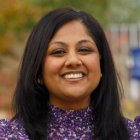


Chemical and Life Science Engineering Professor Michael “Pete” Peters, Ph.D., is investigating more efficient ways to manufacture biologic pharmaceuticals using a radial flow bioreactor he developed. With applications in vaccines and other personalized therapeutic treatments, biologics are versatile. Their genetic base can be manipulated to create a variety of effects from fighting infections by stimulating an immune response to weight loss by producing a specific hormone in the body. Ozempic, Wegovy and Victoza are some of the brand names for Glucagon-Like Peptide-1 (GLP-1) receptor agonists used to treat diabetes. These drugs mimic the GLP-1 peptide, a hormone naturally produced in the body that regulates appetite, hunger and blood sugar. “I have a lot of experience with helical peptides like GLP-1 from my work with COVID therapeutics,” says Peters. “When it was discovered that these biologic pharmaceuticals can help with weight loss, demand spiked. These drug types were designed for people with type-2 diabetes and those diabetic patients couldn’t get their GLP-1 treatments. We wanted to find a way for manufacturers to scale up production to meet demand, especially now that further study of GLP-1 has revealed other applications for the drug, like smoking cessation.” Continuous Manufacturing of Biologic Pharmaceuticals Pharmaceuticals come in two basic forms: small-molecule and biologic. Small-molecule medicines are synthetically produced via chemical reactions while biologics are produced from microorganisms. Both types of medications are traditionally produced in a batch process, where base materials are fed into a staged system that produces “batches” of the small-molecule or biologic medication. This process is similar to a chef baking a single cake. Once these materials are exhausted, the batch is complete and the entire system needs to be reset before the next batch begins. “ The batch process can be cumbersome,” says Peters. “Shutting the whole process down and starting it up costs time and money. And if you want a second batch, you have to go through the entire process again after sterilization. Scaling the manufacturing process up is another problem because doubling the system size doesn’t equate to doubling the product. In engineering, that’s called nonlinear phenomena.” Continuous manufacturing improves efficiency and scalability by creating a system where production is ongoing over time rather than staged. These manufacturing techniques can lead to “end-to-end” continuous manufacturing, which is ideal for producing high-demand biologic pharmaceuticals like Ozempic, Wegovy and Victoza. Virginia Commonwealth University’s Medicines for All Institute is also focused on these production innovations. Peters’ continuous manufacturing system for biologics is called a radial flow bioreactor. A disk containing the microorganisms used for production sits on a fixture with a tube coming up through the center of the disk. As the transport fluid comes up the tube, the laminar flow created by its exiting the tube spreads it evenly and continuously over the disk. The interaction between the transport medium coming up the tube and the microorganisms on the disk creates the biological pharmaceutical, which is then taken away by the flow of the transport medium for continuous collection. Flowing the transport medium liquid over a disc coated with biologic-producing microorganisms allows the radial flow bioreactor to continuously produce biologic pharmaceuticals. “There are many advantages to a radial flow bioreactor,” says Peters. “It takes minutes to switch out the disk with the biologic-producing microorganisms. While continuously producing your biologic pharmaceutical, a manufacturer could have another disk in an incubator. Once the microorganisms in the incubator have grown to completely cover the disk, flow of the transport medium liquid to the radial flow bioreactor is shut off. The disk is replaced and then the transport medium flow resumes. That’s minutes for a production changeover instead of the many hours it takes to reset a system in the batch flow process.” The Building Blocks of Biologic Pharmaceuticals Biologic pharmaceuticals are natural molecules created by genetically manipulating microorganisms, like bacteria or mammalian cells. The technology involves designing and inserting a DNA plasmid that carries genetic instructions to the cells. This genetic code is a nucleotide sequence used by the cell to create proteins capable of performing a diverse range of functions within the body. Like musical notes, each nucleotide represents specific genetic information. The arrangement of these sequences, like notes in a song, changes what the cell is instructed to do. In the same way notes can be arranged to create different musical compositions, nucleotide sequences can completely alter a cell’s behavior. Microorganisms transcribe the inserted DNA into a much smaller, mRNA coded molecule. Then the mRNA molecule has its nucleotide code translated into a chain of amino acids, forming a polypeptide that eventually folds into a protein that can act within the body. “One of the disadvantages of biologic design is the wide range of molecular conformations biological molecules can adopt,” says Peters. “Small-molecule medications, on the other hand, are typically more rigid, but difficult to design via first-principle engineering methods. A lot of my focus has been on helical peptides, like GLP-1, that are a programmable biologic pharmaceutical designed from first principles and have the stability of a small-molecule.” The stability Peters describes comes from the helical peptide’s structure, an alpha helix where the amino acid chain coils into a spiral that twists clockwise. Hydrogen bonds that occur between the peptide’s backbone creates a repeating pattern that pulls the helix tightly together to resist conformational changes. “It’s why we used it in our COVID therapeutic and makes it an excellent candidate for GLP-1 continuous production because of its relative stability,” says Peters. Programming The Cell Chemical and Life Science Engineering Assistant Professor Leah Spangler, Ph.D., is an expert at instructing cells to make specific things. Her material science background employs proteins to build or manipulate products not found in nature, like purifying rare-earth elements for use in electronics. “My lab’s function is to make proteins every day,” says Spangler. “The kind of proteins we make depends entirely on the project they are for. More specifically I use proteins to make things that don’t occur in nature. The reason proteins don’t build things like solar cells or the quantum dots used in LCD TVs is because nature is not going to evolve a solar cell or a display surface. Nature doesn’t know what either of those things are. However, proteins can be instructed to build these items, if we code them to.” Spangler is collaborating with Peters in the development of his radial flow bioreactor, specifically to engineer a microorganismal bacteria cell capable of continuously producing biologic pharmaceuticals. “We build proteins by leveraging bacteria to make them for us,” says Spangler. “It’s a well known technology. For this project, we’re hypothesizing that Escherichia coli (E. coli) can be modified to make GLP-1. Personally, I like working with E. coli because it’s a simple bacteria that has been thoroughly studied, so there’s lots of tools available for working with it compared to other cell types.” Development of the process and technique to use E. coli with the radial flow bioreactor is ongoing. “Working with Dr. Spangler has been a game changer for me,” says Peters. “She came to the College of Engineering with a background in protein engineering and an expertise with bacteria. Most of my work was in mammalian cells, so it’s been a great collaboration. We’ve been able to work together and develop this bioreactor to produce GLP-1.” Other Radial Flow Bioreactor Applications Similar to how the GLP-1 peptide has found applications beyond diabetes treatment, the radial flow bioreactor can also be used in different roles. Peters is currently exploring the reactor’s viability for harnessing solar energy. “One of the things we’ve done with the internal disc is to use it as a solar panel,” says Peters. “The disk can be a black body that absorbs light and gets warm. If you run water through the system, water also absorbs the radiation’s energy. The radial flow pattern automatically optimizes energy driving forces with fluid residence time. That makes for a very effective solar heating system. This heating system is a simple proof of concept. Our next step is to determine a method that harnesses solar radiation to create electricity in a continuous manner.” The radial flow bioreactor can also be implemented for environmental cleanup. With a disk tailored for water filtration, desalination or bioremediation, untreated water can be pushed through the system until it reaches a satisfactory level of purification. “The continuous bioreactor design is based on first principles of engineering that our students are learning through their undergraduate education,” says Peters. “The nonlinear scaling laws and performance predictions are fundamentally based. In this day of continued emphasis on empirical AI algorithms, the diminishing understanding of fundamental physics, chemistry, biology and mathematics that underlie engineering principles is a challenge. It’s important we not let first-principles and fundamental understanding be degraded from our educational mission, and projects like the radial flow bioreactor help students see these important fundamentals in action.”


