
Experts Matter. Find Yours.
Connect for media, speaking, professional opportunities & more.

Venezuela: Why Regime Change Is Harder Than Removing A Leader
With global attention on Venezuela following the U.S. removal of Nicolás Maduro, one of the central questions is whether taking out a leader actually changes the political system that put him in power. Two University of Rochester political scientists — Hein Goemans and Gretchen Helmke — study different sides of this issue, and can shed light on why authoritarian regimes often survive even when leaders fall and what the U.S. intervention means for Venezuela and the world order. Goemans specializes in how wars begin and end, regime survival, and why so-called “decapitation strategies” — removing a leader without dismantling the broader power structure — so often fail to produce stable outcomes. His research draws on cases ranging from Iraq and Afghanistan to authoritarian regimes in Latin America. In a recent interview with WXXI Public Media, Goemans warned that removing Maduro does not resolve the underlying system of military and economic control that sustained his rule. Without changes to those institutions, he said, power is likely to remain concentrated among the same elite networks. “The problem isn’t just the leader,” Goemans explained. “It’s the structure that rewards loyalty and punishes defection. If that remains intact, the politics don’t fundamentally change.” Helmke, a leading scholar of democracy and authoritarianism in Latin America, emphasizes that legitimacy, not just force, determines whether democratic transitions take hold. Her research helps explain why democratic breakthroughs so often stall after moments of dramatic change, and why outside interventions can unintentionally weaken domestic opposition movements by shifting power toward regime insiders. “When the institutions and elites remain in place, uncertainty — not democratic transition — often becomes the dominant political reality,” she said. For journalists covering the fast-moving situation, Goemans and Helmke are available to discuss why removing leaders rarely brings the political transformation policymakers expect and what history suggests comes next. They can address: • Why regime-change operations so often backfire, even when dictators are deeply unpopular • What sidelining democratic opposition means for legitimacy • Whether U.S. claims that Maduro is illegitimate hold up under international and U.S. law • How prosecuting a foreign leader in U.S. courts could reshape norms of sovereignty • The risks the U.S. intervention poses to the rules-based international order and NATO • How interventions affect international norms, including sovereignty and the rule of law, and why short-term tactical successes can create long-term strategic risks. • Why treating global politics as a series of “one-off” power plays misunderstands how states actually enforce norms over time • How competing factions inside the U.S. administration may be driving incoherent foreign policy Geomans also brings rare insight into the internal dynamics of U.S. policymaking, having taught and observed Stephen Miller, one of President Donald Trump’s closest aides who is helping shape the administration’s worldview. (Goemans taught Miller at Duke University in 2003.) Click on the profiles for Goemans and Helmke to connect with them.



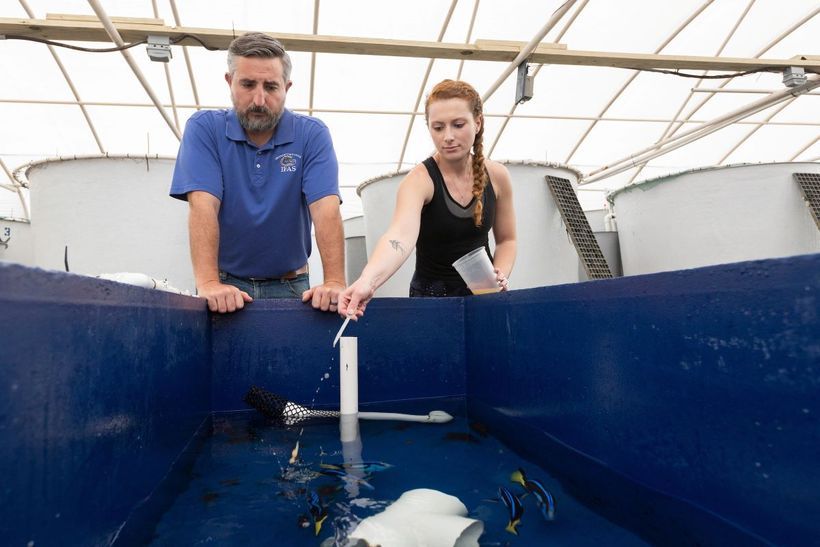
Farm but no fowl: How Florida aquaculture is growing the economy
Florida’s thriving aquaculture industry is a vital part of the state’s economy, generating more than $165 million in sales annually and supporting jobs across rural and coastal communities. Recognized as agriculture by the Florida Legislature in 1993, aquaculture contributes to food security, environmental sustainability and economic resilience. “Just like terrestrial, land-based agriculture, aquaculture is the process of growing or raising a product,” said Shirley Baker, UF/IFAS professor of aquaculture and associate director of the School of Forest, Fisheries and Geomatics Sciences. “The people who do the work consider themselves farmers. Their products are simply plants and animals grown or raised underwater.” Overseen by the Florida Department of Agriculture & Consumer Services (FDACS), the industry includes an estimated 1,500 varieties of food fish, bait fish, mollusks, aquatic plants, alligators, turtles, crustaceans, amphibians, caviar and ornamental fish. With proper regulatory support, aquaculture can continue to be a driving force in Florida’s economy and environmental stewardship. The hallmark of Florida aquaculture is ornamental, or tropical fish, the saltwater and freshwater species bred for aquariums. In 2023, the sector generated more than $57 million, making the state the country’s top pet fish producer. In fact, 95% of ornamental fish in the United States come from the Sunshine State. About 90% of Florida’s ornamental fish are freshwater varieties. Farmers primarily raise live-bearing species in sterilized earthen ponds dug into loam or bedrock. They fill ponds with sexually mature fish called broodstock and harvest offspring using baited traps. Most egg-laying fish are grown in commercial hatcheries. Like ornamental fish, the demand for farmed seafood has grown as wild-caught sources are increasingly depleted. Globally, more than 50% of all seafood for human consumption is produced through aquaculture. “Seafood is considered one of the most in-demand sources of lean protein in the world, and it has to come from somewhere,” said Matthew DiMaggio, director of the UF/IFAS Tropical Aquaculture Laboratory in Ruskin. “The ocean can't produce any more than it already has, so aquaculture has to make up the deficit.” In Florida, as the number of fish farms and the scale of their operations have grown, the value of food fish sales has skyrocketed. Between 2018 and 2023, sales rose from $4 million to $26 million, a 550% increase. Some of the most common Florida food fish are tilapia, striped bass, cobia, pompano and red drum. They’re housed in various ways. Operations can include fiberglass ponds, vats and tanks inside greenhouses and recirculating systems occupying entire warehouses. Farmers typically start with fingerlings, or juvenile fish, purchased from reputable suppliers. Aquaculture farmers share their experiences Evans Farm of Pierson, Florida, is among the pioneering food fish farms in the state. Originally cattle farmers, the company expanded to sell tilapia, striped bass and caviar harvested from sturgeon. Fish are kept in filtered, recirculating ponds and long tanks known as raceways. They’re transported live to grocery stores and markets in vans outfitted with tanks and filtration systems. “Our fish are thriving, and they’re healthy. We grow them with great water quality, and we feed them excellent food,” said Jane Davis, who owns the business with her mother and brothers. “Although they’re raised in water, they’re no different than other agriculture crops, whether it's cattle, chickens or anything else.” Mollusks are another significant contributor to Florida aquaculture. While the sector includes oysters and scallops, clams are the dominating commodity; in 2023, they brought in $32 million of the state’s $43 million in mollusk sales. Clam farmers generally obtain grain-sized seed clams from hatcheries. The smallest varieties are initially cared for in nursery systems. Once the shells become large enough, they’re transferred to bags submerged off the coast. Cedar Key resident Heath Davis, no relation to Jane Davis, transitioned from fishing to clam farming in the mid-1990s. He and his father, Mike Davis, own Cedar Key Seafarms, one of the state’s leading wholesale clam distributors. “Before, as fishermen, we would go out and place nets wherever we thought the fish were,” Heath Davis said. “But clamming is like farming. We lease a 2-acre, underwater plot from the state and harvest the product from our designated field.” The Florida Aquaculture Plan In November, the Florida Aquaculture Review Council, the official conduit between FDACS and farmers, published the latest revision of the Florida Aquaculture Plan, a detailed list of research and development priorities. Florida’s climate, infrastructure, streamlined regulations and positive business environment have positioned the state to become the national leader in aquaculture, but innovation is required to remain competitive, according to the document. It’s a message Heath Davis echoed. “Aquaculture farming is such a huge part of Florida’s economy,” he said. “It could hold some of the answers needed to sustain the growing number of people living on this peninsula.”

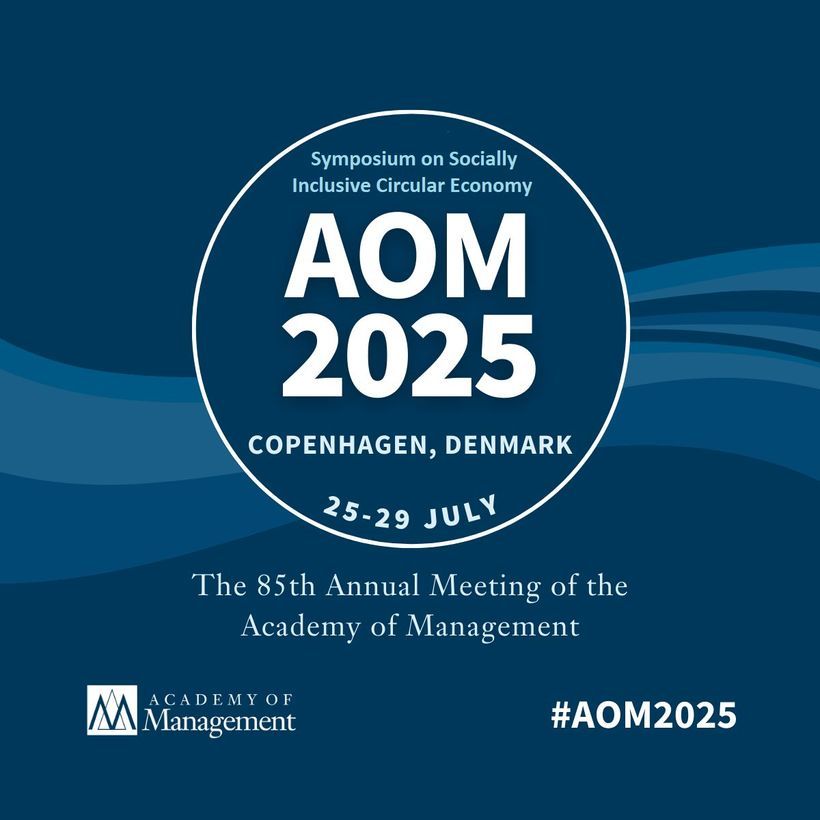
When it comes to transforming how organisations produce, consume, and reuse resources, Dr Luciano Batista, professor of operations management at Aston University, is a global pioneer. His research sits at the crossroads of innovation, digital transformation, and sustainability, tackling one of humanity’s most pressing challenges: our overconsumption of the planet’s resources. Reimagining the economy around renewal Dr Batista’s work focuses on circular supply chains —a model he helped establish at a time when 'closed-loop' systems dominated sustainability thinking. His early research laid the foundation for how businesses could move beyond recycling and linear take-make-dispose models, instead designing systems that reuse, restore, and regenerate. View his profile here From theoretical frameworks to real-world applications, his studies—such as comparative analyses of circular systems implemented by Tetra Pak in China and Brazil—demonstrate the measurable economic and environmental benefits of circularity in action. His 2022 Emerald Literati Award-winning paper introduced a methodology for mapping sustainable alternatives in food supply chains, earning international recognition for its real-world impact. A global voice for industrial symbiosis and circular innovation The influence of Dr Batista’s work reaches far beyond academia. He has advised the European Commission’s Circular Cities and Regions Initiative (CCRI) and contributed insights to policymakers through the UK All-Party Parliamentary Manufacturing Group. His expertise continues to inform national and regional strategies for sustainable production and industrial symbiosis —where one company’s waste becomes another’s resource. Today, he extends that impact globally as a visiting professor at the Massachusetts Institute of Technology (MIT), conducting research at the MIT Center for Transportation & Logistics on circular supply chain innovations, supported by Aston University’s study-leave programme. He also mentors future leaders in sustainability as part of Cambridge University’s Institute for Sustainability Leadership (CISL). Driving the next wave of sustainable transformation Looking ahead, Dr Batista is spearheading collaborations through Aston’s Centre for Circular Economy & Advanced Sustainability (CEAS), working with the Energy & Bioproducts Research Institute (EBRI) and West Midlands Combined Authority (WMCA) on projects developing biochar-based clean energy systems for urban districts. He is also advancing the social dimension of the circular economy—ensuring that the move toward sustainable production is inclusive and equitable. His Symposium on the Socially Inclusive Circular Economy, held at the 2025 Academy of Management Conference, has sparked new international research partnerships with Monash University (Australia) and the Vienna University of Economics and Business. A vision for a regenerative future At the heart of Dr Batista’s work is a simple but urgent truth: humanity is consuming resources at a rate our planet cannot sustain. Through his research and global collaborations, he is helping organisations, policymakers, and communities move toward a future where growth and sustainability coexist. “The transition to a circular economy is not optional—it is essential,” says Dr Batista. “Our goal must be to redesign systems that allow people, businesses, and ecosystems to thrive together.”


Ready or not, winter weather has decided to make an early cameo! So, the question is: are you actually ready for winter driving? CAA South Central Ontario (CAA SCO), Ministry of Transportation of Ontario (MTO), Ontario Provincial Police (OPP), and Toronto Police Service (TPS) have joined forces to encourage Ontario drivers to get ready now for the cold and snowy weather, before the next unexpected snow event hits. “Now is the ideal time for motorists to install winter tires, check their car battery, and ensure they have an emergency car kit packed,” says Nadia Matos, manager of external communications, CAA SCO. “These simple steps can help motorists confidently navigate winter roads. Ontario weather can be unpredictable, and snowstorms can hit without much notice, so it’s always best to ensure your vehicle is prepared beforehand.” Besides vehicle preparedness, driver behaviour is just as critical in ensuring safe driving operations in winter weather. “Road safety is everyone’s responsibility,” says Sergeant Murray Campbell of the Toronto Police Service. “As daylight hours shorten and visibility decreases, we encourage all road users to stay alert, watch out for one another, adjust their driving to match weather conditions, keep their vehicle lights on, and plan ahead to accommodate longer travel times.” This year, the organizations are focused on protecting motorists who may be caught in unexpected winter weather. “We always encourage motorists to drive according to the road and weather conditions,” says Sergeant Kerry Schmidt of the Ontario Provincial Police. “Drivers should also slow down and move over when approaching stopped emergency vehicles and tow trucks with their emergency lights flashing while they are assisting vehicles and motorists in need of help. It is also unsafe and illegal to try to pass a full echelon of snowplows that are clearing all lanes of a highway during winter events.” Before heading out on the road this winter, MTO encourages motorists to download and use the 511 app to check the weather and road conditions before they leave home. The 511 app can be found at 511on.ca or in the app store on their mobile devices. For a safer trip this winter, motorists can also follow these additional safety tips: • Install winter tires for better traction. On cold and snowy roads, winter tires can help reduce your braking distance by up to 25 per cent. Members can call CAA before Dec. 20 to have our mobile tire service change them at home for a fee. • Test your car battery. If necessary, replace it before it fails. CAA SCO will test Members’ batteries free of cost during a service call. • Pack a fully stocked emergency car kit. The kit should include a flashlight, extra batteries, warning devices (e.g., flares, reflective vests/strips), a first aid kit, blankets, jumper cables, non-perishable food and water, and a phone charger. Be sure to always keep an ice scraper, small shovel, and snow brush handy in your car. • Service your vehicle. Have your brakes checked, oil changed, and top up your windshield washer fluid and any other fluids that are getting low. • Always keep your gas tank at least half full. Cold weather causes condensation in the system, which can lead to a fuel line freeze-up and prevent the car from starting. • Check your lighting system. Ensuring you have full lighting is very important in the winter months. Check your headlights and signal lights to ensure they work correctly.


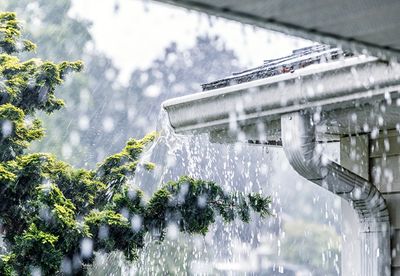
Forensic Meteorology in Insurance: Bridging Weather Science, Claims, and Liability
When severe weather strikes, the insurance industry is not only contending with damage and loss, but also with the question: Did this storm event actually occur, and did it trigger the risk covered under policy terms? J.S. Held's forensic meteorologist Daniel Schreiber authored an article explaining how Certified Consulting Meteorologists substantiate (or refute) storm-event claims by reconstructing what the weather actually did at a loss location. In his article “Forensic Meteorology in Insurance: How Do Certified Consulting Meteorologists Help with Storm Damage Claims & Disputes?” Schreiber illustrates how the overlap of a valid insurance policy, a damaging event, and a verified storm forms the core of many disputed claims. Dan Schreiber is a Certified Consulting Meteorologist with over ten years of experience in military, aviation, and severe weather operations. Mr. Schreiber has provided consulting and expert services for both plaintiff and defense law firms and insurance adjusters, appraisers, umpires, and policyholders throughout North America. He has been consulted and/or retained as an expert in over 850 matters and has testified in both depositions and during trials in state and federal courts. View his profile here Why This Matters In an era of escalating extreme weather events and heightened exposure for insurers, the science of forensic meteorology — the application of certified weather expertise to claims investigation and litigation — is becoming indispensable. Professional meteorology, as it relates to insurance claims handling and the litigation process, is becoming increasingly recognized, and the employment of meteorologists within the insurance industry is growing. Schedule an interview with Daniel Schreiber to learn more about how forensic meteorologists can help with insurance claims and disputes by clicking on his icon below.


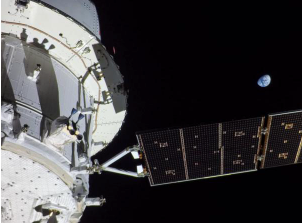
RPI Awarded Air Force Grant to Monitor Growing Traffic Between Earth and Moon
As nations and private companies prepare to ramp up the number of missions to the Moon, researchers at Rensselaer Polytechnic Institute (RPI) and Texas A&M University have secured a $1 million grant from the Air Force Office of Scientific Research to develop a system to track and monitor resident space objects — including spacecraft, satellites and debris — moving through the vast cislunar space between the Earth and the Moon. The initiative, called RCAT-CS (Reconfigurable Constellations for Adaptive Tracking in Cislunar Space), will develop intelligent networks of sensor satellites that can be reconfigured to perform resilient tracking of objects as they maneuver through this complex orbital environment. "Right now, we're seeing an explosive growth in cislunar missions, including everything from commercial lunar landers and orbiters to next-generation spacecraft that secure national interests in this contested domain," said engineering professor Sandeep Singh, Ph.D., RPI’s lead investigator on the project. "But our ability to track what's happening out there hasn't kept pace. Ground-based sensor systems have blind spots and cannot reliably provide measurements. A space-based constellation is the answer, but placing spacecraft in orbit is expensive and solving the resource constraint problem is essential." The cislunar region presents unique challenges for space domain awareness applications. Competing gravitational forces from the Earth and the Moon create complex orbital dynamics, while the sheer distances involved make tracking difficult. When spacecraft and satellites perform maneuvers in this space or behave unexpectedly, current systems can lose track of them entirely. RCAT-CS will tackle these problems by designing constellations of space-based sensors that can dynamically reposition themselves based on what they're observing. Professor Singh and his colleagues will develop novel algorithms to detect maneuvers made by tracked objects, balance fuel costs, track performance of the sensing satellites, and quantify the uncertainties underlying it all. The system addresses critical safety and security needs as cislunar space becomes increasingly congested and contested. The research will also advance fundamental knowledge in orbital dynamics and autonomous space systems, with implications for mission planning, collision avoidance, and safe coordination of a growing cislunar economy. Additionally, the project will train the next generation of space engineers in cutting-edge technologies essential for American leadership in space operations. “Congratulations to Professor Sandeep Singh and his team on securing a research grant in the important area of lunar space exploration,” said Shekhar Garde, Ph.D., the Thomas R. Farino Jr. ’67 and Patricia E. Farino Dean of the School of Engineering. “RPI has always been at the frontier of space exploration, from George Low’s work on the Apollo program to the forthcoming Artemis II mission, led by Commander Reid Wiseman ’97.” “Professor Singh’s work will not only advance research, it will strengthen RPI’s recently launched Aerospace Engineering undergraduate program by bringing the latest research into our classrooms,” Garde added. Looking to know more? Shekhar Garde, Ph.D. is available to discuss this topic. Simply click on his icon now to arrange an interview today.

Aston University’s approach to a global challenge Across industries, companies face mounting pressure to cut carbon, improve resource efficiency, and contribute to the UN Sustainable Development Goals (SDGs). Yet many firms still struggle to move from vision statements to measurable action. At Aston Business School, Dr Breno Nunes, reader in sustainable operations management, is developing practical frameworks that help organisations embed sustainability at their core. His concept of 'sustainability fitness' captures how firms can build the capabilities they need to adapt, compete, and thrive in the transition to a net zero economy. “Many organisations want to be sustainable but struggle to operationalise what that means. My work is about bridging that gap — helping businesses translate strategies into practice.” — Dr Breno Nunes The sustainability fitness concept involves both meeting human needs and respecting environmental limits. While it can also be applied at the societal and individual level, Dr Nunes focuses on organisations, where capability building delivers the fastest, measurable change. Corporate sustainability fitness examines how a firm is able to survive and meet its own needs, while aligning itself to wider essential needs of society and operating within limits imposed by its surrounding natural environment. From research to real-world action Dr Nunes’ research examines how organisations design, implement, and monitor sustainability strategies across operations, supply chains, facilities, and product development. He is the main author of the book Sustainable Operations Management: Key practices and cases, which applies the issues of sustainability to all strategic decisions of operations. His work is already making a tangible difference, including international partnerships in Brazil, Canada, and the US, bringing cross-cultural insights into organisational transformation, as well as for various companies and organisations. In an Innovate UK Knowledge Transfer Partnership (KTP) with automotive supplier Metal Assemblies, Dr Nunes and Professor Alexeis Garcia Perez, professor of digital business and society at Aston University, are working to calculate and report the carbon cost of metal components used in car production, tackling one of the industry’s biggest sustainability challenges. The digitalisation of processes will allow Metal Assemblies to meet customers' requirements and position itself as a trusted and transparent supplier of low-carbon components. In another KTP with Brockhouse Group, a forging manufacturer in the West Midlands, Dr Nunes worked with Aston colleague Dr Muhammad Imran, reader in mechanical, biomedical and design engineering. Together they developed a sustainable manufacturing strategy centred on carbon reduction and process improvement. The work involved the development of an energy dashboard, allowing analysis of data on gas and electricity consumption. The project also included analysis of alternatives for energy recovery systems, and development of routines and procedures to improve the manufacturing process. As a result, Brockhouse group is more competitive to supply in non-captive markets. Dr Nunes has also been involved with a collaboration with Birmingham Botanical Gardens to integrate sustainability into policy and practice, expanding the use of business sustainability theories to nonprofit sectors. Sustainability can be embedded across different areas of organisations while seeking financial stability. As an environmental education charity, it is important to for Birmingham Botanical Gardens to 'practise what it preaches'. It was recently awarded almost £20m from various grants (including Heritage Lottery) in a capital project, thanks to having sustainability at the core of renovation plans. These projects highlight Aston University’s role in bridging academia, industry, and policy — ensuring research findings reach the boardroom as well as the factory floor. Key insights from the research Dr Nunes’ studies highlight several critical factors for turning sustainability from intention into measurable results: • Organisational capabilities are central to embedding sustainability. These include empowering sustainability “champions” (institutional entrepreneurs), supportive structures, superior technologies, and the ability to learn and balance economic, environmental, and social performance. • The tensions in implementing sustainability vary not just by function (supply chains, governance, innovation) but also by an organisation’s maturity level. • Start with the low-hanging fruit: tools like self-assessments, capability diagnostics, and learning games allow firms to act at lower cost before committing to full environmental impact assessments or formal reporting. • Collaboration between academia, industry, and policymakers accelerates real-world impact. Why this matters The stakes are high. Businesses worldwide are expected to reduce carbon emissions, demonstrate social responsibility, and remain competitive in a rapidly changing global economy. Aston University’s research shows that strengthening sustainability capabilities not only improves environmental outcomes but also boosts resilience and cost savings. In pilot projects, teams working with Dr Nunes have achieved up to 30% reductions in both cost and carbon emissions — proof that sustainability can drive operational performance as well as compliance. Looking ahead: expanding the Sustainable Growth Hub The next phase of Dr Nunes’ work centres on Aston’s Sustainable Growth Hub, which is being developed as a reference point for SMEs seeking sustainability solutions. In 2025, the Hub will: • Launch its first industry club cohort and expand its team. • Roll out new self-assessment tools to size sustainability needs and decarbonisation goals. • Introduce new learning formats and follow-up courses to Aston’s Green Advantage programme, alongside sessions to play a new corporate sustainability game. • Host events to bring together businesses, policymakers, and the wider sustainability management community. • Attract new research grants and publish results to share knowledge across both academic and practitioner circles. These initiatives aim to equip organisations not only to meet today’s challenges, but to anticipate tomorrow’s. Get involved Follow Dr Nunes via his profile below, and soon through the Sustainability Fitness website. Businesses can also attend Aston Business School events to explore workshops, tools, and courses first-hand. About Dr Breno Nunes Dr Breno Nunes is reader in sustainable operations management at Aston Business School and president of the International Association for Management of Technology (IAMOT). He serves as associate editor of the IEEE Engineering Management Review and has published widely on sustainability strategy execution and innovation. Aston University’s work in sustainable operations — shaped by researchers like Dr Nunes — is helping organisations worldwide move from ambition to action, building the 'sustainability fitness' needed for a net zero future.
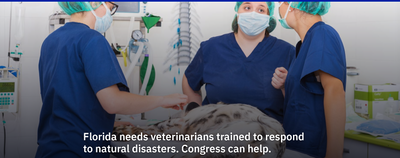
Florida needs veterinarians trained to respond to natural disasters. Congress can help.
When Hurricane Helene struck, we were on the frontlines in Florida’s Big Bend region, racing against time to support the Humane Society as they rescued animals displaced by the most powerful storm ever to hit this part of the state. Two weeks later, we were back in action, facing the devastating flooding from Hurricane Milton. These back-to-back disasters showcased the urgency and critical need for emergency-response veterinarians who can act fast to save lives. We lead one of the nation’s only three emergency veterinary response teams — the University of Florida Veterinary Emergency Treatment Service (UF VETS). Founded after the 2004 hurricane season and operating under the UF College of Veterinary Medicine, the UF VETS program hosts two distinct, yet complementary, branches: a medical response unit for disaster-affected animals and an animal technical rescue branch, which manages complex operations like overturned livestock trailers. Larry Garcia specializes in veterinary disaster preparedness and response, animal technical rescue/training and shelter medicine operations. View his profile here Our team is on call whenever disaster strikes, working alongside local and state veterinary organizations, animal rescues and law enforcement to save animals in crisis. But here’s the problem: Without a nationwide system for coordinating these efforts, it’s often chaotic, and animals suffer because of it. Now Congress has a golden opportunity to change that. As they return to Washington, they have the chance to make a game-changing impact by including funding in the final FY 2025 Homeland Security Appropriations bill to create a nationwide network of veterinary emergency teams. This funding could revolutionize how the U.S. handles animal care during national disasters — and it needs to happen, fast. Read more ... Looking to know more about this important topic or connect with Lawrence Garcia - simply click on his icon now to arrange an interview today.
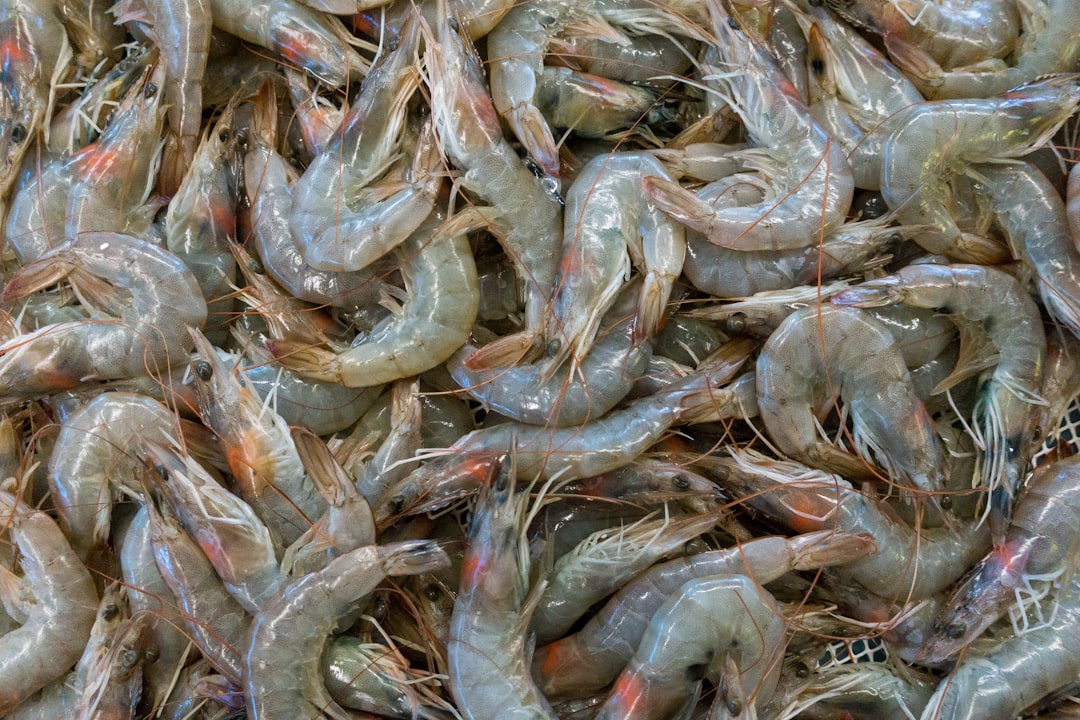
How LSU is Helping Keep Louisiana at the Center of the Nation’s Seafood Map
1. Strengthening the Seafood Workforce Through outreach programs like Louisiana Fisheries Forward, a partnership between Louisiana Sea Grant and the Louisiana Department of Wildlife and Fisheries, LSU helps fishers and processors modernize their operations. These voluntary programs teach best practices in handling, traceability, and sustainability — directly improving product quality and market reputation. LSU’s extension agents also provide hands-on disaster recovery assistance after hurricanes and market disruptions, helping ensure Louisiana’s seafood workforce remains resilient and ready for the next season. 2. Building Seafood Resilience The total economic value for oysters in 2018 was more than $180 million. Resilience defines LSU’s seafood science. Researchers at the LSU AgCenter and Louisiana Sea Grant are leading selective breeding programs and developing genetic tools to combat disease, temperature changes, and salinity stress. With a powerful combination of hatchery capacity, genetics expertise, and industry collaboration, LSU is helping Louisiana’s seafood industry adapt faster and smarter — protecting both the food supply and the economic backbone of coastal communities. 3. Powering Economic Growth Every part of LSU’s seafood research and outreach ties directly to Louisiana’s economy. AgCenter economists analyze market data and advise state and federal partners on strategies to grow the seafood sector. Meanwhile, Sea Grant specialists help entrepreneurs develop value-added seafood products, from branded lines to ready-to-eat options, that increase profit margins and create new jobs in coastal towns. By helping Louisiana seafood businesses stay competitive, LSU keeps more of the industry’s economic benefits right here at home. 4. Supporting Communities Louisiana’s seafood industry faces constant challenges. LSU’s coastal extension agents and Sea Grant programs provide on-the-ground support to help communities recover and rebuild after disasters. Whether assisting with dock repairs, connecting fishers to relief programs, or helping restart operations, LSU’s commitment ensures that Louisiana’s coastal workforce can weather any storm. 5. Preparing the Next Generation LSU’s work extends from the lab to the dock — and into the classroom. New research and education programs are training future scientists, producers, and entrepreneurs to continue Louisiana’s seafood legacy. For new LSU students interested in the coast, Bayou Adventure, a trip created by the College of the Coast & Environment (CC&E), was designed specifically to educate incoming freshmen about some of the challenges and marvels of the Louisiana coastline. The trip stops at sites that showcase "not just the significance of these areas to the state and nation, but the important work that is being done to sustain and preserve them," said Clint Willson, dean of CC&E. Through workforce development, hands-on learning, and applied research, LSU is shaping the next wave of innovators who will protect Louisiana’s coast and ensure its seafood remains world-renowned. Looking Ahead As the seafood industry faces new challenges and opportunities, LSU’s mission remains clear: to protect Louisiana’s coast, empower its seafood workforce, and ensure the state remains synonymous with the best seafood in America.

The History of Government Shutdowns in America
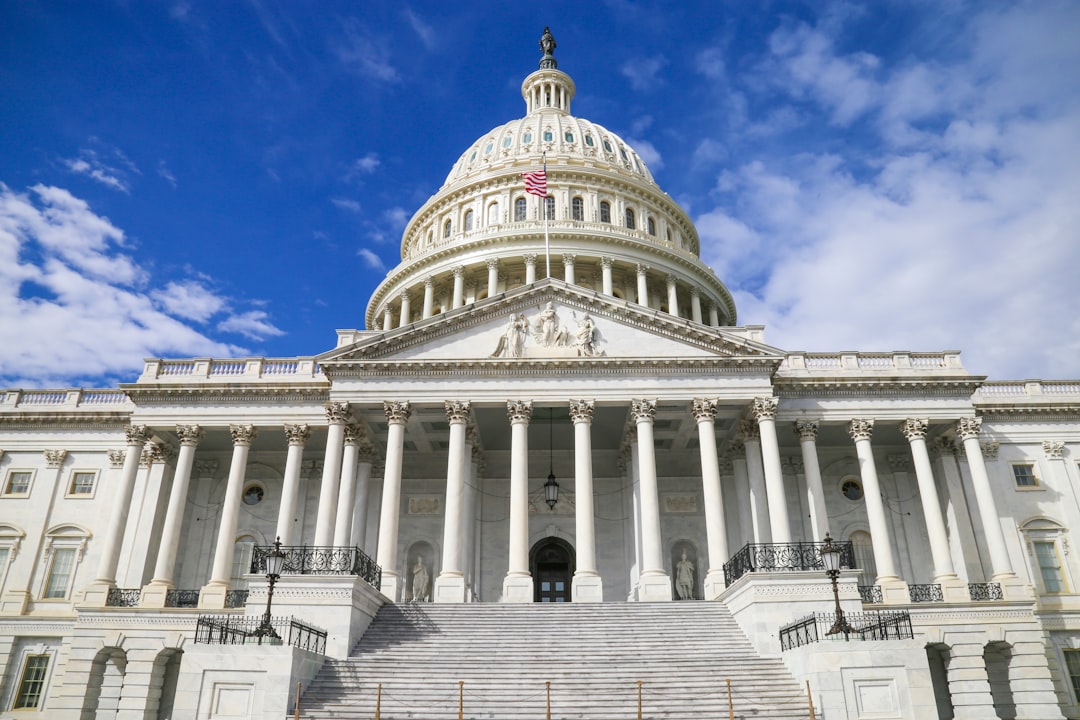
Few events capture Washington gridlock more visibly than a government shutdown. While rare in the nation’s early history, shutdowns have become a recurring feature of modern politics—bringing uncertainty for federal workers, disruptions to public services, and ripple effects across the economy. How It Started The modern shutdown era began in the 1970s after a new law, the Congressional Budget and Impoundment Control Act of 1974, established a formal budget process. Before then, funding disputes didn’t usually halt operations. But a key shift came in 1980, when the Carter administration’s Justice Department concluded that, without approved appropriations, agencies had no legal authority to spend money. That ruling set the stage for shutdowns as we know them today. Since then, the U.S. has endured more than 20 funding gaps, ranging from brief lapses over a weekend to the record-long 35-day shutdown of 2018–2019. Each one has highlighted the partisan battles over federal spending, immigration, healthcare, or other policy priorities. Why They Happen Shutdowns occur when Congress fails to pass, and the president fails to sign, appropriations bills or temporary funding measures known as continuing resolutions. In practice, they reflect deeper political standoffs: one branch of government using the threat of a shutdown to force concessions on controversial issues. They can be triggered by disputes over budget size, specific programs, or broader ideological fights. In many cases, the standoff ends when mounting political and economic costs make compromise unavoidable. What Gets Impacted The effects of a shutdown are immediate and wide-ranging: Federal Workforce: Hundreds of thousands of employees are furloughed without pay, while others deemed “essential” must work without immediate compensation. Public Services: National parks close, permits stall, museums shutter, and routine government operations—from food inspections to scientific research—are delayed. Economic Ripple Effects: Contractors lose revenue, local economies near federal facilities take a hit, and financial markets often react nervously. Extended shutdowns can even slow GDP growth. Citizens’ Daily Lives: From delayed tax refunds to halted small business loans, ordinary Americans feel the squeeze when government services pause. Why This Matters Government shutdowns are more than political theater—they expose the fragility of the budget process and the real consequences of partisan impasse. They highlight the dependence of millions of Americans on public services and raise questions about the cost of dysfunction in the world’s largest economy. Understanding why they happen and what’s impacted helps citizens gauge not just the politics of Washington, but also how governance—or the lack of it—touches everyday life. Connect with our experts about the history, causes, and consequences of government shutdowns in America. Check out our experts here : www.expertfile.com
