
Experts Matter. Find Yours.
Connect for media, speaking, professional opportunities & more.
The killing of Iranian military leader Maj. Gen. Qassim Suleimani by an American ordered drone strike has put the world is on edge. As leaders call for calm, hundreds of thousands are protesting across the Middle East and war seems almost inevitable. As news broke of the attack late last week, media were scrambling to find experts to lend their perspective, opinions and expertise about what’s next. That’s where the University of Connecticut’s Director of Middle East Studies Jeremy Pressman was able to help. Pressman said it’s “too early to say” what kind of repercussions the killing of Iranian Maj. Gen. Qassim Suleimani will have in Iran, Iraq or in other countries like Saudi Arabia or Lebanon, in part because it’s not known yet how much planning went into the decision. “The Trump administration is an administration that, on foreign policy, has not demonstrated that it usually plans much in advance,” he said. “You want to have thought what ways Iran could respond, and how you are going to defend yourselves in those situations and respond to those situations.” January 03 – Middletown Press If you are a reporter covering this ongoing and progressing situation – the let our experts help with any of your questions or stories moving forward. Jeremy Pressman (MIT, PhD) studies international relations, the Arab-Israeli conflict, Middle East politics, and U.S. foreign policy. He is the Director of Middle East Studies at the University of Connecticut and is available to speak with media, simply click on his icon to arrange an interview today.


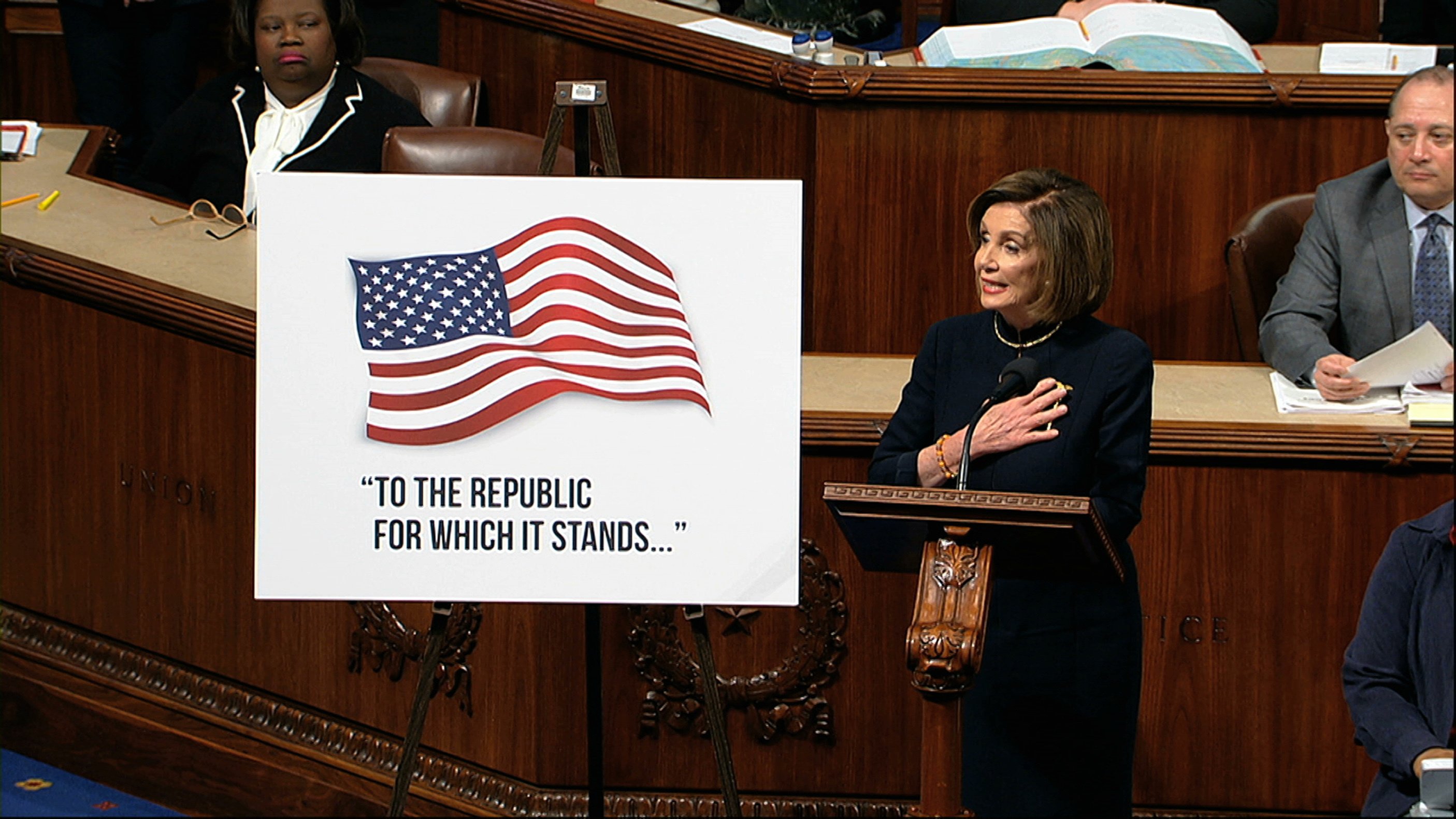
A President is Impeached – Now What?
The numbers are in and for the third time in history – a sitting United States President has been impeached. But now what? There will be rhetoric, threats and predictions – but what is the process and what are the actual potential outcomes? This is a serious issue, and not just for either political party, but for the government and country as well. So, if you are covering – let one of the leading political experts in the country help with your stories. Dr. Stephen Farnsworth is a sought-after political commentator on subjects ranging from presidential politics to the local Virginia congressional races. He has been widely featured in national media, including The Washington Post, Reuters, The Chicago Tribune and MSNBC. He is author or co-author of six books on presidential communication. His latest work, "Presidential Communication and Character: White House News Management from Clinton and Cable to Twitter and Trump," examines how the last four U.S. presidents sell themselves and their policies in an ever-expanding and sometimes precarious media environment. Dr. Farnsworth is available to speak with media – simply click on his icon to arrange an interview today.



2020 is going to be the year of politics – let Stephen Farnsworth be the expert you call first when you’re covering it. Like the final act in a great Shakespearean play – 2020 looks to be a year of tragedy, irony, comedy and intrigue. We can expect betrayal, vengeance, protagonists, antagonists, heroes and villains. With impeachment hearings, the DNC primaries, summer conventions, trade deals and the election that promises to be an epic display of speeches and stumping as well as vicious and vitriolic attacks. Dr. Stephen Farnsworth is a sought-after political commentator on subjects ranging from presidential politics to the local Virginia congressional races. He has been widely featured in national media, including The Washington Post, Reuters, The Chicago Tribune and MSNBC. He is author or co-author of six books on presidential communication. His latest work, 'Late Night with Trump Political Humor and the American Presidency' shows how late-night political humor, have responded to the Trump presidency. Employing a dataset of more than 100,000 late night jokes going back decades, Farnsworth and S. Robert Lichter discuss how the treatment of Trump differs from previous presidents, and how the Trump era is likely to shape the future of political humor. Stephen is available to speak with media – simply click on his icon to arrange an interview today.
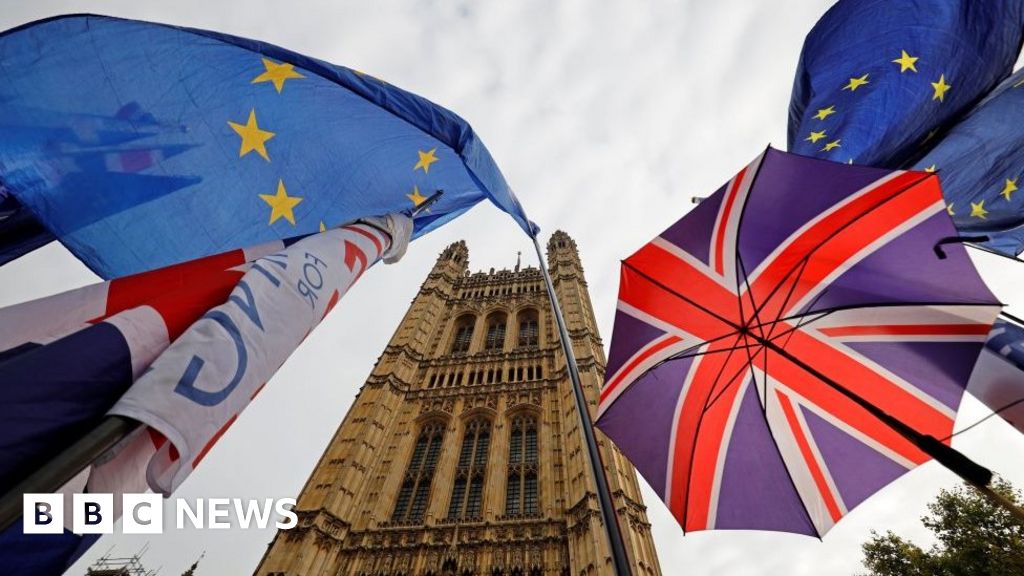
Boris, Brexit and What’s Next for Britain in 2020?
A few short months ago, it looked as if Boris Johnson had accepted a fool’s role in becoming the third Prime Minister in four years. He went all in, campaigned hard and wound up with a solid majority and a mandate to remove Britain from the European Union by the end of January 2020. It’s been an astounding turn of events for a country that was left politically hamstrung and a Tory party seemingly lost at sea. But what’s next for Britain and beyond? What are the actual consequences to leaving the EU? Has Britain just opened the door to other unhappy members who may be contemplating an exit? And did Johnson’s opponents, the media and the public underestimate his political strength – and what lessons can be learned from it? There are a lot of questions out there – and if you are covering, let our experts help with your stories. Dr. Glen Duerr's research interests include comparative politics and international relations theory. Glen is available to speak to media regarding this topic– simply click on his icon to arrange an interview.


Villanova Experts Reflect on the 2010s
The iPad. Hurricane Sandy. Affordable Care Act. #MeToo. Brexit. Streaming services. Since 2010, there have been so many memorable and historic events that have shifted culture and society into unfamiliar territory around the world. Two Villanova experts have put together thoughts on a few of the decade's top stories that will continue to be relevant for the next ten years—and beyond. Stephen Strader, assistant professor of geography and the environment Over the last decade we have seen the issue of anthropogenic or human-induced climate change shift from something discussed between select, interested scientists to the front page of the news on a daily basis. This dramatic change in the importance and coverage of climate change makes complete sense given six of the last ten years globally have been in the top ten warmest on record. Actually, it's very likely, if not certain, that the last five years will be the hottest globally on record. The odds of that happening naturally are very close to zero. Nowhere have the effects of a changing climate been realized more so than in the western United States, where wildfires have wreaked havoc year after year in the 2010s. States such as California, Colorado, Kansas, Oklahoma, New Mexico and Washington all experienced record-breaking wildfires over the last decade. Specifically, the Camp Fire in 2018 became the deadliest and most destructive wildfire in California history, destroying 18,000-plus homes and killing 85 people in the town of Paradise. Additionally: Hurricanes Dorian, Irma, Harvey, Maria, etc. damaged entire countries (Puerto Rico and Bahamas) so much that there is question whether they will ever recover from the effects. The deadliest tornado season on record occurred in 2011, including the devastating April 27, 2011, tornado outbreak and the deadliest U.S. tornado in modern history, which struck Joplin, Missouri (158 fatalities). Between 2011 and 2017, drought and water shortages impacted the western U.S., with California seeing its worst drought in history (or worst in 1,200 years). The drought killed 100-plus million trees and resulted in water shortages that affected crops and caused municipalities to limit water use. Record-setting rainfall and floods occurred in locations such as Colorado, New York, Oklahoma, Texas, etc., resulting in hundreds dead and millions of dollars in crop losses. If the last 10 years have taught scientists, climatologists, policy makers and the general public anything, it's that we have our work cut out for us if we are to reverse this trend of increasing disasters around the world. The atmosphere continues to warm, and all model projections point to a progressively warmer future Earth if action is not taken. And this action can't be tomorrow or by 2025, 2050 or some other arbitrary year; it has to happen now if we want to reduce future economic and societal losses. Yes, it's easy to be afraid and fearful of the future when all we see as scientists and citizens are rising temperatures, deadlier disasters and a lack of drastic climate action. However, we can't let this fear result in crippling inaction; we have to let it motivate us to fight, not for just our futures but our children's, grandchildren's and great-grandchildren's futures. Let's give them a chance to see the world the way we used to: beautiful. Jerusha Conner, associate professor of education and counseling The latter half of this decade witnessed a resurgence of student activism, sparked by Black Lives Matter protests and the dramatic events at the University of Missouri in the fall of 2015. Highlighting 2015 as a pivotal year for student activism, the authors of the American Freshman National Norms survey deemed the 2015 freshman class "the most ambitious" group in 49 years of the survey's administration in terms of their expectations for participating in protests, connecting to their communities and influencing the political structure; and the numbers of freshmen who report having participated in demonstrations as high school seniors has ticked up every year since. In my own research with college student activists in 2016, I found three striking trends: Nearly half came to college already seeing themselves as activists; only 10% consider themselves single-issue activists (with more than half identifying seven or more issues their activism addressed); and a significant share were not protesting their own institution's policies or practices, but instead concerning themselves with broader social and political issues. They are what I call "outward-facing activists," who use their campuses to stage and mobilize campaigns, rather than as the targets of their change efforts. In the last couple of years, we have seen activism among high school students take off, as students have staged walkouts and school strikes to protest inaction on climate change and gun violence. Although these movements may appear narrowly focused on a single issue, the students involved have intentionally advanced an intersectional perspective, which draws attention to the racialized, economic and gendered dimensions of the multifaceted problems they are seeking to address. Digital natives, these young people have deployed the affordances of social media not only to mobilize their peers in large-scale collective action, but also to attract and sustain the attention of the media, pressure business leaders and politicians and shape public understanding of the issues. One interesting shift with this generation of student activists is that, rather than turning their backs on the system or seeking to upend it, they are focused on enhancing voter registration and turnout, especially among young people. And their efforts appear to be working. Youth turnout in the 2018 midterms was double that of 2014, and record numbers of youth are continuing to register to vote. As the decade comes to a close and the 2020 campaign season revs up, the engagement of student activists in electoral politics will be important to continue to track.


Part 2: How Duke University doubled their media hits by showcasing faculty
Last week we shared the first five major rules of Expert Marketing that are currently being used by Duke University to double their media hits (READ PART I). We also developed some strategies and best practices for higher education institutions to better market their experts. In this blog post, we are going to share our team’s final insights into how to better leverage your experts. Rule #6: Create Once, Publish Everywhere At one time we just had to focus on creating a news site. That’s now expanded to a multi- screen environment that requires we thread content into sites that are being accessed from desktops, mobile devices and even digital signage that is often scattered throughout the campus. Sit down with your digital team and map out how to distribute media across multiple channels such as social networks, news-feeds, homepages, faculty sites, as well as faculty profiles in your expert center or speakers bureau. Many schools still don’t have the “responsive” capability to push their news content out to mobile users. Insiders Tip: Duke applies a “create once publish everywhere” model to ensure that time-crunched journalists can easily connect with their expert commentary, whether they access the website’s desktop or mobile versions, or through a wide range of social channels. Rule #7: Get Your Expert Quotes Ready for the Real-Time News Cycle Organizing a system with your faculty to publish pre-approved expert quotes on your website can pay huge dividends, as news outlets have fewer reporters covering more territory. Many of our clients tell us they are seeing less experienced reporters who have much less time to research and interact with media departments. Having pre-approved quotes ready to go makes it much simpler for media, making you much more attractive to them. This pre-planning can minimize the strain on faculty experts during class hours. An added bonus is that it also minimizes misquotes. Insiders Tip: Duke University aims to provide daily quotes on its website by midday as part of its “news tips” section. While these quotes generally take less than one hour to produce, they have proven most effective. Almost all of their news tips have been used by the media since they started producing them in June 2014. Rule #8: Promote Your Core Areas of Expertise First With so much going on throughout the campus there are a lot of opportunities to promote a diverse range of topics to the media. However, it’s really important to identify the core topics where you have expert commentary in demand. The best media relations people have established their school as go-to sources for select topics. You should also stake your claim. What groundbreaking research can you find on the campus that relates to key news events? Think about what reporters need to communicate to their audiences. Do you have faculty who are credible, approachable and engaging on these topics? Invest the time with your team to develop a master topics list and tune this list regularly based on upcoming faculty contributions and news cycle developments. Insiders Tip: Duke University identified a number of key factors that contribute to the media take-up rate such as the degree of media interest in a story; the relative supply of experts available to media and timing considerations. While it’s impossible to control all these variables, They learned, based on trial and error, that concentrating on core topics where they have an academic focus such as politics, law and the environment generated more coverage. Rule #9: Focus your Editorial Calendar on Key Event Anniversaries It is important to get the mix right when looking for media opportunities. While it will always be to your advantage to leverage breaking news if you can mobilize your faculty experts, there is also a predefined editorial flow to the news across a calendar of special and recurring events. It’s crucial that you get some of these major opportunities on the calendar and develop a campaign to enlist faculty experts. For example, Black History Month and the Super Bowl are both annual recurring events happening in February. It’s good to map these along with other special events that are periodically staged or non- recurring such as a G8 Summit or the upcoming papal visit to the US. If you can mobilize your experts to provide value for media who need to start researching these events well in advance you increase your chances of coverage. Insiders Tip: The Duke University media relations team actively monitors upcoming anniversaries and other timely events that reporters are likely to write about. Events that have the potential to generate stories that Duke can leverage with their experts are reviewed by the communications team in twice weekly scrum meetings. Rule #10: Leverage Tools such as Twitter to Grow your Media Contacts Much of the success you will have with faculty experts hinges on your ability to take your message to the market. So it’s important to focus on grooming and growing your media contacts. Besides buying access to media lists from vendors such as Cision, PR Newswire, Marketwired and Meltwater; don’t forget about Twitter. It provides a huge opportunity to build a list of influencers and key opinion leaders. Using a simple topic and hashtag searches on Twitter, you can begin to map various clusters of people who are following specific news beats that may be relevant to your institution. Remember that media outlets tend to follow other media outlets for story angles and media sources. Having a well organized list of people that have interacted with you in the past is a large part of distributing your news faster to a larger audience. It’s important to do Twitter searches to research specific reporters you want to pitch to see where their interests lie. Insiders Tip: Duke University refines its media lists continually using Twitter. It looks at the social graph of reporters who make use its online news tips to identify other journalists to add to their database.



Terrorist attacks on home soil – let our expert help if you are covering
It was another deadly attack in London, England as a 28-year-old man, known to authorities went on a rampage in broad daylight on the London bridge. “It had previously been speculated that the attack may have been revenge for the death of ISIS leader Abu Bakr al-Baghdadi. Khan was shot and killed by armed police after he stabbed two people to death and wounded three others while wearing a fake suicide vest on London Bridge. The attacker, who was jailed in 2012 for his role in an al Qaeda-inspired terror group that plotted to bomb the London Stock Exchange, had first been tackled and disarmed by a group of brave bystanders on the bridge.” November 30 – The Daily Mail The attack has many in Europe and America on edge, especially as the holiday season approaches. But what can be done? Is there any tried and true remedy for protecting against domestic terrorism? Are these attacks actually affiliated or just copy-cat incidents? And as countries begin considering repatriating former soldiers from Syria and the Middle East, will this only add fuel to the fire of concerns? There are a lot of questions to be asked – and if you are a reporter covering this topic, let our experts help with your coverage. Dr. Glen Duerr's research interests include domestic and international terrorism, comparative politics, and international relations theory. Glen is available to speak to media regarding this topic– simply click on his icon to arrange an interview.

November has been a busy month for Cedarville University’s Mark Caleb Smith. As the Director of the Center for Political Studies at Cedarville, Smith has found himself doing double duty as both professor and the go-to person and pundit for local, state and national political coverage In November Smith was interviewed by TV, radio and print for issues pertaining to impeachment, Michael Bloomberg entering the presidential race and the DNC debates. Mark Caleb Smith averages approximately 160 media interviews a year – and for good reason. He teaches courses in American Politics, Constitutional Law, and Research Methodology/Data Analysis and has fast become a media-ready expert who provides accurate, objective and laser-cut insight to reporters and journalists covering politics. If you’re a journalist covering politics – let Mark Caleb Smith help with your stories. He’s available, simply click on his icon to arrange an interview today.


Impact of Record-Breaking Floods in Venice
Over the last week, Venice, Italy, has been hit with historic flooding. On Sunday, November 17, water levels topped 1.5 meters for the third time since last Tuesday’s 1.87-meter flood, which marked the worst in more than half a century. Venice’s mayor declared a state of emergency and has estimated the flooding damage at hundreds of millions of euros. The flooding is putting some of Venice’s most historic architecture at risk and threatening some of the city’s cultural marvels and priceless artwork. The situation has also renewed the debates around the underwater barrier system—the MOSE flood defense project—that has been under construction for more than 16 years and is not yet operational despite five billion euros of public funding. Luca Cottini, PhD, an associate professor at Villanova University, is a scholar of Italian culture. He recently discussed some of the issues currently facing Venice. “The flooding in Venice makes visible once again not just the fragility of Italian beauty and the vulnerability of Italy’s geography, but also the inadequacy of Italian politics in the prevention and response to natural disasters,” said Dr. Cottini. Dr. Cottini also addressed the city’s tourism and how tourists view the floods. “The situation also illustrates the cynical nature of modern-day global tourism, observing high waters more as an attraction than a tragic event impacting invaluable monuments and the lives of many peoples,” he said.


It was a historic election in Georgia that saw changing tastes and shifting tides among voters across the state. The coverage was extensive and the experts from front and center in local and statewide media lending their expert perspectives and opinions to reports and journalists about the results. “A political science associate professor on Georgia Southern’s Armstrong Campus in Savannah says all the women who made history in Tuesday’s election overcame significant obstacles with their campaigns in Bulloch and Chatham counties. “Those three new women beat incumbents and that’s very unusual,” said Dr. Lara Wessel. “So when we see women or men beating incumbents, again we want to look to try to figure out what’s going on behind those election results. “What it says to me is that the citizens of Statesboro and the citizens of Savannah are interested in change.” Dr. Wessel adds that the five women who won elections are much more than trailblazers, they’re local proof female candidates can break through barriers that have held women out of some local political offices for centuries.” November 06 – NBC News Soon, Savannah will be welcoming four new aldermen, and two new alderman-at-large. “It’s majority progressive. It’s majority female. It’s majority community activists. A lot community activists," said Georgia Southern Associate Professor of Sociology Dr. Ned Rinalducci … “We’re going to see a shift to deal with things like affordable housing, homelessness, and less on development and tourism,” said Rinalducci. Rinalducci said the city saw a turnover back in 2015-ushering in more pro-business candidates. He said this election’s shift towards could be a sign of dissatisfaction with voters. “I think clearly there’s some discontent with the priorities of city government previous, and I think that was communicated clearly with yesterday’s election results," said Rinalducci. November 06 – ABC News The coming twelve months are going to be a busy one for political reporters across the state and country. If you are a journalist looking for political experts who can be a solid source of context and perspective for your stories – let us help. Dr. Lara Wessel and Ned Rinalducci are both available to speak to media about politics, elections and issues affecting voters. Simply click on either expert’s icon to arrange an interview. https://fox28media.com/news/local/municipal-election-draws-low-turnout-equates-to-sweeping-changes-in-savannah-races
