
Experts Matter. Find Yours.
Connect for media, speaking, professional opportunities & more.

Myanmar’s earthquake crisis demands international humanitarian intervention - before it’s too late
We are at a crossroads. Will the international community intervene in Myanmar to save lives, or will it once again retreat into silence until it is too late? In the shadow of disaster, silence is complicity. The devastating earthquake that recently struck Myanmar, registering a magnitude of 7.7 and claiming over a thousand lives with the potential for fatalities to rise into the tens of thousands, is far more than a natural calamity - it is a preventable humanitarian catastrophe. The international community must confront a difficult question: How many more lives must be lost before the world steps in? As someone who has studied disaster governance for over two decades, I can say with a heavy heart that what we are witnessing in Myanmar is a textbook case of systemic failure - of national crisis management, of international humanitarian coordination and, most disturbingly, of disaster diplomacy. A Crisis Exacerbated by Inaction The situation on the ground is dire. Entire villages lie in ruins across Shan State and Mandalay. Liquefaction, caused by the shifting of tectonic plates, has turned many areas into unstable wetlands, with water seeping through the ground continuously. With countless bodies left unrecovered and proper sanitation systems overwhelmed, the risk of cholera and other waterborne diseases looms large. In past disasters - be it Haiti in 2010, Nepal in 2015 or the Turkey-Syria earthquake of 2023 - we saw the tragic consequences of slow and politicised humanitarian responses. But Myanmar’s case is uniquely perilous. The country is not only facing a natural disaster but also the aftermath of years of civil conflict, military rule and geopolitical paralysis. The ruling junta’s statements and figures are unreliable at best and disinformation is hampering coordinated international support. When Aid Needs Armour The reality is that humanitarian intervention in Myanmar now requires more than blankets and bottled water - it needs boots on the ground. Given the multiplicity of armed rebel groups and the entrenched conflict dynamics, any aid convoy risks becoming a pawn in a larger power struggle. We need an international peacekeeping force, mandated strictly for humanitarian purposes, to ensure safe and unfettered access to affected populations. This must be a neutral, apolitical force, equipped to operate in a complex, high-risk environment - not to take sides, but to protect lives. Without such security guarantees, humanitarian agencies cannot function, and the crisis will evolve into famine, mass migration, and possibly regional instability across Southeast Asia. A Crisis of Leadership The United Nations, ASEAN, WHO and other key global institutions have yet again fallen short of timely action. The ineffectiveness of their response should prompt a critical reevaluation of their governance structures and crisis leadership models. The deeper issue is not just logistical - it’s moral. In the absence of strong, scientifically-informed and transparent leadership, international aid becomes another layer of dysfunction. We need a new generation of disaster governance professionals - leaders trained not only in logistics and law, but in negotiation, ethics and diplomacy. The Cost of Indifference Myanmar’s crisis will not remain confined within its borders. Already, we are seeing early signs of mass displacement towards India, Thailand and Bangladesh. If left unchecked, these flows will eventually extend to Europe, the UK and beyond, burdening an already overstretched global refugee system. The longer we delay, the greater the consequences - not just for Myanmar, but for the world. A Call for Science, Transparency and Regional Solidarity As academics and practitioners in the field of Disaster Risk Reduction (DRR), we must hold ourselves to the highest standard of integrity. DRR in regions like South and Southeast Asia must be built on inclusive science, open data, regional collaboration and local knowledge. Taiwan and Singapore offer examples of how early warning systems and data transparency can save lives - why aren't we replicating these models more widely? If this disaster teaches us anything, it is that sovereignty cannot be used as a shield for inaction. A disaster of this magnitude transcends politics. It is a test of our global conscience.


Defining Oligarchy: The Fusion of Wealth and Power in American Democracy
Oligarchy is being thrown around a lot these days. But what does the term mean? Is America an oligarchy? And how does oligarchy help explain American democracy today? Political rhetoric scholar Luke Winslow, Ph.D., associate professor of communication at Baylor University and author of “Oligarchy in America: Power, Justice, and the Rule of the Few,” has traced the evolution of oligarchy in the United States to shed light on how modern oligarchy is reshaping America through the increasing fusion of economic power and political influence. Winslow’s research focuses on how the influence of oligarchy has impacted American political rhetoric, as well as how it is showing up in modern politics and political communications. Defining Oligarchy Oligarchy is a term that most people associate with other countries, but it “is not something that just happens in Russia. It's something that happens everywhere, and it always has,” Winslow said. In the simplest of terms, oligarchy attempts to explain the convergence of economic and political power. Winslow offered four key distinctions on oligarchy: Oligarchy is exclusive. It represents a form of governance focused on preserving the political and economic influence of the wealthy by securing the approval of the rest of the population. “It assumes not everyone is qualified to deliberate, participate and legislate,” Winslow said. When it comes to oligarchy, there is a belief that extreme wealth is equated to intellectual fitness across all domains, including governance. Wealth vs. income. It is important to distinguish between wealth and income. Income covers daily expenses, whereas wealth is more easily used to exert political power. “What truly sets an oligarch apart is the political power their wealth can command,” Winslow said. Understated and subtle. Modern oligarchy operates through persuasion by “enticing rather than commanding citizens and maintaining what seems like an absence from political authority,” Winslow said. It is in this absence that oligarchs can influence indirect political actions, especially since they are not (typically) elected officials and cannot be removed from office. Legal Immunity. Oligarchs have no fear of legal consequences because oligarchy itself is not against the law, Winslow said. The First Amendment protects the right “to petition the Government for a redress of grievances,” legitimizing lobbying and campaign donations. A robust system of campaign contributions and political lobbying – both of which are perfectly legal – can shape media narratives and put pressure on state and local governments. While wealth and politics have always coexisted, oligarchy is about how these forces merge to create a system where the ultra-rich exert undue influence over democratic institutions, Winslow said. “This convergence has long existed in history but is now unfolding in the U.S. more visibly – and perhaps more accepted – than ever before,” he said. Communication of Oligarchy Winslow’s research shows that American society has come to view billionaires as transcendent figures – individuals whose success in business qualifies them to lead in politics – a mindset that is not new. The Gilded Age of the late 19th century saw figures like Andrew Carnegie and John D. Rockefeller wield enormous economic and political power, shaping legislation to favor their interests. Winslow’s research traces this historical precedent, suggesting that today’s tech titans are the latest iteration of a long-standing trend. Perhaps the most intriguing question Winslow raises is not just how oligarchy and its fusion of wealth and governance has taken root, but why the American public has been so willing to accept it as natural – perhaps even beneficial. “The arguments being made in public discourse encourage us to go along with it,” he said. “We’re being told, implicitly, that this is just how things work now.” Yet, these practices also reveal how the government serves the narrow interests of the ultra-wealthy, diverting resources from productive economic opportunities for the majority toward political wins that benefit a small, affluent minority, Winslow said. “What's so interesting about oligarchy now is that the cover has been ripped off, the veil has been thrown open and we’re not even hiding the fact that money gets you more influence,” he said. Ultimately, Winslow hopes his work will get people to be curious as to why Americans are now accepting oligarchy in the U.S. “The ways that the extremely wealthy are yielded political power is seemingly acceptable now, and that is a question that we all should be asking,” Winslow said. Looking to know more? Then let us help. To connect with Luke Winslow, simply contact Shelby Cefaratti-Bertin, M.A, Assistant Director of Media and Public Relations now to arrange an interview today.


A Beginner’s Guide to Expertise Marketing
Audiences today are consuming more digital content than ever, but they’ve also become far more discerning. Algorithms, AI search summaries, and social platforms have changed how information is discovered and trusted. The result is that organizations often get caught up in pushing out content quickly—only to be overlooked when it lacks depth or credibility. From misinformation to shallow click-driven posts, audiences are quick to disengage. What they’re seeking now are authoritative voices backed by proven expertise. That’s where Expertise Marketing comes in: a strategy focused on showcasing real knowledge, research, and experience in ways that build trust, attract attention, and strengthen reputation. According to Edelman’s Trust Barometer Study, experts play a vital role in establishing credibility amongst audiences and developing more meaningful interactions with businesses and organizations. As far back as their 2019 report results showed that 56% of people trust businesses as a source of news and information while only 47% trusted the government. On top of that, they also reported that 73% of participants were worried about false information or fake news being used as a weapon. This distrust has only gotten worse since COVID and the polarizing politics of recent years. With this in mind, there’s a real opportunity for knowledge-based organizations to step up and show their smarts through expertise marketing. What is Expertise Marketing? Expertise marketing is the practice of making the knowledge and skills of your human resources more visible to your partners and audiences. It draws attention to the value that your people can bring as brand ambassadors and strategically leverages the work your experts are doing to tell a more personal story. In many cases, expertise marketing can also be used to showcase your strengths in research and innovation. Creating a stronger digital presence, expertise marketing more effectively uses your channels to connect with audiences such as media, customers, partners and donors. It builds a sense of trust with your audiences and above all else, it helps establish your reputation as an industry leader. Expertise Marketing Defined: The practice of collectively promoting an organization's experts as brand ambassadors to demonstrate their skills or knowledge. Best practices to publish and connect organizational expertise in ways that foster internal discovery, collaboration, shared knowledge and diversity. Activities that leverage expertise to nurture conversations and connections with audiences such as media, customers, partners, government and funding agencies. How to Make Your Expertise More Visible Properly executed, expertise marketing is about harnessing your in-house expertise and making it more visible. By delivering comprehensive, relevant information in a visually engaging format, you can create a window into your organization that helps audiences better understand your offering and encourages more meaningful conversations. Here are three areas where expertise excels: On Your Website There’s a good chance that you already created touchpoints for expertise marketing but they’re just not optimized for audiences. For example, many organizations are unaware that the “About Page” is the second most visited page on a website and may overlook its potential for attracting audiences. Other webpages that strongly benefit from expert content include: Speaker’s Bureaus Media Rooms Employee Directories Faculty Directories Blogs Employee Intranets Awards Recognition Research & Technology Transfer Through Search Engines Content marketing and search engine optimization (SEO) go hand-in-hand – and it’s key to making your expertise more visible. In Google’s search algorithm, factors like trust and authority are significantly impacted by items such as content and expertise. While SEO is no small task, tools like the ExpertFile Platform are designed to make aggregating and optimizing expert content as seamless as possible. In addition, organizations can also improve their rankings by: Identifying and showcasing a range of expertise Using rich media to display expert content Regularly updating your website with expert content Producing content related to current trends and emerging news Through Distribution Networks Showcasing your experts isn’t just about hosting profiles on your own website—it’s about ensuring they are discoverable where key audiences are already looking. By publishing expert content on dedicated search engines such as expertfile.com and the ExpertFile Mobile App, organizations dramatically expand their reach beyond their immediate networks. These channels are designed for the very audiences that matter most—media, event organizers, research partners, donors, and prospective clients—who are actively searching for credible voices to inform stories, shape agendas, and build partnerships. Leveraging these distribution networks amplifies visibility, positioning your experts as go-to authorities well beyond the boundaries of your institutional website. In The Media For many organizations, media opportunities are an afterthought but it’s the perfect way to highlight your expertise and attract a broad range of audiences. Media outlets are constantly on the hunt for topic-specific experts to speak at conferences, weigh-in on their editorials and enhance the overall quality of their reporting. By making your experts more visible to this audience, you’re not only building your brand reputation as an industry authority but you’re also creating opportunities for new revenue. Starting an Expertise Marketing Program Bringing an expertise marketing program to life starts by taking a deeper look at your human resources and pinpointing the people in your organization who can support your expertise marketing initiatives. This post on Identifying Expertise is a great starting point for understanding what makes someone an expert and how you can position them for various tasks in your expertise marketing program. From there, it’s about getting buy-in from key stakeholders, collaborating across departments to surface expert content and strategizing with your team about where your expertise is best served. Download The Complete Guide to Expertise Marketing For a comprehensive look at how expertise marketing benefits the entire organization and drives measurable return on investment, follow the link below to download a copy of ExpertFile’s Complete Guide to Expertise Marketing for Corporate & Professional Services, Higher Education Institutions, Healthcare Institutions or Association & Not-for-Profits.





Who will be the Canadian Prime Minister's Successor
On January 6th, 2025 Prime Minister of Canada, Justin Trudeau announced his intentions of stepping down. Prime Minister Justin Trudeau has be leading the Liberal Party of Canada for the past 12 years. Since his announcement of resignation there has been many prominent individuals stepping up to enter the race of being his successor. In Canada's political system the leader of the largest party in the House of Commons will act as primer minister. The successor of Mr. Trudeau’s role as party leader will then go to general elections against the leader of the Conservative party. Elections must be held no later than October. What will the change in Prime Ministers look like for the future of Canada's government. International relations expert, Dr. Glen Duerr, has been a reliable source on the events occurring in the Canada. Here are three valuable insights from a recent interview Earning the vote to be Prime Minister Trudeau's successor is not a guarantee of permanently keeping the role of Prime Minister. Once Canada's Liberal Party elects their candidate to replace Trudeau they will run against the leader of Conservative Party, Pierre Poilievre, in a general election. The winner of this election will then maintain the role of Prime Minister. How will the general election impact the Liberal Party? Recently Conservatives and the leader of the party has been dominating public opinion polls. Experts believe that the vote in the House of Commons will cause a drastic shift in the government under a new prime minister long before the general election. Will the shift in popular opinion end the over decade long rule of the Liberal Party? Prime Minister Trudeau explains the Liberal Party will be choosing his successor through votes by the parties members, which has become a minority in Canada's population. Successor candidates include: Chrystia Freeland, Mark Carney, Karina Gould. All of whom have had a succesful political career in the Liberal Party, serving under Primer Minister Trudeau. Are these candidates enough to keep the decade long power in the Liberal party? If you are a journalist covering the change in Canada's leadership, look no further than our experts for valuable insight and expert knowledge. Dr. Duerr is an expert on this subject and is available to speak to media regarding Canadian politics– simply click on his icon to arrange an interview.


Covering the new Trump Administration - We can Help
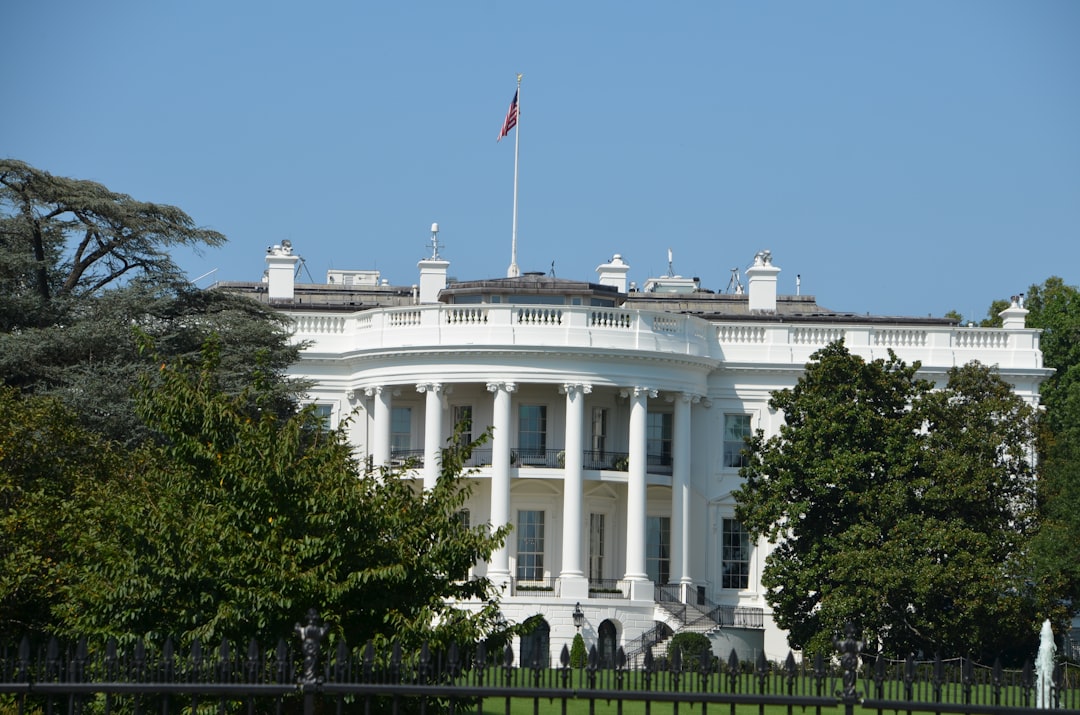
With each day seems to come an new appointee to cabinet or significant role, a new policy twist and even the occasional walk back or withdrawal. The steps leading up to January 20, 2025 when Donald Trump resumes office as President of the United States will be getting a lot of coverage - and UC Irvine has it's own team of experts ready to lend their experience, perspective and expert opinion on what is happening. Louis DeSipio examines how democratic nations incorporate new members, including policymaking in the areas of immigration. Topics of Expertise: Foreign Affairs / NATO Immigration and Deportation Department of Education, EPA, Homeland Security, Department of Interior, NOAA, HHS and FDA Jeffrey Wasserstrom specializes in modern Chinese cultural history & world history, who has written on many contemporary as well as historical issues. Topics of Expertise: Foreign Affairs / NATO Free Speech Department of Education, EPA, Homeland Security, Department of Interior, NOAA, HHS and FDA Eric Swanson is an expert on inflation, recessions and what changes in interest rates mean for the economy. Topics of Expertise: Foreign Affairs / NATO Tariffs Impact of Downsized Government Senior's Health and Social Security Heidi Hardt is an expert on NATO, defense, security, foreign policy, organizations, the EU, UN, operations, gender, climate and change. Topics of Expertise: Foreign Affairs / NATO Climate Change Gender and LGBTQ+ Rights Tony Smith’s knowledge of politics includes Constitutional Law, the U.S. Supreme Court and election law. Topics of Expertise: Free Speech Department of Education, EPA, Homeland Security, Department of Interior, NOAA, HHS and FDA Jon Gould is a distinguished scholar in justice policy, social change and government reform. Topics of Expertise: Deregulation Gender and LGBTQ+ Rights All of these experts are available to speak with media - simply click on a profile now to arrange an interview time today.


The Anxiety of Election Season
After the results of the U.S. presidential election were announced, many Americans celebrated. But many voters instead found only stress and anxiety. After an election of rhetoric that foretold the end of democracy if the opposing candidate won, there seems to be a unique amount of post-election stress. How did election rhetoric affect this outcome, and can we expect future elections to cause this same stress? Political expert, Dr. Mark Caleb Smith, discussed the anxiety that many Americans felt even before the election and how it can be dealt with moving forward. Here are some key takeaways from his recent interview: This election cycle caused so many Americans to lose sleep that the term "electsomnia" was coined. Has the anxiety of election season always been present, or has the presence of social media paved a way for this problem? Constant access to information about the election is a probable reason for many voters' anxiety. How can Americans keep themselves informed without causing unnecessary damage to their mental health? This is not the first complicated or difficult election that the United States has faced. Now that this election season is over, how can Americans—both those who are satisfied and those who are frustrated by the results—move forward while recognizing that politics does not define them? If you are a journalist covering the election results and voters' responses, our experts are here to help with all of your questions and stories. Dr. Mark Caleb Smith is the Director of the Center for Political Studies at Cedarville University. Mark is available to speak with the media regarding election emotions and the election results. Simply click on his icon or email mweinstein@cedarville.edu to arrange an interview.


The election is over, and Republicans have swept the White House and Congress
The race for the White House is over, and the Republicans have been swept into power with historic gains in Congress and control of the executive branch. What will their policy priorities be and how will the new political landscape mold the direction of the new Trump administration? What will the Democrats, now a minority opposition party, do? Can they adapt to a winning strategy in time for the midterms in two years? If you are covering American politics, how do you make sense of all the changes? How do you know what issues are going to drive decisions in Washington, D.C.? What can polling tell us about what happened? Where did the polls fall short? What will pollsters be looking at moving forward? We have an expert who can help. Kevin Wagner, Ph.D., is Florida Atlantic University’s renowned political science expert and co- executive director of Florida Atlantic University Political Communication and Public Opinion Research Lab (PolCom Lab) —the university’s extensive and nationally covered polling operation. View profile View some of Kevin Wagner's recent media here: ABC News Florida Atlantic University professor of political science Kevin Wagner says Florida’s shift started several years ago and it’s due to a variety of factors. "Certainly, there was some pretty good evidence that we had people moving from states like California and New York looking for a more conservative environment, and they brought their politics with them when they came to Florida," Wagner said. "That influx of more conservative voters certainly mattered. It's not the only thing that mattered." WINK Some voters believe the 60% mark is too high to make constitutional changes. For the threshold to change, it has to be put on the ballot for voters to decide and would need at least 60% of the vote. “Getting 60% of the voters to agree on anything is really hard and when it’s something that’s highly contested. It makes it even harder,” Florida Atlantic University Political Science Professor Kevin Wagner said. THE PINNACLE GAZETTE Political analysts point to various factors contributing to Florida’s Republican shift. Kathryn DePalo-Gould, a political scientist from Florida International University, aptly stated, “It’s now so solidly Republican it is crimson.” This sentiment was echoed by Kevin Wagner from Florida Atlantic University, highlighting how previously competitive races have now become predictable Republican wins. Indeed, Trump’s haul of 61 out of 67 counties stands as a testifier to this changing political tide. Looking to connect? He is here to answer all your questions and is available for interviews. Simply click on his icon now to arrange an interview today.


LSU expert in social and economic issues: Rural America’s unique struggles affect how it votes
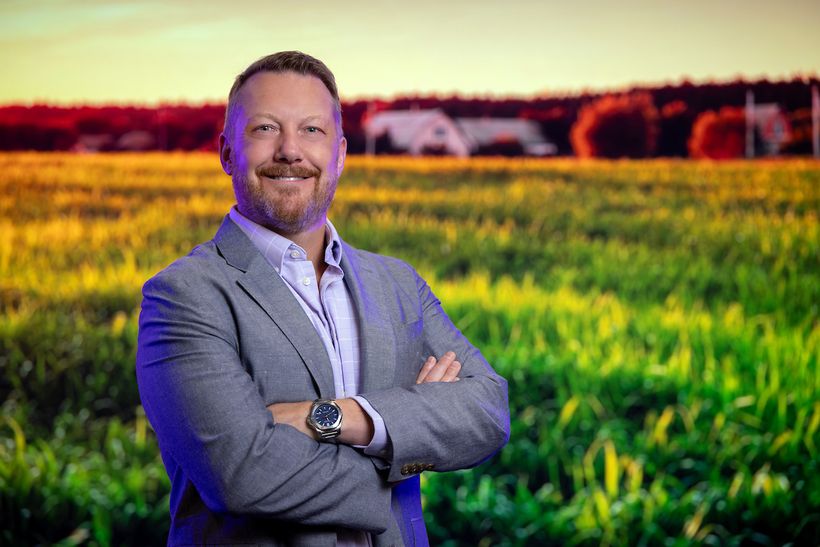
An expert in social and economic issues, Professor Slack explains the unique struggles facing rural communities—like changes in jobs, health concerns, and population shifts. In this Q&A, he clears up common misunderstandings about rural life, discusses the problems rural voters face, and explores how these issues may affect their votes in this important election. What is your area of expertise? I am a professor of sociology at LSU. My research coalesces around the areas of social stratification and social demography with an emphasis on geographic space and the rural-urban continuum as axes of difference. With my colleague Shannon Monnat (Syracuse University), I recently authored the book Rural and Small-Town America: Context, Composition, and Complexities, published by the University of California Press. What are the key socio-economic challenges facing rural voters in this election? Wow. Where to start? There are so many myths and misunderstandings about rural America. One is that “rural” is synonymous with farming. To be sure, agriculture is a vital industry in terms of sustenance and national security. But technological advances and farm consolidation—the shift from many smaller farms to fewer larger farms—means most rural Americans don’t have direct economic ties to agriculture anymore. The two largest sectors of employment in rural America today are services and manufacturing, respectively. A concern regarding the service sector is that it produces jobs that vary greatly in quality depending on people’s educational level; good professional jobs for the more educated and lower quality jobs—low wages, low hours, and few to any fringe benefits—for less educated folks. Those good professional jobs tend to be concentrated in urban areas (the emergence of remote work may reshape this in the future). Manufacturing employment, which has historically been the “good jobs” sector for less educated people, has been in steady decline in terms of its share of jobs for the past 50 years. While people sometimes think of plant and factory work as urban, it has provided a larger share of jobs and earnings in rural America for decades. Deindustrialization is causing real pain in rural America: it is one thing for a plant to shut down in a large and diversified metropolis, but quite another when it is the lone “good jobs” employer in town. Other big issues are the challenges posed by population aging and youth out-migration in rural America, as well as increasing racial and ethnic diversity. Another is the factors underlying the “rural mortality penalty”—that rural America has higher death rates and lower life expectancy than urban America. These are all pressing issues. What role will rural voters play in this close presidential race, and what may sway their vote? Rural voters will play a key role in this election, assuming the margins end up being as close as they have been in the last two presidential cycles. A persuasive working-class message and a sense that rural people and places are seen—that they aren’t just “flyover country”—will help. Given that the two leading candidates hail from New York City and San Francisco, both picked running mates with a rural and small-town backstory as a nod to that constituency. All of that said, the power of the rural vote should not be overstated. The contemporary U.S. is mainly an urban society, so the winning candidate will ultimately pull most of their votes from cities and suburbs. Can you discuss any recent research on how rural voting patterns have evolved over the last few election cycles? The short answer is that the rural vote has been steadily trending Republican for decades. The last presidential election in which voters in metropolitan and nonmetropolitan counties were essentially equal regarding party preferences was in 1976 when Jimmy Carter was elected. Since that time, the percentage of nonmetro votes for the Republican candidate has trended steadily upward. In 2020, roughly two-thirds of the nonmetro vote went to Donald Trump, more than 20 points higher than in metro counties. That said, rural voters are not a monolith. The flip side of the 2020 numbers above is that roughly 1 in 3 voters in nonmetro counties cast their ballot in the other direction. And rural places with majority Black, Latino, and Indigenous populations often vote in the Democratic column. Moreover, you have political legacies particular to certain places that matter—like the left-leaning Farmer-Labor Party in Minnesota (today the Democratic-Farmer-Labor Party or DFL) or the rural state of Vermont electing a socialist to the U.S. Senate (Bernie Sanders). So, there are notable deviations from the aggregate trend. “ The problems and prospects facing rural America in the 21st century matter for this nation. Personally, I would love to see a less ideological and more pragmatic politics emerge that puts that in focus. ” How do political campaigns target rural voters, and how effective do you think these strategies are? This is a bit outside my area of expertise, and I want to stay in my lane. But I will raise two issues. One is what the political scientist Katherine Cramer has called “rural consciousness”: a belief that rural areas are ignored by policymakers, that rural areas do not get their fair share of resources, and that rural folks have distinct values and lifestyles that are misunderstood and disrespected by city folks. The message from some quarters that rural people vote “against their own self-interest” or vote “the wrong way,” essentially that they are rubes, feeds into this. The other issue is that much of rural America is a local “news desert.” That is, there simply are no sources of comprehensive and credible local news. So, people rely on cable TV news or—if they have access to broadband—the internet. The result is that all news becomes national, even when those issues may have little bearing on local life. It used to be said that “all politics is local,” but in today’s media environment, that is increasingly untrue. Is there anything else you want to add? I would just emphasize that common myths and misunderstandings about rural America run deep. Rural America is not a paragon of stability, social and economic change abounds. And rural America is not a monolith, it is socially and regionally diverse. The problems and prospects facing rural America in the 21st century matter for this nation. Personally, I would love to see a less ideological and more pragmatic politics emerge that puts that in focus. Link to original article here.



PACs ... What Are They and How Do They Work?
Political Action Committees (PACs) are organizations that collect and donate money to political candidates, parties, or causes. They are formed to pool contributions from individuals, corporations, unions, or other groups to support candidates who align with their goals or to oppose those who do not. PACs play a significant role in U.S. politics, allowing interest groups to influence elections and public policy through financial contributions. There are two main types of PACs: Traditional PACs: These are established by businesses, unions, trade associations, or issue groups. They can donate directly to candidates, but their contributions are limited by federal law. Traditional PACs can give up to $5,000 per candidate per election and up to $15,000 to a political party. Super PACs: Also known as "independent-expenditure-only committees," Super PACs can raise and spend unlimited amounts of money to support or oppose political candidates. However, they are not allowed to coordinate directly with candidates or their campaigns. Super PACs often focus on media ads and public messaging to influence elections. The significance of PACs lies in their ability to amplify the voices of certain interest groups, industries, and ideologies within the political system. However, they are also a source of controversy, with critics arguing that they can lead to undue influence from wealthy donors and special interest groups over elected officials. This has fueled debates about campaign finance reform and the transparency of political donations. In the complex world of campaign finance, Political Action Committees (PACs) play a crucial role in shaping the political landscape, serving as a vital link between private citizens, special interest groups, and elected officials. Understanding PACs is essential to grasp the broader implications of how money influences political decisions, election outcomes, and policy-making. This topic is newsworthy as debates around the transparency, ethics, and impact of PAC contributions continue to shape public discourse, particularly in light of recent elections and campaign finance reform efforts. Key story angles that may interest a broad audience include: The role of PACs in modern elections: Exploring how PAC contributions influence candidates, elections, and policy decisions. Super PACs vs. traditional PACs: Analyzing the differences, including spending limits, transparency requirements, and their respective influence on campaigns. Campaign finance reform: Discussing current efforts to regulate PAC contributions, address dark money, and improve transparency in political donations. Ethical concerns surrounding PACs: Investigating the influence of special interest groups and corporations on political decision-making and their alignment with public interest. The rise of grassroots PACs: Highlighting citizen-driven PACs and their role in amplifying smaller donors and diverse voices in the political process. The future of PACs in digital campaigning: Examining the evolving tactics PACs use in social media and digital advertising to sway voters and influence public opinion. Connect with an expert about PACs and campaign financing: To search our full list of experts visit www.expertfile.com
Criminal Charges and Springfield Ohio
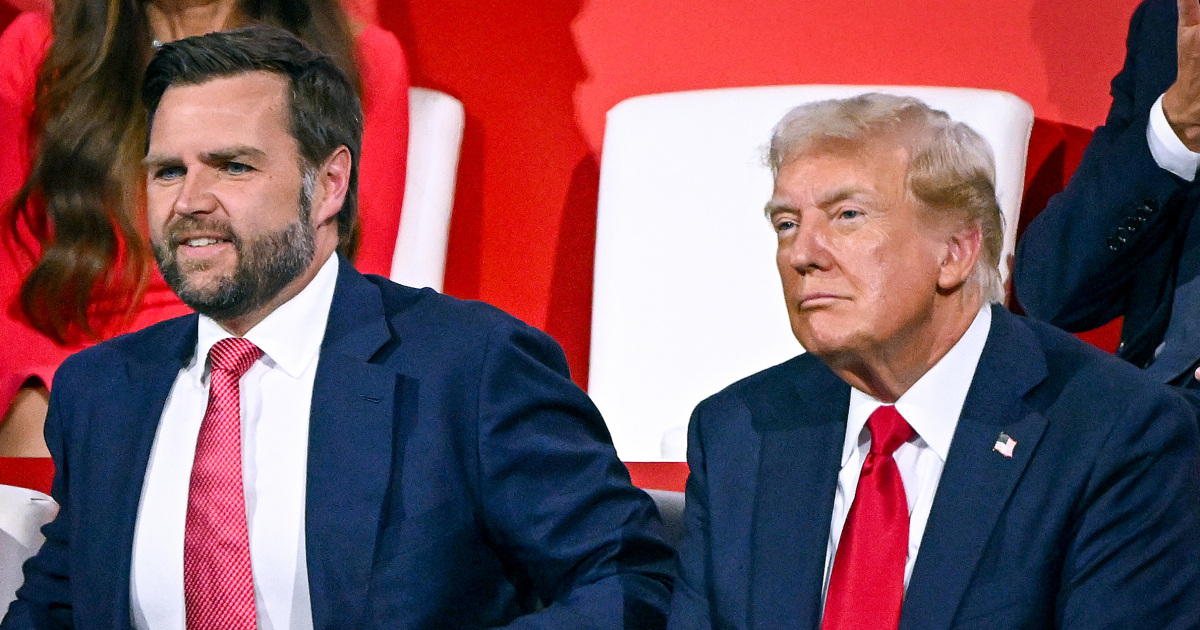
More criminal charges have been filed against former President Donald Trump. A Haitian nonprofit group filed criminal charges against Donald Trump, the Republican presidential nominee, and his running mate, Senator JD Vance of Ohio, regarding statements they recently made about immigration in Springfield, Ohio. They are being accused of villifying the Haitian community with their claims that immigrants are eating cats and dogs in the Springfield area. Dr. Glen Duerr, political expert at Cedarville University, stated in a recent interview that rumors like these provide a way for politicians to keep a hot issue like immigration alive. Here are some key points from his interview: Trump and Vance have made various claims about the recent events in Springfield. However, are there grounds to proscecute them in a trial? The rumors circulating Springfield have made it a microcosm of the large-scale immigration conversation. Will anything change in Springfield moving forward? Trump has mentioned that he will visit Springfield in the near future. However, Springfield hads recently responded to multiple bomb threats that have resulted in universities going fully remote and evacuations of city buildings and public schools. Would his presence only fan the flames of the immigration uproar? If you are a journalist looking to cover immigration and news coming out of Springfield, look to our experts for help. Dr. Glen Duerr's research interests include comparative politics and international relations theory. Glen is an expert on this subject and is available to speak to media regarding this topic– simply click on his icon to arrange an interview or email mweinstein@cedarville.edu.