
Experts Matter. Find Yours.
Connect for media, speaking, professional opportunities & more.
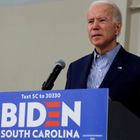
The race for the White House is still on – is anyone paying attention?
No matter what, this is an election year. In fact, despite a crisis of any proportion, according to the U.S. Constitution, the end of term for any sitting President happens this January. But as the Democrats try and figure out what is left of their primary and President Trump is embroiled in the COVID-19 pandemic, what remains of the campaigns on either side of the aisle is anyone's guess. Journalists and pollsters are still paying attention, and no doubt the campaigns are keeping close watch, but how the candidates move forward without rallies, the requisite handshaking and the whistle-stop events may force a new approach to engaging voters and getting messages across for November. How each candidate behaves, reacts and endures during this crisis may also be critical to swaying voters about competence and leadership. Biden, who does not currently hold office, has been struggling to stay in the public eye as the coronavirus forced millions of Americans inside their homes. While Trump has held daily televised briefings about the virus, Biden has had to shut down fundraisers and other campaign events, and election officials in many states have postponed their nominating contests. Still, the poll found that the number of people who approve of Trump in general, and also those who like the way he has handled the U.S. coronavirus response, has changed very little over the past few weeks. About 44% said they approved of Trump's overall performance, and 48% said they liked the way he had responded to the coronavirus outbreak. April 01 - Reuters The election is going to happen this November - but how it is done and which campaign masters the new normal of politics is still unknown. If you are a journalist looking to know more or cover this topic – then let our experts help. Dr. Stephen Farnsworth is a sought-after political commentator on subjects ranging from presidential politics to the local Virginia congressional races. He has been widely featured in national media, including The Washington Post, Reuters, The Chicago Tribune and MSNBC. He is author or co-author of six books on presidential communication. His latest work, "Late Night with Trump: Political Humor and the American Presidency" examines the role late night television has played in shaping the perception of presidential politics. Dr. Farnsworth is available to speak with media and help with your coverage – simply click on his icon to arrange an interview today.



Baylor Cultural Critic and Author of “Living with the Living Dead” Talks Books and Pop Culture During COVID-19 Time at home is increasing as shelter in place orders and working from home become the norm for many people during the COVID-19 pandemic. During this season of uncertainty, many turn to books, movies and other pieces of pop culture pass the time. Greg Garrett, Ph.D., professor of English at Baylor University and expert cultural critic, supports pop culture and literature as important to meaningfully escaping current fears as well as contextualizing experience and emotions. “A great novel, movie or memoir is a gift when we need distraction, but it can also offer us the dramatic reminder that these are the things that make us truly human: love, community, compassion and faith,” Garrett said. “The world may be shifting beneath our feet, but we’re going to be fine as long as we keep the important things in view.” In a Q&A with Garrett, he gave insight on what can be learned from zombie pandemic pop culture, touched on how literature has fit culturally into pandemic history and offered advice on books to pick up during extra free time at home. Q: You’re the author of “Living with the Living Dead: The Wisdom of the Zombie Apocalypse.” What can we learn from zombie pandemic pop culture? A: Our most pervasive form of pandemic literature in recent years is the story of the Zombie Apocalypse, which has been told in novels, movies, games and comics. It’s been the inciting conflict of “The Walking Dead,” and the underlying threat in “Game of Thrones,” two of the most popular television series in history. One of the attractions of zombie literature is that zombies can serve as a metaphor for lots of things at once: for pandemic, sure, but also for economic unrest, political chaos, terrorism and other things that keep us up at night. But as Max Brooks, author of the seminal zombie novel “World War Z: An Oral History of the Zombie War” (2006), notes: however difficult our lives might be at this moment, at least the dead are not wandering the earth and trying to eat us! We can, Brooks says, close the book, turn off the TV, and at least be secure in that. A book like “World War Z” or a movie like “Sean of the Dead” (2004) or “Zombieland” (2009) can soothe some of our tension since this story of a world coming off the rails is our story, yet clearly not our story. Q: How does literature fit into cultural history events like pandemics? A: One of the most important gifts that great stories can give us is the realization that we’re not alone in our experience, and that, in fact, our experience is not unprecedented. Anyone wanting to understand that this dark time is not in fact the darkest time should read historian Barbara Tuchman’s masterful “A Distant Mirror: The Calamitous 14th Century” (1978), which explores the Black Death of 1348-50, a pandemic so awful it killed a third of the populations of Europe and the Middle East. Daniel Defoe’s “A Journal of the Plague Year” (1722) is a novel recalling the horror of the Black Death in London some 60 years prior to its writing. In that book, Defoe’s narrator says he writes about his choices in such detail because he believes that they might be “of moment to those who come after me.” That is, he hopes his story might be of use to future sufferers like ourselves, and it is. Q: Literature can also provide escape from tough times. What other books should we be reading right now? A: In the zombie spirit, you could read “Pride and Prejudice and Zombies,” a 2009 parody by Seth Grahame-Smith of the Jane Austen novel. But if you’re simply seeking meaningful escape from our current story, you couldn’t do much better than reading (or re-reading) the actual “Pride and Prejudice” (1813), one of my favorite novels. I can’t wait to fall back into the world of the Bennets and worry about something besides viral curves and travel bans. During the weeks we expect to be largely confined to the house, my family and I are making reading lists. Mine includes Ernest Hemingway’s “The Sun Also Rises” (1926) and James Baldwin’s “The Fire Next Time” (1963), both of which I plan to teach in my American lit class at Baylor this fall, and Toni Morrison’s “Beloved” (1987), which will scare me and break my heart in ways that have nothing to do with this pandemic. ABOUT GREG GARRETT, PH.D. Greg Garrett, Ph.D., professor of English at Baylor University, is a popular theologian and cultural critic as well as the author of two dozen novels, memoir and nonfiction books including “Living with the Living Dead: The Wisdom of the Zombie Apocalypse” (Oxford University Press, 2017). ABOUT BAYLOR UNIVERSITY Baylor University is a private Christian University and a nationally ranked research institution. The University provides a vibrant campus community for more than 18,000 students by blending interdisciplinary research with an international reputation for educational excellence and a faculty commitment to teaching and scholarship. Chartered in 1845 by the Republic of Texas through the efforts of Baptist pioneers, Baylor is the oldest continually operating University in Texas. Located in Waco, Baylor welcomes students from all 50 states and more than 90 countries to study a broad range of degrees among its 12 nationally recognized academic divisions. THE COLLEGE OF ARTS & SCIENCES AT BAYLOR UNIVERSITY The College of Arts & Sciences is Baylor University’s oldest and largest academic division, consisting of 25 academic departments and seven academic centers and institutes. The more than 5,000 courses taught in the College span topics from art and theatre to religion, philosophy, sociology and the natural sciences. Faculty conduct research around the world, and research on the undergraduate and graduate level is prevalent throughout all disciplines. Visit www.baylor.edu/artsandsciences.


Photos and videos of empty grocery store shelves where toilet paper, paper towels, hand sanitizer and more would typically be stocked have circulated after people responded to COVID-19 fears with panic buying, or bulk buying. Some stores are enforcing quantity limits on certain items and asking people to leave stock for the next person, explaining that their supply chain has not been disrupted. During a time of stress and uncertainty, how do we ease our fears and avoid a counter-productive and potentially selfish bulk-buying response? Baylor University’s Jim Roberts, Ph.D., The Ben H. Williams Professor of Marketing in the Hankamer School of Business, is an internationally recognized expert on consumer behavior and the effects of consumerism and technology on individual happiness. During a brief Q&A, he gave insight to how panic buying content on social media can actually reinforce fear and gave advice on reducing anxiety. Q: Do you see a connection here between consumerism and safety or perceived safety? A: Yes, we call it mortality salience. When we are reminded of our own mortality, we search out products that give us comfort. We naturally buy more when we are threatened. We often seek comfort in our spending particularly in times like these. Some products have practical value, but a shopping cart full of toilet paper is addressing some deeper existential fears as well. Q: There have been a lot of photos floating around online of empty shelves in grocery stores. Is social media affecting panic buying? A: The media benefits from creating hysteria — more people watch and listen when they are frightened. There is something called the availability bias that can explain why we are so fearful. We view things that we have been recently exposed to as more prevalent than they really are. Q: How can people navigate social media during this time in a healthy way? A: Step away from it. Cut back on media exposure and distract yourself by trying to ease others’ burdens. If you turn off your TV and avoid social media you will reduce your anxiety level. Take the emphasis off yourself and you will reap psychological benefits. ABOUT JIM ROBERTS, PH.D. Jim Roberts, Ph.D., The Ben H. Williams Professor of Marketing in Baylor University’s Hankamer School of Business, is a nationally and internationally recognized expert on consumer behavior and has been quoted extensively in the media. He has appeared on CBS’ Early Show, ABC’s World News Tonight, ABC’s Good Morning America and NBC’s The Today Show. He has been quoted and/or featured in The New York Times, The Wall Street Journal, USA Today, National Public Radio, Cosmopolitan Magazine, Glamour and U.S. News and World Report, among many other newspapers, magazines, websites and television outlets. ABOUT BAYLOR UNIVERSITY Baylor University is a private Christian University and a nationally ranked research institution. The University provides a vibrant campus community for more than 18,000 students by blending interdisciplinary research with an international reputation for educational excellence and a faculty commitment to teaching and scholarship. Chartered in 1845 by the Republic of Texas through the efforts of Baptist pioneers, Baylor is the oldest continually operating University in Texas. Located in Waco, Baylor welcomes students from all 50 states and more than 90 countries to study a broad range of degrees among its 12 nationally recognized academic divisions. ABOUT HANKAMER SCHOOL OF BUSINESS AT BAYLOR UNIVERSITY At Baylor University’s Hankamer School of Business, integrity stands shoulder-to-shoulder with analytic and strategic strengths. The School’s top-ranked programs combine rigorous classroom learning, hands-on experience in the real world, a solid foundation in Christian values and a global outlook. Making up approximately 25 percent of the University’s total enrollment, undergraduate students choose from 16 major areas of study. Graduate students choose from full-time, executive or online MBA or other specialized master’s programs, and Ph.D. programs in Information Systems, Entrepreneurship or Health Services Research. The Business School also has campuses located in Austin and Dallas, Texas. Visit www.baylor.edu/business and follow on Twitter at twitter.com/Baylor_Business.


Baylor Expert Shares Tips to Help Kids Maintain, Improve Fitness During Time Out of School
Millions of children and teens throughout the United States are relegated to their homes in attempt to help “flatten the curve” and spread of COVID-19. As parents struggle to carve out a new normal for themselves and their children, a Baylor University professor says physical fitness should still be a priority. Paul Gordon, Ph.D., professor and chair of Baylor University’s department of health, human performance and recreation, is recognized nationally as a top expert in muscular fitness and health outcomes. His areas of expertise include physical activity and lifestyle-based research related to obesity. “Beyond improving your health, physical activity will also improve your mental state,” Gordon said. “A sense of accomplishment and satisfaction is often felt after exercise. Consequently, when you need a mood lift either from ‘cabin fever’ as a result of being shut in or the stress of our current health crisis, take an exercise break. It will help you keep your spirits up.” In the following Q&A, Gordon shares tips to help parents and children stay fit during the coronavirus pandemic. Q: With millions of kids now out of school due to coronavirus – and without the benefits of a gym class – what advice would you give parents and guardians about helping those kids maintain or improve fitness? A: With the onset of school closures and recommendations to limit groups, parents do find themselves challenged to figure out a new routine that encourages healthy living such as opportunities for exercise. Given the current challenges we are facing to prevent the spread of this dangerous disease, parents need to step up and actively oversee their children’s activities. The following points are important considerations: Engage in Active Parenting. Many children/adolescents will be engaging in remote learning formats through much, if not all, of the remaining school year. Consequently, parents will need to assist their kids, particularly the younger children, with access and supervise their work. We cannot expect teachers to have the same control as when they are in class. Similarly, opportunities for engaging in physical activity need to be planned and encouraged and where possible supervised. Some exercise is better than none. This concept is true for adults and kids alike. Don’t give up on getting exercise completely if you can’t plan a full workout. A little is good, and more is better. Remember, exercise is helpful for more than weight control. It improves cardiovascular and skeletal health as well. It can even bolster your immunity response. Q: Are there exercises that kids from kindergarten on up can do? What would you recommend in terms of time and style of exercise? A: Younger children are more likely to engage in activity if they have someone to play with. Parents should engage in active games with their children. If the parent is working from home, take short breaks and play with your child. Active games that involve running, skipping, jumping and climbing are perfect types of activities. Take them for walks in the park or neighborhood. Once children hit adolescence, they are more inclined to perform limited stationary exercises such as on a stationary bicycle or cross trainer. Throwing the ball and playing controlled games (tag, kickball, etc.) can be effective. Playing with your child is an excellent way to spend time and build memories that last a lifetime. Older children can also engage in regular calisthenics such as push-ups, jumping jacks, wall sits, etc. Make it a game or contest and you’ll likely get their involvement. Q: Do you recommend any online plans or resources for parents to follow? A: There are a number of online resources available. A few examples are listed below: GoNoodle KidsHealth.org BeActiveKids.org Q: What are the negatives associated with being sedentary – whether it’s in front of a television or sitting and spending too much time in front of a screen? A: A sedentary lifestyle has numerous untoward effects on health. In fact, even individuals who are meeting basic activity levels can be at increased risk for diseases if they are overly sedentary. Increased risk for cancer, cardiovascular disease and metabolic abnormalities (i.e., diabetes) occur from sedentary living. Obesity has reached epidemic levels in our society, and a primary factor is sedentariness. It’s important to take breaks from sitting and get up and walk around. ABOUT BAYLOR UNIVERSITY Baylor University is a private Christian University and a nationally ranked research institution. The University provides a vibrant campus community for more than 18,000 students by blending interdisciplinary research with an international reputation for educational excellence and a faculty commitment to teaching and scholarship. Chartered in 1845 by the Republic of Texas through the efforts of Baptist pioneers, Baylor is the oldest continually operating University in Texas. Located in Waco, Baylor welcomes students from all 50 states and more than 90 countries to study a broad range of degrees among its 12 nationally recognized academic divisions. ABOUT ROBBINS COLLEGE OF HEALTH AND HUMAN SCIENCES AT BAYLOR UNIVERSITY The Robbins College of Health and Human Sciences at Baylor University was established in 2014, a result of identified priorities for strengthening the health sciences through Baylor’s strategic vision, Pro Futuris, and the University’s Illuminate strategic plan. The anchor academic units that form Robbins College – Communication Sciences and Disorders; Family and Consumer Sciences; Health, Human Performance and Recreation; Public Health; and Division of Health Professions – share a common purpose: improving health and quality of life. The College’s curricula promotes a team-based approach to transformational education and research that has established interdisciplinary research collaborations to advance solutions for improving quality of life for individuals, families and communities. For more information, visit www.baylor.edu/chhs.

Baylor University Marketing Professor Jim Roberts, Ph.D., has been studying consumer behavior and spending habits for decades. He is recognized internationally for his research and commentary on the subject. He said the consumer response during the current coronavirus pandemic -- evidenced by the frequent image of empty shelves of essentials -- is concerning and advises shoppers to refocus their actions on the good of the community. “This crisis is an ethical litmus test. I strongly suggest that people not horde essentials, but that they buy only enough for the near future. I am deeply disappointed when I see shoppers with carts full of water, Purell, toilet paper, etc. Essentially, they are saying, ‘Every man for himself,’ instead of, ‘What can we do to survive this crisis together?’ Working with each other always leads to better results. The Golden Rule should dictate at times like these as well as every day of our lives.” ABOUT JIM ROBERTS, PH.D. Jim Roberts, Ph.D., The Ben H. Williams Professor of Marketing in Baylor University’s Hankamer School of Business, is a nationally and internationally recognized expert on consumer behavior and has been quoted extensively in the media. He has appeared on CBS’ Early Show, ABC’s World News Tonight, ABC’s Good Morning America and NBC’s The Today Show. He has been quoted and/or featured in The New York Times, The Wall Street Journal, USA Today, National Public Radio, Cosmopolitan Magazine, Glamour and U.S. News and World Report, among many other newspapers, magazines, websites and television outlets.

FAU Experts Available to Speak on Coronavirus and its Impact Worldwide
Coronavirus has now earned global attention and Florida Atlantic University experts are available to speak with media about the impact of coronavirus on areas related to this worldwide epidemic, including hospitality, tourism, employment sick leave, and politics. If you are a journalist covering the progress of this virus and how it is impacting various sectors and segments of society – then let us help with your stories, questions and ongoing coverage. LeaAnne DeRigne, Ph.D., MSW, associate professor in FAU’s Phyllis and Harvey Sandler School of Social Work LeaAnne DeRigne is an expert on paid sick leave and its impact on the health and financial security of individuals, families and public health in general. Her recent research on the importance of paid sick leave benefits has received wide press coverage,and has been cited around the country by policy makers, lobbyists, and advocates pushing cities and states to mandate sick leave coverage. Key findings from the study, which are representative of the nation, showed that regardless of income, age, race, occupation, full-time or part-time work status, health status or health insurance coverage, workers without paid sick leave were three times more likely to delay medical care than were workers with paid sick leave. She also conducts research on other workplace benefits such as flexible work, vacation time and pensions. Peter Ricci, clinical associate professor and director of the Department of Marketing and Hospitality Management in FAU’s College of Business Peter Ricci is a hospitality industry veteran with more than 20 years of managerial experience in segments including food service, lodging, incentive travel, and destination marketing. While filling the role of hotel general manager for almost a decade, Ricci served as a part-time educator before entering academia full time as both a clinical associate professor and administrator. Kevin Wagner, Ph.D., professor and chair of FAU’s Department of Political Science in the Dorothy F. Schmidt College of Arts and Letters Kevin Wagner’s research and teaching interests include presidential and judicial politics, political behavior and legislative behavior. He is also a research fellow of the FAU Business and Economics Polling Initiative (BEPI). Wagner has lectured extensively on American politics and has served as an expert in many leading newspapers including the New York Times, Boston Globe, New York Newsday, the Dallas Morning News, and the Miami Herald. He has been featured as the political analyst for CBS 12 in West Palm Beach and on national television including NBC’s “Today.” All of the experts listed above are ready and available to speak with media. To arrange an interview simply click on an expert’s profile or email Lisa Metcalf at lmetcalf@fau.edu.




If it's an election in America or Asia – Mary Washington’s experts are sought out by media
The election in Taiwan on January 10 saw a strong anti-China sentiment reinforced with the re-election of President Tsai Ing-wen. Elections in America, and even an ocean away can have ripple effects on economies, relations and even national security. As the world tuned in the results in Taiwan – it was the media that contacted the experts from Mary Washington for insight and opinion. Elizabeth Freund Larus, Professor of Political Science and International Affairs, offered commentary January 10 on CNBC Asia’s Capital Connection on the 2020 Taiwan presidential election. Professor Larus indicated that incumbent Taiwan President Tsai Ing-wen benefited from the Hong Kong protests and that she would likely be re-elected. Dr. Larus projected that a second Tsai administration will continue to diversify Taiwan’s economy and distance itself from China, and that Beijing will put more heat on Taipei, bringing the U.S. into play. Capital Connection is a television business news program aired every weekday on various CNBC channels around the world. It is broadcast live from Singapore. See more here: Are you a journalist covering Asian politics? That’s where our experts can help. Professor Elizabeth Freund Larus teaches political science at the University of Mary Washington and is an #expert on China and the field of Asian studies. She is available to speak to media – simply click on her icon to arrange an interview.

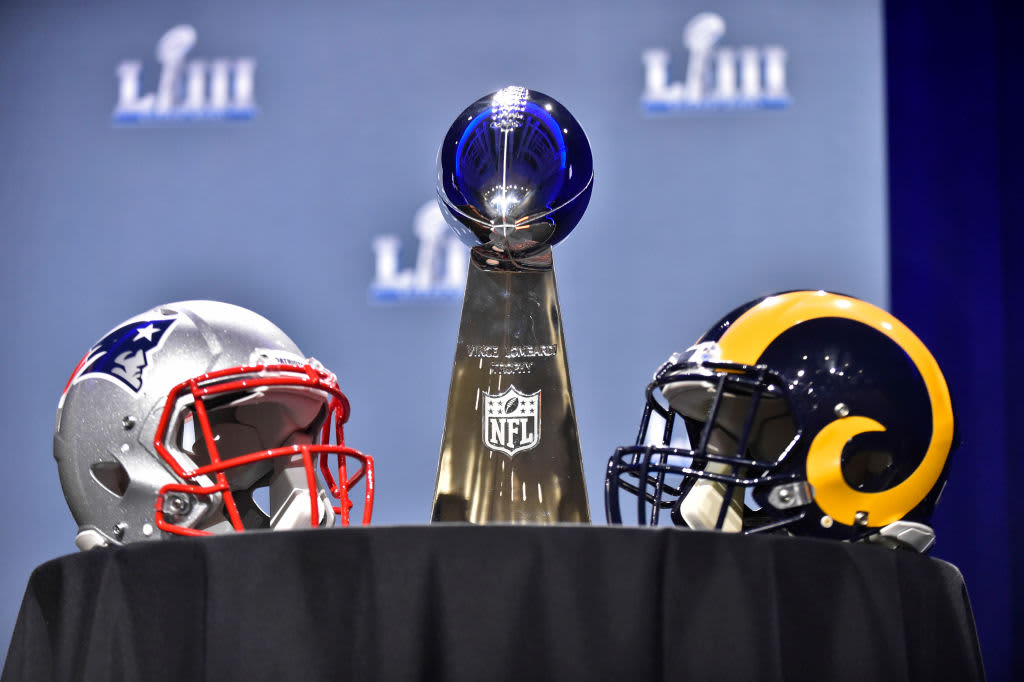
Curious about who’s cashing in on Superbowl Sunday? Let our experts help!
The big day is almost here! Fans around the world are getting squares ready, chili cooked, and prop-bets placed. Superbowl Sunday is America’s biggest day for television and sports. This year, it will be all eyes on the Kansas City Chiefs and San Francisco 49ers as they land in Miami to prep and promote for Sunday’s kickoff. There’s big money to be made this week, and a lot of it is going around, according to CNBC – last year was a windfall and most expect this year to be even bigger. Super Bowl ad spots are the most expensive on commercial TV in the U.S. by far, with a 30-second slot costing $5.25 million. That works out at roughly $175,000 per second. Last year, the winners of the Super Bowl made an estimated $112,000 each, while their opponents made $56,000 each. Referees, meanwhile, make between $4,000 and $10,000 a game, according to an estimate by CBS, and their annual salary is about $201,000. Stores are set to make $14.8 billion in sales around the game, with most of that money spent on food and drink to consume while watching, according to a survey carried out by Prosper Insights & Analytics for the National Retail Federation last week. That equates to $81.30 per person, up from last year’s $81.17. Are you a journalist covering this Sunday’s big game? If you have questions about the marketing or economics of the Superbowl, the let our experts help with your stories and coverage. Professor Andrew Wonders joined the faculty of the School of Business Administration at Cedarville University in 2013 following a 13-year career in the sport industry. He is an expert in the areas of major sporting events and the business of sports. If you are looking to arrange an interview with Professor Wonders – simply click on his icon to arrange a time.


3 Steps to Earn Local News Coverage
“HOW DO WE GET OUR COMPANY FEATURED POSITIVELY IN THE LOCAL NEWS?” This is the question I get asked the most as a public relations professional, media coach and as a former long-time journalist with the Canadian Broadcasting Corporation (CBC): how do we get in the local news? The question usually comes from a small, independently-owned business owner — a company or organization that doesn’t have anyone doing marketing or communications. They are looking for LOCAL media coverage primarily — but they don’t even know where to start. It’s understandable for them to ask this question. Earned media is the holy grail of building credibility and reputation — having your executives featured in the news media as experts on a subject. Those stories then get shared on social media and it becomes the gift that keeps on giving, living on in perpetuity on the Internet, helping your search engine optimization. I can tell you this — the local media wants your story pitches. That doesn’t guarantee you’ll get covered. However, local media has been cutback so much and is forced to do so much work in such little time now, that they appreciate a good story idea landing on their desk for consideration — especially during a slow news cycle — and especially if it’s not coming from a slick PR agency voice on the other end of the line. They want authenticity. So, how do you get there? Here are 3 simple tips based on my experiences. In no way am I saying this is the only way to do it — but I’ve seen others have success with it and hopefully you will as well: #1 – Do NOT Hire An Agency Yup. I just said that. And, yes, I do realize I am a public relations professional. However, based on experience, I can tell you the majority of small, independent businesses aren’t going to be able to afford PR firms to get local news. I reiterate we are talking about getting local news coverage — not national news. So, if they’re not going to pay for it anyways, why not give them a hand? I believe in karma. With a little bit of guidance on this blog, you’ll be able to do it yourself. In the past, I’ve helped small companies, pro-bono, get in the media (hoping they make it big and hire me later). In the future, I’ll just send them the link for this blog and save me some time. You can do this. Just stick to the basics. #2 – Prepare A Newsworthy Pitch This is important. And, it can be as complicated and detailed as you want — but for the sake of this blog, I recommend keeping it very simple and keeping it authentic. Answer these questions to decide whether the story you want the media to cover is actually newsworthy from the reporter’s perspective — because they are the people who assess the newsworthiness of a pitch. What is the story? You should be able to summarize the story in less than 30 seconds. Just like a good pitch deck for potential investors, a good media pitch typically involves the identification of a problem or a trend and coming up with a solution for it or insightful analysis in the case of a media story. This is simplified but you get the picture. Why should people care about this story? A good reporter wants stories that appeal broadly to their audience, the public. So, be prepared to proactively explain why people will care about this? Is it timely? Does it impact a broad group of people? Does it solve a problem that’s been impacting society? Who is driving this story? Is it you? Is it one of your employees? Who will be the main interview for the reporter and why them? (FOR TV) What are the visuals? If it’s television, what are some strong visuals the news crew will be able to capture on video? What can viewers expect to see in this story? It will help your TV pitch if you can illustrate a visual image for them ahead of time. #3 – Pick Up The Phone Pick one media outlet you want to pitch your story to and make the call. First decide what news media is good for your story? Is it a story with very strong visuals? Perhaps TV is the way to go. Is it a story that requires a more fulsome conversation? Maybe public radio is the best option. Newspaper is the best if you’re a nervous person and worried about being on TV or radio. Newspaper is the least intrusive of the media. Once you’ve decided what outlet, decide which reporter specifically. No emails at first in my opinion. It’s too impersonal for local news and you risk getting lost in the inbox shuffle. Doing it by phone also allows the reporter to ask any clarification questions they may have, right then and there. Now, if you call the general media outlet phone number, you can end up in phone transfer Hell or end up getting an editor or producer who is putting out six fires and juggling 4 balls. So, you are better to call an individual reporter (perhaps your favourite one). Do this in the first part of the morning before they get too busy. If they’re not there, leave a message and be prepared to call back later. Reporters are busy and may forget to call you back. Don’t take it personally. If you reach them, thank them for taking your call and make your pitch. Get to the point. A few minutes tops for the pitch. If they like it, they’ll tell you. If they don’t like it — again — don’t take it personally and don’t burn any bridges. Thank them for their time. When you get off the phone, contact a reporter with a different media outlet and do it again. Shop that story around and you’re likely to get a nibble. Final Thoughts: This isn’t a science. There are no guarantees. This process is just my personal opinion based on experience. Just be yourself. Be genuine. The reporters will like that as opposed to dealing with professional PR people or communications officers. They may find it refreshing to deal with a “real person” who isn’t trying to spin them. Beyond the initial pitch, whether it’s successful or not, offer yourself as a research resource to them on issues related to your industry — even if it means you won’t be in the story. This is how you build a relationship with a reporter and it may bode well for you in the future. Good luck. Let me know how it goes.



With 2018 in full swing there’s no sign that the issue of fake news is going away. In fact, it continues to plague major social platforms such as Facebook as well as the traditional media players. This erosion of trust begs the question – how can we ensure the right experts on important topics are at the center of the conversation? If your organization has experts, there is a silver lining. There has never been a more important time for experts – the real ones – not the “fake it till you make it” collection of posers and promoters that have read a blog on personal branding. We’re talking about the people who have put in their 10,000 hours of researching, building and publishing. Presenting your top people in a more visible, engaging and approachable way presents huge opportunities for you to build trust and deepen relationships with a variety of audiences, including customers and partners – not just the media. However, to really capitalize, you have to look closely at how audiences interact with your expert content. Based on our work with thousands of experts and their organizations, we’ve prepared a list of key trends and predictions you need to watch if you’re a communications and digital media professional. Trend 1: Organizations are measuring their “Internal Bench Strength”. The power behind any organization is its people, but many organizations fall short in taking stock of their roster of experts who are capable of building voice and reputation with key audiences. Communicators are increasingly turning to internal pulse surveys and annual assessments that better identify competencies, professional interests and attitudes across the organization. Smart organizations are using surveys to create an efficient roster of internal experts and match them to the news cycle. Identifying a “core group” of go-to experts who will best benefit from programs such as media training and carefully mapping key topics to experts will ensure the organization is aligned to support communications objectives – both for proactive story development and responding quickly to breaking news opportunities. Trend 2: Organizations are starting to function more like newsrooms. As newsrooms in the print and broadcast world continue to be streamlined and downsized, organizations can play a key role in helping journalists by making relevant content and credible sources more accessible. Incorporating better search features that allow journalists to quickly find experts using simple keyword searches is an important starting point. Showcasing experts in the context of key news events in a content hub with interesting story angles are increasing in popularity Trend 3: Next generation newsroom platforms will change how media find expert sources. Journalists have a challenging role today amidst a backdrop of fake news and increasing cynicism about the credibility and sources of information. They still have the same day deadlines, but with an increased responsibility to get the story right, so reliable sources are critical to their success. So it’s not surprising that journalists, television bookers and producers are gravitating to solutions that make it easier for them to discover, evaluate and connect with expert sources. We recently integrated our ExpertFile global directory into the Associated Press newsroom software which is used by thousands of print, broadcast and digital newsrooms around the world. The AP, as the world’s leading news organization, recognizes the pressures that publishers and broadcasters are under. They are committed to technology advances that help news organizations. Few journalists have the time to rummage around in poorly designed corporate websites and university faculty directories looking for the best expert. And if you think it’s just junior reporters using these online tools think again. We’re seeing seasoned journalists from top media outlets including The New York Times, CNN, Time Magazine, NBC, The Washington Post, the BBC, NPR Radio and the CBC making regular use of the ExpertFile platform. The bottom line: If you aren’t thinking about broader distribution of your expert content beyond your website you are missing out. Trend 4: New search technologies are helping organizations cut through the content clutter. Searching for the right person based on attributes such as key topics, publications, or geography inside an organization remains a challenge – even for those organizations that have invested heavily in content management solutions and intranet platforms. The organic and onsite search user experience has become a top issue for marketing and IT teams. Audiences who have been spoiled by “Google-like simplicity” expect to find relevant information, or they’re gone within seconds. That’s why many organizations are investing in new search technologies powered by machine learning to provide faster discovery and connections with their subject-matter experts. Last year we built Elasticsearch features right into our platform to save our clients the time and money of doing this for themselves. Search remains one of the biggest opportunities to quickly drive more market attention and audience engagement, as well as to improve internal collaboration between experts. Trend 5: Video will continue to outperform all other forms of content. There’s nothing quite like video to drive the value of owned content. But remember that video is becoming essential to boosting earned media. We’re continually impressed by the new research that continues to emerge on the power of video content. Last fall, LinkedIn reported audience engagement numbers for its new video feed feature that showed 20 times more engagement for video vs. all other forms of content on its platform. As more audiences demand video content, so does the demand in television newsrooms for broadcast-ready experts. That’s why we also partnered with Dejero to help broadcasters who use their platform to search for experts suitable for interviews. If you are looking to get more television coverage, then you have to invest some of your budget on video to showcase your experts. We predict that the most successful organizations will adopt a video-centric approach to storytelling, creating snackable multimedia content that connects with a range of audiences. Many marketers are overthinking video as something requiring a massive production with a big annual shoot”. That doesn’t work for audiences such as journalists who are feeding a real-time news cycle. Our simple advice – look carefully at your video strategy and identify opportunities to use video across your digital properties in areas such as your homepage, media room and even landing pages. We’re interested to hear how your organization is capitalizing on these trends to better promote your experts to key audiences. For more information on how ExpertFile can help your organization incorporate the latest software and services innovations into your thought leadership and expert marketing strategies please drop us a line at dtaenzer@expertfile.com.