
Experts Matter. Find Yours.
Connect for media, speaking, professional opportunities & more.

Experts in the Media – Learn how UMW is doing its part to preserve Indigenous history
The members of Virginia’s Rappahannock and Patawomeck tribes can trace their roots back to the times before the first European contact. For hundreds of years, their people fished the rivers and inhabited the area near the Potomac and Rappahannock rivers. It was a rich history and today the efforts to preserve the stories and records of those times are being bolstered by UMW students and faculty. The work was recently featured in a piece by NBC-4 in Washington, D.C. Professor Lauren McMillan and her students are helping with that mission. King George County economic development officials approached her with an idea to create a Native American heritage trail, hopeful that it would drive ecotourism and draw visitors to public access points. “The first step that we did was say we need to consult with the tribes whose stories we’d be telling," McMillan said. Then the class did a deep dive. "We then started diving into the archives, the historical records, oral histories and the archaeological record as well,” McMillan said. They’ve created signs that will go up in seven different locations in King George. Each one tells a different story about the local tribes, spotlighting the past and present. “When you learn Virginia history, you learn about a lot of stuff that happened in Jamestown and that’s kind of the last place you learn about Indians in Virginia history, but we've been here all along,” Brad Hatch, a member of the Patawomeck Tribe, said. “We’ve been preserving our own culture and heritage and it's here for everybody to see." The students worked hard to put that heritage and culture on full display. They also envision their project inspiring others to do some research of their own about Virginia’s first residents. December 07 - NBC News Indigenous history is a fascinating topic – and one being covered more and more by media. And if you’re a reporter looking to know about the work UMW is doing with of the Rappahannock and Patawomeck tribes or other topics – then let us help. Lauren McMillan is the University of Mary Washington's resident historical archaeologist and an expert on middle-Atlantic American history. Dr. McMillan is available to speak with media – simply click on her icon now to arrange an interview today.

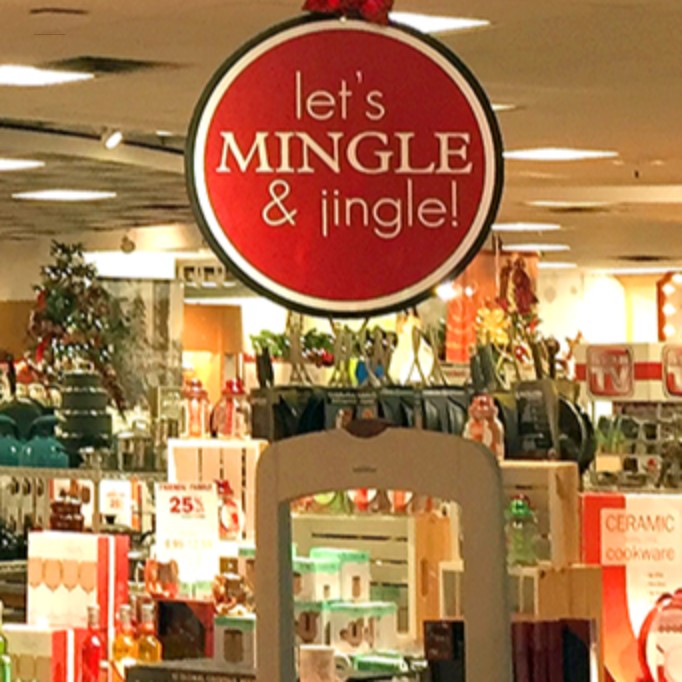
Have you finished your Christmas shopping yet? If not – waiting for last minute deals or just pushing off the pain of navigating a jam-packed shopping mall might result in some failed efforts, unhappy kids and even the potential for coal in your own stocking for letting some loved ones down. Recently, John Talbott, the director of the Center for Education and Research in Retailing at the Indiana University Kelley School of Business was interviewed on the IBJ podcast to explain how supply chain woes may be creating chaos this Christmas. Experts expect shoppers to drop a record amount of money this holiday season. The National Retail Federation forecasts sales for November and December to grow between 8.5% and 10.5% over the same months in 2020. In total dollars, that would be between $843.4 billion and $859 billion. At the same time, the supply-chain issues that have plagued commerce since the start of the pandemic are expected to complicate gift buying and limit stock for some products. The answer is to get your shopping done as soon as possible, because you might not get a second chance, says John Talbott, the director of the Center for Education and Research in Retailing at the Indiana University Kelley School of Business. In the latest edition of the IBJ Podcast, Talbott explores other big questions with host Mason King. Does Indy’s status as a leading U.S. logistics hub give Hoosiers a leg up on gift availability? What role might inflation play in this year’s shopping season? Why are gift cards even more valuable than usual this year? How can we avoid cybercrime? And are there any blockbuster, must-have gifts for this season? November 28 – IBJ Podcast And if you’re a journalist looking to know more or covert this subject – then let us help. John Talbott is the Director for the Center for Education and Research in Retail at Indiana University’s Kelley School of Business. He’s an expert in the areas of retailing, relating marketing activities to financial outcomes, and new media communication. John is available to speak with media regarding this important topic – simply click on his icon now to arrange an interview today.


In any disagreement or dispute, sides are taken - by those involved, by those invested or sometimes just by those most interested in the conflict that is occuring. And when it comes to the matter of superstar athletes squaring off against billionaire owners, it's often the fans that speak the loudest and media are doing their best to cover both sides - and get to the root of the matter. Lately, experts from IU's Kelley School of Business have been front and center - providing expert perspective, opinion and analysis. And earlier this month as players were locked out - Nathaniel Grow was getting calls by reporters for insight. “The players have been seeing their financial position deteriorate over the last few cycles, and the last few years in particular, when the average player salary has declined, which is unprecedented for MLB,” said Nathaniel Grow, an associate professor of business law and ethics at Indiana University’s Kelley School of Business who has written extensively on baseball’s CBA topics and issues for several years. “Within that bucket is the service-time manipulation, which helps feed into some of these salary issues.” “The players don’t think they’re getting a fair shake, is a fair general consensus. The question becomes, where do they go and how do they try to improve their financial position?” December 02 - Sporting News The ongoing labor dispute between players and owners will be long, protracted and at times tense - and if you are a reporter looking to cover this trending topic, then let us help with your stories and questions. Nathaniel Grow is an Associate Professor of Business Law and Ethics and the Yormark Family Director of the Sports Industry Workshop. He's also an expert in the areas of sports and labor law. Grow is frequently quoted by media outlets such as The Washington Post, The Wall Street Journal and ESPN regarding current legal issues in the sports industry. Nathianiel is available to speak with media regarding the MLB lockout - simply click on his icon now to arrange an interview today.

MEDIA RELEASE: What CAA members need to know about the highway tow zone pilot program
As Ontario’s new highway tow zone pilot launches on Monday, CAA South Central Ontario (CAA SCO) is reinforcing its commitment to ensure members are safe no matter the location. “CAA members should be confident knowing that if they find themselves stuck in one of the tow zones, we are here to help as always,” says Teresa Di Felice, assistant vice-president of government and community relations. “As a CAA member, call us and we will help navigate the rescue with the appropriate tow provider.” Getting stuck on the side of the road can be an intimidating situation. CAA's best advice is first to assess your situation and if it's an emergency, call 911. Otherwise, we are encouraging members to press *222, and CAA will help coordinate a rescue, either with one of CAA’s tow providers or through MTO, depending on the situation. CAA has a commitment to road and consumer safety in Ontario. Every year CAA SCO responds to over 1.2 million rescue calls and of that number, only about 2 per cent of our calls originate in these zones. “At CAA, our mission is to help you stay safe, mobile and protected. That’s why we want you to know that if you find yourself in need of a tow in one of the designated pilot program tow zones, we will be here to help make the process safe and easy,” says Di Felice. In a survey conducted in August 2021 by CAA SCO, 93 per cent of members agree that roadside assistance providers, like CAA, should be permitted to operate in regulated highway towing sections of the GTHA highways. If an MTO tow zone approved provider needs to remove your vehicle, CAA will cover the cost of your tow based on the limits of your membership level. For over a decade, CAA has been advocating for towing industry reforms and working towards greater consumer protection. Motorists should also ensure that they know their rights. In 2018 CAA created the Towing Bill of Rights, a glove box reference card, to help avoid any confusion regarding motorists' rights when they need towing services. For more information, please visit caasco.com/towzonepilot


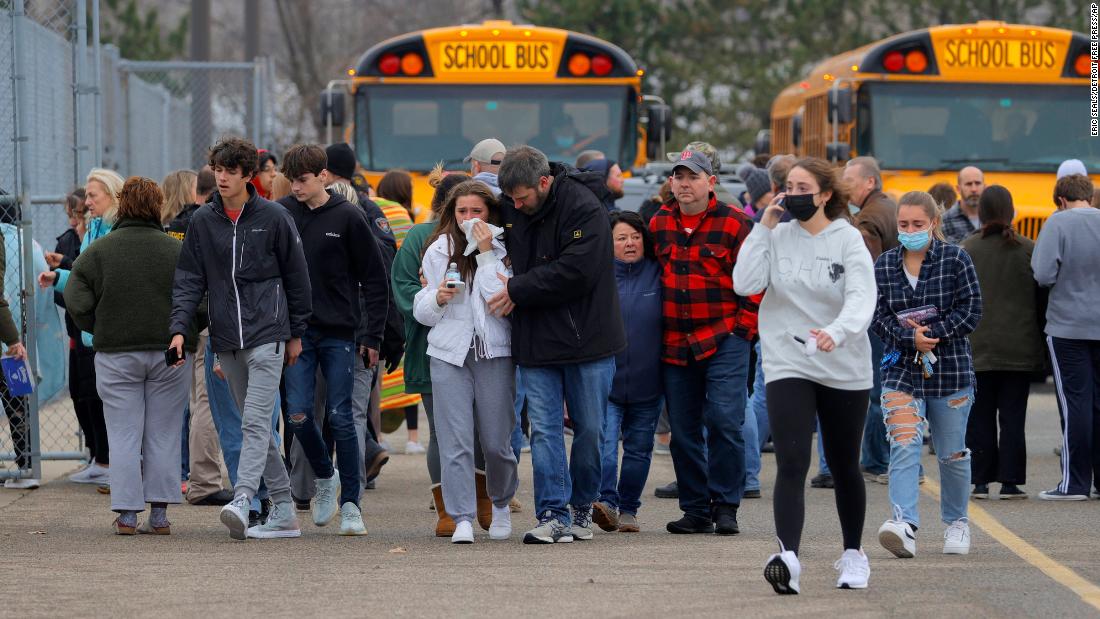
It was a tragic day in America this week as a 15-year-old is in custody after allegedly opening fire on a school in Oxford, Michigan, which left three teenagers dead and at least eight more wounded by the gunfire. Three students were killed in the attack at the school some 40 miles north of downtown Detroit -- Madisyn Baldwin, 17; Tate Myre, 16; and Hana St. Juliana, 14, authorities said. Myre died in a patrol car while a deputy was taking him to a hospital, Bouchard said. Eight others -- seven students and a teacher -- were shot, Bouchard said. Two were in critical condition Wednesday morning, he said. Among the wounded were a 14-year-old girl who was on a ventilator following surgery, Bouchard said Tuesday night. A 14-year-old boy also had a gunshot wound to the jaw and head, while the teacher who was shot had been discharged. The attack was the deadliest US school shooting since eight students and two teachers were slain in May 2018 at Texas' Santa Fe High School, according to Education Week. There have been 28 school shootings this year -- 20 since August 1 -- by its tally. December 01 - CNN Many are wondering how students, teachers, first responders and families grapple with incidents with this level of trauma and horror. If you are a reporter looking to cover the issues survivors of mass-shooting events might face, then let us help. Dr. Laura Wilson is a clinical psychologist whose expertise focuses on post-trauma functioning, particularly in survivors of sexual violence or mass trauma (e.g., terrorism, mass shootings, combat). Her research interests extend to predictors of violence and aggression, including psychophysiological and personality factors, as well as indicators of PTSD following mass trauma, long-term functioning among first responders, outcomes among survivors of sexual violence and the influence of media on mental illness stigma. Dr. Wilson is available to speak with media, simply click on her icon to arrange an interview today.


With mask wearing and social distancing on the decline and the cold and flu season upon us, researchers have developed a viral panel that enables the simultaneous testing for SARS-CoV-2 along with numerous common respiratory viruses, that tells us whether other viruses also are at play in patients hard hit by COVID. This new genetic epidemiology tool that provides detailed genetic information about the viruses present when packaged with a molecular immunology model called Nextstrain also enables researchers to assess the novel viral variants that are circulating in a state or nation and patterns for their spread with the goal of helping predict and mitigate future outbreaks, says Dr. Ravindra Kolhe, director of the Georgia Esoteric and Molecular Laboratory, or GEM Lab, at the Medical College of Georgia at Augusta University. Deficits in SARS-CoV-2 monitoring and keeping tabs on other co-circulating respiratory viruses have been public health challenges during the pandemic, Kolhe and his colleagues report in the journal Viruses. Coinfection is a reality, Kolhe says with these respiratory viruses that we unwittingly transmit through the air when we cough, sneeze, even talk, particularly when we are in close quarters for long periods like hospitals, nursing homes, schools and potentially even our workplace. Another reality is that coinfections can have the compounding effect of worsening symptoms and outcomes, much as we have all heard that co-morbid conditions like diabetes and hypertension can do, he says. Particularly when patients are not doing well, looking for other respiratory viruses with the new panel could help provide insight on why and possibly new directions on how to help, he says. The more expansive panel is more expensive than straight COVID testing, which will remain the frontline test in this pandemic, Kolhe predicts. While the cold and flu season were essentially a wash last year because of COVID precautions like mask wearing — in fact the coinfection rate in the group they studied was under 1% — he and others are concerned the cold and flu season now upon us will be very different even with vaccination initiatives for both COVID and the flu. We’ve attached the full article – and it is well worth reading given the timing of flu season and another potential wave of COVID emerging globally. This is a fascinating topic and if you are a journalist covering the latest advancements in the effort to contain and eradicate COVID-19 – then let our leading experts help with your coverage and questions. Ravindra Kolhe is a Molecular and Genetic Pathologist, involved in identifying and validating cutting-edge platforms for diagnostic medicine. He’s also the Director of the Georgia Esoteric & Molecular Laboratory at Augusta University. If you are looking to arrange an interview with Dr. Kolhe – simply click on his icon now to find a time to talk today.



When investors are deciding whether to put their capital into a company, they typically take a breadth of different factors into account. Earnings, performance, market share—all of these are critical, for sure. But equally important is belief in the talent and capabilities of the organization, and its most visible human face: its CEO. How a CEO comes across at key touchpoints such as earnings calls can significantly shape investors’ perceptions of his or her abilities. We know from research that even subtle things like tone of voice can increase—or diminish—shareholder confidence. So, too, can subliminal emotional or behavioral cues in speech. But what about something arguably more obvious and easier to quantify? What about accent? Until now, remarkably little attention has been given to how much sway a CEO’s accent has on investors’ impressions or attitudes. We simply don’t know whether chief executives with “foreign” accents fare better or worse with shareholders than native US-English speaking counterparts. And this subject matters. It’s estimated that as many as 9% of all companies in the US and more than 11% of Fortune 500 firms are run today by foreign-born chief executives. How investors perceive these CEOs relative to native speakers could have major implications for hundreds of thousands of organizations. Shedding compelling new light on this is new research by Goizueta PhD candidate Leonardo Barcellos, and Schaefer Chaired Professor of Accounting Kathryn Kadous. Together they have produced a study that suggests that accent does matter – though perhaps not in the way that many of us might think. That study and the entire article is attached – and well worth the read. And if you are a journalist looking to learn more about this topic – then let our experts help. Kathryn Kadous is the Schaefer Chaired Professor of Accounting and Director and Associate Dean of PhD Program at Goizueta Business School. She is available to speak with media – simply click on her icon now to arrange an interview.



Six popular beliefs about colds: experts explain the facts
As we return to pre-lockdown levels of social mixing, colds are starting to become all too common. A TikTok video has gone viral involving putting garlic up your nose as a cold cure, just one in a long line of claimed treatments or cures. We asked two experts to examine some commonly held beliefs around colds. 1. Can you get a cold by getting cold? Colds become more common in winter. Like other upper respiratory tract infections (in the nose, throat and windpipe) they are normally caused by a virus. There might be a little truth in the idea that getting cold can give you a cold, because as the temperature changes this can alter the lining of our throat and windpipe, which can possibly make it easier for viruses to infect cells. However, the main reason we get more colds in winter is spending more time inside, closer to other people – the perfect environment to transmit viruses. 2. Does sticking garlic up your nose help? The TikTok trend involves putting cloves of garlic up your nose because it claims to act as a decongestant. Sticking something up your nose blocks the flow of mucus, so when it is removed, the flow starts and the mucus drips or even runs out of your nose. Mucus not only helps trap and remove pathogens including viruses, but also contains antibodies and can reduce how infectious and spreadable viruses are. So this is not a good idea. Garlic contains a range of compounds which might irritate the nose, and remember sticking anything up your nose isn’t a great idea. It could damage the lining and lead to bleeding or even get stuck. So it doesn’t really help and could be harmful. 3. Can herbal remedies prevent colds? Various herbal remedies claim to either prevent or speed up recovery from a cold. People often mention echinacea, a family of plants that grow in North America. Some trials have suggested a small preventative effect, but the evidence does not show statistically significant reductions in illness levels. Turmeric is also touted as a preventative medicine, but there is no robust evidence for its effectiveness either. 4. Can vitamin C help? Nobel prize-winning scientist Linus Pauling suggested that vitamin C in high doses could be an effective treatment for many viral infections. But a Cochrane review, a very robust system in which researchers assess evidence, found that vitamin C did not prevent colds, but may reduce their duration, in some people. As vitamin C supplements of around 200mg per day are considered low risk, some suggest this is a reasonable strategy to shorten the effects of a cold. 5. Does vitamin D prevent colds? Vitamin D has moved from being the sunshine vitamin associated with healthy bones, to being linked to reducing the risks around everything from heart disease and diabetes to viruses. This has included a lot of interest in vitamin D as a way of helping us fight off flu and more recently COVID-19. Laboratory experiments show that vitamin D is important in supporting immunity and this is critical in fighting off viruses. The problem may be that some people have inadequate vitamin D levels. Sunshine allows us to make our own vitamin D - but that happens less in winter. So it is likely that taking vitamin D supplements as advised by the UK government over winter is sensible so that you get enough, and this may help prevent you from getting a cold. 6. What about chicken soup? Chicken soup has been used through the ages to treat colds, and like honey it might have some benefits in managing symptoms. But it is unlikely to make a big impact on driving out the infection. The water in the soup will help with hydration, which is a often a problem when we have a cold. Like most hot drinks it can help to relieve painful sinuses. There are studies looking at the effect on our immune system cells, but the evidence from these is far from conclusive. Sadly, there are no miracle cures for the common cold. Some suggestions may be helpful, and are generally not harmful, such as getting enough vitamin C and D. But others are definitely not worth trying and could be risky, such as putting garlic up your nose. The best thing to do is get plenty of rest and drink plenty of fluids to stay hydrated.


The health and safety of their children is the top priority of every parent. And after more than a year and a half of enduring a pandemic, mothers and fathers across America have been inundated with news, information and debate about what’s best for all of our health and how to avoid contracting COVID-19. And now, as America is seeing vaccines approved for children five and over, parents and the media are relying on leading experts to provide honest guidance, advice, and clarity on what parents need to know about what’s best for the health of America’s kids. It’s why Dr. Jody Terranova, a physician at UConn Health and the president-elect for the Connecticut chapter of the American Academy of Pediatrics, is getting the word out to parents: The state of Connecticut is already rolling out vaccinations for children ages five to eleven. This move comes on the heels of the CDC's formal recommended emergency use authorization. Within hours of the announcement, children here have rolled up their sleeves. One UConn School of Medicine pediatrician says she understands why parents have questions and hopes to clarify a few important details. Not only is Dr. Jody Terranova the president-elect for the Connecticut chapter of the American Academy of Pediatrics, she was also a member of the scientific sub-group of the state of Connecticut governor’s COVID-19 vaccine advisory group. “At this point, we are really recommending that all five to eleven-year-olds get vaccinated. There are very few children that should not get vaccinated right now," Dr. Terranova explained. Dr. Terranova admits the topic of vaccines for children ages five to eleven is a sensitive issue. That’s why in order to make an informed decision for your family, it's critical to ask important questions, like how does the vaccine work to protect the pediatric population from COVID-19? “The vaccine that we are giving for COVID works very similar to other vaccines, where it’s really activating your immune system to mount a response to recognize that virus when it invaded your body and create antibodies that will attack it so that it can’t replicate and infect you or your child," continued Dr. Terranova. November 4 - Eyewitness News If you are a journalist looking to know more about the COVID vaccine for children and the important information parents need to know, let us help with your coverage. Dr. Terranova is available to speak with media – simply click on her icon to arrange an interview today.


Emory Experts - Why Companies Invest in Local Social Media Influencers
Companies seek local influencers to pitch products. Even though most influencers amass geographically dispersed followings on social media, companies are willing to funnel billions of sponsorship dollars to multiple influencers located in different geographic areas, effectively creating sponsorships that span cities, countries, and in some cases even, the globe. The desire to work with local influencers has spawned advertising agencies that specialize in connecting companies with influencers and may soon redefine the influencer economy. This trend has merit, our research team finds. In a new Journal of Marketing study, we show a positive link between online influence and how geographically close an influencer’s followers are located. The nearer a follower is geographically to someone who posts an online recommendation, the more likely she is to follow that recommendation. To investigate whether geographical distance still matters when word of mouth is disseminated online, our research team examined thousands of actual purchases made on Twitter. We found the likelihood that people who saw a Tweet mentioning someone they follow bought a product would subsequently also buy the product increases the closer they reside to the purchaser. Not only were followers significantly associated with a higher likelihood to heed an influencer’s recommendation the closer they physically resided to the influencer, the more quickly they were to do so, too. We find that this role of geographic proximity in the effectiveness of online influence occurs across several known retailers and for different types of products, including video game consoles, electronics and sports equipment, gift cards, jewelry, and handbags. We show the results hold even when using different ways to statistically measure the effects, including state-of-the-art machine learning and deep learning techniques on millions of Twitter messages. We posit that this role of geographic proximity may be due to an invisible connection between people that is rooted in the commonality of place. This invisible link can lead people to identify more closely with someone who is located nearby, even if they do not personally know that person. The result is that people are more likely to follow someone’s online recommendation when they live closer to them. These online recommendations can take any form, from a movie review to a restaurant rating to a product pitch. What makes these findings surprising is that experts predicted the opposite effect when the internet first became widely adopted. Experts declared the death of distance. In theory, this makes sense: people don’t need to meet in person to share their opinions, reviews, and purchases when they can do so electronically. What the experts who envisioned the end of geography may have overlooked, however, is how people decide whose online opinion to trust. This is where cues that indicate a person’s identity, such as where that person lives in the real world, come into play. We may be more likely to trust the online opinion from someone who lives in the same city as us than from someone who lives farther away, simply because we have location in common. Known as the social identity theory, this process explains how individuals form perceptions of belonging to and relating to a community. Who we identify with can affect the degree to which we are influenced, even when this influence occurs online. Our findings imply that technology and electronic communications do not completely overcome the forces that govern influence in the real world. Geographical proximity still matters, even in the digital space. The findings also suggest that information and cues about an individual’s identity online, such as where he/she lives, may affect his/her influence on others through the extent to which others feel they can relate to him/her. These findings on how spatial proximity may still be a tie that binds even in an online world affirm what some companies have long suspected. Local influencers may have a leg up in the influence game and are worth their weight in location. For these reasons, companies may want to work with influencers who have more proximal connections to increase the persuasiveness of their online advertising, product recommendation, and referral programs. Government officials and not-for-profit organizations may similarly want to partner with local ambassadors to more effectively raise awareness of—and change attitudes and behaviors towards—important social issues. Goizueta faculty members Vilma Todri, assistant professor of Information Systems & Operations Management, Panagiotis (Panos) Adamopoulos, assistant professor of Information Systems & Operations Management, and Michelle Andrews, assistant professor of marketing, shared the following article with the American Marketing Association to highlight their new study published in the Journal of Marketing. To contact any of the experts for an interview regarding this topic, simply click on their icon to arrange a time to talk today.

