Experts Matter. Find Yours.
Connect for media, speaking, professional opportunities & more.
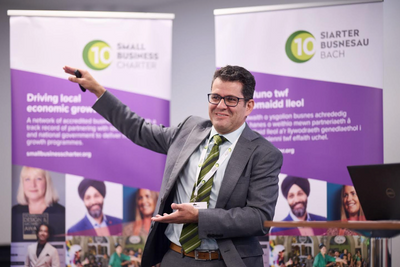
Aston University’s approach to a global challenge Across industries, companies face mounting pressure to cut carbon, improve resource efficiency, and contribute to the UN Sustainable Development Goals (SDGs). Yet many firms still struggle to move from vision statements to measurable action. At Aston Business School, Dr Breno Nunes, reader in sustainable operations management, is developing practical frameworks that help organisations embed sustainability at their core. His concept of 'sustainability fitness' captures how firms can build the capabilities they need to adapt, compete, and thrive in the transition to a net zero economy. “Many organisations want to be sustainable but struggle to operationalise what that means. My work is about bridging that gap — helping businesses translate strategies into practice.” — Dr Breno Nunes The sustainability fitness concept involves both meeting human needs and respecting environmental limits. While it can also be applied at the societal and individual level, Dr Nunes focuses on organisations, where capability building delivers the fastest, measurable change. Corporate sustainability fitness examines how a firm is able to survive and meet its own needs, while aligning itself to wider essential needs of society and operating within limits imposed by its surrounding natural environment. From research to real-world action Dr Nunes’ research examines how organisations design, implement, and monitor sustainability strategies across operations, supply chains, facilities, and product development. He is the main author of the book Sustainable Operations Management: Key practices and cases, which applies the issues of sustainability to all strategic decisions of operations. His work is already making a tangible difference, including international partnerships in Brazil, Canada, and the US, bringing cross-cultural insights into organisational transformation, as well as for various companies and organisations. In an Innovate UK Knowledge Transfer Partnership (KTP) with automotive supplier Metal Assemblies, Dr Nunes and Professor Alexeis Garcia Perez, professor of digital business and society at Aston University, are working to calculate and report the carbon cost of metal components used in car production, tackling one of the industry’s biggest sustainability challenges. The digitalisation of processes will allow Metal Assemblies to meet customers' requirements and position itself as a trusted and transparent supplier of low-carbon components. In another KTP with Brockhouse Group, a forging manufacturer in the West Midlands, Dr Nunes worked with Aston colleague Dr Muhammad Imran, reader in mechanical, biomedical and design engineering. Together they developed a sustainable manufacturing strategy centred on carbon reduction and process improvement. The work involved the development of an energy dashboard, allowing analysis of data on gas and electricity consumption. The project also included analysis of alternatives for energy recovery systems, and development of routines and procedures to improve the manufacturing process. As a result, Brockhouse group is more competitive to supply in non-captive markets. Dr Nunes has also been involved with a collaboration with Birmingham Botanical Gardens to integrate sustainability into policy and practice, expanding the use of business sustainability theories to nonprofit sectors. Sustainability can be embedded across different areas of organisations while seeking financial stability. As an environmental education charity, it is important to for Birmingham Botanical Gardens to 'practise what it preaches'. It was recently awarded almost £20m from various grants (including Heritage Lottery) in a capital project, thanks to having sustainability at the core of renovation plans. These projects highlight Aston University’s role in bridging academia, industry, and policy — ensuring research findings reach the boardroom as well as the factory floor. Key insights from the research Dr Nunes’ studies highlight several critical factors for turning sustainability from intention into measurable results: • Organisational capabilities are central to embedding sustainability. These include empowering sustainability “champions” (institutional entrepreneurs), supportive structures, superior technologies, and the ability to learn and balance economic, environmental, and social performance. • The tensions in implementing sustainability vary not just by function (supply chains, governance, innovation) but also by an organisation’s maturity level. • Start with the low-hanging fruit: tools like self-assessments, capability diagnostics, and learning games allow firms to act at lower cost before committing to full environmental impact assessments or formal reporting. • Collaboration between academia, industry, and policymakers accelerates real-world impact. Why this matters The stakes are high. Businesses worldwide are expected to reduce carbon emissions, demonstrate social responsibility, and remain competitive in a rapidly changing global economy. Aston University’s research shows that strengthening sustainability capabilities not only improves environmental outcomes but also boosts resilience and cost savings. In pilot projects, teams working with Dr Nunes have achieved up to 30% reductions in both cost and carbon emissions — proof that sustainability can drive operational performance as well as compliance. Looking ahead: expanding the Sustainable Growth Hub The next phase of Dr Nunes’ work centres on Aston’s Sustainable Growth Hub, which is being developed as a reference point for SMEs seeking sustainability solutions. In 2025, the Hub will: • Launch its first industry club cohort and expand its team. • Roll out new self-assessment tools to size sustainability needs and decarbonisation goals. • Introduce new learning formats and follow-up courses to Aston’s Green Advantage programme, alongside sessions to play a new corporate sustainability game. • Host events to bring together businesses, policymakers, and the wider sustainability management community. • Attract new research grants and publish results to share knowledge across both academic and practitioner circles. These initiatives aim to equip organisations not only to meet today’s challenges, but to anticipate tomorrow’s. Get involved Follow Dr Nunes via his profile below, and soon through the Sustainability Fitness website. Businesses can also attend Aston Business School events to explore workshops, tools, and courses first-hand. About Dr Breno Nunes Dr Breno Nunes is reader in sustainable operations management at Aston Business School and president of the International Association for Management of Technology (IAMOT). He serves as associate editor of the IEEE Engineering Management Review and has published widely on sustainability strategy execution and innovation. Aston University’s work in sustainable operations — shaped by researchers like Dr Nunes — is helping organisations worldwide move from ambition to action, building the 'sustainability fitness' needed for a net zero future.


The Hidden Risks of Sports Betting
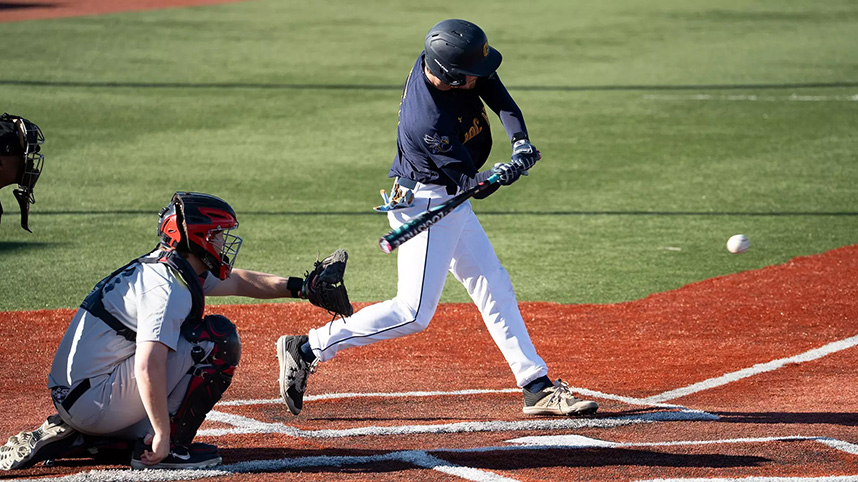
In a recent release from Cedarville University, Dr. Jared A. Pincin, Associate Professor of Economics, emerges as a prominent voice warning students about the hidden risks of sports betting. Pincin underscores that modern betting apps are intentionally designed to mimic mobile video games—fast, rewarding, and highly addictive—which makes them especially appealing to young adults and students. He emphasizes that while the appeal of quick wins is strong, the reality is that these platforms can erode both personal finances and educational opportunities. “The dark reality is that gambling is very addictive and can bankrupt people, strain marriages and destroy futures,” Dr. Pincin explains when describing the slippery slope that many young gamblers face. Grounded in his economic research and Christian ethics framework, Pincin adds another layer of concern: from a faith perspective, gambling exploits the desire for instant gain and distracts individuals from a more grounded trust in provision and purpose. He argues that with legalization expanding and betting apps readily available on smartphones, college students—not just athletes—are increasingly vulnerable to behaviors that can derail their academic trajectory and long-term goals. “Gambling preys on our desire for quick gain and distracts us from trusting God’s provision,” Dr. Pincin notes, bringing into focus the moral as well as the practical implications of sports gambling in a university setting. Dr. Jared Pincin's research interests explore the intersection of public choice economics with foreign aid as well as issues in sports economics. Pincin has published in popular publications such as The Hill, Real Clear Markets, Foxnews.com, and USA Today and scholarly journals such as Oxford Development Studies, Applied Economic Letters, and the Journal of Sport and Social Issues. View his profile here The release garnered a lot of attention - and substantial media coverage from outlets like ABC News and others. Gambling is emerging as a serious issue across America - and if you're a reporter looking to know more about this topic - then let us help. Cedarville's Jared Pincin is available to speak with media - simply click on his icon now to arrange an interview today.


Why College Students Are Storming Fields More Often
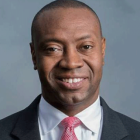
In his most recent Forbes article, Dr. Marshall Shepherd takes a scientific look at why college students and fans storm football fields, blending insights from psychology, meteorology, and social dynamics. He explains that field-storming is not simply a burst of emotion—it’s a predictable outcome of collective excitement and shared identity. After an unexpected win or a high-stakes rivalry game, thousands of people simultaneously experience what psychologists call “emotional contagion,” amplifying feelings of unity and celebration. This shared surge, combined with environmental cues like stadium acoustics and crowd density, transforms the act into what Shepherd calls a form of “social weather event.” “Storming the field isn’t chaos—it’s choreography fueled by emotion and crowd physics.” Shepherd also examines the logistical and safety implications. He notes that while universities often celebrate these spontaneous displays of school pride, they carry risks ranging from crowd injuries to property damage. Yet, institutions are reluctant to ban them outright because these moments reinforce fan loyalty and media attention. Shepherd suggests that the solution lies in better understanding crowd behavior: designing stadiums with safe egress routes, training security teams to manage surges, and anticipating emotional tipping points rather than reacting afterward. “Understanding the science behind fan behavior lets us manage energy, not suppress it.” Ultimately, Shepherd’s piece reframes field-storming as a fascinating mix of culture and physics—where joy, identity, and momentum collide. He urges universities to see these moments not as mere rule-breaking but as opportunities to study human behavior in motion, and to design environments that celebrate passion without compromising safety. Dr. J. Marshall Shepherd is a leading international weather-climate expert and is the Georgia Athletic Association Distinguished Professor of Geography and Atmospheric Sciences at the University of Georgia. Dr. Shepherd was the 2013 President of American Meteorological Society (AMS), the nation’s largest and oldest professional/science society in the atmospheric and related sciences. View his profile here Dr. J. Marshall Shepherd is available to speak with the media about this interesting topic - simply click on his icon now to arrange an interview today.

The Thrill of Fear: The History and Cultural Significance of Horror Movies
From flickering silent films to today’s big-budget blockbusters, horror movies have always tapped into humanity’s oldest emotion: fear. Across decades, they’ve reflected social anxieties, moral questions, and shifting definitions of what scares us. Yet behind every scream lies a story about culture, creativity, and the psychology of thrill. The Origins of On-Screen Fear Horror cinema began in the early 1900s with short silent films inspired by literature and folklore. One of the earliest, Le Manoir du Diable (1896), often considered the first horror film, introduced audiences to bats, ghosts, and the Devil himself. By the 1920s, German Expressionist films like Nosferatu and The Cabinet of Dr. Caligari used shadow and distortion to create unease, shaping the language of horror still used today. Hollywood’s Golden Age of Horror in the 1930s brought monsters to life — Dracula, Frankenstein, and The Mummy — giving audiences both fright and fascination during a time of global economic depression. These films helped people confront real-world fears symbolically, offering escape through imagination. Fear Evolves with the Times Each generation has reinvented horror to reflect its cultural moment. The 1950s’ atomic-age fears spawned giant monsters and alien invasions. The 1960s and ’70s shifted toward psychological and supernatural horror with classics like Psycho, The Exorcist, and The Texas Chain Saw Massacre — films that exposed anxieties about social change, faith, and violence. The 1980s and ’90s introduced slasher icons such as Halloween’s Michael Myers and A Nightmare on Elm Street’s Freddy Krueger, mixing terror with pop-culture spectacle. By the 2000s, horror had splintered into subgenres — from found-footage realism (The Blair Witch Project, Paranormal Activity) to elevated art-house films like Get Out and Hereditary, which use fear to explore race, grief, and identity. Why We Like to Be Scared Psychologists suggest people enjoy horror because it offers safe danger — a way to experience fear, adrenaline, and relief without real threat. Watching horror triggers the body’s fight-or-flight response, followed by catharsis once the tension resolves. Culturally, it provides a mirror to our collective psyche: what we fear, we face, and what we face, we sometimes conquer. Horror also brings people together — in theaters, at home, or online — to share an intense emotional experience. Whether screaming, laughing, or peeking through fingers, audiences participate in a ritual as old as storytelling itself. The Icons of the Genre Among the most popular and influential horror films of all time: Psycho (1960) The Exorcist (1973) Halloween (1978) A Nightmare on Elm Street (1984) The Silence of the Lambs (1991) The Ring (2002) Get Out (2017) Hereditary (2018) Each left a lasting mark on both cinema and culture — showing that horror, far from being niche, remains one of the most expressive and enduring genres in film history. Connect with our experts about the history and popularity of scary movies and horror flicks: Check out our experts here : www.expertfile.com

Multi-university AI research may revolutionize wildfire evacuation
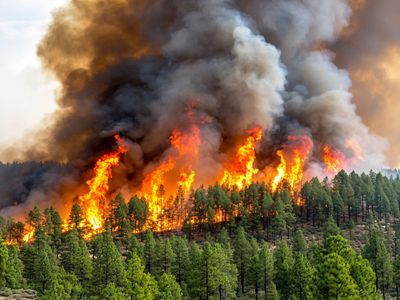
As wildfires grow wilder, the University of Florida and two other universities are developing large language models to make evacuations safer and more efficient. Armed with a nearly $1.2 million National Science Foundation grant, UF, Johns Hopkins University and the University of Utah are creating these AI-based models to simulate human behavior during evacuations – information that will help emergency managers shape more effective evacuation plans. “Strengthening wildfire resilience requires accurate modeling and a deep understanding of collective human behavior during evacuations,” said UF project lead Xilei Zhao, Ph.D., an associate professor with the Engineering School of Sustainable Infrastructure and Environment. “There is a critical need for simulation models that can realistically capture how civilians, incident commanders and public safety officials make protective decisions during wildfires.” Xilei Zhao focuses on developing and applying data and computational science methods to tackle problems in transportation and resilience. View her profile here Existing simulation models face limitations, particularly with reliable predictions under various wildfire scenarios. New AI models can simulate how diverse groups of people behave and interact during the hurried scramble to seek safety. Zhao’s team is developing a convergent AI framework for wildfire evacuation simulations powered by psychological theory-informed large language models. The project will produce simulation methods to promote teaching, training and learning, and support wildfire resilience by allowing public safety officials to use open-access tools. “This research seeks to be a transformative step toward improving the behavioral realism, prediction accuracy and decision-support capability of wildfire evacuation simulation models,” Zhao said. Zhao partnered with John Hopkins professor Susu Xu, Ph.D., and University of Utah professors Thomas Cova, Ph.D., and Frank Drews, Ph.D. The preliminary results of the study were recently presented at the 63rd Annual Meeting of the Association for Computational Linguistics. “In that paper, we started to train the model on the survey data we collected to see how we can accurately predict people's evacuation decisions with LLMs,” Zhao said. Research objectives include extending the Protective Action Decision Model for civilians and public safety officials, developing psychological theory-informed large language model agents for protective modeling and generating a realistic synthetic population as input for the simulation platform. The team also plans to develop learning-based simulations and predict human behavior under scenarios such as fire spread, warning and infrastructure damage. This research comes at a critical time, as the number of wildfires has significantly increased globally. About 43% of the 200 most damaging fires occurred in the last decade leading up to 2023, according to a recent study in Science. The intensity, size and volume of wildfires are threatening more urban areas. “If you go into the urban area, many people do not have cars, or they need additional mobility support,” Zhao said. “For example, the LA fires impacted nursing homes with a lot of elderly people, many of whom are immobile or lack the ability to drive. That's a big problem. This would be very relevant to them.” The large language models will provide important context for evacuation planning as well as real-time decision making. “We envision this tool being used during planning,” Zhao said, “so emergency managers can test different kinds of scenarios to determine how to draw the evacuation zones, where to issue the orders first and how to design the communications messaging.” This is important research and critical as wildfires become more common across North America. If you're a reporter looking to connect and learn more - then let us help. Xilei Zhao is available to speak with media - simply click on her icon now to arrange an interview today.


UF scientist studies muscle loss in space to benefit astronauts and patients on Earth
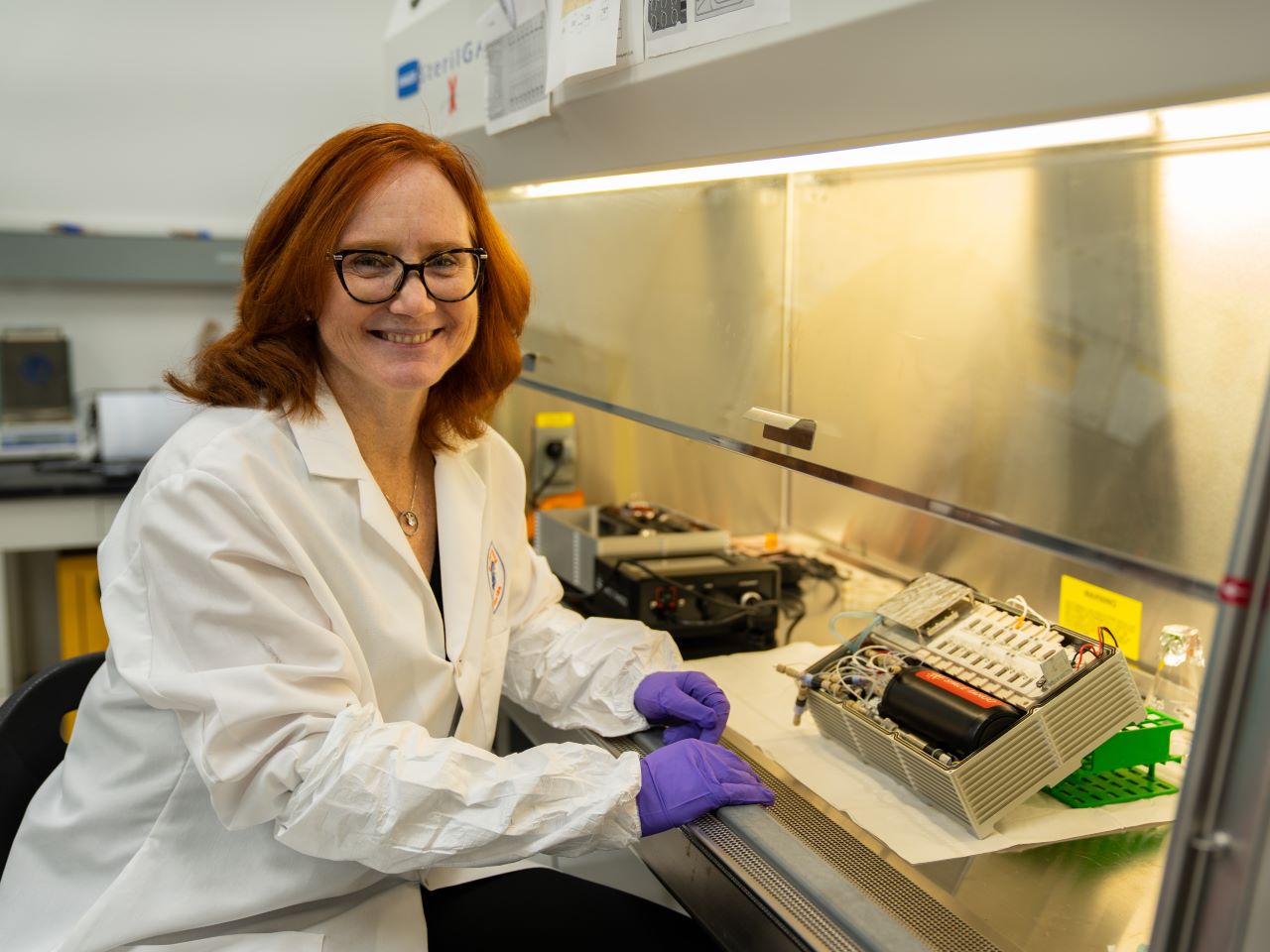
Astronauts traveling to Mars will face many challenges, but one of the most serious is muscle loss during long space missions. A new study led by University of Florida researcher Siobhan Malany, Ph.D., sheds light on how human biology changes in microgravity and could help protect astronaut health while also offering hope for patients with muscle-wasting diseases on Earth. Malany, an associate professor in the College of Pharmacy, a member of UF’s Astraeus Space Institute, and director of the in-space Biomanufacturing Innovation Hub, recently published findings showing how muscle cells adapt in space. Her team studied bioengineered three-dimensional muscle tissues derived from biopsy cells from both younger and older individuals and observed how they responded to electrical stimulation in microgravity. These micro-scale tissues called “tissue chips” were given nutrients and electric pulses autonomously in a miniature laboratory the size of a shoe box called a CubeLab.x. A camera system inside the box recorded the rate of muscle contraction. “This research is about more than just space,” Malany said. “By understanding how muscle tissue deteriorates much faster in microgravity, we can uncover new strategies to address muscle loss that occurs naturally with aging and with age-related diseases here on Earth.” Siobhan Malany studies the effects of microgravity on human muscle biology using an automated tissue chip system. View her profile here The study found that younger muscle tissue showed more pronounced changes in mitochondrial pathways — cellular systems that produce energy — than older tissue did when exposed to microgravity. Researchers also discovered that, on Earth, older muscle tissue responds less to electrical stimulation than younger tissue. But in space, the younger tissue showed a noticeable drop in its ability to contract, suggesting that younger muscle may experience a greater change when exposed to the space environment. These insights may help researchers design new treatments to protect muscles in astronauts during long missions, as well as develop therapies for people experiencing age-related muscle loss on Earth. The project was part of UF’s broader efforts to advance space biology. Through the Astraeus Space Institute, UF brings together experts across disciplines, from medicine and pharmacy to engineering and plant science, to address the unique challenges of space exploration. “UF researchers are helping lay the groundwork for humanity’s next giant leap,” Malany said. “It’s exciting to see our work contribute to both the health of astronauts and the lives of patients back home.” UF’s leadership in space biology is strengthened through collaboration with partners including the Kennedy Space Center Consortium and the Center for Science, Technology and Advanced Research in Space), both initiatives bringing together universities in Florida’s high-tech corridor, government agencies and industry leaders. Malany’s work also builds on long-term collaborations with AdventHealth, using donated tissue samples to model age-related muscle changes in space. Her team also works with SpaceTango, a NASA-certified aerospace company, to design the CubeLab that flew to the International Space Station on multiple SpaceX missions. Looking ahead, Malany and her team are developing new ways to study astronaut-derived cells, including both skeletal and heart muscle, generated from blood samples. These “avatars” could help researchers track changes before, during and after space missions, providing an unprecedented window into how microgravity affects the human body. “Now we can study cells from individual astronauts and see how they respond over time,” Malany said. “This helps us understand the risks of long-term spaceflight and also gives us a platform for testing potential treatments for muscle-wasting conditions on Earth.” By using tissue chips, small, bioengineered devices that mimic the structure and function of human organs, scientists in space can gather data more quickly and accurately than with traditional animal studies, potentially accelerating the discovery of therapies for aging-related muscle loss. Looking to know more about this amazing research or connect with Siobhan Malany - simply click on her icon now to arrange an interview today.


Experts in the Media: Hurricane Season Isn’t Shutdown. A Busy Week Looms For Meteorologists
When you think hurricane season is winding down, think again. Just as many people begin to relax after a stretch of calm weather, the atmosphere often has other plans. Meteorologists are warning that even as we head deeper into October, the tropics are far from done stirring. The “off-season,” as Dr. Marshall Shepherd puts it, can be one of the most deceptive times of year—when attention fades but nature remains restless. Dr. J. Marshall Shepherd is a leading international weather-climate expert and is the Georgia Athletic Association Distinguished Professor of Geography and Atmospheric Sciences at the University of Georgia. Dr. Shepherd was the 2013 President of American Meteorological Society (AMS), the nation’s largest and oldest professional/science society in the atmospheric and related sciences. View his profile here In his recent Forbes article, Shepherd, a leading atmospheric scientist and former president of the American Meteorological Society, reminds readers that the Atlantic hurricane season doesn’t have an on-off switch. While it may appear to be slowing, meteorologists are bracing for a busy week ahead as multiple weather systems continue to develop. He explains that this year’s pattern demonstrates how tropical activity often ebbs and flows, and a lull in storms doesn’t mean the threat has passed. Shepherd highlights how experts are closely watching sea-surface temperatures, wind shear, and atmospheric moisture—factors that can quickly transform calm seas into cyclone breeding grounds. Despite the calendar inching toward November, he warns that conditions remain ripe for sudden storm formation. Ultimately, Shepherd’s message is one of preparedness and respect for nature’s unpredictability. Even when the radar looks clear, the tropics can still surprise us. His call to stay alert is a timely reminder that meteorology is not about predicting the past—it’s about anticipating the next twist in the weather’s unfolding story. Dr. J. Marshall Shepherd is a leading international weather-climate expert and is the Georgia Athletic Association Distinguished Professor of Geography and Atmospheric Sciences at the University of Georgia. He's available to speak with the media about this topic - simply click on his icon now to arrange an interview today.

What the First U.S. Chikungunya Virus Case Means: LSU Expert Breaks It Down
"The main vector in the US, Aedes albopictus, is known to have been there so it isn’t terribly surprising that we’d eventually have a case. The fact that is was a local transmission case – meaning that a mosquito transmitted it to someone who had not traveled outside the area – is a bit concerning and points to a couple of things: We need more surveillance for these types of viruses; the fact that it got here means likely someone who had traveled brought it back from their vacation The surveillance infrastructure via the CDC and federal funding has been gutted – which of course is problematic when we have these sorts of introductions occurring. These types of mosquitoes go a little quiet in the fall/winter because it gets too cool for them to be as active as say the summertime. They’re lucky it’s in the fall and not at the start of summer, where the weather would be more conducive to MORE transmission. HOWEVER, as weather patterns change from a combination of climate change and urban development (which creates more heated areas), we’re going to see the times that these mosquitoes are more active becoming longer – which will again mean more opportunities for transmission. Of course, in Louisiana, these mosquitoes are active for a lot of the year. We have good mosquito control, but anyone who sits outside will tell you that doesn’t eliminate biting (though imagine if we didn’t have it) we need to stay vigilant and support the systems that protect us: mosquito abatement, federal and state surveillance, and the science and research that supports our ability to recognize and respond to outbreaks." Dr. Christofferson's recent research publications in this area:


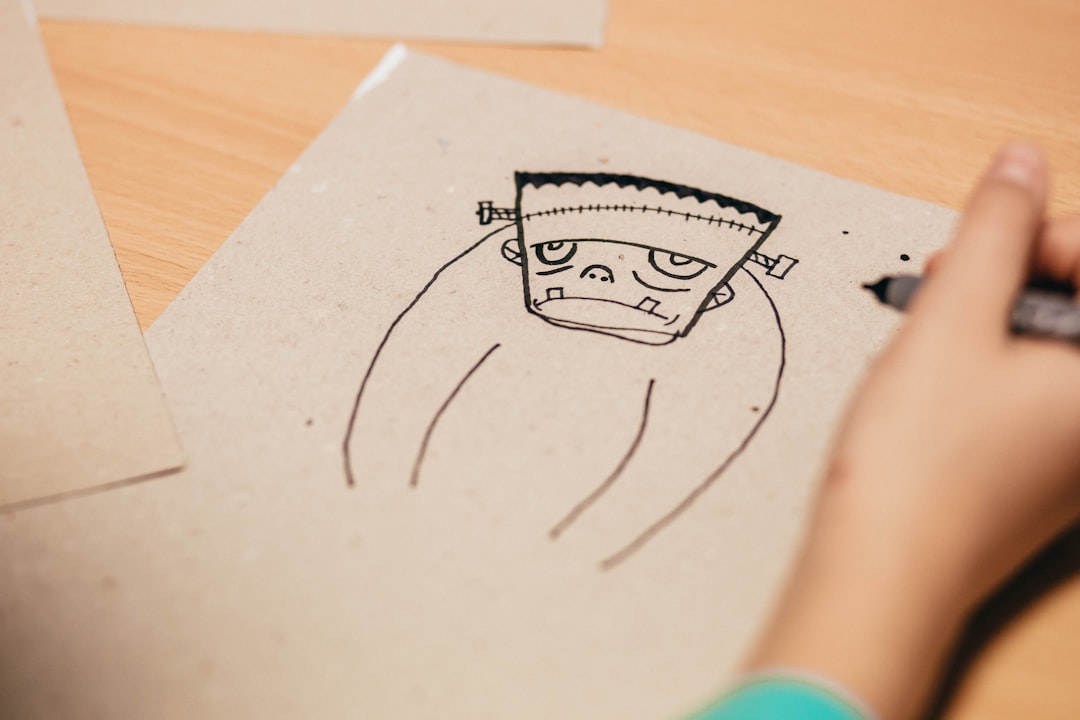
Have you ever wondered why we just can't get enough of the creatures hiding beneath our beds and lurking in the shadows? Whether it's watching a spine-tingling horror movie or telling ghost stories around the campfire, Americans have a long-standing love affair with all things spooky and scary. But what's driving this fascination? Persephone Braham is a Professor of Spanish & Latin American Studies at the University of Delaware and has those answers. She can talk about monsters in a variety of ways including the following: Monsters are therapeutic. They act out our fears – and our fantasies. We love to hate monsters. They channel our anxieties and expose our desires. Monsters sneak into our dreams, stalk us in the dark and make us scream. Why do we love them? Have you hugged a monster today? Why do we need monsters? They keep us from crossing the line. Who believes in monsters? Anyone who considers themselves human. What are monsters, and why do we need them? From ghosts to vampires, every culture has its favorite monsters. Halloween scream: Why we like to play vampires. Who decides what a monster is? You do! Why do zombies want your brains? Monsters and eerie tales serve as representations of our internal anxieties and societal fears. They act as metaphors for the complex emotions and situations we encounter. Braham can give this context and more. She can be contacted by emailing mediarelations@udel.edu.

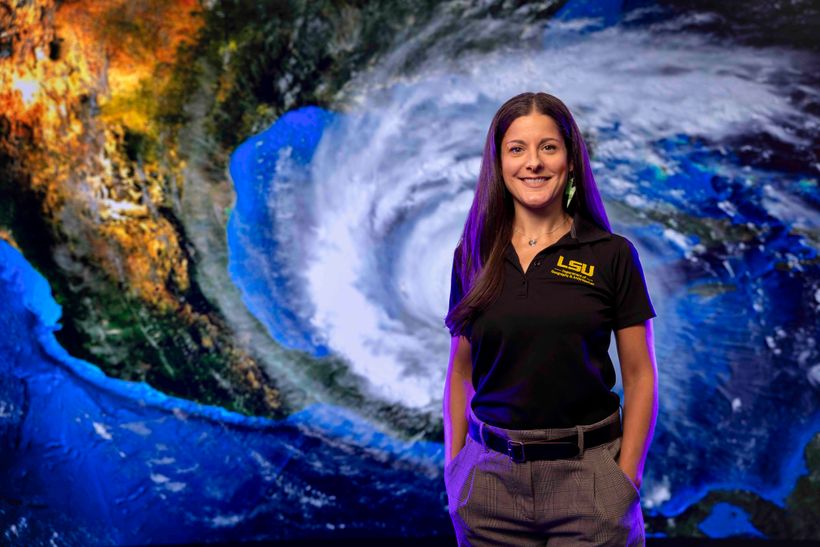
LSU Hurricane Expert Dr. Jill Trepanier Featured in TIME Magazine
For the first time in a decade, no hurricanes have made landfall in the United States through the end of September—a rare and welcome reprieve for coastal communities. But according to LSU hurricane climatologist Dr. Jill Trepanier, the season has been far from quiet. In a recent TIME Magazine feature, Trepanier explains that while no major storms have struck land, powerful systems have still formed over the Atlantic. “There are storms,” she says. “They’re just not making landfall.” Trepanier points to several atmospheric factors behind this pattern, including dry air moving in from the Sahara and a persistent high-pressure system over the Gulf of Mexico that has made conditions unfavorable for hurricane development near the U.S. coast. Another key influence, she notes, is a pressure pattern called the North Atlantic Oscillation, which helps steer storm paths. “When that oscillation pattern shifts closer to Bermuda, it unfortunately drives them directly into the Gulf Coast and the eastern seaboard,” Trepanier says. “It changes over the course of a handful of years, and then back again. It’s this controlling mechanism that has shifted, thankfully, in the favor of those of us at the coast.” Read the full article here: