
Experts Matter. Find Yours.
Connect for media, speaking, professional opportunities & more.

Media Alert: Experts on the Papacy & Conclave
With the Conclave now underway to select the next pope, the world turns its attention to one of the most sacred and consequential rituals in the Catholic tradition. Rooted in centuries of ceremony and held within the hallowed walls of the Sistine Chapel, this moment carries deep historical, theological, and cultural weight. But it is also a defining juncture for the Church itself. The election of a new pope is not only a matter of tradition—it will shape the direction of the Catholic Church as it navigates urgent issues in an increasingly modern and secular world. From social justice and interfaith dialogue to the role of women and the Church’s stance on global challenges, the decisions of the next pontiff will ripple far beyond Vatican walls. Explore our network of leading experts in Catholicism, the papacy, and ecclesiastical governance—and connect with them for timely commentary, interviews, and deeper insight into this pivotal moment for Catholics worldwide. Featured Experts


Reflecting on the Legacy of Pope Francis
Phyllis Zagano, Senior Research Associate-in-Residence, was interviewed by numerous media outlets following the passing of Pope Francis on April 21, 2025. Dr. Zagano is one of the world’s foremost experts on the question of women deacons and in 2016 was appointed to serve on Pope Francis’ “Commission of Study on the Diaconate of Women” to study this issue. She was the only commissioner to travel from the Western Hemisphere. Dr. Zagano was interviewed by the following media outlets: ABC News (Digital) CNN International National Catholic Reporter Newsday New York Post Religion News Service (column) Reuters WCBS-TV Washington Times

With Rise in US Autism Rates, Florida Tech Expert Clarifies What We Know About the Disorder
A new report from the Centers for Disease Control and Prevention (CDC) found that an estimated 1 in 31 U.S. children has autism; that's about a 15% increase from a 2020 report, which estimated 1 in 36. The latest numbers come from the CDC’s Autism and Developmental Disabilities Monitoring (ADDM) Network, which tracked diagnoses in 2022 among 8-year-old children. Autism spectrum disorder (ASD) is a neurological disorder that refers to a broad range of conditions affecting social interaction. People with autism may experience challenges with social skills, repetitive behaviors, speech and nonverbal communication. The news has experts like Florida Tech's Kimberly Sloman, Ph.D, weighing in on the matter. She noted that the definition of autism was expanded to include mild cases, which could explain the increase. “Research shows that increased rates are largely due to increased awareness and changes to diagnostic criteria. Much of the increase reflects individuals who have fewer support needs, women and girls and others who may have been misdiagnosed previously," said Sloman. Her insight follows federal health secretary Robert F. Kennedy Jr.'s recent declaration, vowing to conduct further studies to identify environmental factors that could cause the disorder. In his remarks, he also miscategorized autism as a "preventable disease," prompting scrutiny from experts and media attention. “Autism destroys families,” Kennedy said. “More importantly, it destroys our greatest resource, which is our children. These are children who should not be suffering like this.” Kennedy described autism as a “preventable disease,” although researchers and scientists have identified genetic factors that are associated with it. Autism is not considered a disease, but a complex disorder that affects the brain. Cases range widely in severity, with symptoms that can include delays in language, learning, and social or emotional skills. Some autistic traits can go unnoticed well into adulthood. Those who have spent decades researching autism have found no single cause. Besides genetics, scientists have identified various possible factors, including the age of a child’s father, the mother’s weight, and whether she had diabetes or was exposed to certain chemicals. Kennedy said his wide-ranging plan to determine the cause of autism will look at all of those environmental factors, and others. He had previously set a September deadline for determining what causes autism, but said Wednesday that by then, his department will determine at least “some” of the answers. The effort will involve issuing grants to universities and researchers, Kennedy said. He said the researchers will be encouraged to “follow the science, no matter what it says.” April 17 - Associated Press Sloman emphasized that experts are confident that autism has a strong genetic component, meaning there's an element of the disorder that may not be preventable. However, scientists are still working to understand the full scope of the disorder, and much is still unknown. “We know that there’s a strong genetic component for autism, but environmental factors may interact with genetic susceptibility," Sloman said. "This is still not well understood.” Kimberly Sloman’s research interests include best practices for treating individuals with autism spectrum disorder (ASD). She studies the assessment and treatment of problem behavior with methods such as stereotypy, individualized skill assessments and generalization of treatment effects. Are you covering this story or looking to know more about autism and the research behind the disorder? Let us help. Kimberly is available to speak with media about this subject. Simply click on her icon now to arrange an interview today.


The Lost Girls of Autism is published on 3 April 2025, coinciding with Autism Awareness Month in April In the book, Professor Rippon explores the ‘male’ history of autism, and why autism in women has been misunderstood and ignored Professor Rippon will give a free public lecture on the book at Aston University on 6 May 2025. Gina Rippon, professor emeritus of cognitive neuroimaging at Aston University Institute of Health and Neurodevelopment (IHN), has written a new book, entitled The Lost Girls of Autism. The book will be released on 3 April 2025, coinciding with Autism Acceptance Month in April. It has the subtitle ‘How Science Failed Autistic Women and the New Research that’s Changing the Story’. Historically, doctors believed that autism was a male condition, and simply did not look for it in girls and women. This has meant that autistic girls visiting a doctor have been misdiagnosed with anxiety, depression or personality disorders, or are missed altogether. Many women only discover they have the condition when they are much older, missing decades of support. In more recent years, it has become apparent that girls and women with autism have different traits and behaviours to boys and men, and are more likely to hide autistic traits to fit in – known as camouflaging. In The Lost Girls of Autism, Professor Rippon explores the emerging science of female autism, and examines why it has been systematically ignored and misunderstood for so long. Professor Rippon will give a free public lecture about her book on Tuesday 6 May 2025 at 18:00 BST at Aston Business School. Visit https://www.eventbrite.co.uk/e/the-lost-girls-of-autism-an-audience-with-author-gina-rippon-tickets-1304020734119 for more information and tickets. Copies of the book will be on sale at the event. Professor Rippon said: “This book reveals how a ‘male spotlight’ problem has biased many aspects of the autism story, from what autism is, to how we recognise it, and even how brain imagers like me search for answers. It shows how and why autistic women have been unrecognised, overlooked and unsupported. It shines a new light on how the story is changing and how we are now beginning to recognise the full spectrum of the autistic experience. It is for anyone with an interest in autism in all its presentations.”


Best-selling author Kate Summerscale joins Writing Wrongs to explore true crime and justice
The true crime podcast Writing Wrongs continues its exploration of language and justice with a special bonus episode featuring best-selling author and historian Kate Summerscale. Kate is an award-winning historian, journalist and best-selling author known for her meticulous research into historical true crime cases. Her book The Suspicions of Mr. Whicher won the Samuel Johnson Prize for Non-Fiction and was adapted into a major ITV drama. Her latest book, The Peep Show: The Murders at 10 Rillington Place, revisits the infamous Christie case, shedding new light on the victims’ lives, the social conditions of post-war Britain and the power of the press in shaping public perceptions of crime. In this episode, hosts Professor Tim Grant and Dr Nicci MacLeod explore a fresh perspective on the Rillington Place murders, the wrongful execution of Timothy Evans and how forensic linguistics has helped uncover the truth in criminal cases. Following on from the first episode of the series, which examined the Timothy Evans case and the origins of forensic linguistics, this conversation with Kate Summerscale provides fresh historical insights into one of Britain’s most infamous miscarriages of justice. The episode revisits the horrifying crimes of John Christie, whose calculated murders led to one of the most infamous miscarriages of justice in British history. The wrongful conviction and execution of Timothy Evans cast a long shadow over the UK’s legal system and played a pivotal role in the eventual abolition of the death penalty. Through expert discussion, the episode examines how Evans’ case became a turning point for criminal justice reform. The conversation also looks at the role of the media in shaping crime narratives. Sensationalist reporting during the Rillington Place murders fuelled public perceptions, sometimes distorting the truth in favour of dramatic storytelling. The episode draws comparisons between 1950s tabloid journalism and today’s true crime media, examining how crime reporting has evolved - and the ethical challenges it still faces. A deeply unsettling aspect of this case is its gendered nature. The majority of John Christie's victims were vulnerable women, many facing financial and social instability. The episode delves into how structural inequalities, from the lack of legal abortion to economic dependence, made women more susceptible to predatory figures like Christie, a pattern that remains relevant in crime analysis today. Finally, the episode scrutinises government complicity in covering up a miscarriage of justice. The Brabin Inquiry, launched in the 1960s, sought to reexamine Evans’ conviction but delivered a highly controversial conclusion, failing to fully exonerate him. The discussion highlights how political interests and legal reputation management influenced the case’s outcome, leading to Evans’ eventual posthumous pardon - but not a full legal exoneration. Tim Grant, professor of forensic linguistics at Aston University, said: “It was wonderful to have Kate on Writing Wrongs. “Her work challenges the traditional true crime narrative, shifting focus from the murderer to the victims and the broader social structures that allow such crimes to happen. “Her insights in this episode provide a fresh and deeply researched perspective on a case that still haunts British legal history.” Writing Wrongs is available on Spotify, Apple Podcasts and all major streaming platforms. Listeners are encouraged to subscribe, share and engage with the hosts by submitting their forensic linguistics questions. Whether it’s about this case or broader forensic linguistic techniques, Professor Grant and Dr MacLeod welcome inquiries from listeners.

Racial Disparities in Maternal Mortality Rates Need More Time to Improve
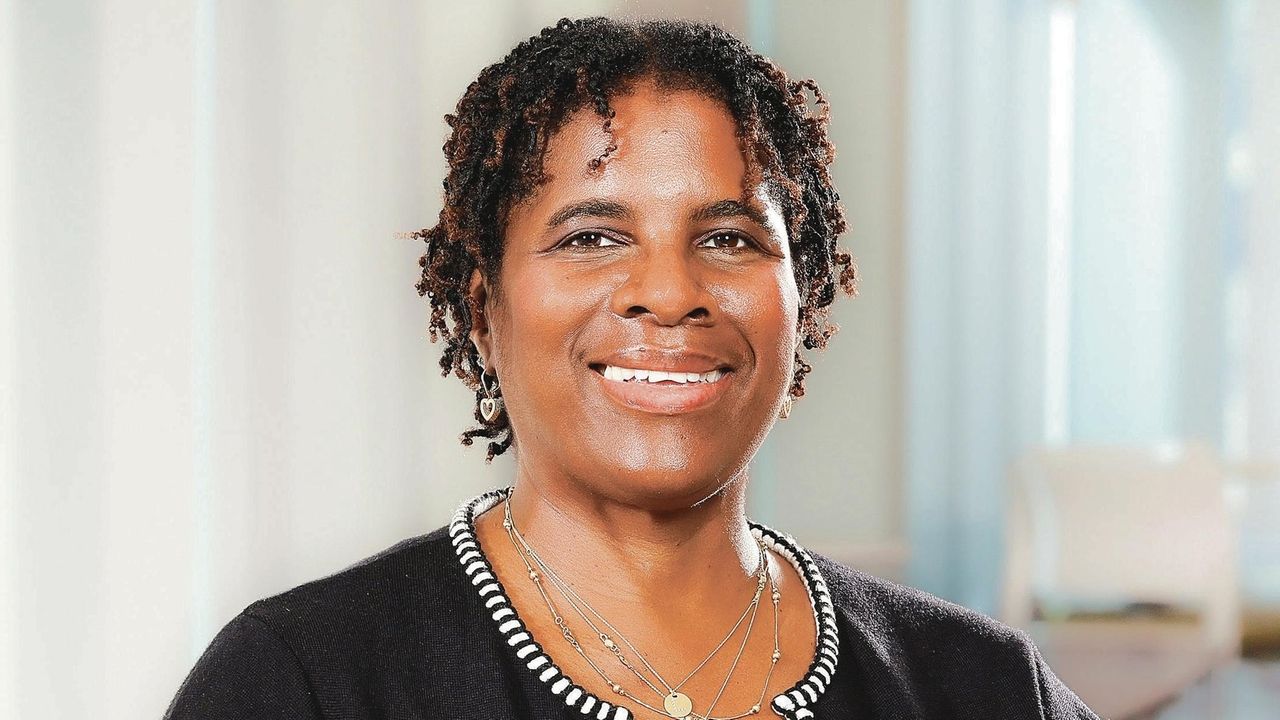
A Newsday story on racial disparities in maternal mortality rates in New York featured an interview with Dr. Martine Hackett, associate professor and chair of Hofstra’s Department of Population Health. While national statistics have improved overall in recent years, experts say it will take more time to close the gap. National statistics released by the Centers for Disease Control and Prevention show overall maternal mortality across the U.S. dropped for the second year in a row. However, while the rate for white women, decreased from 19 deaths per 100,000 live births in 2022 to 14.5 in 2023, it rose from 49.5 to 50.3 for Black women. Dr. Hackett, cofounder of Birth Justice Warriors, called the disparity “shocking” and said, “When you’re looking to address a problem as big and complex as maternal mortality, it is going to take a long time.”


In another milestone commitment to community health, ChristianaCare today announced a $1.6 million investment in 25 local nonprofits, unveiling the recipients of its Community Investment Fund during a special celebration at The Ministry of Caring in Wilmington. Since 2019, ChristianaCare’s Community Investment Fund has provided more than $5.6 million to 64 organizations, addressing social, behavioral and environmental health factors. ”ChristianaCare is empowering and supporting our nonprofit partners so they can help meet the many needs of the people they serve, and work with us to improve patient health and create healthy communities and a healthy Delaware,” said Bettina Tweardy Riveros, chief health equity officer at ChristianaCare. This year’s recipients received funding to support health improvement initiatives in neighboring communities and address critical issues and community needs. “Each of these recipients is making a significant and positive impact by addressing critical health challenges throughout our communities, including food insecurity, housing insecurity and environmental health. At ChristianaCare, we are honored to be joining forces with these 25 organizations to provide them with more resources so that they do more for those in need. It is another way we care for our community,” she said. The funded initiatives will be implemented throughout the upcoming year and were selected based on the quality of applicants’ proposals and implementation plans, and on the alignment of their proposals with the critical issues prioritized by the community in ChristianaCare’s Community Health Needs Assessment and Community Health Implementation Plan. Recipient Spotlight: Healthy Food for Healthy Kids "The impact of ChristianaCare’s 2024 Community Investment Awards funds on Healthy Foods for Healthy Kids will be felt not only in 2025 but for years to come. This funding will expand our program to an additional school, serving over 600 more students, and support data and research for future growth." Healthy Food for Healthy Kids, Lydia Sarson, Executive Director. Recipient Spotlight: Project New Start “Approximately 85% of the justice-involved individuals served by Project New Start are housing and food insecure. With ChristianaCare’s 2024 Community Investment Fund Award to Project New Start, which began 11/01/24, we have already been able to assist 23 individuals with clothing and household goods; 20 individuals with transportation assistance; 17 individuals with food support; and 7 individuals with housing as of 12/31/24. The impact of these funds cannot be overstated as this investment by ChristianaCare provides Project New Start the means to provide the critical basic needs an individual requires to live with dignity without the trauma of worrying about where they will sleep, how they will eat and how they can sustain employment. We are so grateful to ChristianaCare for their ongoing support.” Priscilla Turgon, Founder and Executive Director of Project New Start, Inc. Recipient Spotlight: YMCA of Delaware - Central YMCA Supportive Housing Program “The Central YMCA Supportive Housing Program, in partnership with Christiana Care, serves low-income men at risk of homelessness who often face trauma, addiction, disabilities or lack of family support. Through stable housing, nutritious meals, welcome packages, rental assistance and supportive activities, the program fosters community wellbeing, improves health outcomes, prevents homelessness and empowers residents to achieve self-sufficiency.” Jimia Redden, Executive Director of Housing. This year’s Community Investment Fund recipients are: • AIDS Delaware: AIDS Delaware’s mission is to eliminate the spread and stigma of HIV/AIDS, improve the lives of those living with HIV/AIDS and promote community health through comprehensive and culturally sensitive services, education programs and advocacy. • Black Mothers in Power: Black Mothers in Power seeks to eradicate racial health disparities for Black birthing people and Black babies throughout Delaware. • Boys & Girls Club of DE: Boys & Girls Clubs of Delaware inspires and enables young people, especially those most in need, to reach their full potential as productive, responsible, caring citizens. • Children and Families First DE: Children & Families First is one of Delaware's oldest and most trusted non-profit leaders in providing the supports and services children and their families need to thrive. • Claymont Community Center - Brandywine Resource Council: Claymont Community Center is a base for a variety of community organizations supporting educational, social, recreational, cultural, personal development, financial and wellness needs. • Delaware Center for Horticulture: The Delaware Center for Horticulture cultivates greener communities by inspiring appreciation and improvement of the environment through horticulture, education and conservation. • Delaware Futures, Inc: Delaware Futures empowers at-promise high school and middle school youth across the state of Delaware by providing year-round, trauma-informed curricula tailored to students at each grade level. • Delaware Nature Society: Delaware Nature Society connects people and nature to create a healthy environment for all through education, conservation and advocacy. • Do Care Doula: Do Care Doula provides grant-funded Doula training and development, subsidized Doula support and a variety of community outreach programs. • Healthy Food for Healthy Kids: Healthy Food for Healthy Kids supports educators in Delaware, bringing life-lasting benefits of gardening and good nutrition to kids. • Jefferson Street Center: The mission of JSC is to advance community-driven priorities in Northwest Wilmington that promote the conditions necessary for all residents to thrive. • Latin American Community Center: LACC seeks to empower members to become contributing members of society through advocacy and offers programs and services to anyone ages of one to 101. • Milford Housing Development Corporation: Milford Housing Development Corporation is a value-driven, nonprofit, affordable housing developer, providing services throughout Delaware. Its mission is to provide decent, safe, affordable housing solutions to people of modest means. • Ministry of Caring: Since Brother Ronald began the ministry in 1977 with the first shelter for homeless women on the Delmarva Peninsula, the Ministry has worked ceaselessly to ease the needs and struggles of our neighbors. • ONCOR Coalition: ONCOR’s vision is to build and promote spaces that connect people to the city and each other. It promotes positive relationships through community-based educational programs and recreational opportunities. • Our Daily Bread Dining Room of MOT: ODB is the only soup kitchen in the Middletown, Odessa and Townsend region. ODB is a volunteer run organization with over 300 volunteers. Volunteers help purchase and pick up food and ingredients, prepare and serve meals and clean and maintain the facility. • Project New Start: Project New Start provides a comprehensive cognitive behavioral change/workforce development initiative for individuals transitioning out of state and federal institutions. • Ray of Hope Mission Center: Ray of Hope’s mission is to recognize and address the needs of those who are struggling within our community and assist them in their efforts to provide for themselves and their families, both physically and spiritually. • St. Patrick's Center: Serving people in Wilmington’s East Side neighborhood since 1971, St. Patrick’s Center is a nonprofit organization that operates a Senior Center, and provides meals, groceries, clothing, paratransit and social service support to the public. • The Resurrection Center: The purpose of the Resurrection Center is to spread the gospel of Jesus Christ and create a spirit-filled environment that hungers for the Gospel and to serve as liberating agents in the midst of the world. • Voices of Hope: Voices of Hope’s mission is to empower lives and foster recovery. The nonprofit is dedicated to supporting individuals and families facing substance use disorder. Through compassion, education and community engagement, Voices of Hope strives to break the chains of addiction, promoting a healthier, brighter future for all. • West End Neighborhood House: At West End Neighborhood House, staff, clients, volunteers and donors work together to resolve complex social challenges throughout Delaware. Through outcomes-driven programming, the West End Neighborhood House provide support that meets community needs in finances, housing, education, employment and family services. • Westside Family Healthcare: Westside Family Healthcare is a community-minded, non-partisan health center located in Delaware. Westside opened its doors in 1988 and has maintained status as a Federally Qualified Health Center since 1994. • Wilmington HOPE Commission Inc.: The Hope Commission is a reentry program that helps formerly incarcerated men return to their community. It offers support services that address factors known to lead to repeat offenses. • YMCA of Delaware: The Central YMCA Supportive Housing Program offers housing for men aged 18 and older. Residents benefit from dorm-style accommodations, discounted access to the fitness center and connections to a range of health and human service providers in partnership with the YMCA.



More than half of U.S. states allow the sale of raw milk directly from farms to consumers, a number that would likely increase if Robert F. Kennedy Jr. – a raw milk advocate – is confirmed to lead the Department of Health and Human Services (DHHS). Kali Kniel, a professor of microbial food safety at the University of Delaware, can discuss the dangers and potential benefits of drinking raw milk. Some have celebrated the legalization of raw milk around the country, claiming it tastes better and has some nutritional benefits. Meanwhile, the U.S. Food and Drug Administration, one of the DHHS agencies Kennedy would lead, cautions against drinking raw milk, which comes directly from cows, sheep or goats and has been banned from being sold across state lines since the 1980s. Concerns regarding raw milk have been elevated as a deadly strain of bird flu is infecting dairy farms around the country. In the following Q&A, Kniel talks about the pathogens that may be present in raw milk, ways to communicate food safety to the public and other topics. Milk and other dairy products that sit on shelves at the grocery store are pasteurized. What does this process involve and why is it important for dairy products? Pasteurization of milk is a process of heating milk and passing it between heated stainless steel plates until it reaches 161 degrees Fahrenheit. It is held at that temperature for around 15 seconds before it is quickly cooled to 39 degrees Fahrenheit. This process is intended to kill the pathogenic bacteria that could make a person sick. How does this process affect milk’s quality and nutritional value? Scientific studies have shown that pasteurization does not significantly change the nutritional value of milk. Unpasteurized milk may have more vitamin C, which does not survive the pasteurization process, but milk is not considered a good source of vitamin C, as it contains less than 10% of the Recommended Dietary Allowance (RDA), the average amount of nutrients it takes to meet a healthy person’s needs. There are no beneficial bacteria in raw milk. Milk (pasteurized or raw) is not a good source of probiotic or potentially beneficial bacteria, so for that consumers should choose yogurt and other fermented dairy products as well as other fermented products. Scientific studies using animal models have shown no difference in how calcium in raw milk and pasteurized milk is absorbed by the human body. Popularity in drinking raw milk is increasing, despite the U.S. Food and Drug Administration advising that it’s not safe to drink. What are the health risks that come with drinking raw milk? Raw milk may contain pathogenic bacteria, including Campylobacter, Salmonella, pathogenic types of E. coli, Listeria and Brucella, as well as the protozoan parasite Cryptosporidium. These are all zoonotic microbes, which means they can be transmitted from animals to humans. Often the animal does not appear ill, so it is not possible to determine if an ill animal is shedding these pathogens in its feces that can contaminate milk. Microbial testing of the finished product and environmental monitoring programs may be helpful, but do not guarantee that the raw milk is absent of these pathogens. Milk can be contaminated with these pathogens from direct contamination with feces or from environmental conditions. Cross-contamination from dairy workers can also happen, even when people are trying their best to reduce the risk of cross-contamination. The likelihood of a disease outbreak occurring associated with a person consuming raw milk is relatively high given that others may also be exposed. Unpasteurized milk will have a relatively short shelf life and may not be available for testing. Following good hygiene practices on the farm and during milking such as biosecurity around the farm, appropriately sanitizing equipment and monitoring the health of animals can reduce the chance of milk contamination, but not eliminate it. There have been numerous outbreaks of illness associated with raw milk as well as cheese made from raw milk. Persons most at risk of illness associated with drinking raw milk include children, in particular 5 years of age and under, individuals aged 65 and over, pregnant women and immunocompromised individuals. It should be noted that all outbreaks of illness associated with raw milk have included individuals under 19 years of age. Children may be most vulnerable, as they cannot voice an opinion on consumption and risk of raw milk if it is in their household. The Center for Disease Control and Prevention (CDC) collects data on foodborne disease outbreaks voluntarily reported by state, local or territorial health departments. According to the CDC from 2013 to 2018 there were 75 outbreaks of illness linked to raw milk consumption. These outbreaks include 675 illnesses and 98 hospitalizations. Most of these illnesses were caused by Campylobacter, shiga-toxigenic E. coli, or Salmonella. An increase in outbreaks has been correlated with changes in the availability of raw milk. For example, between 2009 and 2023, there were 25 documented outbreaks in the state of Utah, which has 16 raw milk retailers licensed by the Utah Department of Agriculture and Food. In all of these outbreaks, the raw milk was contaminated with the bacteria Campylobacter, which typically causes gastroenteritis symptoms like diarrhea and nausea, but may also cause chronic illness, including Guillain-Barré syndrome which can cause paralysis. How likely are these illnesses to happen from drinking raw milk? It is difficult to say. Foodborne illness is often underreported, depending on how severe people’s symptoms are. According to one study, only about 3.2% of the U.S. population drinks raw milk, while about 1.6% eats cheese made from raw milk. But compared with consumers of pasteurized dairy products, they are 840 times more likely to experience an illness and 45 times more likely to be hospitalized. The authors of this work used the CDC’s national reporting system to analyze data from 2009 to 2014. Despite health risks, why do some people still drink raw milk? Some people feel a nostalgic connection to raw milk, and others may feel that foods that are not treated with heat retain certain nutrients and enzymatic activity. I am not aware of any peer-reviewed rigorous scientific studies that indicate the nutritional benefits of consuming raw milk over time, given the risks of potential for illness, combined with a well balanced diet full of healthful food choices. It remains that raw milk is particularly risky for children to consume, as children can get sick from consuming fewer bacterial cells compared to adults. More than 900 cases of highly pathogenic avian influenza — the disease commonly known as bird flu — have been detected in dairy cattle across 16 states, and at least 40 people have been infected with the disease from close contact with dairy cows. Raw milk is being tested for the virus. With raw milk gaining interest among consumers, what are the possible consequences? Does it elevate the risk of bird flu spreading further to people? There remain clear risks of transmission of pathogenic bacteria through consumption of raw milk, and now with the potential for contamination of raw milk with avian influenza, it is even more important that consumers protect themselves by drinking pasteurized milk. The people most at risk right now are those involved with the milking process and in the handling of dairy cattle. So it is important that those individuals be aware of the risks and take appropriate precautions, including hand washing and wearing appropriate personal protective equipment like protective clothing, gloves, face shields and eye protection. As of December, the U.S. Department of Agriculture is requiring 13 states to share raw milk samples so the agency can test for bird flu viruses. How could this testing better help us understand the virus? I think it is very smart that USDA is leading the National Milk Testing Strategy, which will help us understand the extent of infected herds. Surveillance of microorganisms is an important way to assess risk so we can develop appropriate strategies to reduce and control these risks.


The new device is designed to reduce the risk of injuries when medicines being delivered into a vein enter the surrounding tissues It detects this problem at the earliest stages, before it is visible to the human eye The project is being supported by SPARK The Midlands at Aston University, a network to support technology development for unmet clinical needs. Clinicians at Birmingham Women’s and Children's NHS Foundation Trust (BWC) have joined with academics at Aston University to create an innovative sensor to reduce the risk of injuries caused when drugs being delivered into a vein enter the surrounding tissue. This complication, called extravasation, can cause harm and, in the most severe cases, life-changing injuries and permanent scarring. It happens most often when infusing medicines into peripheral intravenous (IV) devices, such as a cannula, but can also occur when infusing into a central venous access device. By joining together, BWC and Aston University are combining clinical, academic and engineering expertise to create a sensor that can detect extravasation at its earliest stages. Karl Emms, lead nurse for patient safety at BWC, said: “We've done lots of work across our Trust that has successfully reduced incidents. While we've made fantastic progress, there is only so much we can do as early signs of extravasation can be difficult to detect with the human eye. “The next step is to develop a technology that can do what people can't - detection as it happens. This will make a huge impact on outcomes as the faster we can detect extravasation, the less likely it is that it will cause serious harm.” The focused work to date addressing the issue has recently been recognised by the Nursing Times Awards 2024, winning the Patient Safety Improvement title for this year. This new project is supported by SPARK The Midlands, a network at Aston University dedicated to providing academic support to advance healthcare research discoveries in the region. SPARK The Midlands is the first UK branch of Stanford University's prestigious global SPARK programme. It comes as a result of Aston University’s active involvement in the delivery of the West Midlands Health Tech Innovation Accelerator (WMHTIA) – a government-funded project aimed at helping companies drive their innovations towards market success. The SPARK scheme helps to provide mentorship and forge networks between researchers, those with technical and specialist knowledge and potential sources of funding. SPARK members have access to workshops led by industry experts, covering topics such as medical device regulations, establishing good clinical trials, and creating an enticing target product profile to engage future funders. Luke Southan, head of research commercialisation at Aston University and SPARK UK director, said: “I was blown away when Karl first brought this idea to me. I knew we had to do everything we could to make this a reality. This project has the potential to transform the standard of care for a genuine clinical need, which is what SPARK is all about.” Work on another potentially transformative project has also begun as the team are working to develop a medical device that detects the position of a nasogastric feeding tube. There is a risk of serious harm and danger to life if nasogastric tubes move into the lungs, rather than the stomach, and feed is passed through them. Emms explained: “pH test strips can usually detect nasogastric tube misplacement, but some children undergoing treatment can have altered pH levels in the stomach. This means this test sometimes does not work. “A medical device that can detect misplacement can potentially stop harm and fatalities caused by these incidents.” SPARK will bring together engineers, academics and clinicians for both projects to develop the devices for clinical trial, with a goal of the technologies being ready for clinical use in three to five years. Southan said: “BWC is one of our first partners at SPARK and we're really excited to work with them to make a vital impact on paediatric healthcare in the Midlands and beyond." Notes to editors About Aston University For over a century, Aston University’s enduring purpose has been to make our world a better place through education, research and innovation, by enabling our students to succeed in work and life, and by supporting our communities to thrive economically, socially and culturally. Aston University’s history has been intertwined with the history of Birmingham, a remarkable city that once was the heartland of the Industrial Revolution and the manufacturing powerhouse of the world. Born out of the First Industrial Revolution, Aston University has a proud and distinct heritage dating back to our formation as the School of Metallurgy in 1875, the first UK College of Technology in 1951, gaining university status by Royal Charter in 1966, and becoming the Guardian University of the Year in 2020. Building on our outstanding past, we are now defining our place and role in the Fourth Industrial Revolution (and beyond) within a rapidly changing world. For media inquiries in relation to this release, contact Helen Tunnicliffe, Press and Communications Manager, on (+44) 7827 090240 or email: h.tunnicliffe@aston.ac.uk About Birmingham Women’s and Children’s NHS Foundation Trust Birmingham Women’s and Children’s NHS Foundation Trust (BWC) brings together the very best in paediatric and women’s care in the region and is proud to have many UK and world-leading surgeons, doctors, nurses, midwives and other allied healthcare professionals on its team. Birmingham Children’s Hospital is the UK’s leading specialist paediatric centre, caring for sick children and young people between 0 and 16 years of age. Based in the heart of Birmingham city centre, the hospital is a world leader in some of the most advanced treatments, complex surgical procedures and cutting-edge research and development. It is a nationally designated specialist centre for epilepsy surgery and also boasts a paediatric major trauma centre for the West Midlands, a national liver and small bowel transplant centre and a centre of excellence for complex heart conditions, the treatment of burns, cancer and liver and kidney disease. The hospital is also home to one of the largest Child and Adolescent Mental Health Services in the country, comprising of a dedicated inpatient Eating Disorder Unit and Acute Assessment Unit for regional referrals of children and young people with the most serious of problems (Tier 4) and Forward Thinking Birmingham community mental health service for 0- to 25-year-olds. Birmingham Women’s Hospital is a centre of excellence, providing a range of specialist health care services to over 50,000 women and their families every year from Birmingham, the West Midlands and beyond. As well as delivering more than 8,200 babies a year, it offers a full range of gynaecological, maternity and neonatal care, as well as a comprehensive genetics service, which serves men and women. Its Fertility Centre is one of the best in the country, while the fetal medicine centre receives regional and national referrals. The hospital is also an international centre for education, research and development with a research budget of over £3 million per year. It also hosts the national miscarriage research centre – the first of its kind in the UK - in partnership with Tommy’s baby charity. For interview requests please email the Communications Team on bwc.communications@nhs.net


Villanova Professor Releases Study on Gender Dynamics in the Beer-Drinking Community
Earlier this month, thousands of revelers donned dirndls and lederhosen to mark Oktoberfest, the annual celebration of Bavarian fare, oompah music and, above all else, beer. The fall festival is just one of many occasions, including happy hours, brewery tours and sporting events, where Americans enjoy the beverage. In fact, based on a recent report by the Pew Research Center, the U.S. population consumes approximately 6.6 billion gallons of beer each year, which averages out to about 26.5 gallons per adult of legal drinking age. However, while ales, lagers and stouts remain popular choices that bring people together, not everyone feels equally included. A new study by Shelly Rathee, PhD, the Diana and James Yacobucci '73 Assistant Professor of Marketing and Business Law, highlights a gender-based divide within the beer-drinking community, with female consumers often feeling overlooked and left out. "Due to the structure of the beer industry and marketplace, there is reason to believe that firms overproduce products that appeal to male audiences and overly communicate masculine aspects of beer consumption," says Dr. Rathee. "As a result, female consumers are made to feel (and may continue to feel) excluded by beer culture, on average. From a business standpoint, the beer industry may be limiting its total market potential in the process." As Dr. Rathee explains, the beer industry and marketplace are predominately populated by men, and academic literature has long indicated that male dominance in a social or business setting can alter the behaviors of women in myriad ways. In her project, "The Female Consumer Response Implications of Male Dominance in a Product’s Online Community," the professor sought to understand how this trend might manifest itself in an internet forum for beer aficionados, hobbyists and critics. By examining customer review data from the online community BeerAdvocate and conducting tests aimed at assessing gender-based differences in contributions, Dr. Rathee found that female consumers are inclined to defer to the male majority in such settings. In general, women either refrain from sharing their perspectives on products or adopt language characterized by what are commonly referred to as "masculinity themes." "Masculinity and femininity themes were drawn from the text of the online reviews and were identified using dictionaries derived from previous research on these topics," shares Dr. Rathee. "For example, if the consumer liked the taste of the beer, a more feminine way of describing this might be 'pleasant,' while a more masculine way might be 'strong.'" In these terms, the difference in expression might seem subtle. However, as Dr. Rathee contends, the prevalence of tens of thousands of reviews that lean toward a more masculine tone, with few offering a counterbalance, can have noticeable effects. A quick look at the beer aisle in your local supermarket reveals its impact, with bottles and cans featuring images of axe-wielding warriors, dinosaurs and gargoyles. "We found in our research that male dominance in a marketplace leads to lower trial intentions [plans to try or buy something] and brand attitudes among women," elaborates Dr. Rathee. "Therefore, we can argue that companies are likely to produce products, and marketing appeals, that are more targeted at male audiences." Although men are currently more than twice as likely as women to name beer as their preferred alcoholic beverage, Dr. Rathee suggests that there is potential to create opportunities that encourage more female drinkers to engage with beer culture. By fostering environments where women can express their preferences and perspectives, she believes the beer industry can become more inclusive and representative, ultimately enriching the community as a whole. "When featuring reviews on websites, an effort to balance out the presentation of ideas from male and female voices could be helpful," Dr. Rathee says. "Special categories could also be created to drive interest based on demographic characteristics that may include gender, among other factors. A more extreme measure would be to simply avoid including gender as a reviewer characteristic that is publicly viewable." Much like opening tents beside a beer hall, these steps could provide the necessary space and conditions for a more open and robust discussion of products to take place—to the benefit of both consumers and the industry. In the event they're increasingly pursued, that's something to which we can all raise a toast.
