
Experts Matter. Find Yours.
Connect for media, speaking, professional opportunities & more.
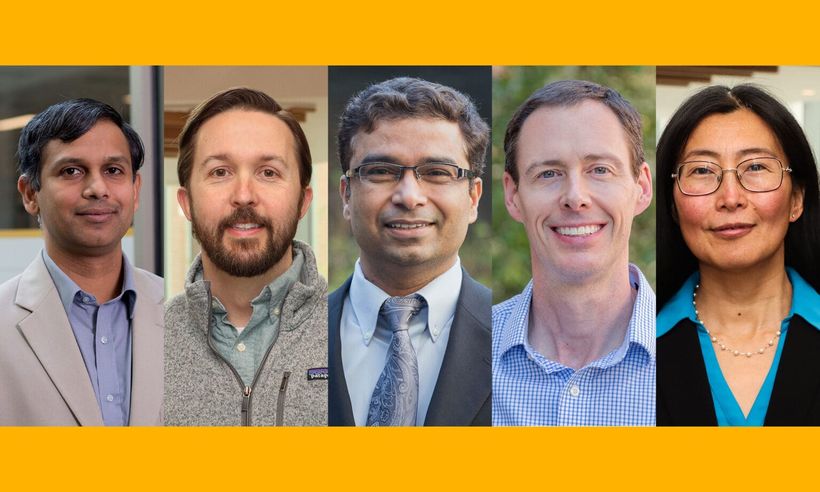
National Academy of Inventors welcomes five VCU College of Engineering researchers
The National Academy of Inventors (NAI) recently inducted five Virginia Commonwealth University (VCU) College of Engineering researchers as senior members. Chosen for their innovative engineering contributions, the honorees are recognized as visionary inventors whose groundbreaking research and patented technologies are driving meaningful societal and economic advancements across the national innovation landscape. “Invention represents the practical application of knowledge and stands as one of the many ways engineers can make a positive impact on their communities and the world,” said Azim Eskandarian, D.Sc, the Alice T. and William H. Goodwin Jr. Dean of the VCU College of Engineering. “This year’s honorees exemplify the interdisciplinary nature of our field, leveraging advanced concepts from mechanical, biomedical, chemical and pharmaceutical engineering to address today’s most pressing challenges. We are immensely proud that our dedicated researchers have earned recognition as members of the esteemed National Academy of Inventors.” The VCU College of Engineering NAI inductees are: Jayasimha Atulasimha, Ph.D. Engineering Foundation Professor Department of Mechanical & Nuclear Engineering An internationally recognized pioneer of straintronics, an approach to electrically control magnetism for ultra-low-energy computing, Atulasimha has made significant research contributions to next-generation memory, neuromorphic hardware and emerging quantum computing technologies. He holds four U.S. patents spanning energy-efficient magnetic memory, nanoscale computing architectures and medical tools. Atulasimha’s commercially viable inventions are funded by organizations like the Virginia Innovation Partnership Corporation and he leads multi-institutional collaborations that drive innovation in computing hardware, AI and quantum technologies with more than $10 million in funded research. Casey Grey, Ph.D. Postdoctoral Research Associate Department of Mechanical & Nuclear Engineering Bridging engineering and medicine, Grey’s work spans life‑saving stroke technologies, breakthrough respiratory and neurological care, and sustainable packaging. As a lead R&D scientist at WestRock, he helped create and commercialize the CanCollar® portfolio, a recyclable paperboard replacement for plastic beverage rings now used on five continents, eliminating thousands of tons of single‑use plastic annually. In medical device innovation, Grey’s patent and development work on a novel cyclic aspiration thrombectomy platform, currently in clinical trials, is advancing stroke treatment by enhancing clot removal efficiency and reducing long‑term disability. At the VCU College of engineering, Grey built a research and commercialization pipeline around neurological and respiratory technologies, securing eight provisional patents and leading multidisciplinary teams in neurology, neurosurgery, surgery, pharmacology and toxicology, internal medicine, and respiratory medicine. His work includes developing dry powder inhaler strategies for delivering life‑saving drugs to patients with acute respiratory distress syndrome (ARDS), a pediatric bubble CPAP system designed to protect brain development in premature infants, and non‑invasive, non‑pharmacological 40 Hz neuromodulation therapies to treat neurodegeneration and conditions with significant central nervous system complications, like sickle cell disease. In collaborations with the VCU Children’s Hospital and VCU Critical Care Hospital, Grey is leading two clinical studies that are translating these innovations to improve patient care. Ravi Hadimani, Ph.D. Associate Professor and Director of Biomagnetics Laboratory Department of Mechanical & Nuclear Engineering Hadimani founded RAM Phantoms LLC, a VCU startup company, commercializing anatomically accurate, MRI-derived brain phantoms for neuromodulation and neuroimaging applications. These brain phantoms help test and tune transcranial magnetic and deep brain stimulation technologies, improving clinical safety and enabling personalized therapy for patients. RAM Phantoms is also developing a highly-skilled workforce for employment in Virginia’s growing biomedical device industry. Beyond commercialization, Hadimani maintains a productive research program with more than $4.5 million in funding resulting in 125 original peer-reviewed publications, 17 current and pending patents, a book, and several book chapters. His biomagnetics lab serves as a training ground for undergraduate, graduate and Ph.D. students to hone their skills in innovation management, intellectual property strategy and startup development. Several students from Hadimani’s lab have engaged in translational research, patent co-authorship and start-up formation, cultivating a new generation of engineer-entrepreneurs equipped to drive future technological advances. Before joining VCU, Hadimani led the development of hybrid piezoelectric–photovoltaic materials that established FiberLec Inc., which commercialized multifunctional energy-harvesting fibers capable of converting solar, wind and vibrational energy into usable electricity. Worth Longest, Ph.D. Alice T. and William H. Goodwin, Jr. Distinguished Chair Department of Mechanical & Nuclear Engineering Uniting aerosol science, biomedical engineering and computational modeling, Longest is revolutionizing inhaled drug delivery. Working with collaborators, his lab has developed novel devices, formulations and delivery platforms that precisely target medications to the lungs, addressing conditions like cystic fibrosis, pneumonia, acute respiratory distress syndrome and neonatal respiratory distress syndrome. These innovations have resulted in multiple patents. Some of them have been licensed through commercial partnerships like Quench Medical, an organization advancing inhaled therapies for applications like lung cancer. Collaborating with the Gates Foundation and the lab of Michael Hindle, Ph.D., from the VCU Department of Pharmaceutics, Longest’s team developed a low-cost, high-efficacy aerosol surfactant therapy for pre-term infants based entirely on technology developed at VCU. The invention eliminates intubation, reduces dosage by a factor of 10, and cuts treatment costs. Over 9 million infant lives are projected to be saved by this technology between 2030 and 2050. Through a long-term collaboration with the U.S. Food and Drug Administration, Longest’s in vitro and computational methods provide federal regulatory guidance for generic inhaled medications. The VCU mouth-throat airway models developed under his leadership are used globally across the pharmaceutical industry and in government laboratories. Hong Zhao, Ph.D. Associate Professor Department of Mechanical & Nuclear Engineering Zhao holds 40 patents with innovations spanning additive manufacturing, stretchable electronics, inkjet printing technologies and superoleophobic materials that repel oils, greases, and low-surface-tension liquids. Her research has applications across health care, sustainable energy and advanced manufacturing. Prior to joining the College of Engineering, Zhao served as a senior research scientist and project leader at the Xerox Research Center, where she developed high-performance materials and printing technologies for commercial deployment. Her industry experience makes Zhao’s lab a hub for innovation and mentorship, with students engaging in innovative research and co-authoring publications. Zhao is an invited reviewer for more than 50 premier journals and grant agencies. “Working with distinguished researchers and innovators like those inducted into the National Academy of Inventors is a great honor for me,” said Arvind Agarwal, Ph.D., chair of the Department of Mechanical & Nuclear Engineering and NAI fellow. “They are an inspiration and showcase the kind of impact engineers can make. Having all five of these innovators as part of our department amplifies the scientific richness of our college and its societal impact. They advance the college’s mission of Engineering for Humanity, with research that brings a positive change to our world.” The 2026 NAI class of senior members, composed of 231 emerging inventors from NAI’s member institutions, is the largest to date. Hailing from 82 NAI member institutions across the globe, they hold over 2,000 U.S. patents.




AI Everywhere: Where Artificial Intelligence and Health Care Intersect
Imagine a world where AI doesn’t just support health care providers, but anticipates their next move — detecting diseases faster than human eyes, analyzing patterns and patient data that humans might overlook and revolutionizing health care decision making at every level. Driven by data, AI can identify which patients are most likely to have repeated emergency department visits or thrive from personalized medicine. With the power of robotics enhanced by AI, people with medical needs can gain more independence, managing daily tasks such as taking medication, monitoring their health and receiving personalized care, all from the comfort of their own homes. And this is just the beginning. “AI is transforming – and is going to continue transforming – every industry, especially health care,” said Bharat Rao, a notable figure in the fields of health care, technology and AI. Rao himself has made significant contributions to artificial intelligence, machine learning and data analytics, particularly in health care innovation. His current start-up, CareNostics, uses AI technology to identify patients at increased risk for chronic disease. “We take this for granted,” he said, “but it’s like what I used to see on Star Trek as a kid. The opportunities are limitless.” Rao was a keynote speaker at ChristianaCare’s inaugural Innovation Summit, a two-day conference at ChristianaCare’s Newark campus in Delaware, in fall 2024. During panel discussions and keynotes, more than 200 attendees heard about current and future health tech from national innovators and thought leaders, as well as technical advice for inventors who want to patent ideas and protect intellectual property in a world where “AI Is Everywhere,” the conference’s theme. Speakers emphasized that it’s not just technologists, but also researchers, clinicians and other health care professionals who play an essential role in implementing AI-based health care solutions. “There’s no AI without HI, which is human intelligence,” said Catherine Burch, MS, CXA, CUA, vice president of innovation at ChristianaCare. “You want to help shape the future, not wait for it to shape you.” How AI helps improve patient care “AI is incredibly good at reducing noise in images,” said speaker David Lloyd, a technical leader at Amazon, who discussed the use of AI in radiology. “It can detect anomalies, and it can automate radiologist reports, which saves time for radiologists.” Data informatics is another example of the power of AI to help health professionals determine which patients are at an increased risk for falls, malnutrition or recurrent asthma attacks, enabling them to optimize patient health and prevent hospitalizations. “Some patients with asthma go to the ER repeatedly because their treatment plan isn’t working,” said speaker Vikram Anand, head of data at CareNostics. When patients have uncontrolled asthma, data-rich platforms like CareNostics can provide treating physicians with guidelines and other support to improve patient care, which may lead to evidence-based medication changes or other therapies, he said. Using robots as part of the health care team in patient homes may sound like science fiction, but speakers discussed the current evolution of consumer robotics, like Amazon’s Astro. Astro follows patients around their home, interacts with them and supports their care. When ChristianaCare tested Astro’s impact on HomeHealth patients, they found that it reduced feelings of isolation by 60%. “Astro is like Alexa on wheels,” said speaker Pam Szczerba, PT, MPT, CPHQ, director of ChristianaCare’s HomeHealth quality, education and risk management, who studied patients’ experiences with Astro. “People like interacting with Alexa, but they can only interact in the room they’re in. Astro’s mobility lets it go to the patient.” Based on early successes, health professionals are assessing robots as an extension of clinicians in the home. Early results show that patients with robots show improved activation with their care plans. This may lead to more widespread distribution of household robots to newly diagnosed patients to help prevent disease complications, avoidable emergency department visits and re-hospitalizations. How AI helps ease provider burden Speakers also discussed the potential of AI to improve health care delivery and patient outcomes by handling more administrative work for health professionals. “We can reduce some of the redundancy of work to free up time for people to be creative,” said speaker Terrance Bowman, managing director at Code Differently, a company that educates and prepares people to work in technology-driven workplaces. “AI should be taking the ‘administrivia’ – administrative trivial tasks – out of your life,” said speaker Nate Gach, director of innovation at Independence Blue Cross. “When you want folks to do the creative part of the job that takes brain power, have ChatGPT respond to easy emails.” Other examples shared included the power of AI to record meetings, create summaries and send participants automated meeting minutes. Benefits can be seen across industries. Specific to health care, eliminating the need for note-taking during visits enables more personalized and attentive provider-patient interaction. With the evolution of ambient speech apps, clinicians are no longer just dictating notes into the electronic health record. Now AI is listening to the conversation and creating the notes and associated recommendations. “The physician is no longer spending ‘pajama time’ doing catch-up work, at home late into the evening,” said speaker Tyler Flatt, a director and leading expert in AI and digital transformation at Microsoft. “Especially as we’re dealing with burnout, it’s better for patient and physician satisfaction.” AI may also help caregivers uncover details that they hadn’t noticed, helping them diagnosis patients with subtle symptoms. “We feed a large quantity of data and have it suggest commonalities about patients,” said speaker Matthew Mauriello, assistant professor of computer and information sciences at the University of Delaware. “Some things are very insightful, but humans miss them.” AI has also been used for patient engagement, including chatbots that can assist with tasks like scheduling clinical appointments or acknowledging patient questions. “One of the things AI is great at is natural language understanding,” said David Lloyd. “You can alleviate a lot of the burden if you have something that can talk to your patients, especially if it’s an administrative task.” Creating new health innovations “The key is to think of something you’ve done that’s original and non-obvious,” said Rao, who holds more than 60 patents in AI. “The process of writing about it will help you flesh it out.” Turning breakthrough ideas into game changers is just the start — protecting these innovations is what ensures they shape the future, rather than fade into the past. “Keeping it secret and internal to your organization until you know what you want to do with it is important,” Greg Bernabeo, partner at FisherBroyles, LLP, said. “Otherwise, the opportunity is lost, and you can’t get the genie back in the bottle.” Benefits of non-obvious thinking People who pursue “non-obvious” ideas are often on the cutting edge of technology in and out of health care, said keynote speaker, Ben DuPont, while discussing innovative ideas with Randy Gaboriault, MS, MBA, senior vice president and chief digital and information officer at ChristianaCare. “Amazon was not founded by a book retailer; Airbnb was not founded by somebody who was in hospitality,” said DuPont, author, entrepreneur, and co-founder and partner at Chartline Capital Partners venture capital fund. “Before Uber, the founders were running around Paris and they couldn’t get a taxi.” Innovative ideas often arise when people consider non-obvious points of view while thinking about solutions, DuPont said. Non-experts have the ability to cut through the clutter and find the frustration, which can lead to innovative solutions, which DuPont explores in his book “Non-Obvious Thinking: How to See What Others Miss.” Health providers, for example, may discover ideas when they move out of their comfort zones. “If you want to be a better doctor, go do something that has nothing to do with medicine,” he said. “Innovation happens at the collision of seemingly unrelated disciplines.” Diversity in the workplace is necessary, “but it’s not just diversity in the way people look: It’s diversity in how people think,” DuPont said. “There are people that think in dramatic and different ways. We need those people around the table. They might say: ‘If we just move this little thing over here’ … and it starts an avalanche that changes the world.” Involving the future generation During the Innovation Summit, students with an interest in STEM (science, technology, engineering, and mathematics) from St. Mark’s High School in Wilmington, Delaware, competed against one another at ChristianaCare’s inaugural HealthSpark ChallengeTM. Twenty-six high school juniors and seniors were divided into five teams, then challenged to brainstorm ideas for solutions to address the negative mental health effects of social media on teenagers. Each team created a concept poster and pitched their ideas to Summit attendees. The attendees then voted for their favorite solution. The winning solution, Editing Identifiers, is designed to help minimize negative feelings about body image among teens. The solution would use AI technology to identify altered photos on social media. The goal would be to show teens that photos of “perfect” people aren’t real and alleviate the feelings of body dysmorphia. Looking forward Summit speakers highlighted many ways that AI is already incorporated into health care, as well as ways that health tech, AI, and robotics may improve care for patients in the coming years. “We are just scratching the surface,” Rao said. “It’s like laparoscopic surgery – years ago, it was considered experimental or dangerous. Today, surgery is commonly done laparoscopically, with better outcomes and less infection. AI can help identify care gaps and get the right treatment to the right patient. It’s going to be good for the patient.” In a rapidly evolving landscape, the integration of AI into health care not only enhances patient care but also creates opportunities for innovation and collaboration, said ChristianaCare’s Gaboriault. “As AI continues to advance, the health care industry stands on the brink of a revolution, one where the possibilities are as vast as the data that fuels them.”




The project is a collaboration between Aston University, the University of Sheffield and The Resolution Foundation The project aims to leverage new, big data to help understand regional economic disparities It is funded by the Economic and Social Research Council (ESRC). Aston University, in collaboration with the University of Sheffield and The Resolution Foundation, has launched a significant research project to understand regional productivity and wage disparities in the UK. The project has received £300,000 in funding from the Economic and Social Research Council (ESRC) to uncover the factors driving economic imbalances using recent, big data. The research will analyse how various factors such as workers' education, location choices, business types and sizes and regional infrastructure contribute to wage and productivity differences over the past 20 years. The aim is to understand these differences and suggest practical solutions for national and local governments. Researchers will explore potential drivers of regional productivity gaps, including the clustering of highly skilled workers, regional industrial structures, and local endowments like transport links and housing availability. The findings will help identify effective policy measures to reduce these imbalances. This project also aims to demonstrate how data analysis can help understand regional economic disparities. By reducing start-up costs for future research, it will build a community focused on tackling spatial economic imbalances. Dr Anastasios Kitsos, a senior lecturer in economics at Aston Business School and principal investigator (PI) on the project, said: “This project will analyse the relative importance of productivity drivers using novel, granular data from linked administrative datasets covering workers, firms and localities in England since the 2000s. “This analysis will shed light into how much spatial productivity gaps can be explained by the characteristics of people, firms and places over time, and identify intrinsically more productive locations. “Understanding and addressing the root causes of the UK's severe spatial disparities in economic performance is crucial for fostering inclusive, regionally balanced growth and enhancing national productivity. This project aims to provide actionable insights and build a foundation for future research and policy development in this critical area. “The results will be shared in a comprehensive report detailing these influences over the past 20 years and offering policy recommendations for governments on skills, innovation, infrastructure, and local development strategies.”


Expert Q&A: Should We Permit AI to Determine Gender and Race from Resumes?
The banner ads on your browser, the route Google maps suggests for you, the song Spotify plays next: algorithms are inescapable in our daily lives. Some of us are already aware of the mechanisms behind a targeted ad or a dating profile that lights up our phone screen. However, few of us may actually stop to consider how this technology plays out in the hiring sector. As with any major technological advancement, it usually takes society (and legislation) a while to catch up and adjust for unintended consequences. Ultimately, algorithms are powerful tools. Like any tool, they have the potential for societal benefit or harm, depending on how they’re wielded. Here to weigh in on the matter is Assistant Professor of Information Systems & Operations Management Prasanna Parasurama, who recently joined Emory Goizueta Business School’s faculty in fall of 2023. This interview has been edited for clarity. Describe your research interests in six words. Six words…that’s difficult to do on the spot. How about “the impact of AI and other digital technologies on hiring.” Is that condensed enough? That works! What first interested you in the intersection of AI and hiring practices? Before I did my PhD, I was working as a data scientist in the HR analytics space at a start-up company. That is where my interest in the topic began. But this was a long time ago. People hadn’t started talking much about AI, or algorithmic hiring. The conversation around algorithmic bias and algorithmic fairness picked up steam in the second or third year of my PhD. That had a strong influence on my dissertation focus. And naturally, one of the contexts in which both these matters have large repercussions is in the hiring space. What demographics does your research focus on (gender identity, race/ethnicity, socioeconomic status, all of the above)? Do you focus on a particular job sector? My research mostly looks at gender and race for two main reasons. First, prior research has typically looked at race and gender, which gives us a better foundation to build on. Second, it’s much easier to measure gender and race based on the data that we have available—from resumes, from hiring data, like what we collect from the Equal Employment Opportunity Commission. They typically collect data on gender and race, and our research requires those really large data sets to draw patterns. They don’t ask for socioeconomic status or have an easy way to quantify that information. That’s not to say those are less important factors, or that no one is looking at them. One of the papers you’re working on examines resumes written by self-identified men and women. It looks at how their resumes differ, and how that influenced their likelihood of being contacted for an interview. So in this paper, we’re essentially looking at how men and women write their resumes differently and if that impacts hiring outcomes. Take resume screening algorithms, for example. One proposed way to reduce bias in these screening algorithms is to remove names from resumes to blind the applicant’s gender to the algorithm. But just removing names does very little, because there are so many other things that serve as proxies to someone’s gender. While our research is focused on people applying to jobs in the tech sector, this is true across occupations. "We find it’s easy to train an algorithm to accurately predict gender, even with names redacted." Prasanna Parasurama What are some of those gendered “tells” on a resume? People write down hobbies and extracurricular activities, and some of those are very gendered. Dancing and ballet tend to denote female applicants; you’re more likely to see something like wrestling for male applicants. Beyond hobbies, which is sort of obvious, is just how people write things, or the language they use. Female applicants tend to use a lot more affective words. Men, on the other hand, use more of what we call agentic words. Can you explain that a little more? In social psychology, social role theory argues that men are stereotyped to be more agentic, whereas women are stereotyped to be more communal, and that their communication styles reflect this. There’s essentially a list of agentic words that researchers have come up with that men use a lot more than women. And women are more likely to use affective words, like “warmly” or “closely,” which have to do with emotions or attitudes. These communication differences between men and women have been demonstrated in social sciences before, which has helped inform our work. But we’re not just relying on social science tools—our conclusions are driven by our own data. If a word is able to predict that an applicant’s resume belongs to a female versus male applicant, then we assign different weights, depending on how accurately it can predict that. So we’re not just operating on theories. Were there any gendered patterns that surprised you? If you were to assign masculinity and femininity to particular words, an algorithm would likely assign “married” to be a feminine term in most contexts. But in this particular case, it’s actually more associated with men. Men are much more likely to use it in resumes, because it signals something different to society than when women use it. "One of the most predictive terms for men was references to parenthood. It’s much easier for men to reference kids than for women to reveal information about their household status. Women face a penalty where men receive a boost." Prasanna Parasurama Studies show that people perceive fathers as being more responsible employees, whereas mothers are regarded as less reliable in the workplace. We haven’t studied this, but I would speculate that if you go on a platform like LinkedIn, men are more likely to disclose details about fatherhood, marriage, and kids than women are. There were some other tidbits that I didn’t see coming, like the fact that women are much less likely to put their addresses on their resume. Can AI predict race from a resume as easily as it can predict gender? There’s surprisingly very little we know on that front. From existing literature outside of algorithmic literature, we know differences exist in terms of race, not just on the employer side, where there might be bias, but we also on the worker side. People of different races search for jobs differently. The question is, how do we take this into account in the algorithm? From a technical standpoint, it should be feasible to do the same thing we do with gender, but it just becomes a little bit harder to predict race in practice. The cues are so variable. Gender is also more universal – no matter where you live, there are probably men and women and people who identify as in between or other. Whereas the concept of race can be very specific in different geographic regions. Racial identities in America are very different from racial identities in India, for instance. And in a place like India, religion matters a lot more than it does in the United States. So this conversation around algorithms and bias will look different across the globe. Beyond screening resumes, how does AI impact people’s access to job opportunities? A lot of hiring platforms and labor market intermediaries such as LinkedIn use AI. Their task is to match workers to these different jobs. There’s so many jobs and so many workers. No one can manually go through each one. So they have to train algorithms based on existing behavior and existing design decisions on the platform to recommend applicants to particular jobs and vice versa. When we talk about algorithmic hiring, it’s not just hiring per se, but spaces like these which dictate what opportunities you’re exposed to. It has a huge impact on who ends up with what job. What impact do you want your research to have in the real world? Do you think that we actually should use algorithms to figure out gender or race? Is it even possible to blind AI to gender or race? Algorithms are here to stay, for better or worse. We need them. When we think about algorithmic hiring, I think people picture an actual robot deciding who to hire. That’s not the case. Algorithms are typically only taking the space of the initial part of hiring. "I think overall, algorithms make our lives better. They can recommend a job to you based on more sophisticated factors than when the job was chronologically posted. There’s also no reason to believe that a human will be less biased than an algorithm." Prasanna Parasurama I think the consensus is that we can’t blind the algorithm to gender or other factors. Instead, we do have to take people’s demographics into account and monitor outcomes to correct for any sort of demonstrable bias. LinkedIn, for example, does a fairly good job publishing research on how they train their algorithms. It’s better to address the problem head on, to take demographic factors into account upfront and make sure that there aren’t drastic differences in outcomes between different demographics. What advice would you give to hopeful job candidates navigating these systems? Years of research have shown that going through a connection or a referral is by far the best way to increase your odds of getting an interview—by a factor of literally 200 to 300 percent. Hiring is still a very personal thing. People typically trust people they know. Prasanna Parasurama is an Assistant Professor of Information Systems & Operations Management at Emory University’s Goizueta Business School. Prasanna’s research areas include algorithmic hiring, algorithmic bias and fairness, and human-AI interaction. His research leverages a wide array of quantitative methods including econometrics, machine learning, and natural language processing. Prasanna is available to talk about this important and developing topic - simply click on his icon now to arrange an interview today.


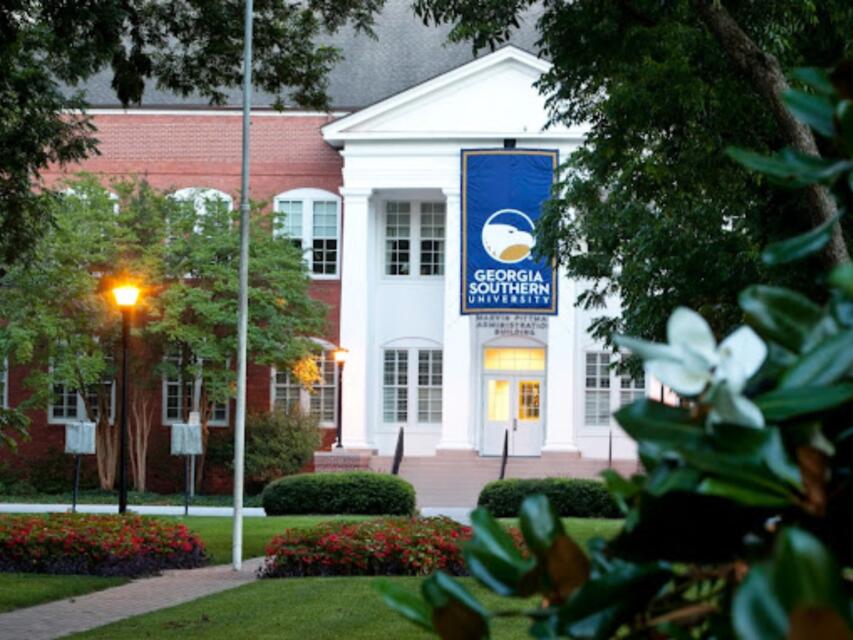
Students at Georgia Southern University now have even more opportunities to excel with the help of two new grants from the National Institute for Student Success (NISS) at Georgia State University totaling up to $600,000. The first is a $500,000 Acceleration Grant that will be distributed to Georgia Southern over the next two years to cover start-up costs for critical implementation steps of an ambitious program that further catalyzes Georgia Southern’s student success outcomes. “As Georgia Southern’s Fall 2024 enrollment continues to increase at record levels through freshman applications and admits, we are pleased to partner with the National Institute for Student Success to reinforce our commitment to providing exceptional student experiences and support that nurtures future leaders and global citizens,” stated Alejandra C. Sosa Pieroni, Ed.D., executive vice president, Division of Enrollment, Marketing and Student Success. “We are steadfast in our commitment to providing comprehensive, coordinated and differentiated student care to ensure every one of our students achieves their educational goals.” Funding through the Acceleration Grant will contribute to Georgia Southern’s existing initiatives to improve graduation rates and student success outcomes through the adoption of a suite of innovative, evidence-based programs. These programs, which deploy tools such as predictive analytics, AI technology, CRM platform, and big data to deliver personalized support to students, have been shown to help universities increase their graduation rates by 50% or more and to reduce discrepancies in graduation rates significantly. The second NISS award to Georgia Southern is the Keep HOPE Alive grant, which offers $100,000 across one year to support students who have lost the HOPE Scholarship as they work to regain eligibility. “We are enthusiastic about our partnership with Georgia Southern and working to deploy strategies that will contribute to substantive improvement in student outcomes,” said Timothy M. Renick, Ph.D., NISS executive director. Housed at Georgia State University, the NISS Acceleration Grants have been awarded to partner institutions that have completed a rigorous diagnostic analysis and have demonstrated a commitment to addressing structural and institutional barriers to the success of their students. Georgia Southern is a member of the second cohort to receive support from the NISS Accelerator Grant program, which launched in 2022. Unique to the Accelerator Grant program is up to three years of implementation coaching, webinars, meetings with expert practitioners and online resources provided by the NISS to support each awardee in implementing the new programs. The NISS coaching model is built on more than a decade of experience at Georgia State University developing and disseminating new approaches to student success that include predictive-analytics-based advising, AI-enhanced chatbots, and data-informed models for distributing financial aid. “These programs have helped Georgia State University increase its graduation rates for its bachelor’s students by 70% and its associate’s students by 300%,” according to Renick. “Black, Hispanic and low-income students now graduate from Georgia State at or above the rate of the student body overall.” The Acceleration Grant program will advance the NISS goal of producing 500,000 additional college graduates across its partner institutions over the next decade. Interested in learning more about this programming at Georgia Southern University or to arrange an interview with Alejandra Sosa Pieroni simply contact Georgia Southern's Director of Communications Jennifer Wise at jwise@georgiasouthern.edu to arrange an interview today.


MESOX, a spin-out from the pharmaceutics group at Aston Pharmacy School, develops drug carrier technology to improve medicine formulations The company won the Start-Up prize at the Medilink Midlands Awards 2024 The prize is awarded to a new company that shows a promising future. A spin-out company from Aston University’s pharmaceutics research group has won a medical technology and life sciences industry award. MESOX, which was founded by Aston University pharmaceutics lecturer Dr Ali Al-Khattawi, won the Medilink Midlands Start-Up Award, which is presented to a newly established company that shows a promising future. The Medilink Midlands Business Awards showcase the best collaborations between industry, academia and the NHS across the Midlands. This year’s ceremony was held at the Athena in Leicester on 9 May. The awards were established by Medilink Midlands, which provides specialist business support to boost the region’s economic output from the life sciences industry. Working alongside the Midlands Engine and other strategic alliances, it helps stimulate additional and value-added growth of the Midlands as a prosperous community for life sciences. With in-depth expertise in particle engineering for drug delivery and pharmaceutical spray drying, MESOX uses IP-protected carriers to improve the bioavailability and efficacy of pharmaceuticals, partnering with pharmaceutical and biotechnology companies to bring challenging therapeutics to market. In its citation, Medilink Midlands described MESOX as “transforming pharmaceutical formulation with its game-changing carrier technologies.” As a winner of a Medilink Midlands award, MESOX will now be entered into the UK National Awards, the ceremony of which takes place on 11 July 2024 in London. Dr Al-Khattawi said: “We are delighted to have won this prestigious award, which highlights the outstanding research and development work being done by the MESOX team and the immense potential of our company to transform the medicine formulation development landscape. Through collaboration with other pharmaceutical companies, clinicians, academic researchers, and by engaging directly with patients to understand their needs, we aim to innovate and advance drug delivery science into life-saving therapeutics. “At MESOX, our ambition is to be a global, research-based pharmaceutical company rooted in the Midlands, dedicated to developing life-saving therapeutics at speed and resource-efficiency. Our ultimate goal is to enable healthier lives for patients worldwide and ensure better global access to essential medicines.”


Aston University pharmaceutical spin-out company shortlisted in life sciences industry awards
MESOX is a spin-out from the pharmaceutics group at Aston Pharmacy School The company partners with pharmaceutical and biotechnology companies to bring challenging therapeutics to market It has been shortlisted in the Medilink Midlands Awards 2024. A spin-out company from Aston University’s pharmaceutics research group has been shortlisted for a life sciences industry award. The Medilink Midlands Awards aim to showcase the very best collaborations between industry, academia and the NHS across the Midlands. The company, MESOX, founded by Dr Ali Al-Khattawi, a lecturer in pharmaceutics at Aston Pharmacy School, is competing in the Start-Up category for newly established companies that show a promising future. With in-depth expertise in particle engineering for drug delivery and pharmaceutical spray drying, MESOX uses IP-protected carriers to improve the bioavailability and efficacy of pharmaceuticals, partnering with pharmaceutical and biotechnology companies to bring challenging therapeutics to market. Medilink Midlands provides specialist business support to boost the region’s economic output from the life sciences industry. Working alongside the Midlands Engine and other strategic alliances, it helps stimulate additional and value-added growth of the Midlands as a prosperous community for life sciences. The awards winners will be announced at a ceremony taking place on Thursday 9 May at the Athena in Leicester. To celebrate Medilink Midlands’ 20th year anniversary of delivering business support, one finalist will be announced as the 2024 ‘Winner of all Winners’ and presented with a £5,000 prize for innovation development. Dr Ali Al-Khattawi, founder and CEO of MESOX, said: “We are excited to be nominated as a finalist for this award, which is a testament to the innovative research at Aston University that has led to MESOX and a great way to recognise the efforts of our team. “MESOX is expediting the development of life-saving therapeutics through cutting-edge carrier technologies. Our vision is to be a leading research-based pharmaceutical company in the Midlands one day and we hope this opportunity brings us a step closer to this goal.” Luke Southan, technology transfer manager at Aston University, said: “Aston University’s School of Pharmacy has always been a hotbed of innovation and entrepreneurship. This is most often seen through our many students who end up running their own independent pharmacy stores, but it is also the school that has created the most Aston spinouts. “MESOX is the latest example of this, and it is a company that is on track to be generating significant revenue and region impact over the next five years. This award nomination evidences the potential the company has to offer.”

Professor James Wolffsohn and Dr Sònia Travé Huarte in collaboration with NuVision won the Medilink Business Award 2023 for a Partnership between Academia and Business The optometry researchers were recognised with an award for their partnership with a company that develops treatments for ocular diseases The collaboration has directly benefitted patients and enhanced global research knowledge. Researchers in the School of Optometry and Vision Sciences at Aston University have been recognised with an award for their partnership work with NuVision, a company that develops treatments for ocular diseases Professor James Wolffsohn and Dr Sònia Travé Huarte recieved the Medilink Business Award 2023 for a Partnership between Academia and Business at a prestigious ceremony held on 16 March in the Great Hall at the University of Birmingham. Professor Wolffsohn, who is also the head of the School of Optometry at Aston University, said: “We are delighted to have won this Medilink award in partnership with NuVision. This collaboration has directly benefitted our patients with this common chronic, debilitating disease, has enhanced global research knowledge in dry eye management and enhanced the local economy. The team at NuVision are exceptional and it is a pleasure to continue to innovate with them.” NuVision has an expert team of scientific, clinical and industry professionals dedicated to building innovative ocular biotherapies. It was founded in 2015 based on 15 years of translational research at the University of Nottingham. The company develops ocular biotherapies through research and innovation. The Medilink Midlands Business Awards 2023 are sponsored by the University of Birmingham and the Precision Health Technologies Accelerator Ltd. The awards event saw 13 life science companies based in the East and West Midlands receive awards from Start-Up to Outstanding Achievement. A further six companies received Highly Commended certificates. For more information about the School of Optometry and the Vision Sciences Research Group please visit our website.


• Researchers in the School of Biosciences partner with preclinical-stage biotechnology start-up company to develop drugs for fibrotic diseases • Professor Martin Griffin and team develop TG2 inhibitors to help treat a serious chronic lung disease called idiopathic pulmonary fibrosis. • Isterian Biotech is part of Cambrian BioPharma who have been working with Aston University since 2019. Aston University scientists are working with start-up company, Isterian Biotech, part of Cambrian BioPharma, to develop novel drugs to treat fibrotic diseases such as lung disease. The focus of preclinical-stage biotechnology company Isterian Biotech is on developing novel drugs to stop or reverse the pathological accumulation of crosslinked proteins commonly observed in all major organs with age. As we age a chronic increase of crosslinked proteins occurs in the extracellular matrix (ECM), that surround, support, and give structure to the cells and tissues in the body. These crosslinked proteins are difficult for the body to degrade and over time can make organs stiff and dysfunctional, ultimately resulting in fibrosis. Reversing the accumulation of these pathological crosslinks will greatly contribute to reducing fibrosis. The start-up is working to develop small molecule inhibitors of transglutaminase 2 also known as TG2, which is one of the major crosslinking enzymes in the human body, that becomes more active during ageing - thus resulting in fibrotic diseases such as a type of lung disease known as idiopathic pulmonary fibrosis (IPF). Isterian President and Chairman of the Board, Georg C Terstappen, PhD said: "Isterian's strategy of combining rational drug design with efficient multiparametric profiling of synthesized small molecules has been both impressive and highly productive. Notably, for one of our highly potent and selective TG2 inhibitors, we have recently demonstrated efficacy in a mouse model of lung fibrosis for the first time. "Using this state-of-the-art approach to drug discovery combined with an impressive team gives us great confidence in the future of this novel company." IPF is a progressive, irreversible disease that is characterized by pathological crosslinking of extracellular matrix (ECM) proteins (a large network of proteins and other molecules that surround, support, and give structure to the cells and tissues in the body) leading to excessive deposition of collagen. This means that in IPF scar tissue or fibrosis builds up around the air sacs (alveoli) in the lungs and reduces the ability to transfer oxygen that is breathed into the blood, resulting in severe restriction of lung capacity and function. IPF is the most common form of pulmonary fibrosis. The disease affects between 200,000 and 300,000 people globally. Statistics from the charity Action for Pulmonary Fibrosis suggest there are about 30,000 people living with IPF in the UK with an estimated 6,000 new cases of the condition each year. The disease usually develops in people aged 70 and older and is more common in men. But it can occur in younger individuals, particularly if there is a family history of idiopathic pulmonary fibrosis. The company was founded by capitalizing on over 35 years of scientific research from the laboratory of Professor Martin Griffin and his team Dr Dan Rathbone and Dr Vivian Wang at Aston University. Their work with small molecule inhibitors selective for TG2 has demonstrated reduction of fibrosis in multiple organs in a number of animal models. In 2019, Aston University partnered with Cambrian to form Isterian Biotech with a mission to develop safe and effective TG2 inhibitors to treat Idiopathic pulmonary fibrosis (IPF), a devastating fibrotic disease of the lung. Professor Martin Griffin, Biosciences Research Group, Aston University said: “We are delighted to continue our work with Isterian researching how we can further develop TG2 inhibitors to help tackle this awful disease.” CEO of Cambrian BioPharma, James Peyer, commented: "As Cambrian continues on its mission to build medicines that will redefine healthcare in the 21st century, we are very thankful to find brilliant scientists such as Martin and his team that are willing to break the mold. Isterian and its work to reduce fibrosis are a perfect fit alongside the other pipeline companies our team has announced in 2022." The company's current pipeline includes an advanced preclinical-stage TG2 inhibitor for inhaled administration and several structurally unrelated back-up compounds for the treatment of IPF. For more information about the School of Biosciences at Aston University, please visit our website.

Psychology students launch creative sessions to support wellbeing through art
The Aston Creative Wellbeing Group is run and facilitated by Aston University psychology students The group brings students together outside of class with an aim of supporting health and wellbeing through art The group will be running another nine sessions in spring 2023 due to its popularity. A student-led creative wellbeing group has been set up by psychology students at Aston University, with the help of their tutor, to connect student participants through art and help enhance their wellbeing. The Aston Creative Wellbeing Group, which showcases its creative work on its Instagram page, was so well attended in the autumn term - with more than 120 participants - it is now planning another nine sessions meeting weekly during the spring term to continue its mission to bring students together and support wellbeing. With some initial funding from the University welfare team to purchase ‘start up’ materials, the group ran a range of sessions including rock painting, making postcards, learning to crochet, painting and drawing and making festive decorations during the autumn 2022 term. Dr Kate Nicholls, senior personal tutor and teaching fellow in psychology at Aston University, explained why she supported the group to set up. Kate said: "I was keen to develop some student-led initiatives to support health and wellbeing in the School of Psychology. I also hoped it would help the students develop their professional skills and the practical application of their psychological knowledge. "It was art making and creative activities that sparked an interest from some final year psychology students and the Aston Creative Wellbeing Group was born. The group wanted to use the arts to enhance wellbeing, using creative activities to explore sense-making, aesthetic appreciation, provide entertainment and friendships.” Karla Hitchins, a final year psychology student who set up the group, said: “Running the group slides in nicely with my interests in art psychotherapy, but I also really enjoy arts and crafts in my own time. It has been great fun to facilitate this group. “The aim of the sessions is for people to have a safe space where they can connect with their creative side, as well as with other students. At the University, there are wellbeing and counselling services, but I don’t think there is anything quite like this. “Having somewhere to express your feelings, or to just have a creative outlet is incredibly important and I hope that eventually there will be more arts-based interventions for mental health and wellbeing at all universities.” Psychology student and group facilitator, Molly-Emma Taylor, said: “I've experienced a few mental health wobbles during this term, so having the wellbeing sessions has helped me a lot. "For example, the painting session was an amazing way to let out some pent-up feelings and it gave me time to connect with friends. I don't think I would have got so much out of it had I simply painted alone. “I think that the theme of everyone banding together every two weeks and making art, in whatever form it may be, is pretty awesome. It's always fun to see what everyone makes. “The social media aspect of the group on Instagram is nice too, because it means even if someone wasn't able to make it to a session they can still feel like a part of group and see what other people created.” Jacqueline Maloney, mental health specialist at Aston University said: "As a mental health specialist at the University, I have been thrilled to help promote and support our psychology Students’ initiative to provide creative wellbeing activities for our students. "I am a big believer in the therapeutic potential of the arts and through participation in these sessions I have witnessed students relaxing, laughing, trying new crafts, and enjoying time in creative endeavours. I am so pleased that this session will be continued into 2023." For more information about studying psychology at Aston University, please visit our website.