Experts Matter. Find Yours.
Connect for media, speaking, professional opportunities & more.
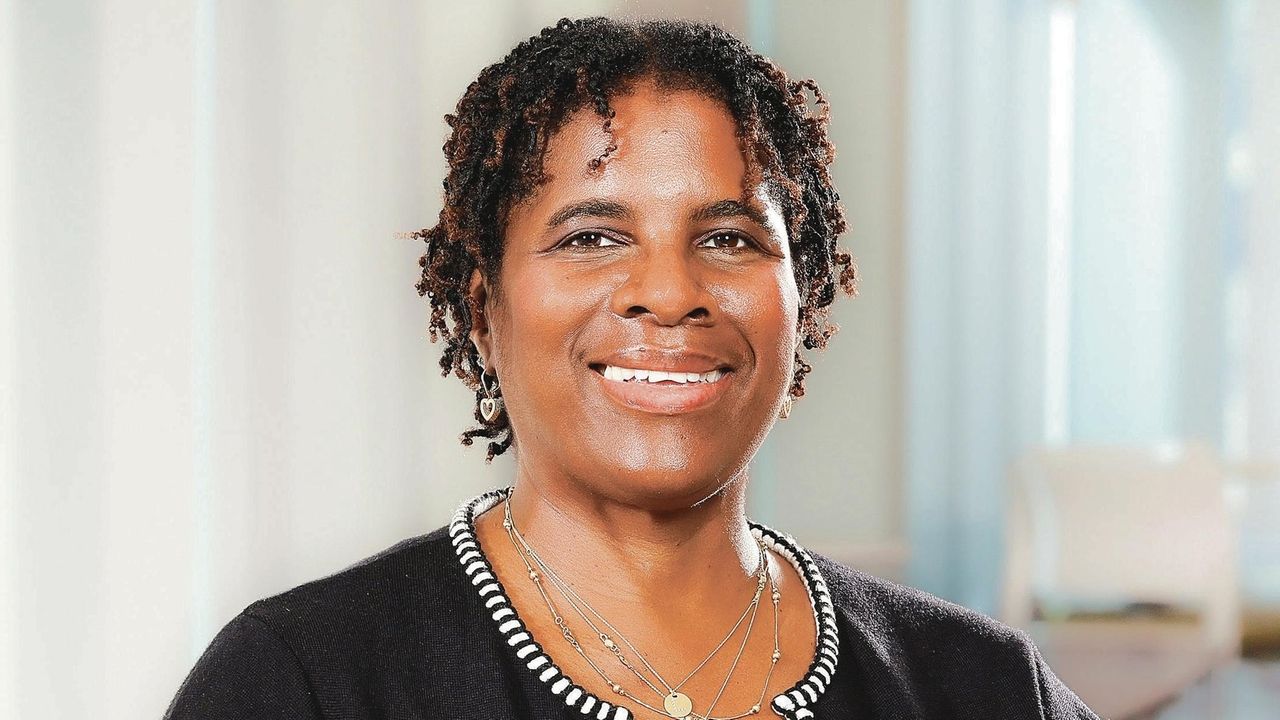
Racial Disparities in Maternal Mortality Rates Need More Time to Improve
A Newsday story on racial disparities in maternal mortality rates in New York featured an interview with Dr. Martine Hackett, associate professor and chair of Hofstra’s Department of Population Health. While national statistics have improved overall in recent years, experts say it will take more time to close the gap. National statistics released by the Centers for Disease Control and Prevention show overall maternal mortality across the U.S. dropped for the second year in a row. However, while the rate for white women, decreased from 19 deaths per 100,000 live births in 2022 to 14.5 in 2023, it rose from 49.5 to 50.3 for Black women. Dr. Hackett, cofounder of Birth Justice Warriors, called the disparity “shocking” and said, “When you’re looking to address a problem as big and complex as maternal mortality, it is going to take a long time.”



National Science Foundation Confirms Record Research Growth at LSU
The National Science Foundation confirmed LSU’s record research expenditures of $488 million in fiscal year 2023. This historic growth of 14% compared to 2022 was previously announced by LSU and represents top performance alongside research university peers such as the University of Kentucky and the University of Tennessee. The growth reflects increased research activity across the LSU Family—especially on the flagship campus and at LSU Health New Orleans and LSU Health Shreveport. The national ranking of LSU’s five research campuses—the flagship in Baton Rouge, the LSU AgCenter, Pennington Biomedical Research Center, and the two LSU Health campuses—increased from 71 to 69, a rise moderated by the average growth of U.S. research universities around 11%. Compared to its peers, LSU is a leader in win-win partnerships with state and local government, with strong and continued investment in research. LSU research adds an estimated $1.3 billion to the Louisiana economy each year. The numbers that were just confirmed by the National Science Foundation recognize LSU as especially strong in federally grant-funded research in life sciences, geosciences, math and statistics, and computer and information sciences. These strengths align with the data-driven research priorities of the LSU Scholarship First Agenda to create new solutions for agriculture, biomedicine, coast, defense, and energy. “This NSF report confirms our focus on research growth to meet the needs of the state as well as our dedication to LSU’s Scholarship First Agenda,” said Robert Twilley, LSU vice president of research and economic development. “The significant increase in federal grants to LSU and Louisiana represents growing investment in our competitiveness and capacity to solve problems for the state and nation.” Read the full NSF report: https://ncses.nsf.gov/surveys/higher-education-research-development/2023


Does Donald Trump Like Seniors?
At 78, Donald J. Trump already has 13 years of experience as a senior citizen. During his previous presidency, he occasionally referenced his senior status, particularly when discussing issues affecting older Americans. For example, in the 2020 election campaign, he acknowledged his age and addressed fellow seniors directly in his messaging, sometimes referring to himself as part of the senior community. Looking at his record, Trump appears to have a complex relationship with seniors. While expressing support for essential programs such as Social Security and Medicare, he often weaves the needs of seniors into his rhetoric. Yet some of his policy decisions have created mixed feelings among older Americans and advocacy groups. While pledging to protect these programs, he’s considered budget-cut proposals to reduce the funding of both these programs. Plus, his administration attempted to repeal the Affordable Care Act. While even the smartest of experts have learned it’s difficult to predict what Donald Trump will do on key policy decisions, there are some clues as to how his move back into the Oval Office will impact Canada and, more specifically, seniors. This topic got me wondering. Does Trump (a senior himself), like seniors? Let’s look closer at this demographic. Everyone knows that older people are the most reliable voters. The stats are compelling. According to Elections Canada - 75% of Canadians aged 65-74 voted compared to 48% of those aged 18-24. - The statistics for our US neighbours are similar, with 70% of Americans aged 65+ voting and 50% of Americans aged 18-29 voting. Knowing this voting power of the senior demographic, did Trump pander to this voting cohort? Yes, he most certainly did. He knew that as people age, their concerns narrow to a smaller list of critical topics such as Financial Security, Health, and Safety. During his 2024 presidential campaign, Donald Trump focused heavily on appealing to older voters, who historically make up a significant portion of the electorate and are more likely to vote. His campaign emphasized economic stability, protecting Social Security and Medicare, and national security—particularly relevant to older demographics. Let’s take a closer look at how the Trump administration could impact Canada's senior demographic in the following areas: Inflation Background: Inflation has a direct correlation to the cost of living. As the prices of goods and services rise over time, the purchasing power of money decreases – a challenge for many seniors. Critical expenses like housing, healthcare, food, and utilities could increase noticeably, putting pressure on limited retirement incomes and pensions. All this is stressful. According to a 2024 national survey of over 2,000 Canadians (conducted by Leger on behalf of FP Canada), money remains the top stressor for Canadians, with 44 percent citing money as their primary concern; That's up from 40 percent in 2023 and 38 percent in both 2022 and 2021. What This Means: Two of Trump’s biggest promises in his campaign (mass deportation of undocumented immigrants and more restrictive trade regulations) would have a "significant impact," according to an article by Ellen Cushing in the Atlantic. A domestic labour shortage plus double-digit import taxes would raise food prices on both sides of the border. Cushing goes on to say that “deporting undocumented immigrants would reduce the number of workers who pick crops by 40-50%.” While this rhetoric may have played well during the campaign, you can't fake the simple math here. Fewer workers means higher wages. That means higher prices. And the senior demographic will be hit hard because of their fixed incomes. Many will eat less of the expensive grocery store items like fresh meat, fruits and vegetables to make ends meet. Food prices will inevitably climb with these policies. The only question is when. According to a new poll conducted for CIBC and Financial Planning Canada on November 27, 2023, approximately 75% of working Canadians still need a formal financial plan for retirement. And many retirees face economic difficulties. A whopping 25% are still carrying debt into retirement. Many also report they have a substantial portion of debt and report that their retirement lifestyle isn't as comfortable as expected. The impact of inflation could be dire with few solutions; it is different for these older Canadians because they cannot re-enter the workforce. The only saving grace is that many of the hardest-hit Canadians are homeowners with equity options. Interest Rates Prediction: According to Beata Caranci, SVP & Chief Economist of TD Bank, the US is likely to raise interest rates to control growth. Canada is also expected to increase its rates, mainly to keep the Canadian dollar stable against the U.S. dollar. The Bank of Canada could be forced to rescind the projected planned interest rate reductions or at least reduce them. However, it's a delicate balancing act. Our economy could suffer if we don’t mirror the US increases in interest rates. Impact: Increasing Canadian interest rates will impact seniors by increasing mortgage carrying costs. At the same time, older Canadians with investment savings could see increased returns on these savings. A rise in interest rates would also impact housing prices and foreign exchange rates. House Prices Background: Economic, demographic, and policy-related factors influence home prices in Canada. The new Trump administration will undoubtedly impact these factors. To understand this area, let's examine some significant variables affecting housing costs. 1. Supply and Demand When housing supply is limited, and demand is high, prices rise. Conversely, when supply exceeds demand, prices stagnate or fall. Should the new administration adopt more restrictive immigration policies in the US, Canada might see an increased influx of skilled workers and families seeking an alternative place to live. Housing demand will likely increase in major Canadian cities—Toronto, Vancouver, and Calgary- resulting in price increases. 2. Population Growth An increase in population or immigration boosts housing demand, particularly in urban centers, consequently increasing home prices. Canada welcomed 485,000 immigrants in 2024, many of whom settled in cities like Toronto and Vancouver. This influx has driven up demand for housing, contributing to price increases. The Canadian government has recently reduced the number of immigrants we allow into our country, dropping the number from 500,000 to 395,000 in 2025. Current immigration numbers plus any overflow from the US should keep demand buoyant and we could see home prices continue to rise. However, Canada needs more housing, especially in high-demand urban areas. In addition to immigration, slow construction timelines and zoning restrictions are contributing factors. Canada's ongoing housing shortage and the potential impacts of Donald Trump's election win in the U.S. could exert upward pressure on home prices, particularly in major cities like Toronto and Vancouver. These cities, already grappling with limited housing and high prices, will likely see further price increases due to increased demand. Without robust policy interventions to increase the housing supply, Canada’s housing prices, particularly in major centers, will likely continue rising. And there will be winners and losers here. This is great news for seniors wishing to sell and exit the market by finding other living arrangements, such as renting, moving in with family, or entering retirement homes. It is even better news for seniors wishing to age in place as they will have more equity to fund their retirement. But it’s disappointing news for those wishing to downsize and stay in the same communities. They may be able to sell high, but they could also be forced to buy high. 3. Foreign Currency Trump's policies, such as tax cuts and protectionist trade measures, have historically strengthened the U.S. dollar. If similar policies are reintroduced, the U.S. dollar could become more robust due to increased investor confidence and perceived economic growth in the U.S. That’s bad for Canadians traveling or living in the U.S. Trump's potential trade disputes, particularly with China, and his aggressive geopolitical stance could also create uncertainty in global markets. While this might temporarily strengthen the U.S. dollar as a haven, long-term concerns about trade wars and deficits could cause fluctuations, impacting the Canadian dollar's stability against the U.S. dollar. This volatility directly impacts Canadians, especially those with significant financial exposure to the U.S. dollar. A second Trump presidency will likely impact the exchange rate between Canadian and U.S. dollars, which is especially relevant for 85% of Canadian Snowbirds, who, according to Snowbird Advisor, spend winters in the United States. This number was estimated to be 900,000 in 2023. These seniors may face increased expenses for property taxes, utilities, and other daily living costs in the U.S. If exchange rate volatility persists, locking in more favourable rates or using specialized currency exchange services, US credit/debit cards with lower transaction fees, and using US dollar accounts might be wise - especially for more significant financial transactions. The Bottom Line One thing is certain. Trump's second term has the potential to impact many Canadian seniors if he implements the policies he discussed during his election campaign. While some could benefit financially from higher home equity and investment returns, many may need help with increased living costs, especially food and foreign exchange challenges, particularly Snowbirds and those on fixed incomes. While we are all watching this situation unfold, one thing is sure. It's difficult to predict if Trump’s second term will make Canadian or US seniors "great again."


ChristianaCare and Partners Launch Delaware’s First Nurse Anesthesiology Program
Wilmington University, in collaboration with ChristianaCare and the support of Anesthesia Services, P.A. (ASPA), announces the Delaware Nurse Anesthesiology Program at ChristianaCare and Wilmington University, Delaware’s first nurse anesthesiology program. This innovative, full-time, 36-month offering leads to a Doctor of Nursing Practice (DNP) degree, preparing graduates to sit for the National Certification Exam and become certified registered nurse anesthetists (CRNAs). A CRNA (or nurse anesthetist) is an advanced practice registered nurse who administers anesthesia and provides related care before, during, and after surgical, therapeutic, diagnostic, and obstetrical procedures. The program will offer students over 2,000 hours of hands-on clinical experience in high-acuity environments across various surgical specialties, supported by partnerships with ChristianaCare, ASPA—the largest anesthesia group in Delaware—as well as other health care organizations. Students will refine their clinical skills and decision-making in state-of-the-art simulation labs while engaging in diverse clinical settings. Led by experienced practitioners and educators, the curriculum integrates anesthesiology-specific coursework with advanced nursing practice, ensuring graduates are well-prepared to meet the evolving demands of clinical practice and systemic health care challenges. “We are proud to partner with ChristianaCare and ASPA to launch this transformative program,” says Wilmington University President Dr. LaVerne Harmon. “At Wilmington University, our caring, student-centered approach prioritizes academic excellence and personal well-being. While this initiative addresses Delaware’s critical need for anesthesiology professionals, we will focus equally on fostering an environment where students can excel and grow into compassionate, skilled leaders in the evolving health care field.” “ChristianaCare is excited to partner with Wilmington University and our colleagues at ASPA in this much needed program to help address Delaware’s growing need for highly qualified CRNAs,” says Janice E. Nevin, M.D., MPH, president and CEO of ChristianaCare. “By providing advanced training and education in anesthesiology services, we are helping to develop the next generation of health care experts who will serve our community with high-quality, safe care.” The U.S. Bureau of Labor Statistics projects a 38% growth in nurse anesthetist employment from 2022 to 2032, driven by increased demand for health care services like elective surgeries. Delaware’s health care system faces similar challenges due to a shortage of anesthesiologists and CRNAs, with many nearing retirements. With 15 programs in neighboring Pennsylvania unable to accommodate all qualified applicants, the Delaware Nurse Anesthesiology Program at ChristianaCare and Wilmington University aims to bridge this gap, providing essential local training to meet the growing demand in the workforce. “With an emphasis on evidence-based practice and patient-centered care, our graduates will be exceptionally equipped to provide high-quality anesthesiology services in diverse health care environments,” says Wilmington University Vice President of Academic Affairs Dr. Denise Wells. “This collaboration aims to cultivate a local pipeline of skilled registered nurses who will advance their careers as CRNAs, contributing to Delaware’s workforce and the surrounding region.” “Anesthesia Services, P.A. has been leading and innovating anesthesia care delivery in Delaware for the past 37 years,” says ASPA Board Chair Li Maceda, M.D., MBA. “This joint partnership with ChristianaCare and Wilmington University allows us to combine our expertise and resources to train the next generation of anesthesia providers for the communities that we serve and exemplifies our commitment to invest in the future advancement of perioperative care.” Dr. Jacqueline Mainwaring was recently named inaugural director of the Delaware Nurse Anesthesiology Program at ChristianaCare and Wilmington University. “I am excited to be part of this groundbreaking initiative that will provide critical care nurses in our state with the opportunity to advance their careers and become leaders in anesthesiology care,” says Dr. Mainwaring, also an associate professor. “We are committed to creating a high-quality program that prepares our graduates to excel in today’s complex health care landscape. This program will not only address the shortage of anesthesiology professionals in Delaware and the region but will foster a learning environment that emphasizes student well-being, clinical excellence, and interprofessional collaboration.” Leaders of the Delaware Nurse Anesthesiology Program at ChristianaCare and Wilmington University, currently in Capability Review, are pursuing initial accreditation from the Council on Accreditation of Nurse Anesthesia Educational Programs (COA). Please note, no students can be enrolled until initial accreditation has been awarded. Below is contact information for the COA: Council on Accreditation of Nurse Anesthesia Educational Programs (COA) 10275 W. Higgins, Suite 906 Rosemont, IL 60018 Phone: 224-275-9130 Email: accreditation@coacrna.org www.coacrna.org


Welcome to Retire with Equity: Where a New Retirement Journey Begins
Summary: A recent study reveals that 40% of Canadians over 50 feel financially unprepared for retirement. Retire with Equity aims to address this issue by educating retirees on the importance of leveraging home equity. The initiative emphasizes transparency, financial literacy, and personalized guidance to help seniors make informed decisions and achieve financial security in retirement. According to a recent National Institute of Aging study, almost 40% of Canadians over 50 feel they are not financially prepared for retirement. As a seasoned citizen myself, I know we can do better. That's why we've created Retire with Equity. It's time to help Canadians get the knowledge they need to make more informed financial decisions. My observations from my time in the industry, enriched by the research I've done over the past few years, clearly reveal a growing retirement crisis in Canada. I've worked in the banking and mortgage industry for over 25 years, specializing in equity lending, and spent the last 6 years as an executive at Canada’s largest Reverse Mortgage bank. Many people are struggling with mounting debt and no company pension. And they are living longer. Additionally, the long-term care situation in Canada has many seniors looking to age in place in their homes. Strategies like downsizing and moving in with family are often too simplistic and have little appeal to today's seniors. Some eventually, often begrudgingly, turn to home equity options such as reverse mortgages as a solution. However, Canadians are conservative by nature, and many think it is taboo to touch their equity (nest egg). Consequently, a reverse mortgage is a last resort. 76% of people over 65 are homeowners, many of which have built up a substantial amount of equity yet cannot afford to retire. (Source: Statistics Canada) Income is the only way to solve the retirement crisis. Many are choosing to work longer to delay spending savings. Some need to pay off debt to eliminate payments that will free up cash flow. Others do not have enough savings to retire. I saw the stress this caused watching my Mother “do without” in her retirement. With the benefit of experience, I now know there was a better way for her to finance her golden years. The Retirement Problem in Canada is Dire Many 55+ Seniors Don’t Have the Funds They Need: Many need an adequate budget and financial plan. And many don’t fully realize that employer and government pensions will fall short of their cashflow needs. Home Equity Unlocks Opportunities, But It's Misunderstood: Many retirees don’t fully understand the short—and long-term impacts of their home equity financing decisions. They rely on biased, incomplete, anecdotal information from friends and family. Seniors Need to Be Cautious: Homeowners are especially vulnerable targets for misinformation and fraud. However, this demographic does not have time to recover from a financial mistake. Making the wrong choices that affect how they finance retirement and protect themselves could leave seniors without enough money later when they need cash for costly expenses like health care. The Financial Industry Needs to Do More: There is a need for unbiased, transparent, and trusted sources of information on home equity options that are aligned with consumer interests. Gone are the days of cookie-cutter retirement plans and guaranteed pensions. Every Canadian needs to proactively craft their unique vision and path for retirement. Banking on My Experience The Retire With Equity mission is dedicated to helping retirees find the right combination of financial strategies to achieve their goals. The Equity Advantage One of the standout features of Retire with Equity's approach is our focus on home equity as a key component of retirement planning. For many Canadians, their home is their most significant asset, and unlocking its potential can be a game-changer. Whether through downsizing, refinancing, or reverse mortgages, Retire with Equity will offer guidance on integrating this valuable resource into a retirement strategy. The Human Touch At Retire with Equity, we promise to offer straightforward advice with a personal touch. It's not just about the numbers – it’s also about the dreams you have for retirement. We will bring patience, empathy, and respect to every conversation. And we won't forget our sense of humour, as retirement is supposed to be fun. We're committed to making things easy to access and understand, no matter where you are in life. Education is Everything Two of our core values are empowering education and epic transparency. Our online resources, webinars, and workshops will be tailored to demystify the world of finance for retirees and soon-to-be retirees, increasing their financial literacy. We will bring transparency to the vital information reserved for the small print, answering the questions retirees don't even know to ask. Whether you're a financial guru or just starting to think about your nest egg, we'll have something for you. A Senior-Friendly Approach Our approach will integrate technology with a user-friendly interface so that retirees can access their services without hassle. Gone are the worries of getting stuck in the weeds of complex interfaces or endless financial jargon. We bring "kitchen table" logic when explaining all financial details, no matter how complex the concept is. Stories that Inspire From coast to coast, Retire with Equity will share personal stories that help educate and motivate Canadians. We want to show you visible proof that it's always possible to rethink and revitalize retirement plans. Hearing from fellow Canadians who have successfully navigated the retirement waters offers hope for those still planning their way. Feelings of guilt and shame are common among retirees searching for retirement options. Learning about countless other retirees in similar situations often alleviates this guilt and shame. Join the Revolution Retire with Equity is more than just a company—it’s a movement. Canadians across the country will join in and transform their retirement years into the best chapter of their lives. Empowered by new tools and expertise at their fingertips, they will not just survive but truly thrive in retirement. As an "Equity Advocate," I pledge to help Canadians navigate the complexities of retirement in ways that educate, inspire, and entertain. I look forward to the conversation. Please subscribe to our regular updates and follow us on social media. Here's to the best years ahead! Don't Retire---Re-Wire! Sue

Putting a price tag on environmental projects
Unlike a grocery store, the goods and services in the environment — think clean water, tree cover, or flood control — don’t come with a price tag. Researchers in the University of Delaware Department of Applied Economics and Statistics have received a $1.5 million grant to assess the value of what is gained or lost from environmental projects. The three-year grant from the U.S. Army Engineer Research and Development Center, the chief research and development center for the federal environmental engineering agency U.S. Army Corps of Engineers, will pave the way for UD environmental economists to develop a web-based platform to help the Corps. The research team is led by Maik Kecinski, associate professor in the Department of Applied Economics and Statistics and also includes department colleagues Kent Messer and Martin Heintzelman, as well as three graduate researchers. The team will create an online platform to help the Corps estimate the monetary value of the ecosystem impacts through its ongoing and proposed projects across the U.S. Kecinski said many of the Corps’ projects involve natural resources, such as building dams or restoring rivers. Those projects require labor hours and equipment, each with a market value. “But the big piece the Corps doesn’t have is what is the environmental value that’s created or lost through these projects?” Kecinski said. The project came about after ERDC representatives visited UD in 2023. Kent Messer, Professor of Applied Economics, presented research about behavioral aspects around water quality and conservation and learned about ERDC’s research needs. Messer said that the big takeaway from those discussions was that ERDC was interested in having a platform to show the ecosystem services value of its projects. “So that was an exciting opportunity to connect and partner with them on the development of a tool that could help them in this regard,” Messer said. Messer said the opportunity to work with the Corps to assess its projects nationwide is “huge” for the University and for UD’s College of Agriculture and Natural Resources. “It speaks enormously to our college’s prominence in environmental economics issues,” Messer said. Martin Heintzelman, chair of UD's Department of Applied Economics and Statistics, said the project will help raise the profile of the department. “This is really in our wheelhouse in terms of the kind of research we do,” Heintzelman said. “It’s a great opportunity for us to be applying research to policymakers, people who are going to use this work to make better decisions as they’re going about their work constructing, managing, and sometimes de-constructing water and related projects.” The researchers hope the web-based platform will play a role in policy and decision-making, helping the Corps make more informed decisions on environmental projects in the future. “One thing I hope is going to come from this is the choices we make today are going to create a better tomorrow. That’s what it is all about” Kecinski said.


West Sanctions Russian Aviation, But Moscow Decides to Keep Planes Flying Despite Risks When the U.S. and its allies slapped sanctions on Russia for its full-scale invasion of Ukraine, severing aviation links was at the top of the list. Direct flights vanished and Russian airlines lost access to spare parts for their foreign airplanes. In retaliation, Vladimir Putin’s regime impounded foreign aircraft and shut off the world’s largest air space to countries imposing sanctions. Not since the early 1980s—when the U.S. suspended routes to the USSR over the Soviet invasion of Afghanistan, repression in Poland and downing of a Korean Air Lines plane—have aviation ties between the two countries dipped so low. Aviation sanctions today are having an impact but come with a major risk. If the fatal crash of a jetliner killing hundreds is linked to the lack of spare parts, Putin will blame sanctions and the West. The stakes are high as Russia seeks to use any issue from cluster bombs to soccer to widen cracks in Western unity over Ukraine. To get ahead of this, U.S. policymakers and their allies need to better explain the effects of sanctions, why they’re worth the risk and why the Russian state, not the West, is ultimately responsible for any fatal crash. U.S. government assessments place Russian aviation among sectors negatively impacted by sanctions. A closer look shows widening success in degrading this increasingly weak link in Russia’s political economy. By late 2021, foreign aircraft comprised 70% of Russia’s fleet of 801 passenger airplanes, which included 298 Airbuses, 236 Boeings, and 23 other foreign aircraft such as Embraers. In addition, 95% of Russian airline flights were on foreign-made aircraft. Consequently, sanctions aimed at depriving spare parts for foreign airplanes have caused many disruptions such as fare increases to cover higher costs of repairs. Some of Russia’s 53 airlines have periodically suspended or stopped flying some of their foreign planes. Reports of Russian airlines’ cannibalization of foreign aircraft similarly underscore a dire situation. Less well known is how sanctions hurt Russian manufacturing since Western technology is critical to aircraft such as the Sukhoi Superjet 100, which uses a French-Russian engine (though Russians are working on a substitution). Production of the Yakovlev design bureau’s MC-21 passenger airplane faces significant delays due to sanctions that force substitution of its Western-made parts. Sanctions even helped push Russia out of a joint venture with China to produce the CR929 widebody aircraft. While China is happy to help Russia thwart sanctions, this plane needs Western systems that sanctions complicate. In response, Russia has adapted to and thwarted some aviation sanctions, which I predicted would happen because Putin’s regime is reproducing a state-centered aviation sector rooted in the Soviet past. The war has accelerated the state’s growing control over this vital economic sector, which began before Russia’s 2014 invasion of Ukraine. Examples include the state’s 51% ownership of Aeroflot since 1994, the merger of two smaller, state-run airlines in 2003 and the consolidation of aircraft manufacturing in the state-owned United Aircraft Corporation (UAC), which was created in 2006. More recently, the Russian state has helped the country’s airlines weather sanctions by facilitating the illegal confiscation of foreign aircraft. Russian airlines have also proven resourceful by purchasing spare parts through brokers in the United Arab Emirates and Turkey. Better known for supplying Russia with drones, Iran also agreed to provide Russian airlines with spare parts and has been fixing an Aeroflot Airbus for months. Many foreign airlines continue to fly to Russia, and Putin’s regime rewards friendly countries with overflight rights. But the longer sanctions remain, the harder it’s getting for Russia. To regain profitable foreign routes, its airlines are receiving government assistance to legitimately purchase the Western aircraft they illegally seized, although recent holdups in allocating such funds are causing doubts. In a throwback to the Soviet era, Putin’s regime boasts that Russia doesn’t need the West’s airplanes anyway since its one manufacturer, the UAC, will pick up the slack. Such import substitution is unlikely to succeed, as multiple delays suggest. More likely, Russia’s aviation sector will grow more reliant on the state, if not actually part of it like the UAC. This will make Russian aviation less efficient, less innovative and more expensive. Iranian airlines, which have long suffered under foreign sanctions despite some success circumventing them, present their Russian counterparts with a grim vision of the future such as being shut out of lucrative air travel markets and falling behind in emerging aviation technology. How does this shape safety in Russia’s skies? The short answer is that it’s not as bad as headlines suggest and the impact of sanctions is ambiguous at best. Click bait stories paint a dire picture but often conflate commercial, military and general aviation into alarming numbers that do not accurately capture what ordinary passengers face. Some accounts, such as one claiming 120 accidents occurred in 2023, provide few details or sources. Annual safety reports from Russia’s Interstate Aviation Committee (IAC) allow for comparison over time but often obscure Russia’s situation by combining data from each post-Soviet state it monitors. Its 2019 report is mysteriously missing and its decision not to investigate the fatal crash of Yevgeny Prigozhin’s Embraer Legacy 600 plane suggests meddling from above. That said, the IAC source base is the most systematic we have. Keeping in mind the potential for the politicization of its conclusions, what does a critical reading of its data alongside other sources suggest? First, fatal crashes in commercial and general aviation actually decreased in Russia from 18 in 2021 to 13 in 2022, and related deaths decreased from 70 to 24. Data for the first half of 2023 points in the same direction, with six fatal crashes and nine deaths. This trend was likely helped by the 14% decline in traffic after February 2022. While so many fatal crashes sound substantial, all but three in 2021 and all but one in 2022 involved small aircraft under 5,700 kilograms, not the jetliners we associate with most commercial flying. Absolute figures on crashes and deaths capture headlines but they don’t say much about safety without considering their relation to passengers flown or departures. According to the IAC, the rate of aviation accidents and the rate of fatal crashes per one million departures both increased from 2020 to 2021 but then decreased in 2022. The IAC does not single out Russia from other post-Soviet states for this metric. But since Russia has the largest aviation sector among those countries, these data suggest that its aviation safety has not dramatically worsened since early 2022. Indeed, even critics who argue that Russian airlines are less safe partly because of sanctions conclude that “2022 and 2023 were also good years for airline safety [in Russia] compared to 2021.” Comparisons with the U.S. similarly suggest that passenger aviation is not as disastrous as some headlines suggest. The IAC data indicates that Russia and other post-Soviet states are usually but not always behind the U.S. in passenger aviation safety. In 2018, for example, IAC countries reported a 0.8 rate of fatal crashes per 1 million departures of passenger aircraft above 5,700 kilograms. Comparable statistics from the National Transportation Safety Board showed a 0.11 rate for that year for scheduled U.S. carrier flights. In 2019, the rates were 2.3 (IAC) and 0.10 (U.S.), but in 2020, both IAC countries and the U.S. enjoyed a 0.0 rate of fatal crashes. The following year, however, IAC countries reported a 1.9 rate of fatal crashes, whereas the NTSB reported a 0.0 rate.1 Against this background of Russian airline safety, let’s now turn to the impact of sanctions. While some commentators emphasize that no fatal crashes have been tied to sanctions, others claim they make Russian airlines unsafe and that it’s only a matter of time before such a fatal crash happens. Some even argue that life-threatening dangers prove aviation sanctions are effective and could help turn Russians against Putin. To reassure the public, Russian aviation officials insist the country’s airlines are safe despite sanctions, as do Russian business media and aviation journalists. This plays to Putin’s claims to legitimacy based in part on withstanding anything the West throws at him. In sharp contrast, Ukrainian media tells Russians their airlines are a disaster waiting to happen precisely because of sanctions. Independent Russian journalists banished by Putin concur, raising alarms about efforts to cover up the impact of sanctions and about the many ways Russian airlines cut corners on safety. In short, an information war exists around the morbid question of whether a Russian jetliner will crash and the role sanctions could play. Fears of a fatal crash were validated by the emergency landing of a Ural Airlines A320 in September, apparently caused by malfunctioning hydraulics tied to sanctions. But a closer examination by a Russian aviation journalist suggests the pilots played a more important role by pressing on to an airport for which there wasn’t enough fuel. Recent Russian state assessments of aviation safety similarly point to pilot error and poor training as the chief causes of aviation incidents. More generally, airplane disasters are usually caused by a convergence of factors—bad weather, a manageable mechanical failure and pilot error—not just one problem. In public discussions, however, pinpointing sanctions’ role tracks more with the politics of the war than technical expertise. At the end of the day, Russian airlines and aviation authorities are solely responsible for putting planes in the sky and Russians’ lives at risk. They continue to claim that everything is fine. But if a fatal crash of a Boeing or Airbus flown by a Russian airline kills hundreds, I predict this narrative will quickly change. Putin will blame the West as he does for everything else affecting his legitimacy, from Russia’s economic problems and his diplomatic failures to protests against his regime and even the war he started in Ukraine. Such a scenario will be a serious test for policymakers who argue that punishing Russia with sanctions is still worth it. To prepare for this, they need to take a page from the Biden administration’s release of intelligence on Russia’s military buildup before the full-scale invasion: publicize as much intelligence as possible on sanctions and their impact, as well as Russia’s aviation sector and what it does or doesn’t do to ensure safety. As Putin’s regime falls back on Soviet-era secrecy about airline safety, sharing such intelligence will be a powerful tool. This will also contribute to broader Western efforts at combatting Russia’s better known disinformation campaigns such as those denying its human rights abuses in Ukraine.



Water, resources and infrastructure
Across America we're seeing flooding, drought, epic storms and reservoirs running dry. Water, how it is controlled and regulated is an emerging topic. And for the next four years, with the unknown impacts of climate change - water will be on a lot of people's minds. And as the Republican National Convention 2024 begins, journalists from across the nation and the world will converge on Milwaukee, not only to cover the political spectacle but also to dig deeper on the key issues that may decide the election. To help visiting journalists navigate and understand the depth of Milwaukee's heritage and modern vibrancy, our MSOE experts are available to offer insights. Professor William Gonwa has worked in the fields of wastewater collection, storm water management, and flood protection since 1984. His research focuses on the water resources area of civil engineering including collection systems and stormwater management. He received his doctorate from Marquette University, his masters from the University of Kentucky, and his bachelors from the University of Wisconsin-Madison, all in civil and environmental engineering. . . . Dr. William Gonwa Professor, Civil Engineering Expertise: Water Resources, Sewers, Storm Water, Civil Engineering education View Profile One may hear of news reports of large events and notice that they appear to occur more frequently than they might expect (i.e. a 100-year storm is reported in the news in the Detroit region more often than once every 100 years). A casual observer not well versed in what these rainfall statistics mean might be tempted to blame this on climate change, but the dynamic described here is not the result of just climate change. It is the result of the large size of the city of Detroit and the fact that rainfall frequencies are published for a point rainfall, not regions. This regional rainfall effect will occur in any metropolitan area with a large geographic extent. Why properly characterizing large storms is critical for stormwater professionals Stormwater Solutions June 07, 2024 . . . For further information and to arrange interviews with our experts, please contact: JoEllen Burdue Senior Director of Communications and Media Relations Phone: (414) 839-0906 Email: burdue@msoe.edu . . . About Milwaukee School of Engineering (MSOE) Milwaukee School of Engineering is the university of choice for those seeking an inclusive community of experiential learners driven to solve the complex challenges of today and tomorrow. The independent, non-profit university has about 2,800 students and was founded in 1903. MSOE offers bachelor's and master's degrees in engineering, business and nursing. Faculty are student-focused experts who bring real-world experience into the classroom. This approach to learning makes students ready now as well as prepared for the future. Longstanding partnerships with business and industry leaders enable students to learn alongside professional mentors, and challenge them to go beyond what's possible. MSOE graduates are leaders of character, responsible professionals, passionate learners and value creators.



Small Changes Can Save Lives: How a Police Officer’s First Words Can Transform Communities
Britt Nestor knew something needed to change. Nestor is a police officer in North Carolina. Unlike many in her field, who recite interview-ready responses about wanting to be a police officer since childhood, Nestor admits that her arrival to the field of law enforcement was a serendipitous one. Told by teachers to start rehearsing the line “do you want fries with that?” while in high school, Nestor went to college to prove them wrong—and even graduated with a 3.9 GPA solely to prove those same people wrong—but she had absolutely no idea what to do next. When a local police department offered to put her through the police academy, her first thought was, “absolutely not.” “And here I am,” says Nestor, 12 years into her career, working in Special Victims Investigations as an Internet Crimes Against Children detective. A Calling to Serve Community Brittany Nestor, New Blue Co-Founder and President Though she’d initially joined on a whim, Nestor stuck around and endured many growing pains, tasting some of the problematic elements of police culture firsthand. As a woman, there was particular pressure to prove herself; she resisted calling for back-up on dangerous calls for fear of being regarded as weak, and tried out for and joined the SWAT team to demonstrate her mettle. "It took time to realize I didn’t need to make the most arrests or get the most drugs and guns to be a good cop. What was important was recognizing that I was uniquely positioned and given opportunities every single shift to make a difference in people’s lives—that is what I wanted to focus on." Britt Nestor Nestor found she took great pleasure in interacting with different kinds of people all day. She’s deeply fond of her community, where she is also a youth basketball coach. One of her greatest joys is being on call or working an event and hearing someone hail her from the crowd by yelling, “hey, coach!” When she landed in the Juvenile Investigations Unit, Nestor truly felt she’d found her calling. Still, what she’d witnessed in her profession and in the news weighed on her. And she’s not alone; while there is continued debate on the urgency and extent of changes needed, 89% percent of people are in favor of police reform, according to a CBS/YouGov poll. A few weeks after George Floyd’s murder in 2020, Nestor’s colleague Andy Saunders called her and told her they had to do something. It felt like the tipping point. “I knew he was right. I needed to stop wishing and hoping police would do better and start making it happen.” Andy Saunders, New Blue Co-Founder and CEO That conversation was the spark that grew into New Blue. Founded in 2020, New Blue strives to reform the U.S. Criminal Justice system by uniting reform-minded police officers and community allies. The organization focuses on incubating crowd-sourced solutions from officers themselves, encouraging those in the field to speak up about what they think could improve relations between officers and the communities they serve. “Over the years I’ve had so many ideas—often addressing problems brought to light by community members—that could have made us better. But my voice was lost. I didn’t have much support from the police force standing behind me. This is where New Blue makes the difference; it’s the network of fellows, alumni, partners, mentors, and instructors I’d needed in the past.” Nestor and Saunders had valuable pieces of the puzzle as experienced law enforcement professionals, yet they knew they needed additional tools. What are the ethical guidelines around experimenting with new policing tactics? What does success look like, and how could they measure it? The Research Lens Over 400 miles away, another spark found kindling; like Nestor, Assistant Professor of Organization & Management Andrea Dittmann’s passion for making the world a better place is palpable. Also, like Nestor, it was an avid conversation with a colleague—Kyle Dobson—that helped bring a profound interest in police reform into focus. Dittmann, whose academic career began in psychology and statistics, came to this field by way of a burgeoning interest in the need for research-informed policy. Much of her research explores the ways in which socioeconomic disparities play out in the work environment, and—more broadly—how discrepancies of power shape dynamics in organizations of all kinds. When people imagine research in the business sector, law enforcement is unlikely to crop up in their mind. Indeed, Dittmann cites the fields of criminal justice and social work as being the traditional patrons of police research, both of which are more likely to examine the police force from the top down. Andrea Dittmann Dittmann, however, is a micro-oriented researcher, which means she assesses organizations from the bottom up; she examines the small, lesser-studied everyday habits that come to represent an organization’s values. “We have a social psychology bent; we tend to focus on individual processes, or interpersonal interactions,” says Dittmann. She regards her work and that of her colleagues as a complementary perspective to help build upon the literature already available. Where Dittmann has eyes on the infantry level experience of the battleground, other researchers are observing from a bird’s eye view. Together, these angles can help complete the picture. And while the “office” of a police officer may look very different from what most of us see every day, the police force is—at the end of the day—an organization: “Like all organizations, they have a unique culture and specific goals or tasks that their employees need to engage in on a day-to-day basis to be effective at their jobs,” says Dittmann. Theory Meets Practice Kyle Dobson, Postdoctoral Researcher at The University of Texas at Austin What Dittmann and Dobson needed next was a police department willing to work with them, a feat easier said than done. Enter Britt Nestor and New Blue. "Kyle and I could instantly tell we had met people with the same goals and approach to reforming policing from within." Andrea Dittmann Dittmann was not surprised by the time it took to get permission to work with active officers. “Initially, many officers were distrustful of researchers. Often what they’re seeing in the news are researchers coming in, telling them all the problems that they have, and leaving. We had to reassure them that we weren’t going to leave them high and dry. If we find a problem, we’re going to tell you about it, and we’ll work on building a solution with you. And of course, we don’t assume that we have all the answers, which is why we emphasize developing research ideas through embedding ourselves in police organizations through ride-alongs and interviews.” After observing the same officers over years, they’re able to build rapport in ways that permit open conversations. Dittmann and Dobson now have research running in many pockets across the country, including Atlanta, Baltimore, Chicago, Washington, D.C. and parts of Texas. The Rise of Community-Oriented Policing For many police departments across the nation, there is a strong push to build closer and better relationships with the communities they serve. This often translates to police officers being encouraged to engage with citizens informally and outside the context of enforcing the law. If police spent more time chatting with people at a public park or at a café, they’d have a better chance to build rapport and foster a collective sense of community caretaking—or so the thinking goes. Such work is often assigned to a particular unit within the police force. This is the fundamental principle behind community-oriented policing: a cop is part of the community, not outside or above it. This approach is not without controversy, as many would argue that the public is better served by police officers interacting with citizens less, not more. In light of the many high-profile instances of police brutality leaving names like Breonna Taylor and George Floyd echoing in the public’s ears, their reticence to support increased police-to-citizen interaction is understandable. “Sometimes when I discuss this research, people say, ‘I just don’t think that officers should approach community members at all, because that’s how things escalate.’ Kyle and I acknowledge that’s a very important debate and has its merits.” As micro-oriented researchers, however, Dittmann and Dobson forgo advocating for or dismissing broad policy. They begin with the environment handed to them and work backward. “The present and immediate reality is that there are officers on the street, and they’re having these interactions every day. So what can we do now to make those interactions go more smoothly? What constitutes a positive interaction with a police officer, and what does it look like in the field?” Good Intentions Gone Awry To find out, they pulled data through a variety of experiments, including live interactions, video studies and online experiments, relying heavily on observation of such police-to-citizen interactions. "What we wanted to do is observe the heterogeneity of police interactions and see if there’s anything that officers are already doing that seems to be working out in the field, and if we can ‘bottle that up’ and turn that into a scalable finding." Andrea Dittmann Dittmann and her colleagues quickly discovered a significant discrepancy between some police officers’ perceived outcome of their interactions with citizens and what those citizens reported to researchers post-interaction. “An officer would come back to us and they’d say it went great. Like, ‘I did what I was supposed to do, I made that really positive connection.’ And then we’d go to the community members, and we’d hear a very different story: ‘Why the heck did that officer just come up to me, I’m just trying to have a picnic in the park with my family, did I do something wrong?’” Community members reported feeling confused, harassed, or—at the worst end of the spectrum—threatened. The vast majority—around 75% of citizens—reported being anxious from the very beginning of the interaction. It’s not hard to imagine how an officer approaching you apropos of nothing may stir anxious thoughts: have I done something wrong? Is there trouble in the area? The situation put the cognitive burden on the citizen to figure out why they were being approached. The Transformational Potential of the “Transparency Statement” And yet, they also observed officers (“super star” police officers, as Dittmann refers to them) who seemed to be especially gifted at cultivating better responses from community members. What made the difference? “They would explain themselves right from the start and say something like, ‘Hey, I’m officer so-and-so. The reason I’m out here today is because I’m part of this new community policing unit. We’re trying to get to know the community and to better understand the issues that you’re facing.’ And that was the lightbulb moment for me and Kyle: the difference here is that some of these officers are explaining themselves very clearly, making their benevolent intention for the interaction known right from the start of the conversation.” Dittmann and her colleagues have coined this phenomenon the “transparency statement.” Using a tool called the Linguistic Inquiry & Word Count software and natural language processing tools, the research team was able to analyze transcripts of the conversations and tease out subconscious cues about the civilians’ emotional state, in addition to collecting surveys from them after the encounter. Some results jumped out quickly, like the fact that those people whose conversation with an officer began with a transparency statement had significantly longer conversations with them. The team also employed ambulatory physiological sensors, or sensors worn on the wrist that measure skin conductivity and, by proxy, sympathetic nervous system arousal. From this data, a pattern quickly emerged: citizens’ skin conductance levels piqued early after a transparency statement (while this can be a sign of stress, in this context researchers determined it to reflect “active engagement” in the conversation) and then recovered to baseline levels faster than in the control group, a pattern indicative of positive social interaction. Timing, too, is of the essence: according to the study, “many patrol officers typically made transparency statements only after trust had been compromised.” Stated simply, the interest police officers showed in them was “perceived as harassment” if context wasn’t provided first. Overall, the effect was profound: citizens who were greeted with the transparency statement were “less than half as likely to report threatened emotions.” In fact, according to the study, “twice as many community members reported feeling inspired by the end of the interaction.” What’s more, they found that civilians of color and those from lower socioeconomic backgrounds —who may reasonably be expected to have a lower baseline level of trust of law enforcement—“may profit more from greater transparency.” Talk, it turns out, is not so cheap after all. Corporate Offices, Clinics, and Classrooms The implications of this research may also extend beyond the particulars of the police force. The sticky dynamics that form between power discrepancies are replicated in many environments: the classroom, between teachers and students; the office, between managers and employees; even the clinic, between medical doctors and patients. In any of these cases, a person with authority—perceived or enforceable—may try to build relationships and ask well-meaning questions that make people anxious if misunderstood. Is my boss checking in on me because she’s disappointed in my performance? Is the doctor being nice because they’re preparing me for bad news? “We believe that, with calibration to the specific dynamics of different work environments, transparency statements could have the potential to ease tense conversations across power disparities in contexts beyond policing,” says Dittmann. More Research, Action, and Optimism What could this mean for policing down the road? Imagine a future where most of the community has a positive relationship with law enforcement and there is mutual trust. "I often heard from family and friends that they’d trust the police more ‘if they were all like you.’ I can hear myself saying, ‘There are lots of police just like me!’ and I truly believe that. I believe that so many officers love people and want to serve their communities—and I believe a lot of them struggle with the same things I do. They want to see our profession do better!" Britt Nestor “When I get a new case and I meet the survivor, and they’re old enough to talk with me, I always explain to them, ‘I work for you. How cool is that?’ And I truly believe this: I work for these kids and their families.” The implications run deep; a citizen may be more likely to reach out to police officers about issues in their community before they become larger problems. An officer who is not on edge may be less likely to react with force. Dittmann is quick to acknowledge that while the results of the transparency statement are very promising, they are just one piece of a very large story with a long and loaded history. Too many communities are under supported and overpoliced; it would be denying the gravity and complexity of the issue to suggest that there is any silver bullet solution, especially one so simple. More must be done to prevent the dynamics that lead to police violence to begin with. “There’s a common narrative in the media these days that it’s too late, there’s nothing that officers can do,” says Dittmann. Yet Dittmann places value on continued research, action and optimism. When a simple act on the intervention side of affairs has such profound implications, and is not expensive or difficult to implement, one can’t help but see potential. “Our next step now is to develop training on transparency statements, potentially for entire agencies,” says Dittmann. “If all the officers in the agency are interacting with transparency statements, then we see this bottom-up approach, with strong potential to scale. If every interaction you have with an officer in your community starts out with that transparency statement, and then goes smoothly, now we’re kind of getting to a place where we can hopefully talk about better relations, more trust in the community, at a higher, more holistic, level.” While the road ahead is long and uncertain, Dittmann’s optimism is boosted by one aspect of her findings: those community members who reported feeling inspired after speaking with police officers who made their benevolent intentions clear. "That was really powerful for me and Kyle. That’s what gets me out of bed in the morning. It’s worth trying to move the needle, even just a little bit." Andrea Dittmann Looking to know more? Andrea Dittman is available to speak with media about this important research. Simply click on her icon now to arrange an interview today.


The 2024 Cision State of the Media Report is jam-packed with all sorts of detailed PR info which can be somewhat overwhelming. But there's an important theme to be found in the data. Kudos to the team at Cision for running this survey that polled over 3,000 staff journalists and freelancers, which is now in its 15th year. The big takeaway for me? Give journalists what they want. Sounds simple enough. Yet, with so many organizations competing for media attention amidst a sea of new AI-enabled platform hacks, many need to focus on the fundamentals of media relations, which this report nicely captures. The media is inundated with pitches. So, the secret to success lies in understanding what jobs journalists have to do and giving them what they need to file their stories…fast. According to the Cision 2024 survey, at the top of the journalists' wish list are: Topical Relevance (68%): Understanding the target audience and what they find relevant. Access to Experts (52%): Connecting journalists with experts and setting up interviews. Credible Data and Research (48%): Providing data and key research. Speed of Response (47%): Responding quickly to inquiries and respecting journalists’ deadlines. In short, journalists want relevant pitches, expert connections, and credible data, and they want it ASAP so they can meet their deadlines. While the Cision report outlines many other best practices that will undoubtedly improve your coverage rate (such as helping journalists quickly source multimedia assets like images), I want to focus on the importance of nailing these first four rules. Rule #1: Pitch Relevant Topics to Journalists Irrelevant pitches not only waste a journalist's time but also damage your credibility. In fact, 77% of journalists in the Cision study cited being spammed with irrelevant pitches as a reason to block a PR professional or put them on the "do not call" list. The study also reported that journalists are "fed up" with follow-ups to unsolicited pitches. Now, only 8% of journalists think it's okay to follow up more than once to check on a story they have pitched. Rule #2: Get Your Experts in Front of Journalists Connecting with credible expert sources is time-consuming. Joint research conducted by ExpertFile and the Associated Press revealed it takes on average, over 2 hours for journalists to secure an expert source for an interview. We can do better than that. As a PR/Media Relations pro, one of your "superpowers" needs to be the ability to spot a story opportunity and get your subject matter experts lined up for the media interview. This is an area where journalists see comms and media pros playing a vital role inside the organization. But if your pitch "sounds like a marketing brochure" the Cision survey shows that 55% of journalists would add you to their naughty list. One of the best ways to avoid this trap and enrich your story is to bring experts and their unique, specialized knowledge to the interview. That means ensuring you are attributing the source of your blog posts to experts in your organization and including links to their expert profile in your pitch. Enclosing a link to an outdated, boring biography on your website or a LinkedIn profile that hasn't been updated since the Yankees last won the World Series (2009), won't score points with journalists. Rule 3: Provide Journalists with Credible Data and Key Research Providing this information not only supports your story but also builds trust. Ensure that your pitches include the latest research findings, statistics, and data from reputable sources within your institution. This evidence-based approach enhances the credibility of your pitches and increases the likelihood of them being picked up by the media. While primary data is best, if you are curating data from other sources, it's critical to cite sources and, ideally, create derivative insights that help the journalist look at the information in a fresh way. For example we have many economists on our ExpertFile network that provide insights regularly on data they didn't gather. But their ability to critically analyze economic data from trusted sources such as the US Census Bureau or the European Union and generate unique, often counterintuitive or provocative insights is what sets them apart from other experts. Rule #4: Help Meet the Journalist's Deadline Journalists often work under tight deadlines and timely responses from PR professionals. Our software has helped organizations handle thousands of media requests every year and if there is one thing we've learned, media is all about speed. If you are a "serious player" you need protocols and processes to quickly respond to media inquiries and get your expert sources lined up to provide the necessary information and insights to meet same-day deadlines. This shows journalists you respect their time and are a reliable source and you will be on speed dial for future stories. Are You Pitching Effectively? Here’s a few tough questions. Answer truthfully. Are You Personally Wasting Time Pitching? How much time do you spend pitching the media vs. responding to inbound media opportunities? Data from Propel Media shows 97% of media pitches fail. While journalists open approximately half of the pitches they receive they only respond to an average of 2.99% of the pitches. Yet the Cision data shows that it's not always your fault. Why? Well, unless you're a gifted psychic, you simply can't know for sure how a journalist is going to react to your pitch. That's why more media departments and their PR agencies are cutting back on spammy pitch activities and moving to more strategic activities that get more traction. With the extra time they save, they can focus on promoting their experts online where journalists are actively searching for credible sources. The result is more qualified inbound inquiries from journalists genuinely interested in interviewing your experts. And that means a lot less anxiety about meeting your media coverage targets. Are You Wasting Journalists' Time? Is your newsroom or media relations page set up to allow journalists to quickly serve themselves 24x7? Can they easily search by specific topics to find an expert within seconds to help meet their deadlines? Or are you expecting them to email or call you for help. (hint: journalists don't have time for that kind of friction). Here's a nice example of how US-based health system, ChristianaCare makes their medical experts available to journalists round the clock while saving hundreds of hours a year for their Comms and Digital team. I'd love to hear more about how you are helping journalists and how that's paying off with increased media coverage. Let me know in the comments below or connect/follow me on LinkedIn or on ExpertFile.