
Experts Matter. Find Yours.
Connect for media, speaking, professional opportunities & more.

DIY’ing Grief: How Modern Memorials Help Us Navigate the Death of Loved Ones
Americans really don't want to talk about it: Everyone dies, and everyone will experience the death of a loved one. Grief is a universal human experience – and a very challenging one – with its range of difficult emotions and processes. Baylor University researcher Candi Cann, Ph.D., has made it her life’s work to study death and dying. In fact, the associate professor of religion in the Baylor Interdisciplinary Core, is known as a “death scholar,” with media outlets ranging from NPR’s Science Friday to the Washington Post seeking her expertise about the impact of remembering (and forgetting) in shaping how lives are recalled, remembered and celebrated. Cann is the author of “Virtual Afterlives: Grieving the Dead in the Twenty-first Century,” and her research on modern grief has found that some Americans – in a move away from organized religion – have lost the grieving framework that prayer and Christian practices traditionally offered. She calls that framework the “syntax of grief” – the common language once rooted in religious practices – that has evolved over the generations, prompting people to seek more personal ways of expressing grief and memorialization customs. “This new language of mourning is being defined by the culture, rather than religious ritual,” Cann said. “And these new practices are emerging at the grassroots level in response to a popular need to express grief through more personal expressions in almost a do-it-yourself or DIY approach.” These DIY or modern remembrances – such as virtual memorials, tattoos and using cremains in creative ways – can help individuals navigate the grieving process. Virtual memorialization With contemporary grieving practices shifting from the physical to the online world, Cann said these virtual memorialization spaces, such as social media and memorial websites, are just as real and meaningful as physical spaces and can offer a shared space for more people to share in their grief. For example, Cann said funeral services have evolved to incorporate digital services such as a virtual memory page or guest book or live-streaming wakes. Social media profiles and websites are created as virtual locations for people to remember and mourn those who have died. “The internet can democratize grief. It allows people a way to have these conversations about the dead that they may not be able to do on an everyday basis,” Cann said. “You know, you’re at work and you’re grieving, but it’s not really an appropriate conversation. In this way, you can go online and leave a message and find a community of people who are also grieving with you.” Tattoos Tattoos have become a popular way for individuals, especially younger people, to carry their grief with them, Cann said. The inked images can function as a badge or emblem for the person, they tell stories, honor meaningful moments and allow people to carry their grief with them in both literal and virtual ways. "Tattoos allow people to occupy the space as a mourner, while also continuing to carry on with their everyday activities. Many people get tattoos to symbolize their first loss, like their grandparent or pet,” Cann said. “Though the body has disappeared, is remapped onto living flesh to become a symbol of mourning in a world where mourning is denied.” Use of cremains A growing trend is incorporating cremains (cremated remains) into various objects like tattoos, jewelry, records or even fireworks. This practice offers a portable and customizable way to keep a connection with the deceased, which is not an option with burials, Cann said. “Cremation has become much more widely accepted and much more widely practiced because it's cheaper, more economical, but also because of the options of what can be done with cremains in memorial,” Cann said. “Cremains are portable and divisible, so you can share them with other people. Plus, you can carry them in ways that disguise the fact that they are ashes, such as putting cremains in a locket.” The conversation These more personal expressions and do-it-yourself solutions to memorialize a death allow people to find places where they can feel and experience their grief more readily and move from the loss into a place of restoration, Cann said. While death is complete and universal, finding ways to grieve – from the traditional to the contemporary – helps process the loss, but it’s just as vital to have that difficult conversation about preparing for the death of loved ones. “I encourage everyone to have difficult conversations about death and discuss your wishes with your loved ones about what you want when you die,” Cann said. “Allowing death to be part of regular discussions can help your family and your friends deal with their sorrow when you die because the everyday practical matters of sorting through your estate or figuring out what you would have wanted are not compounding the grief. Talking about death is ultimately and way to show how much you love someone.” Looking to know more? We can help. If you're a journalist interested in speaking with Candi Cann, simply click on her icon now to arrange an interview today.


ExpertSpotlight: The History of Haiti
Haiti is prominent in the news cycle - let our experts give you some perspective on the island's history and background Haiti's rich history and its ongoing refugee crisis remain critical topics in global conversations about human rights, migration, and international aid. As the first independent Black republic, Haiti's historical significance is profound, but the nation continues to face complex political, economic, and environmental challenges that have contributed to the displacement of its citizens. For journalists, understanding Haiti's past and present is essential for shedding light on issues such as migration policies, international support, and the lived experiences of Haitian refugees. Here are several story angles that offer deeper insights into Haiti's enduring struggles and global connections: Haiti’s fight for independence and its global impact: Explore how Haiti's revolution shaped the political landscape of the Western Hemisphere and its lasting influence on anti-colonial movements worldwide. The root causes of Haiti's refugee crisis: Investigate the political instability, natural disasters, and economic challenges driving the exodus of Haitian citizens and the broader migration dynamics in the region. International responses to Haitian refugees: Examine the policies of neighboring countries, including the U.S., and international organizations in addressing the influx of Haitian migrants and their treatment in host nations. Diaspora communities and cultural resilience: Highlight the Haitian diaspora’s contributions to culture, economy, and politics in countries where they have resettled, as well as their role in supporting those still in Haiti. Humanitarian aid and development in Haiti: Assess the effectiveness of international aid programs in addressing the country's crises, and explore innovative approaches to sustainable development in the region. Environmental degradation and its link to migration: Analyze how deforestation, climate change, and natural disasters such as earthquakes and hurricanes are exacerbating Haiti’s humanitarian challenges and forcing people to flee. Connect with an expert about the the History of Haiti: To search our full list of experts visit www.expertfile.com


ExpertSpotlight: A Brief History of Espionage
The world was watching with wonder this week as news stories poured in about exploding pagers and how the armed devices made their way around an international supply chain and into the hands (and pockets) of Hezbollah. Espionage, a practice as old as civilization itself, has shaped the course of history by influencing wars, international relations, and technological advancements. From ancient times to the digital age, espionage has played a crucial role in national security and global diplomacy. This topic remains highly relevant today as concerns over cybersecurity, state-sponsored hacking, and corporate espionage dominate public discourse. Journalists covering this topic will find a rich array of story angles, including historical perspectives and modern implications. Key sub-topics that may interest journalists and the public include: Evolution of Espionage Tactics: Examining how espionage methods have developed from traditional spying techniques to modern digital surveillance, cyber-espionage, and the use of AI in intelligence gathering. Espionage and International Relations: Investigating the role of espionage in shaping diplomatic relations and its influence on global politics, alliances, and rivalries. Cybersecurity and Digital Espionage: Exploring how espionage has evolved in the digital age, focusing on cyber threats, hacking incidents, and the growing importance of cybersecurity in national defense. Famous Spies and Spy Agencies: Delving into the history of iconic spies and intelligence agencies, from World War II's codebreakers to Cold War espionage, and how these figures shaped the geopolitical landscape. Ethical and Legal Considerations: Analyzing the ethical dilemmas and legal boundaries surrounding espionage, including the balance between national security and individual privacy. Espionage in Popular Culture: Looking at how espionage has been depicted in literature, film, and media, and how these portrayals reflect and shape public perceptions of intelligence work. As espionage continues to evolve alongside technological advancements, it remains a critical issue in discussions of national security, global power dynamics, and privacy. This historical overview provides journalists with an opportunity to explore the enduring relevance of espionage in shaping both the past and future. Connect with an expert about the History of espionage: To search our full list of experts visit www.expertfile.com

#ExpertSpotlight: The Origin of Friday the 13th
Friday the 13th is a day shrouded in superstition and mystery, deeply rooted in historical and cultural significance. Often viewed as a day of bad luck, its origins stem from a combination of religious, historical, and folkloric traditions that date back centuries. The fear surrounding the number 13, known as triskaidekaphobia, along with the historically ominous associations with Fridays, have contributed to the day’s infamous reputation. As society continues to explore the psychological effects of superstition, Friday the 13th remains a fascinating topic for public discussion and cultural reflection. Key story angles of interest include: The historical and religious roots of the superstition surrounding Friday the 13th The psychological impact of superstition and its role in modern society The influence of Friday the 13th in popular culture, including movies, books, and folklore Triskaidekaphobia: why the number 13 is feared in many cultures How different cultures interpret and respond to Friday the 13th The commercialization of Friday the 13th in horror films and entertainment Connect with an expert about the Origin of Friday the 13th: To search our full list of experts visit www.expertfile.com Photo Credit: Library of Congress Blogs

In Ancient Egypt, One Villanova Professor Sees Modern Lessons
During the Old Kingdom (2700-2200 B.C.E.), Memphis was the epicenter of Egyptian civilization. A key strategic point in the Nile Delta region, it long served as the seat from which the Pharaoh ruled his domain, exerted his influence and marshaled his military might. Bustling with activity, it teemed with craftspeople, clerics and courtiers, and its whitewashed walls reverberated with the sounds of enterprise, exaltation and empire. Four-and-a-half millennia later, sifting through the silent sands near Mit Rahina, Villanova University associate teaching professor Kelly-Anne Diamond, PhD, is working to recover the last traces of this once-thriving metropolis. In collaboration with a team of academics, graduate students and Egyptian artisans, she hopes to shed new light on what life was like in the "lost city" of Memphis—and to explore its long-buried connections to the present day. The Memphis Kôm el-Fakhry Archaeological Project "We call our initiative the 'Memphis Kôm el-Fakhry Archaeological Project,' or 'MKAP' for short, and we're excavating one particular mound in a series that make up the ancient city," said Dr. Diamond, who co-directs the effort. "I was very excited when I was invited to join the project, especially at its inception. There aren't many settlement sites [like this one]. We could probably count them on one hand." With its focus on "settled" land, MKAP is contributing to a growing body of research in Egyptology, or the study of ancient Egyptian history, culture and society, that centers on the experiences of everyday people. It's an area of significant interest for Dr. Diamond, who's previously investigated mourning traditions and sex and gender in the pharaonic era. "Currently, most of our knowledge is about the king, his extended family and the people who worked for him," she said. "This is one of the reasons why I think working at Memphis is so fascinating. When you work at a settlement site, this is where you're going to find information about regular people—about women, about children, about the elderly, about family structure." Already, MKAP has yielded findings that could challenge contemporary understandings of life in ancient Egypt. In particular, the discovery of an Old Kingdom-aged adult skeleton, within the bounds of the excavated mound, has spurred questions. "What we found doesn't necessarily line up with what we currently believe about Old Kingdom burial practices, because other evidence suggests that where people lived and where people buried their dead were two separate locations," shared Dr. Diamond. "Generally, we say that they lived in Kemet—which is the 'black land,' or the land where there's very, very rich soil—and were interred in Deshret, or the 'desert.' "Now, we do know that there was a First Intermediate Period (2181-2055 B.C.E.) cemetery at the site, adjacent to the settlement. We also know that, as the town progressed and people continued to live there, access to the cemetery was cut off. As we were going deeper into the settlement, which means that we were going into earlier levels, this is where we found the adult skeleton. The pottery in the area seems to suggest that we hit Old Kingdom levels, which would take us earlier than the First Intermediate Period cemetery. "Potentially, we need to reevaluate what we know about Egyptian burial customs." From the Past to the Present For some, the significance of a centuries-old corpse might be lost. And, in an age of smartphones, electric cars and highspeed Internet, the world in which the Memphians lived might seem on its face absolutely foreign. But, in unearthing the contents of the MKAP mound and in studying the minutiae of ancient life, Dr. Diamond sees important lessons—lessons that echo throughout time. As she maintains, the remnants of communal meals, religious rituals and day-to-day work, and their existence in the distant past, serve as powerful reminders of our enduring humanity. "One of the things I find, with my students, is that they're surprised that ancient Egypt was such a complex civilization," said Dr. Diamond. "They're surprised when we talk about technologies and social mobility—that these early people, whether improving on weapons and farming tools or seeking promotions, had a sense of progress, efficiency and change. "But, most of all, they're surprised at how similar life in ancient Egypt was to what they experience on a regular basis today. And that's how I often introduce my courses: What you know about life, or life as you know it, started back in the ancient Near East, in Egypt and Mesopotamia. So, we can find the origins of all these things that we know by going back to the ancient Near East. "And history did not start in Greece and Rome. We have to go back earlier." Editor's note: Following the filming of the videos above, Dr. Diamond was promoted from assistant teaching professor to associate teaching professor.

Vanderbilt debate director and rhetoric expert on Harris-Trump debate expectations and tips
John Koch, senior lecturer and director of debate at Vanderbilt University, is available for commentary on the Harris-Trump presidential debate. A recognized scholar on presidential communication and rhetoric, John uses a wide range of methods to understand and explain political and policy debates. His research is guided by the question of how we can improve citizenship practices and debates within our political culture. His most recent co-authored scholarly article explored the history of presidential debates and how we can improve them. He has served as chair of the National Communication Association’s Argumentation and Forensics Division and the Committee on International Discussion and Debate. His research has appeared in Contemporary Argumentation and Debate, the National Forensic Journal, Studies in Debate and Oratory and various book chapters on presidential rhetoric. Currently, he serves as the Director of Debate of Vanderbilt’s internationally renowned and award-winning debate program. Topics he can speak to include: What arguments to expect from the candidates What each candidate needs to do and not do in the debate How to determine who wins a debate What to watch for/what issues might come up in the debate History of presidential debates The usefulness of presidential debates and how we might improve them How adults can discuss politics and debates with their children by watching debates together After debate analysis of who may have won and what issues/moments may be salient to voters The debate styles of the candidates and their histories in debates Differences in debate style we can expect between Trump and Harris Differences in how Trump may approach the debate with Harris vs. how he approached Biden


ExpertSpotlight: The History of American Football
American football holds a special place in the cultural fabric of the United States, evolving into one of the most popular and celebrated sports in the country. Its history, marked by innovation, athleticism, and deep-rooted rivalries, reflects broader societal changes such as commercialization, media influence, and evolving notions of teamwork and competition. As one of the most-watched sports globally, its impact on American culture, from college football Saturdays to Super Bowl Sundays, goes beyond the field. This story matters because it highlights the connection between sports, community identity, and the evolution of American pastimes. Key story angles of interest include: The origins and early development of American football The impact of college football rivalries on American sports culture The rise of the NFL and its influence on modern sports entertainment The role of football in fostering a sense of community and national identity The effects of media and technology on the commercialization of football Health concerns and how they’ve shaped the future of the sport, particularly in relation to player safety and concussions Connect with an expert about the The History of American Football: To search our full list of experts visit www.expertfile.com

Cuba's history is a rich tapestry of revolutionary fervor, cultural vibrancy, and political intrigue that has captivated the world for decades. This topic is particularly newsworthy due to its significant impact on global geopolitics, its unique social and economic experiments, and its vibrant cultural contributions. Understanding Cuba's past is essential for comprehending current issues in Latin America and the ongoing influence of socialist ideologies. Key story angles for journalists could include: The Cuban Revolution: Exploring the causes, key figures like Fidel Castro and Che Guevara, and the revolution's lasting impact on Cuban society and politics. US-Cuba Relations: Analyzing the historical and contemporary dynamics between Cuba and the United States, including the embargo, the Bay of Pigs invasion, and recent diplomatic efforts. Economic Policies and Reforms: Investigating Cuba's socialist economic model, the challenges it faces, and recent reforms aimed at modernizing the economy. Healthcare and Education: Highlighting Cuba's achievements and challenges in healthcare and education, often touted as successes of the revolutionary regime. Human Rights and Political Freedom: Examining issues of political repression, human rights abuses, and the struggle for freedom and democracy in Cuba. Cultural Influence: Featuring Cuba's rich cultural heritage, including its contributions to music, dance, and literature, and how culture serves as a form of resistance and identity. By delving into these aspects, journalists can provide a comprehensive and nuanced understanding of Cuba's history, offering readers diverse perspectives and in-depth coverage of a nation that continues to influence global conversations on politics, culture, and human rights. Connect with an expert about the History of the Cuba: To search our full list of experts visit www.expertfile.com Photo credit: Jason Gamble
#Expert Insight: Political Fandom
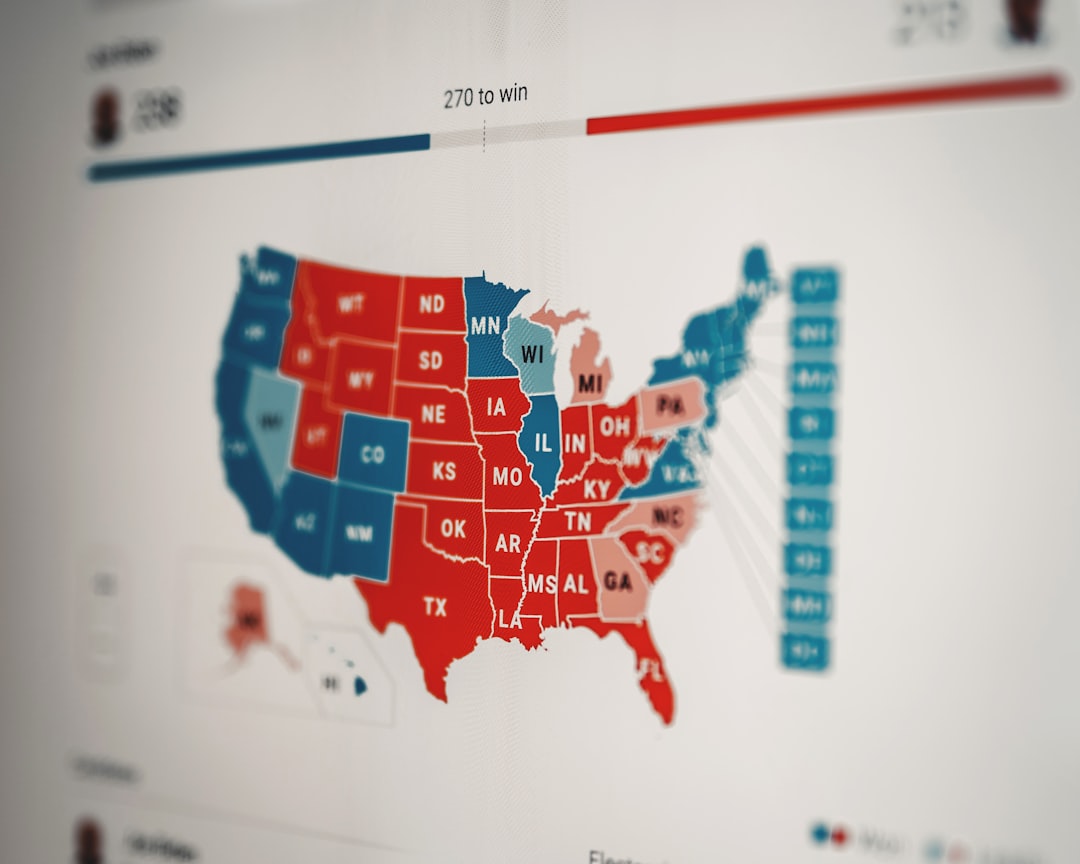
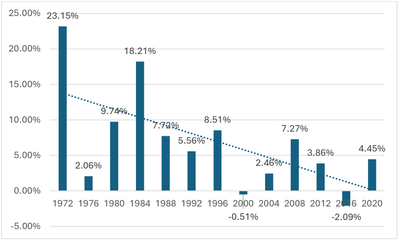
The 2024 Presidential campaign has been a roller coaster ride this summer. The upheavals are so fast and unprecedented that the reaction to each event often seems too muted. An assassination attempt and sudden pre-convention withdrawal? In a past generation, these events would be decisive, but in 2024, they seem like just the latest blip in the news cycle. The polls never seem to move more than a couple of points. In such an oddly volatile but also stable environment, our best bet to understanding what is going to transpire during the last 100 days of the election cycle is to look at data that gets to the heart of how voters view the candidates. My choice of fundamental data or essential metric is candidate fandom. Fandom is an unusual metric in politics, but it should be more common. Fandom is about passion for and loyalty to a cultural entity, be it a team, singer, university, or even politician. In fact, MAGA Trump supporters and Bernie Bros share many characteristics with Swifties and Lakers fans. Fans of all these things show up, spend, wear branded apparel, and fiercely defend the object of their fandom. The politicians who inspire fandom, such as AOC, Donald Trump, Barack Obama, and Marjorie Taylor Green, enjoy many advantages and are the celebrities of the political world. Fandom is critical in politics because fans are loyal, engaged, and resilient. Fans are not casual potential voters who may change preferences and are unlikely to make an effort to stand in line to vote. Fans are the voters who will show up rain or shine and who can’t be swayed. In 2024, a fan will interpret a conviction of their candidate as political “lawfare” rather than evidence of criminality. Also, in 2024, a fan will make excuses for signs of aging that would result in children taking a senior’s car keys. The flip side of fandom, anti-fandom, is also a powerful political force. Indeed, politics may be the cultural context in which anti-fandom has the most impact. Taylor Swift may have haters, but these anti-Swifties are not buying tickets to see Katy Perry in protest. But in politics, hatred of a candidate might be as powerful a tool for generating a vote as fandom. Joe Biden’s 2020 campaign was notoriously bad at drawing crowds, suggesting he inspired little passion. In contrast, Trump’s rallies looked like rabid sports crowds complete with matching hats. However, the hatred and fear of Donald Trump inspired sufficient anti-fandom to make Biden competitive. Of course, fandom doesn’t entirely decide elections. In most elections, there isn’t all that much fandom or passion. Beyond the presidency and senatorial contests, most candidates are barely known, and identity factors (race, gender, party affiliation) and candidate awareness are the determining factors. Even in presidential elections, get-out-the-vote efforts (ballot harvesting) and election regulations (voter suppression) combined with effective marketing to the few percent of swing (low information) voters are often the determining factors. Looking toward the future, fandom may be an increasingly salient political metric for multiple reasons. First, the last two decades have witnessed many candidates raised quickly from obscurity with somehow Hollywood-worthy origin stories (Barack Obama, AOC, JD Vance, etc.). In the modern media environment, candidates’ reputations (brands) are increasingly the product of marketing narratives rather than a lifetime of real-world accomplishments. In this new world of politics, fandom will be a critical metric. Second, with the increasing diversity of the American electorate, voting will be increasingly based on identity rather than ideology. Identity-based voting segments are likely to be driven by fandom (and anti-fandom) rather than policy. We see a form of this in 2024, as high inflation has barely made a dent in voters’ preferences for the two parties. A fragmented electorate comprised of racial and gender segments whose preferences are driven by fandom and anti-fandom will lead to increasingly negative campaigns featuring ads highlighting the threat of the non-preferred party’s candidates. When voters are focused on identity, negative advertising becomes the ideal method to use fear to create anti-fandom (hate) to motivate turnout. Kamala Harris versus Donald Trump Barring further disruptions, the matchup is set for the 2024 presidential contest (as of this writing, we do not know the Democratic VP). We do know the matchup between Donald Trump and Kamala Harris is a contest between polarizing figures. Donald Trump is a movement candidate who has redefined the Republican party. He inspires passionate fandom from his followers and amazing antipathy from major media and cultural outlets. Harris is also polarizing. In the immediate aftermath of Biden’s withdrawal, Harris received massive media and donor support. However, Harris has not demonstrated any significant national voter appeal, and her time as VP has generated ample blooper real material. My approach to assessing the race is to examine each candidate's fandom and anti-fandom. Fandom is the candidate’s core, resilient support, while anti-fandom is about antipathy. Fandom and anti-fandom are especially powerful metrics for a candidate because they are relatively fixed after a candidate gains high awareness. Once an individual identifies with the candidate (e.g., they are on the same team), an attack on the candidate is an attack on the individual. This means attack ads do not work because fans feel they are being attacked. Anti-fans are also important because they constrain a candidate’s support. A Trump anti-fan is unpersuadable by efforts from the Trump campaign because their identity is steeped in opposition to him. Fans and anti-fans are trapped in a cycle of confirmation bias where all information is processed to fit their fandom. I use data from the Next Generation Fandom Survey to assess candidate fandom and anti-fandom. The Next Generation Fandom Survey involves a nationwide sample of the U.S. population regarding fandom for sports and other cultural entities. In the 2024 edition, political figures such as Donald Trump, Joe Biden, Kamala Harris, and RFK Jr were included. The survey captured responses from 2053 subjects split evenly across the four primary generations (Gen Z, Millennials, Gen X, and Baby Boomers), and the sample is representative in terms of racial background. The survey does not focus on likely or registered voters, so the results reflect overall societal sentiments rather than the electorate's opinions. The critical survey question asks subjects to rate how much of a fan they are of a celebrity on a 1 to 7 scale. In the following discussion, individuals who rated their fandom a 6 or 7 on the 7-point scale are categorized as Fans, while those who rate their fandom a 1 or 2 are classified as Anti-Fans. Table 1 shows the Fandom and Anti-Fandom rates for the entire sample. Donald Trump has a 27% fandom rate compared to Harris's 21%. The fandom rate is crucial because it identifies the candidate's core support. It also indicates something important about the candidate’s potential likability. In terms of anti-fandom, Harris has a slightly higher Anti-Fandom rate. Anti-Fandom is also critical as it shows the percentage of people who hate a candidate. The data suggests that Americans find Harris to be more dislikable than Trump. Notably, the anti-fandom rates are significantly higher than the fandom rates. The American public has significant disdain for politicians. The high anti-fandom rates are both the product of past negative advertising and the cause of future negative campaign strategies. Table 1: Candidate Fandom and Anti-Fandom Table 2 reports fandom rates based of the two gender segments. Trump has a 7%-point advantage with men and a surprising 4% advantage with women. This is a stunning result as Trump is generally regarded as having weakness with female voters. However, this weakness shows up in the anti-fandom rates. In the male segment, Trump has a 5%-point advantage in anti-fandom (fewer anti-fans), but a 3% disadvantage in the female segment. This reveals that Trump is polarizing to women, and almost half of women find Trump to be highly dislikable. This finding is why the Harris campaign is likely to use advertising that casts Trump as misogynistic or a threat to women to motivate turnout by female voters. Table 2: Candidate Fandom by Gender Table 3 shows the fandom rates for the two younger demographic segments: Gen Z and Millennials. This Table also shows Trump’s relative performance versus Biden (in parentheses in the last column). Trump enjoys higher fandom and lower anti-fandom than Harris in both the Gen Z and Millennial segments. In terms of fandom, Trump is plus 6% in Gen Z and plus 11% with Millennials. Critically, Harris outperforms Biden. The Gen Z anti-fandom gap between Trump and Biden favored Trump by 6% points. However, this gap shrinks to just 1% point when Harris is the comparison. The data suggests that Harris is stronger with Gen Z than Biden. Table 3: Candidate Fandom in Younger Generations Table 4 reports the fandom rates based on a racial segmentation scheme. Specifically, the sample is divided into White and Non-White categories. This is a crude segmentation, but it illustrates some essential points. Trump enjoys a significant 14% positive fandom advantage in the White demographic. He also enjoys a 10-point edge in (lower) anti-fandom. The pattern essentially reverses in the Non-White segment, as Harris has a 10-point advantage in fandom and a 17-point edge in anti-fandom. Trump’s anti-fandom in the Non-White segment is critical to the campaign. Nearly half of this segment has antipathy or hate for Trump. This high anti-fandom suggests an opportunity for the Harris campaign to emphasize racial angles in their attacks on Trump. Table 4: Candidate Fandom by Race In addition to fandom and anti-fandom rates across demographic categories, insights can be gleaned by looking at segmentation variables that reflect cultural values or personality. Table 5 shows fandom and anti-fandom rates for Trump and Harris for segments defined by fandom for Taylor Swift (Swifties) and Baseball. The Swifties skew towards Harris. The implication is that young women engaged in popular culture have more positive fandom for Harris and more negativity toward Trump. This is unsurprising given the content of the popular culture and Swift’s personal liberalism. The Swiftie segment shows a much stronger skew for Harris than all but the Non-White segment. Examining the data at a cultural level is vital as it indicates that it isn’t necessarily youth or gender where Harris has an advantage but a combination of youth, gender, and a specific type of cultural engagement. The table also includes fandom rates for baseball fans. In the Baseball Fan segment, Trump enjoys an 8% point fandom advantage and a 7% anti-fandom advantage (lower anti-fandom). Like the case of the Swifties, the fandom rates of Baseball Fans reveal something about Trump’s core support. Baseball is a very traditional game with an older fan base, and traditionalism is probably the core value of Trump fans. Trump’s negative advertising is likely to focus on the threats to traditional values (i.e., Harris is a San Francisco liberal). Table 5: Candidate Fandom and Cultural Segments Commentary and Prediction Fandom is a powerful metric for predicting political success, but like most data points, it doesn’t tell the whole story. Fandom is a measure of unwavering core support while anti-fandom measures the group that will never support and is likely to show up to vote against a candidate. Examining fandom rates across multiple segments reveals that Harris’ core support is concentrated in specific cultural and racial segments. The analysis also suggests that Trump's core support is broader than is usually acknowledged and that his main problem is significant anti-fandom with women and minorities. Harris’ problem is a lack of love, while Trump’s is too much hate. Notably, I am not paying too much attention to the current wave of excitement and enthusiasm surrounding Harris. The recent enthusiasm is likely more a manifestation of the Democratic base’s hopes and a relentless media onslaught than an actual increase in passion for Harris. Maybe there will be a permanent shift upward in Harris’s fandom, but I don’t see any logic for why this would occur. Harris isn’t suddenly more likable or aspirational than she was last month. The argument that the American people are becoming more acquainted with her is dubious, given that she has been the Vice President or a major presidential candidate for almost five years. What are the implications for the upcoming election? Voting is not only about fandom or hate, so we must consider some additional factors. For instance, many potential voters lack passion and knowledge and are more prone to vote based on identity rather than ideology. If a region or demographic segment consistently votes for a party 75% of the time, that’s voting more based on fixed identities than current societal conditions. The American electorate has many of these types of fixed-preference voter segments. Furthermore, as the American electorate becomes more diverse, identity-based voting seems to be making presidential contests more predictable. The baseline seems to be that the Democratic candidate will win the popular vote by a few percentage points, and the Electoral College will come down to a few states, such as Michigan, Pennsylvania, and Wisconsin. Examining past electoral maps shows far more shifting of states across elections. Now, all but a handful of states are regarded as non-competitive. The Figure below shows the presidential popular vote margins for the last 50 years. It shows a trend towards smaller margins for the winning candidate, which is at least partly due to growing ethnic diversity and more fixed (at least in the near and medium terms) identity-based voting. Over the last 13 cycles, the margin of victory has dropped by about 1% every four years. Demographic change has also locked in a high baseline level of support for Democratic candidates. The last time a Republican won the popular vote was in 2004, with George Bush as the incumbent. Figure 1: Presidential Vote Margin 1972 to 2020 In addition to shrinking election margins, demographic change promises to change future campaign tones. The increasing relevance of fandom and anti-fandom, combined with the growing diversity of the electorate, will make 2024 an extremely negative campaign. The 2024 election will be determined by identity-based demographic trends and negative (anti-fandom) marketing campaigns. Demographics are destiny, and America is changing rapidly in ways that make it increasingly difficult for the Republicans to win the popular vote. It doesn’t matter if the Democrat is Harris, Newsom, Clinton, or Whitmer while the Republican is Rubio, Haley, Cruz, or Burgum. The baseline is probably 52% to 48%, D to R. Candidate fandom and anti-fandom probably shift the vote 2 or 3 percent in either direction. The correlation of demographic traits with voting behaviors creates incentives for campaign strategies that focus on identity. Republicans are eager to shift some percentage of Black or Hispanic voters to their cause because it simultaneously reduces the Democrats' base and grows Republican totals. In contrast, Democrats need to motivate marginal voters in the female, Black, and Hispanic segments to turn out. Fear-based appeals are the most effective tool for both parties' goals. Negative messaging is also prevalent because of the general view of politicians. Politicians tend to inspire more antipathy (anti-fandom) than admiration (fandom). The fandom data shows this, as both candidates have far more anti-fans than fans (this holds with other politicians) . The modern election calculus is, therefore, focused on aggressive negative ads that inspire marginal voters to take the initiative to vote against a hated candidate. Passion drives behavior, and it's far easier to drive fear and hatred of a candidate than to inspire passion and admiration. Considering the fandom data and the current electorate, I have two predictions. First, we will witness an incredibly nasty race. Harris’s best bet is to demonize Trump to motivate the anti-Trump voters to turn out. The American culture of 2024 includes constant repetition that many Democratic voting constituencies are marginalized and threatened. These segments are best motivated by using messages that cast the Republicans as the danger or oppressor. Women will fear losing reproductive rights, and African Americans will be primed with threats to voting rights. Trump will also employ negative messaging, but Trump’s adoption of a negative campaign comes from a slightly different motivation. Trump’s core support consists of conservatives who are frustrated by a lack of cultural power and representation. This group is looking for someone who will fight for their values. This desire for a “fighting advocate” explains much of Trump’s appeal, as his supporters are enthusiastic about his “mean tweets and nicknames.” There will also be fear-based advertising as Harris will be positioned as wanting to defund police and open the border. Second, Trump wins in a close contest. Comparing Trump’s and Harris’ fandom and anti-fandom suggests the Harris campaign faces an uphill challenge. Despite the current blitz of enthusiasm for Harris as a replacement for a failing Joe Biden, her “brand” has not shown an ability to stimulate passion, and her dislike levels exceed Trump's. It seems unlikely that she will be able to inspire fans. While Trump has a significant fanbase and weaknesses in terms of strong anti-fandom levels in minority and cultural segments, he probably beat Clinton in 2016 because her anti-fandom was equivalent to his. In contrast, he lost to Biden because Biden had less anti-fandom (in 2020). Kamala Harris seems more like Clinton than Biden, so look for a similar outcome as in 2016. The bottom-line prediction: An exceptionally negative campaign, with Trump’s greater baseline fandom and Harris’s charisma deficit leading to a narrow Trump victory. As in 2016,Trump wins the Electoral College while losing the popular vote. Addendum: Future Fandom Lesson The structure of the American electorate and the propensity of people to vote based on identity rather than ideology mean that negative campaigns are the standard in the near future. The essential observation is that demographic trends create an electorate that is more a collection of identity segments than a homogeneous population that varies in ideology. An increasingly diverse electorate likely means increasingly negative presidential campaigns as negative or fear-based appeals are especially effective when elections focus on threats to identity groups. The tragedy of this situation is that the negative messages of campaigns amplify racial division and acrimony. When the next election occurs, the electorate is even more polarized, and negative or fear-based appeals are again the most effective. Mike Lewis is an expert in the areas of analytics and marketing. This approach makes Professor Lewis a unique expert on fandom as his work addresses the complete process from success on the field to success at the box office and the campaign trail. Michael is available to speak with media - simply click on his icon now to arrange an interview today. Interested in following Future Fandom! Subscribe for free to receive new posts.



Forbes Ranks ChristianaCare Among America’s Best Employers for Women in 2024
ChristianaCare has been recognized as one of America’s Best Employers for Women by Forbes for 2024, marking the first time the company has received this prestigious recognition. In a survey of 150,000 women working for companies of at least 1,000 employees in the U.S., ChristianaCare ranked 150 on the list of 600 employers that were recognized. “This important recognition is a testament to our culture and the remarkable women who have chosen to build meaningful careers at ChristianaCare,” said Chris Cowan, MEd, FABC, ChristianaCare’s Chief Human Resources Officer. “Empowering women to succeed is integral to our culture and strengthens our organization. Together, we’ll continue to advance equity and inclusion in the workplace while transforming health and clinical care.” Forbes partnered with market research firm Statista, which surveyed employees on various aspects such as workplace environment, growth opportunities, compensation, diversity, parental leave, schedule flexibility and family assistance. ChristianaCare continues to cultivate a strong, inclusive, and diverse culture for women inside and outside the company by investing in professional development through its Women’s Employee Network (WEN) and providing a comprehensive benefits package that includes various flexible leave options for employees, including at least 12 weeks of paid parental leave. “Receiving this recognition from Forbes is an honor,” said Pamela Ridgeway, MBA, MA, SPHR, chief diversity officer and vice president of Talent and Acquisition at ChristianaCare. “In addition to offering workplace benefits such as paid maternity and paternity leave, ChristianaCare is firmly committed to empowering and advancing talented individuals within the workplace. Receiving this award for the first time signifies our unwavering dedication to ensuring that every individual has a voice and feels truly valued within our organization.” The Forbes recognition follows other national recognitions of ChristianaCare’s commitment to an inclusive workplace. Earlier this year, Forbes ranked ChristianaCare as one of the best employers for diversity in the U.S. Additionally, Forbes ranked ChristianaCare as the top health care employer for veterans in the United States. Both ChristianaCare’s Wilmington Hospital and Christiana Hospital have been named Leaders in LGBTQIA+ Healthcare Equality since 2012.

