
Experts Matter. Find Yours.
Connect for media, speaking, professional opportunities & more.

Well it’s obvious now – the gloves are off. The Nevada debate on NBC was the closest thing to a prize fight the network has aired in decades. No punches were pulled, it got personal quick for newcomer Michael Bloomberg. In fact, if anyone thought that the contest to lead the Democrats against Donald Trump in November was going to be a polite conversation abut ideas and policy, was proven dead wrong. Here are just a few of the memorable moments captured by media: Warren labeled Bloomberg “a billionaire who calls people fat broads and horse-faced lesbians.” Sanders lashed out at Bloomberg’s policing policies as New York City mayor that he said targeted “African-American and Latinos in an outrageous way.” And former Vice President Joe Biden charged that Bloomberg’s “stop-and-frisk” policy ended up “throwing 5 million black men up against the wall.” Watching from afar, Trump joined the Bloomberg pile on. “I hear he’s getting pounded tonight, you know he’s in a debate,” Trump said at a rally in Phoenix. “I don’t think there’s any chance of the senator beating Donald Trump,” Bloomberg declared before noting Sanders’ rising wealth. “The best-known socialist in the country happens to be a millionaire with three houses!” And ongoing animosity flared between Buttigieg and Klobuchar when the former Indiana mayor slammed the three-term Minnesota senator for failing to answer questions in a recent interview about Mexican policy and forgetting the name of the Mexican president. Buttigieg noted that she’s on a committee that oversees trade issues in Mexico and she “was not able to speak to literally the first thing about the politics of the country.” She shot back: “Are you trying to say I’m dumb? Are you mocking me here?”Later in the night she lashed out at Buttigieg again: “I wish everyone else was as perfect as you, Pete.” February 19 – Associated Press There’s a long way to go, but the next couple of weeks could be crucial as Super Tuesday approaches. And if you are a journalist looking for a media-ready expert who can provide insight, perspective and objective opinions about who will win, who needs to drop out and who is the best possible challenger for the Whitehouse – let us help. Mark Caleb Smith is the Director of the Center for Political Studies at Cedarville University. Mark is available to speak with media regarding the DNC Primary and the upcoming election. Simply click on his icon to arrange an interview.


Economic Impact of Macy's Closures, Sephora Openings
On February 4, Macy's announced that it will lay off 2,000 employees at corporate-level positions and close 125 stores over the next three years. They will also look to open smaller store concepts in shopping center locations, which have become more popular destinations for consumers than shopping malls. On the same day, Sephora announced it was going to open 100 stores in 2020. Villanova's David Fiorenza, an assistant professor of economics, has provided comments on both retailers' moves: "Macy's closing about 125 stores with a couple thousand jobs lost is basic economics. Supply and demand has been changing for many years, as people are shopping online, visiting boutique stores, travelling to smaller stores in strip malls, and visiting the urban-style malls that are popping up in suburban towns. These town centers, like King of Prussia Town Center, offer everything a mall or city shopping district does—but with smaller stores such as Sephora or Ulta." "Specialty stores like Sephora and Ulta will continue to see good growth in 2020 and beyond, as this is one area of retail that cannot be replaced with online shopping. The servicing of makeup, cosmetics, hair salons and fragrances needs to be experienced in a store with a knowledgeable sales representative." "The cosmetics counters in the large stores that are anchors in malls, such as Nordstrom, Neiman Marcus and Bloomingdale's, continue to show strong sales. However, in other departments within these stores, the sales are flat or declining." "Most of the smaller strip malls and suburban town centers do not have the competition you see at the larger malls." "Since the economy has been thriving for some time now, people have more discretionary income to spend. This is another bonus for Sephora and even Ulta to expand." "Macy's is a great organization but some of the stores look old and tired, similar to what happened with Toys 'R' Us' shops. I can see Macy's opening smaller boutiques, like what Best Buy has done, or discount stores, like Nordstrom Rack." "Landlords in these small strip centers and urban centers look for a certain type of business, and the large format of Macy's does not work at this point."


Ants and plants, a mutually beneficial relationship
Ant-plant interactions are really common in nature, and while people might most often picture ants as carrying pieces of leaves cut from tropical plants, ant behavior in the Midwest is less appreciated. Moni Berg-Binder, Ph.D., associate professor of biology at Saint Mary’s University, finds ant mediated seed dispersal, called myrmecochory, fascinating and says that the temperate deciduous forests here in North America have many examples of plants that engage with the native plant community. “In myrmecochory, these plants, often spring ephemerals, which are early blooming spring plants, produce seeds with a nutritious structure that sticks off the seed called an elaiosome,” she said. “Typically what happens is the seeds fall to the ground which is called primary dispersal. The Ants forage and find the seeds on the ground and then pick up seeds and carry them to their nest. This is secondary dispersal. Then, once they get the seeds into their nests, those seeds are brought to places where developing larvae eat the elaiosome. But the seed is unharmed.” From there, she said the seeds are then deposited in a chamber inside of their nests or they may take the seeds and put them in a refuse pile or a garbage dump just outside the nest. Ants, apparently, keep a very clean nest. And oftentimes the ground soil around ant activity, is elevated in organic matter, nitrogen, phosphorous, possibly moisture — all really good things for plants and essentially the same thing as fertilizer. So the seed flourishes. “It’s a beautiful example of mutualism,” she said. “The seed is taken and has effectively been planted inside this nest with nature’s fertilizer. The win from the ant perspective is that they received food.” Dr. Berg-Binder and her students have focused their research on a plant called bloodroot. Local ants disperse the seeds of bloodroot. Dr. Berg-Binder became interested in plant interactions while in graduate school when she became intrigued by the win-win scenario of mutualism. For her graduate work, she had been interested in conservation and how invasive species are introduced to a natural area where they did not typically belong. These invasive species can engage in mutualism with native species. She said there is much more studying to be done on the relationship native ants have with both native plants and invasive plants. Are ants helping the invasive species become more invasive? “They’re a great study system, and I find them really fascinating,” she said. Are you looking to know more about invasive species or ant and plant interactions? Or, are you a journalist covering this topic and looking to book an interview? That’s where we can help. To book an interview with Dr. Moni Berg-Binder, simply click below to access her contact information. Connect with: Moni Berg-Binder, Ph.D. Associate Professor, Biology Expertise: Invasive plant species and native plants; ecology and animal-plant interactions View profile https://expertfile.com/experts/moni.bergbinderphd/moni-bergbinder-phd


Interested in the Ethics of EdTech Apps? Let our Experts Help with Your Coverage
There’s been a lot of talk lately about EdTech apps. There’s a long list of benefits and advantages for students looking to succeed in these modern and digital times. However, with anything app-related – user privacy and what’s being done with all of your data that’s collected always comes to the forefront of the conversation. EdTech apps are a billion-dollar industry, and recently the experts from the University of Mary Washington were asked their opinions on the industry, the apps and privacy. Jesse Stommel, senior lecturer of Digital Studies at the University of Mary Washington, said that EdTech providers had a responsibility to do more than just legally protect themselves with terms and conditions. “The onus has to be on the tech companies themselves to educate the users about data security and data monetisation…say ‘here’s why I’m collecting it, here’s what I hope to do with it, here’s why it should matter to you’,” he said. For Dr. Stommel there was also still a danger when technologies were adopted widely across campuses and every student or lecturer was required to use them. “When certain companies become universal, staff and students don’t have a way to say ‘I won’t use it because I don’t want them to have my data’,” he said. The fact that certain products had become so widely adopted, such as plagiarism tracking software Turnitin, was another reason to be cautious about data protection, he said. Turnitin, which was sold last year for $1.8 billion (£1.4 billion), has been accused of monetising students’ intellectual property, since it works by checking submitted papers against an ever-growing database of previously submitted essays and detecting any similarities. “Companies can start off small and they say ‘we will be good stewards of this data, we’re small, we talk to each other,’ but then that company achieves more and more success and it doesn’t necessarily have the standards in place to maintain that,” said Dr. Stommel, speaking generally. “Then what happens when they are bought out? What are the ethics of the company that has purchased them? What happens to the student data then?” Dr. Stommel said that the most “moral” thing to do was for companies to collect as little data as possible but admitted “no company is approaching it in that way”. January 14 - TimesHigherEducation.com Are you a journalist covering how EdTech is now becoming a regular part of modern-day higher education? Then let our experts help with your stories. Jesse Stommel is a senior lecturer of Digital Studies at the University of Mary Washington and is an expert in faculty development, digital education and modern learning. He is available to speak with media regarding EdTech apps – simply click on his icon to arrange an interview.


Experts in the media: Two Mary Washington Professors study selfies and self-objectification
Psychological Science Professors Miriam Liss and Mindy Erchull’s research on selfie behaviors, self-objectification and depressive behaviors in women was recently published in the psychology journal, Sex Roles. Women are given the message that they are valued for their physical attractiveness above other qualities, and the study examines how self-objectification interplays with online behaviors. A study recently published in the journal Sex Roles sheds new light on the relationship between selfie behaviors, self-objectification, and depressive symptoms in women. Since women often receive the message that they are valued primarily for their physical attractiveness, the researchers were interested in exploring how self-objectification was related to online behaviors. “I have been collaborating with Mindy Erchull on issues related to objectification theory for several years. I had also begun to be interested in the effects of social media on people’s experiences and had recently taught a senior seminar on the topic,” explained the study’s lead author, Miriam Liss, a professor of psychological science at University of Mary Washington. “Mindy and I became interested in how objectification relates to experiences with social media — particularly Instagram, which is a platform that is based on posting visual images. Other studies on the topic had largely looked at how feelings of self-objectification can be a consequence of social media. We wanted to look at how self-objectification can change how one behaves when taking and posting selfies.” For their study, the researchers surveyed 164 female students from a public liberal arts university in the Southeastern United States. The survey assessed photo manipulation, average number of selfies, body surveillance, perceived social media deception, and depressive symptoms. Most of the participants reported taking 2-5 selfies before posting one to Instagram, while approximately 5 percent reported taking more than 20 on average. The researchers found that women who took a larger number of selfies before choosing one to post to Instagram tended to have higher levels of body surveillance and more symptoms of depression. PsyPost, January 12 The article and details of the study are below. If you are a journalist looking to learn more about this topic or if you are interested in speaking with Professor Miriam Liss or Professor Mindy Erchull – simply click on either expert’s icon to arrange an interview today.


With Brexit looming, more is unknown than known with British economy, trade agreements
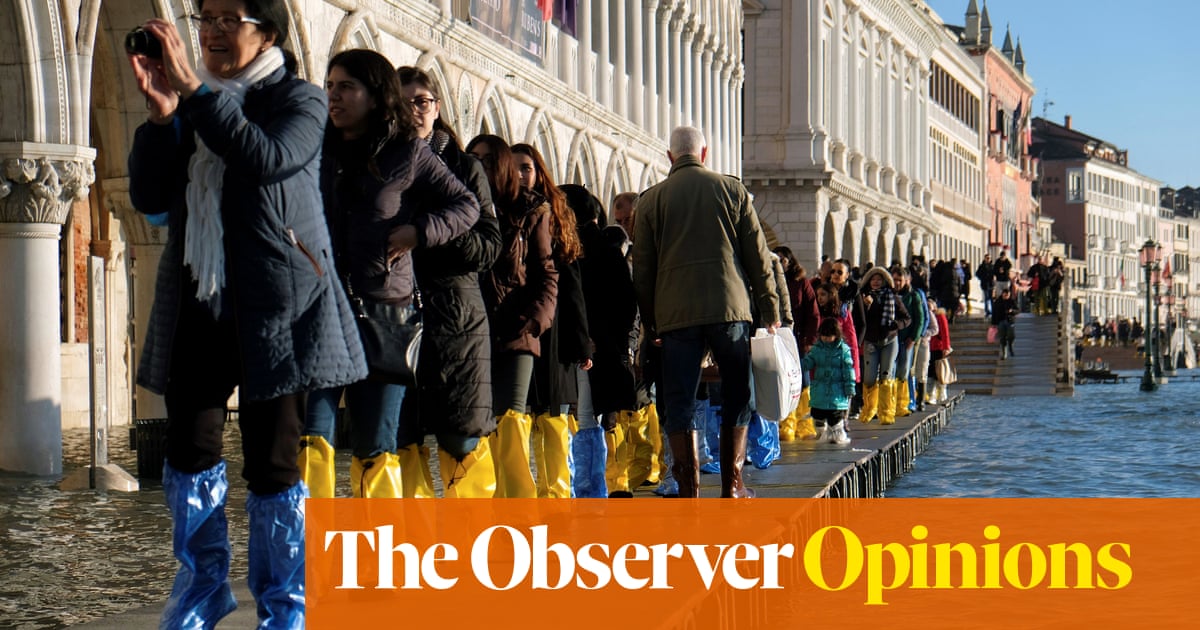
Although it has been in the works since June 2016, the transition phase of Great Britain’s decision to leave the European Union (EU) — more commonly known as “Brexit” — is set to take place on Jan. 31. It is a date that will most likely leave a ripple of economic uncertainty in the United Kingdom in its wake as the British prepare for total independence at the end of the year. “Brexit has created so many new unknown variables. It can be profoundly disruptive to England as we know it today,” says Ralf “Don” Keysser, D.B.A., an associate professor in the MBA program at Saint Mary’s University of Minnesota. Keysser predicts a negative short-term impact to the British economy, whereas the long-term perspective is still hard to predict until new free trade agreements with Europe and the rest of the world are established. Keysser does not see a clear-cut benefit to the U.S. establishing a free trade agreement with the U.K., simply based on the lack of British imports in the American market, other than maintaining political closeness. “It’s going to be a shock to the system. England will not be the England that it has been. There’s a lot of speculation, because we’ve never had a country pull out of the EU before, so it’s kind of an unknown. And it’s so highly politicized that it’s hard to get an objective analysis of what it’s going to look like.” Keysser points to a Toyota plant in South Derbyshire that supplies most of its output to countries in the EU through a tariff-free treatment. With Brexit going into effect, the factory may have to vastly reduce its output. Still, the workers in that community overwhelmingly voted to leave the EU. “This is a good example of how people will vote against their economic self-interests for ideological reasons,” Keysser says. “There’s a lot of ideology behind the Brexit vote: anti-immigrant, anti-Europe, pro-nationalist views that very much echoed President Trump’s appeal.” There are a few reasonably good projections, Keysser says, to make about the impact on inflation, unemployment, and economic trends — and none of them look good for Britain. One just has to look at the British pound, which has steadily been losing value to the dollar and euro over the years. In addition, several banks decided to either move from London or expand into other markets within the EU as soon as the Brexit results were announced, which could cost the British capital its status as of the world’s premier financial centers. “I see a gradual diminution of the financial business that’s been a mainstay of London,” Dr. Keysser says. On top of that, there is a real fear of Scotland and Northern Ireland wanting to leave the U.K. in favor of establishing their own independence and returning to the EU. The last time Scotland voted to leave the U.K. in 2004 it only passed 55% to 45%. “That could be the beginning of the end of the United Kingdom as we have known it,” Keysser says. The news might not be entirely bad out of Brexit. For international tourists, especially those from the U.S may be able to take advantage of the dollar’s exchange rate with the declining pound. Do you want to know more about the possible economic ramifications of Brexit? Are you a journalist covering this topic and interested in an interview? That's where we can help. Ralf Keysser, D.B.A., has been an active investment banker and business finance consultant for 35 years. He also serves an associate professor for the MBA program at Saint Mary’s University of Minnesota. To book an interview with him, simply click on his icon above to access his contact information.

Feeling the Bern in Iowa – Just how crucial is the first primary for DNC frontrunners?
They’ve been polling for months in advance in Iowa – and with less than a week to go before Iowans gather to caucus and choose their preferred person to lead the DNC this November, the most recent polling has Bernie Sanders surging and Joe Biden fading in major races and across the country. Polling in Iowa is still tight and shows a four-candidate race between Sanders, former Vice President Joe Biden, Sen. Elizabeth Warren (D-Mass.) and former South Bend, Ind., Mayor Pete Buttigieg, making it clear the first-in-the-nation caucus battle remains anyone’s game. Yet it is also clear that Sanders has a strong chance of coming out on top in Iowa, as well as in New Hampshire, which will vote just a week later. Such a result would make him the clear front-runner and would likely unnerve parts of the Democratic Party uneasy about the progressive independent being their standard-bearer in the fall. Sanders separated himself from the pack in a New York Times-Siena Research poll of Iowa released over the weekend, one of the first to find a clear-cut leader in the Hawkeye State. And a WBUR survey of New Hampshire released this week found Sanders opening up a 12-point advantage over the next closest contender. Sanders surpassed Biden in CNN’s latest national poll, marking the first time Biden has not held the top spot in that poll this cycle. Jan 26 – The Hill There’s still a long way to go, and if you are a journalist covering the primaries – then let our experts help with your questions and coverage. How does the Iowa caucus different from other states? Are there alliances forming and can any of the leading candidates count on support from the other contenders when the drop out. What will the Bloomberg factor be? And who has the money and staying power to hold on if there’s bad news in February? Mark Caleb Smith is the Director of the Center for Political Studies at Cedarville University. Mark is available to speak with media regarding the DNC Primary and the upcoming election. Simply click on his icon to arrange an interview.

Containing the coronavirus – Can it be done?
As of January 21, America had its first confirmed case of coronavirus. The virus that presents with flu like symptoms and is slowly making its way around Asia has finally found a host on American soil. The news of this has health officials scurrying and the world on edge with concerns of another SARS-like epidemic on the way. "As it stands, nearly 440 cases of the new coronavirus have been reported in China, Thailand, Japan, South Korea, Taiwan and the United States, with the overwhelming majority in China. All cases reported internationally were exported from Wuhan. Nine deaths have been reported in Wuhan. What should I know about the cornonavirus case in the U.S.? The first case of coronavirus reported in the U.S. is in a patient in his 30s from Washington state, the CDC said Tuesday. Laboratory testing at the CDC in Atlanta confirmed the patient was infected with it. He's currently hospitalized, in good condition, health officials in Washington said. Although the patient had traveled to Wuhan, he said did not visit the market at the center of the outbreak." January 21 - ABC News As this story develops, there remains a lot of questions to be asked getting the right information and facts will be essential given this is a matter of public health and concern. How is the virus transmitted? Can we expect more cases to appear on U.S. soil? Is there a vaccine and are there any preventable actions people can take? And, can health authorities stop the spread of Coronavirus before it becomes an epidemic? If you are a journalist covering this topic – that’s where our experts can help. Dr. Jose Vazquez is an expert in the realm of infectious diseases. He studies and treats infectious diseases, including antibiotic-resistant superbugs and fungal infections. A leader in his field and a go-to expert for media regarding this topic, Dr. Vasquez is available to speak with media regarding Immunization Awareness Month. Click on his icon to arrange an interview.



Georgia Southern associate dean named to National Advisory Mental Health Council
Joseph Telfair, DrPH, associate dean of public health practice and research in Georgia Southern University’s Jiann-Ping Hsu College of Public Health, has been appointed to the National Mental Health Advisory Committee (NAMHC). The NAMHC advises U.S. Department of Health and Human Services Secretary Alex Azar and the directors of the National Institutes of Health and the National Institute of Mental Health on all policies and activities relating to the conduct and support of mental health research, research training and other programs of the institutes. “I am greatly honored to have been given this opportunity to serve our profession and represent our college and University on this important national advisory committee,” said Telfair. “The prospect to contribute to decisions over the next several years that will make a difference for multidisciplinary researchers is very much appreciated.” Telfair’s advisory role will pertain to public health research and practice, community-based research, and issues of health inequities and translational research — all areas in which his national and global expertise has been recognized. His appointment runs through September 2023. Mental health is one of the leading issues impacting families, workplaces and almost all aspects of society and American life. If you are a journalist looking to learn more about mental health and the research taking place across the country – then let Georgia Southern University help. Joseph Telfair, associate dean of public health practice and research in Georgia Southern University’s Jiann-Ping Hsu College of Public Health, is available to speak with media regarding this important topic – simply click on his icon to arrange an interview.

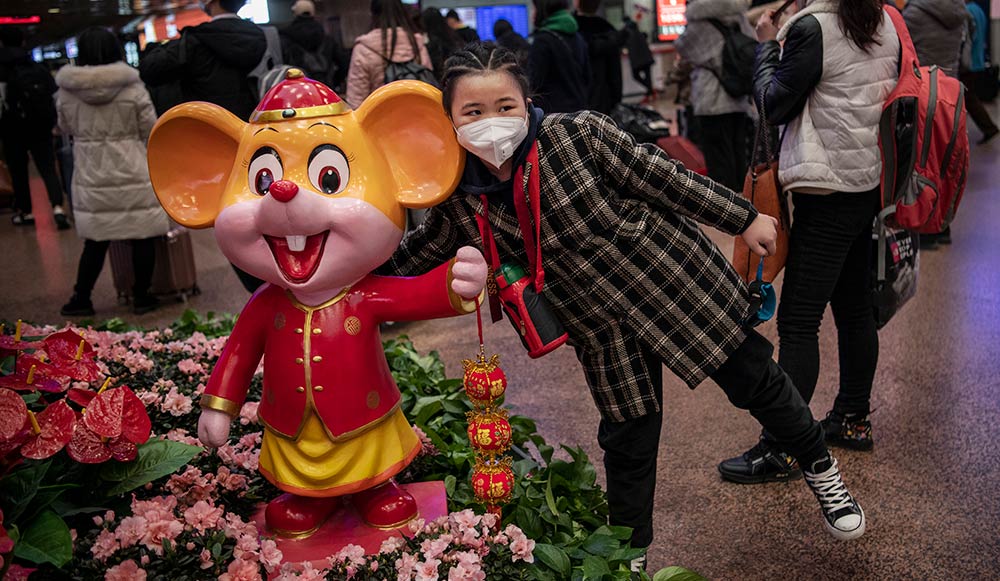
This is typically the busiest travel period in China—if not the world—as millions of people make their way home to celebrate the Chinese New Year, clogging highways, airports, and train stations in the process. As described by Forbes, the country goes into radio silence as more than 1.3 billion Chinese go on vacation at the same time. “It’s been called the largest mammalian migration on the planet, and it always takes place at the Chinese New Year,” says John Osburg, a University of Rochester associate professor in the Department of Anthropology. This year’s celebration may be less than typical, as the country is faced with an outbreak of coronavirus, which has forced the closure of Wuhan, a major port in China, and several other cities. Osburg says, “While I’ve heard from friends in China who are cancelling travel plans, I also have friends who are mostly unconcerned with the threat of the virus.” Osburg spent three years conducting ethnographic research in China, which culminated with his 2013 book, Anxious Wealth: Money and Morality Among China’s New Rich (Stanford University Press). He has also written numerous articles related to China, on such topics as masculinity, consumerism, and state capitalism. His work has provided him the opportunity to observe and understand the week-long Chinese New Year—also known as the Lunar New Year or Spring Festival—which begins this year on January 25. As Osburg explains, it’s a time for families to come together, which accounts for all the travel headaches. And typically, it’s children traveling to see their parents. “One of the more important cultural values in China is filial piety—caring for your parents,” says Osburg. “In order for a lot of young people to make enough money to support themselves, their own families, and their parents, they have to leave their homes in the smaller towns to find better-paying work in big cities.”

