
Experts Matter. Find Yours.
Connect for media, speaking, professional opportunities & more.
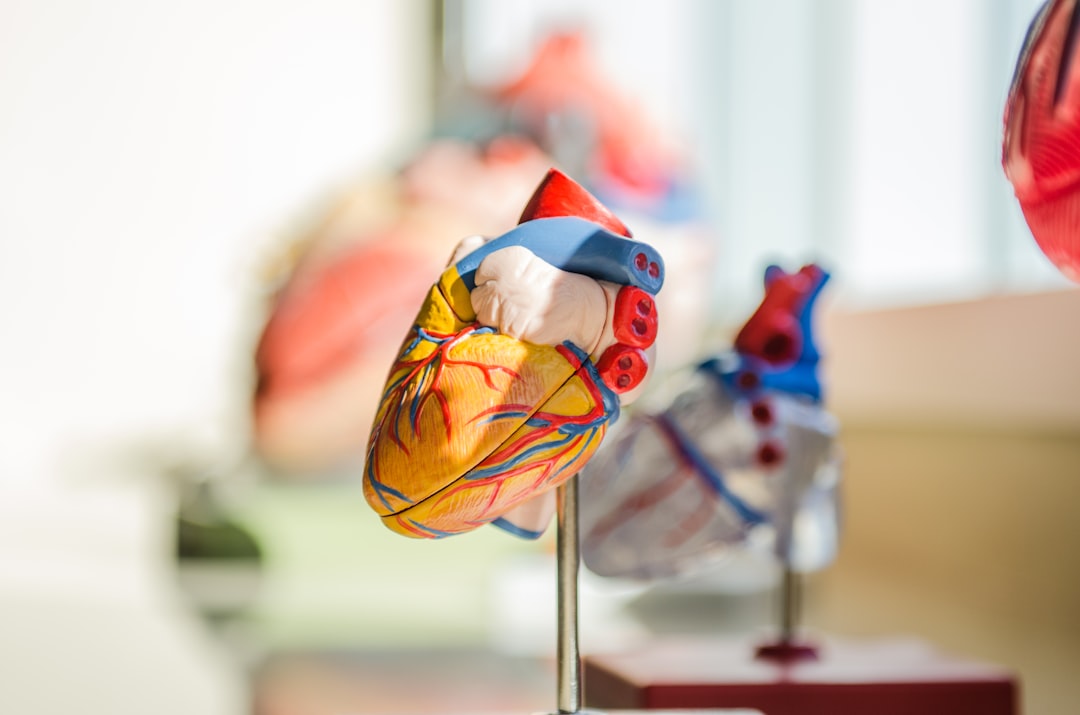
Heart valve developed at UC Irvine shines in early-stage preclinical testing
UC Irvine researchers designed and developed a minimally invasive replacement pulmonary heart valve. Created for pediatric patients, the device can be expanded as children grow, eliminating the need for multiple surgeries. The team successfully conducted laboratory and early-stage animal feasibility testing of the implant, crucial steps toward approval for human use. Irvine, Calif., June 23, 2025 — Researchers at the University of California, Irvine have successfully performed preclinical laboratory testing of a replacement heart valve intended for toddlers and young children with congenital cardiac defects, a key step toward obtaining approval for human use. The results of their study were published recently in the Journal of the American Heart Association. The management of patients with congenital heart disease who require surgical pulmonary valve replacement typically occurs between the ages of 2 and 10. To be eligible for a minimally invasive transcatheter pulmonary valve procedure, patients currently must weigh at least 45 pounds. For children to receive minimally invasive treatment, they must be large enough so that their veins can accommodate the size of a crimped replacement valve. The Iris Valve designed and developed by the UC Irvine team can be implanted in children weighing as little as 17 to 22 pounds and gradually expanded to an adult diameter as they grow. Research and development of the Iris Valve has been supported by the Eunice Kennedy Shriver National Institute of Child Health and Human Development; the National Heart, Lung, and Blood Institute; and the National Science Foundation. This funding has enabled benchtop fracture testing, which demonstrated the valve’s ability to be crimped down to a 3-millimeter diameter for transcatheter delivery and subsequently enlarged to 20 millimeters without damage, as well as six-month animal studies that confirmed successful device integration within the pulmonary valve annulus, showing valve integrity and a favorable tissue response. “We are pleased to see the Iris Valve performing as we expected in laboratory bench tests and as implants in Yucatan mini pigs, a crucial measure of the device’s feasibility,” said lead author Arash Kheradvar, UC Irvine professor of biomedical engineering. “This work represents the result of longstanding collaboration between our team at UC Irvine and Dr. Michael Recto at Children’s Hospital of Orange County built over several years of joint research and development.” Congenital heart defects affect about 1 percent of children born in the United States and Europe, with over 1 million cases in the U.S. alone. These conditions often necessitate surgical interventions early in life, with additional procedures required to address a leaky pulmonary valve and prevent right ventricular failure as children grow. The Iris Valve can be implanted via a minimally invasive catheter through the patient’s femoral vein. The Kheradvar group employed origami folding techniques to compress the device into a 12-French transcatheter system, reducing its diameter to no more than 3 millimeters. Over time, the valve can be balloon-expanded up to its full 20-millimeter diameter. This implantation method, along with the ability to begin treatment earlier in very young patients, helps mitigate the risk of complications from delayed care and reduces the need for multiple surgeries in this vulnerable population. “Once the Iris Valve comes to fruition, it will save hundreds of children at least one operation – if not two – throughout the course of their lives,” said Recto, an interventional pediatric cardiologist at CHOC who’s also a clinical professor of pediatrics at UC Irvine. “It will save them from having to undergo surgical pulmonary valve placement, as the Iris Valve is delivered via a small catheter in the vein and can be serially dilated to an adult diameter and also facilitate the future placement of larger transcatheter pulmonary valves – with sizes greater than 20 millimeters, like the Melody, Harmony and Sapien devices – if needed.” Kheradvar said that the next phase of preclinical testing of the Iris Valve is funded by the Brett Boyer Foundation, which is committed to supporting research into treatments for congenital heart disease. “We are actively engaged with the U.S. Food and Drug Administration to define and carry out the required experiments and documentation for first-in-human authorization of the Iris Valve,” Kheradvar said. “Our team is urgently advancing the Iris Valve through preclinical studies to enable its clearance for first-in-human use. This is a critical step toward providing toddlers – who currently have no viable minimally invasive treatment until they reach the 45-pound threshold – with a much-needed option.” First co-author Nnaoma Agwu, a biomedical engineering Ph.D. candidate at UC Irvine, said: “The development of the Iris Valve required a strong and knowledgeable team that understood the clinical and mechanical design requirements. This accomplishment would not have been possible without the collaboration of talented clinicians, veterinarians and engineers. With this milestone reached, we are rigorously advancing the Iris Valve’s development, setting our sights on human clinical trials.” Joining Kheradvar, Recto and Agwu as co-authors of the article in Journal of the American Heart Association were Daryl Chau, a recent UC Irvine master’s graduate; Gregory Kelley and Tanya Burney, both research specialists at UC Irvine, with Burney also affiliated with the Beckman Laser Institute; Ekaterina Perminov, a clinical veterinarian with UC Irvine’s University Laboratory Animal Resources; and Christopher Alcantara, a radiology technician at CHOC. About UC Irvine’s Brilliant Future campaign: Publicly launched on Oct. 4, 2019, the Brilliant Future campaign aims to raise awareness and support for the university. By engaging 75,000 alumni and garnering $2 billion in philanthropic investment, UC Irvine seeks to reach new heights of excellence in student success, health and wellness, research and more. The Samueli School of Engineering plays a vital role in the success of the campaign. Learn more by visiting https://brilliantfuture.UC Irvine.edu/the-henry-samueli-school-of-engineering About the University of California, Irvine: Founded in 1965, UC Irvine is a member of the prestigious Association of American Universities and is ranked among the nation’s top 10 public universities by U.S. News & World Report. The campus has produced five Nobel laureates and is known for its academic achievement, premier research, innovation and anteater mascot. Led by Chancellor Howard Gillman, UC Irvine has more than 36,000 students and offers 224 degree programs. It’s located in one of the world’s safest and most economically vibrant communities and is Orange County’s second-largest employer, contributing $7 billion annually to the local economy and $8 billion statewide. For more on UC Irvine, visit www.uci.edu. Media access: Radio programs/stations may, for a fee, use an on-campus studio with a Comrex IP audio codec to interview UC Irvine faculty and experts, subject to availability and university approval. For more UC Irvine news, visit news.uci.edu. Additional resources for journalists may be found at https://news.uci.edu/media-resources.


LSU Launches Louisiana’s Most Advanced Microscope at Research Core Facility
LSU’s Advanced Microscopy and Analytical Core (AMAC) facility gives Louisiana researchers access to 16 state-of-the-art instruments, including a new Spectra 300 Scanning Transmission Electron Microscope (S/TEM) for atomic-scale imaging and analysis. The new microscope—the most advanced in Louisiana—was installed with $10 million in support from the U.S. Army. Standing almost 13 feet tall on a platform isolated from vibration, the S/TEM required major renovations, including a raised ceiling, acoustic wall panels, and a magnetic field cancellation system to ensure the instrument’s stability and performance. The microscope offers magnification up to 10 million times, powerful enough to enlarge a single grain of Mississippi River silt to the size of Tiger Stadium. “This is a transformational moment for LSU and for the future of research in Louisiana,” Interim LSU President Matt Lee said. “With the installation of the most advanced microscope in the state, LSU is once again demonstrating how we’re delivering on our promises—leading in research, innovation, and service to the state and nation.” The launch of the AMAC and S/TEM demonstrates LSU’s increased investment in providing its faculty and partners with the best possible equipment for research and discovery, including for national defense, energy, and health. “Winning in research is no different than winning in athletics—the best facilities attract the best talent, and you need the best of both to win,” LSU Vice President of Research and Economic Development Robert Twilley said. “Today’s launch is about a state-of-the-art microscope but also the launch of the AMAC as our first research core facility at LSU—the first of more to come to attract, train, and supply the best research talent for Louisiana and build research teams that win.” Using a finely focused electron beam and techniques such as energy dispersive X-ray spectroscopy (EDS) and electron energy loss spectroscopy (EELS), the S/TEM can reveal both structure and chemistry at atomic resolution. These capabilities drive advances in materials science—improving semiconductors, solar cells, batteries, catalysts, coatings, and alloys—while supporting biomedical research by mapping drug delivery, uncovering the structures of viruses and bacteria, and improving medical implant design. LSU’s AMAC research core facility was recently rebranded, changing its name from the Shared Instruments Facility (SIF). Learn more about how AMAC instruments help unlock millions in federal research funding to Louisiana and deliver solutions.


'Brain-on-a-chip': Engineering tomorrow’s breakthroughs today
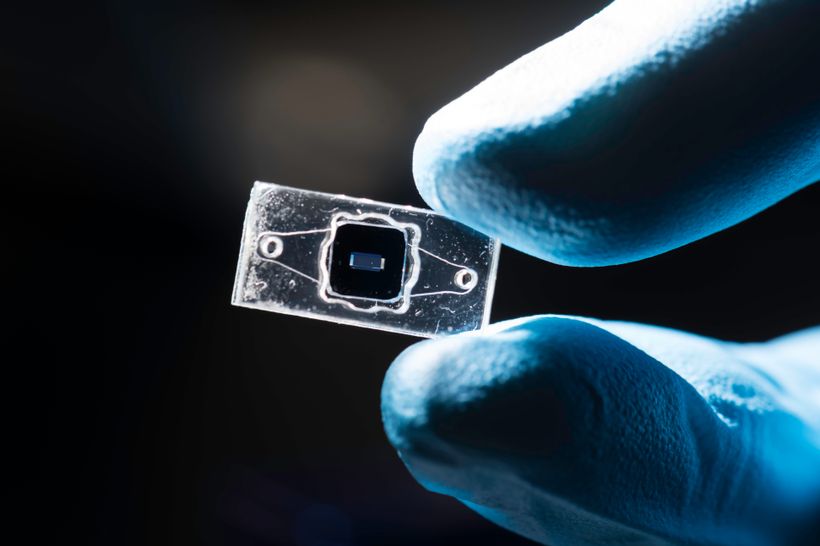
A “brain-on-a-chip” technology might sound like science fiction, but it’s real-world hope. James McGrath, a biomedical engineer at the University of Rochester, leads a team that develops micro-scale tissue chips to study diseases in lieu of conducting animal experiments. The team’s “brain-on-a-chip” model replicates the blood-brain barrier — the critical membrane separating the brain from the bloodstream — to mimic how the barrier functions under healthy conditions and the duress of infections, toxins, and immune responses that can weaken it. Recent findings from McGrath’s team show how systemic inflammation, such as that caused by sepsis, can compromise the barrier and harm brain cells. The researchers also demonstrated how pericytes — supportive vascular cells — can help repair barrier damage, an insight that could guide new therapies for Alzheimer’s and Parkinson’s. The research culminated in a pair of recent studies published in Advanced Science and Materials Today Bio. “We hope that by building these tissue models in chip format, we can arrange many brain models in a high-density array to screen candidates for neuroprotective drugs and develop brain models with diverse genetic backgrounds,” McGrath says. McGrath aims to transform how scientists test drugs and predict neurological side effects before they occur — helping rewrite how we study, and one day safeguard, the brain. Contact McGrath by clicking on his profile
Taking discoveries to the real world for the benefit of human health
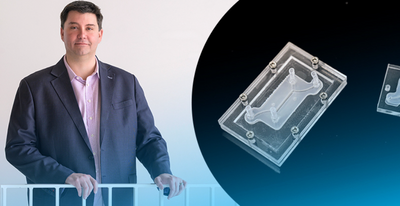
It takes about a decade and a lot of money to bring a new drug to market—between $1 billion to $2 billion, in fact. University of Delaware inventor Jason Gleghorn wants to change that. At UD, Gleghorn is developing leading-edge microfluidic tissue models. The devices are about the size of two postage stamps, and they offer a faster, less-expensive way to study disease and to develop pharmaceutical targets. These aren’t tools he wants to keep just for himself. No, Gleghorn wants to put the patented technology he’s developing in the hands of other experts, to advance clinical solutions in women’s health, maternal-fetal health and pre-term birth. His work also has the potential to improve understanding of drug transport in the female reproductive tract, placenta, lung and lymph nodes. Gleghorn, an associate professor of biomedical engineering, was named to the first cohort of Innovation Ambassadors at UD, as part of the University’s effort to foster and support an innovation culture on campus. Below, he shares some of what he’s learned about translating research to society. Q: What is the problem that you are trying to address? Gleghorn: A lot of disease has to do with disorganization in the body’s normal tissue structure. My lab makes microfluidic tissue models, called organ-on-a-chip models, that have super-tiny channels about the thickness of a human hair, where we can introduce very small amounts of liquid, including cells, to represent an organ in the human body. This can help us study and understand the mechanism of how things work in the body (the biology) or help us do things like drug screening to test therapeutic compounds for treating disease. And while these little microfluidic devices can do promising things, the infrastructure required to make the system work often restricts their use to high-end labs. We want to democratize the techniques and technology so that nonexperts can use it. To achieve this, we changed the way we make these devices, so that they are compatible with standard manufacturing, which means we can scale them and create them much easier. Gleghorn: One of the problems with drug screening, in general, is that animal model studies don’t always represent human biology. So, when we’re using animal models to test new drugs — which have been the best tool we have available — the results are not always apples to apples. Fundamentally, our microfluidic devices can model what happens in humans … we can plug in the relevant human components to understand how the mechanism is working and then ask questions about what drives those processes and identify targets for therapies to prevent the dysfunction. Q: What is innovative about this device? Gleghorn: The innovation part is this modularity — no one makes these devices this way. The science happens on the tiny tissue model insert, which is sandwiched between two pieces of clear acrylic. This allows us to watch what’s happening on the tissue model insert in real time. Meanwhile, the outer shell’s clamshell design provides flexibility: if we’re studying lung tissue and we want to study the female reproductive tract, all we do is unscrew the outer shell and insert the proper tissue model that mimics the female reproductive tract and we’re off. We’ve done a lot of the engineering to make it very simple to operate and use, and adaptable to common lab tools that everyone has, to eliminate the need for financial investment in things like specialized clean rooms, incubators and pumps, etc., so the technology can be useful in regular labs or easily deployable to far-flung locations or countries. With a laser cutter and $500 worth of equipment, you could conceivably mass manufacture these things for maternal medicine in Africa, for example. Democratizing the technology so it is compatible and useful for even an inexperienced user aligns with the mission of my lab, which focuses on scaling the science and the innovation faster, instead of only a few specialized labs being a bottleneck to uncovering new mechanisms of disease and the development of therapies. We patented this modularity, the way to build these tiny microfluidic devices and the simplicity of how it's used as a tool set, through UD’s Office of Economic Innovation and Partnerships (OEIP). Q: How have you translated this work so far? Gleghorn: To date, we've taken this microfluidic system to nine different research labs across seven countries and four continents — including the United States, the United Kingdom, Australia, France, Belgium and South Africa. These labs are using our technology to study problems in women’s health and collecting data with it. We’re developing boot camps where researchers can come for two or three days to the University of Delaware, where we teach them how to use this device and they take some back with them. From a basic science perspective, there is high enthusiasm for the power of what it can tell you and its ease of use. As engineers, we think it's pretty cool that many other people are using our innovations for new discoveries. Q: What support and guidance have you received from the UD innovation ecosystem? Gleghorn: To do any of this work, you need partners that have various expertise and backgrounds. UD’s Office of Economic Innovation and Partnerships has built a strong team of professionals with expertise in different areas, such as how do you license or take something to patent, how do you make connections with the business community? OEIP is home to Delaware’s Small Business Development Center, which can help you think about business visibility in terms of startups. Horn Entrepreneurship has built out impressive programs for teaching students and faculty to think entrepreneurially and build mentor networks, while programs like the Institute for Engineering Driven Health and the NSF Accelerating Research Translation at UD provide gap funding to be able to do product development and to take the work from basic prototype to something that is more marketable. More broadly in Delaware is the Small Business Administration, the Delaware Innovation Space and regional grant programs and small accelerators to help Delaware innovators. Q: How have students in your lab benefited from engaging in innovation? Gleghorn: Undergraduate students in my lab have made hundreds of these devices at scale. We basically built a little manufacturing facility, so we have ways to sterilize them, track batches, etc. We call it “the foundry.” In other work, graduate students are engineering different components or working on specific system designs for various studies. The students see collaborators use these devices to discover new science and new discoveries. That's very rewarding as an engineer. Additionally, my lab focuses on building solutions that are useful in the clinic and commercially viable. As a result, we've had two grad students spin out companies related to the work we've been doing in the lab. Q: How has research translation positively impacted your work? Gleghorn: I started down this road maybe five years ago, seriously trying to think about how to translate our research findings. Being an entrepreneur, translating technology — it's a very different way to think about your work. And so that framework has really permeated most of the research that I do now and changed the way I think about problems. It has opened new opportunities for collaboration and for alternate sources of funding with companies. This has value in terms of taking the research that you're doing fundamentally and creating a measurable impact in the community, but it also diversifies your funding streams to work on important problems. And different viewpoints help you look at the work you do in new ways, challenging you to define the value proposition, the impact of your work.

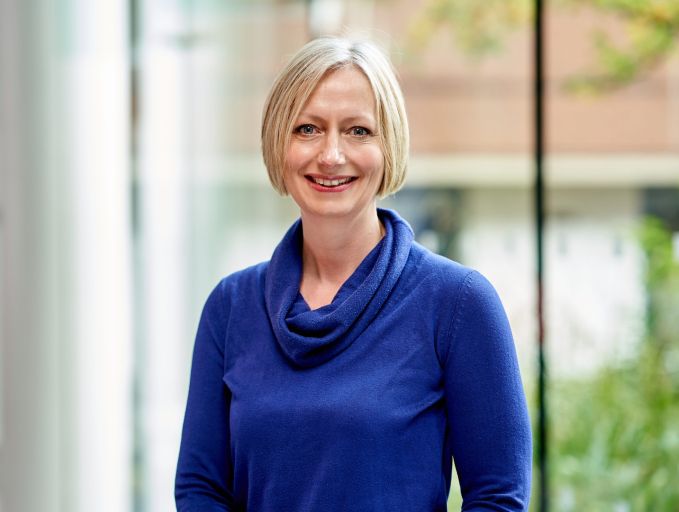
Aston University’s Dr Amanda Hall co-led the study with Dr Anisa Visram from the University of Manchester Deaf children and those with experience of childhood deafness have identified their top 10 research priorities including education and family relationships The project was funded by the National Deaf Children’s Society Deaf children and people with experience of childhood deafness from across the UK have come together to highlight what matters most to children affected by deafness and hearing loss, as part of a project funded by the National Deaf Children’s Society (NDCS). From 2023 to 2025, a team of parents, young people and health and education professionals set out to compile a list of the ‘Top 10’ most important questions that researchers should be trying to answer about childhood deafness and hearing loss. The project was co-led by Dr Amanda Hall, a senior lecturer in audiology at Aston University, and Dr Anisa Visram from the University of Manchester in conjunction with researchers at Lancaster University. The hope is that it will ultimately lead to more research into childhood deafness, in the specific areas it’s needed most. Children highlighted the potential impact of them missing out on things happening around them when interacting with their peers as their top priority, demonstrating the importance of social development for deaf children. Family relationships and educational needs ranked as high priorities for both adults and children, coming in the top 3 for both groups. Adults ranked educational needs as number 1, highlighting the importance of supporting deaf children in schools, particularly those with additional needs. Other important areas for research included understanding what support is needed for children with mild and unilateral (on one side) deafness, the impact of language deprivation on deaf children and how deaf children can be supported to understand their deafness and become empowered to advocate for themselves as they grow up into deaf adults. Several hundred respondents contributed to the project through a series of online surveys. Children were involved through activity-based focus groups. Respondents submitted over 1,200 ideas for research questions in the initial surveys. These were summarised into a list of 59 unique questions, and a second survey was used to prioritise the questions. The top 21 questions were then taken to two final full-day workshop where participants collaborated to choose their top 10 priorities. The research team used what’s known as a James Lind Alliance (JLA) priority-setting process to ensure the robustness of the project. Participants reported feeling valued as part of the project and satisfied that their feedback is reflected in the final lists. One of the children who took part in the workshop said: “I learnt that my voice matters and I can make a difference for me and other deaf children.” Dr Hall said: “It has been a real privilege to be part of this JLA partnership, working alongside deaf young people, families of deaf children and professionals to identify our two sets of top 10 research questions. We hope this is just the beginning of more research that reflects what matters most to deaf children, their families and professionals, and of more opportunities to work together.” Dr Visram said: “This has been an incredible project to work on with an amazing, committed, and diverse stakeholder group feeding into the process at all stages. We have formed important collaborations with deaf young people, parents of deaf children, and a whole range of professionals working with deaf children. The group plan to keep working together to promote the Top 10 lists and help develop research projects to start to answer these important questions.” Juliet Viney is a parent to a deaf child and has supported the project as a parent partner. She said: “It has been an absolute privilege working as a parent partner developing our Top 10 most important research questions for childhood deafness. This project has brought together and empowered deaf children and young people, parents and professionals from across the UK; using their valuable lived experiences to provide them with a strong voice to guide researchers towards addressing what is most needed to improve deaf children's educational, health, social and emotional outcomes. I am excited to see which questions will be pursued in further research and the positive impacts these will have on the lives of deaf children!” Dr Sian Lickess, Research and Analysis Lead at the National Deaf Children’s Society, said: “We are proud to have supported this important partnership, which has brought together the voices of deaf children, their families and professionals to shape future research priorities. The resulting Top 10 lists represent an important step toward ensuring research is aligned with real-world needs and is meaningful to those most affected. We look forward to the impact this work will have on improving outcomes for deaf children.” The full list of priorities identified can be found at: www.childdeafnessresearch.co.uk. As well as the National Deaf Children’s Society, several other partners have also contributed to the project. These include the Professor Kevin Munro’s National Institute for Health and Care Research (NIHR) Senior Investigator award, NIHR Manchester Biomedical Research Centre, PF Charitable Trust, Research England’s QR Participatory Research Fund to Lancaster University, and UKRI Future Leaders Fellowship MR/X035999/1.


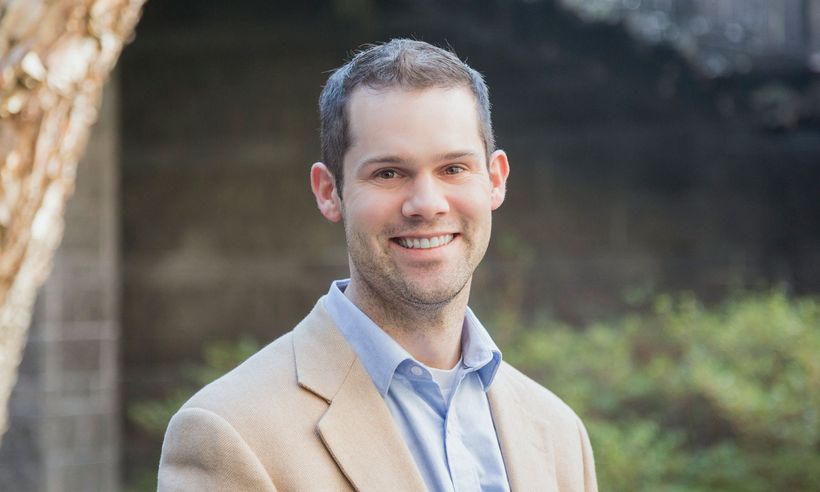
Michael McClure, Ph.D., associate professor from the Department of Biomedical Engineering and affiliate faculty in the Department of Orthopaedic Surgery and in the Institute for Engineering and Medicine, has been named chair of the Orthopaedic Research Society’s (ORS) newly launched Skeletal Muscle Section. The section began in August 2025, building on research interest groups and symposia to create a dedicated home for skeletal muscle studies within ORS. Its mission is to advance collaboration, innovation, education and translation in this field. Skeletal muscle disorders cause disability, chronic pain and high health care costs. Severe injuries and degenerative diseases, such as muscular dystrophies, remain difficult to treat. The section will strengthen research in muscle development, aging, trauma, disuse and disease. This work will expand the basic understanding of and identify therapeutic targets to restore function. In its first year, the section will measure success through increased skeletal muscle abstracts at the 2027 ORS Annual Meeting, growth in ORS membership and active participation in section programs. “We are thrilled to launch the Skeletal Muscle Section,” McClure said. “This home for translational muscle research will build on ORS progress over the past 10 years, help recruit new members and foster an environment that connects multiple areas of orthopaedic science.” McClure’s commitment to this work is shaped by his family’s experience with neuromuscular diseases, witnessing the impact of war-related injuries on patients’ quality of life from the Richmond Veterans Affairs Medical Center, and the momentum of translational discovery. Learn more about the ORS Skeletal Muscle Section.

Professor Roslyn Bill selected for the inaugural cohort of the Big if True Science accelerator
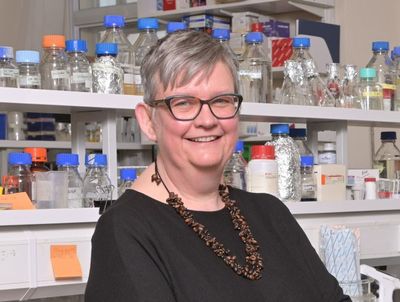
Professor Roslyn Bill is the director of Aston Institute for Membrane Excellence (AIME) The Big if True Science (BiTS) accelerator aims to bridge the gap between cutting-edge lab science and multi-million-dollar collaborative projects Professor Bill’s research is focused on the brain’s plumbing system and developing drugs against traumatic brain injury and cognitive decline. Professor Roslyn Bill, director of Aston Institute for Membrane Excellence (AIME), has been selected as an inaugural fellow of the new Big if True Science (BiTS) accelerator. BiTS was set up by a non-profit organisation, Renaissance Philanthropy, to support its scientist and innovator fellows in developing groundbreaking research initiatives and equip them with the tools, skills, and networks needed to design high-impact, collaborative research programmes and technical projects with multi-million-dollar budgets beyond their own laboratories. The first cohort of 12 fellows was selected after a highly competitive process. The cohort represents diverse fields including neuroscience, environmental engineering, biomedical research, and materials science. Over a 15-week period, they will transform their breakthrough concepts into fundable eight-figure R&D programmes, before pitching their ideas to funders on 10 December 2025. Professor Bill’s research focuses on the glymphatic system, the brain’s ‘plumbing’ system, which facilitates the movement of fluid and clears waste products. Water moves in and out of brain cells through tiny protein channels in the cell membrane called aquaporins. Uncontrolled water entry, for example, after a head injury, can cause catastrophic swelling and severe brain injuries of the type suffered by racing driver Michael Schumacher after a skiing accident. When the flow is impeded, for example, as we age, waste products can build up, leading to diseases like Alzheimer’s. In 2020, Professor Bill was lead author on a paper published in the prestigious journal Cell on how the flow of water through aquaporin-4 is controlled. She is now researching drugs to affect this process, which could have a huge impact on the treatment of traumatic brain injury and cognitive decline. Professor Bill said: “Every year, tens of millions of people are affected by injuries to their brains. Every three seconds, someone in the world develops dementia. There are no medicines that can fix these terrible conditions. Being an inaugural member of BiTS is a great honour, and I am delighted to be in the company of truly inspiring people. This exciting programme offers hope to patients for whom no medicines are available!”

Seniors Pay the Highest Price When Politicians Dismiss Healthcare Evidence
Disclaimer: This is an opinion piece. It reflects the author's perspective and should not be considered medical advice. Please consult with your physician or healthcare provider to discuss your individual health and vaccination needs. If you’re experiencing health issues, don’t rely on blogs (even snappy ones)—rely on a qualified medical professional. Fall is here. Kids are back in class, pumpkin spice is back in mugs, and—like clockwork—news headlines are back stirring fear and doubt. This season, RFK Jr. is making noise about vaccines, throwing science under the school bus, and leaving some older Canadians wondering: Who should I trust—politics or science? Spoiler: if you’re betting on politics to keep you healthy, you might as well ask your neighbour’s cat for medical advice. So, let’s get back to basics: what shots you really need, why the science is solid, why politics muddies the waters, and how you can be your own best health advocate. Oh, and because you know me—I’ll sprinkle in a few “if only” vaccines we all wish existed. Science vs. Politics: Who Wins? Science: Vaccines work. They reduce severe illness, save millions of lives, and prevent outbreaks of diseases we thought we’d left in history books. COVID-19 vaccines alone are credited with saving over 1.4 million lives in Europe since 2020. Vaccines aren’t some modern fad cooked up in a lab—they’ve been saving lives since 1796, when English doctor Edward Jenner made a discovery that led to the first smallpox vaccines, which at the time was one of the deadliest diseases on earth. Fast forward to today, and the results speak for themselves. Data from the CDC shows that vaccines have slashed major diseases in the U.S. and Canada to the point where polio and smallpox haven’t been seen in decades—down from tens of thousands of cases every year in the 20th century. Even measles, which has made a resurgence due to rising vaccine skepticism, is still nowhere near the half-million infections Americans used to see annually. Thanks to vaccines, measles, pertussis, mumps, and rubella are now more likely to show up in a history book—or on a pub trivia night—than in your family doctor’s office. Over a century of data shows that vaccines don’t just work—they’ve rewritten medical history. A landmark CDC study published in JAMA by researchers Sandra W. Roush (MT, MPH) and Trudy V. Murphy, MD, with Centers for Disease Control and Prevention, Atlanta, Georgia did a major study comparing disease rates before and after vaccines became widespread. The results were jaw-dropping: Cases of diphtheria, mumps, pertussis, and tetanus dropped by more than 92%, and deaths by more than 99%. Endemic polio, measles, and rubella have been eliminated in the U.S and Canada. Smallpox is gone from the globe. Even newer vaccines introduced since 1980—like those for hepatitis A, hepatitis B, Hib, and chickenpox—cut cases and deaths by 80% or more. The evidence found by the CDC study was so overwhelming that the authors called vaccines “among the greatest achievements of biomedical science and public health” (Source: JAMA, 2007) The number of cases of most vaccine-preventable diseases is at an all-time low; hospitalizations and deaths have also shown striking decreases. Think about it. When was the last time someone at your dinner table worried about catching smallpox? Enter RFK Jr., stage left. He has wasted no time since his appointment as US Secretary of Health & Human Services to undermine confidence in the public health system. His recent moves—firing the CDC director, cutting mRNA funding (even for cancer vaccines!), and gutting expert panels—are sowing doubt faster than a Toronto raccoon opening a green bin. Even Dr. Martin Makary, Commissioner of Food and Drugs for the U.S. Food and Drug Administration (FDA), recently chimed in with an opinion piece published last week in The Wall Street Journal. His take? Vaccines should mostly be reserved for high-risk groups, healthy people don’t really need them, and maybe we should start running more placebo trials “just to be sure.” That sounds reasonable until you realize it’s the same playbook RFK Jr. uses: shrink access, shift the burden of proof endlessly, and treat vaccines like optional extras. When Politics Drowns Out Science, Seniors Pay the Highest Price When politics drowns out science, we pay the highest price. Because the truth is: our immune systems age just like our knees do—creaky and slower to respond. Vaccines aren’t optional; they’re essential. Demanding new placebo trials for vaccines we already know work is like asking a baker to prove yeast makes bread rise every single year. And framing vaccines as “only for the sick” ignores the basic truth: when coverage falls, outbreaks rise. Period. Vaccines for Canadian Adults & Seniors (Source: Health Canada) Vaccines aren’t just for kids—they’re part of healthy aging, too. Health Canada has issued clear guidelines on which shots adults and seniors should have on their radar, from flu and pneumonia to shingles and RSV. Think of it as a maintenance schedule for your immune system. That said, every person’s health history is unique, so always check with your doctor or healthcare provider before rolling up your sleeve. Flu shot (Seasonal Influenza Vaccine) – Protects against flu strains that mutate yearly (PHAC – Influenza Vaccine). Everyone should receive it annually; seniors may be eligible for a high-dose version. Pneumococcal (Pneu-C-20) – Shields you from pneumonia, bloodstream infections, and meningitis (PHAC – Pneumococcal Vaccine). One dose at 65+. Shingles (Recombinant Zoster Vaccine – RZV) – Stops the chickenpox virus (that never left your body) from staging a painful comeback tour (PHAC – Shingles Vaccine Guidance)—two doses, starting at age 50. Tdap (Tetanus, Diphtheria, Pertussis Vaccine) – Protects against lockjaw, a throat infection, and whooping cough (PHAC – Tdap Vaccine). One-time booster, then Tdap every 10 years. Polio (Inactivated Poliovirus Vaccine – IPV) – Keeps polio from making a comeback (PHAC – Polio Vaccine). Needed if you missed doses or travel to outbreak zones. RSV (Respiratory Syncytial Virus Vaccine) – Prevents serious lung infections in older adults (Health Canada – RSV Vaccine Information). Recommended for ages 75+ or in long-term care. MMR (Measles, Mumps, Rubella Vaccine) – Blocks childhood triple threats (PHAC – MMR Vaccine). One dose if born after 1970 and not immune. Varicella (Chickenpox Vaccine) – For those who have never had chickenpox (PHAC – Varicella Vaccine). Two doses under age 50; For those over 50, the shingles vaccine is recommended. The Vaccines We Wish Existed Because let’s face it: medicine has cured smallpox, but not small talk. RV – Rectitious Vision Correction: For correcting poor attitudes and selective hearing in spouses. FOMOVAX: Stops the green-eyed monster when your friends are on a Caribbean cruise and you’re at Costco. TechTonic: For when Zoom won’t unmute and your iPad keeps asking for your “Apple ID you made in 2009.” EarPeace: Selective hearing—blocks whining, amplifies compliments. WineNot: The Thanksgiving booster that helps you tolerate in-laws, politics talk, and Uncle Bob’s gravy complaints. MemoryMap: Protects against the “where did I put my glasses?” epidemic. Spoiler: they’re on your head. If only. Until then, we’ll have to stick with flu and shingles shots. Screening Schedule: The Other Half of the Health Checklist Keeping your health on track sometimes feels like managing a full-time maintenance schedule. After all, the human body has more moving parts than a Canadian Tire catalogue—so of course things need regular tune-ups. If vaccines are like scheduled oil changes for your immune system, screenings are more like the regular safety inspections—checking the brakes, the lights, and making sure nothing rattles when it shouldn’t. Our bodies have a knack for keeping secrets until it’s too late, which is why Health Canada and national guidelines recommend routine checks for cancer, heart health, bone strength, and more. Here’s the recommended Health Canada guidelines—your doctor may adjust based on your risk.: Cervical (Pap test): Every 3 years, ages 25–69 (CTFPHC – Cervical Cancer Guideline). Breast (Mammogram): Every 2–3 years, ages 50–74 (CTFPHC – Breast Cancer Screening). Colorectal (Colonoscopy or FIT test): Every 2 years (FIT) or 10 years (colonoscopy), ages 50–74 (CTFPHC – Colorectal Cancer Screening). Prostate (PSA test): Discuss with your doctor around age 50 (CTFPHC – Prostate Cancer Guideline). Lung Cancer Screening: For current/former heavy smokers, typically ages 55–74 (Canadian Partnership Against Cancer – Lung Cancer Screening). Bone Density (DXA scan): At 65+ or earlier if at risk (Osteoporosis Canada – BMD Testing). Blood Pressure & Cholesterol: Annual or as needed (Hypertension Canada Guidelines). Diabetes (A1C test): Every 3 years starting at 40 (Diabetes Canada – Clinical Guidelines). Your Fall Holistic Health Checklist Still with me? Here's a checklist that I personally follow as a seasonal tune-up—part vaccines, part screenings, part lifestyle hacks. It’s not about chasing perfection; it’s about making sure you’ve got the energy to keep doing what you love (and maybe even outpace the grandkids). Whether you’re just easing into retirement, solidly in the groove, or rocking your seventies with style, these age-by-age tips will help you stay sharp, strong, and one step ahead of sneaky health surprises. Pre-Retirees (55–64) • Annual flu shot • Covid-19 shot • Start shingles series (50+) • Tdap booster if due • Immunization catch-up (MMR, polio, varicella) • Screenings: Pap, mammogram, colon, bloodwork • Exercise, hydrate, and learn to say no—yes, that’s preventive care too. Post-Retirees (65+) • Annual flu shot (high-dose if offered) • Covid-19 shot • Pneumococcal vaccine • RSV vaccine (75+ or communal living) • Shingles vaccine if not done • Screenings: colon, prostate, bone density, cholesterol, diabetes • Keep bones strong: vitamin D, weight training, and occasionally lifting grandkids count. Active Retirees (70+) • All of the above • Review meds and fall-prevention strategies • Stay social—book clubs, golf leagues, dance classes. Loneliness is a silent epidemic. • Advocate for friends, spouses, and grandkids—because being the family health quarterback matters. Your Best Shot: Be Your Own (and Your Community’s) Advocate Vaccines and screenings are only half the story—the other half is using your voice. Seniors have enormous influence, and when you speak up, policymakers listen. Here are a few ways to make sure your concerns don’t get lost in the shuffle: Start local. Write a short letter or email to your Member of Parliament, MPP, or Mayor. Personal stories are more powerful than statistics—tell them why vaccines, screenings, and health services matter to you and your community. Pick up the phone. Constituency offices actually log every call, so even a five-minute conversation with a staffer goes on record. Think of it as Yelp for public policy. Go public. A letter to the editor in your local paper or a well-placed comment at a town hall gets noticed by decision-makers. Be persistent (but polite). Politics moves slowly, but steady nudges add up. You don’t need to storm Parliament—just keep knocking on the door. You’ve spent a lifetime paying taxes, raising families, and building communities—you’ve earned the right to be heard. And let’s be real: nobody wants to mess with a senior who’s got a phone, an email list, and time to follow up. This fall, don’t let politics steal your peace of mind. Don’t let headlines plant seeds of doubt. Vaccines and screenings aren’t about fear—they’re about freedom: freedom to keep moving, keep laughing, keep living the “Hip, Fit & Financially Free” life you deserve. And until they invent the "WineNot" booster or the "MemoryMap" shot, your best defence is still the good old-fashioned flu, shingles, and pneumonia vaccines—plus the screening tests that catch sneaky stuff early. So roll up your sleeve. Book that screening. Be your own health advocate. And while you’re at it, sign your spouse up for the RV shot—because an attitude adjustment should absolutely be a household vaccine. Stay healthy. Don't Retire - Rewire! Sue Resources Want to dig deeper? Here are links to a few of my other health and wellness posts where I share practical tips, a little humour, and more ways to keep your retirement years strong, savvy, and stress-free. > The Retirement Games: From Sprint to Marathon, The New Retirement Reality > Life Hacks in Retirement: Strategies for Aging Well Also for each vaccine mentioned, here are some links to trusted sources of information. Please consult with your physician or healthcare provider before commencing with any treatment. COVID-19 Public Health Agency of Canada (PHAC) - COVID-19: Spread, prevention and risks - https://www.canada.ca/en/public-health/services/diseases/2019-novel-coronavirus-infection/prevention-risks.html Flu Shot (Seasonal Influenza) Public Health Agency of Canada (PHAC) – Canadian Immunization Guide, Influenza Chapter: https://www.canada.ca/en/public-health/services/publications/healthy-living/canadian-immunization-guide-part-4-active-vaccines/page-10-influenza-vaccine.html Pneumococcal (Pneu-C-20) PHAC – Canadian Immunization Guide, Pneumococcal Chapter: https://www.canada.ca/en/public-health/services/publications/healthy-living/canadian-immunization-guide-part-4-active-vaccines/page-16-pneumococcal-vaccine.html Shingles (Recombinant Zoster Vaccine – RZV) PHAC – Shingles Vaccine Guidance: https://www.canada.ca/en/public-health/services/publications/vaccines-immunization/shingles-vaccine.html Tdap (Tetanus, Diphtheria, Pertussis) PHAC – Tdap Vaccine - https://www.canada.ca/en/public-health/services/publications/healthy-living/canadian-immunization-guide-part-4-active-vaccines/page-21-tetanus-diphtheria-pertussis-vaccine.html Polio (IPV) PHAC – Polio Vaccine Guidance - https://www.canada.ca/en/public-health/services/publications/healthy-living/canadian-immunization-guide-part-4-active-vaccines/polio-vaccine.html RSV (Respiratory Syncytial Virus) - Health Canada – RSV Vaccine Information - https://www.canada.ca/en/health-canada/services/drugs-health-products/vaccines/respiratory-syncytial-virus.html MMR & Varicella - PHAC – Measles, Mumps, Rubella, Varicella Chapters: https://www.canada.ca/en/public-health/services/publications/healthy-living/canadian-immunization-guide-part-4-active-vaccines.html

Largest Cohort in LSU History: Six Distinguished Faculty Members Named Boyd Professors
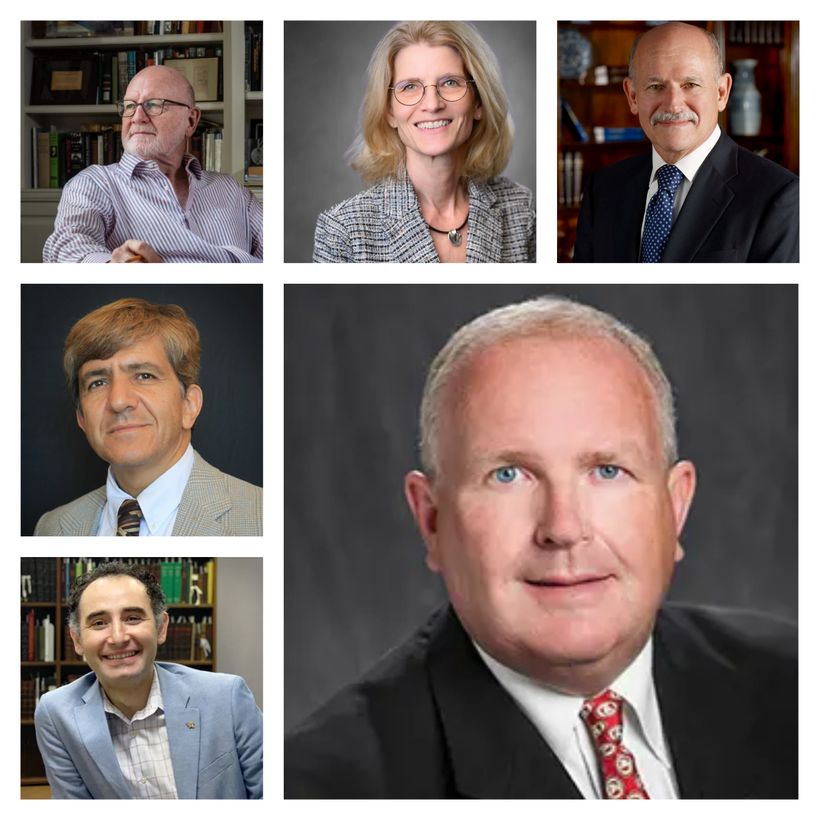
Named in honor of brothers Thomas and David Boyd, early presidents and faculty members of LSU, the Boyd Professorship recognizes faculty who bring honor and prestige to LSU through their national and, as appropriate, international recognition for outstanding achievements. Before today, only 79 faculty members from all of LSU’s campuses have ever achieved this distinguished rank. The newest cohort of Boyd Professors represent a wide variety of disciplines and hail from three of LSU’s eight campuses: LSU A&M, Pennington Biomedical Research Center, and LSU Shreveport. This group includes LSU Shreveport’s first-ever Boyd Professor, a landmark achievement for the campus and a testament to its academic distinction. As the largest group of Boyd Professors ever named at one time, this cohort underscores LSU’s rising reputation for research excellence across all of its campuses. “This is a moment of real pride for LSU. Naming six new Boyd Professors is not only historic in scale, it's a clear reflection of the extraordinary strength and momentum of our academic enterprise,” said Interim LSU President Matt Lee. “These scholars are advancing knowledge in ways that reach far beyond our campuses, and their work is helping to define LSU’s place on the national and global stage. I am especially proud to see LSU Shreveport represented for the first time, a milestone that reflects the growing excellence across our campuses. This achievement is a powerful reminder of our commitment to advancing scholarship and shaping the future through research, education, and service.” The newest Boyd Professors are: Mette Gaarde, Les and Dot Broussard Alumni Professor, Department of Physics and Astronomy, College of Science, LSU A&M John Maxwell Hamilton, Hopkins P. Breazeale LSU Foundation Professor, Manship School of Mass Communication, LSU A&M Steven Heymsfield, Professor of Metabolism and Body Composition, Pennington Biomedical Research Center Michael Khonsari, Dow Chemical Endowed Chair and Professor, Department of Mechanical Engineering, College of Engineering, LSU A&M Alexander Mikaberidze, Professor of History, Ruth Herring Noel Endowed Chair, College of Arts & Sciences, LSU Shreveport R. Kelley Pace, Professor, Department of Finance, E. J. Ourso College of Business, LSU A&M Nominations for the Boyd Professorship are initiated in the college, routed for review and support at the campus level, then considered by the LSU Boyd Professorship Review Committee, which seeks confidential evaluations from dozens of distinguished scholars in the candidate’s field of expertise. Once endorsed by the review committee, the nomination is forwarded to the LSU President and Board of Supervisors for consideration. With this distinction, a Boyd Professor’s compensation is elevated to reflect the stature of LSU’s most distinguished faculty, with a salary set at no less than the 95th percentile of full professors in comparable disciplines at peer public institutions across the southeastern United States. They also receive an annual stipend to further support their research and scholarly pursuits. Please join us in congratulating these faculty on this outstanding accomplishment.

Delaware INBRE Summer Scholars Complete Biomedical Research Projects at ChristianaCare
Eight undergraduate scholars recently completed a 10-week immersion in biomedical research through the Delaware IDeA Network of Biomedical Research Excellence (INBRE) Summer Scholars Program at ChristianaCare. Their projects, spanning oncology, emergency medicine and community health, culminated in a capstone presentation and celebration on August 13 at Christiana Hospital. This year’s cohort included students from University of Delaware, Delaware State University and Delaware Technical Community College, as well as Delaware residents attending college out of state. Each student was paired with expert mentors from across ChristianaCare, contributing to research designed to improve patient care and outcomes. In addition to their primary projects, the scholars explored ChristianaCare’s advanced facilities such as the Gene Editing Institute Learning Lab, gaining hands-on exposure to cutting-edge methods in biomedical research. “This year’s DE-INBRE program at ChristianaCare was a one-of-a-kind experience,” said Susan Smith, Ph.D., RN, program director of Technology Research & Education at ChristianaCare and the INBRE site principal investigator. “We brought together undergraduates from various academic backgrounds and immersed them in real, hands-on biomedical research with some of our most accomplished investigators. “Watching these students go from a little unsure on day one to confidently presenting their own findings by the end of the summer was inspiring, and proof that programs like this are building the next generation of biomedical researchers in Delaware.” Delaware INBRE is a statewide initiative funded by the National Institutes of Health to strengthen Delaware’s biomedical research infrastructure. It supports undergraduate research training, faculty development and core facility investments across partner institutions. At ChristianaCare, the program offers students immersive, hands-on research experiences guided by seasoned investigators, equipping them with the skills, mentorship and exposure essential for careers in science and medicine. Madeline Rowland, a Delaware resident and rising senior at Williams College in Massachusetts, collaborated with Hank Chen, senior medical physicist at the Helen F. Graham Cancer Center & Research Institute, to evaluate tattoo-free, surface-guided radiation therapy for breast cancer patients. She also worked with leaders of ChristianaCare’s Center for Virtual Health to explore how different patient populations experience virtual primary care. Rowland praised the program for the research skills and knowledge she gained as well as the meaningful relationships she built with mentors, health care professionals and fellow scholars she might not have otherwise met. “Dr. Chen and the whole Radiation team really adopted me into the department,” Rowland said. “From sitting on the CT simulation table in my first week to working on my project, I felt fully welcomed. I’ve learned so much, and the people I’ve met made this summer unforgettable.” Chen was recognized as the program’s inaugural “Mentor of the Summer” for his exceptional dedication and thoughtful approach to teaching. Having now mentored INBRE scholars for three years, Chen has a personal connection to the program. His own daughter participated as an undergraduate and recently began her general surgery residency after graduating from Sidney Kimmel Medical College at Thomas Jefferson University in Philadelphia. For Chen, mentoring represents an investment in health care’s future. “The greatest asset of any institution is its talent,” he explained. “When you welcome students into your environment, you draw good people to your field, and patients ultimately benefit from that.” Naana Twusami, a rising senior at Delaware State University, spent her summer with the Oral & Maxillofacial Surgery and Hospital Dentistry Department. She examined social determinants of health in facial trauma patients, analyzing how factors like income, education, transportation and insurance status influence recovery. “Being here showed me that things like income or transportation can matter just as much as the medical care itself,” she said. “The INBRE Summer Scholars Program gave me a real look at how health care works, and how places like ChristianaCare are helping shape where it’s headed.” Amy Minsker, continuing medical education manager, Academic Affairs, served as manager of the summer scholars program. Read more on news.christianacare.org.

