
Experts Matter. Find Yours.
Connect for media, speaking, professional opportunities & more.

During his historic trip to Africa in April 2026, Pope Leo XIV toured the archaeological ruins of Annaba, Algeria, capping what he referred to as a “special” journey to the country. Annaba, where the ancient city of Hippo Regius once stood, is not far from where St. Augustine—patron of the Augustinian order to which the Pope belongs—was ordained, made bishop and crafted his most influential theological works. Walking in his footsteps, Pope Leo—who referred to himself as a “Son of Augustine” upon his election to the papacy—toured the ruins with other members of the Order and his traveling party. It was a personal and symbolic moment, but for those paying close attention to his early pontificate, it represented only the most recent of many tributes he has paid to Augustine and his teachings. “In reading through Pope Leo’s addresses and his homilies, his messages and his video recordings, there is barely one that goes by without him referencing Augustine in some way,” said Paul A. Camacho, PhD, associate director of The Augustinian Institute at Villanova University, and scholar of Augustine’s teachings. When the Pontiff accepted the St. Augustine Medal from the Augustinian Province of St. Thomas of Villanova in August 2025, he made it clear why. “As Augustinians, we strive every day to live up to the spiritual example of our spiritual father, St. Augustine,” he said to the Province. “To be recognized as an Augustinian, it’s an honor held dearly. So much of who I am, I owe to the spirit and teachings of St. Augustine and I am grateful to all of you for all the many ways your lives exhibit a deep commitment to the values of Veritas, Unitas and Caritas.” Veritas Examples abound related to all three values and how Pope Leo has invoked Augustine in speaking about them. Dr. Camacho cites a handful he found particularly noteworthy. For example, Veritas first appeared in an especially prominent way during an early address for the June Solemnity of the Holy Trinity and Jubilee of Sport. Then, Pope Leo said, “This combination of Trinity and Sport is somewhat unusual, yet the juxtaposition is not inappropriate. Every good worthwhile human activity is in some way a reflection of God’s infinite beauty, and sport is certainly one of these.” “For St. Augustine, the Trinity and wisdom are intimately connected,” Dr. Camacho said, also mentioning that Augustine authored an entire book on the subject titled “On the Trinity.” “Divine wisdom is revealed in the Most Holy Trinity and wisdom always leads us to Veritas—the truth,” he said. “What Pope Leo goes on to do is say that the life of God, the Trinity, is a life of play…It’s a dance, and dance is a sport, and our own way of participating in that kind of activity is a participation in life of God.” When Pope Leo later spoke to the International Foundation of Catholic Universities—an occasion for which the motto was “Choreographers of Knowledge”—he referenced that dance again. “Pope Leo invites us to think of our relationship to Veritas not as something to master,” Dr. Camacho said. “But rather as a light that draws us out of ourselves towards it, in a dance of relationship with it and one another.” Unitas During a September Mass for the General Chapter of the Order of St. Augustine, Pope Leo prayed that those in attendance be given “the gift to listen, the gift to be humble and the gift to promote unity within the Augustinian Order, and throughout the Order, throughout the Church and the world.” Earlier in the summer, he touched on unity during the Jubilee of Families, Children, Grandparents and the Elderly, commenting on the Gospel of John, in which “Christ prays that we may all be one.” “This being one is the greatest good we can desire, for this universal union brings about among his creatures the eternal communion of love that is God himself: the Father who gives life, the Son who received it and the Spirit who shares it… the Lord does not want us in this unity to be a nameless and faceless crowd,” Pope Leo said. “What Pope Leo expresses here is that unity is not conformity, but rather community—the kind of community in which each one of us becomes more of who it is that we are the more we love and work for what is good in common,” explained Dr. Camacho. “This is a deeply Augustinian insight.” In one general audience with members of various religious groups, Pope Leo relayed “Unity has always been a constant concern of mine, as witnessed by the motto I chose for my episcopal ministry.” He was referencing, Dr. Camacho says, the Latin phrase In illo uno unum, displayed on his coat of arms. “That phrase—‘in the one [Christ] we are one’—comes from St. Augustine’s commentary on the Psalms. Pope Leo comes back again to this idea that when we love and follow the truth that is Christ, we simultaneously become more uniquely individual, and our unity becomes genuine community, and not mass conformity.” Caritas In his Opening Homily for the Beginning of the Pontificate, Pope Leo followed his salutations with these words: “I greet you all with a heart full of gratitude at the beginning of the ministry that has been entrusted to me. St. Augustine wrote: ‘Lord, you have made us for yourself, and our heart is restless until it rests in you.” According to Dr. Camacho, Augustine taught that the solution to the restless heart is Caritas, or rightly ordered love that finds its rest in God. Augustine’s thinking about love is developed in a social dimension when he distinguishes between two different kinds of political communities, which he calls the “Earthly City” (in which pride and self-love dominate), and the “City of God” (in which love of God and neighbor form the community). Augustine’s enduring and influential work “De Civitas Dei,” or “City of God,” articulates this distinction between false and true loves. At the 16th Annual Meeting of the International Catholic Legislators Network, Pope Leo suggested that we look to Augustine, citing his own witness of social upheavals in his time, and that we consider Augustine’s reminder that we must attend to these “two orientations of the human heart.” “Ordo amoris—order of love,” explained Dr. Camacho. “This is Augustine’s notion that following Christ is not a matter of private devotion, but rather demands a dilation of our hearts: our loves must move out to embrace the poor, the marginalized, the downtrodden, the forgotten. In Catholic Social Thought, this is the principle of solidarity: while the things that we love begin with what is most intimate to us, we are called to expand our love outward. One of the things Pope Leo is trying to say is that Augustine’s thought remains a living inspiration for how we might organize our societies.” Speaking to the International Interparliamentary Union in late June, Pope Leo intimated that St. Augustine speaks of “your responsibility to promote and protect, independent of any special interest, the good of the community, the common good, particularly by defending the vulnerable and the marginalized.” “Augustine’s idea was that what makes a community is what its members love in common,” Dr. Camacho said. “In other words, Caritas—love—is fundamental to how we think about how we relate to one another. Not just on a one-to-one, personal level or in terms of a private relationship to my own good, but rather how we relate to our communities, and what we build together for the common good.” “Bringing Augustine Back to the World” One of the great gifts of the Augustinian Order, says Dr. Camacho, is that “because of its charism of community, it draws individuals to become religious from all walks of life, and not just those who have extensively read or studied the work of Augustine.” It is especially noteworthy, he says, just how entrenched Pope Leo’s words and actions are in his long-time study of Augustine. “It is quite clear that Pope Leo loves Augustine, not just as an exemplar, as a patron saint of the Order, or as a doctor of the Church—though he is all of these. Leo loves Augustine as a companion: a man whose life reminds us that discipleship is about fidelity and not about perfection; a thinker who is rich in philosophical and theological insight; and a priest and bishop who cared deeply for his community. “In his pontificate, it is already clear that Pope Leo, this great “Son of Augustine,” is bringing Augustine back to the Church and to the world as a vital source of wisdom and inspiration.”



Multi-university AI research may revolutionize wildfire evacuation
As wildfires grow wilder, the University of Florida and two other universities are developing large language models to make evacuations safer and more efficient. Armed with a nearly $1.2 million National Science Foundation grant, UF, Johns Hopkins University and the University of Utah are creating these AI-based models to simulate human behavior during evacuations – information that will help emergency managers shape more effective evacuation plans. “Strengthening wildfire resilience requires accurate modeling and a deep understanding of collective human behavior during evacuations,” said UF project lead Xilei Zhao, Ph.D., an associate professor with the Engineering School of Sustainable Infrastructure and Environment. “There is a critical need for simulation models that can realistically capture how civilians, incident commanders and public safety officials make protective decisions during wildfires.” Xilei Zhao focuses on developing and applying data and computational science methods to tackle problems in transportation and resilience. View her profile here Existing simulation models face limitations, particularly with reliable predictions under various wildfire scenarios. New AI models can simulate how diverse groups of people behave and interact during the hurried scramble to seek safety. Zhao’s team is developing a convergent AI framework for wildfire evacuation simulations powered by psychological theory-informed large language models. The project will produce simulation methods to promote teaching, training and learning, and support wildfire resilience by allowing public safety officials to use open-access tools. “This research seeks to be a transformative step toward improving the behavioral realism, prediction accuracy and decision-support capability of wildfire evacuation simulation models,” Zhao said. Zhao partnered with John Hopkins professor Susu Xu, Ph.D., and University of Utah professors Thomas Cova, Ph.D., and Frank Drews, Ph.D. The preliminary results of the study were recently presented at the 63rd Annual Meeting of the Association for Computational Linguistics. “In that paper, we started to train the model on the survey data we collected to see how we can accurately predict people's evacuation decisions with LLMs,” Zhao said. Research objectives include extending the Protective Action Decision Model for civilians and public safety officials, developing psychological theory-informed large language model agents for protective modeling and generating a realistic synthetic population as input for the simulation platform. The team also plans to develop learning-based simulations and predict human behavior under scenarios such as fire spread, warning and infrastructure damage. This research comes at a critical time, as the number of wildfires has significantly increased globally. About 43% of the 200 most damaging fires occurred in the last decade leading up to 2023, according to a recent study in Science. The intensity, size and volume of wildfires are threatening more urban areas. “If you go into the urban area, many people do not have cars, or they need additional mobility support,” Zhao said. “For example, the LA fires impacted nursing homes with a lot of elderly people, many of whom are immobile or lack the ability to drive. That's a big problem. This would be very relevant to them.” The large language models will provide important context for evacuation planning as well as real-time decision making. “We envision this tool being used during planning,” Zhao said, “so emergency managers can test different kinds of scenarios to determine how to draw the evacuation zones, where to issue the orders first and how to design the communications messaging.” This is important research and critical as wildfires become more common across North America. If you're a reporter looking to connect and learn more - then let us help. Xilei Zhao is available to speak with media - simply click on her icon now to arrange an interview today.



Some interesting areas that I’ve seen in the press: "Consumer Sentiment was measured at the 7th lowest point (55.1) since its inception in 1952, yet we’re not seeing a huge decrease in spending (CNN). Part of the argument is the spending is an average measure and really wealthy consumers are not feeling the pinch and spending like normal or moreso, while less financially-well-off-individuals are pulling back their spending (Spectrum Local News). Presumably, the shutdown doesn’t help that figure. In terms of consumer groups affected, let’s look at government workers first. An article by the BBC claimed roughly 750,000 “non-essential” federal workers could be furloughed without pay. This means that many to most of those are going to struggle with paying for the necessities and this becomes more and more of a strain the longer the shutdown wears on. Furloughed Workers: Most furloughed workers are required to be paid back pay when the shutdown is over by law. That could in some ways create more purchases in the future if they can’t be bought currently, but could also lead to things like more credit card debt as people can put charges on a credit card to pay back later. While from a consumer psychology standpoint that might make sense, but it’s a very risky practical strategy. Gov’t contractors don’t get the same guarantee. Businesses that rely heavily on such groups (e.g., in a town where many fall into those segments) might suffer or shutter. This means other consumers that frequent those establishments have their routines disrupted , and force them to find other providers. Essential Workers: Then we have the group of “essential” workers that must go to work and still not be paid, Air Traffic Controllers, The military, TSA Agents, certain law enforcement groups, etc. that all might draw back spending with no immediate income. That can cause major issues for retailers and producers, which could lead to more layoffs in the private sector, putting more consumers into financial straits. If you’re someone that likes to visit national parks or zoo’s like the National Zoo, or the Smithsonian Museums (which has claimed they’ll have funding at least through October 6th), you could be disappointed to have reduced accessibility or outright closures due to the shutdown, again according to the BBC. Healthcare: Healthcare could definitely be affected, particularly for those on Medicaid and medicare (i.e., the elderly and poor). So if you view medical services as consumer good, then there will be issues there as well (increased wait times, decreased satisfaction, etc.), which is likely to add apprehension and anxiety to many consumers. Travel: If you’re a traveler, staffing shortages in the TSA and Air Traffic Controllers could lead to significant travel delays, which could disrupt leisure or business plans, or force people to cancel plans altogether. If you’re traveling abroad getting your passport updated could take longer. All these things (and many more) may happen or not depending on the length of the shutdown and the severity of the furloughs. Those in better financial positions will suffer less, while those already in less desirable financial situations might find that delays in some of their normally federally funded services (e.g., SNAP, WIC, etc.) create even bigger issues."



Before you scroll past thinking, “Oh, another scam alert,” please pause. This isn’t your average “don’t answer spam calls” notice. What follows is an examination of the growing sophistication of grandparent scams—complete with call centers, scripts, and even AI voice cloning. More importantly, it’s about how to protect yourself and, especially, the older members of your family. Read on—not just for awareness, but for fundamental tools to keep your loved ones safe. Even Elvis Isn't Safe From Scammers You know the world has gone topsy-turvy when even the King of Rock 'n' Roll isn't immune to fraud. I've written before about the recent attempt to scam Elvis Presley's Graceland estate, but a recent story about senior fraud really got my blood boiling. U.S. authorities in Boston just charged 13 people connected to what I can only describe as a "grandparent scam industrial complex" – a sophisticated operation that bilked over 400 elderly Americans out of more than $5 million. These weren't your run-of-the-mill phone scammers calling from their basement. Oh no. These criminals were running call centers with scripts, managers, and daily money-making leaderboards like they were selling insurance, not breaking hearts. The math alone should make you furious: $5 million divided by 400 victims equals about $12,500 per person. That's not pocket change – that's someone's emergency fund, their vacation savings, or money they've been carefully setting aside for healthcare costs. The Grandparent Scam: Emotional Manipulation 101 If you're not familiar with grandparent scams, buckle up. These predators have turned family love into their business model, and they're disgustingly good at it. Here's their playbook: Step 1: The Panic Call – "Grandma, it's me! I'm in jail and need bail money RIGHT NOW!" Step 2: The Identity Theft – Using social media details (yes, those cute Facebook posts about little Johnny's soccer game), they sound convincingly like your grandchild. Some are even using AI voice-cloning technology. Step 3: The Time Crunch – Everything's an emergency. No time to think, no time to verify. Just panic and send money. Real emergencies, by the way, allow time for a phone call to confirm details. Step 4: The Collection – Cash via courier, rideshare driver pickup, wire transfers, even Bitcoin. Anything except the legitimate ways actual legal systems collect bail money (spoiler alert: the good guys don't send Uber drivers to your house). The Boston Grandparent Fraud Case: Scamming at Scale The level of organization in this Boston case reads like a twisted business manual. These criminals weren't just winging it – they had: • Dedicated "Opener" staff who made initial contact with victims • Specialized "Closers" who pretended to be lawyers demanding payment • Management training programs for their scam employees • Daily performance systems (because nothing says "organized crime" quite like gamifying elderly financial abuse) A number of things bothered me about this case The fraudsters got over $5 million from 400 victims. The simple math shows that, on average, each victim would have lost $12,500 – that’s not “walking around” money. I suspect many would have had to tap into a variety of savings accounts or possibly borrow from others to source funds on short notice. This creates an extra degree of hardship for victims who are struggling to manage on a fixed income. The average age of the victims was 84. This breaks my heart. The oldest in this cohort are especially vulnerable. At this age, many seniors live alone or are more isolated, making them easier prey for these deceitful tactics. Many of them are still uninformed about how these scams operate. The scammers showed a very high level of sophistication. According to court documents from the U.S. Department of Justice, District of Massachusetts (2025), the scammers operated a sophisticated “call center” with technology at multiple sites, enabling them to place a massive number of calls to unsuspecting victims. • These scams would begin with an “Opener” employee, who would call victims and read a script (see below) pretending to be a grandson or granddaughter who was in an accident. • Then, a “Closer” would allegedly follow up with another call, pretending to be their grandchild’s attorney, asking for a sum of money to pay for their grandchild’s fees due to the accident. Each of these call center locations had managers overseeing staff who trained, supervised, and paid employees. The most sickening part? They kept detailed records of how much money they stole each day, treating vulnerable seniors like ATM machines with feelings. Here is an actual photo of their “Leaderboard” taken as evidence in the Boston case. When it came to handling cash, they also had a plan for that. Most often, they used unsuspecting rideshare drivers whom they ordered to do a package pickup at the victim’s house. And these heartless criminals often went back for seconds and thirds. Using lines designed to trigger seniors into emptying their bank accounts. They would say things like "Oh, there's been a mix-up," or "A pregnant woman's baby was lost in the crash" – any lie to squeeze more money from people who'd already been devastated once. Now, I’ve been in enough boardrooms to know that leaderboards usually track sales of widgets, mortgages, or, at worst, how many stale muffins are left in the breakroom. But imagine walking into work and your boss says, “Congratulations, you scammed the most grandmas today—you win Employee of the Month!” That’s not just evil, it’s the kind of thing that should earn you a permanent bunk bed in a tiny jail cell. And using Uber drivers to pick up cash? Please. The only thing Uber should be picking up is takeout and slightly tipsy people at 11 p.m.—not Grandma’s retirement savings. Some of These Scams Are Coming From Inside Canada Here's where this story hits close to home. While we might imagine these scams operating from some far-off location, some of the biggest operations have been running right here in Canada. In March 2025, Montreal police arrested 23 people connected to a massive network that allegedly defrauded seniors across 40 U.S. states of $30 million over three years. The suspected ringleader, Montreal developer Gareth West, allegedly ran call centers from Quebec properties and laundered the proceeds into luxury real estate. West remains at large, proving that sometimes the worst criminals are hiding in plain sight in Canadian suburbs. The Canadian Reality Check According to the Canadian Anti-Fraud Centre, emergency or 'grandparent scams' have become one of the fastest-growing crimes targeting seniors in Canada, with reported losses rising from $2.4 million in 2021 to over $11.3 million in 2023. Here's where it gets even more interesting. Those figures are just the losses for gradparent fraud that are reported – experts estimate the true losses are at least ten times higher since only 5-10% of fraud victims come forward. Let that sink in: we could be looking at over $100 million in actual losses annually in Canada alone. Here’s the part that really stings: no one is exempt. Not me, not you, not even that friend who insists they “don’t answer unknown numbers.” (Sure, Jan. We all know you still pick up when it says “potential spam.”) This isn’t just about losing money—it’s about losing confidence. The shame, the self-doubt, and the “How could I fall for that?” spiral are often worse than the financial loss. I’ve seen strong, capable people withdraw after being scammed, too embarrassed to tell their own families. And honestly—I get the same chill when I read these stories: Would I have caught it in time? It’s a reminder that vigilance is like flossing—we all know we should do it daily, and yet… sometimes we forget until it hurts. Supporting an Elder Who’s Been Scammed Here’s where we need to step up as families and communities Practical Support: • Help them file a report with the police and the Canadian Anti-Fraud Centre. • Contact their bank to determine if the funds can be recovered. • Lock down social media and adjust privacy settings so future scammers have less ammunition. Emotional Support: • Listen without judgment. Don’t say, “I would never have fallen for that.” (Trust me—you might.) or “you know better, Granddad”. • Normalize the experience: this can happen to anyone. If AI can clone voices and manipulate emotions, it’s not about intelligence—it’s about being human. • Follow up regularly. Shame makes people pull back, so check in to ensure they’re not withdrawing or losing confidence. Your Family’s Fraud Fighting Toolkit Look, I've spent over 30 years in the financial industry, and I can tell you that preventing fraud is always easier than recovering from it. Here's your family's defence strategy: The P-A-U-S-E Method Pause – Don't act immediately, no matter how urgent the request sounds. Ask questions only family members would immediately know ("What's Mom's maiden name?") Use known phone numbers to call your grandchild directly and verify information Set up systems to protect family members (like a secret family password) Explain to others – share this information widely with all family members Know the Red Flags • Demands for immediate action (real emergencies allow verification time) • Requests for secrecy ("Don't tell Mom and Dad!") • Payment via courier, rideshare, wire transfer, or cryptocurrency • Emotional manipulation ("I'm so scared, Grandma!") • Any request for cash payment to resolve legal issues Family Password System Set up a secret word or phrase that only your family knows. Make it something memorable but not guessable from social media. "Fluffy" (your childhood dog) is better than a pet name you posted on a recent social media post. What to Do If You're Targeted Stop. Don't. Send. Money. Instead: • Hang up immediately • Call your local police to file a report • Report to the Canadian Anti-Fraud Centre: 1-888-495-8501 or visit antifraudcentre-centreantifraude.ca • If you've already sent money, contact your bank immediately • Tell other family members what happened – you're not the only target These criminals exploit the most powerful human emotions: love, fear, and the desire to protect our families. They've turned grandparents' natural instinct to help their grandchildren into a multi-million-dollar crime operation. But here's what they're banking on (pun intended): that we'll be too embarrassed to talk about it, too confused to verify it, and too panicked to think clearly. Don't give them that satisfaction. Remember, the average age of victims in the Boston case was 84. These aren't people who have time to recover from financial mistakes. Every dollar stolen from a senior is a dollar that won't be there for healthcare, housing, or basic dignity in their final years. We Can Fight Back Knowledge is power, and conversation offers protection. The more we discuss these scams openly – around dinner tables, in community centres, at family gatherings – the more we hinder these criminals from succeeding. Share this post with the seniors in your life. Not because they're naive, but because they're caring. And because caring people deserve to know how heartless criminals are trying to exploit their love. What is your family doing to protect against fraud? What are your strategies and ideas for keeping our loved ones safe? I’m also particularly interested in what financial institutions and various government agencies are doing these days to combat fraud and protect this vulnerable group. As I research this topic more, I’d love to hear from you. Remember: Real grandchildren in genuine emergencies can wait five minutes for you to confirm who you're talking to. Scammers can't. Helpful Resources: • Canadian Anti-Fraud Centre: 1-888-495-8501 • Report online: antifraudcentre-centreantifraude.ca • For more retirement security tips, visit retirewithequity.ca Stay safe. Don't Retire - Rewire! Sue
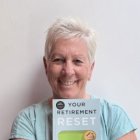


Have you ever dreamed of being an Olympic athlete? Perhaps you have wondered what it would feel like to stand on that podium in front of the world as your national anthem plays. For most Olympic athletes, the journey begins very early in life. But imagine what it would be like if you started training for this event in your 60s? Read on if you want an edge to discover how to win the Retirement Games and still pass the drug test (let’s face it, peeing is not an issue for many at that age)! Here is your chance to get on the podium at the most crucial game of your life. On Your Marks, Get Set, Ready, Go! Retirement was more like a coffee break five decades ago—brief, predictable, and over before your muffin cooled. In 1975, the average Canadian could expect to live about 73.53 years. Fast forward to 2025; we're clocking in at nearly 83.26 years. Even juicier? The lastest research shows half of today's 20-year-olds in Canada are expected to live past 90. That’s why we need to think of retirement these days, not as a sprint; instead, it’s an ultramarathon with hills, potholes, and the occasional pulled hamstring. Most of us never expected to be training for it in our sixties, but here we are—so pull up your compression socks and move. The starter's pistol is about to fire, whether you're ready or not! Surprise! You're Retired While you may dream of selecting your retirement date like a fine wine, many face the reality of a boxed kind instead. Approximately 6 in 10 Americans retire earlier than they planned. Research from the Transamerica Center for Retirement Studies shows that many individuals experience unexpected early retirement due to personal health issues, employer discretion, or family-related circumstances. https://www.cbsnews.com/news/retirement-age-in-america-62-claiming-social-security-early/ Sometimes, it's a health scare, a loved one’s illness, or a harsh employer downsizing. Nobody whispers the term "ageism," but when companies replace senior employees with younger, more affordable talent (or AI bots), it’s not subtle—it’s math.As Morgan Housel reminds us in his bestseller, The Psychology of Money, "The most important part of every plan is planning for your plan, not going according to plan." Expect the unexpected. Train as if retirement could sneak up on you—because it just might. Get Fit, Stay Sharp: Health is the First Leg of the Race Physical and mental health are the fuel for your retirement. The rest doesn’t matter without them; we’re not just talking about lifting weights. (Though, yes, lift some weights.) Regular physical activity provides numerous benefits for older adults, including a reduced risk of dementia and enhanced cognitive function. Exercise can help maintain brain health, reduce mental decline, and even reverse some age-related brain shrinkage. Additionally, physical activity can improve mood, reduce anxiety, and enhance balance and coordination, leading to a better quality of life. • Strength training enhances bone density, metabolism, and mental health. (Source: Mayo Clinic) • Flexibility and balance? Try yoga or tai chi. Harvard Health says they reduce pain and stiffness. • Mental fitness? Cue up Wordle, Canuckle (the Canadian cousin), or Sudoku. • Dancing? It's beneficial for your brain and your swagger • Listening to music or playing an instrument can reduce stress and boost memory. Gold Medal Tip: Motivation is overrated; action is everything. Don’t be a couch potato. A new study conducted at the University of Pittsburgh School of Medicine shows that older adults who spend more time sedentary — such as sitting or lying down — may be at a higher risk for lower cognition and in areas linked to the development of Alzheimer’s disease, no matter how much they exercise! So make sure you show up, move, and the motivation will catch up. Wealth Training: Stop Hoping, Start Budgeting Here's a shocker: Retirement doesn't mean your expenses magically disappear. According to Steve Willems' podcast “10 Retirement Myths You May Not Want to Believe,” most retirees don’t spend less. Aside from the mortgage, spending remains surprisingly consistent, especially during the Go-Go years (ages 55-75)”. We like what we like: groceries, entertainment, travel, and stylish or comfortable clothes are still on our shopping lists. That’s why many of us in retirement will need to pay more attention to spending and budgeting. Check Obligation Spending Retirement is the perfect time to reevaluate expenses from obligation rather than genuine need or joy. Here's a thoughtful way to frame that idea: Retirement is the season of freedom, so why are you still paying for things that feel like a burden? Now that you’re no longer earning a regular paycheck, every dollar matters more than ever. This means it’s time to take a closer look at obligatory expenses. These might include: • Helping adult children financially (even when it stretches your budget) • Donating to every fundraiser or cause just because someone asked • Hosting large family gatherings that leave you exhausted and over budget • Maintaining memberships, subscriptions, or traditions that no longer bring you joy. (We talk a lot more about this in a previous post What’s your Retirement Plan B While generosity is admirable, it shouldn’t jeopardize your financial security or peace of mind. Retirement should focus on investing in what truly matters to you now, rather than keeping up appearances or adhering to outdated expectations. Here’s a gentle mantra to adopt: “I’ve earned the right to say no with love and confidence.” Freeing yourself from obligation spending doesn’t mean becoming stingy; it means becoming intentional. Give where your heart feels full, not where your guilt feels heavy. After all, you didn’t work all those years to keep writing checks out of habit. Balance Beam- Budget What’s your plan when overtime isn’t an option and the budget doesn’t balance? Start with a good old-fashioned reality check: • Write down ALL expenses. • Tally up your income. • Look for a surplus (yay, trip!) or a shortfall (boo, time to pivot). Look at Canadian Government Pensions • Here's the math. Old Age Security (OAS): Max is about $713/month or $8,556/year. And don’t forget the dreaded government clawback (formally known as the Old Age Security Pension Recovery Tax which starts at ~$90,997. • Canada Pension Plan (CPP): The average monthly payment is $758, while the maximum is $1,364 per month or $16,368 per year. So with these two programs combined, provided you meet requirements, as a senior, you're looking at somewhere between $17,000–$25,000/year before tax. If your lifestyle needs a bit more jazz hands, here’s how to bridge the gap: DIY Income Builders: • Slash debt. Every dollar you don't spend is one you keep. • Downsize and bank the equity. • Buy or build an ADU and rent it. I have written more about ADU's here. • HELOC or Reverse mortgage (borrow strategically). • Withdraw from investments (4% rule). • Monetize your skills: consulting, tutoring, or writing that novel you started in 1993. Gold Medal Tip: Track your joy per dollar. If you’re going to spend, make it worth it. Rewire, Don’t Retire: Finding Purpose The biggest myth of retirement? That doing nothing feels good forever. (Spoiler alert: it doesn’t.) Passion is your GPS. It guides you towards what fills your heart. Whether you write poetry, walk dogs, or paint birds wearing tiny hats, your joy matters. And legacy? That’s just purpose with staying power. There’s science to support the benefits of this lesson. A study in JAMA Psychiatry found that people with a sense of purpose had a lower risk of mortality and disability Purpose-Driven Paths: • Volunteer: Look for a cause that fires you up. • Get a part-time job: Perhaps you can fill in at a local bookstore, garden center or be a barista? • Hobbies: Take up painting, pottery, or poetry. • Go Back to School: Many Universities such as The University of Toronto offer free, non-credit courses through programs as part of their community outreach. Seniors (over 60) enrolled at York University may have all or part of their academic fees waived at the domestic fee rate for York University degree credit courses as part of their mature student program. • Spend real time with people you love, maybe your grandkids or elderly parents. • Reconnect with old friends – not just on Facebook, but in person • Get out of your backyard and see the world Gold Medal Tip: You're never too young (or too old) to chase what lights you up. Start a business, get that degree you always wanted, and write that book. Go. For. It. Support: No One Trains Alone Retirement can be lonely. As we age, friends pass, routines fade, and isolation creeps in. That’s why your squad matters more than ever. Find Your Pod: • Family & Friends: Set expectations. Ask for help. Host Sunday dinners. Stay connected. • Fitness & Social Clubs: Join a walking group or participate in a gym class, followed by regular post-sweat coffee. • Faith Communities: Spirituality and structure in one. Sing in the choir. Serve at events. • Third Places: As sociologist Ray Oldenburg says, these are neutral hangouts like libraries, community centers, or your local café. They’re tied to lower loneliness and better mental health. Think of Cheers: “Where everyone knows your name!” Gold Medal Tip: Your local pickleball court or knitting circle might just be your new training ground. Attitude Training: Stop Acting Your Age Here’s a radical thought: Maybe we feel old because we act old. Want to stay young? Stay curious, try new things. Try line dancing, pickleball, bird watching, improv, or learning to code. Yes, code. What was the worst advice our mothers gave us? “Act your age.” Nonsense! Whoever said, “You’re only as old as you feel” was on to something – but let’s take it up a notch: How about you’re only as old as your playlist! The Power of a Youthful Attitude in Retirement A successful retirement isn’t just about savings accounts and spreadsheets — it’s about mindset. A positive, youthful attitude is one of the most powerful (and overlooked) assets you can carry into retirement. Even if you don’t feel youthful or optimistic, “fake it ‘til you make it” is more than just a catchy phrase—it’s a strategy. The goal isn't to accurately describe your aches, fears, or fatigue but to set yourself up for success! Science backs it up: a positive outlook boosts health, sharpens cognition, and increases longevity. From a practical perspective, optimism makes it easier to try new things, adapt to change, and enjoy the present—all essential in retirement. So, if the voice in your head says, “I’m too old for that,” try responding with, “This is my time.” You begin to build because what you tell yourself matters, as does what you believe. Retirement is your reward. Approach it like the vibrant, capable, unstoppable human you are because attitude, not age, sets the tone. Gold Medal Tip: You’re only as old as the last thing you tried for the first time. Try something ridiculous, I double dare you! Final Stretch The Retirement Games are here, and let me be crystal clear: this isn’t amateur hour. This is your Olympic moment, with medals awarded for stamina, strategy, and a solid sense of humour. Whether you're rounding the first turn at 45 or doing your victory lap at 75, now is the time to train. You’ve built strength, stretched your budget, flexed your purpose muscle, assembled your dream team, and rebooted your mindset. Now it’s time to lace up, lean in, and live life to the fullest. This isn’t about perfection; it’s about preparation. You won’t achieve a podium finish through wishful thinking; you’ll attain it through action, adaptation, and a great deal of repetition. So, put on your metaphorical tracksuit (or actual tracksuit if it's laundry day) and begin training with determination. The gold medal retirement isn’t just possible—it’s within reach. Cue the confetti cannon. You’re not just aging—you’re advancing. And champions, as we know, don’t retire… they rewire, recharge, and rewrite the playbook. On Your Marks, Get Set, THRIVE! Don’t Retire … Re-Wire! Sue

Aston University researcher to help uncover hidden impact of painkiller overuse among older people
The HOPE-AO project led by the University of Plymouth will look at the potential harms of overprescribed pain medication in older people in the UK Aston University’s Professor Ian Maidment will bring his expertise in pharmacy and work with patient groups on medicine optimisation The project has been funded by the National Institute for Health and Care Research (NIHR) A new study led by the University of Plymouth will explore chronic pain prescribing in older adults across the UK, with the aim of understanding whether current treatments and processes meet their needs. The HOPE-AO: Helping to Optimise Pain control in the Elderly experiencing Analgesic Overprescribing project is being supported by the National Institute for Health and Care Research (NIHR) and includes Aston University’s Professor Ian Maidment. It will investigate whether certain groups of the older population are more likely to have analgesic (pain relief) medication overprescribed to them, and any side effects or other harms these medications can pose if taken for long periods. It aims to identify alternative treatment solutions to reduce the use of unnecessary pain medicines, working with patients to develop a list of acceptable strategies that could be tested and implemented across the UK. Around 4m older people across the UK live with varying degrees of chronic pain as a result of conditions including arthritis, diabetes or frailty. While some people benefit from pain relief medicines, many end up receiving long-term repeated prescriptions – for medications ranging from paracetamol and ibuprofen to opioids and antidepressants – for weeks, months or years at a time. The project is being led by researchers from the University of Plymouth, working with colleagues at the University of Exeter, Aston University, University of Aberdeen and the North East London Foundation NHS Trust. It is funded by through a Programme Development Grant from the National Institute for Health and Care Research (NIHR). The project team comprises experts in the care of older people – including healthcare researchers, nurses, consultants, GPs, pharmacists and psychiatrists working across the UK – as well as medical statisticians and health economists. It also involves an advisory group of patients with lived experience of receiving repeat prescriptions for pain medication. During the project, the team will speak to patients aged 65 and over with a history of chronic pain for which they are taking, or have taken, medication and families who cared for and supported relatives with chronic pain. They will also speak to healthcare professionals who are either prescribing or supporting older adults taking medication for chronic pain management. Alongside this work, the team will analyse anonymised healthcare data to understand more about older adults who are prescribed medication for chronic pain. This includes patterns in prescribing, health and demographic factors associated with pain medication use, and potential health outcomes, and will help identify those likely to benefit most from support. Professor Maidment, from Aston Pharmacy School, will bring his expertise in pharmacy, medication use in day-to-day clinical practice and working with diverse groups of patients to support medication optimisation. He said: “From my experience in community pharmacy, the use of pain medicines is very common in older people. We need to work with older people to understand how we can help older people to use other potentially safer approaches.” Patricia Schofield, professor of clinical nursing at the University of Plymouth and one of the study’s chief investigators, said: “Very often, older people are told by a doctor that the most effective means of treating a health condition is through some form of pain relief. But they often don’t get any form of follow-up appointment and, as a generation, are less likely to seek one as they either feel pain is part of the ageing process or they don’t wish to be seen as a burden. The result is that they end up getting repeat prescriptions, potentially for pain medications they no longer need and also at significant cost to the NHS. “This study will give us a clearer understanding of the scale of the issue which we can use to develop ways of benefitting patients and their families, and the healthcare professionals working to treat and support them.” Victoria Abbott-Fleming MBE, founder of the charity Burning Nights CRPS Support, is the chair of the Patient and Public Involvement and Engagement group for the HOPE-AO study. It will be made up of several adults over the age of 65 who live with chronic pain and have received repeat prescriptions for pain medication. Victoria has herself lived for more than 20 years with a chronic pain condition, Complex Regional Pain Syndrome (CRPS), and set up Burning Nights to support those affected by it on a day-to-day basis and their families. She is also chair of the Expert Patient and Carer Committee at the British Pain Society. She said: “I’m excited to support this study that places the voices of older adults and their carers at the heart of pain management. All too often, those living with chronic pain – especially older adults – are prescribed medication without regular review or consideration of alternative approaches. This study is a vital step towards more informed and balanced care, helping ensure that older people living with chronic pain are not just treated, but truly heard and supported.”


Retro Appeal: Research Reveals the Reasons Behind Vintage Shopping in Turbulent Times
Why buy vintage? Reasons abound. It’s kinder to the environment. It’s usually cheaper. It’s back in style. But did you know it may also address a deep-seated psychological need for stability amid upheavals? Vintage consumption—that is, buying previously owned items from an earlier era—acts as a means to connect the past, present, and future. That connection across time can be reassuring, most especially in times of uncertainty. When you really want to buy a leather jacket that’s older than you are, it may be enlightening to consider the circumstances. This vintage insight reveals itself in research by Ryan Hamilton, associate professor of marketing at Goizueta Business School. In an award-winning article titled “Stitching time: Vintage consumption connects the past, present, and future,” Hamilton—along with coauthors Gulen Sarial-Abi, Kathleen Vohs, and Aulona Ulqinaku—uncovered why we may want to turn to something old when we perceive threats to our worldviews. Notably, multiple studies have shown thoughts of death to increase the appeal of items that have already stood the test of time. The Psychological Appeal of Thrifting In psychology, “meaning frameworks” are how we, as human beings, interpret and understand our lives as meaningful and valuable. Threats to our meaning frameworks—i.e., the pillars propping up our worldviews—can include thoughts of death, unsettling economic upheavals, and other existential challenges. In order to explore the effects of meaning threats on our preference for vintage, Hamilton and coauthors designed several studies. Their pilot test measured the physical health of nursing home residents. It then measured their preferences for vintage items, controlling for other variables. The results held up the researchers’ hypothesis: Vintage items—be they books, watches, bicycles, or luggage—were more strongly preferred over their modern versions by elderly participants in poorer health, presumably those most likely to have mortality on their minds. Six subsequent studies used different variables to see if the main hypothesis continued to hold up. It did, while at the same time revealing more information about the mechanisms at work. Ryan Hamilton Associate Professor of Marketing Death or Dental Pain In one study, for example, researchers prompted participants with death reminders. They had to contemplate and write about their own deaths to make sure mortality was top of mind. Researchers prompted a control group with reminders of dental pain. Both groups then answered a 12-question survey about their desire for structure (e.g., set routines and practices) at that particular moment. But there was another element in this study: contemplating wearing a watch from the 1950s. As predicted by the main hypothesis, death cues were associated with participants reporting that they desired more structure. The only exceptions was for those who imagined an old watch ticking on their wrists. Vintage consumption seemed to act as a buffer against unsettling thoughts of death for them. What is going on here? As noted above, the researchers theorize and show that vintage objects tend to connect our thoughts of the past, present, and future. These mental, intertemporal connections tend to be reassuring—“a hidden factor” in our preferences and choices, as Hamilton notes. More than Nostalgia One might think nostalgia—a sentimental longing for the past—could also be at work. Feeling nostalgic for one’s own past and social connections can buffer against meaning threats, as previous research has shown. But this paper was designed to tease out nostalgia. It focused on vintage’s connections across time regardless of one’s personal experiences. “This study allowed us to clearly show that people respond differently to something they believe to be old,” as Hamilton explains. “It’s not just something that has a retro look, which was one of my favorite aspects of this project.” Hamilton and his coauthors achieved this by having participants evaluate identical items thought to be genuinely vintage or replicas. And the results were robust. Retro replicas, which can prompt nostalgia, did not have the same psychological impact as items believed to be genuinely old. For instance, 20-year-olds who find a watch from the 1950s reassuring can’t feel nostalgic about the design personally. They can, however, feel a connection across time—and that came through in the study. Retail Therapy on the Rise? Hamilton’s research here follows his broader interest in consumer psychology, branding, and decision-making. “When we’re buying things, we may think it’s based on strict utility maximization. However, it also might be making us feel better in some way,” says Hamilton. Shopping can serve as an emotional management strategy—for better or for worse. Although it was outside the scope of this particular investigation (and all participants were over age 18), the insights gleaned here may help explain why 21st-century teenagers seem to be particularly avid “thrifters” these days. “I don’t want to overstate our findings. But it’s at least possible that the appeal of vintage for teenagers is boltstered by a sense of permanence and endurance that helps them during times of upheaval,” Hamilton says. It turns out a 30-year-old leather jacket might help its new owner feel better on many levels. So is it any wonder that vintage shopping is surging in uncertain times? Fashion magazines, such as Vogue and GQ, are following the vintage craze closely in 2024. Concern for climate change and the Earth’s finite resources may present two intertwined reasons to buy old things: those two things are environmental and psychological. If tumultuous times continue amid contentious elections, wars, and other threats, it seems safe to bet on vintage. Ryan Hamilton is associate professor of Marketing at Emory University - Goizueta Business School. If you're a journalist looking to know about this topic, simply click on his icon now to arrange an interview today.



Virtual reality training tool helps nurses learn patient-centered care
University of Delaware computer science students have developed a digital interface as a two-way system that can help nurse trainees build their communication skills and learn to provide patient-centered care across a variety of situations. This virtual reality training tool would enable users to rehearse their bedside manner with expectant mothers before ever encountering a pregnant patient in person. The digital platform was created by students in Assistant Professor Leila Barmaki’s Human-Computer Interaction Laboratory, including senior Rana Tuncer, a computer science major, and sophomore Gael Lucero-Palacios. Lucero-Palacios said the training helps aspiring nurses practice more difficult and sensitive conversations they might have with patients. "Our tool is targeted to midwifery patients,” Lucero-Palacios said. “Learners can practice these conversations in a safe environment. It’s multilingual, too. We currently offer English or Turkish, and we’re working on a Spanish demo.” This type of judgement-free rehearsal environment has the potential to remove language barriers to care, with the ability to change the language capabilities of an avatar. For instance, the idea is that on one interface the “practitioner” could speak in one language, but it would be heard on the other interface in the patient’s native language. The patient avatar also can be customized to resemble different health stages and populations to provide learners a varied experience. Last December, Tuncer took the project on the road, piloting the virtual reality training program for faculty members in the Department of Midwifery at Ankara University in Ankara, Turkey. With technical support provided by Lucero-Palacios back in the United States, she was able to run a demo with the Ankara team, showcasing the UD-developed system’s interactive rehearsal environment’s capabilities. Last winter, University of Delaware senior Rana Tuncer (left), a computer science major, piloted the virtual reality training program for Neslihan Yilmaz Sezer (right), associate professor in the Department of Midwifery, Ankara University in Ankara, Turkey. Meanwhile, for Tuncer, Lucero-Palacios and the other students involved in the Human-Computer Interaction Laboratory, developing the VR training tool offered the opportunity to enhance their computer science, data science and artificial intelligence skills outside the classroom. “There were lots of interesting hurdles to overcome, like figuring out a lip-sync tool to match the words to the avatar’s mouth movements and figuring out server connections and how to get the languages to switch and translate properly,” Tuncer said. Lucero-Palacios was fascinated with developing text-to-speech capabilities and the ability to use technology to impact patient care. “If a nurse is well-equipped to answer difficult questions, then that helps the patient,” said Lucero-Palacios. The project is an ongoing research effort in the Barmaki lab that has involved many students. Significant developments occurred during the summer of 2024 when undergraduate researchers Tuncer and Lucero-Palacios contributed to the project through funding support from the National Science Foundation (NSF). However, work began before and continued well beyond that summer, involving many students over time. UD senior Gavin Caulfield provided foundational support to developing the program’s virtual environment and contributed to development of the text-to-speech/speech-to-text capabilities. CIS doctoral students Fahim Abrar and Behdokht Kiafar, along with Pinar Kullu, a postdoctoral fellow in the lab, used multimodal data collection and analytics to quantify the participant experience. “Interestingly, we found that participants showed more positive emotions in response to patient vulnerabilities and concerns,” said Kiafar. The work builds on previous research Barmaki, an assistant professor of computer and information sciences and resident faculty member in the Data Science Institute, completed with colleagues at New Jersey Institute of Technology and University of Central Florida in an NSF-funded project focused on empathy training for healthcare professionals using a virtual elderly patient. In the project, Barmaki employed machine learning tools to analyze a nursing trainee’s body language, gaze, verbal and nonverbal interactions to capture micro-expressions (facial expressions), and the presence or absence of empathy. “There is a huge gap in communication when it comes to caregivers working in geriatric care and maternal fetal medicine,” said Barmaki. “Both disciplines have high turnover and challenges with lack of caregiver attention to delicate situations.” UD senior Rana Tuncer (center) met with faculty members Neslihan Yilmaz Sezer (left) and Menekse Nazli Aker (right) of Ankara University in Ankara, Turkey, to educate them about the virtual reality training tool she and her student colleagues have developed to enhance patient-centered care skills for health care professionals. When these human-human interactions go wrong, for whatever reason, it can extend beyond a single patient visit. For instance, a pregnant woman who has a negative health care experience might decide not to continue routine pregnancy care. Beyond the project’s potential to improve health care professional field readiness, Barmaki was keen to note the benefits of real-world workforce development for her students. “Perceptions still exist that computer scientists work in isolation with their computers and rarely interact, but this is not true,” Barmaki said, pointing to the multi-faceted team members involved in this project. “Teamwork is very important. We have a nice culture in our lab where people feel comfortable asking their peers or more established students for help.” Barmaki also pointed to the potential application of these types of training environments, enabled by virtual reality, artificial intelligence and natural language processing, beyond health care. With the framework in place, she said, the idea could be adapted for other types of training involving human-human interaction, say in education, cybersecurity, even in emerging technology such as artificial intelligence (AI). Keeping people at the center of any design or application of this work is critical, particularly as uses for AI continue to expand. “As data scientists, we see things as spreadsheets and numbers in our work, but it’s important to remember that the data is coming from humans,” Barmaki said. While this project leverages computer vision and AI as a teaching tool for nursing assistants, Barmaki explained this type of system can also be used to train AI and to enable more responsible technologies down the road. She gave the example of using AI to study empathic interactions between humans and to recognize empathy. “This is the most important area where I’m trying to close the loop, in terms of responsible AI or more empathy-enabled AI,” Barmaki said. “There is a whole area of research exploring ways to make AI more natural, but we can’t work in a vacuum; we must consider the human interactions to design a good AI system.” Asked whether she has concerns about the future of artificial intelligence, Barmaki was positive. “I believe AI holds great promise for the future, and, right now, its benefits outweigh the risks,” she said.


Additional Dwelling Units (ADUs)
Summary: In a previous post, I wrote about the need for more creative solutions to the cost of housing. I also spoke to the housing shortage and the steep downpayment rules we continue to face. At the same time, the need for retirement income and an increased focus on "aging in place" has more and more property owners looking for solutions. Here, we explore why adding secondary living spaces to their properties, commonly referred to as Additional Dwelling Units (ADUs), is something you may want to consider. What Are ADUs? ADUs are fully equipped residential units situated on the same lot as a single-family home. They offer a distinct and private living arrangement while maintaining proximity to the main house. These living spaces may be integrated into the primary residence—such as a transformed garage or basement—or exist as independent structures, including small cottages or apartments. Why ADUs Are Gaining in Popularity ADUs can fulfill a broad range of needs, from accommodating aging relatives or adult children to creating a valuable source of rental income for homeowners. This income could assist seniors with cash flow and substantially boost their property's overall value. But is an ADU right for you? Before answering this, let's first take a brief look at their advantages and the rules and regulations governing the conversion or construction of such structures. Types of ADUs ADUs encompass a variety of secondary suites or dwelling units, primarily categorized as attached, detached, and semi-detached structures. Attached ADUs arise when homeowners convert existing spaces, such as basements, into livable areas. In contrast, detached ADUs consist of separate structures built apart from the principal residence. Laneway Houses / Laneway Suites: These small, detached units are constructed in the backyard or along the laneways of existing properties, maximizing the use of available space. Garden Suites: Similar to laneway houses, garden suites are secondary residences in the primary home's backyard. They offer self-sufficient living environments and are increasingly favoured for boosting housing density in urban settings while preserving the character of residential neighbourhoods. Basement Apartments: Self-contained living spaces in the basement of a residential property. These usually have a distinct entrance. In-law Units (In-law Suites, In-law Flats) are separate living sections within a single-family home that cater to relatives, providing a comfortable space for parents or in-laws. Detached Garages: These standalone structures are separate from the main house and traditionally store vehicles. They can also serve as storage areas or workshops. Adding a second-story apartment above garages is popular. Parking is premium in cities, and these structures provide the best of both worlds: keeping parking, storage, and adding living quarters above. Carriage Houses and Coach Houses: Originally designed as outbuildings on larger estates to store horse-drawn carriages, carriage houses, and coach houses have often been repurposed as living accommodations, guest houses, or rental units while maintaining their historic architecture. The Benefits of ADUs Additional Dwelling Units (ADUs) are indispensable in alleviating housing shortages and addressing affordability challenges within various communities. They also offer a wide range of personal and economic advantages for homeowners and tenants searching for budget-friendly rental options. Some key benefits include: An Aging-in-Place Option for Seniors: ADUs can allow elderly relatives to stay in their community and maintain an important sense of connection with neighbours, friends, and family. Rental Income: Homeowners can establish a dependable revenue stream with an ADU. These units represent a highly appealing affordable housing alternative. Accommodation for Adult Children: An ADU can provide temporary living arrangements to adult children who may not be able to buy into the housing market or who want to be closer to their aging parents. Dedicated Office/Creative Space: With more people working from home part-time or going entirely virtual, ADU can provide a more professional and comfortable work environment But There's Another Payoff for ADUs Beyond these apparent benefits, I'm also struck by how ADUs can help us cultivate a stronger sense of community and intergenerational connection. Let me unpack this more and list some unique attributes of ADUs that make them so vital to our housing strategy: Affordability: ADUs can also be more affordable than standalone houses, making them increasingly attractive for individuals or small families looking for budget-conscious living options. Connection: ADUs are much closer to the primary residence. This allows younger renters to forge more meaningful relationships and interactions with their homeowners (many of whom are seniors). Equity: For renters who want to move beyond an apartment or condo but lack the financial means, ADUs could present a great alternative. They also provide a unique way to give renters access to neighbourhoods where housing availability is a challenge. For young families, renting an ADU could allow them to place their children in better schools that require residency in the school district. Support: As we age, we are more likely to need help maintaining our homes. For example, help with yard work and snow removal could be traded for reduced rent. There is much to be said about the comfort and safety of having someone live a few steps away for our older generation. ADUs are a Key Part of the Government's Housing Strategy The Federal Government just announced the expansion of the Canada Secondary Suite Loan Program. Here's what you need to know: The loan amount has been increased to $80,000, and it has a 2% interest rate and a 15-year repayment term. In addition to the Secondary Suite Loan Program, homeowners can refinance with insured mortgages to help cover the cost of adding a secondary suite, starting January 15, 2025. Lenders and insurers will begin allowing mortgage refinancing of up to 90 percent of the post-renovation value of their home up to $2 million, amortized for up to 30 years. Homeowners can use this loan program and mortgage financing to help cover the cost of adding a secondary suite. These developments should get us all thinking more about the possibilities of ADUs. The benefits for many people and the clear intergenerational win-win exchanges are compelling. Given the impact they could yield for seniors in unlocking the value of their home equity and the compelling social benefits they offer for communities, I'll be exploring ADUs in much more detail over the coming year. Stay tuned. Don’t Retire … Re-Wire! Sue

Money vs Memories in Retirement
Summary: This article explores whether or not money or memories will bring more comfort to the elderly. It is written with the underlying assumption that there is already enough money to meet basic living expenses. As we age, the question of what will bring us the most comfort in our twilight years becomes increasingly relevant. For many, it comes down to two key aspects: money and memories. On the one hand, financial security provides a foundation of comfort, ensuring that one’s needs are met without the fear of lacking resources. On the other hand, cherished memories bring emotional warmth, helping individuals navigate the often-challenging aging journey. In this article, we will explore which of these two — money or memories—plays a more significant role in delivering comfort in old age, assuming one has enough financial resources to cover basic living expenses. While I appreciate that good health takes precedence over money and memories, we unfortunately do not have complete control over our health. However, we have control over our decision to save our money to give us comfort. Or we can choose to spend our money to create memories that will provide us with comfort. Financial Security: A Foundation for Comfort Money is a powerful enabler, allowing us to meet our needs and desires. It's particularly important in the context of aging because it can mitigate many of the hardships of growing older. 1. Access to Quality Healthcare: One of the most significant concerns for elderly individuals is health. With aging comes a higher likelihood of chronic conditions, disabilities, and the need for regular medical attention. Financial security allows individuals to afford quality healthcare, access advanced treatments, and have the freedom to choose the best facilities. Having sufficient money provides a critical safety net for those who experience sudden medical emergencies or need long-term care. 2. Comfortable Living Arrangements: As people age, they often face the decision of where to live. While some prefer to stay home, others may move to assisted living facilities or hire caregivers. Financial resources enable elderly individuals to choose comfortable living environments tailored to their needs and preferences. A well-maintained home, access to mobility aids, or a peaceful retirement community can significantly enhance an individual’s day-to-day life. 3. Freedom and Autonomy: Financial independence in old age allows for greater autonomy. With money, elderly individuals can control their lives by making choices that suit their preferences, such as travelling, pursuing hobbies, or supporting loved ones. The ability to make decisions about healthcare, leisure, or everyday living preserves dignity and independence, both of which are central to feeling comfortable and fulfilled. 4. Reducing Stress and Anxiety: Aging can bring about several uncertainties, especially health and mobility. However, financial security can significantly reduce the stress and anxiety of worrying about the future. Knowing that expenses, including potentially unforeseen ones, are covered allows elderly individuals to focus on enjoying life rather than constantly fretting over how to afford their basic needs. This peace of mind is invaluable in ensuring a comfortable old age. While money plays a crucial role in creating a foundation of comfort, it has emotional and psychological well-being limitations. This is where memories come into play. Memories: Emotional Anchors in the Journey of Aging As the years pass, memories become a primary source of emotional sustenance. They connect individuals to their past, their loved ones, and the experiences that shaped their lives. When people reflect on what matters most to them in old age, it’s often not material wealth but the moments that brought them joy, love, and meaning. 1. Emotional Fulfillment: Memories of joyful experiences, adventures, and time spent with loved ones can offer deep emotional fulfillment in old age. Recalling meaningful moments provides a sense of accomplishment and satisfaction, reminding individuals of the richness of their lives. For many, the bonds formed with family and friends, the challenges overcome, and the dreams pursued give life meaning and offer comfort in later years. 2. Connection to Loved Ones: As elderly individuals have fewer physical responsibilities, they often spend more time reminiscing. Positive memories help bridge the gap between generations, allowing the elderly to connect with their children, grandchildren, and even great-grandchildren. Sharing stories from the past strengthens family bonds and ensures that their legacy lives on, creating a sense of continuity and significance. 3. Combatting Loneliness: People may experience increased isolation as they age, particularly after losing a spouse or friends. In such times, memories serve as a balm for loneliness. Even in moments of solitude, recalling past experiences, adventures, or time spent with loved ones can bring comfort. Memories provide companionship in their own right, filling the gaps left by physical absence and reducing feelings of loneliness. 4. Identity and Self-Continuity: Our memories are integral to our identity. They help us understand who we are by reminding us of the paths we've taken, the challenges we’ve faced, and the triumphs we’ve celebrated. For elderly individuals, the ability to look back on a life well-lived reinforces their sense of self. Memories act as an anchor, helping them feel grounded as they navigate the changes that come with aging. 5. Psychological Resilience: Life is inevitably full of hardships, and old age is no exception. However, memories of overcoming past difficulties provide emotional strength and resilience. Looking back on moments of hardship reminds elderly individuals that they’ve faced challenges before and emerged stronger. This sense of resilience can be empowering in the face of the physical and emotional challenges of aging. Balancing Money and Memories It’s essential to recognize that money and memories are not mutually exclusive; they often complement each other. While financial security provides the external comfort and security needed to navigate old age, memories provide the internal warmth and emotional fulfillment that give life depth and meaning. In determining which offers more comfort, it’s essential to consider an underlying assumption: there is already enough money to meet basic living expenses. In this scenario, it becomes clear that while financial resources are essential, memories are more significant. Consider the following: 1. Life Experiences Are Often Enabled by Money: The ability to create cherished memories often depends on financial resources. Travelling, pursuing hobbies, and spending quality time with loved ones may all require money. However, the memories created from these experiences—not the money spent—bring lasting comfort. In old age, the satisfaction of having lived a rich life full of meaningful experiences often outweighs the material possessions acquired. 2. Financial Security Loses Meaning Without Emotional Fulfillment: Imagine having all the money needed in old age but lacking meaningful memories or connections to loved ones. In this case, wealth would bring only a hollow sense of comfort. With emotional fulfillment, money is likely to provide lasting satisfaction. In contrast, those with a lifetime of cherished memories may find comfort even in modest circumstances, as their inner wealth—their experiences—remains invaluable. 3. The Longevity of Memories vs. Material Wealth: As we age, our ability to enjoy material goods and external pleasures may diminish due to declining health or physical limitations. However, memories transcend physical limitations. Even if elderly individuals cannot travel or engage in once-loved activities, they can still find joy in recalling their past. In this sense, memories have a longevity that material wealth may lack. 4. Regret and Fulfillment in Old Age: Many studies have shown that people regret missed opportunities and unfulfilled relationships far more than financial shortcomings at the end of life. The things that bring peace and comfort in old age are often intangible: love, connection, purpose, and meaning. Memories of having lived a full life, having nurtured relationships, and having followed one’s passions often bring a greater sense of contentment than wealth alone. The Enduring Power of Memories In the context of aging, both money and memories play significant roles in creating comfort. Financial security provides the practical means to ensure health, independence, and a comfortable lifestyle, while memories offer emotional sustenance, a sense of identity, and a connection to loved ones. At Retire with Equity, we suggest everyone create an emergency fund of at least 5% of their retirement savings. One primary purpose of this fund is to pay for unexpected healthcare needs, such as assisted living or hiring caregivers. Given that basic financial needs are met, memories—those intangible, priceless moments—tend to provide the most incredible comfort in old age. They remind us of the richness of life, the love we’ve shared, and the experiences that have shaped who we are. While money offers external comfort, memories provide internal peace, warmth, and solace as we navigate the later stages of life. Ultimately, what will comfort us in our golden years is not how much money we have in the bank but how much life we’ve genuinely lived. Don't retire---Re-Wire