
Experts Matter. Find Yours.
Connect for media, speaking, professional opportunities & more.

Casting Light on the Dark Universe, Euclid's Mission Shows Promise
On December 7, 1968, the National Aeronautics and Space Administration (NASA) successfully launched the first functional space telescope into orbit. In the 55 years since, dozens of these crafts have embarked on missions of discovery, advancing and transforming our understanding of the cosmos. Among the latest is Euclid, a wide-angle space telescope developed by the European Space Agency (ESA). Equipped to chart portions of the universe that are not directly observable and currently shrouded in mystery, Euclid is working to generate a three-dimensional map unlike any other, surveying billions of galaxies out to 10 billion light-years. This past month, the first images from its journey were released. Joey Neilsen, PhD, is a world-renowned astrophysicist, a frequent collaborator with NASA and an assistant professor in Villanova University’s College of Liberal Arts and Sciences. From his perspective, Euclid’s early returns evidence its voyage’s incredible potential. “In Euclid’s first image of the Perseus cluster, the sheer number of galaxies is really astonishing,” said Dr. Neilsen. “We talk a lot about how the universe is mostly empty space—and it is!—but it’s also enormous, and it’s really stunning that there’s room for so many galaxies in just a small patch of sky. There are 1,000 galaxies here huddled together in this cluster and over 100,000 in the background. “I also note some pale purple patches in the image of NGC 6822. These are planetary nebulae, the layers of gas and dust blasted off by stars at the ends of their lives. It’s amazing to be able to see these so clearly in images that show the entire galaxy and its environment at the same time.” According to Dr. Neilsen, Euclid’s remarkable visuals are the product of a calculated tradeoff. The ESA craft sacrifices the fine resolution of images taken by other observatories, like NASA’s James Webb Space Telescope, to capture cosmic phenomena in greater breadth. By collecting these visuals, Euclid aims to spark breakthroughs on subjects as of yet understudied—breakthroughs that could benefit Dr. Neilsen’s field of research. “Euclid’s mission is to understand the evolution of the dark components of the universe: the invisible dark matter whose gravity holds large structures like galaxies and galaxy clusters together and the dark energy responsible for the accelerating expansion of the universe,” he explained. “Much of my research focuses on a different aspect of the dark universe (black holes), but there is a puzzle that might connect: observations of very distant galaxies show there were very massive black holes very early on. How did these behemoths grow so big so fast? If would be neat if Euclid helped us to better understand the early universe in a way that informed our understanding of the growth of black holes.” In tracking and investigating the dark entities that compose and mold the cosmos, Euclid could very well offer insights into the history and development of over 95% of all energy and matter—and perhaps into the very fabric of existence itself. It is reasonable to wonder whether, when its mission is complete in six years’ time, the telescope could provide us with answers to questions that have gone unaddressed for six billion years. “For me, the best-case scenario would be that Euclid would show clear evidence of something that’s hard to explain with our current models,” said Dr. Neilsen. “For example, right now, we have ‘Hubble tension,’ a discrepancy between measurements of the expansion of the universe from when it was young and from the current era… The moments when things don’t add up are the ones where we learn the most about how the universe works. So, I’ll keep my fingers crossed for a surprise and for more to learn over the next six billion years.”



Small island states forging climate legacy
Comprising nations that are often overshadowed by larger counterparts on the economic stage, the Alliance of Small Island States (AOSIS) has become a formidable presence in shaping the discourse around climate change. Despite their limited economic clout, the AOSIS group wields influence by virtue of their vulnerability to the frontlines of climate impacts, making them pioneers in advocating for climate justice. Now at the heart of global climate negotiations, the AOSIS group has successfully spearheaded the establishment of a breakthrough in climate justice: A dedicated fund geared towards assisting less developed nations in bolstering their adaptation and resilience efforts. Kalim Shah, associate professor of energy and environmental policy at the University of Delaware, can comment on AOSIS and its role at The United Nations Framework Convention on Climate Change (also known as UNFCCC). He makes the following points: The AOSIS group, which is the negotiating body for small island developing states (SIDS) in The United Nations Framework Convention on Climate Change (UNFCCC), has emerged over the last decade as a major force in the global negotiations (even though the group comprises of small island nations which are typically not significant economic powerhouses=). They continue to lead on a number of key components of the UNFCCC climate agreement and wield this power largely because small islands are on the frontlines of climate impacts like seal level rise and are among the first to be impacted, even as they hold "no responsibility" for global warming. Small island states have now successfully led the negotiations for and approval of acknowledgement of "loss and damage" and a specific new loss and damage fund. This fund is dedicated to helping less developed countries with their adaptation and resilience building needs. “Loss and damage” is a general term used in UN climate negotiations to refer to the consequences of climate change that go beyond what people can adapt to, or when options exist but a community doesn’t have the resources to access or utilize them. This could be a turning point for the Alliance of Small Island States, since over 70% of climate funds to date have been allocated or distributed to climate mitigation efforts and very little to the SIDS. Since SIDS do not account for massive amounts of Greenhouse gas emissions, this was of little real help to them. But now the global consensus is understanding that the 1.5 degrees threshold of the Paris Accord will be passed and more efforts on the adaptation side must be available for the most vulnerable, such as SIDS to cope with climate impacts that are inevitable. To set up an interview with Professor Shah, visit his profile and click on the "contact" button.


Cold and winter weather is about to settle in and CAA South Central Ontario (CAA SCO), Toronto Police Service (TPS), Ontario Provincial Police (OPP), and the Ontario Government want to know: are you winter ready? The four organizations have joined forces to help inform Ontarians that now is the time to get your winter tires installed, check your car battery and stock your car with an emergency kit with all the essentials needed for the winter months. “Our weather can be unpredictable, especially in the winter. It’s important to think ahead and prepare before driving conditions become hazardous,” says Nadia Matos, Manager External Communications, CAA SCO. “It all comes down to safety and there’s no time like the present to ensure you and your car are properly equipped.” TPS, OPP and the Ontario Government are also reinforcing the importance of driver behaviour. "The safety of Ontario’s roads is always a top priority, and we are continuing to work closely with our road safety partners to promote safe driving habits this winter season,” says Prabmeet Sarkaria, Minister of Transportation. “Road safety is everyone’s responsibility, so when you’re heading out, always remember to slow down and drive according to weather and road conditions. Together, we can keep Ontario’s roads and highways safe for everyone this winter.” “Winter driving can be stressful. Motorists need to be alert at all times when on the road, even in the most routine circumstances like driving to and from work,” says Police Constable Sean Shapiro, Toronto Police Service. “That includes slowing down and driving according to weather conditions and ensuring you give yourself plenty of time to get to your destination.” This year motorists also need to be aware of new amendments to the Highway Traffic Act. “It is now illegal to pass snowplows working side by side on Ontario highways. Only pass a snowplow if the lane is completely clear of any part of the plow, including its blade,” says Sargeant Kerry Schmidt, Ontario Provincial Police. Offenders may face a fine ranging from $150 to $1,000. This winter, before heading out on the road motorists can download and use the 511 app to check the weather and road conditions before they leave home. The 511 app can be found at 511on.ca or in the app store on your mobile device. Motorists should also refer to some other tips to help make their winter drive a safer one: Keep your gas tank at least half full at all times. Cold weather causes condensation in the system, which can lead to fuel-line freeze-up and can prevent your car from starting. Remove excess snow from your car before driving off. Any snow left on the roof might slide down onto the windshield and obstruct your vision. Keep your wiper fluid full. Keep extra fluid in your trunk. Make sure it’s rated for -40℃. Pack a fully stocked emergency kit. The kit should include a flashlight and extra batteries, warning devices (e.g., flares, reflective vests/strips), a first aid kit, blankets, jumper cables, non-perishable food and water plus a phone charger. Be sure to also keep an ice scraper, small shovel and snow brush handy in your car at all times.



• Rice straw could be a fuel of the future in rural Philippines • Across Asia 300 million tonnes of rice straw go up in smoke every year • New proposals includes scaling up harvesting system with straw removal, biogas-powered rice drying and storage and efficient milling. An Aston University bioenergy researcher has been explaining how rice straw could be a fuel of the future in rural Philippines. Dr Mirjam Roeder who is based at the University’s Energy & Bioproducts Research Institute (EBRI) is collaborating with the UK company Straw Innovations Ltd, Southeast Asian Regional Center for Graduate Study and Research in Agriculture (SEARCA) and Koolmill Systems Ltd to showcase their research. The Food and Agriculture Organisation (FAO) states that rice is the number one food crop globally and 91% of it is produced and consumed in Asia. As a crop it is responsible for 48% of global crop emissions and for every kilogram of rice, a kilo of straw is produced. Across Asia 300 million tonnes of rice straw go up in smoke every year when burnt after harvest, releasing emissions and air pollutants that triple risks of increased respiratory diseases and accelerate climate change. To raise awareness of sustainable uses for rice straw Dr Roeder has travelled to the sixth International Rice Congress in Manila, Philippines to explain the potential of the emerging technology. Rice straw is an underdeveloped feedstock and can be collected and digested to produce biogas, unlocking sustainable straw management options and renewable energy for farmers using anaerobic digestion (AD) from rice straw. Dr Roeder has been working with Straw Innovations on their UK Innovate project demonstration facility in the Philippines, the Rice Straw Biogas Hub, which is scaling up a complete harvesting system with straw removal, biogas-powered rice drying and storage, together with efficient milling. Craig Jamieson, Straw Innovations said: “The International Rice Congress is only held every four years and is a key event for coordinating and tracking progress in rice research. “Our partnership with Aston University and SEARCA adds independent, scientific rigour to the work we do and amplifies our message to government policy makers. We are grateful to Innovate UK for their ongoing support through the Energy Catalyst Programme, which is accelerating our development.” At the conference Dr Roeder has been explaining how independent environmental and social research can increase farmer incomes, equality of opportunity, food security and decarbonisation benefits. She said: “Engaging with stakeholders and working in partnership across organisations is vital to the successful adoption of new technologies. I am delighted to have had the opportunity to host an event with our project partners at this prestigious conference, bringing the cutting-edge research of using rice straw for clean energy to the forefront of the rice research community and supporting the pathway to net zero.” Dr Glenn B Gregorio, Center Director of SEARCA, added: "We are gaining insights into the environmental impact of rice straw utilisation and implementing policies to unleash its potential to empower us to make informed decisions that are instrumental to climate change mitigation and decarbonisation," Professor Rex Demafelis, University of the Philippines, is also working with SEARCA and is leading the project on life cycle analyses and measurements of rice straw greenhouse gas emissions. He said: “Rice straw is a valuable resource, and we are grateful to be part of this team which seeks to harness its full potential and promote circularity, which would ultimately contribute to our goal of reducing our greenhouse gas emissions.” ENDS The Supergen Bioenergy Hub works with academia, industry, government and societal stakeholders to develop sustainable bioenergy systems that support the UK’s transition to an affordable, resilient, low-carbon energy future. The Hub is funded jointly by the Engineering and Physical Sciences Research Council (EPSRC) and the Biotechnology and Biological Sciences Research Council (BBSRC) and is part of the wider Supergen Programme. For further information contact Rebecca Fothergill and Catriona Heaton supergen-bioenergy@aston.ac.uk Follow us on Twitter @SuperBioHub Visit our website at supergen-bioenergy.net Visit our YouTube Channel to watch the video on Carbon Balance FAO: RICE PRODUCTION IN THE ASIA-PACIFIC REGION: ISSUES AND PERSPECTIVES - M.K. Papademetriou* (fao.org) https://www.fao.org/3/x6905e/x6905e04.htm About Aston University For over a century, Aston University’s enduring purpose has been to make our world a better place through education, research and innovation, by enabling our students to succeed in work and life, and by supporting our communities to thrive economically, socially and culturally. Aston University’s history has been intertwined with the history of Birmingham, a remarkable city that once was the heartland of the Industrial Revolution and the manufacturing powerhouse of the world. Born out of the First Industrial Revolution, Aston University has a proud and distinct heritage dating back to our formation as the School of Metallurgy in 1875, the first UK College of Technology in 1951, gaining university status by Royal Charter in 1966, and becoming The Guardian University of the Year in 2020. Building on our outstanding past, we are now defining our place and role in the Fourth Industrial Revolution (and beyond) within a rapidly changing world. For media inquiries in relation to this release, contact Nicola Jones, Press and Communications Manager, on (+44) 7825 342091 or email: n.jones6@aston.ac.uk


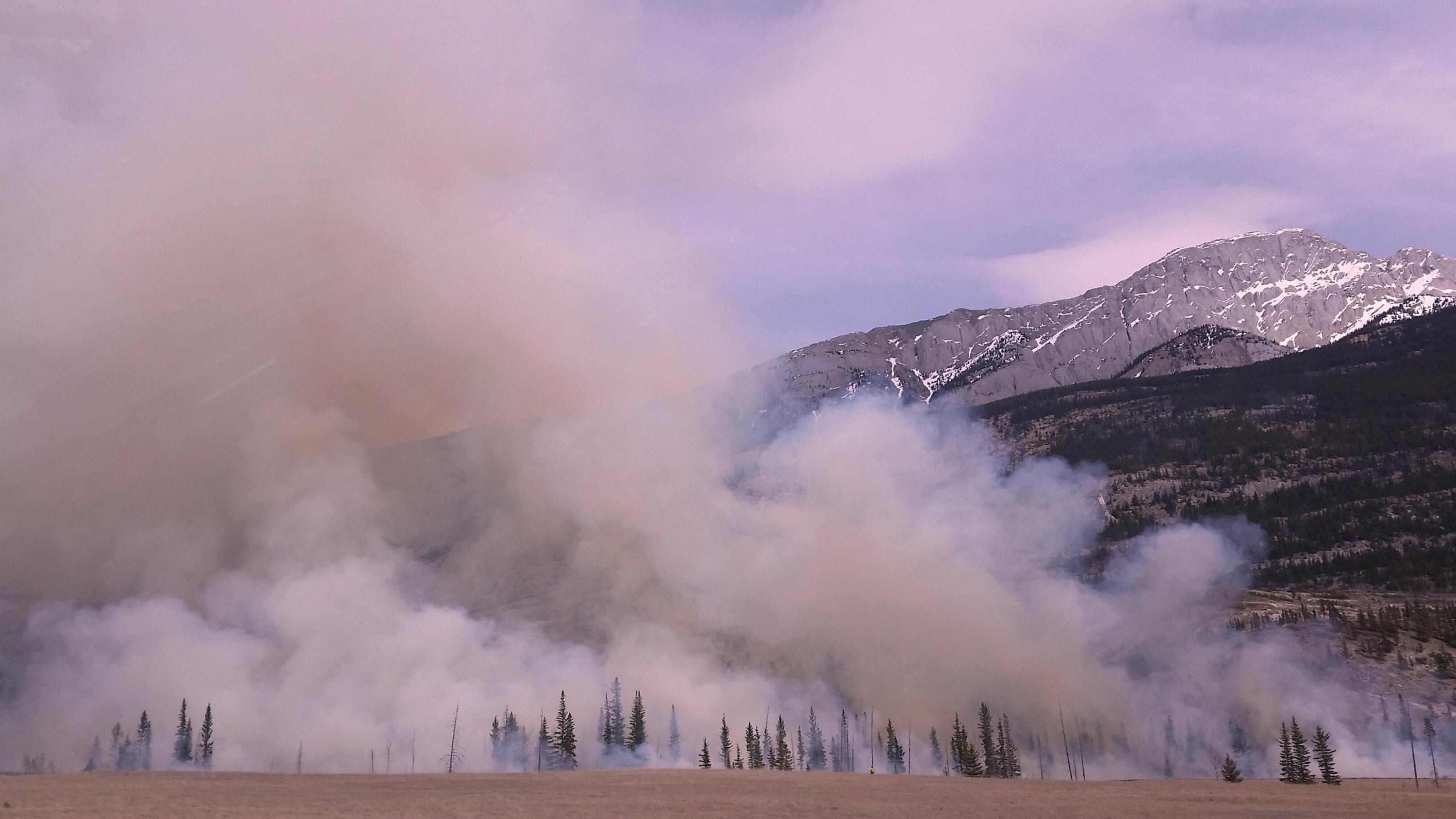
#Expert Q&A: Amid the Wildfire Haze, NJIT's Alexei Khalizov Explains What's in the Air
The soot that permeated the air in New Jersey and New York this summer — courtesy of massive wildfires in Canada — is exactly what a New Jersey Institute of Technology professor is studying to determine its impact on climate change. Alexei Khalizov, an associate professor of chemistry and environmental science, is partnering with Associate Professor Gennady Gor on the three-year project, which began last year and is supported by a $620,000 grant from the National Science Foundation. Specifically, they’re examining the soot created by wildfires and the burning of fossil fuels in hopes of better predicting its impact on climate. Khalizov, who’s been at NJIT since 2013, took time out from his research to explain what millions of residents of N.J. and N.Y. are experiencing as a result of the wildfires hundreds of miles to the north. Q: What’s in the smoke? Small particles and some gas chemicals. These particles and chemicals were released by wildfires and they were picked up by the air mass and carried all the way to New Jersey from Canada. Those particles are extremely small: you can stack maybe a hundred of such particles across single human hair thickness. Q: Is breathing it the equivalent of smoking a pack of cigarettes? That would be a reasonable comparison. A cigarette is made of plant material. When it smolders and burns it releases particles that are very much like those particles from wildfires. Maybe the only difference is that the wildfires have no nicotine. But they have lots of other chemicals. Q: What factors contribute to the density of the smoke? Well, it's a major wildfire. It covers a huge territory in Canada. And the meteorology is such that this smoke is carried all the way from Canada to the U.S. without significant dilution. And due to that, the concentration of those particles is very high. Q: When did we last experienced something of this magnitude? We had some Canadian and Alaskan wildfires a few years ago. And air mass transport brought the smoke all the way to New Jersey, but it wasn't as bad as what we are observing today. Q: What about in terms of EPA standards? The Environmental Protection Agency has a list of criteria pollutants. One of those pollutants is particles smaller than 2.5 microns. And typically, if the concentration of those particles exceeds 35 micrograms per cubic meter, the air is considered unhealthy. When I looked at the map of pollution today (June 7, 2023), it showed that throughout the majority of New Jersey, the concentration is around 90 micrograms, which is two to three times higher than this unhealthy threshold. And actually, there is a location, I believe it's around Paterson, where the concentration is 140 micrograms, which is four to five times above the threshold. Q: Can the wildfires in South Jersey be contributing to this? It's possible, but probably it's not a major contribution. Also, if you look at the wind pattern, it's probably not a major factor at all. Q: Why is wind unable to disperse the smoke? For the wind to disperse the smoke, one needs to mix clean air with all this contaminated air and the amount of contaminated air is so high that there’s no clean air around to actually produce any dilution. Q: Why is there so much haze? It’s because of the continuous inflow of air, which is contaminated by emissions from the wildfires. The haze itself has a relatively short lifespan. Q: How does temperature change affect the smoke? If the temperature increases that may accelerate the rate of some chemical reactions that will also be accelerated by the sunlight. And that's one reason why the smoke that was released in Canada is not exactly the same smoke that we experience in New Jersey. As this haze is traveling over three to six hundred miles, it undergoes a number of chemical reactions and even the smell changes. You know how freshly released wood smoke smells — it's actually pretty pleasant. What we're smelling now, it's not pleasant at all. That's the result of those chemical reactions, which makes this even more unhealthy. Q: Will rain immediately clear the smoke? Yes, it will. If we could have rain, then the rain would remove the majority of these particles. And in fact, I believe we've been experiencing the smoke for several days, almost a week now. It would go up and decrease. And we’ve had several rains and those rains did really clear out some smoke. Q: What can we do individually and collectively to protect ourselves? We can help ourselves by staying indoors and wearing masks if you have to go outside. Certainly, exercising outside is not a good idea even while wearing a mask. Also, if you have a central air conditioning system, you can turn on the fan to run the air through the filter, which will remove some of these particles. It depends on what kind of filter you have — high efficiency or regular. Q: What kind of mask? Make sure that it's an N-95 mask, not a surgical mask. A surgical mask is not is not going to help you at all. Q: How does what we’re experiencing relate to your research? My collaborator and I received a major grant from the National Science Foundation to study the particles released by combustion. As they travel through the air, they change both in shape and in composition. And these changes affect their toxicity and they affect their impact on climate. These particles actually are one of the warming agents. So, we hope that within about three years of working on this project, we’ll be able to explain better what happens and then modelers will be able to predict the impacts of such events with better accuracy. Looking to know more - we can help. Alexei Khalizov is available to discuss this important topic with media - simply click on his icon now to arrange an interview.


Bioenergy experts welcome commitment to sustainability in UK’s new Biomass Strategy
New strategy outlines role of biomass in UK’s transition to net zero, with sustainability as major theme Supergen Bioenergy Hub experts worked with government departments to provide scientific evidence and insight They welcome the holistic view of sustainability in the Biomass Strategy and call for action to deliver its ambitions. A group of bioenergy experts have welcomed the Government’s new UK Biomass Strategy, but say urgent action is now vital to shape its ambitions into deliverable policies. Researchers at the Supergen Bioenergy Hub - led by Aston University - worked closely with government departments to provide scientific evidence to inform the strategy, which outlines the role biomass will play in supporting the UK’s transition to net zero and how this will be achieved. Professor Patricia Thornley, who leads the Hub, says: “This is a comprehensive and considered biomass strategy that, rightly, places sustainability at the heart of UK bioenergy development. The challenge is now to produce actions that can deliver the sustainable system of biomass required to achieve net zero.” Sustainability is a major theme within the new strategy. It includes a review of how existing sustainability policies could be improved, as well as a commitment to developing a cross-sectoral sustainability framework (subject to consultation) to ensure sustainability across the many different applications of biomass. This follows previous work led by Dr Mirjam Rӧder, Systems Topic Group Lead in the Supergen Bioenergy Hub, calling for harmonised sustainability standards across different biomass applications, which is referenced in the strategy. Dr Rӧder says: “We need rigorous approaches to sustainability governance that go beyond emissions. Considering wider environmental, social and economic trade-offs is essential for true sustainability and building trust in bioenergy projects.” The strategy considers the amount of biomass resource that might be available to the UK in the future, highlighting the importance of both imported and domestically produced biomass resources. Professor Thornley comments: “It is important that the strategy recognises the potential of imported as well as indigenous biomass in achieving global greenhouse gas reductions. Sustainable systems should grow, convert and use biomass in the locations where they can deliver most impact, ensuring we take account of all supply chain emissions. We shouldn’t shy away from imports where the source is sustainable and the overall system makes environmental, economic and social sense.” The strategy also considers how biomass should be prioritised across a variety of applications to best support the transition to net zero. Biomass applications ranging from transport fuels and hydrogen to domestic and industrial heating are recognised as important, but in the medium to long term the focus is on integration of bioenergy with carbon capture and storage (BECCS). BECCS is an emerging technology where the CO2 that may be released during the production and use of electricity, fuels or products derived from biomass is captured and stored, potentially resulting in negative emissions. Professor Thornley comments: “The priority use framework outlined in the Biomass Strategy makes eminent sense. The UK (and the global energy system) needs carbon dioxide removals to deliver net zero. BECCS has an absolutely key role to play, as reflected in the strategy. Again, while this is encouraging to see, we must not underestimate the challenges of moving towards such a radically different system at scale.” “Relying on future BECCS deployment alone to counterbalance the current excess of greenhouse gas emissions would not enable the full potential and benefits of BECCS. BECCS should be deployed alongside measures to transition away from the use of fossil fuels, not instead of them,” adds Dr Joanna Sparks, Biomass Policy Fellow at the Supergen Bioenergy Hub, who engaged closely with government departments as they developed the strategy. Dr Sparks led an extensive policy engagement and knowledge transfer process to ensure that those developing the strategy had full access to the breadth and depth of UK scientific and engineering academic expertise, ensuring a robust, independent scientific base. Professor Thornley believes continued engagement between policymakers, academics and the wider sector is vital in achieving the next steps in the delivery of the Government’s strategy. She says: “The key to successful long-term results is a close partnership between academia, industry and policy stakeholders so that we can anticipate problems and plan the pathways to success.”


Five Tips to Choose Sustainable Fashion
Getty Images Fast Fashion is the most popular trend in retail fashion today. Fast Fashion isn’t a specific style but rather clothing produced quickly and cheaply to respond instantly to consumer demand. Low prices and popular online retailers allow people to purchase clothing more often but at a devastating cost to the environment. According to EarthDay.org, the fashion industry is one of the largest global polluters, creating 4% of all greenhouse gas emissions, 40 million tons of landfill waste and 35% of microplastics in the ocean. According to fashion expert Jay Yoo, Ph.D., associate professor of apparel merchandising in the Robbins College of Health and Human Sciences at Baylor University, consumers are learning more about the environmental impacts of fashion and searching for better options. Fashion expert Jay Yoo, Ph.D., associate professor of apparel merchandising in the Robbins College of Health and Human Sciences at Baylor University Fashion expert Jay Yoo, Ph.D. Yoo’s research shows that purchasing apparel products that help reduce negative impacts on the environment has emerged as a lifestyle. “Fashion-conscious consumers are ready and willing to forgo fast fashion for more sustainable options produced in an ecologically and socially responsible way,” said Yoo. Yoo recommends five ways you can use your purchasing power to support sustainable fashion. Choose natural fibers - organic cotton, linen or hemp. Avoid clothing that requires dry cleaning. Donate to and shop at resale stores. Purchase from retailers that are committed to sustainability. Encourage your friends to join you in supporting sustainable fashion. Although fashion is often understood to center on apparel choices, fashion impacts nearly every aspect of human lives, Yoo said, including health, social responsibility and environmental issues involving consumptive behaviors. His additional research interests include appearance-related behaviors and their implications for individual and social well-being from consumer perspectives, from body-tanning behaviors, body image and quality of life among cancer patients, retail therapy and mental health, and irrational shopping and extreme body modification.



Electric vehicles are hitting the streets, but there are potholes to avoid
No doubt about it, electric vehicles are coming and coming fast. Production of EVs has ramped up in the last couple of years but there are many issues that need to be addressed before they become the everyday choice for consumers. Richard Franza, PhD, professor of management at the Hull College of Business at Augusta University said the timing of EVs is contingent on a few things. “It’s not a question of if they’re coming, but how fast will they be here,” said Franza. “One is the speed at which there is infrastructure built for them. There are still not a lot of places to charge a car. We need more charging stations. Eventually, EVs will be predominant.” Franza added a second hurdle is how fast the federal government moves on emissions requirements that will cause consumers to phase out fossil fuel vehicles. Georgia has become one of the leaders in luring EV manufacturers to call the state home. Not just that, but the state is also drawing in companies that supply batteries and other components. “Any time you build a manufacturing or assembly facility, you automatically get the suppliers around them. Even before Georgia got the vehicle manufacturers, we already had a battery manufacturer, so Georgia already has a good network for the automobile industry,” said Franza. Amazon has already made a major investment in EVs and Franza expects other companies like FedEx and UPS, companies that have a fleet of vehicles, to make the switch to EVs as well, since they have more ability to set up charging networks. The biggest question remains: how long it will take before EVs become more prevalent on the streets? Franza said the answer could depend on who you listen to, but other factors come into play. “Right now, electric vehicles account for less than 1% of the vehicles on the road. So I see two leading indicators – the number of gas stations vs. the number of charging stations, and the production of combustion engines vs. electric vehicles. Look for when the ratios of those really start to change, but it’s not black and white. There are several factors that will go into that and it could take longer than people are saying,” Franza said. Covering EVs and the auto industry? Then let us help. Richard Franza, PhD, is available to speak with media about trending issues like inflation, small business and the economy – simply click on his icon now to arrange an interview today.



Summer is about a week away and many Manitobans are gearing up for cottage getaways and local road trips. But with inflation impacting gas prices and the overall cost of living, CAA Manitoba (CAA MB) has compiled a list of the simple ways motorists can maximize their fuel economy. “While Manitobans love getting out on the road and exploring with friends and family during the summer months, high gas prices have made motorists more mindful of their fuel economy,” says Ewald Friesen, Manager Government and Community Relations, CAA MB. “Luckily, the easiest and most effective way to improve the fuel economy of any car is to modify your driving habits.” Motorists can maximize their fuel economy as they hit the road this summer by incorporating the following tips: Plan your route. Plan the most efficient route to your destination and avoid backtracking and unnecessary mileage. Remove unnecessary items from your vehicle. An extra 100 pounds can reduce fuel economy up to 1 per cent. Try to also avoid the use of rooftop luggage carriers as items transported on top of the car significantly increase aerodynamic drag, which reduces fuel economy. Control your speed. Fuel consumption starts to increase when you hit 90km/h. For long stretches of road ahead, use cruise control to maintain your speed to save fuel. Drive conservatively. If you find yourself stuck in long weekend traffic, avoid "jack rabbit" starts, rapid acceleration and hard braking, which can lower fuel economy by 15 to 30 per cent at highway speeds and 10 to 40 per cent in stop-and-go traffic. Keep up with regular car maintenance. Underinflated tires increase fuel consumption by up to four percent. With regular maintenance services you can help your vehicle run more efficiently. Savings can also start while fueling up, as CAA members save 3 cents per litre when they load their membership card in the Shell app or use it at the pump. While keeping fuel economy top of mind can help make your next road trip more affordable, you won’t be able to get much far with a dead battery. “Manitoba summers may be short, but they are mighty. A car battery can lose its charge 33 per cent faster in extreme heat compared to the frigid winter, draining the power necessary to start the car,” says Friesen. “The one thing you shouldn’t skip when preparing your car for your next road trip is having your car battery tested by a professional to ensure it is in good condition.” If you are a CAA member you can call CAA’s Mobile Battery Service at 1-866-740-6421 and a trained CAA Battery Service Representative will come to you to test, replace and dispose of your old battery.


Summer is about a week away and many Ontarians are gearing up for cottage getaways and local road trips. But with inflation impacting gas prices and the overall cost of living, CAA South Central Ontario (CAA SCO) has compiled a list of the simple ways motorists can maximize their fuel economy. “While Ontarians love getting out on the road and exploring with friends and family during the summer months, high gas prices have made motorists more mindful of their fuel economy,” says Nadia Matos, manager external communications, CAA SCO. “Luckily, the easiest and most effective way to improve the fuel economy of any car is to modify your driving habits.” Motorists can maximize their fuel economy as they hit the road this summer by incorporating the following tips: Plan your route. Plan the most efficient route to your destination and avoid backtracking and unnecessary mileage. Remove unnecessary items from your vehicle. An extra 100 pounds can reduce fuel economy up to 1 percent. Try to also avoid the use of rooftop luggage carriers as items transported on top of the car significantly increase aerodynamic drag, which reduces fuel economy. Control your speed. Fuel consumption starts to increase when you hit 90km/h. For long stretches of road ahead, use cruise control to maintain your speed to save fuel. Drive conservatively. If you find yourself stuck in long weekend traffic, avoid "jack rabbit" starts, rapid acceleration and hard braking, which can lower fuel economy by 15 to 30 percent at highway speeds and 10 to 40 percent in stop-and-go traffic. Keep up with regular car maintenance. Underinflated tires increase fuel consumption by up to four percent. With regular maintenance services you can help your vehicle run more efficiently. Savings can also start while fueling up, as CAA members save 3 cents per litre when they load their membership card in the Shell app or use it at the pump. While keeping fuel economy top of mind can help make your next road trip more affordable, you won’t be able to get much far with a dead battery. “Ontario summers may be short, but they are mighty. A car battery can lose its charge 33 per cent faster in extreme heat compared to the frigid winter, draining the power necessary to start the car,” says Matos. “The one thing you shouldn’t skip when preparing your car for your next road trip is having your car battery tested by a professional to ensure it is in good condition.” If you are a CAA member you can call CAA’s Mobile Battery Service at *222 and a trained CAA Battery Service Representative will come to you to test, replace and dispose of your old battery.