
Experts Matter. Find Yours.
Connect for media, speaking, professional opportunities & more.

ChristianaCare Hospitals Earn Top Patient Safety Rating From Leapfrog Group
ChristianaCare’s Christiana Hospital, Union Hospital and Wilmington Hospital have each received an ‘A’ grade in the Spring 2025 Leapfrog Hospital Safety Grade, a national distinction that recognizes ChristianaCare’s achievements in protecting patients from harm and providing safe health care. “At ChristianaCare, patient safety is our highest priority and an essential part of our mission of service to the community,” said Kert Anzilotti, M.D., MBA, system chief medical officer and president of the Medical Group of ChristianaCare. “We are incredibly proud of this achievement. “This ‘A’ grade is not just a letter; it’s a testament to the hard work and passion of our caregivers, who strive every day to ensure our patients receive the highest quality care and feel safe throughout their journey with us.” The Leapfrog Group assigns an ‘A,’ ‘B,’ ‘C,’ ‘D’ or ‘F’ grade to hospitals across the country based on over 30 performance measures reflecting the prevention of errors, accidents, injuries and infections. This Leapfrog recognition comes on the heels of multiple other recent quality and safety awards that ChristianaCare has received, including: • ChristianaCare was recognized as one of the best hospitals in the nation by Money in its 2025 hospital rankings, making it the only hospital in Delaware to achieve this distinction. • ChristianaCare is ranked by Newsweek among the World’s Best Hospitals and rated by U.S. News & World Report as the No. 1 hospital in Delaware. • ChristianaCare earned the Beacon Award for Excellence from the American Association of Critical-Care Nurses (AACN) for three of its intensive care units: the Medical Intensive Care Unit (MICU), the Surgical Critical Care Complex (SCCC), and the Transitional Surgical Unit (TSU) at Christiana Hospital in Newark, Delaware. • ChristianaCare is the only four-time Magnet-designated health care organization in Delaware, recognized for continued dedication to excellence and innovation, high-quality patient care and experience, nurse engagement and work culture.



Hurricane Preparedness Week reminds everyone to plan ahead
Hurricane season officially begins June 1, and now is the time to get ready for potential storms. Hurricane Preparedness Week, observed May 4 to 10, is a reminder for Louisiana residents to review their emergency plans, strengthen their homes, and prepare their families before a major storm arrives. “Preparedness saves lives, protects property and reduces recovery time,” said Carol Friedland, director of the LSU AgCenter LaHouse Research and Education Center. “By taking a few proactive steps now, families can be better protected during hurricane season.” Even though hurricane season does not begin for another month, starting your preparation now can save time and hassle later. The following are good projects you can start in the coming weeks to prepare for severe weather: Create and practice a family emergency plan and make sure it has updated contact information and evacuation information. Assemble an emergency supply kit or go through your existing kit to make sure nothing is expired or missing. Update it to make sure your entire family, including your pets, will have supplies during an evacuation. Review insurance coverage and understand flood risks. Some companies or policies have a waiting period before your coverage begins, so contact your agent or representative now. Strengthen your home against high winds and flooding. Do an overview of your home’s exterior and note any areas that look like they need repairs, like patches of missing shingles. Repairing these smaller problems now can reduce the likelihood of your home experiencing more severe damage during a storm. “Taking the time to check your home and yard early and getting bigger projects or repairs started ahead of hurricane season can save you a lot of stress later, especially when materials become harder to find right before a storm,” said Rubayet Bin Mostafiz, assistant director of research at LaHouse. Don’t wait until a storm is in the forecast. Start preparing today. Visit www.LSUAgCenter.com/LaHouse for more information, downloadable preparedness publications, and guidance tailored to Louisiana homes and families. The LaHouse Research and Education Center is dedicated to providing science-based solutions to improve home resilience, sustainability, and health. Through research, extension and education, LaHouse seeks to address the challenges of severe weather, with a particular focus on helping Louisiana residents protect their homes and communities from natural disasters. Article originally posted here.


With Rise in US Autism Rates, Florida Tech Expert Clarifies What We Know About the Disorder
A new report from the Centers for Disease Control and Prevention (CDC) found that an estimated 1 in 31 U.S. children has autism; that's about a 15% increase from a 2020 report, which estimated 1 in 36. The latest numbers come from the CDC’s Autism and Developmental Disabilities Monitoring (ADDM) Network, which tracked diagnoses in 2022 among 8-year-old children. Autism spectrum disorder (ASD) is a neurological disorder that refers to a broad range of conditions affecting social interaction. People with autism may experience challenges with social skills, repetitive behaviors, speech and nonverbal communication. The news has experts like Florida Tech's Kimberly Sloman, Ph.D, weighing in on the matter. She noted that the definition of autism was expanded to include mild cases, which could explain the increase. “Research shows that increased rates are largely due to increased awareness and changes to diagnostic criteria. Much of the increase reflects individuals who have fewer support needs, women and girls and others who may have been misdiagnosed previously," said Sloman. Her insight follows federal health secretary Robert F. Kennedy Jr.'s recent declaration, vowing to conduct further studies to identify environmental factors that could cause the disorder. In his remarks, he also miscategorized autism as a "preventable disease," prompting scrutiny from experts and media attention. “Autism destroys families,” Kennedy said. “More importantly, it destroys our greatest resource, which is our children. These are children who should not be suffering like this.” Kennedy described autism as a “preventable disease,” although researchers and scientists have identified genetic factors that are associated with it. Autism is not considered a disease, but a complex disorder that affects the brain. Cases range widely in severity, with symptoms that can include delays in language, learning, and social or emotional skills. Some autistic traits can go unnoticed well into adulthood. Those who have spent decades researching autism have found no single cause. Besides genetics, scientists have identified various possible factors, including the age of a child’s father, the mother’s weight, and whether she had diabetes or was exposed to certain chemicals. Kennedy said his wide-ranging plan to determine the cause of autism will look at all of those environmental factors, and others. He had previously set a September deadline for determining what causes autism, but said Wednesday that by then, his department will determine at least “some” of the answers. The effort will involve issuing grants to universities and researchers, Kennedy said. He said the researchers will be encouraged to “follow the science, no matter what it says.” April 17 - Associated Press Sloman emphasized that experts are confident that autism has a strong genetic component, meaning there's an element of the disorder that may not be preventable. However, scientists are still working to understand the full scope of the disorder, and much is still unknown. “We know that there’s a strong genetic component for autism, but environmental factors may interact with genetic susceptibility," Sloman said. "This is still not well understood.” Kimberly Sloman’s research interests include best practices for treating individuals with autism spectrum disorder (ASD). She studies the assessment and treatment of problem behavior with methods such as stereotypy, individualized skill assessments and generalization of treatment effects. Are you covering this story or looking to know more about autism and the research behind the disorder? Let us help. Kimberly is available to speak with media about this subject. Simply click on her icon now to arrange an interview today.


Navigating the Higher Ed Noise
In 2025, higher education institutions face a perfect storm: shrinking budgets, increasing government scrutiny, widespread misinformation, and growing public skepticism. For marketing and communications professionals, the stakes have never been higher. Key Challenges Cuts to Research Funding Increasing Government Oversight & Regulation Economic Uncertainty & Budget Strains Misinformation & Disinformation 2025 will test how well universities can communicate their value to an increasingly complex world. The Decoder Guide is a smart, timely resource for higher ed leaders ready to rise to that challenge —offering practical, proactive steps to improve transparency, trust, and engagement. DOWNLOAD THE GUIDE HERE (no signup required) Upcoming Speaking Events June 8 IABC World Conference, Vancouver “The Thought Leadership Blueprint: Why & How to Build a High-Impact Program” Register Here Sept. 12-13 PRSA East Central Conference, Cleveland “The New Comms Leadership Skillset” Register Here About ExpertFile ExpertFile is revolutionizing how organizations connect their experts to journalists, podcasters, and conference organizers who need to find credible experts on tight deadlines…fast. Featuring experts on over 50,000 topics, our free Apple and Android mobile app is the go-to resource for journalists at media outlets such as the New York Times, CNN, NPR Radio, Fox News, BBC, The Guardian, ABC News, CBC, AXIOS and Time Magazine. For over a decade, our award-winning software platform has been helping marketing departments better manage and promote their online thought leadership to reach a wider audience. Clients include Carnegie Mellon University, ChristianaCare Health, Villanova University, Aston University and Emory University. Learn more at: expertfile.com/getstarted



Digital Dementia: Does Technology Use by ‘Digital Pioneers’ Correlate to Cognitive Decline?
As the first generation that interacted with digital technology reaches an age where dementia risks emerge, scientists have asked the question: Is there a correlation between digital technology use and an increased risk of dementia? With the phrases “brain rot” and “brain drain” circulating on social media, it would appear that most people would assume the answer is yes. However, a new study in Nature Human Behavior by neuroscientists at Baylor University and the University of Texas at Austin Dell Medical School reveals the opposite – digital technologies are actually associated with reduced cognitive decline. The study – A meta-analysis of technology use and cognitive aging – was sparked by the ongoing concern about the passive activity of digital technologies and their relation to accelerating risks of dementia. Study co-authors are Jared F. Benge, Ph.D., clinical neuropsychologist and associate professor of neurology at Dell Medical School and UT Health Austin’s Comprehensive Memory Center within the Mulva Clinic for the Neurosciences, and Michael K. Scullin, Ph.D., associate professor of psychology and neuroscience at Baylor. “You can flip on the news on just about any day and you’ll see people talking about how technologies are harming us,” Scullin said. “People often use the terms ‘brain drain’ and ‘brain rot,’ and now digital dementia is an emerging phrase. As researchers, we wanted to know if this was true.” The “digital dementia” hypothesis predicts that a lifetime of exposure to digital technology will worsen cognitive abilities. On the contrary, the study’s findings challenge this hypothesis, indicating instead that engagement with digital technology fosters cognitive resilience in these adults. Reviewing more than 136 studies with data that encompassed over 400,000 adults, and longitudinal studies with an average of 6 years of follow-up data, Scullin and Benge found compelling evidence that digital technology use is associated with better cognitive aging outcomes, rather than harm. The researchers’ study supported the “technological reserve” hypothesis, finding that digital technologies can promote behaviors that preserve cognition. In fact, their study revealed that digital technology use correlates with a 58% lower risk of cognitive impairment. This pattern of cognitive protection persisted when the researchers controlled for socioeconomic status, education, age, gender, baseline cognitive ability, social support, overall health, and engagement with mental activities like reading that might have explained the findings. Increase in problem-solving skills Scullin said that for some, these findings are surprising as technology use is often associated with being sedentary both physically and mentally. However, for the current generation of older adults who were introduced to the first technological advancements – computers, the Internet and smartphones – past their childhood, using technology is cognitively challenging because it is everchanging. “One of the first things that middle-age and older adults were saying is that ‘I’m so frustrated by this computer. This is hard to learn.’ That's actually a reflection of the cognitive challenge, which may be beneficial for the brain even if it doesn’t feel great in the moment.” Scullin said. Technology requires constant adaption, he said, such as understanding new software updates, troubleshooting Internet loss or filtering out website ads. “If you’re doing that for years and you’re really engaging with it, even though you might experience frustration, that may be a sign of you exercising your brain,” he said. Social connection Technology also enables communication and engagement like never before, which can expand opportunities for connectivity. Video calls, emails and messaging apps help maintain social networks, especially for people who would not otherwise regularly see their family members. “Now you can connect with families across generations,” Scullin said. “You not only can talk to them, you can see them. You can share pictures. You can exchange emails and it's all within a second or less. So that means there's a greater opportunity for decreasing loneliness.” Better social connectedness is a well-documented correlate of cognitive functioning in older adults, providing a link between decreased isolation from digital technologies and reduced risks of dementia. Impact of “digital scaffolding” A dementia diagnosis is indicated in part when cognitive changes lead to a loss of independence with daily tasks. Tools such as digital reminders, GPS navigation and online banking allow older adults to remain independent despite cognitive difficulties through digital scaffolding. According to the research article, this digital scaffold “facilitates better functional outcomes in older adults while general cognitive functioning declines.” Technologies can serve as a compensatory support system to maintain general independence and reduce the risk of a dementia diagnosis even with the presence of some cognitive decline. “As clinical practice continues to move toward an individualized, precision-medicine approach, it will be necessary for the field to identify for whom and for how long, such digital scaffolding is effective,” the researchers said. Promoting healthy technology use While Scullin recognizes the negative effects of technology, such as distracted driving or using technology over consistent face-to-face interaction, he also emphasizes how promoting a healthy use of digital tools in older adults is beneficial for their cognitive health. “If you have a parent or grandparent who’s just staying away from technology, maybe revisit that. Could they learn to use photo, messaging, or calendar apps on a smartphone or tablet? Start simple and be very patient while they learn,” he said. Social media use is another highly debated topic in terms of cognitive effects. While he says it’s hard to predict the cognitive effects of endlessly scrolling on TikTok, Scullin does argue that generating videos through creative cognition could be beneficial. In addition, he said that interacting with communities online can provide benefits by forming social connections. “We could spend a long time talking about all the specific ways in which technology use can be bad. However, the net effect since the 1990s has been positive for overall cognition in older adults,” he said. FUNDING The study was supported by funding from the National Institutes of Health (R01AG082783; M.K.S., J.F.B.). Michael Scullin was named Baylor’s inaugural Newsmaker of the Year in 2018, after his “to-do list” research was widely covered by media outlets, including ABC’s Good Morning America, TODAY.com, USA TODAY, Discover, LiveScience, HealthDay, BBC Radio and many more, reaching an international circulation and viewership of nearly 1 billion people. Looking to interview or chat with Michael Scullin? Simply click on his icon now to arrange an interview today.


Taking ACT-ion for Quality Improvement
“Learning is a journey. It is continuous,” said nurse Hellen Okoth, MSN, CCRN, RN-BC, of the Transitional Surgical Unit. She was one of the learners on that journey through ChristianaCare’s professional development program Achieving Competency Today (ACT). ACT, a 12-week graduate-level program dedicated to health care improvement, will celebrate its 40th session in 2025. Some 1,000 caregivers have graduated from ACT and have tested some 140 innovative project ideas since the program’s launch in 2003. On April 9, three ACT teams presented their quality improvement projects at the John H. Ammon Medical Education Center on ChristianaCare’s Newark campus. Interdisciplinary, experiential learning programs like ACT create a rich and dynamic learning environment,” said Tabassum Salam, M.D., MBA, FACP, chief learning officer for ChristianaCare. “The emphasis on continuous improvement and real-world applications of the educational content sets our ACT graduates up for lifelong learning and repeated application of these new skills.” The ACT course is a collaborative experience that brings together learners from diverse disciplines to tackle real-world health care challenges. Participants learn from health system leaders and gain a broad perspective on health care through coursework. They work in teams to complete problem-solving projects from start to finish using the Plan-Do-Check-Act (PCDA) model of continuous improvement. Facilitators, who are experts in improvement science and team effectiveness, guide the teams through the process, ensuring that each project is meticulously planned and executed. ChristianaCare offers many professional development opportunities. Click here for careers and benefits. “The hands-on projects in ACT enable learners to innovate and test out solutions in settings that directly benefit patients, leading to better outcomes and a higher quality of care,” Salam said. The three most recent teams presented improvement research that has the potential to expand beyond their pilot stage to other areas of the health system. ‘Hush! For the Love of Health’ In “Hush! For the Love of Health,” an interdisciplinary team worked to reduce noise levels on the Cardiovascular Critical Care Unit (CVCCC) at Christiana Hospital. Their goal was to decrease ambient noise levels by 10 decibels during the study period. Intensive care units often experience noise levels that can exceed 80 decibels. A quiet environment is 30 to 40 decibels. Members of the “Hush” project found creative ways to reduce noise on an intensive care unit. Ambient noise refers to all sounds present in the background, which research shows can interfere with communication, concentration and comfort. In a hospital setting, these sounds may include alarms, conversations, announcement and pages and carts moving by. The team looked for opportunities to safely reduce the number of alarms sounding. By collaborating with Philips technology company to lower alarm volumes and eliminate redundant alarms, they reduced the number of alarms sounding from 10,000 to 3,000 daily and successfully decreased noise levels by 13 decibels, exceeding their goal. “It’s good for patients to have a quiet environment and it fights alarm fatigue for caregivers,” said Dylan Norris, a pre-medical student from the University of Delaware and participant in the ACT course. ‘Show Up and Show Out’ Reducing the no-show rate among patients in primary care practices improves health outcomes and conserves resources. In “Show Up and Show Out: Boosting Patient Attendance in Primary Care,” the project team aimed to reduce the incidence of no-show appointments at the Wilmington Adult Medicine (WAM) practice by 10%. The “Show Up and Show Out” project team used personalized communication outreach to patients to encourage keeping their primary care appointments. “Our literature review showed that personal relationships with providers are one thing that can encourage people to attend appointments,” said team member Christi Karawan, MS, BSN, CCRN-CSC. The key to their problem-solving strategy was using a secure messaging platform for automatic appointment reminders specifically for WAM that were personalized with the provider’s name and thanking the patients for letting WAM be a part of their healthcare team. Other steps on the road to success were signage around the practice encouraging patients to update their contact information and calls from office assistants and medical assistants to unconfirmed patients the day prior to their appointments. The team achieved a 9.5% reduction in no-shows, just shy of their goal, over a two-week period. An office assistant who participated in the pilot said, “Outreach has been helpful not only in getting people in but in getting people to reschedule or cancel. We can catch it before it becomes a no-show.” ‘Magnetic Efficiency’ To address delays in patient transport from MRI testing at Newark campus, an ACT team created a new communication workflow to directly connect patient escort dispatch to the MRI charge technician. The ACT team aimed to decrease patient wait times following MRI completion for stretcher transport back to patients rooms by 25% — and “a bold goal,” said one colleague — during the study period. The “Magnetic Efficiency” team identified a new workflow to get patients back to their hospital rooms faster after MRI testing. Using Vocera wearable communications tools, the team created a thread for direct communication between Escort Dispatch caregivers and MRI charge technicians. Also, when an Escort transporter dropped off a patient for an MRI, the transporter asked MRI staff if any patients were ready to go back to their rooms. These changes in communication and empowerment consolidated transports and led to a 17% reduction in wait time during the two-week pilot. “We don’t want people to work harder,” said team member Tim Kane, BSN, RN. “We wanted to avoid preventable delays.” Both teams expressed satisfaction and improved communication with the new process and they expressed interest in continuing the process after the pilot ended. Future forward The ACT course has a rich history, originating from a specific initiative piloted by the Robert Wood Johnson Foundation with ChristianaCare among the early adopters along with Harvard University, the University of Pennsylvania, Johns Hopkins University and Beth Israel Deaconess Medical Center. Through the years, ChristianaCare ACT team members have seen their projects live on both as permanent changes throughout the health system and, more personally, in their professional growth. “I was able to enhance my creativity, organizational and problem-solving skills,” said Starr Lumpkin, a staff assistant who was on the “Hush” team. “This was a pivotal journey for me.” ChristianaCare is growing its program to develop a pipeline for the next generation of health professionals, said Safety and Quality Education Specialist Claire Rudolph, MSM, CPHQ. “We have a varied group of learners and facilitators who are making an impact on health care quality, cost and safety.” Dylan Norris was the first participant from a new partnership with the University of Delaware for pre-med students to get quality improvement experience. “I have learned so much about what goes into a quality improvement project. Buy-in from the stakeholders is key in implementing any new project successfully,” she said. “I have also learned about the importance of the initial research that goes into creating a new project and how much pre-planning goes into it.” Closing the event, Clinical Effectiveness Officer Christian Coletti, M.D., MHCDS, FACEP, FACP, called on the ACT graduates to use their newfound “superpowers” — “vision, seeing the future, catching something before it breaks. “It’s not a glitch in the matrix,” he said. “You are the most important people at the bedside – hearing the alarms going off or the stretchers piling up. Work to identify problems and move toward solutions in your own microenvironments. Pass on your powers with reckless abandon.”


Researchers laying the groundwork to eventually detect cerebral palsy via blood test
At the University of Delaware, molecular biologist Mona Batish in collaboration with Dr. Robert Akins at Nemours Children Hospital, is studying tiny loops in our cells called circular RNAs — once thought to be useless leftovers, but now believed to play an important role in diseases like cancer and cerebral palsy (CP). This is detailed in a new article in the Journal of Biological Chemistry. What are circular RNAs? They’re a special type of RNA that doesn’t make proteins but instead helps control how genes are turned on and off. Because they’re stable and can be found in blood, they may help doctors detect diseases more easily. So what’s the connection to cerebral palsy? CP is the most common physical disability in children, but right now it’s diagnosed only after symptoms appear — there’s no clear-cut test for it. Batish and her team are trying to change that. Working with researchers at Nemours Children’s Health, Batish discovered that in children with CP, a certain circular RNA — circNFIX — is found at much lower levels in muscle cells. This RNA normally helps the body make an important muscle-building protein called MEF2C. When circNFIX is missing or low, MEF2C isn’t made properly, which may lead to the weakened, shorter muscles seen in CP. This is the first time researchers have shown a link between circular RNAs and human muscle development in cerebral palsy. Why does this matter? If scientists can confirm this link, it could lead to: Earlier and more accurate diagnosis of CP using a simple blood test New treatments that help improve muscle development in affected children Batish’s ultimate goal? To create a test that can spot CP at birth — or even before — giving kids a better shot at early treatment and a higher quality of life. To speak to Batish, contact mediarelations@udel.edu.


AI-powered model predicts post-concussion injury risk in college athletes
Athletes who suffer a concussion have a serious risk of reinjury after returning to play, but identifying which athletes are most vulnerable has always been a bit of a mystery, until now. Using artificial intelligence (AI), University of Delaware researchers have developed a novel machine learning model that predicts an athlete’s risk of lower-extremity musculoskeletal (MKS) injury after concussion with 95% accuracy. A recent study published in Sports Medicine details the development of the AI model, which builds on previously published research showing that the risk of post-concussion injury doubles, regardless of the sport. The most common post-concussive injuries include sprains, strains, or even broken bones or torn ACLs. “This is due to brain changes we see post-concussion,” said Thomas Buckley, professor of kinesiology and applied physiology at the College of Health Sciences. These brain changes affect athletes’ balance, cognition, and reaction times and can be difficult to detect in standard clinical testing. “Even a minuscule difference in balance, reaction time, or cognitive processing of what’s happening around you can make the difference between getting hurt and not,” Buckley said. How AI is changing injury risk assessment Recognizing the need for enhanced injury reduction risk tools, Buckley collaborated with colleagues in UD’s College of Engineering, Austin Brockmeier, assistant professor of electrical and computer engineering, and César Claros, a fourth-year doctoral student; Wei Qian, associate professor of statistics in the College of Agriculture and Natural Resources; and former KAAP postdoctoral fellow Melissa Anderson, who’s now an assistant professor at Ohio University. To assess injury risk, Brockmeier and Claros developed a comprehensive AI model that analyzes more than 100 variables, including sports and medical histories, concussion type, and pre- and post-concussion cognitive data. “Every athlete is unique, especially across various sports,” said Brockmeier. “Tracking an athlete’s performance over time, rather than relying on absolute values, helps identify disturbances, deviations, or deficits that, when compared to their baseline, may signal an increased risk of injury.” While some sports, such as football, carry higher injury risk, the model revealed that individual factors are just as important as the sport played. “We tested a version of the model that doesn’t have access to the athlete’s sport, and it still accurately predicted injury risk,” Brockmeier said. “This highlights how unique characteristics—not just the inherent risks of a sport—play a critical role in determining the likelihood of future injury,” said Brockmeier. The research, which tracked athletes over two years, also found that the risk of MSK injury post-concussion extends well into the athlete’s return to play. “Common sense would suggest that injuries would occur early in an athlete’s return to play, but that’s simply not true,” said Buckley. “Our research shows that the risk of future injury increases over time as athletes compensate and adapt to small deficits they may not even be aware of.” The next step for Buckey’s Concussion Research Lab is to further collaborate with UD Athletics’ strength and conditioning staff to design real-time interventions that could reduce injury risk. Beyond sports: AI’s potential in aging research The implications of the UD-developed machine-learning model extend far beyond sports. Brockmeier believes the algorithm could be used to predict fall risk in patients with Parkinson’s disease. Claros is also exploring how the injury risk reduction model can be applied to aging research with the Delaware Center for Cognitive Aging. “We want to use brain measurements to investigate whether baseline lifestyle measurements such as weight, BMI, and smoking history are predictive of future mild cognitive impairment or Alzheimer’s disease,” said Claros. To arrange an interview with Buckley, email UD's media relations team at MediaRelations@udel.edu

The £1.25m study, being led by the University of Derby, is trialling antiviral medications as a treatment for symptoms of long COVID Professor Ian Maidment from Aston Pharmacy School is the lead pharmacist and will provide support for the clinical trials It is estimated that more than 2m people in the UK and more than 144m globally live with long COVID Professor Ian Maidment, at Aston Pharmacy School, is the lead pharmacist on a groundbreaking research project looking to find a treatment for symptoms of long COVID, which is being led by the University of Derby. The £1.25m trial, which is the first of its kind in the UK, is exploring whether antiviral medications can be used as an effective treatment option for patients diagnosed with long COVID. It is estimated that more than 2m people in the UK and more than 144m globally live with long COVID and almost a quarter of sufferers have had their symptoms for more than two years. Symptoms are broad and include extreme fatigue and breathlessness, palpitations, and brain fog. The trial, which began in September 2024, is part of a wider programme of groundbreaking research being led by the University of Derby. Involving 72 patients, the research is trialling the use of an antiviral drug that can be given to those admitted to hospital because of a COVID-19 infection. As most people experience a community infection and are not hospitalised, they do not have a way to access this medication. By taking the drug out of the acute admission setting, the researchers are hoping to see whether it can help those living with long COVID and alleviate some of the symptoms that they are living with. During the trial, patients undergo a series of assessments at the University of Derby’s specialist facilities before attending the hospital to receive the antiviral drug intravenously for five consecutive days, delivered in collaboration with experts from University Hospitals of Derby and Burton NHS Foundation Trust. Researchers from the University of Exeter are also involved, and the study is being managed by the University of Plymouth’s Peninsula Clinical Trials Unit. Professor Maidment will provide support for the clinical trials. Patients recruited in Exeter will undertake detailed body scans, which will be analysed to check if the antiviral medication has reduced inflammation, which may occur in people with long COVID. Mark Faghy, professor in clinical exercise science at the University of Derby and the study lead, said: “The impact long COVID has on the lives of patients is huge. For many, it can be debilitating, interfering with work, family life, and socialising, and millions are suffering across the world. Yet, at present, there are no confirmed treatments for the condition. Five years on from the start of the pandemic, long COVID remains a significant health and societal challenge, which is why this project is so important. “This is an ongoing project with various phases and is still in its infancy, but we are excited to have taken the first steps to hopefully improve the quality of life for those living with long COVID.” Professor David Strain, clinical lead based at the University of Exeter Medical School, said: “There is a clear need for people living with long COVID and we hope from this study we can see a reduction in the symptoms people experience. It will be an ongoing project with various phases, but we are excited to be taking the first steps to improve patients' quality of life.” Professor Ian Maidment, Aston Pharmacy School, said: “We need clinical trials to develop new and effective treatments for long COVID. Pharmacy support is critical for the successful delivery of these studies.” Over the past four years, Professor Faghy and his team at the University of Derby have conducted a series of international studies to explore the impacts of acute and long COVID, looking to understand the causes and contributing factors of long COVID by bringing clinical insight together with the lived experience of patients.


Cuts to Health Services Could Have Lasting Impact
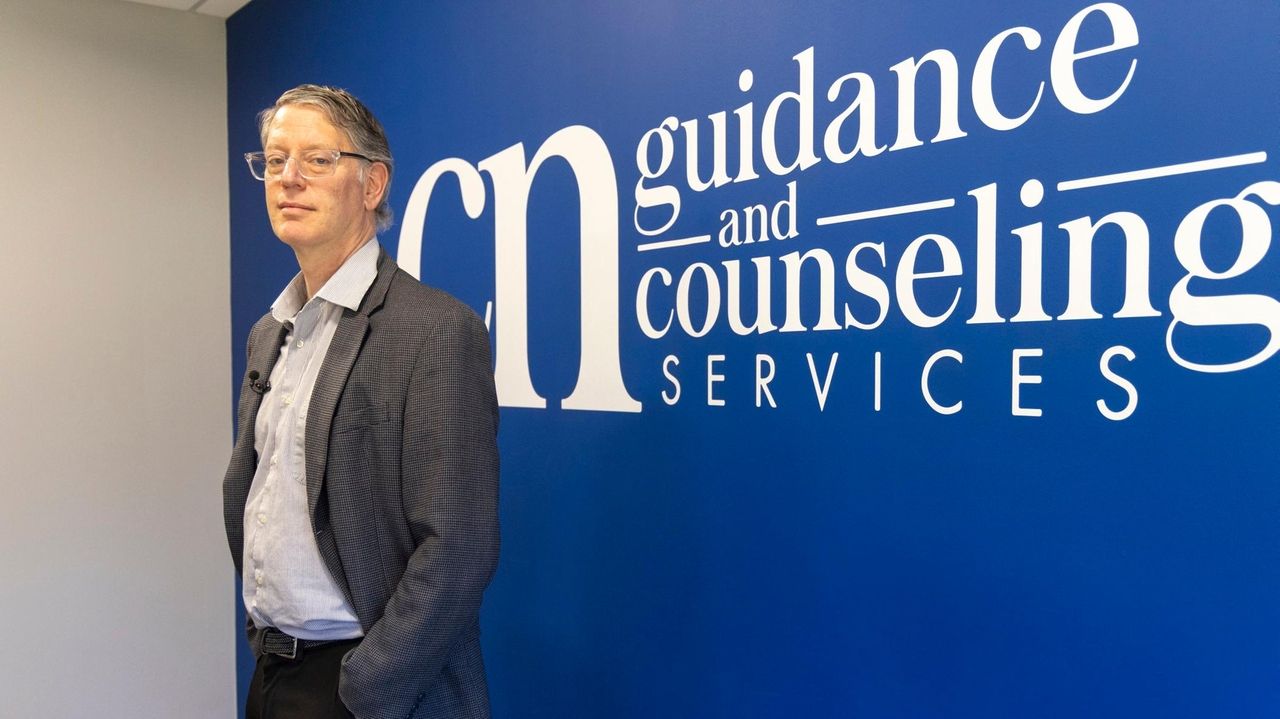
Dr. Martine Hackett, associate professor and chair of Hofstra’s Department of Population Health talked to Newsday about the possible effects of $12.4 billion in federal cuts to health care services. The Department of Health and Human Services (HHS) issued a statement that the money being trimmed is mostly COVID-19-related, including vaccinations and testing. “When you’re preventing disease or a death, your success is sort of invisible,” she said. “By not investing these funds now, we will start to see the effects one year, five years, 10 years later.”

