
Experts Matter. Find Yours.
Connect for media, speaking, professional opportunities & more.

My friend, Linda, retired at 66 after 35 years as a school principal. She had done everything right. Pension. Savings. No debt. A financial plan so airtight that her advisor framed it. On her first Monday of retirement, she drove to the grocery store, stood in front of the fancy olive oil, and put the $23 bottle back on the shelf. She grabbed the $10 one instead. That night, she called me, genuinely distressed. "Sue," she said, "I don't know how to spend the money." Linda is not alone. Her problem is not a math problem. It is a brain problem. Welcome to the neuroscience of aging and money, where biology is ageist, your prefrontal cortex is quietly retiring before you do, and the financial industry has somehow spent decades teaching you to save without ever explaining how to stop. What Is Actually Happening in That Brain of Yours As we age, the prefrontal cortex, the part of your brain responsible for planning, decision-making, and impulse regulation, starts to lose its edge. Meanwhile, the amygdala, the emotional centre, gains more influence. The result? Decisions that feel more emotional, more risk-averse, and sometimes more impulsive, depending on which way your wiring maps. Research published by Agarwal, S., Driscoll, J. C., Gabaix, X., & Laibson, D. found that financial decision-making peaks around age 53 and then declines steadily. This is not because older adults are less intelligent, but because the cognitive systems that weigh risk and reward begin to operate differently. Biology is ageist, as evidenced by the fact that your brain begins to change its relationship with money before you have even figured out what to do with it. A recent study from the National Bureau of Economic Research found that older adults are significantly more likely to make financial mistakes on both ends of the spectrum: excessive caution and excessive spending. The brain does not uniformly tighten the purse strings. It amplifies whatever pattern was already there. If you were a careful saver, you would become an Olympic penny-pincher. If you were a spender, you would become a one-person economic stimulus package. You become an exaggerated version of your younger self. Which is charming in theory and occasionally catastrophic in practice. Team Tight-Wad: All Chips, No Salsa You know the type. Actually, you might be the type. These are the people who still have their first chequebook, who compare per-unit prices for paper towels with the focus of a neurosurgeon, and who have not eaten at a restaurant without a coupon since the second Harper government. They are not cheap. They are terrified. As the prefrontal cortex loosens its grip on rational future planning, the fear of running out, what I call FORO (Fear of Running Out), takes the driver's seat. It whispers things like: what if the market crashes, what if I get sick, what if I live to 102 and run out of money at 99? And so the tight-wad doubles down. The $23 olive oil goes back on the shelf. The vacation gets postponed. The grandchildren's birthday gifts get slightly less grand. All chips, no salsa. You have built a pile of financial security and are sitting on it, stiff, virtuous, and mildly hungry, while the dip goes untouched. The tight-wad's greatest risk is not poverty. It is regret. Researchers at Cornell University found that people in the final chapters of their lives consistently reported regretting what they did not do far more than what they did. That trip not taken. That renovation not done. That bottle of good olive oil not purchased. FORO kept them safe and small, and the memory of that smallness stings. Team Spend-Thrift: All Salsa, No Chips On the other side of the spectrum, we have the spend-thrifts. As the emotional centres become more active and impulse regulation less reliable, some people lean into the "you only live once" philosophy. They book the trip to Portugal. They buy the golf club they do not need. They pick up the tab for dinner for eight people they met three hours ago. They are generous, spontaneous, and occasionally mystified by their bank statements. Research from Harvard Business School confirms that spending money on experiences and on others generates a meaningful boost in wellbeing. Spend-thrifts are onto something. The problem is sustainability. If the prefrontal cortex is not doing its job by asking "do we actually need this," the credit card bill arrives, and this is why we can't have nice things. Spend-thrifts also tend to underestimate longevity. A 65-year-old Canadian woman today can expect to live, on average, past 87. That is more than two decades of retirement to fund. All salsa, no chips is a delicious way to start a party and a terrible way to sustain it. The Gap Nobody Talks About: Permission to Spend Here is where I want to say something that gets almost no airtime in the financial services industry. We have an enormous education gap on this side of retirement. The entire financial industry, including the advisors, the institutions, the calculators, the seminars, and the books, has spent decades teaching people how to accumulate money. How to save. How to invest. How to sacrifice the latte. The message has been so relentless that it has rewired the way people feel about spending. And then retirement arrives. And nobody says: Okay, you can stop now. You can actually use this. This is what it was for. Switching from accumulation to decumulation requires real support, real education, and genuine permission. It is not a switch you flip. It is a gear shift that many people never make successfully. They arrive at retirement financially prepared but psychologically stuck. Honestly? The mother of all eye rolls is reserved for the financial institution that still calls it a savings account when you are 72. You are not saving anymore. You are managing a spending pool. Here is my modest proposal: once you turn 65, your savings account becomes your spending account. Not a radical rebranding. A psychological one. Words matter. Framing matters. Every time you log in and see the word "spending," your brain starts to normalize the idea that this money has a purpose, and that purpose is your life. Clients need financial therapists as much as they need financial planners. They need someone to look them in the eye and say: you earned this, you saved this, and spending it wisely and joyfully is not a failure of discipline. It is the entire point. Self-Awareness Is the Cheapest Investment You Will Ever Make Recognizing your pattern is step one. If you have not bought anything for yourself that was not on sale in the past calendar year, that is data. If you cannot remember the last time you checked your balance before a purchase, that is also data. Neither is a character flaw. Your brain is doing what it is supposed to do. Step two is to get the right support and give yourself explicit permission. A good retirement income specialist asks what you want your money to do for you now, not just how long it needs to last. A financial therapist helps you untangle your emotional history with money. At some point, you write it down: I am allowed to spend on things that bring me joy, keep me healthy, and connect me to the people I love. Post it somewhere you will see it when you are standing in front of the fancy olive oil. The Punchline Linda eventually bought the $23 olive oil. It took four months, a conversation with her advisor, and an honest chat with her daughter, who pointed out that Linda had about 90 jars of tomato sauce in her basement and no good reason to be rationing condiments. The brain changes that come with ageing are real. They are not personal failures. They are biology doing biology things, loudly and without your consent. But brains are also remarkably responsive to information, reframing, and the occasional kick in the pants from someone who loves you. You spent decades building financial security. The goal was never to die with the most money. It was a good life. All chips AND salsa. The full spread. The $23 olive oil on the good bread, with the people you love. Your spending account is waiting. Honestly, it has been waiting long enough. Because nobody wins a prize for being the richest person in the graveyard. Don’t Retire…Re-Wire! Sue



LSU Vet Med urges animal owners to be vigilant for New World screwworm
The LSU School of Veterinary Medicine is encouraging pet owners, livestock producers, horse owners, and veterinarians to remain vigilant following the recent detection of New World screwworm (NWS) confirmed cases in Texas and New Mexico. What is NWS? New World screwworm is a parasitic fly whose larvae, commonly known as maggots, feed on the living tissue of warm-blooded animals. Unlike most maggots that feed on dead tissue, screwworm larvae burrow into healthy flesh, causing painful wounds, severe infections, and, if left untreated, death. The pest can affect livestock, horses, wildlife, dogs, cats, and, in rare cases, people. Currently, there are no confirmed cases of New World screwworm in Louisiana, but awareness and early detection are critical. Animal owners should routinely inspect their animals for wounds and seek veterinary care immediately if they notice anything unusual. Government Response The U.S. Department of Agriculture and Texas animal health officials are actively responding to the detection through quarantines, surveillance, movement controls, and the release of sterile male screwworm flies to help stop the pest's spread. According to the Louisiana Department of Agriculture and Forestry, additional animal movement requirements are being implemented to reduce the risk of the pest entering Louisiana. These measures include enhanced health certificate requirements for certain animals entering the state from Texas, specifically lowering the validity of health certificates for animals entering Louisiana from 30 to seven days. Learn more at ldaf.la.gov. What to Look For Screwworm larvae most commonly enter through open wounds, surgical incisions, tick bites, the navels of newborn animals, or natural body openings such as the nose, ears, eyes, and genital regions. Animal owners should watch for: Wounds that fail to heal Bloody or foul-smelling discharge from wounds Visible maggots or egg masses in wounds or body openings Excessive licking, chewing, or irritation around a wound Signs of discomfort, depression, or reduced appetite There are currently no vaccines available to prevent New World screwworm. Rapid detection and response remain the most effective tools for preventing its spread. Diagnosis LSU Diagnostics (Louisiana Animal Disease Diagnostic Laboratory) is working with the Louisiana State Animal Health Officials (SAHO) for identification of all suspected cases. All confirmatory testing and reporting are being performed by the National Veterinary Services Laboratories, which will communicate results to the SAHO. What to Do if You Suspect NWS Animal owners who suspect New World screwworm should contact their veterinarian and the State Animal Health Official (SAHO) immediately at vetreports@ldaf.state.la.us or 225-925-3980. In Louisiana, the SAHO is Louisiana State Veterinarian Dr. Daniel Myrick (LSU 2001) with the Louisiana Department of Agriculture and Forestry. The public should be aware that New World screwworm does not affect the safety of the U.S. food supply. Federal inspection programs are designed to identify affected animals and prevent contaminated products from entering commerce. For more information about New World screwworm, visit Screwworm.gov or the LSU AgCenter webpage on NWS. About LSU Vet Med: Bettering lives through education, public service, and discovery The LSU School of Veterinary Medicine is one of only 33 veterinary schools in the U.S. and the only one in Louisiana. LSU Vet Med is dedicated to improving and protecting the lives of animals and people through superior education, transformational research, and compassionate care. We teach. We heal. We discover. We protect.



Tick Population Surge Raises New Lyme Disease Concerns
A surge in tick activity across Connecticut is renewing concerns about Lyme disease, prompting experts to examine the environmental factors driving tick populations, the challenges of prevention, and the future role of vaccines. Recently reported by CT Community News and CTNewsJunkie, researchers are seeing unusually high numbers of ticks infected with the bacteria that causes Lyme disease, with infection rates reaching levels typically not observed until peak season. Experts point to a combination of environmental conditions, including a snowy winter that insulated overwintering ticks, milder seasonal temperatures, and continued residential expansion into wooded areas where ticks thrive. According to Dr. David Banach, an infectious disease specialist and epidemiologist at UConn Health, the increase in Lyme disease cases is influenced by multiple factors. While improved reporting may account for some of the rise, environmental conditions continue to play a significant role in the number of infections seen by clinicians each year. “Lyme disease is chronically underreported.” Dr. David Banach Dr. David Banach is an infectious diseases physician who leads UConn Health's Infection Prevention Program and serves as hospital epidemiologist. View his profile The article also explores ongoing efforts to develop new Lyme disease vaccines. Dr. Paulo Verardi, head of UConn's Department of Virology and Vaccinology, notes that vaccines could become an important tool in reducing disease risk, but cautions that vaccination alone will not solve the broader challenge posed by expanding tick populations and changing environmental conditions. Effective control, he argues, will require a combination of public education, land management, and efforts to reduce tick abundance. “To really control tickborne diseases, there needs to be more land management, public education and a drop in the overall tick population.” Dr. Paulo Verardi Dr. Paulo Verardi is a virologist who specializes in vaccine research and development. He is a Department Head and Associate Professor at UConn and a member of the Center of Excellence for Vaccine Research. View his profile As Lyme disease continues to spread across North America, understanding the intersection of climate, ecology, public health, and vaccine development is becoming increasingly important. Researchers are working to better understand why tick populations are expanding, how disease risk is changing, and what strategies can best protect people who live, work, and spend time outdoors. Covering Lyme or other tickborne diseases? We can help. To learn more about Lyme disease, tick-borne illnesses, vaccine development, infectious disease trends, and public health preparedness, connect with experts such as Dr. David Banach and Dr. Paulo Verardi, whose research and expertise help explain the growing challenges posed by tick-borne diseases.


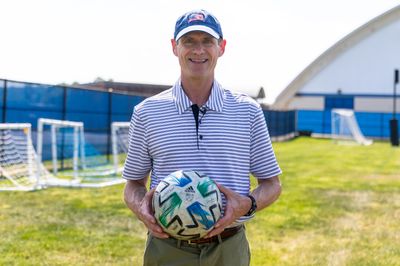
World Cup: Hall of Fame heading expert can talk about concussions
With a focus on concussion research, the University of Delaware's Thomas Kaminski serves as the sole U.S. representative on the FIFA Heading Expert Group, putting UD on the world soccer stage. Kaminski's contributions to the sport earned him a place in the National Athletic Trainers’ Association Hall of Fame. Kaminski, professor of kinesiology and applied physiology at UD's College of Health Sciences, has studied heading in soccer and concussion risk for nearly three decades. It's just one of the many topics he can discuss in relation to the upcoming World Cup: • Concussion risks, prevention strategies and sports-related mild traumatic brain injuries. • Ankle instability and how evolving safety standards are influencing the modern game. • Purposeful headers in interscholastic and intercollegiate soccer. Kaminski will be inducted into the National Athletic Trainers’ Association (NATA) Hall of Fame at the 77th NATA Clinical Symposia & AT Expo on June 30, 2026, in Philadelphia. The award represents the profession’s highest honor and honors members who have dedicated their lives to service and left a lasting impact on the profession. “I’m honored and humbled to join such a distinguished group of athletic training pioneers – people who have shaped and pushed the profession forward to where it is today,” Kaminski said. To reach Kaminski directly and arrange an interview, visit his ExpertFile profile and click on the "connect" button. Interested members of the media can also email mediarelations@udel.edu.


Tony Awards: CMU Experts Unpack Broadway’s Biggest Night
As Broadway prepares for the 2026 Tony Awards this Sunday, Carnegie Mellon University experts are available to help media explore the stories behind the stage, from the business of Broadway and the economics of major productions to costume design, theatre history and the behind-the-scenes teams that bring performances to life. CMU’s Tony Awards expert page brings together faculty and specialists who can provide timely commentary on the artistic, cultural and economic forces shaping Broadway’s biggest night. The Business of Broadway Production costs, commercial risk, tourism, jobs, touring productions and Broadway’s wider economic impact. Behind the Scenes The directors, designers, stage managers, technicians and production teams who turn a show into a fully realized theatrical experience. Costume in Theatre How costume design shapes character, period, mood and storytelling on stage. The History of Theatre and Broadway Broadway’s evolution, cultural influence and place within the broader history of theatre. Media can visit CMU’s Tony Awards page to explore available experts and connect directly with the right source for their story.


Seniors and AI (Part 2): Exercise Caution
If you haven't read Seniors and AI (Part 1) What Could Possibly Go Wrong?, catch up here. My friend Gloria told me she asked her AI assistant what to do about a “sore knee,” and it suggested she might be experiencing “symptoms consistent with early-stage gout, possible DVT, or referred pain from lumbar stenosis.” Gloria is 74, lives alone, and spent the next three hours convinced she was dying. She was not. She had slept on the couch in an awkward position. This is Part 2 of our look at Seniors and AI. If Part 1 was about the laughs, Part 2 is where we put on our reading glasses and pay attention. When technology moves from ordering groceries to offering medical advice or emotional support, the stakes get considerably higher than an accidental pineapple on your pizza. AI and Medical Advice: The Good, the Bad, and the “You Googled What?” Let’s give credit where it’s due. AI genuinely helps in healthcare in meaningful ways. It’s available at 2 AM without judgment. It translates medical jargon into plain English. It can help you walk into a doctor’s appointment with better questions instead of the usual panicked stare. But here’s what it cannot do: see you, touch you, or notice you’re limping. It can’t smell an infection, hear the wheeze in your chest, or detect the subtle signs that something is wrong. At its core, it is an elaborate and very polite Google search. Not a doctor. Takita et al. (2025), in a systematic review and meta-analysis published in Digital Medicine, found that the overall diagnostic accuracy of generative AI models is about 52 percent. Read that again. Fifty-two percent. Suitable for a second opinion, nowhere near sufficient to replace an experienced clinician. And yet, we hear a confident-sounding response and think, “Well, the computer said so.” Confidence and correctness are not the same thing, a lesson most of us learned the hard way in our thirties. When AI Is Safe (and When It Is Decidedly Not) Go ahead and ask AI about: What does that lab term on your bloodwork actually mean Common side effects of medications you’re already taking Questions to bring to your next appointment General information about a health condition Do not ask AI about: Anything you’d describe as “just making sure it’s not something bad”? Chest pain, sudden numbness, or anything that begins with “I’ve never felt this before” Whether to stop taking a medication Whether your symptoms are serious enough to go to the ER Think of AI as the helpful intern, not the chief medical officer. You’d let the intern look something up for you, but you wouldn’t let the intern prescribe your blood pressure medication. Bottom line: if you wouldn’t trust your toaster to measure your blood pressure, don’t trust a chatbot to diagnose your heart. AI Therapy: Comfort or Catastrophe? Mental health chatbots promise empathy. Let’s be precise about what that means: they simulate compassion, not feel it. There is a difference, and it matters. A Stanford University study (Moore & Haber, 2025) warns that therapy chatbots can reinforce stigma or provide genuinely unsafe responses. They can’t detect tone, see tears, read a room, or call for help when things turn dark. This is especially concerning for older adults. Loneliness and depression are common among seniors and are routinely dismissed as “just slowing down” or “getting older.” That’s not aging. Those are invisible illnesses that deserve real attention and real human connection. The Signs We Miss According to the National Institute on Ageing’s 2025 Ageing in Canada Survey, 57 percent of Canadians over 50 report feeling somewhat or very lonely, and 43 percent are at risk of social isolation. These figures haven’t changed since 2022. This is not a fringe problem. It is a quiet epidemic hiding in plain sight. Watch for these signs in yourself and in the people you love: Pulling back from activities they once loved Sleeping too much or not nearly enough Loss of appetite or unexplained weight changes Talking nonstop when the company finally arrives (that’s hunger or severe loneliness, not chattiness) Inventing reasons to call or visit Self-deprecating humour that feels a little too real. Here’s a small but important piece of advice: don’t ask, “Are you lonely?” You’ll get a cheerful “Of course not!” Pride and independence run deep, especially among a generation that survived things we can’t imagine. Instead, act as if. Drop by with coffee. Ask for help with something they are well versed in. Bring the dog. Go for a walk. Sit quietly and watch a show together. Share a meal. Loneliness doesn’t always need a conversation. Sometimes it just needs to know someone showed up. What Your Elder Is Thinking (But Will Never Tell You) Tread carefully here. These thoughts tend to live in the quiet spaces between sentences, felt but rarely spoken. How much time do I have? Have I done enough? Will my money run out before I do? Will anyone remember me? Do I still matter? Why do I feel so sad? Why are my friends getting sick and slipping away? Will I get sick? Who will look after me? Do my children know I love them? What if I start to forget? The creeping fear of losing names, faces, the stories that make life feel like mine. Am I a burden? (This one usually hides behind a joke.) What if my best days are already behind me? Some of these will surprise you. Some won’t. Some will make you want to pick up the phone right now. That’s the right instinct. You don’t need to fix these feelings. Sometimes, sitting quietly with someone in the silence between their words is the most healing thing you can offer. For the Family: What to Watch For and What to Do A quick note for the kids, grandkids, nieces, nephews, and anyone who forwards funny videos to their grandparents: your elders are going to experiment with AI. Probably the same way you experimented with your first beer or a regrettable tattoo: curious, enthusiastic, and occasionally overconfident. Watch for these warning signs: Increasing withdrawal from real-world activities and people Confusion about what is real versus AI-generated Replacing actual conversations with chatbot exchanges Acting on AI medical or financial advice without verifying it with a professional Being secretive or evasive about what they’re doing online Here is what you can do: Connect regularly. Ask what they’re learning or laughing about. Create opportunities for in-person time. FaceTime counts in a pinch, but in-person is irreplaceable. Know when to call the doctor. Know when all they need is your time. Don’t lecture. Don’t infantilize. Just stay connected. The best firewall against the risks of AI is not better technology. It’s better relationships. The Real Threat: Replacing Connection Here is the uncomfortable truth. AI is tempting. It’s always available, never interrupts, doesn’t judge, and responds instantly without getting distracted by its own problems. For someone who feels lonely, invisible, or like a burden, that can feel like a lifeline. But it’s a false one. AI cannot hold your hand or share a meal. It can’t laugh at your jokes in a way that truly counts. It cannot offer the warmth of human presence, which is what we need most, especially as we age. The danger isn’t primarily that AI will give bad medical advice, though it might. The danger is that it will replace human connection altogether. And that is a problem no algorithm can solve. CTRL ALT DEL: Now Go Call Someone AI is a tool. Part marvel, part mistake, and entirely dependent on who holds it. Use it wisely. Enjoy the entertainment. Stay curious. And remember who is actually in charge. Technology will keep getting smarter. It will not get warmer. It will not hear the sound of your laugh, remember the story you’ve told seventeen times, or show up at the door with soup when you’re not feeling well. That is still us. That will always be us. So yes, let Gloria ask her AI about her knee. But let’s also make sure someone calls Gloria on Tuesday. Key Takeaways Use AI for information, not diagnosis or treatment. Stay alert to signs of loneliness in yourself and in the people you love. Stay genuinely connected with older family members and friends. When in doubt, choose the human over the algorithm. The greatest upgrade to AI isn’t a newer version. It’s showing up. Sue Don't Retire...ReWire! My Book is Now Available for Pre-Order I hope you will consider pre-ordering a copy of Your Retirement Reset for you, a friend or loved one. It's available September 8, 2026 - You can now order on the ECW Press site here. And if you love supporting Canadian booksellers, please also check with your local independent bookstore. Most can easily order it for you.

National Cancer Research Month: Baylor Researchers at Forefront of New Discoveries
May is National Cancer Research Month, which highlights the importance of lifesaving research to the millions of people around the world affected by cancer. Thanks to spectacular advances made by cancer researchers, approximately 18.6 million people in the United States and millions more worldwide are living with, through and beyond their disease. Over the past year, Baylor University Media and Public Relations has reported on Baylor research at the forefront of discovering novel approaches to effective cancer therapies. University researchers are using tumor starvation techniques, natural products, phages, modified bacteria, precision nutrition and more in their trailblazing work on some of the most aggressive cancers, including kidney, pancreatic, oral, colorectal and breast cancers. In a recent article published by the University, it featured the hard work and research of eight Baylor experts driving those discoveries forward: • Kevin G. Pinney is developing a next-generation treatment for kidney cancer that targets the blood vessels feeding tumors. His research focuses on specialized drug conjugates designed to cut off oxygen and nutrients to renal cell carcinoma tumors — essentially starving cancer cells to death. • Daniel Romo is accelerating new therapies for pancreatic cancer using compounds derived from marine natural products. His work on a simplified version of pateamine A could offer a new therapeutic pathway for pancreatic ductal adenocarcinoma, one of the most aggressive and difficult-to-treat cancers. • Joseph Taube is investigating how breast cancers spread and resist treatment. His recent work examines whether a natural compound called Ophiobolin A can trigger inflammatory forms of cancer cell death that may work alongside immunotherapy — particularly in treatment-resistant triple-negative breast cancers. • Leigh Greathouse is combining cancer biology, nutrition science, and AI to personalize cancer prevention and treatment strategies. Her research explores how diet and the gut microbiome influence cancer outcomes and survivorship. • Michael S. VanNieuwenhze is leading groundbreaking colorectal cancer research using modified bacteria to deliver cancer-killing proteins directly into tumor cells. His team is engineering Listeria monocytogenes as a targeted therapeutic delivery system. • Aaron Wright is helping lead a major ARPA-H initiative exploring the use of bacteriophages — viruses that attack bacteria — to reshape the human microbiome and improve health. The project could eventually help prevent diseases linked to oral and colorectal cancers through low-cost phage-based treatments. • Savannah Rauschendorfer is researching how exercise interventions may reduce the harmful cardiac side effects of chemotherapy in adolescent and young adult cancer patients. Her work aims to identify patients at risk of cardiotoxicity earlier and improve long-term survivorship outcomes. • Jonathan Kelber studies the cellular and molecular mechanisms behind aggressive breast and pancreatic cancers. Through his Developmental Oncogene Laboratory, Kelber investigates how cancer cells evolve during tumor progression and tissue regeneration. Together, these researchers showcase how cancer science is rapidly evolving beyond traditional treatments – integrating biology, chemistry, nutrition, exercise science, microbiome research, and artificial intelligence in the search for more effective and personalized therapies.


CAA warns drivers of emerging auto theft tactics that prey on the goodwill of drivers
CAA South Central Ontario (CAA SCO) is warning that car theft is becoming more sophisticated and more personal, with criminals now targeting drivers directly using a mix of distraction tactics and high-tech tools. Police services across Canada have recently warned of an increase in “distraction thefts” occurring in parking lots, shopping centres, and other busy areas. At the same time, thieves are continuing to use relay attacks and key-fob signal-interception technology to unlock and steal vehicles without physical force. CAA cautions that these tactics are now being used together, creating new risks for drivers. A New Combination of Tactics This emerging method involves criminals engaging drivers in brief interactions near their vehicle while simultaneously using electronic devices to capture or amplify key fob signals. As a result, key fob-related auto theft is no longer limited to driveways or overnight incidents. Close physical proximity between drivers, their key fobs, and their vehicles can be exploited. These thefts can occur quickly and subtly, often without the driver immediately realizing anything has happened. In some cases, drivers may later notice an alert that their vehicle key is missing. This is an early sign that something is wrong. “Today vehicle thieves are becoming increasingly calculated, using distraction tactics alongside electronic tools designed to intercept or relay key fob signals,” says Elliott Silverstein, director, government relations, CAA South Central Ontario. “A brief interaction in a parking lot can quickly become an opportunity for organized criminals to target both drivers and their vehicles. Public awareness and simple preventative measures remain some of the strongest tools drivers have to protect themselves.” How Drivers Can Protect Themselves With these evolving risks, CAA is encouraging drivers to stay alert and take proactive steps to reduce their vulnerability: Park in well-lit, high-traffic areas. Be cautious of unsolicited interactions near your vehicle, including: Persistent or unusual requests for help Offers of gifts or incentives. Requests that require you to stay near your vehicle or move closer to another vehicle. Trust your instincts—if something feels suspicious, disengage and move to a safer area. Lock your vehicle immediately after exiting and confirm it is secure. Store key fobs in RFID-blocking or Faraday pouches to prevent signal interception. Keep key fobs on your person; avoid leaving them in carts, purses, or exposed areas. Consider visible anti-theft devices like steering wheel locks or two-factor authentication such as after-market engine immobilizers. Remove personal information from vehicles and clear saved home addresses in GPS systems. Report suspicious behaviour to local police. Raising Awareness Is Key CAA emphasizes that as auto theft tactics continue to evolve, awareness and vigilance are essential to reduce risk. Drivers are encouraged to remain mindful of their surroundings, particularly in public spaces, and to take simple precautions that can significantly reduce the likelihood of becoming a target of auto theft.


How Worried Should We Be About Hantavirus?
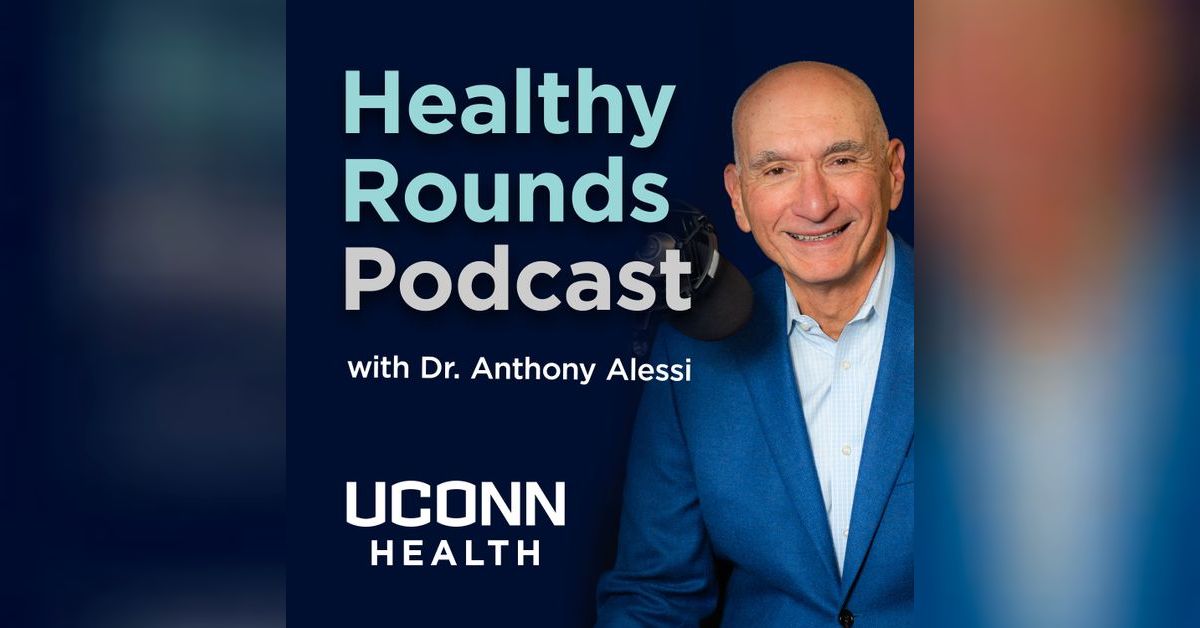
An outbreak of an uncommon but not unheard-of illness is responsible for the deaths of at least three people who were on an international cruise ship. With the rest of the passengers and crew under observation in their home countries — including 18 Americans who went to a quarantine facility at the University of Nebraska — how worried do we need to be about hantavirus? Dr. David Banach, UConn Health infectious diseases physician and hospital epidemiologist, joins Dr. Anthony Alessi to explain what we’re dealing with, the public health implications, and how, unlike COVID, the medical community at least has some history with this virus. You can check out the podcast here: It doesn’t spread in the same way that COVID does, in the sense that there’s no established sort of asymptomatic or pre-symptomatic spread. — Dr. David Banach Dr. Banach explains that hantavirus is a rare but serious virus carried primarily by rodents and spread through exposure to rodent waste or contaminated environments. While most cases are isolated, clusters can occasionally occur. The discussion compares hantavirus to COVID-19, with Dr. Banach emphasizing that hantavirus spreads much less easily between humans and is therefore less likely to become a global pandemic. However, it can cause severe cardiopulmonary illness with a significantly higher mortality rate than COVID. There is currently no vaccine or specific antiviral treatment, meaning care is largely supportive for patients who become critically ill. Dr. Banach also addresses public anxiety and misinformation surrounding the outbreak, encouraging people to rely on trusted organizations such as the World Health Organization and the Centers for Disease Control and Prevention for accurate information. He notes that public health officials continue to closely monitor the situation, but at this stage the overall risk to the general public remains low. Interested in learning more? Simply click on Dr. Banach's icon to arrange a time to talk today.


Canada’s Retirement Problem Is Not “Boomer Luxury Communism”
A recent Washington Post column by Pulitzer Prize-winner George F. Will caught my attention. A prominent American conservative warns about a demographic apocalypse. Normal Monday. His argument: an aging population and a politically powerful senior cohort are driving unsustainable government spending, leaving younger generations to foot the bill. He even has a name for it: “Boomer Luxury Communism.” (Does George Will need a Snickers bar?) It made me wonder: are the same forces reshaping retirement here in Canada? I’ve heard the generational accusations. Boomers took the good pensions. Boomers drove up housing. Boomers left the mess. Boomers won’t move and sell me their house. But here’s the thing. Boomers don’t have a case of “Pierre don’t care.” Most of them are quietly terrified. After 25 years in financial services and a decade sitting across kitchen tables from Canadians over 55, I think the story is a lot more complicated than that. According to Statistics Canada data, nearly one in five Canadians (19.5%) is now aged 65 or older, representing more than eight million people nationwide, signalling significant growth in the demographic. Retirement itself has also changed dramatically. Fewer Canadians have access to defined benefit pensions. Costs are rising, from groceries to housing to healthcare. And most people want to remain in their homes as they age. The result is straightforward: retirement is lasting longer, costing more, and relying more heavily on individuals than ever before. That much we share with the United States. But the Canadian reality is more complicated. Canada’s Seniors Are Not Living the Way Many People Assume Where the comparison begins to break down is in how we interpret what’s happening. The idea that Canadian seniors are broadly living comfortably at the expense of younger generations simply doesn’t match what I see in practice. In fact, many older Canadians are experiencing something quite different: Financial uncertainty. Despite having significant assets. On paper, many retirees look secure. They may own their home outright. They may have some savings and receive income from programs like CPP and OAS. But much of that wealth is tied up in housing. Families led by someone aged 65 or older now have a median net worth exceeding $1.1 million, the highest of any age group. (Source: Statistics Canada, Survey of Financial Security) Yet the same data also reveals something important: The value of the principal residence for many seniors far exceeds their retirement savings. Many Canadians are increasingly finding themselves asset-rich on paper but cash-flow constrained in practice. The Rise of FORO: Fear of Running Out When you look more closely at the financial picture for many retirees, income streams are often modest and heavily exposed to inflationary pressures. Longevity adds another layer of uncertainty: A Canadian reaching age 65 today can expect to live another 20 years on average. Longevity is, of course, a triumph of modern society, although financially speaking, it has a way of extending the spreadsheet. Which leads to a question I hear repeatedly around the kitchen table: “Will I have enough money to retire?” This concern is so common that I’ve written extensively about it as FORO: "Fear of Running Out." It shows up in everyday decisions. Let’s call balls and strikes: FORO is real, and left unchecked, FORO thinking gets calcified into a permanent crouch. It’s cautious, it’s understandable — and it can quietly cost you your retirement. Worse than an ill-timed "reply all" to a company-wide email. • People delay travel • They hesitate to help their family. • They postpone home repairs • They underspend, even when they may not need to. I’ve met people who won’t replace a 20-year-old furnace because they’re saving money for an emergency. The furnace failing IS the emergency. This is not reckless consumption. It’s cautious financial restraint. A recent Healthcare of Ontario Pension Plan Retirement survey found that nearly half of Canadians approaching retirement worry about outliving their savings. Other research from Fidelity Canada shows that many retirees spend less than they comfortably could because they fear future financial shocks or healthcare costs. This anxiety matters because retirement is not just a math problem. It is also a confidence problem. This Isn’t Boomer Excess. It’s a System That Shifted What’s happening in Canada is not primarily a story of overconsumption by retirees. It is the result of a long-term structural shift. Canadians are living longer than ever. In fact, the number of Canadians over age 85 - already one of the country’s fastest-growing demographic groups, is projected to nearly triple over the next 25 years. (Source: National Institute on Aging) Over the past several decades, pensions have disappeared. Employers steadily moved away from guaranteed pensions while individuals assumed far greater responsibility for funding their own retirement years. Defined benefit pension coverage has declined significantly in the private sector, particularly among younger workers, leaving more Canadians to manage retirement risk on their own. The CD Howe Institute has written extensively on this topic, calling for pension reform. At the same time, housing became the country’s dominant store of wealth. For many Canadians, rising home values created the impression of growing financial security. But the current housing environment is far more complicated. Now, real estate markets have become less liquid. Some regions are now seeing much softer housing prices after years of extraordinary growth. Cue the song, "Those were the days, my friend, we thought they'd never end." The result is a retirement system increasingly dependent on housing wealth, whether policymakers openly acknowledge it or not. Government is beginning to feel the financial pinch as well. A recent report from the C.D. Howe Institute estimated that demographic aging alone could create more than $2 trillion in long-term fiscal pressure for provincial governments, driven largely by healthcare and age-related spending. In the mid-1970s, there were nearly seven working-age Canadians for every retiree (Source: Statistics Canada). Today, that ratio has fallen to closer to three-to-one. It's a profound demographic shift that is placing growing pressure on labour markets, healthcare systems, and public finances. As retirements accelerate, fewer younger workers are available to replace them, reshaping the country’s economic and fiscal balance. Even high levels of immigration are unlikely to fully offset Canada’s aging challenge over the long term. These pressures are real. But the Canadian story is still more complicated than the increasingly combative generational narratives emerging in the United States. Retirement Became a DIY Project Over time, we slowly moved away from a system that delivered predictable retirement income. Now we ask individuals to assemble their own retirement strategy from scratch. Choose your own adventure: except the stakes are your retirement, and there’s no going back to page one. That shift created flexibility but also risk. And today, that risk is showing up as uncertainty. And while it's tempting to frame this as a generational issue, the more meaningful divide in Canada increasingly looks like this: • homeowners versus non-homeowners • those with pensions versus those without • those with access to advice versus those navigating alone Looking at the issue through this lens helps us better understand how we arrived at this point, and why it should serve as a wake-up call for consumers, policymakers, and the financial industry. Still not convinced? Look at this data from the Statistics Canada Net Worth Report: Near-retirement households with both a workplace pension and homeownership had a median net worth exceeding $1.4 million. Remove those two structural advantages, however, and the financial picture changes dramatically: renters without pensions had a median wealth of less than $12,000. Let me stop and let this one land. Pause, breathe, and read on. The wealth gap, when you look at homeownership and pensions, is staggering. It reveals how profoundly retirement security in Canada is shaped not only by age but also by structural access to housing and pension systems. Two Canadians of the same age can now face entirely different retirement realities depending on just a few foundational variables. That’s not a generational conflict. It’s a serious design problem — a bug, not a feature. The Accumulation Paradox Here is another gap that rarely gets discussed. Canada has done a reasonably good job of helping people accumulate assets. BUT We have done a much poorer job helping them convert those assets into sustainable income. This is especially true when it comes to housing. Research from the National Institute on Ageing and CMHC consistently shows that the overwhelming majority of older Canadians want to age in place rather than downsize or move into institutional care. But Canada’s retirement system increasingly depends on housing wealth, even as many retirees remain reluctant to use it strategically. For many Canadians, home equity is their single largest financial resource. Yet, culturally and psychologically, it is often treated as something to preserve rather than deploy. The result is what I call the Asset Accumulation Paradox: People can be asset-rich and cash-flow constrained at the same time, a perfect example of 2 things being true at the same time. That disconnect sits at the heart of much of the retirement anxiety we see today. Where Canada Stands Compared to the United States In some important ways, Canada is better positioned than the United States. The Canada Pension Plan is actuarially reviewed and designed to remain sustainable over the long term. (Source: Office of the Chief Actuary). And according to International Monetary Fund data, Canada’s public debt burden also remains materially lower than that of the United States as a share of GDP. But that does not mean we can afford complacency. Because beneath the surface, there is a growing gap between what Canadians have and what they feel confident using. If we want to improve retirement outcomes, we need to focus less on assigning blame and more on improving design. That means better tools, better guidance, and more open conversations, especially about how to turn assets into income. The warnings coming out of the United States are worth paying attention to. But Canada’s challenge is different. The risk is not that seniors are taking too much.It’s that too many Canadians are living with uncertainty despite having more options than they realize. The challenge now is not simply helping Canadians accumulate wealth. It is helping them use that wealth with greater confidence, flexibility, and security. So, let’s call this what it is. George Will is not entirely wrong. The numbers are real, the fiscal pressure is real, and yes, someone is going to have to deal with it. But the story he’s telling is a blunt instrument in a situation that requires a scalpel. Canada’s retirement challenge isn’t Boomer Luxury Communism. It’s more like Boomer Luxury Paralysis: sitting on a million-dollar asset, terrified to touch it, underspending in the present to guard against a future that may never arrive. FORO doesn’t discriminate by generation. It just quietly rearranges your life until you’re postponing the trip, skipping the furnace repair, and waiting for permission to enjoy the retirement you actually saved for. The good news? The options are better than most people think. The conversation isn’t about giving anything up. It’s about using what you already have. Sue Don't Retire...ReWire! My Book is Now Available for Pre-Order I hope you will consider pre-ordering a copy of Your Retirement Reset for you, a friend or loved one. It's available September 8, 2026 - You can now order on the ECW Press site here. And if you love supporting Canadian booksellers, please also check with your local independent bookstore. Most can easily order it for you.