
Experts Matter. Find Yours.
Connect for media, speaking, professional opportunities & more.

13 Georgia Southern faculty ranked among world’s top 2% of scientists
Thirteen distinguished faculty members from Georgia Southern University were ranked among the world’s top 2% of scientists. This list, published annually by Elsevier and Stanford University, recognizes the world’s top scientific researchers. The featured faculty are conducting cutting-edge research in disciplines ranging from glass science to cybercrime prevention. Georgia Southern’s research enterprise has grown tremendously in the last few years, even setting an institutional record for total research expenditures of over $43 million in FY ‘24. Bolstered by an unwavering commitment to discovery, creativity and innovation, the University is on track to achieve R1 status, the highest level of research activity, in the next three to four years. Vice President for Research and Economic Development David Weindorf, Ph.D., P.G. is among the faculty recognized and is humbled to be included. He sees his colleagues’ inclusion as indicative of an already prosperous research culture with ample opportunities for growth. “I am incredibly honored and humbled to work alongside some of the best and brightest at Georgia Southern,” said Weindorf. “I’m delighted our diligent efforts have resulted in such esteemed and well-deserved recognition. While I am grateful to be included in this list, I want to thank all those faculty who inspire me every day and continue to push us forward as we strive to elevate our University and the larger community.” The list and bios of the 13 Georgia Southern scientists are included in the attached release below: If you're interested in learning more or a reporter looking to speak with any of the scientists listed - simply contact Georgia Southern's Director of Communications Jennifer Wise at jwise@georgiasouthern.edu to arrange an interview today.


Researchers at the Institute for Water and Health (IWH) at Georgia Southern University initiated a new project in Marion, Alabama, to address the city’s aging water infrastructure and its impact on human health with a focus on community-based research, workforce development and environmental justice. The pilot project in Marion, Alabama, is a collaborative effort between Georgia Southern and the University of Alabama. IWH Director Asli Aslan, Ph.D., is the principal investigator (PI) and Lacey Huffling, Ph.D., from Georgia Southern’s College of Education, and Lanna Nations, director for education and outreach for the Alabama Water Institute at the University of Alabama, are co-PIs. In partnership with the city of Eastman, Georgia, the project includes an internship program for next-generation water operators and a peer mentorship program for current water managers. Project leaders seek to improve communication and foster trust between local authorities and residents, contributing to long-term environmental health and equitable access to safe drinking water. Aslan sees workforce readiness as a critical component to maintaining standards in water management. “Nationwide, community water systems are managed by specialized professionals to ensure safe water every time we turn on the tap,” noted Aslan. According to her, about 50% of water operators working at these facilities will retire in the next decade, but only 10% are expected to be replaced. Training the next generation of water operators and developing leaders for rural water systems is a matter of national security. “The Institute for Water and Health is committed to launching a regional program to equip future water managers with the necessary skills to ensure safe water for all,” Aslan continued. “This pilot project will lay the foundation for this goal and aims to expand the program throughout the southeastern United States.” The project is funded by Alabama Power and Partnership for Inclusive Innovation, a Georgia-based program that funds and supports networks through resources across businesses, research universities and government entities. To learn more about this project and other IWH research and educational programs visit here. To connect with IWH Director Asli Aslan, simply click on her icon now to arrange an invterview today.


Humans have long taken inspiration from the natural world. From the indigenous cultures of the world who understand and utilize the properties of plant and animal products, to Leonardo da Vinci’s “flying machine” sketches inspired by his observations of flying birds, humankind has often looked to nature to help solve its problems and drive innovation. With rapid scientific advancements of the 19th and 20th centuries, and the exponential growth of sustainability practices over the last quarter century, the concepts of bio-inspired design and biomimicry have been increasingly pursued across myriad disciplines of study and implementation. Alyssa Stark, PhD, associate professor of biology at Villanova University, is one of the “boots-on-the-ground” researchers in pursuit of nature’s solutions to human problems. She recently took the time to chat with us about these fields, her research interests and the future of biomimicry. Villanova PR: We sometimes hear the terms “bio-inspired design” and “biomimicry” used interchangeably. Are they the same concept? Alyssa Stark: I see those as two different things. Bio-inspired design is when we are looking at an organism and see that it’s doing something that we want to emulate as humans. I work with animals that have unique adhesive properties. I ask questions like: Can we see that? Can we build it? Can we transfer that information, those ideas, those principles – it could be chemistry, physics, biological structure – and make something useful for us? That is also true with biomimicry, but the big difference for me is that we're keeping in mind the sustainability components. The natural world is not polluting. If we're using this biomimicry lens, how do we learn from nature to make products or solve problems in a sustainable way, keeping in mind the specific environment in which we are located? As an example, we wouldn't use a heavy water process if we were in the Arizona desert, instead we should look to our immediate surroundings to solve problems. PR: It seems the work going on in this field really takes a unique level of interdisciplinary collaboration. What types of different professionals are working in biomimicry? AS: It really pulls together biologists, engineers, physicists, chemists, even design artists and businesspeople. I've worked with a lot of different businesses that want to have sustainability in their company at broad levels by using biomimicry. They are not motivated by making a cool product, but realizing it actually saves them money if they think about their whole company in a biomimetic perspective. There are people who work on the social side of biomimicry, helping these companies completely restructure themselves to be more efficient and more time and money sensitive, without ever making a product. But of course, products are a huge part of it, too. And to make that happen, all of those professions, and more, are vital and active in this space. PR: In terms of products, what are some of the most successful examples of biomimetic designs being implemented? AS: A classic one is a building in Africa that doesn't have any air conditioning units because it has a series of vents like a termite mound. Or the bullet train being shaped like a kingfisher’s beak. One scientist found that whales have bumps on their fins, which you might think is not hydrodynamic. But as it turns out, it actually cuts through water more efficiently by creating little vortices. This concept was then applied to wind turbines. There are many examples of biomimicry actually working and being used. My mind is blown when I talk to an artist or designer about biomimicry because it's just wild the way they think. PR: Where does your overall work as a biologist fit into the world of biomimicry? AS: My hard science work is very much functional morphology – shape and structure of things and how they function. That includes behavior and their organismal interaction with the environment. I ask questions like: How do their structures function and perform? How sticky are they? How fast are they? How do they behave in their environment? What happens if they hit different challenges in their environment? My work kind of naturally fits well with biomimicry, especially for product development. I observe the natural world and then I start testing questions and predictions that I have about it, like figuring out how the heck this ant is sticking to this wet leaf. My results can then be applied directly. We have to first understand how these organisms work, and then others can run with it to try to put it to use. PR: What organisms do you work with and what about them are you studying? AS: I mostly study geckos, ants, and sea urchins and I just started working with some coral, looking at why some coral undergo bleaching, and some don’t. With sea urchins, we're also figuring out where their incredibly hard teeth are mineralized so we can understand it enough to try to mimic it. I like playing in that zone, because it still provides me a chance to do the hard science, but also talk to engineers and others and provide them information. With geckos, what I kind of broke open with my PhD thesis was that they have an adhesive that works in wet environments. Having a reusable adhesive that can work on skin, especially in the medical world, is a big problem and where most of my research lies. Think of a bug that you can’t pry off, but then it suddenly runs. How do these organisms move with such sticky feet? Figuring out how to make a reusable adhesive that doesn’t get dirty and can handle all these different environments is a difficult problem to solve. PR: How do you see this field evolving, especially as we strive for a greener, more sustainable future? AS: I would say the next step is the social levels of these big ecosystems. How do we build a city that functions like a rainforest or like a coral reef? Not just a product, but how do we actually shape our world by taking behaviors, processes, or systems that we see in the natural world to help us? Look at a pride of lions and their hierarchy, or what kind of feedback loops are there in an ant colony that allow them to give information back to their colony members quickly and share resources. I think that is the future of this field, and it’s an exciting future. *To learn more about Dr. Stark’s research and the field of biomimicry, click here to listen to a recent episode of NPR’s science show, “The Pulse.”

National Science Foundation Confirms Record Research Growth at LSU
The National Science Foundation confirmed LSU’s record research expenditures of $488 million in fiscal year 2023. This historic growth of 14% compared to 2022 was previously announced by LSU and represents top performance alongside research university peers such as the University of Kentucky and the University of Tennessee. The growth reflects increased research activity across the LSU Family—especially on the flagship campus and at LSU Health New Orleans and LSU Health Shreveport. The national ranking of LSU’s five research campuses—the flagship in Baton Rouge, the LSU AgCenter, Pennington Biomedical Research Center, and the two LSU Health campuses—increased from 71 to 69, a rise moderated by the average growth of U.S. research universities around 11%. Compared to its peers, LSU is a leader in win-win partnerships with state and local government, with strong and continued investment in research. LSU research adds an estimated $1.3 billion to the Louisiana economy each year. The numbers that were just confirmed by the National Science Foundation recognize LSU as especially strong in federally grant-funded research in life sciences, geosciences, math and statistics, and computer and information sciences. These strengths align with the data-driven research priorities of the LSU Scholarship First Agenda to create new solutions for agriculture, biomedicine, coast, defense, and energy. “This NSF report confirms our focus on research growth to meet the needs of the state as well as our dedication to LSU’s Scholarship First Agenda,” said Robert Twilley, LSU vice president of research and economic development. “The significant increase in federal grants to LSU and Louisiana represents growing investment in our competitiveness and capacity to solve problems for the state and nation.” Read the full NSF report: https://ncses.nsf.gov/surveys/higher-education-research-development/2023


The new device is designed to reduce the risk of injuries when medicines being delivered into a vein enter the surrounding tissues It detects this problem at the earliest stages, before it is visible to the human eye The project is being supported by SPARK The Midlands at Aston University, a network to support technology development for unmet clinical needs. Clinicians at Birmingham Women’s and Children's NHS Foundation Trust (BWC) have joined with academics at Aston University to create an innovative sensor to reduce the risk of injuries caused when drugs being delivered into a vein enter the surrounding tissue. This complication, called extravasation, can cause harm and, in the most severe cases, life-changing injuries and permanent scarring. It happens most often when infusing medicines into peripheral intravenous (IV) devices, such as a cannula, but can also occur when infusing into a central venous access device. By joining together, BWC and Aston University are combining clinical, academic and engineering expertise to create a sensor that can detect extravasation at its earliest stages. Karl Emms, lead nurse for patient safety at BWC, said: “We've done lots of work across our Trust that has successfully reduced incidents. While we've made fantastic progress, there is only so much we can do as early signs of extravasation can be difficult to detect with the human eye. “The next step is to develop a technology that can do what people can't - detection as it happens. This will make a huge impact on outcomes as the faster we can detect extravasation, the less likely it is that it will cause serious harm.” The focused work to date addressing the issue has recently been recognised by the Nursing Times Awards 2024, winning the Patient Safety Improvement title for this year. This new project is supported by SPARK The Midlands, a network at Aston University dedicated to providing academic support to advance healthcare research discoveries in the region. SPARK The Midlands is the first UK branch of Stanford University's prestigious global SPARK programme. It comes as a result of Aston University’s active involvement in the delivery of the West Midlands Health Tech Innovation Accelerator (WMHTIA) – a government-funded project aimed at helping companies drive their innovations towards market success. The SPARK scheme helps to provide mentorship and forge networks between researchers, those with technical and specialist knowledge and potential sources of funding. SPARK members have access to workshops led by industry experts, covering topics such as medical device regulations, establishing good clinical trials, and creating an enticing target product profile to engage future funders. Luke Southan, head of research commercialisation at Aston University and SPARK UK director, said: “I was blown away when Karl first brought this idea to me. I knew we had to do everything we could to make this a reality. This project has the potential to transform the standard of care for a genuine clinical need, which is what SPARK is all about.” Work on another potentially transformative project has also begun as the team are working to develop a medical device that detects the position of a nasogastric feeding tube. There is a risk of serious harm and danger to life if nasogastric tubes move into the lungs, rather than the stomach, and feed is passed through them. Emms explained: “pH test strips can usually detect nasogastric tube misplacement, but some children undergoing treatment can have altered pH levels in the stomach. This means this test sometimes does not work. “A medical device that can detect misplacement can potentially stop harm and fatalities caused by these incidents.” SPARK will bring together engineers, academics and clinicians for both projects to develop the devices for clinical trial, with a goal of the technologies being ready for clinical use in three to five years. Southan said: “BWC is one of our first partners at SPARK and we're really excited to work with them to make a vital impact on paediatric healthcare in the Midlands and beyond." Notes to editors About Aston University For over a century, Aston University’s enduring purpose has been to make our world a better place through education, research and innovation, by enabling our students to succeed in work and life, and by supporting our communities to thrive economically, socially and culturally. Aston University’s history has been intertwined with the history of Birmingham, a remarkable city that once was the heartland of the Industrial Revolution and the manufacturing powerhouse of the world. Born out of the First Industrial Revolution, Aston University has a proud and distinct heritage dating back to our formation as the School of Metallurgy in 1875, the first UK College of Technology in 1951, gaining university status by Royal Charter in 1966, and becoming the Guardian University of the Year in 2020. Building on our outstanding past, we are now defining our place and role in the Fourth Industrial Revolution (and beyond) within a rapidly changing world. For media inquiries in relation to this release, contact Helen Tunnicliffe, Press and Communications Manager, on (+44) 7827 090240 or email: h.tunnicliffe@aston.ac.uk About Birmingham Women’s and Children’s NHS Foundation Trust Birmingham Women’s and Children’s NHS Foundation Trust (BWC) brings together the very best in paediatric and women’s care in the region and is proud to have many UK and world-leading surgeons, doctors, nurses, midwives and other allied healthcare professionals on its team. Birmingham Children’s Hospital is the UK’s leading specialist paediatric centre, caring for sick children and young people between 0 and 16 years of age. Based in the heart of Birmingham city centre, the hospital is a world leader in some of the most advanced treatments, complex surgical procedures and cutting-edge research and development. It is a nationally designated specialist centre for epilepsy surgery and also boasts a paediatric major trauma centre for the West Midlands, a national liver and small bowel transplant centre and a centre of excellence for complex heart conditions, the treatment of burns, cancer and liver and kidney disease. The hospital is also home to one of the largest Child and Adolescent Mental Health Services in the country, comprising of a dedicated inpatient Eating Disorder Unit and Acute Assessment Unit for regional referrals of children and young people with the most serious of problems (Tier 4) and Forward Thinking Birmingham community mental health service for 0- to 25-year-olds. Birmingham Women’s Hospital is a centre of excellence, providing a range of specialist health care services to over 50,000 women and their families every year from Birmingham, the West Midlands and beyond. As well as delivering more than 8,200 babies a year, it offers a full range of gynaecological, maternity and neonatal care, as well as a comprehensive genetics service, which serves men and women. Its Fertility Centre is one of the best in the country, while the fetal medicine centre receives regional and national referrals. The hospital is also an international centre for education, research and development with a research budget of over £3 million per year. It also hosts the national miscarriage research centre – the first of its kind in the UK - in partnership with Tommy’s baby charity. For interview requests please email the Communications Team on bwc.communications@nhs.net



Higher Education Enters the Ring
Why it matters Yesterday’s announcement that Linda McMahon is President-elect Donald Trump’s pick to lead the Department of Education ushers in a new era for universities and colleges. This signals a sharp pivot toward decentralization and pro-business policies, and it's expected that McMahon’s leadership will focus on dismantling traditional federal education structures, expanding school choice, and aligning education priorities with a business-first agenda. Higher education faces funding uncertainties, new accountability pressures, and the need to demonstrate its relevance in supporting economic growth. The Big Picture McMahon’s appointment reflects Trump’s broader strategy to reframe education policy in a way that prioritizes state control, entrepreneurship, and conservative cultural values. This will likely have significant consequences for higher education, including: Decentralization: Shifting control of education policy and funding to the states. School Choice Expansion: Redirecting public funds to private, religious, and homeschooling options. Economic Alignment: Pressuring institutions to support industry, small business, and workforce development through research, partnerships, and entrepreneurship/startup programs. Cultural Shifts: Rolling back policies on diversity, equity, and inclusion while emphasizing “patriotic” education. What’s at Stake Federal Funding Cuts: Threat: Research funding, Pell Grants, and other federal supports may face cuts. Reality Check: Congressional approval is required to eliminate funding streams like Title I, making complete federal withdrawal unlikely but changes and funding disruptions possible. Policy Shifts: Threat: Federal oversight will likely weaken, and policies favoring vocational and workforce-aligned education will likely put increased pressure on programs such as liberal arts. Universities will also likely face increasing pressure to align with ideological goals, such as restricting DEI (diversity, equity, and inclusion) initiatives. The new administration could wield considerable control over the school accreditation process, which has been seen by some to force ideological changes on campuses. There has been a movement to decentralize accreditation authority, reduce federal oversight, and align educational standards with conservative values. According to the Council for Higher Education, many of the ideas put forward focus on empowering states to authorize accrediting agencies and even serve as accreditors themselves, shifting control from federal to state governments. Action: Institutions must better identify their options amidst a rapidly evolving agenda at both the state and federal levels, develop strategies and secure the resources necessary. For instance, there are calls to prohibit accreditors from requiring institutions to implement Diversity, Equity, and Inclusion (DEI) policies. Institutions also need to understand what the implications of a more diverse accreditation landscape could be, with standards varying significantly across states, potentially affecting the uniformity and transferability of academic credentials nationwide. Reputational Risks: Concern: Growing public skepticism toward higher education undermines enrolment and support. Impact: Conservative narratives favoring alternatives like apprenticeships and other programs that support the economy and job growth will likely gain traction. Preserving Institutional Independence: Pressure: Universities face increased scrutiny of their course curriculum and research priorities that may be deemed ideologically contentious. Opportunity: Institutions must tangibly demonstrate their value to society. The more they can do to break down barriers between “town and gown” and counter the narrative that paints them as too expensive, elitist, and out of touch. Demonstrating Economic Impact: Need: Universities must showcase their role in driving economic growth through research, commercialization, and support for small businesses and entrepreneurs. Opportunity: Institutions should communicate their relevance in relatable ways that engage with businesses, emphasizing tangible contributions to research innovation and job creation as a positive return on investment that can be messaged to taxpayers. Key Questions for Higher Ed Leaders Funding: How can we diversify revenue streams and reduce reliance on federal support? Advocacy: How should universities engage state and federal leaders to protect their interests? Reputation: How can higher education rebuild public trust and counter skepticism? Relevance: How do we better communicate the value of university research and its role in supporting a pro-business agenda? Adaptation: Can institutions innovate by expanding industry partnerships, online education, and workforce-aligned programs? Implications of Project 2025 Project 2025 is a comprehensive initiative spearheaded by the Heritage Foundation, a conservative think tank, aiming to reshape the U.S. federal government through a conservative lens. Launched in April 2023, it serves as a strategic blueprint for a potential conservative administration, detailing policy proposals, personnel strategies, training programs, and a 180-day action plan. Analysis from the Brookings Institution states that "many proposals in Project 2025 would require an unlikely degree of cooperation from Congress, though others could be enacted unilaterally by a second Trump administration.” While we don’t know the full extent to which Project 2025 will be implemented, its agenda seeks to reshape federal agencies, including the Department of Education, with a significant impact on the sector. Key areas of focus include: Title I and Student Aid Proposals to give parents more control over federal funds could deprioritize public education. Tax Credits for School Choice Incentives to support private school tuition may shift K-12 pipelines, impacting university enrolment. Economic Realignment Universities will need to align with business priorities, emphasizing innovation, commercialization, and job creation. Diversity Equity & Inclusion Project 2025 explicitly calls for reducing federal spending on what it deems unnecessary or politicized initiatives, and DEI programs are likely to fall under this categorization. This could have wide-ranging impacts, including changes to school ranking systems that have a DEI component. Ranking bodies such as US News & World Report may need to adjust their methodologies to account for changes in diversity initiatives and data availability. With potential reductions in diversity-related data, rankings might place greater emphasis on other factors such as academic performance, faculty qualifications, and post-graduate outcomes. This also could extend to endowments, which direct funding toward diversity programs through scholarships and fellowships. For institutions that rely heavily on DEI as a cornerstone of their fundraising and donor relations strategies, they may experience reduced donor enthusiasm, particularly from philanthropic organizations or alumni committed to these causes. Regulatory Rollbacks There is the potential for significant changes to Title IX protections and federal loan forgiveness programs, creating legal and financial uncertainty. What Universities Can Do Now: Secure Funding Build relationships with private donors, businesses, and industry partners. Strengthen advocacy efforts at the state level to safeguard funding & other resources. Adopt proactive strategies to mitigate potential policy impacts, such as diversifying revenue sources, engaging donors with aligned government priorities, and ensuring compliance with evolving regulations. Reinforce Public Trust Explain complex topics in accessible ways to help the public and policymakers make informed decisions. Help promote and support faculty who can serve as credible sources for the media, countering misinformation and fostering informed dialogue. Strengthen community connections with your experts through public speaking engagements, workshops, and local events. Position the university as a hub for knowledge and innovation that benefits the community. Capitalize on the reach and influence of alumni. Highlight their successes to show how they benefitted from educational programs and research. Position them as important role models and advocates in the community who are contributing to economic growth. Demonstrate Relevance Showcase faculty and their research breakthroughs. Demonstrate how their work benefits industries, supports entrepreneurship and addresses societal challenges. Speak to real-world outcomes in health, technology, the environment, and more. Use accessible language to connect with policymakers, business leaders and taxpayers. Strengthen Advocacy: Partner with peer institutions to shape policy discussions. Position universities and colleges as vital contributors to a pro-business agenda. Innovate: Expand stackable credentials and micro-credential programs that are aligned with private and public sector requirements and emerging skills-based models. Look at new online education options. Embrace partnerships that connect academic research to real-world economic impact. Universities must deliver a more compelling, data-driven, yet humanized story about their institution’s contributions, fostering stronger relationships with government, the private sector, and taxpayers. What's Next This new era will most certainly challenge higher education to rethink its approach to funding, policy, and public engagement. For all institutions, both public and private, there is no place to hide. As they step into the ring, Higher Education leaders will need lots of support as they look to forge new paths for research, teaching, and community service while engaging their stakeholders in ways that more powerfully communicate their vital contributions to society. The bell has rung—are you ready?



Dangers of the Metaverse and VR for U.S. Youth Revealed in New Study
The metaverse, a space where the lines between physical and digital realities blur, is rising among younger populations. As of March, 33% of teens own a virtual reality (VR) device and 13% use it weekly. With the metaverse offering richer emotional experiences, youth may be particularly vulnerable to significant harm in these immersive spaces, underscoring the need to explore potential risks. Unfortunately, research of online victimization in the metaverse is sorely lacking. A new study by Florida Atlantic University , in collaboration with the University of Wisconsin-Eau Claire, is one of the first to examine the experiences of harm in the metaverse among youth in the United States. Using a nationally-representative sample of 5,005 13 to 17 year olds in the U.S., researchers focused on their experiences with VR devices, including 12 specific types of harm experienced, protective strategies employed, and differences in experiences between boys and girls. Results of the study, published in the journal New Media & Society, found a significant percentage of youth reported experiencing various forms of harm in these spaces, including hate speech, bullying, harassment, sexual harassment, grooming behaviors (predators building trust with minors), and unwanted exposure to violent or sexual content. The study also revealed notable gender differences in experiences. Among the study findings: 32.6% of youth own a VR headset (41% of boys vs. 25.1% of girls) More than 44% received hate speech/slurs (8.9% many times); 37.6% experienced bullying; and 35% faced harassment Almost 19% experienced sexual harassment; 43.3% dealt with trolling; 31.6% were maliciously obstructed; and 29.5% experienced threats More than 18% were doxed (publicly revealing someone’s personal information without their consent); and 22.8% were catfished (creating a false identity online to deceive someone, typically for romantic purposes) Nearly 21% faced unwanted violent or sexual content; 18.1% experienced grooming or predatory behavior; and 30% were targeted for factors like weight, sexual preference, sexual orientation or political affiliation Boys and girls experienced similar patterns of mistreatment, but girls experienced sexual harassment and grooming/ predatory behavior more frequently than boys. Boys and girls were equally as likely to be targeted because of their voice, avatar, race, religion or disability. “Certain populations of youth are disproportionately susceptible to harm such grooming, especially those who suffer from emotional distress or mental health problems, low self-esteem, poor parental relationships and weak family cohesion,” said Sameer Hinduja, Ph.D., first author, a professor in the School of Criminology and Criminal Justice within FAU’s College of Social Work and Criminal Justice, co-director of the Cyberbullying Research Center, and a faculty associate at the Berkman Klein Center at Harvard University. “Due to the unique characteristics of metaverse environments, young people may need extra attention and support. The immersive nature of these spaces can amplify experiences and emotions, highlighting the importance of tailored resources to ensure their safety and well-being.” Findings also reveal that girls employed in-platform safety measures significantly more so than boys such as “Space Bubble,” “Personal Boundary” and “Safe Zone.” “We found that girls are more likely to select avatars designed to reduce the risk of harassment and to use in-platform tools to maintain a safe distance from others. Additionally, both boys and girls feel comfortable leaving metaverse rooms or channels like switching servers in response to potential or actual victimization, although overall, youth tend to use these safety features infrequently,” said Hinduja. Among the recommendations offered to youth by the researchers include: Using platform-provided safety features to restrict unwanted interactions and infringements upon their personal space. It is also essential that youth understand and take advantage of the safety features available within metaverse experiences, including blocking, muting, and reporting functionalities. Continued research and development in these areas to determine how to meet the needs of users in potential or actual victimization contexts Streamlining platform reporting mechanisms to ensure swift action is taken against perpetrators Age-gating mechanisms for metaverse environments where mature content and interactions proliferate Encouraging parents and guardians to take the time to familiarize themselves with available parental control features on VR devices and metaverse platforms to set boundaries, monitor activities, and restrict certain features as needed. An active mediation approach is ideal, where they engage in open and supportive dialogue with children about their metaverse experiences. The integration of updated, relevant, and accessible digital citizenship and media literacy modules into school curricula to provide youth with the necessary knowledge and skills to navigate VR and other emerging technologies safely and responsibly Consideration by content creators of the ethical implications of their metaverse creations, ensuring that they promote inclusivity, respect, and discourage any form of harassment. They should strive to make their virtual experiences accessible to users from diverse backgrounds, languages, cultures and abilities. “VR concerns of parents and guardians generally reflect and align with their historical anxieties about video games, excessive device use, its sedentary nature, cognitive development, and stranger danger,” said Hinduja. “There remains so much promise with these new technologies, but vigilance is required when it comes to the unique challenges they present as well as the unique vulnerabilities that certain youth users may have. As such, it’s ‘all hands on deck’ to build a safer and more inclusive metaverse as it continues to evolve.” If you're looking to know more - let us help. Sameer Hinduja, Ph.D., is a professor in the School of Criminology and Criminal Justice at Florida Atlantic University and co-director of the Cyberbullying Research Center. He is recognized internationally for his groundbreaking work on the subjects of cyberbullying and safe social media use, concerns that have paralleled the exponential growth in online communication by young people. He has written seven books, and his interdisciplinary research is widely published and has been cited more than 18,000 times. Simply click on Sameer's icon now to set up an interview today.


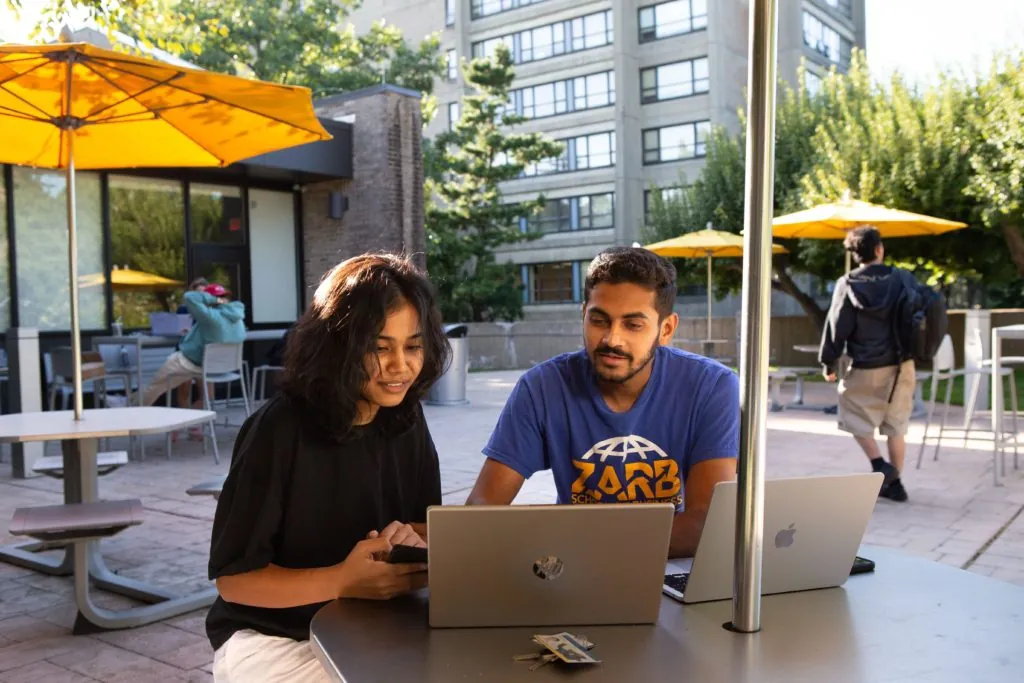
Success Over Sacrifice: How Zarb’s Online MBA Program Is Changing The Grad School Experience
Dean Janet Lenaghan, Zarb School of Business, published a piece in Poets&Quants highlighting Zarb’s Online MBA program. She details the program’s concentrations, leadership development resources, and global learning opportunities, emphasizing its value in balancing career, education, and personal life. The article also showcases testimonials from alumni and explains the program’s strong reputation for helping students advance in their careers.


Kert Anzilotti, M.D., Appointed President of the Medical Group of ChristianaCare
Kert Anzilotti, M.D., MBA, FACR has been appointed president of the Medical Group of ChristianaCare. Anzilotti has served as interim president since June 2024. He will also continue in his role as system chief medical officer of ChristianaCare. As president of the ChristianaCare Medical Group, Anzilotti will seek to improve every aspect of care for every person the Medical Group touches. He will focus on the optimization of care delivery, strategic visioning, network development, clinical technology implementation and leveraging medical informatics. Anzilotti will continue to develop new care models that transcend settings, promote value-based care and improve the patient experience across the clinical enterprise. Among his priorities are the adoption of population health measures, the embedding of health equity into care delivery and workforce development, further expansion of access points for patients and the continuous enhancement of patient and caregiver experience. “Dr. Anzilotti is exceptionally qualified to lead the Medical Group of ChristianaCare,” said Janice E. Nevin, M.D., MPH, president and CEO of ChristianaCare. “His passion for our mission and vision for the future strength of our Medical Group is unwavering. Since joining ChristianaCare in 2011, Dr. Anzilotti has earned a well-deserved reputation as a thoughtful and collaborative leader.” Anzilotti has served in numerous leadership roles at ChristianaCare, including as chief medical officer, acute care; chair of the Department of Radiology; medical director of Imaging Services; and physician leader of the Neurosciences Service Line. He also previously served as Interim President and CEO for the eBrightHealth ACO with responsibility for physician leadership and network operations. He is board certified in Neuroradiology. “Over the many years I have been at ChristianaCare, I have had the privilege of witnessing the dedication and compassion of my Medical Group colleagues as we served together with love and excellence,” Anzilotti said. “I am honored to lead this incredible, dynamic group that is reshaping the future of care, ensuring everyone we serve can achieve their best health.” Anzilotti earned his medical degree from Jefferson Medical College of Thomas Jefferson University in Philadelphia. He earned his MBA at the University of Delaware, completed the Managing Health Care Delivery Course at Harvard Business School and graduated as Physician Executive Fellow in the Health Management Academy, GE Fellows Program. The Medical Group of ChristianaCare consists of over 2,200 dedicated doctors, nurse practitioners, physician assistants and other caregivers. This highly skilled team delivers exceptional care through ChristianaCare’s community-based primary care and specialty care practices serving Delaware and surrounding states. Additionally, the Medical Group collaborates with ChristianaCare hospitalists to ensure seamless continuity of care for our patients, from primary care to hospital care and back again.


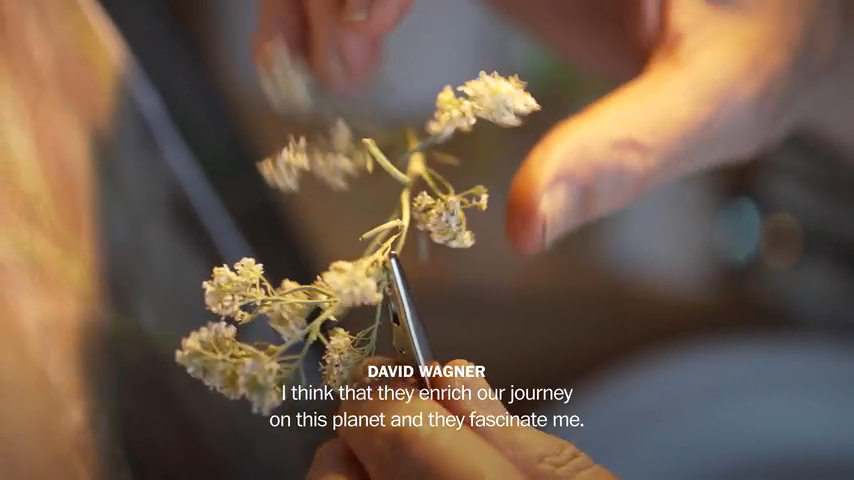
Moths in the Mojave, with UConn's David Wagner
Did you know that there are approximately 180,000 moth and butterfly species living in California’s Mojave Desert? Moths, the winged insects famous for eating sweaters and flocking to lights at night, are a mysterious and captivating species for entomologists like UConn's David Wagner. He was part of a research study that was documented recently in The Washington Post. Each night in the desert, vast clouds of sphinx moths, some spanning the palm of your hand, speed between night-blooming flowers, sipping nectar. Ethmia, tiny black moths with spots shaped like musical notes, emerge from the dark like fairies. Thousands of geometrid moths, no bigger than your fingernail, slip by cloaked in desert hues from rusty reds to pale green. To witness them, I traveled deep into the Mojave Desert this spring with a team from the California Academy of Sciences working to ensure the survival of lepidoptera. For two days, we beat bushes, placed traps and collected thousands of moths to see what lives there — and what can be saved. Moths have inhabited our planet for at least 200 million years. But the conservation status of about 99 percent of moth species remains unknown. Some, like sphinx moths, remain abundant. Many others are probably being pushed to the brink by development, land-use changes, pesticides and pollution, and rising temperatures. “It’s not this unseen force,” says David Wagner, an entomologist at the University of Connecticut. “It’s humans.” Over two nights in the desert, I discovered just how easy it is to fall in love with an unloved insect. And why “mothing” may be the best way to discover the miracle of biodiversity in your own backyard. On the arid western edge of the Mojave, where the desert floor rises to meet the San Bernardino Mountains, sits the 306-acre Burns Piñon Ridge Reserve. We venture out in the morning with beating sticks. Hitting the branches of small oaks and rabbitbrush deposits a treasure trove of insect life into collectors made out of fabric: Crane flies, green lacewings, spiders, walking sticks and caterpillars that will one day grow into moths. Wagner and Chris Grinter, an entomologist and collection manager at the California Academy of Sciences, will catalogue the most interesting ones. The academy houses a collection of 18 million insects, 700,000 of which are butterflies and moth specimens. Many are still waiting for scientists to identify and name them. The plight of moths and caterpillars has fascinated Wagner since childhood. After 20 years, he is no less enthusiastic — or worried. Wagner traveled to Burns Piñon to help finish his magnum opus, the successor to his 500-page guide to eastern North America’s caterpillars. The guide for the west will probably run more than 1,500 pages, a testament to the region’s remarkable biodiversity. As the sun sets, the mood is anticipatory. We head out into the desert to set our traps and see what moths we’ll discover. “The nice thing,” says Grinter, “is moths will come to you.” The article is an amazing read - and the link is above. And if you are interested in knowing more about moths, insects, or the fascinating field of entomology, then let us help. Dr. David Wagner is an expert in caterpillars, butterflies, moths, and insect conservation, and he's commented extensively on the current decline of insects worldwide. Click his icon to arrange an interview today.

