
Experts Matter. Find Yours.
Connect for media, speaking, professional opportunities & more.

MEDIA RELEASE: More Ontario drivers admit to getting behind the wheel after consuming cannabis
A recent survey conducted by CAA South Central Ontario (CAA SCO) found that substance use, specifically cannabis, is on the rise for Ontarians. According to the study, over half (53 per cent) of Ontario drivers have ever tried cannabis, a 14 per cent increase from last year. The issue here is that as more Ontarians are using cannabis, the number of impaired motorists is also on the rise. The survey found that 19 per cent of Ontario drivers admit to ever consuming cannabis and driving a vehicle, a five per cent increase from last year. “This data shows us that the popularity of cannabis has subsequently resulted in more impaired driving,” says Michael Stewart, community relations consultant, CAA SCO, “cannabis can be safely consumed recreationally, but never when behind the wheel.” Despite the increase in cannabis-impaired driving, those driving impaired are less confident in their ability to drive than in years prior. The survey found that: 52 per cent of recent cannabis-impaired drivers admitted to driving within three hours of consumption. 31 per cent of drivers reported feeling high while driving. 76 per cent expressed confidence in their ability to drive – ten per cent less compared to last year. In addition, 63 per cent were worried about being caught. When drivers were asked if they agree or disagree – most continue to agree that cannabis-impaired driving is dangerous but not as bad as driving while alcohol-impaired. According to the study, 91 per cent of Ontario drivers agree that driving under the influence of cannabis is a serious risk to road safety. This concern is even higher amongst older drivers. However, despite the research regarding the effects of cannabis on driving, Ontario drivers continue to generally perceive cannabis as less dangerous (90 per cent) than alcohol (95 per cent) or illegal narcotics and opioids (93 per cent) when it comes to impaired driving. “There is often a misconception on the effects cannabis can have on a driver,” says Stewart, “however, it has been proven that driving impaired can greatly impact a driver’s reaction time, coordination and decision-making, just the same as it does when consuming alcohol.” The survey found that Ontarians who decided to drive after consuming cannabis did so because they believed they did not consume a significant amount of cannabis (32 per cent), had no alternative but to drive home (32 per cent), or thought the drive would be short anyway (28 per cent). The normalization of cannabis use, combined with increased access to retail stores, may be influencing the rise in consumption and cannabis-impaired driving cases. The data shows that 74 per cent of Ontario drivers have at least one cannabis store in their neighbourhood – a 14 per cent increase from 2023 – with 35 per cent of Ontarians reporting four or more stores in their neighbourhood, up six per cent from last year. As the holiday season approaches, CAA SCO is asking those who do consume cannabis, alcohol or other drugs to plan ahead by making alternate arrangements, such as a designated driver or a rideshare service, to get home safely. “While we’re all aware that alcohol-impaired driving can be deadly, we should also take the same attitude towards cannabis-impaired driving,” says Stewart, “CAA SCO wants to emphasize the importance of using cannabis responsibly, and that means never using it when driving.” The online survey was conducted by DIG Insights from July 5 to July 18, 2024, with 1,664 Ontario drivers aged 19 and older. Based on the sample size of n=1,664 and with a confidence level of 95%, the margin of error for this research is +/- 2%.)



The ISS is Leaking! What Happens Now? Florida Tech's Don Platt Can Explain
There's an issue on the International Space Station (ISS) that is becoming a growing concern for both the Russian and American space programs. The ISS is leaking, and the matter is rightfully getting attention from media around the world. The reporters looking for answers are connecting with Florida Tech's Don Platt to explain what exactly is happening and what it means for the future of this $100 billion facility. Dr. Platt's work has involved developing, testing and flying different types of avionics, communications and rocket propulsion systems. He teaches about space systems. The problem exemplifies how NASA is contending with aging but critical space infrastructure: The orbiting laboratory, with a living area larger than a six-bedroom house, is the agency's only way to learn about health impacts to astronauts, develop or test life support systems for future missions, and advance a plethora of space technologies. NASA wants to keep it running until 2030 — but doing so will require constant surveillance and, literally, patching. "It's an old station, and it has done some amazing things," Don Platt, an associate professor of space systems at Florida Tech, told Mashable. Mashable, Nov. 19 Local television and national networks like NPR were also seeking Platt's expert insights. NASA and Russian space officials are at odds over the significance of a long-standing air leak aboard the International Space Station. The leak, originating from a Russian module, has reportedly persisted for about five years. Don Platt, an associate professor at the Florida Institute of Technology, explained the potential risks. “There’s definitely concerns about this leak and the potential for it to get worse over time,” Platt said. While NASA views the issue as a serious safety concern, Moscow insists the situation is under control and the module is safe. “NASA is quite concerned about it, and the Russians are more or less saying, ‘We have it under control. Don’t worry about it,’” Platt said. The affected module is one of the oldest on the station, having been operational for more than 20 years. “One of the Russian modules on the space station, one of the oldest, is starting to lose some of the air that astronauts need to breathe,” he said. November 18 - NBC News The coverage featuring Platt's insight is also being carried by Russian media and news sites. Are you following this developing story? Let us help with your coverage. Dr. Don Platt's work has involved developing, testing and flying different types of avionics, communications, rocket propulsion systems as well as astrobiology/biotechnology systems and human deep space exploration tools. Don is available to speak with media. Simply click on the icon below to arrange an interview today.


NATO, Russia and a New Approach to Foreign Policy
The election of Donald Trump for a second time as the President of the United States may have come as a surprise to many, for world leaders it means an immediate shift when it comes to global issues. Trump campaigned on dealing with the war between Russia and Ukraine and the wars Israel is fighting on multiple fronts himself, and resolving these delicate and complex conflicts with little regard to those at NATO or other leaders around the world. Trump has also indicated that serious changes will be coming to how America handles trade -which will also put how his administration deals with President Xi Jinping in China and the newly elected President of Mexico, Claudia Sheinbaum in the spotlight on center stage. There is already a lot of speculation an even a few glimpses at what lies ahead for US foreign policy, and if you're a reporter covering the lead up to this much hyped event - then let our experts help with your coverage. Louis DeSipio examines how democratic nations incorporate new members, including policymaking in the areas of immigration. Jeffrey Wasserstrom specializes in modern Chinese cultural history & world history, who has written on many contemporary as well as historical issues. Eric Swanson is an expert on inflation, recessions and what changes in interest rates mean for the economy. Heidi Hardt is an expert on NATO, defense, security, foreign policy, organizations, the EU, UN, operations, gender, climate and change. Tony, Jeffrey, Eric and Heidi are available to speak with media - simply click on either expert's icon now to arrange an interview today.


Higher Education Enters the Ring
Why it matters Yesterday’s announcement that Linda McMahon is President-elect Donald Trump’s pick to lead the Department of Education ushers in a new era for universities and colleges. This signals a sharp pivot toward decentralization and pro-business policies, and it's expected that McMahon’s leadership will focus on dismantling traditional federal education structures, expanding school choice, and aligning education priorities with a business-first agenda. Higher education faces funding uncertainties, new accountability pressures, and the need to demonstrate its relevance in supporting economic growth. The Big Picture McMahon’s appointment reflects Trump’s broader strategy to reframe education policy in a way that prioritizes state control, entrepreneurship, and conservative cultural values. This will likely have significant consequences for higher education, including: Decentralization: Shifting control of education policy and funding to the states. School Choice Expansion: Redirecting public funds to private, religious, and homeschooling options. Economic Alignment: Pressuring institutions to support industry, small business, and workforce development through research, partnerships, and entrepreneurship/startup programs. Cultural Shifts: Rolling back policies on diversity, equity, and inclusion while emphasizing “patriotic” education. What’s at Stake Federal Funding Cuts: Threat: Research funding, Pell Grants, and other federal supports may face cuts. Reality Check: Congressional approval is required to eliminate funding streams like Title I, making complete federal withdrawal unlikely but changes and funding disruptions possible. Policy Shifts: Threat: Federal oversight will likely weaken, and policies favoring vocational and workforce-aligned education will likely put increased pressure on programs such as liberal arts. Universities will also likely face increasing pressure to align with ideological goals, such as restricting DEI (diversity, equity, and inclusion) initiatives. The new administration could wield considerable control over the school accreditation process, which has been seen by some to force ideological changes on campuses. There has been a movement to decentralize accreditation authority, reduce federal oversight, and align educational standards with conservative values. According to the Council for Higher Education, many of the ideas put forward focus on empowering states to authorize accrediting agencies and even serve as accreditors themselves, shifting control from federal to state governments. Action: Institutions must better identify their options amidst a rapidly evolving agenda at both the state and federal levels, develop strategies and secure the resources necessary. For instance, there are calls to prohibit accreditors from requiring institutions to implement Diversity, Equity, and Inclusion (DEI) policies. Institutions also need to understand what the implications of a more diverse accreditation landscape could be, with standards varying significantly across states, potentially affecting the uniformity and transferability of academic credentials nationwide. Reputational Risks: Concern: Growing public skepticism toward higher education undermines enrolment and support. Impact: Conservative narratives favoring alternatives like apprenticeships and other programs that support the economy and job growth will likely gain traction. Preserving Institutional Independence: Pressure: Universities face increased scrutiny of their course curriculum and research priorities that may be deemed ideologically contentious. Opportunity: Institutions must tangibly demonstrate their value to society. The more they can do to break down barriers between “town and gown” and counter the narrative that paints them as too expensive, elitist, and out of touch. Demonstrating Economic Impact: Need: Universities must showcase their role in driving economic growth through research, commercialization, and support for small businesses and entrepreneurs. Opportunity: Institutions should communicate their relevance in relatable ways that engage with businesses, emphasizing tangible contributions to research innovation and job creation as a positive return on investment that can be messaged to taxpayers. Key Questions for Higher Ed Leaders Funding: How can we diversify revenue streams and reduce reliance on federal support? Advocacy: How should universities engage state and federal leaders to protect their interests? Reputation: How can higher education rebuild public trust and counter skepticism? Relevance: How do we better communicate the value of university research and its role in supporting a pro-business agenda? Adaptation: Can institutions innovate by expanding industry partnerships, online education, and workforce-aligned programs? Implications of Project 2025 Project 2025 is a comprehensive initiative spearheaded by the Heritage Foundation, a conservative think tank, aiming to reshape the U.S. federal government through a conservative lens. Launched in April 2023, it serves as a strategic blueprint for a potential conservative administration, detailing policy proposals, personnel strategies, training programs, and a 180-day action plan. Analysis from the Brookings Institution states that "many proposals in Project 2025 would require an unlikely degree of cooperation from Congress, though others could be enacted unilaterally by a second Trump administration.” While we don’t know the full extent to which Project 2025 will be implemented, its agenda seeks to reshape federal agencies, including the Department of Education, with a significant impact on the sector. Key areas of focus include: Title I and Student Aid Proposals to give parents more control over federal funds could deprioritize public education. Tax Credits for School Choice Incentives to support private school tuition may shift K-12 pipelines, impacting university enrolment. Economic Realignment Universities will need to align with business priorities, emphasizing innovation, commercialization, and job creation. Diversity Equity & Inclusion Project 2025 explicitly calls for reducing federal spending on what it deems unnecessary or politicized initiatives, and DEI programs are likely to fall under this categorization. This could have wide-ranging impacts, including changes to school ranking systems that have a DEI component. Ranking bodies such as US News & World Report may need to adjust their methodologies to account for changes in diversity initiatives and data availability. With potential reductions in diversity-related data, rankings might place greater emphasis on other factors such as academic performance, faculty qualifications, and post-graduate outcomes. This also could extend to endowments, which direct funding toward diversity programs through scholarships and fellowships. For institutions that rely heavily on DEI as a cornerstone of their fundraising and donor relations strategies, they may experience reduced donor enthusiasm, particularly from philanthropic organizations or alumni committed to these causes. Regulatory Rollbacks There is the potential for significant changes to Title IX protections and federal loan forgiveness programs, creating legal and financial uncertainty. What Universities Can Do Now: Secure Funding Build relationships with private donors, businesses, and industry partners. Strengthen advocacy efforts at the state level to safeguard funding & other resources. Adopt proactive strategies to mitigate potential policy impacts, such as diversifying revenue sources, engaging donors with aligned government priorities, and ensuring compliance with evolving regulations. Reinforce Public Trust Explain complex topics in accessible ways to help the public and policymakers make informed decisions. Help promote and support faculty who can serve as credible sources for the media, countering misinformation and fostering informed dialogue. Strengthen community connections with your experts through public speaking engagements, workshops, and local events. Position the university as a hub for knowledge and innovation that benefits the community. Capitalize on the reach and influence of alumni. Highlight their successes to show how they benefitted from educational programs and research. Position them as important role models and advocates in the community who are contributing to economic growth. Demonstrate Relevance Showcase faculty and their research breakthroughs. Demonstrate how their work benefits industries, supports entrepreneurship and addresses societal challenges. Speak to real-world outcomes in health, technology, the environment, and more. Use accessible language to connect with policymakers, business leaders and taxpayers. Strengthen Advocacy: Partner with peer institutions to shape policy discussions. Position universities and colleges as vital contributors to a pro-business agenda. Innovate: Expand stackable credentials and micro-credential programs that are aligned with private and public sector requirements and emerging skills-based models. Look at new online education options. Embrace partnerships that connect academic research to real-world economic impact. Universities must deliver a more compelling, data-driven, yet humanized story about their institution’s contributions, fostering stronger relationships with government, the private sector, and taxpayers. What's Next This new era will most certainly challenge higher education to rethink its approach to funding, policy, and public engagement. For all institutions, both public and private, there is no place to hide. As they step into the ring, Higher Education leaders will need lots of support as they look to forge new paths for research, teaching, and community service while engaging their stakeholders in ways that more powerfully communicate their vital contributions to society. The bell has rung—are you ready?



Almost one month before the official start of winter and CAA South Central Ontario (CAA SCO), Toronto Police Service (TPS) and Ontario Provincial Police (OPP) are joining forces to keep drivers safe before winter weather blows in with full force. The three organizations are teaming up to help inform Ontario drivers that now is the time to install winter tires, check their car batteries, and stock their cars with emergency car kits that include essentials for the winter months. “Ontario winters can be unpredictable, and snowstorms can hit suddenly. It’s always best to prepare ahead of time in case driving conditions become hazardous,” says Nadia Matos, manager of external communications, CAA SCO. “There’s no time like the present to ensure your safety before getting on the road.” Driving behaviour is the most important factor in ensuring safe driving operations in winter weather. "Road safety is everyone’s responsibility,” says Sergeant Murray Campbell, Toronto Police Service. “With fewer daylight hours and reduced visibility, we are urging everyone to remain vigilant, be aware of other road users, drive according to the weather conditions, ensure vehicle lights are on, and plan ahead to allow for extra travel time.” The organizations continue to reinforce last year’s amendments to the Highway Traffic Act, including the illegal passing of snowplows working in echelon on Ontario highways. “Not only is passing these plows illegal, but it is also incredibly dangerous,” says Sergeant Ted Dongelmans, Ontario Provincial Police. “Offenders may face a fine ranging from $150 to $1,000 if found passing a snowplow while they are clearing the roads.” Before heading out on the road this winter, motorists can download and use the 511 app to check the weather and road conditions before they leave home. The 511 app can be found at 511on.ca or in the app store on their mobile devices. For a safer trip this Winter, CAA, TPS and OPP are sharing the following motorist tips: • Test your car battery. If necessary, replace it before it fails. CAA SCO will test Members’ batteries free of cost during a service call. • Pack a fully stocked emergency car kit. The kit should include a flashlight, extra batteries, warning devices (e.g., flares, reflective vests/strips), a first aid kit, blankets, jumper cables, non-perishable food and water, and a phone charger. Be sure to always keep an ice scraper, small shovel, and snow brush handy in your car. • Service your vehicle. Have your brakes checked, oil changed and top up your windshield washer fluid and any other fluids that are getting low. • Keep your gas tank at least half full at all times. Cold weather causes condensation in the system, which can lead to fuel-line freeze-up and prevent a car from starting. • Check your lighting system. Ensuring you have full lighting is very important in the winter months. Check your headlights and signal lights to ensure they work correctly.

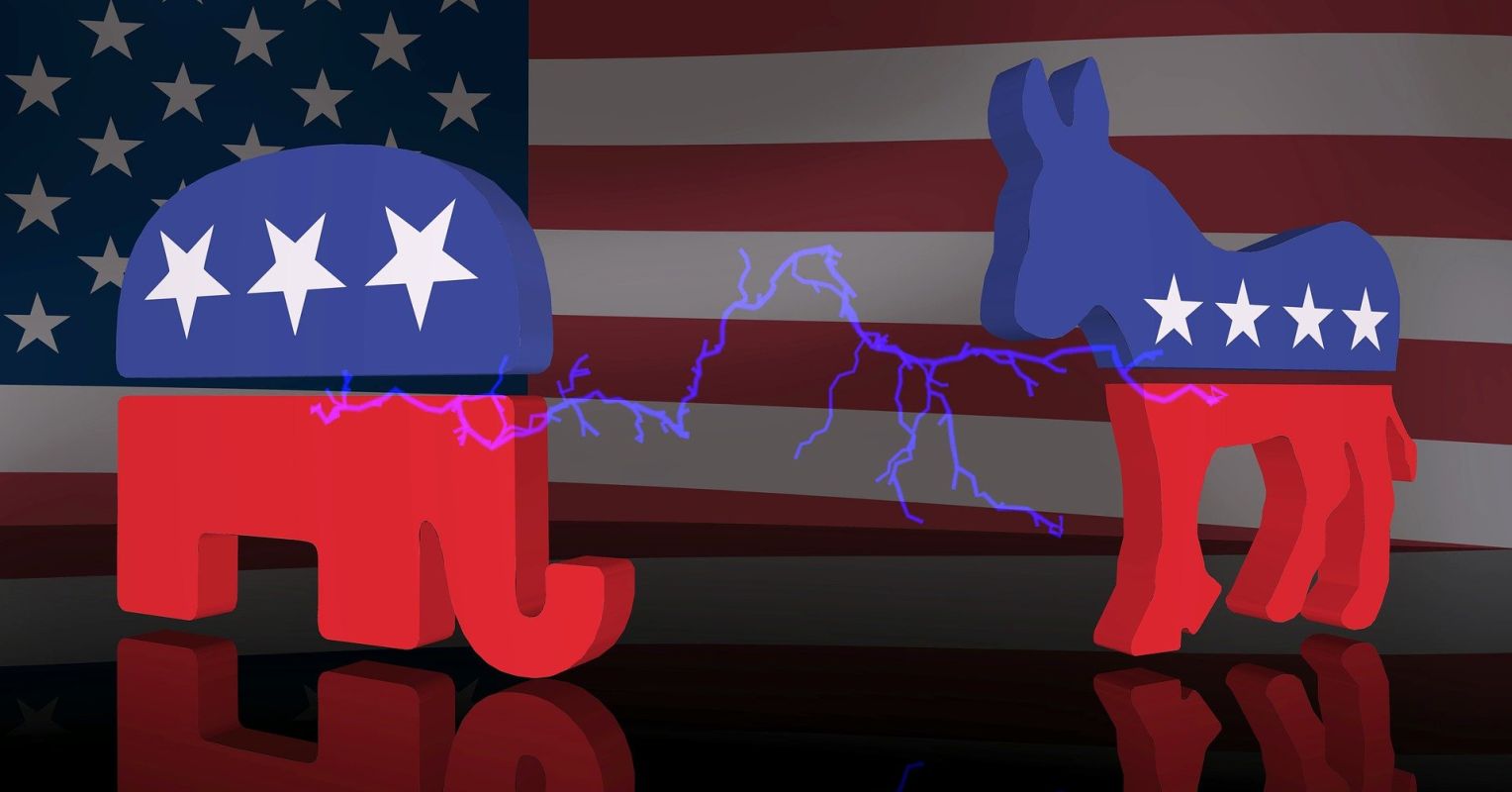
The Anxiety of Election Season
After the results of the U.S. presidential election were announced, many Americans celebrated. But many voters instead found only stress and anxiety. After an election of rhetoric that foretold the end of democracy if the opposing candidate won, there seems to be a unique amount of post-election stress. How did election rhetoric affect this outcome, and can we expect future elections to cause this same stress? Political expert, Dr. Mark Caleb Smith, discussed the anxiety that many Americans felt even before the election and how it can be dealt with moving forward. Here are some key takeaways from his recent interview: This election cycle caused so many Americans to lose sleep that the term "electsomnia" was coined. Has the anxiety of election season always been present, or has the presence of social media paved a way for this problem? Constant access to information about the election is a probable reason for many voters' anxiety. How can Americans keep themselves informed without causing unnecessary damage to their mental health? This is not the first complicated or difficult election that the United States has faced. Now that this election season is over, how can Americans—both those who are satisfied and those who are frustrated by the results—move forward while recognizing that politics does not define them? If you are a journalist covering the election results and voters' responses, our experts are here to help with all of your questions and stories. Dr. Mark Caleb Smith is the Director of the Center for Political Studies at Cedarville University. Mark is available to speak with the media regarding election emotions and the election results. Simply click on his icon or email mweinstein@cedarville.edu to arrange an interview.


Dangers of the Metaverse and VR for U.S. Youth Revealed in New Study
The metaverse, a space where the lines between physical and digital realities blur, is rising among younger populations. As of March, 33% of teens own a virtual reality (VR) device and 13% use it weekly. With the metaverse offering richer emotional experiences, youth may be particularly vulnerable to significant harm in these immersive spaces, underscoring the need to explore potential risks. Unfortunately, research of online victimization in the metaverse is sorely lacking. A new study by Florida Atlantic University , in collaboration with the University of Wisconsin-Eau Claire, is one of the first to examine the experiences of harm in the metaverse among youth in the United States. Using a nationally-representative sample of 5,005 13 to 17 year olds in the U.S., researchers focused on their experiences with VR devices, including 12 specific types of harm experienced, protective strategies employed, and differences in experiences between boys and girls. Results of the study, published in the journal New Media & Society, found a significant percentage of youth reported experiencing various forms of harm in these spaces, including hate speech, bullying, harassment, sexual harassment, grooming behaviors (predators building trust with minors), and unwanted exposure to violent or sexual content. The study also revealed notable gender differences in experiences. Among the study findings: 32.6% of youth own a VR headset (41% of boys vs. 25.1% of girls) More than 44% received hate speech/slurs (8.9% many times); 37.6% experienced bullying; and 35% faced harassment Almost 19% experienced sexual harassment; 43.3% dealt with trolling; 31.6% were maliciously obstructed; and 29.5% experienced threats More than 18% were doxed (publicly revealing someone’s personal information without their consent); and 22.8% were catfished (creating a false identity online to deceive someone, typically for romantic purposes) Nearly 21% faced unwanted violent or sexual content; 18.1% experienced grooming or predatory behavior; and 30% were targeted for factors like weight, sexual preference, sexual orientation or political affiliation Boys and girls experienced similar patterns of mistreatment, but girls experienced sexual harassment and grooming/ predatory behavior more frequently than boys. Boys and girls were equally as likely to be targeted because of their voice, avatar, race, religion or disability. “Certain populations of youth are disproportionately susceptible to harm such grooming, especially those who suffer from emotional distress or mental health problems, low self-esteem, poor parental relationships and weak family cohesion,” said Sameer Hinduja, Ph.D., first author, a professor in the School of Criminology and Criminal Justice within FAU’s College of Social Work and Criminal Justice, co-director of the Cyberbullying Research Center, and a faculty associate at the Berkman Klein Center at Harvard University. “Due to the unique characteristics of metaverse environments, young people may need extra attention and support. The immersive nature of these spaces can amplify experiences and emotions, highlighting the importance of tailored resources to ensure their safety and well-being.” Findings also reveal that girls employed in-platform safety measures significantly more so than boys such as “Space Bubble,” “Personal Boundary” and “Safe Zone.” “We found that girls are more likely to select avatars designed to reduce the risk of harassment and to use in-platform tools to maintain a safe distance from others. Additionally, both boys and girls feel comfortable leaving metaverse rooms or channels like switching servers in response to potential or actual victimization, although overall, youth tend to use these safety features infrequently,” said Hinduja. Among the recommendations offered to youth by the researchers include: Using platform-provided safety features to restrict unwanted interactions and infringements upon their personal space. It is also essential that youth understand and take advantage of the safety features available within metaverse experiences, including blocking, muting, and reporting functionalities. Continued research and development in these areas to determine how to meet the needs of users in potential or actual victimization contexts Streamlining platform reporting mechanisms to ensure swift action is taken against perpetrators Age-gating mechanisms for metaverse environments where mature content and interactions proliferate Encouraging parents and guardians to take the time to familiarize themselves with available parental control features on VR devices and metaverse platforms to set boundaries, monitor activities, and restrict certain features as needed. An active mediation approach is ideal, where they engage in open and supportive dialogue with children about their metaverse experiences. The integration of updated, relevant, and accessible digital citizenship and media literacy modules into school curricula to provide youth with the necessary knowledge and skills to navigate VR and other emerging technologies safely and responsibly Consideration by content creators of the ethical implications of their metaverse creations, ensuring that they promote inclusivity, respect, and discourage any form of harassment. They should strive to make their virtual experiences accessible to users from diverse backgrounds, languages, cultures and abilities. “VR concerns of parents and guardians generally reflect and align with their historical anxieties about video games, excessive device use, its sedentary nature, cognitive development, and stranger danger,” said Hinduja. “There remains so much promise with these new technologies, but vigilance is required when it comes to the unique challenges they present as well as the unique vulnerabilities that certain youth users may have. As such, it’s ‘all hands on deck’ to build a safer and more inclusive metaverse as it continues to evolve.” If you're looking to know more - let us help. Sameer Hinduja, Ph.D., is a professor in the School of Criminology and Criminal Justice at Florida Atlantic University and co-director of the Cyberbullying Research Center. He is recognized internationally for his groundbreaking work on the subjects of cyberbullying and safe social media use, concerns that have paralleled the exponential growth in online communication by young people. He has written seven books, and his interdisciplinary research is widely published and has been cited more than 18,000 times. Simply click on Sameer's icon now to set up an interview today.



News Outlets Take Measures to Explain Election Reporting
Mark Lukasiewicz, dean of The Lawrence Herbert School of Communication, talked to the Associated Press about efforts by the news media to show transparency when reporting election results. “It’s absolutely important for an organization to be as transparent as they can be, especially because there’s been an effort to challenge the credibility of calls,” said Dean Lukasiewicz. At the same time, it’s hard to do in a way that makes sense to people who are not statisticians or systems operation experts, he said.


Former President Donald Trump was re-elected as the 47th president of the United States. He will be only the second president to serve two nonconsecutive terms—the first being Grover Cleveland in the 1800s. Much of the country shifted right this election cycle, resulting in Trump earning the electoral vote and the popular vote. This is the first time the Republican candidate has the earned the popular vote since 2004, during George W. Bush's reelection campaign. Political expert, Dr. Mark Caleb Smith focused in on how the Christian vote may have affected this outcome.In a recent Christianity Today article, Dr. Mark Caleb Smith provides some insight into how Christians voted in the most recent election. Here are some key points from the recent article: President Joe Biden is a lifelong Catholic, but since he dropped out of the presidential race, many Catholics voted for Trump rather than Vice President Kamala Harris. How did the Catholic vote for Trump shift from the last election? Trump's victory seems to indicate the importance of economics for American voters. Did Trump's economic policies sway the votes of evangelicals, rather than his stances on social issues like abortion? Although Trump had the majority of the evangelical vote, there is still a minority that rejects Trump on account of his character and tone. Did these voters lean towards the Democratic candidate, Kamala Harris, or did their votes go to third-party candidates? If you are a journalist covering the election results and transition of power, our experts are here to help with all of your questions and stories. Dr. Mark Caleb Smith is the Director of the Center for Political Studies at Cedarville University. Mark is available to speak with the media regarding election emotions, the election results, and upcoming transition of power. Simply click on his icon or email mweinstein@cedarville.edu to arrange an interview.

The election is over, and Republicans have swept the White House and Congress
The race for the White House is over, and the Republicans have been swept into power with historic gains in Congress and control of the executive branch. What will their policy priorities be and how will the new political landscape mold the direction of the new Trump administration? What will the Democrats, now a minority opposition party, do? Can they adapt to a winning strategy in time for the midterms in two years? If you are covering American politics, how do you make sense of all the changes? How do you know what issues are going to drive decisions in Washington, D.C.? What can polling tell us about what happened? Where did the polls fall short? What will pollsters be looking at moving forward? We have an expert who can help. Kevin Wagner, Ph.D., is Florida Atlantic University’s renowned political science expert and co- executive director of Florida Atlantic University Political Communication and Public Opinion Research Lab (PolCom Lab) —the university’s extensive and nationally covered polling operation. View profile View some of Kevin Wagner's recent media here: ABC News Florida Atlantic University professor of political science Kevin Wagner says Florida’s shift started several years ago and it’s due to a variety of factors. "Certainly, there was some pretty good evidence that we had people moving from states like California and New York looking for a more conservative environment, and they brought their politics with them when they came to Florida," Wagner said. "That influx of more conservative voters certainly mattered. It's not the only thing that mattered." WINK Some voters believe the 60% mark is too high to make constitutional changes. For the threshold to change, it has to be put on the ballot for voters to decide and would need at least 60% of the vote. “Getting 60% of the voters to agree on anything is really hard and when it’s something that’s highly contested. It makes it even harder,” Florida Atlantic University Political Science Professor Kevin Wagner said. THE PINNACLE GAZETTE Political analysts point to various factors contributing to Florida’s Republican shift. Kathryn DePalo-Gould, a political scientist from Florida International University, aptly stated, “It’s now so solidly Republican it is crimson.” This sentiment was echoed by Kevin Wagner from Florida Atlantic University, highlighting how previously competitive races have now become predictable Republican wins. Indeed, Trump’s haul of 61 out of 67 counties stands as a testifier to this changing political tide. Looking to connect? He is here to answer all your questions and is available for interviews. Simply click on his icon now to arrange an interview today.
