
Experts Matter. Find Yours.
Connect for media, speaking, professional opportunities & more.
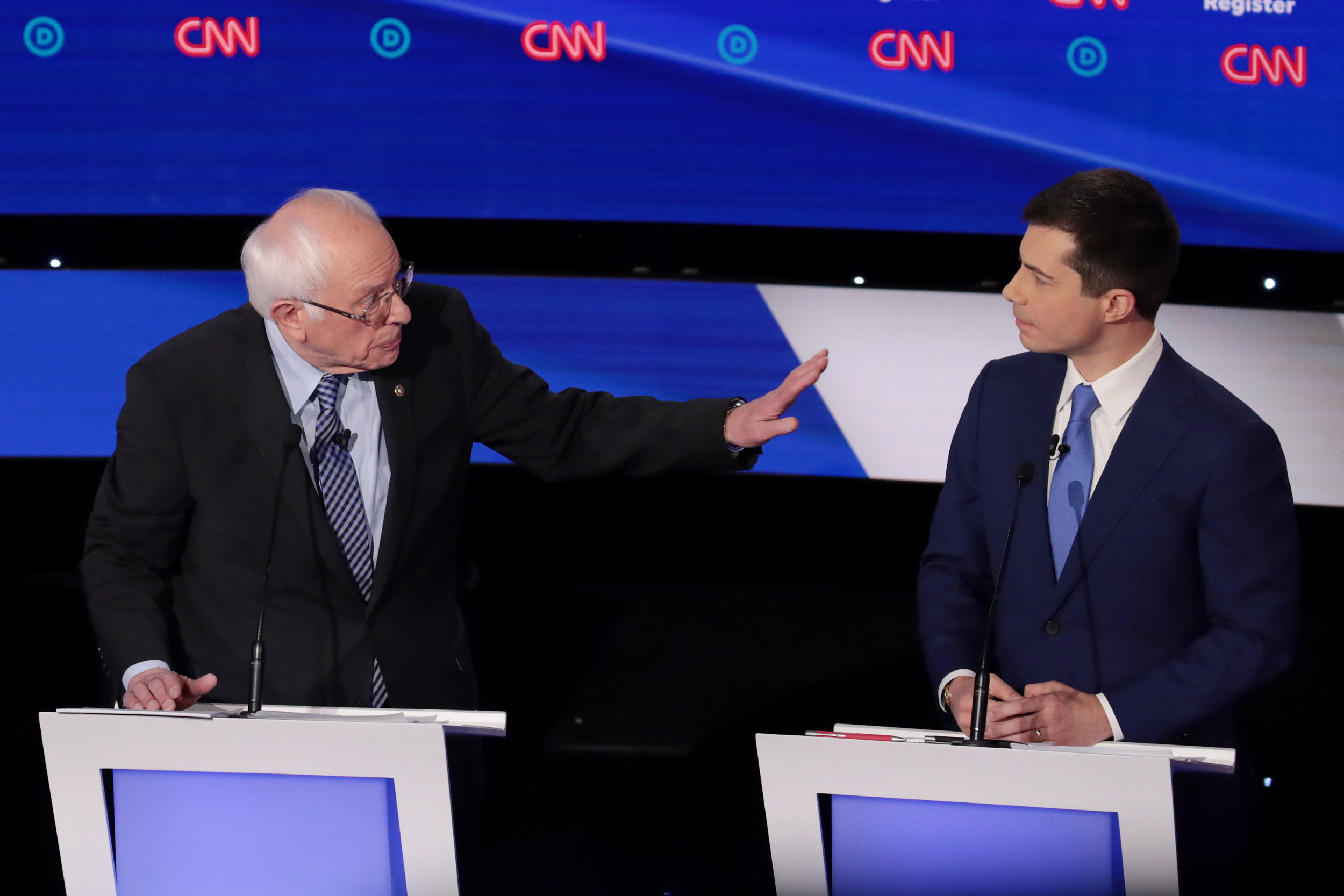
As Mayor Pete pops and Democrats feel the ‘Bern’ – is Biden a bust for the third time?
As the results from Iowa seem to be still trickling in, it looks like it could be either a slim lead or even a pretty much statistical tie between Indiana’s (former) Mayor Pete Buttigieg and Vermont Senator Bernie Sanders. Both spent a lot of time, money and energy campaigning across Iowa and that seems to have paid off. For Democratic candidate Joe Biden – it must feel like Groundhog Day. For the third time, his presidential bid that started with high hopes and promise seems to be crashing down in front of him. And as the critical primary in New Hampshire approaches – there are a lot of questions to be asked as this once crowded field of close to two dozen might be down to four or even fewer. Can Biden recover? With two losses in a row, can he sustain, and should he? What about Elizabeth Warren? If her ‘plan’ can’t attract the support of even 15 percent of any primary, perhaps it’s back to the drawing board? And what are the key differences between Buttigieg and Sanders? Which one has the upper hand with voters, organizers and finances? Oh … and the legend of Michael Bloomberg and his gold-plated campaign team are reaching an almost legendary status. When is the time right for the former mayor of New York City and does he risk being too late to the game? It is going to be a wild-ride for those who follow politics over the next few months and if you are a journalist covering this road to November – let our experts help. Mark Caleb Smith is the Director of the Center for Political Studies at Cedarville University. Mark and Marc are both available to speak with media regarding the DNC Primary and the upcoming election. Simply click on either icon to arrange an interview. Dr. Marc Clauson is a professor of history and law at Cedarville and is an expert in the fields of political and economic philosophy.


If it's an election in America or Asia – Mary Washington’s experts are sought out by media
The election in Taiwan on January 10 saw a strong anti-China sentiment reinforced with the re-election of President Tsai Ing-wen. Elections in America, and even an ocean away can have ripple effects on economies, relations and even national security. As the world tuned in the results in Taiwan – it was the media that contacted the experts from Mary Washington for insight and opinion. Elizabeth Freund Larus, Professor of Political Science and International Affairs, offered commentary January 10 on CNBC Asia’s Capital Connection on the 2020 Taiwan presidential election. Professor Larus indicated that incumbent Taiwan President Tsai Ing-wen benefited from the Hong Kong protests and that she would likely be re-elected. Dr. Larus projected that a second Tsai administration will continue to diversify Taiwan’s economy and distance itself from China, and that Beijing will put more heat on Taipei, bringing the U.S. into play. Capital Connection is a television business news program aired every weekday on various CNBC channels around the world. It is broadcast live from Singapore. See more here: Are you a journalist covering Asian politics? That’s where our experts can help. Professor Elizabeth Freund Larus teaches political science at the University of Mary Washington and is an #expert on China and the field of Asian studies. She is available to speak to media – simply click on her icon to arrange an interview.



Experts in the media – Augusta’s Dr. Jose Vazquez is becoming the go-to expert for the coronavirus
It’s the news story that has health officials concerned and reporters scrambling – on almost every continent on the planet. The coronavirus, originating from China has gone global with new cases popping up in 17 countries to date. And as media are trying their best to explain the situation and accurately report just what the coronavirus is, how it is spread along with the symptoms and precautions and preventative measures – they’re relying on experts to ensure their stories are accurate. That’s where Augusta is helping. Dr. Jose Vazquez is an expert in the realm of infectious diseases. He studies and treats infectious diseases, including antibiotic-resistant superbugs and fungal infections. He has been a reliable source for local, statewide and national media regarding the coronavirus outbreak. Dr. Vasquez is available to speak with media regarding this topic – simply click on his icon to arrange an interview.


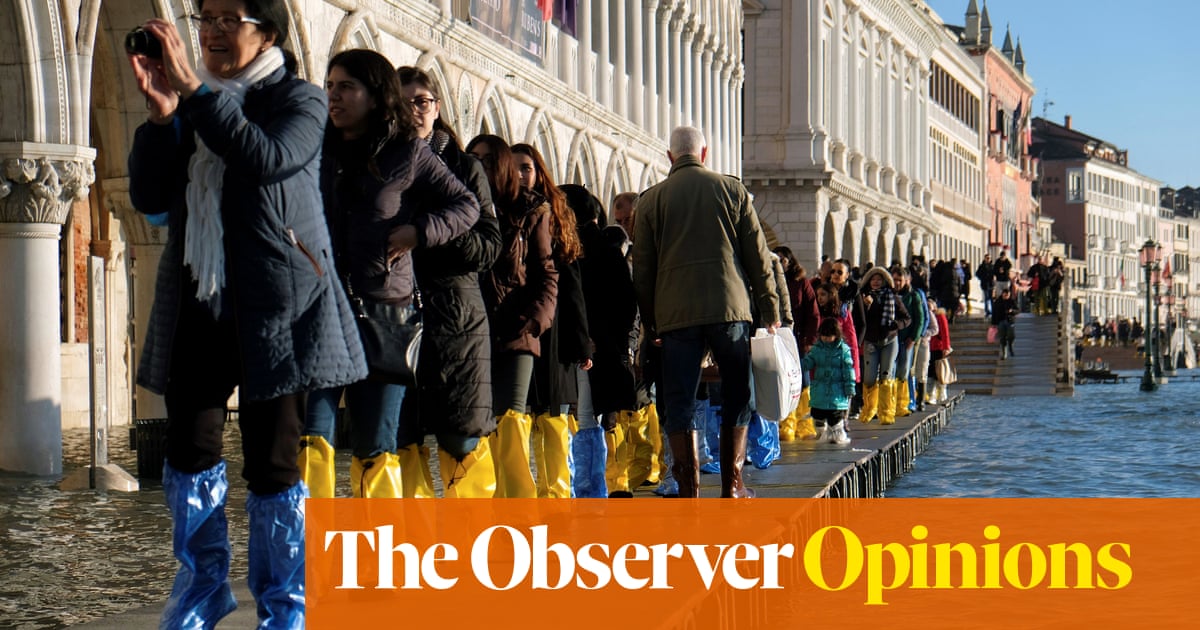
With Brexit looming, more is unknown than known with British economy, trade agreements
Although it has been in the works since June 2016, the transition phase of Great Britain’s decision to leave the European Union (EU) — more commonly known as “Brexit” — is set to take place on Jan. 31. It is a date that will most likely leave a ripple of economic uncertainty in the United Kingdom in its wake as the British prepare for total independence at the end of the year. “Brexit has created so many new unknown variables. It can be profoundly disruptive to England as we know it today,” says Ralf “Don” Keysser, D.B.A., an associate professor in the MBA program at Saint Mary’s University of Minnesota. Keysser predicts a negative short-term impact to the British economy, whereas the long-term perspective is still hard to predict until new free trade agreements with Europe and the rest of the world are established. Keysser does not see a clear-cut benefit to the U.S. establishing a free trade agreement with the U.K., simply based on the lack of British imports in the American market, other than maintaining political closeness. “It’s going to be a shock to the system. England will not be the England that it has been. There’s a lot of speculation, because we’ve never had a country pull out of the EU before, so it’s kind of an unknown. And it’s so highly politicized that it’s hard to get an objective analysis of what it’s going to look like.” Keysser points to a Toyota plant in South Derbyshire that supplies most of its output to countries in the EU through a tariff-free treatment. With Brexit going into effect, the factory may have to vastly reduce its output. Still, the workers in that community overwhelmingly voted to leave the EU. “This is a good example of how people will vote against their economic self-interests for ideological reasons,” Keysser says. “There’s a lot of ideology behind the Brexit vote: anti-immigrant, anti-Europe, pro-nationalist views that very much echoed President Trump’s appeal.” There are a few reasonably good projections, Keysser says, to make about the impact on inflation, unemployment, and economic trends — and none of them look good for Britain. One just has to look at the British pound, which has steadily been losing value to the dollar and euro over the years. In addition, several banks decided to either move from London or expand into other markets within the EU as soon as the Brexit results were announced, which could cost the British capital its status as of the world’s premier financial centers. “I see a gradual diminution of the financial business that’s been a mainstay of London,” Dr. Keysser says. On top of that, there is a real fear of Scotland and Northern Ireland wanting to leave the U.K. in favor of establishing their own independence and returning to the EU. The last time Scotland voted to leave the U.K. in 2004 it only passed 55% to 45%. “That could be the beginning of the end of the United Kingdom as we have known it,” Keysser says. The news might not be entirely bad out of Brexit. For international tourists, especially those from the U.S may be able to take advantage of the dollar’s exchange rate with the declining pound. Do you want to know more about the possible economic ramifications of Brexit? Are you a journalist covering this topic and interested in an interview? That's where we can help. Ralf Keysser, D.B.A., has been an active investment banker and business finance consultant for 35 years. He also serves an associate professor for the MBA program at Saint Mary’s University of Minnesota. To book an interview with him, simply click on his icon above to access his contact information.


Feeling the Bern in Iowa – Just how crucial is the first primary for DNC frontrunners?
They’ve been polling for months in advance in Iowa – and with less than a week to go before Iowans gather to caucus and choose their preferred person to lead the DNC this November, the most recent polling has Bernie Sanders surging and Joe Biden fading in major races and across the country. Polling in Iowa is still tight and shows a four-candidate race between Sanders, former Vice President Joe Biden, Sen. Elizabeth Warren (D-Mass.) and former South Bend, Ind., Mayor Pete Buttigieg, making it clear the first-in-the-nation caucus battle remains anyone’s game. Yet it is also clear that Sanders has a strong chance of coming out on top in Iowa, as well as in New Hampshire, which will vote just a week later. Such a result would make him the clear front-runner and would likely unnerve parts of the Democratic Party uneasy about the progressive independent being their standard-bearer in the fall. Sanders separated himself from the pack in a New York Times-Siena Research poll of Iowa released over the weekend, one of the first to find a clear-cut leader in the Hawkeye State. And a WBUR survey of New Hampshire released this week found Sanders opening up a 12-point advantage over the next closest contender. Sanders surpassed Biden in CNN’s latest national poll, marking the first time Biden has not held the top spot in that poll this cycle. Jan 26 – The Hill There’s still a long way to go, and if you are a journalist covering the primaries – then let our experts help with your questions and coverage. How does the Iowa caucus different from other states? Are there alliances forming and can any of the leading candidates count on support from the other contenders when the drop out. What will the Bloomberg factor be? And who has the money and staying power to hold on if there’s bad news in February? Mark Caleb Smith is the Director of the Center for Political Studies at Cedarville University. Mark is available to speak with media regarding the DNC Primary and the upcoming election. Simply click on his icon to arrange an interview.

Containing the coronavirus – Can it be done?
As of January 21, America had its first confirmed case of coronavirus. The virus that presents with flu like symptoms and is slowly making its way around Asia has finally found a host on American soil. The news of this has health officials scurrying and the world on edge with concerns of another SARS-like epidemic on the way. "As it stands, nearly 440 cases of the new coronavirus have been reported in China, Thailand, Japan, South Korea, Taiwan and the United States, with the overwhelming majority in China. All cases reported internationally were exported from Wuhan. Nine deaths have been reported in Wuhan. What should I know about the cornonavirus case in the U.S.? The first case of coronavirus reported in the U.S. is in a patient in his 30s from Washington state, the CDC said Tuesday. Laboratory testing at the CDC in Atlanta confirmed the patient was infected with it. He's currently hospitalized, in good condition, health officials in Washington said. Although the patient had traveled to Wuhan, he said did not visit the market at the center of the outbreak." January 21 - ABC News As this story develops, there remains a lot of questions to be asked getting the right information and facts will be essential given this is a matter of public health and concern. How is the virus transmitted? Can we expect more cases to appear on U.S. soil? Is there a vaccine and are there any preventable actions people can take? And, can health authorities stop the spread of Coronavirus before it becomes an epidemic? If you are a journalist covering this topic – that’s where our experts can help. Dr. Jose Vazquez is an expert in the realm of infectious diseases. He studies and treats infectious diseases, including antibiotic-resistant superbugs and fungal infections. A leader in his field and a go-to expert for media regarding this topic, Dr. Vasquez is available to speak with media regarding Immunization Awareness Month. Click on his icon to arrange an interview.

What's in a name? Ghoshal finds hiring discrimination persists
New research by an Elon University professor is challenging earlier findings related to hiring discrimination against African American job candidates. A new article by Raj Ghoshal, assistant professor of sociology, addresses a debate over whether employers still illegally discriminate when making hiring decisions, and supports the idea that discrimination persists. His article “Flawed Measurement of Hiring Discrimination against African Americans,” appears in the Fall 2019 issue of the peer-reviewed journal Sociation. In the article, Ghoshal draws upon his own research to argue that earlier claims that employers no longer discriminate have been invalidated, and that if that earlier research was properly interpreted, it means black job applicants need to send out about 50 percent more applications as white applicants to have an equal chance at getting a response. Many experiments in the past 15 years have tested for discrimination by creating two fake identities with equal-quality resumes and applying to the same set of job listings with both identities. Ghoshal's findings address methodological issues in these experiments, some of which have claimed that hiring discrimination based on race has disappeared. In these previous experiments known as audit studies, “Steven Smith” and “DeShawn Jackson” might apply to the same 1,000 jobs. Researchers then measure how much interest each resume generates. This line of research has generally found that black Americans need to send out significantly more applications than white Americans to get the same number of callbacks. A 2016 study by economists at the University of Missouri-Columbia argued that these studies used overly stereotypical names to signal race in ways that exaggerated their results. The economists conducted their own study using what they considered more realistic names, and found no difference in employers’ response rates by race. But Ghoshal’s work finds significant flaws in the methodology the economists used. The 2016 study had used names like “Chloe Jackson” and “Ryan Washington” for their African American job candidates because the last names Jackson and Washington typically belong to black individuals, while “Chloe” and “Ryan” were purportedly race-neutral. Though the economists are correct to see Washington and Jackson as typically black last names, Ghoshal hypothesized that very few Americans would know this and interpret the names as intended. He therefore conducted a 1,050-person national survey which asked respondents to guess the race of people with the exact names the 2016 study had used. Survey findings show that about 60 percent of people do not interpret the economists’ study names as intended, and frequently see the names as belonging to white individuals. Further, those individuals most likely to make hiring decisions make just as many errors as others. The level of error is sufficient that the 2016 study is not merely invalidated. Rather, its results, properly interpreted, suggest that black job applicants need to send out about 50 percent more applications to have an equal chance of response. Overall, the findings suggest that racial discrimination remains an important concern that individuals, employers, and government should address. If you're interested in talking with Professor Ghoshal as you continue to cover this important topic, please reach out to Owen Covington, director of the Elon University News Bureau, at ocovington@elon.edu or (336) 278-7413. Professor Ghoshal is available for phone, email and broadcast interviews.

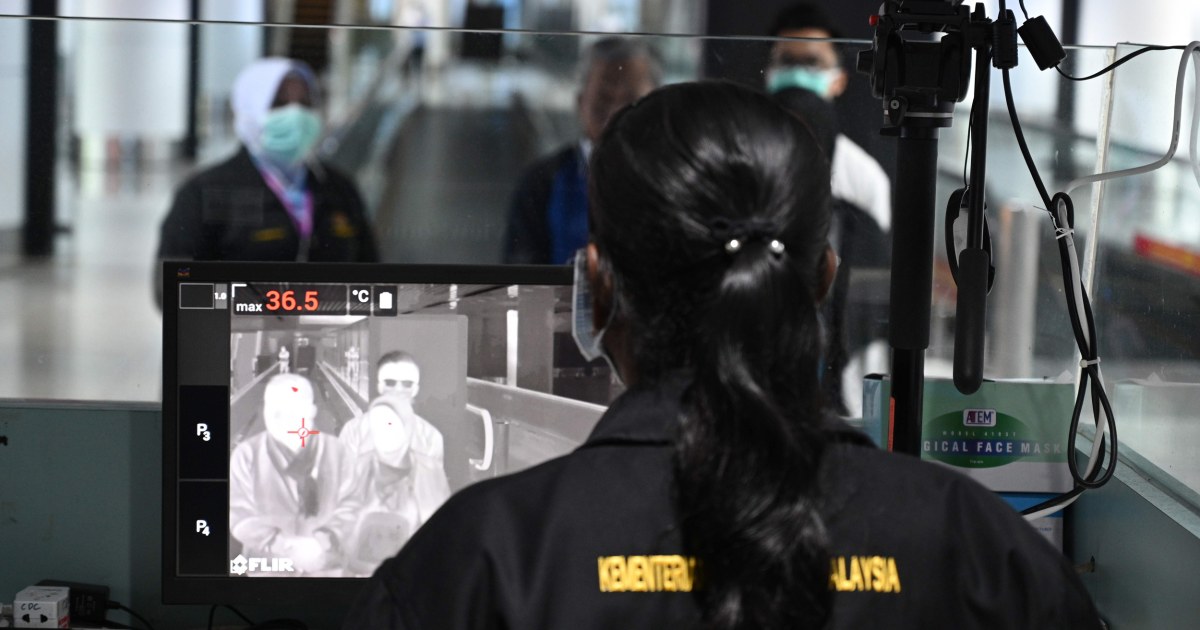
Coronavirus Confirmed – Let our experts help with your questions and coverage of this emerging story
It’s here – and Washington State gets the unfortunate honor of being the location of the first confirmed case of Coronavirus on American soil. “The patient in Washington state, a resident of Snohomish County, is a male in his 30s. The CDC said the man arrived in the U.S. around Jan. 15 after visiting Wuhan. He had not, however, visited the seafood market where this virus is said to have originated.” What is a coronavirus? Coronaviruses are a group of viruses that can cause a range of symptoms including a runny nose, cough, sore throat and fever. Some are mild, while others are more likely to lead to pneumonia. They're usually spread through direct contact with an infected person. The coronavirus gets its name from the crown-like spikes on its surface, according to the Centers for Disease Control and Prevention. (Corona is Latin for crown.) Including the newly identified form of the virus, there are a total of seven coronaviruses that can infect humans, the CDC says." January 21 – NBC News But how safe are Americans – and a lot of concerns to be addressed How is the virus transmitted? Are there simple and easy ways to diagnose simples? What preventable practices can be put in place? Are there vaccines or how long will it take to develop and distribute a vaccination program? And is America better equipped to handle this since the SARS epidemic? There are a lot of questions – and that’s where our experts can help. Dr. Sweeney is the Founding Dean of the School of Pharmacy at Cedarville University. He is an expert in health and wellness and advanced medical equipment. Dr. Sweeney is available to speak to media regarding this topic – simply click on his icon to arrange an interview.

Coronavirus expert available for interviews
Ralph Baric is the William R. Kenan Jr. Distinguished Professor in the Department of Epidemiology at UNC-Chapel Hill. His research specializes in coronaviruses and emerging infections. He is available to speak with reporters about the latest outbreak news. If you’d like to speak with Baric, call 919-445-8555 or email mediarelations@unc.edu. Baric serves as professor in both the Gillings School of Global Public Health and the UNC-Chapel Hill School of Medicine’s Department of Microbiology and Immunology. His substantial research focuses on advancing knowledge about — and vaccines for — coronaviruses and emerging infections like Zika virus, spanning the spectrum from discovery to translation.

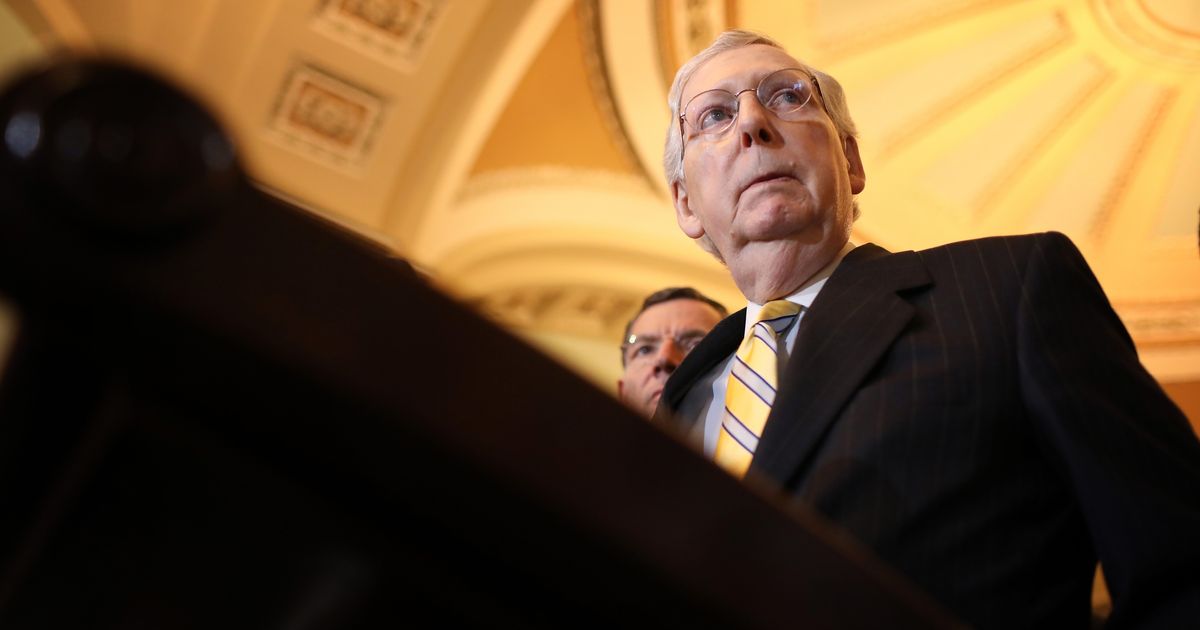
All about impeachment – and does it really matter?
It’s dominating the news and the airwaves, but an event that was once expected to rival the trial of O.J. Simpson seems to be getting caught up in what most government hearings tend to be – boring, bureaucratic and not really captivating viewing for those living outside the beltway. And for some, the reality is the impeachment process seems to be coming with self-fulfilling expectations. Unfortunately, in these hyper-partisan times, the result may likely not be dictated by the facts presented. Despite what compelling evidence is presented by either side, the House will impeach, and the Senate will acquit. That’s how the game will play out. Though procedure will be followed – will it matter? "But in fact, McConnell has repeatedly said he would indeed hold a trial — too many times to reverse himself, in all probability, as the Hill reports: “Under the impeachment rules of the Senate, we’ll take the matter up. The chief justice will be in the chair … We intend to do our constitutional responsibility,” he said. McConnell had previously indicated that he would have “no choice” but to take up impeachment if the House passes articles, though he has also [run] a Facebook ad over the recent two-week recess positioning himself and the GOP-controlled Senate as a roadblock to Trump being removed from office." New York Magazine – November 13 If you’re a reporter covering the impeachment hearings and want to know what to expect, what does matter and how this event will influence politics and government moving forward – then let our experts help. Mark Caleb Smith is the Director of the Center for Political Studies at Cedarville University. Mark is available to speak with media regarding Trump, impeachment and what follows. Simply click on his icon to arrange an interview.