
Experts Matter. Find Yours.
Connect for media, speaking, professional opportunities & more.

Cord blood awareness – let our experts help with coverage
July is Cord Blood Awareness Month. In the simplest of terms, cord blood is found in the blood vessels of the placenta and the umbilical cord and collected after a baby is born and after the umbilical cord is cut. The benefits of cord blood transplantation are many, according to the Human Cord Blood Stem Cell Core Laboratory at Augusta University: Can be stored for personal use (biological insurance) or donated for others to use Important for ethnic minorities for whom bone marrow donors are difficult to locate Less risk of infectious disease contamination Less stringent HLA-matching required for use in transplantation Fewer side-effects after transplantation Cord blood transplantation can be used in the treatment of leukemia and other blood disorders, sickle cell disease, bone marrow failure diseases, immune deficiency diseases, neuroblastoma and more. “Cord blood is useful because it is a source of stem cells that form into blood cells. Cord blood can be used for transplantation in people who need regeneration, that is, ‘regrowth,’ of these blood-forming cells,” says Keith Wonnacott, Ph.D., chief of the Cellular Therapies Branch in FDA’s Office of Cellular, Tissue, and Gene Therapies. “For instance, in many cancer patients, the disease is found in the blood cells. Chemotherapy treatment of these patients kills both cancer cells and the healthy blood-forming stem cells. Transplanted stem cells from cord blood can help regrow the healthy blood cells after the chemotherapy.” – USFDA website Cord blood and stem cell research are often in the news and sometimes even the subject of serious debate. Are you a journalist looking to cover Cord Blood Awareness Month, or do you have questions for ongoing stories? That’s where our experts can help. Dr. Jatinder Bhatia is an expert on infant nutrition, neonatology, and ECMO for the Medical College of Georgia at Augusta University. Dr. Bhatia is available to speak with media regarding cord blood, its uses and the research behind it – simply click on his icon to arrange an interview.


Ticks…for most the word conjures up fears of Lyme disease, pets getting sick or having to twist those tiny bugs off your dog or yourself after a day in the fields or countryside. But at Georgia Southern University, our experts have taken a certain shine to the usually awful arachnid. In fact, just recently, Jackson Tomlinson, a graduate student in the Department of Biology was rewarded with the discovery of two species of ticks that are entirely new to science. It’s an astounding find and there are more details in the articles attached below. Are you a reporter covering ticks or looking to learn more about them? There are a lot of questions to be asked: What dangers and diseases do they carry? Are ticks regional and how many different species are there? Is there really a tic that makes people allergic to red meat? If you need to get to the bottom of what makes tick…tock – well then let our experts help. Lorenza Beati's research focuses on the study of the taxonomy, evolutionary relationships, and population genetics of arthropods, in particular hard-ticks. She’s also the Curator of the U.S. National Tick Collection. Lorenza is available to speak with media – simply click on her icon to arrange an interview.



“Design thinking is a human-centered approach to innovation that draws from the designer's toolkit to integrate the needs of people, the possibilities of technology, and the requirements for business success.” - Tim Brown, CEO of IDEO I would add the following to Mr. Brown’s statement. This innovation approach requires more than a designer’s toolkit. It requires multiple departments within an organization to engage in the approach. If I’ve learned one thing in my more than 5 years in higher education it’s that companies continue to push for employees to become better problem solvers, more creative/critical thinkers, and ultimately stronger communicators. Why? Company growth is critical, and the aforementioned skills are how many companies will achieve growth. At Otterbein, we continue to provide education that addresses the development of these skills. We are designing a new focus in the MBA Program; Design Thinking. Otterbein University’s MBA Program is collaborating with the Master of Design (MDes) Program at the Columbus College of Art & Design (CCAD), to integrate a Design Thinking Area of Focus within the MBA program. Design Thinking combines design research, service design, studio & project course for prototyping/impression/artifact work, along with design thinking principles critical in succeeding in business and industry. It is designed for individuals who wish to pursue a career in business design, organizational change, and innovation, among other potential career paths. Are you a reporter covering stories that involve Design Thinking? Are you a student considering pursuing Design Thinking as a postsecondary option? If so, let our experts help with any of your questions. Eric is Director of the MBA Program at Otterbein University and is available to speak to the concepts of Design Thinking. Simply click on his icon to arrange an interview.


Billion reasons why Netflix loves binge-watching
The numbers are out, and the there’s no doubt about it, Netflix despite weaker Q2 figures released this week, streaming is now an industry mainstay. Netflix has transformed the industry and now viewers are no longer willing to wait for that one time a week a show usually airs. In fact, streaming options are now a must have for networks hoping to compete with Netflix and other services. And with Disney and Apple are now spending billions to catch up – audiences are in store for a lot more content. But, as bingeing television becomes the norm, there are also concerns? On the human side, what dangers are posed to people consuming enormous amounts of screen time. And on the industry side – how can show business keep up? And should it? Are you a reporter covering streaming services, binge-watching and the other habits of audiences? Then let our experts help. David A. Schweidel is Professor of Marketing at Emory University’s Goizueta Business School. He is an expert in the areas of customer relationship management and social media analytics as well, his research also includes binge watching. David is available to speak with media – simply click on his icon to arrange an interview.


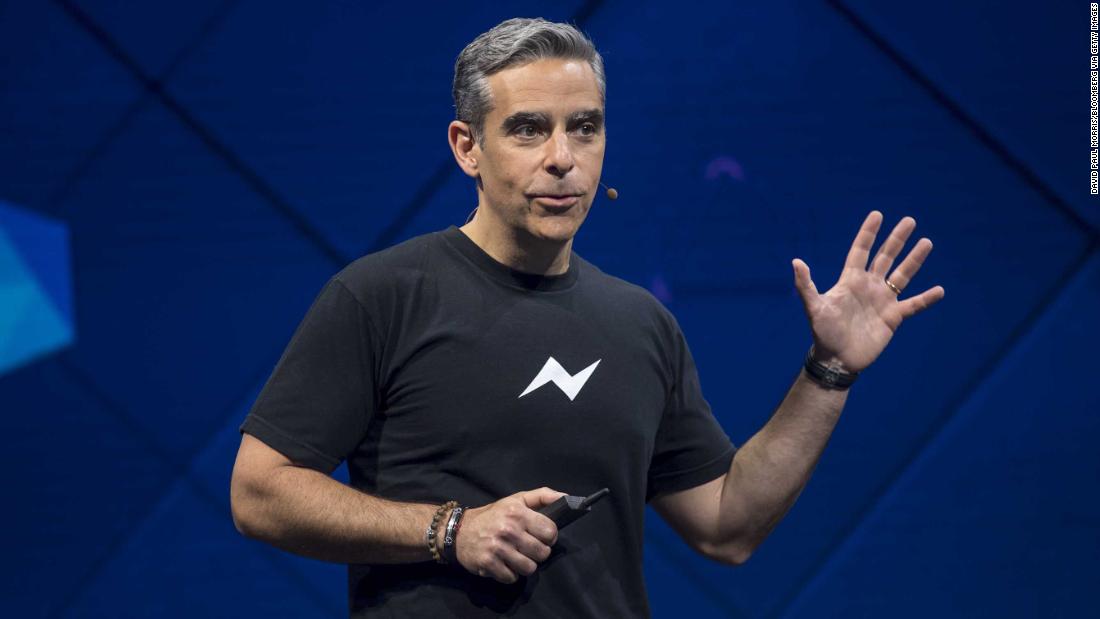
It’s not the first time Facebook has faced Congress. This time, the social media giant came to Washington to discuss its new Libra cryptocurrency. As their new venture into the Fintech industry. Libra, claims Facebook, will keep a customer’s money safe by using the blockchain process. However, the talks didn’t seem to generate a lot of ‘likes’ by members of either party on the Hill. Many lawmakers questioned Facebook (FB) executive David Marcus about why people should trust the company to manage their money and why they should trust Facebook to lead the way on a major new fintech regulation that could fundamentally change global financial systems. "Facebook's motto is move fast and break things," Sherrod Brown, the Committee's senior member, said. "They've moved fast and are helping to undermine our democracy. Now they're expecting us to trust them with our paychecks." July 16 – CNN There are concerns about the currency undermining the federal reserve, about control, regulation and responsibility. But should lawmakers be that worried? What are the potential consequences to Libra launching? What are the benefits? And why is Facebook even going down this path? There are a lot of questions to be asked – and if you are a reporter covering this topic, our experts can help. Eric Overby's research focuses on the transition from physical to electronic modes of interaction and its effect on market efficiency. Eric is available to speak to media regarding blockchain or any other technology related topics – simply click on his icon to arrange an interview.


Online extremism and hate groups
A recent episode of the Reveal podcast from The Center for Investigative Reporting and PRX titled "Hate in the homeland" features insights from Megan Squire, professor of computing sciences. Squire, who has conducted research into online networks of hate groups, participated in the discussion about how those groups are managing to remain online despite efforts to silence extreme sites. Squire recounts hearing the news about a gunman killing dozens of Muslim worshipers in Christchurch, New Zealand, and the discovery that he had posted a manifesto online. "I had already been collecting these hate manifestos from different killers, trying to do some text mining on them to see what themes they were taking from on another, to see if they were radicalizing one another," Squire told the podcast host. Squire collected what ended up being multiple versions of the shooter's manifesto posted online, but that there were only slight variations. "They were treating the manifesto as an artifact, almost a holy artifact," Squire said. She found something different with the livestreamed video of the attack, which others were changing significantly — creating memes, adding soundtracks, adding clips and artwork. That made it significantly harder to remove from the internet, she said. Source: If Dr. Squire can assist with your reporting about online extremism, please reach out to News Bureau Director Owen Covington at ocovington@elon.edu or (336) 278-7413. Dr. Squire is available for phone, email and broadcast interviews.


In what was once a wide field to replace the fallen British Prime Minister Theresa May has now become a race for Boris Johnson to lose. As the outspoken and bold British MP looks to unite his party, pull Britain from the EU by the end of October and defeat Labour in the next election – what will his presence at 10 Downing Street mean for his country, Europe the rest of the world? Britain is one of the cornerstones of the west, but what will a wildcard like Johnson mean? What’s his background and do people need to know more about the man who will reside in the chair as historic figures like Tony Blair, Margaret Thatcher and Sir Winston Churchill? If you are covering and need to no more – that’s where we can help. Dr. Glen Duerr's research interests include nationalism and secessionism, comparative politics, and international relations theory. Glen is available to speak to media regarding Boris, Brexit and Britain – simply click on his icon to arrange an interview.


Trained and happy - are you investing in your staff?
A new report released this June overwhelmingly shows that Canadian companies need to invest in their employees if they want to grow. The Navigator: Made for the Future Report surveyed 2,500 businesses in 14 countries and territories - 200 of them in Canada. The survey found that in Canada: Nearly half of those surveyed plan to boost spending on skills training for their staff in the next two years. 47% said their companies planned to spend more on training employees. 42% said they'd spend more on employee satisfaction and well-being. While 54% of the surveyed Canadian business leaders said their companies would make investments that fall under the category of research, innovation and technology, Dan Leslie, deputy head of commercial banking for HSBC Bank Canada, said the results show that technology is only half the story. "Tech adoption brings improvements but also creates the need for new skills," Dan said. "The priorities have shifted since some of our last surveys away from trade or capital investment and more toward investment around the well-being of their workforce." "Given labour market experts predict that many of the jobs people will hold in the future haven't even been invented yet, investing in adaptable employees is good business sense", Dan said. CBC June 26 How much should businesses be investing? What's the cost of programs and training? Is there a tax benefit or assistance small companies can access to assist with costs? Does location play a factor? There are many questions to be answered, and that's where our experts can help. Andrea Bruley, Senior Manager at Freelandt Caldwell Reilly LLP, is an expert in the areas of owner managed business, mentorship, accounting and not-for-profit accounting. You can contact Andrea regarding this topic by clicking the contact button below. Sources:


Big trouble for big pharma – let our expert explain
Things are sunny and bright for the usually family-friendly image of Johnson & Johnson. In fact, as more and more evidence and details are presented in a landmark lawsuit between the corporate giant and the State of Oklahoma. The company could be facing financial calamity and its reputation might be a near impossible mission for any PR expert to recover. “As the state of Oklahoma’s multibillion-dollar lawsuit against Johnson & Johnson has unfolded over the past month, the company has struggled to explain marketing strategies its accusers say dangerously misrepresented the risk of opioid addiction to doctors, manipulated medical research, and helped drive an epidemic that has claimed 400,000 lives over the past two decades. Johnson & Johnson profited further as demand for opioids surged by buying poppy growing companies in Australia to supply the raw narcotic for its own medicines and other American drug makers. One expert witness at the forefront of combatting the epidemic, Dr Andrew Kolodny, told the court he had little idea about Johnson & Johnson’s role until he saw the evidence in the case. “I think it’s fair to characterize Johnson & Johnson as a kingpin in our opioid crisis,” he said. – The Guardian, June 19 But what is next? Will this lawsuit be duplicated in other states? Are other big-pharma companies liable or in similar trouble? And is this the gamechanger the industry needs? There are a lot of questions and that’s where we can help. Dr. Marc Sweeney is the Founding Dean of the School of Pharmacy at Cedarville University and is an expert in the fields of drug abuse, prescription drug abuse and Opioid addiction. Marc is available to speak with media regarding this growing issue. Simply click on his icon to arrange an interview.
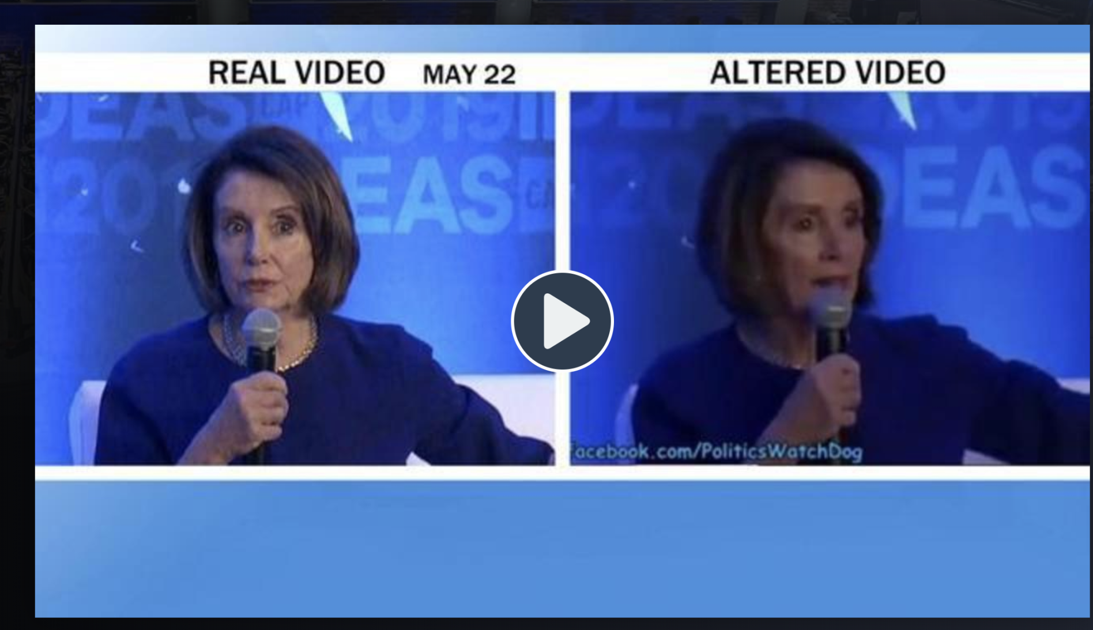
A closer look at deepfakes. Let our experts explain if there’s a reason to worry.
Deepfakes…they’re eerie, entertaining and getting a lot of attention. Deepfake videos are made using artificial intelligence technology which can manipulate someone's face in a video to make it look like they are saying something that they didn't. It's one level up from dubbing, or lip syncing, and can appear very convincing. One example is a video that was made using footage of Mark Zuckerburg in 2017; it was doctored and falsely portrays the Facebook CEO discussing how he had stolen data. – The Sun, June 26 The new concept is all the rage and has seen people spoofed, mocked and tricked. But as once again technology outpaces legislation and with an election approaching, deepfakes have some people going off the deep end. Every day, thousands of videos are posted online, which means that any potential filtering program would need to be able to quickly and efficiently detect fake content. Even then, such media would likely be removed only after being published, meaning that the video would likely have already had an impact. For these reasons, deepfakes are expected to contribute to the upcoming 2020 election in the United States, likely acting as an agent of spreading fake news. However, Edward Delp, a Purdue University professor who developed a computer program to help detect these videos, believes deepfakes pose a bigger threat. “Deepfakes pose a threat to more than just political videos,” he said. “It can be used in making fake child pornography, revenge porn and financial bribes. Just general criminal behavior.” – The Exponent (Purdue University), June 21 As deepfakes become more common on social media and the internet, odds are they will make their way – accidentally or not – into the actual media. And as America still battles with the fake news phenomenon, will Deepfakes further erode our trust in media and our leaders? As deepfakes become more common on social media and the internet, odds are they will make their way into the actual media. So, what can be done? How will these deepfakes affect the perception of news media? What simple advice can we apply to verify if something is real or fake? And do these videos represent a threat to democracy, as some experts are saying? Dr. Gregg R. Murray, professor of political science at Augusta University, is available to talk about the implications of this new threat. Murray’s research focuses on political behavior and psychology with specific interests in voter mobilization and turnout. He is also executive director of the Association for Politics and the Life Sciences.
