
Experts Matter. Find Yours.
Connect for media, speaking, professional opportunities & more.

Aston University academic named President of the College of Optometrists
Professor Leon Davies named incoming President of the College of Optometrists Professor Davies will serve a two-year term as President Seven new Council members have also been elected onto the board Professor Leon Davies of the School of Optometry at Aston University has been named as the College of Optometrist’s incoming President. The College of Optometrists also welcomed seven new Council members at its AGM, held during its clinical conference, Optometry Tomorrow 2022, on 20 June. Incoming President, Professor Leon Davies FCOptom, is currently a board member and previous Vice President. Leon is professor of optometry and physiological optics at Aston University and former editor-in-chief of the College’s peer reviewed CPD journal, Optometry in Practice. Academically, Leon has over 60 publications and has been awarded over £2.5m of funding for his research from UKRI, the EU, charities and a number of multinational organisations. His research is focused on presbyopia and the restoration of ocular accommodation to the ageing eye. He is also a recipient of the College of Optometrists Research Fellowship Award, and was awarded the inaugural Neil Charman Medal for research excellence in optometry, optics and vision science. Professor Leon Davies said: “I am extremely proud to be elected President of the College and honoured to represent the profession at such a crucial time, with transformational changes underway including the General Optical Council (GOC) Opticians Act review and the College’s newly published Workforce vision. “I am determined to continue the profession’s advances to ensure optometrists across the UK are at the centre of new models of eye care, and that their competences and skills are recognised and used to their full potential. “I would like to pay tribute to our outgoing President, Colin Davidson FCOptom, for his unstinting work and dedication over the last two years and offer thanks to all our departing Board and Council members for their dedicated service." The School of Optometry’s portfolio of courses range from undergraduate, to masters taught and doctoral level research, as well as a wide range of optometry continuing professional development options. All programmes are informed by professional practice and are led by an inter-disciplinary teaching team of optometrists, dispensing opticians, ophthalmologists, and vision scientists. Reflecting this highly practical ethos, students on the School’s undergraduate programmes benefit from substantial hands-on experience in the onsite Aston Eye Clinic, one of the largest at any UK university, with over 6,000 patient episodes completed every year. For more information about the School of Optometry at Aston University please visit our webpages.



Beyond the Media Pitch: How to Secure Better Coverage in Today’s Noisy Market
At our webinar earlier this month, we were joined by Wilf Dinnick, a communications and media professional with more than 25 years of global experience as a journalist working in national broadcast, digital and early-stage startups. Wilf has covered major stories for news networks including ABC News, CNN, CBC News and Al Jazeera and is a past winner of the prestigious Edward R. Murrow Award. This vast experience on both sides of the camera has given him a keen understanding of what it takes to secure media coverage in today’s environment. Here are 3 key takeaways you missed: #1 The Odds of your Media Pitch Resulting in Coverage are Disappointingly Low - And the Trend is Not Good Wilf Dinnick discussed the sobering stats from a study of over 400,000 pitches conducted by Propel media that reveal that only ⅓ of emails sent to journalists are opened. But equally disappointing is the fact that only 3% of pitches result in coverage and this trend appears to be continuing. What Dinnick went on to explain is that “journalists see many pitches as an interruption as most fail to clearly demonstrate relevance to the stories they want to publish for their audience. #2 Journalists are Busier than Ever. So You Need to Connect with Them In Places they are Going for Story Ideas and Expert Sources Dinnick also shared some important data that reveals how journalists are spending their time. Where they get their story ideas and how they search for experts. This helps explain the diminishing rate of return on traditional media pitches. For instance, Twitter remains dominant as a platform used by journalists to quickly discover trending stories. So making your story ideas more discoverable with appropriate hashtags on social is an important way to promote your experts in the flow of the conversation as a story is breaking or emerging. Wilf also highlighted the importance of dialling into the daily news cycle by looking in the same areas journalists are going for their ideas. The latest research reveals that journalists find newspapers and magazines most valuable. Why? Sites such as the Washington Post, CNN, BBC, New York Times and Axios are well funded and resourced to develop the longer format, well-researched stories. They often focus on exclusive stories and break important news that is echoed through other outlets. And they set the pace of the news cycle as it echos through regional news outlets where journalists look to localize the story for their audiences. Closely monitoring these sites allows you to be in touch with the key stories and offer clear value to journalists, by offering your experts who can help explain key developments in the context of their research or localize the story for a regional audience. #3 There are Ways to Beat the Odds and Improve your Media Coverage by Following Proven Best Practices When Pitching Despite the poor odds when pitching journalists, there is hope for media relations and PR pros. Dinnick unpacked a number of important best practices that can substantially improve your odds. Drawing on research from a number of media organizations that track journalist engagement, he laid out a number of guidelines that you should be following when putting together your media pitches. Some of these included: Timing Your Pitch Journalists are more receptive to pitches early in the day between the hours of 5am and 11am. This is when the stories are breaking and work is being assigned - and journalists are looking for expert sources. Also, there is evidence that pitching earlier in the week on a Monday or Tuesday yields better results. Keeping it Brief The research Dinnick presented on the profound changes that have been happening in Newsrooms and the overload that journalists are experiencing underscores the importance of being to the point with journalists. That begins with understanding how journalists are spending their day - glued to mobile devices. “This impacts how you need to write subject lines that generate curiosity and fit into mobile devices, given the limited set of characters they can display,” said Dinnick. He also shared stressed research that shows the body copy of a pitch should be under 200 words. Mind the Links Loading a journalist up with lots of links to research, videos, and media coverage in the body copy of your pitch may seem like a good idea to help them evaluative a story idea But this is a no-no. It creates unnecessary clutter and detracts from the key messages you want them to focus on. Instead, journalists report they want as few links as possible. Wilf Dinnick recommends 1-2 links max. It’s important to note that this will present a challenge if you don’t have your content organized into comprehensive expert profiles which include important information that journalists want to see such as past media and speaking appearances, research, publications, education/credentials, affiliations etc. There was a lot to take away from this session which was jam-packed with research and best practices for media relations and PR pros. However, perhaps the most important lesson was how to ”flip” the traditional approach to pitching 180 degrees - starting the pitch process by first developing “owned” content that gets published to your website. As Wilf Dinnick stated, “you have to think like a journalist” as you approach the story ideas you want to pitch. Start with owned content and publish stories that focus on your experts which clearly show them to be relevant and credible while making their work more engaging and human through visual media helps “set the table for the journalist.” If it’s well structured and engaging, it gives journalists the added context they need to immediately understand how your pitch is relatable to their audience. What’s most powerful about this approach is that it helps media relations and PR pros avoid the “earned media trap.” Instead of being overly focused on coverage, we can think more strategically about the value we bring to the organization as storytellers to create quality “owned” content that boosts search engine (SEO) authority and PageRank as well as site engagement with visitors to boost reputation, relationships and revenues. It was clear from the many examples shared by healthcare organizations, universities and associations that this approach is where the real gains can be made. And how media relations and PR pros can show more tangible value to their organizations. Stay tuned for more on this topic of owned content and how it helps improve your media coverage as we explore this in our next post. To see the entire webinar, make sure to sign up for BrightTalk to watch the full webinar here.



UCI experts available to discuss Roe v. Wade ruling
With the Supreme Court set to rule on Roe v. Wade, UCI would like to provide experts you can reach out to for comment: • Michele Goodwin, Chancellor of Law at UCI’s School of Law, focuses on constitutional law, torts, health law, and feminist jurisprudence. An internationally renowned pioneer and pathbreaker, She has spoken often to media about reproductive rights issues and the Roe vs. Wade issue. Goodwin has helped to establish the field of health law and subspecialties in law and medicine, including biotechnology and biosciences and the law, as well as race and bioethics. Her scholarship has been cited by courts, congress, civil society organizations, and news media worldwide. If you are interested in speaking with Michele, you can reach her directly at (773) 543- 6160 or mgoodwin@law.uci.edu. • Aziza Ahmed, UCI professor of law, examines the intersection of law, politics, and science in the fields of constitutional law, criminal law, health law, and family law. Her work advances multiple scholarly conversations including those related to law and social movements, race and the law, and feminist legal theory. You can reach Aziza on her mobile at (510) 778-3031 or coordinate with our team for an interview. • Charles Anthony “Tony” Smith, UCI professor of political science and law, received his PhD from the University of California-San Diego and his JD from the University of Florida. His research is grounded in the American judiciary but encompasses work in both comparative and international frameworks using a variety of methodologies. The unifying theme of his research is how institutions, and the strategic interactions of political actors relate to the contestation over rights, law & courts, and democracy. He has published seven books and more than 30 articles on the history and politics of the Supreme Court. You can reach Tony via email casmith@uci.edu. • David Meyer, professor of sociology, political science, and planning, policy & design, can discuss the effect of the decision on political mobilization, especially the anti-abortion and abortion rights movements. He can also talk about those movements and the courts more generally. You can reach David via emaildmeyer@uci.edu.


Addiction expert on FDA plan to lower nicotine levels
Erin Calipari, assistant professor of pharmacology, is available for media commentary on the Food and Drug Administration (FDA)'s plans for a proposed rule to require companies to lower the nicotine levels in cigarettes. Erin is lead researcher at the Vanderbilt Center for Addiction Research, and her research focuses on the neuroscience behind addiction. She can speak to how the brain gets addicted to substances and the many ways in which addiction takes a toll on the human body, as well as nicotine dosing. Much of Erin's research also focuses on gender differences in addiction and the need to understand female-specific factors that contribute to Substance Use Disorder.


Worth Longest research on more targeted aerosol drug delivery systems
Michael Hindle, Ph.D., a professor in the VCU Department of Pharmaceutics, and P. Worth Longest, a professor in the VCU Department of Mechanical and Nuclear Engineering, have invested years of time and millions of dollars to address challenges found in the field of medical aerosols. In particular: While smaller particles are more effective in delivering drugs into the lungs and airways, these tiny particles are often exhaled out immediately when taking a dose. Current aerosol delivery systems — think asthma inhalers — effectively deliver just 10 percent of an aerosolized dose. That’s fine for most asthma and COPD sufferers who use standard inhalers with existing medications, as these patients only need a small amount of the potent drugs to reach the lungs and have an effect. “But the medical world wants to use the lungs for delivery of other drugs, whether it’s locally to the airways or systemically to the body, and for that, you need more efficient devices,” Hindle says. To effectively use inhaled drugs for complex medical conditions requires more of the aerosol to reach the airways and to potentially target different regions of the airways — plus the devices to get them there. “Our work is about doing something different — changing that ballgame from having 90% of the drug wasted and 10% make it to the lungs, and flip it so that we get just 10% lost and 90% in the lungs,” Hindle says. “That’s always been our goal.” Taking aerosols from lab to lung Over more than a decade, the duo and their teams have created the three keys to making aerosol drug-delivery work: “developing the strategy, developing the device, and developing the formulation,” says Longest, the College of Engineering’s Louis S. and Ruth S. Harris Exceptional Scholar Professor. “When you see inhalation of aerosols fail, or a new pharmaceutical aerosol product fail, one of these areas has often been neglected. Between my lab and the Hindle lab, we have expertise in each of these different areas.” The fourth component — commercializing their inventions — is underway through a partner in Quench Medical in a deal signed in 2020 thanks to VCU Innovation Gateway. The Minnesota-based company, led by founder and CEO Bryce Beverlin II, Ph.D., has identified lung cancer, severe asthma, and cystic fibrosis as potential initial applications using VCU’s intellectual property, the licensing of which covers both the aerosols and the delivery devices. “It’s very difficult for an academic institution to develop a drug product,” says Hindle, the Peter R. Byron Distinguished Professor in Pharmaceutics. “So Bryce has moved forward with a team of manufacturers, clinical testing plans, and is talking to the Food and Drug Administration.” The VCU researchers had not previously pursued lung cancer as a possible application until Quench came along, Hindle says. “The idea that you could deliver a chemotherapy locally to the lungs is obviously very advantageous, because you don’t get the systemic side effects through the body like with traditional chemotherapy,” he says. “You’re just delivering drugs direct to that site of action for targeting the metastases in the lung.” In May, Quench presented data using the VCU technology to the Respiratory Drug Delivery conference in Florida showing that using a chemotherapeutic dry powder aerosol in rats was highly effective. It significantly reduced tumor burden but used half of the standard IV-delivered chemo dose. “This approach also aims to decrease the total drug delivered with reduced systemic drug levels in the circulation to decrease systemic toxicity,” the report read. It noted the efforts “solve a critical unmet medical need to develop new strategies to improve treatment outcomes in patients with lung cancer.” Heavy interest nationally Hindle and Longest have millions of dollars in funded projects underway, backed by the National Institutes of Health, U.S. Food & Drug Administration, and the Bill & Melinda Gates Foundation. Their work is building on the reputation of VCU’s Aerosol Research Group, founded in 1988 by emeritus professor Dr. Peter Byron (the name on Hindle’s professorship). The group’s work spans a wide variety of research areas in aerosol formulation and delivery. Hindle and Longest have worked together since 2006. While Hindle is focused on drug formulations, Longest is the engineering and computer modeling expert. His background is in biological fluid flow, and prior to joining VCU in 2004 had worked in the area of blood flow in vascular disease. But he wanted to differentiate his work, and found VCU’s reputation in medical aerosols was the place he could, in his words, “make an impact.” Through computer models, Longest and his team can understand how powders or liquids will turn into aerosol particles and the behaviors they will undertake when delivered into the body. “The lung is an area of the body where we have all these complex phenomena occurring with airflow and moving walls,’” he says. “It really takes high performance computers to understand it.” Drs. Longest and Hindle have developed a series of technology platforms that produce particles that are tiny when entering the lungs to minimize deposition losses in the mouth and throat — but grow in size as they travel down the warm, humid airways. One of the devices uses a mixer-heater to produce tiny particles, other technologies use a pharmaceutical powder or liquid containing a simple hygroscopic excipient such as sodium chloride; it is this excipient that attracts water from the lungs and makes the particles grow and deposit in the lungs with high efficiency. Eyes on infants Lately, the pair have been working on a method of aerosol drug delivery to newborns and prematurely born babies. “It’s a different set of challenges when you’re trying to deliver aerosols to infants who are born prematurely, and don’t have the ability to breathe on their own due to the lack of airway surfactant,” Hindle says. “And that’s something that, academically, we thought we were in a position to try and make a contribution to the field.” The group is working with funding from the NIH and the Bill and Melinda Gates Foundation to develop a method of delivering an aerosol surfactant to infants that will hopefully remove the need to intubate these fragile babies. In addition to striking licensing deals with Quench and building relationships with additional partners, Innovation Gateway has backed the pair’s work with an initial $25,000 from VCU’s Commercialization Fund as well as a just-awarded additional $35,000. “We turned that into a series of intellectual property that has resulted in three licensed patents and a whole family of IP in relation to both formulations and devices,” Hindle says. “There’s been lots of interest in delivering drugs to the lungs, it’s just been very difficult to institute any sea change, because the pharmaceutical industry is relatively risk averse.” And so their research continues, as Quench moves forward to bring their inventions to the bedside. “What I’m doing, I don’t really consider it work — it’s an opportunity to interact with great colleagues and contribute to a mission that will be very helpful to a broad range of people,” Longest says. “I also see it as a big responsibility. We want to do this in the right way. Because people’s health and lives are at stake. We want to make sure we approach this with a large sense of responsibility, and do our best.”


Aston University signs City of Sanctuary pledge
City of Sanctuary supports groups and organisations to build a culture of welcome and hospitality Aston University has become a supporting organisation of City of Sanctuary It is committed to achieving University of Sanctuary status. Aston University has become a supporting organisation of City of Sanctuary UK to demonstrate its commitment to helping people fleeing violence and persecution. City of Sanctuary is a charity supporting a network of groups across the UK and Ireland working to build a culture of welcome and hospitality within their communities. Earlier this year, the University opened a new Centre for Migration and Forced Displacement. The centre officially launched with an event bringing together designers, artists and academics to discuss how to investigate and publicise violence against migrants. Other initiatives set up by Aston University to support refugees and asylum seekers include: a new sanctuary scholarship scheme for students who have sought refuge in the UK the student-led Enactus Society Chance for Change project, facilitating integration and employment for refugees supporting the Kozminski Foundation run by Kozminski University in Poland, which provides support for victims of the war in Ukraine students in the University’s Centre for Research in Ethnic Minority Entrepreneurship undertaking PhD research into refugee entrepreneurship funding for an emergency training package for Ukrainian interpreters, supporting local organisations in contact with Ukrainian refugees. Dr Angela Jeffery, director of regional strategy at Aston University, said: “Aston University recently launched its Civic University Agreement, outlining our commitment as an anchor institution to improving the economic, social, environmental and cultural life of our local communities. “Becoming a supporting organisation of the City of Sanctuary is one of many steps the University is taking to support our region and society. We endorse the City of Sanctuary Charter and agree to act in accordance with its values. We are committed to achieving University of Sanctuary status by welcoming asylum seekers and refugees into the university community and fostering a culture of welcome and inclusion for all.” City of Sanctuary chair, David Brown, said: “As a diverse and vibrant university in a diverse and vibrant city, Aston University is in a really strong position to welcome and support asylum seekers, refugees and other migrants as they seek to build new lives in the UK, and to contribute their skills and energy to the University community, to Birmingham and to the Midlands. “With colleagues in the City of Sanctuary movement, I warmly welcome Aston University’s commitment to become a University of Sanctuary.”

Aston University wins share of £118m funding to accelerate its research impact
The Impact Acceleration Account (IAA) investment over three years focuses on maximising impact, knowledge exchange, translation and commercialisation potential within research organisations Funding allows researchers to unlock the value of their work, including early-stage commercialisation of new technologies The University will receive over £580,000 ‘to accelerate UK bright ideas into global opportunities'. Aston University has won a share of £118m in UK Research and Innovation (UKRI) funding. The Impact Acceleration Account (IAA) investment over three years focuses on maximising impact, knowledge exchange, translation and commercialisation potential within research organisations. Funding allows researchers to unlock the value of their work, including early-stage commercialisation of new technologies and advancing changes to public policy and services such as NHS clinical practice. UKRI, a government body responsible for delivering £8bn research and innovation funding each year, is investing £118 million in the latest round of IAAs to translate research across 64 universities and research organisations. Aston University was successful in gaining both Engineering and Physical Sciences Research Council (EPSRC) and Biotechnology and Biological Sciences Research Council (BBSRC) IAA funding – the latter one of only 15 IAA full awards nationally. Luke Southan, technology transfer manager at Aston University, said: “This funding will be transformational for Aston University’s capacity to get the best good from the research it carries out. “We have a pipeline of world-changing inventions, medical treatments, net-zero initiatives and spinout companies that we can give the greatest chance of success through these highly prestigious pots of funding.” UKRI director of commercialisation, Tony Soteriou, said: “The UK is home to some of the brightest, most innovative and creative research teams in the world. They have the ideas and they have the entrepreneurial energy to create businesses and services that could turn sectors on their head. “What they need, what every great commercial idea needs, is support in the critical early stages. The Impact Acceleration Account is the catalyst that allows projects to grow to the next level, attracting investment, forging partnerships and creating jobs. “The breadth of UKRI allows us to work right across the UK’s world-class research and innovation system to ensure it builds a green future, secures better health, ageing and wellbeing, tackles infections, and builds a secure and resilient world.”

Unattainably Perfect: Idealized Images of Influencers Negatively Affect Users’ Mental Health
Filters, Adobe Photoshop, and other digital tools are commonly used by social media “influencers.” These celebrities or individuals have a large follower base and “influence” or hold sway over online audiences. This digital enhancement of images is well-documented anecdotally. Instagram, in particular, has come under growing scrutiny by the media in recent years for promoting and popularizing unattainably perfect or unrealistic representations of its influencers. What’s less understood is the appeal and the actual effect that these digitally enhanced images have on followers–particularly in terms of people’s feelings of self-worth and their mental wellbeing. A ground-breaking study by Goizueta Business School’s David Schweidel and Morgan Ward sheds new light on the real-world impact of digital enhancement, and what they find should be cause for significant concern. Downstream Consequences: Impressions Have Lasting Impact Across a series of five studies with a broad sample of participants and using AI-powered deep learning data analysis to parse individuals’ responses, Schweidel and Ward have unearthed a series of insights around the lure of these kinds of idealized images, and the negative “downstream consequences” that they have on other users’ self-esteem. “Going into the research, we hypothesized that micro-influencers who digitally manipulate their images, offering unrealistic versions of themselves, would be more successful at engaging with other users–getting more follows, likes, and comments from them. And we do find this to be the case, but that’s not all,” says Schweidel. He and Ward also discover that when users are exposed to these kinds of images, they make comparisons between themselves and the enhanced influencers; comparisons that leave them feeling lacking, envious, and often inadequate in some way. In terms of mental health and wellbeing, this is alarming, says Ward. Our research shows unequivocally that when followers consume idealized versions of popular figures on social media there is a social comparison process that results in these users experiencing negative feelings and a substantial decline in their state of self-esteem. On the basis of these insights, is Meta–the owner of Facebook and Instagram–likely to take action to limit the use of digital enhancement on its platforms and apps any time soon? Unlikely, say Schweidel and Ward. “Meta seems to be fully aware of the deleterious effects that Instagram has on its users. However, the success of Instagram–and that of the brands and influencers that appear on the app–is fueled by increased consumer engagement: the very engagement that this kind of digital enhancement of images drives. So the incentive is there to maintain the practices that keep users engaged, even if there’s a trade-off in their emotional and mental health.” This is a fascinating and important topic - and if you're a reporter looking to know, then let us help. David A. Schweidel is professor of marketing at Emory University’s Goizueta Business School. He is an expert in the areas of customer relationship management and social media analytics. Morgan Ward is an assistant professor of marketing at Emory University’s Goizueta Business School and is an expert in consumer behavior. Both experts are available to speak with media - simply click on an icon to arrange a discussion today.


Black culture expert on history and significance of Juneteenth
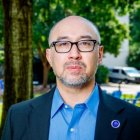
Tracy Sharpley-Whiting, Gertrude Conaway Vanderbilt Distinguished Professor of African American and Diaspora Studies, is available for inquiries on Juneteenth. Tracy is an expert in comparative Black cultural movements and African American literature and culture. Her research examines Black culture and the impacts of politics and society. She can discuss the history and significance of Juneteenth, the continuing relevance of African American history (including slavery) today and the work still yet to be done.


There's some important research taking place by an expert at Georgia Southern University - and the findings could result in serious and positive changes to nutrition for those living in rural, remote and under-served communities in Latina America and around the world. Ana Palacios, Ph.D., assistant professor in the Department of Public Policy and Community Health in the Jiann Ping Hsu College of Public Health, is working on a clinical trial with a community in Honduras to find out whether giving eggs to kids between the age of 6 to 24 months will help them in terms of growth, food security and dietary diversity. Her work was recently featured in Forbes Magazine. "My heart, of course is in Latin American populations, and I have a community-based trial in Honduras that is assessing the effectiveness of an egg intervention," she says, adding that this community-based participatory research project is covering about 600 young children from more than 30 rural under-served communities in the Honduras Highlands. "Some evidence has shown that eggs can improve linear growth in some populations of Latin America," she says, "We are passionate in that this will provide a replicable, inexpensive, scalable and sustainable alternative to improve young children's nutrition, dietary diversity, food insecurity, economic development and overall reduce disparities." Palacios hopes the study will provide a solution that can be used in a wide variety of contexts in under-served rural areas throughout Latin America and the Caribbean, and other regions around the globe. June 16 - Forbes It's a fascinating topic - and research that could truly be impactful on a global scale. The full article about Palacios' work is attached. If you are a journalist looking to know more about this research - then let us help. Palacios' research is focused on addressing disparities in access to nutrition, health, and education in under-served populations. She is available to speak with media - simply reach out to Georgia Southern Director of Communications Jennifer Wise at jwise@georgiasouthern.edu to arrange an interview today.
