
Experts Matter. Find Yours.
Connect for media, speaking, professional opportunities & more.

It’s here and it’s time America got serious about Covid-19, known as coronavirus. The CDC is working overtime, and leading government health officials are scrambling to ensure hospitals are equipped, front-line health providers are ready and the public is informed. But with any emergency, there comes the risk of misinformation and unnecessary worry. As the new coronavirus outbreak becomes an ever-looming threat in the United States, state infectious disease specialists say the first step to staying safe is this: Remain calm. Also, don’t worry about buying a mask. “You really have to make sure you get the accurate information and not … ‘Lock your doors, close the windows, buy a generator and hope for the best,’” said Dr. Peter Gulick, an infectious disease expert at the Michigan State University's College of Osteopathic Medicine and director of the MSU Internal Medicine Osteopathic Residency program. That’s not only alarmist and bad advice, he said, it’s a waste of energy. The best advice — like these tips from the U.S. Centers for Disease Control and Prevention — is tried-and-true, Gulick said: Wash hands often with soap and water for at least 20 seconds. It’s especially important after using the bathroom, before eating, and after blowing your nose, coughing or sneezing. No soap and water? Use an alcohol-based hand sanitizer with at least 60 percent alcohol. Avoid touching your eyes, nose and mouth with unwashed hands. Avoid close contact with people who are sick. If you’re sick, stay home. Cover your cough or sneeze with a tissue, then throw the tissue in the trash. Clean and disinfect frequently touched objects and surfaces using a regular household cleaning spray or wipe. If you think you’ve come in contact with someone with the virus (there have been no confirmed cases yet in Michigan) contact your health provider immediately. February 26 – The Bridge Regrettably, that too can often lead to financial reactions that can ripple across the economy. Lately, the surging stock market has plunged with worries from investors and Wall Street about how America’s workforce will be impacted if the virus spreads. Friday ended the worst week the stock market has had since 2008. NBC News 6 sat down with the Dean of the Broad College of Business at Michigan State University, Sanjay Gupta, to talk more about the stocks and what to expect after this week. “The stock market is clearly spooked, and it has become nervous with whatever is going on in the business world,” said Gupta. What has ‘spooked’ the business world, is COVID-19. “The coronavirus is quarantined lots of factories, in fact the whole country,” said Gutpa. Gutpa says the halt in Chinese manufacturing also limits businesses and goods here in the United States. “In our day to day lives, either there will be some things that we count on that may not be available. It might be that the priciest of those things that we count on change, or go up dramatically because we are so dependent on a foreign source,” said Gutpa. February 29 – WLNS TV Covering an outbreak like Covid-19 isn’t easy, there are multiple angles to explore and it is vital that only the correct facts are shared by media to the millions of viewers, readers and listeners that are waiting for the latest information – and that’s where our experts can help. Sanjay Gupta is the Eli and Edythe L. Broad Dean of the Eli Broad College of Business. He is an expert in the areas of corporate and individual tax policy issues and finance. Peter Gulick is currently an associate professor of medicine at Michigan State University, College of Osteopathic Medicine, and serves as adjunct faculty in the College of Human Medicine and the College of Nursing. Both experts have already been sought out by the media for their expert insight on this issue – if you are interested in arranging an interview, simply click on either expert’s profile to arrange a time today.


Entrepreneurship expert: New Americans vital to U.S. economy
In the United States, there is a long history of marginalized communities being extremely entrepreneurial. These communities were driven, in large part, by the desire to meet their own ethnic, religious, and cultural needs, according to Christine Beech, D.M., the Dr. Jon and Betty Kabara Endowed Chair in Entrepreneurship and Innovation at Saint Mary’s University of Minnesota. In the mid-19th century, more than 100 hospitals were founded by the Jewish community to fight anti-Semitism in medical school appointments and meet patient needs of having kosher options during the hospital stay.These opportunities were not available in the existing network of mainstream hospitals. Similarly, in the beginning of the 20th century, Irish Catholic immigrants began establishing a network of parochial elementary schools as a way to preserve their faith and culture and allow children to learn about their faith in school, Dr. Beech said. These two initiatives, led by immigrant groups, helped establish networks of schools and healthcare institutions that served a social good in their communities while generating jobs and stimulating the economy. In addition, there is a long line of entrepreneurs in the African-American community who combatted racial discrimination through new businesses because they were marginalized from the mainstream economy, Dr. Beech said. Examples of these entrepreneurs include Madam C.J. Walker, who invented a line of hair care products to serve the needs of her community, and Charles Clinton Spaulding, who developed the largest African-American business in the early 20th century specifically serving the insurance needs of the African-American community. In modern times, one of the largest marginalized communities in the U.S. is comprised of new Americans, many of whom are immigrants and have developed culturally responsive businesses. Although current policies are set in place to curtail U.S. immigrants, it is important to remember that the country could potentially lose an entire segment of the population that has been vital to the economy, Dr. Beech said. Beech pointed to a 2015 study from the Kauffman Foundation which mentioned that 40% of the Fortune 500 in 2010 were companies founded by an immigrant or the child of an immigrant. Nearly 30% of all new businesses started in 2014 were started by immigrants, Dr. Beech said, according to a related study from the same foundation. “We've been able to see constant growth and diversity within our economy that's been very healthy for us,” said Dr. Beech, who also serves as the executive director of the Kabara Institute for Entrepreneurial Studies at Saint Mary’s. “There's a narrative that says that the immigrant community is coming here to find work. But in fact, when we look at the data, a significant portion of them are actually creating jobs and starting businesses.” Dr. Beech added three primary reasons for these continued statistics indicating significant immigrant entrepreneurship: The drive to be independent A desire to meet their communities culturally specific needs A response to societal biases that hinder success within the mainstream workforce “Those migrant communities often develop their own businesses, almost like a subset of the economy, where they can't be marginalized, where they're actually taking charge of their own economic well-being,” said Dr. Beech. When it comes to knowing the overall impact of the immigration policies on the economy, there will be a natural lag in the data — possibly as long as five years — given how much time it typically takes for immigrants to establish businesses after arriving in a new country, Dr. Beech said. Are you a journalist covering this topic and interested in an interview? That’s where we can help. Christine Beech, D.M., has had a career that encompasses academics, entrepreneurship, military service, and consulting. She has been a faculty member in the business department at Saint Mary’s University since 2017 and is the executive director of the Kabara Institute for Entrepreneurial Studies. Before joining Saint Mary’s University, Dr. Beech owned her own consulting business in the Washington, D.C., area for many years. Before that, she worked as a corporate entrepreneur where she led the development of a multimillion-dollar business line for a global consulting firm. Dr. Beech is an expert in entrepreneurship, social entrepreneurship, and women entrepreneurs. She is available to speak with the media. To arrange an interview with her, simply click on her photo below to access her contact information.


Economic Impact of Macy's Closures, Sephora Openings
On February 4, Macy's announced that it will lay off 2,000 employees at corporate-level positions and close 125 stores over the next three years. They will also look to open smaller store concepts in shopping center locations, which have become more popular destinations for consumers than shopping malls. On the same day, Sephora announced it was going to open 100 stores in 2020. Villanova's David Fiorenza, an assistant professor of economics, has provided comments on both retailers' moves: "Macy's closing about 125 stores with a couple thousand jobs lost is basic economics. Supply and demand has been changing for many years, as people are shopping online, visiting boutique stores, travelling to smaller stores in strip malls, and visiting the urban-style malls that are popping up in suburban towns. These town centers, like King of Prussia Town Center, offer everything a mall or city shopping district does—but with smaller stores such as Sephora or Ulta." "Specialty stores like Sephora and Ulta will continue to see good growth in 2020 and beyond, as this is one area of retail that cannot be replaced with online shopping. The servicing of makeup, cosmetics, hair salons and fragrances needs to be experienced in a store with a knowledgeable sales representative." "The cosmetics counters in the large stores that are anchors in malls, such as Nordstrom, Neiman Marcus and Bloomingdale's, continue to show strong sales. However, in other departments within these stores, the sales are flat or declining." "Most of the smaller strip malls and suburban town centers do not have the competition you see at the larger malls." "Since the economy has been thriving for some time now, people have more discretionary income to spend. This is another bonus for Sephora and even Ulta to expand." "Macy's is a great organization but some of the stores look old and tired, similar to what happened with Toys 'R' Us' shops. I can see Macy's opening smaller boutiques, like what Best Buy has done, or discount stores, like Nordstrom Rack." "Landlords in these small strip centers and urban centers look for a certain type of business, and the large format of Macy's does not work at this point."

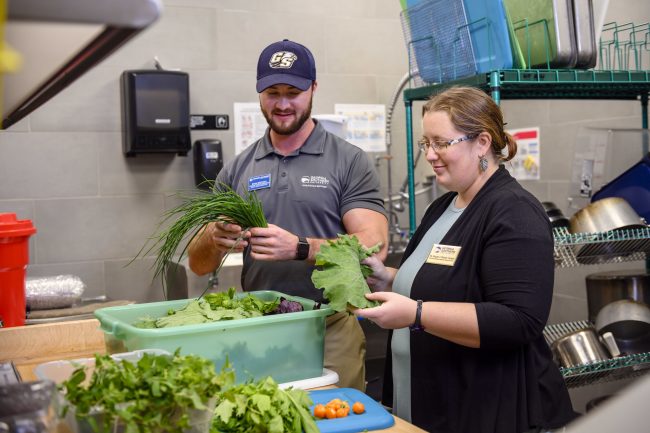
Find out how sustainable dining at Georgia Southern provides fresh options for students
As more and more people are eating out – the expectations of customers of restaurants to be environmentally friendly are ever increasing. However, operating with a reduced carbon footprint all the while being sustainable and profitable are no easy task. That’s where Georgia Southern University is making a difference. The newest restaurant on the Georgia Southern University Armstrong Campus offers diners comfort in knowing that some of the ingredients were grown just a few hundred yards away in the campus’ aquaponics farm in the Sustainable Aquaponics Research Center (SARC). The agriculture and food industry is one of the largest users of water and producers of greenhouse gas emissions, but growing food by using aquaponics, a system of growing produce by using water fertilized by fish, cuts down on both significantly. “SARC produce only travels a quarter mile from where it’s grown,” SARC curator Brigette Brinton said. “Locally grown food offers large advantages in terms of increased sustainability and freshness, and SARC produce is grown organically and using sound ecological principles that minimize water consumption.” Brinton said minimizing emissions and water use does not diminish the quality or taste of the produce. To the contrary, it makes the food taste better because aquaponics produce often has higher concentrations of various compounds that give the foods their flavor, and they are grown in more ideal environments. Brzycki said Georgia Southern wants to expand on using ultra-local, fresh produce and vegetables, as a part of the partnership with the aquaponics farm. “When we consider redesigns of existing or new dining locations on the Armstrong Campus in the future, we want to see how we can incorporate these same principles,” he said. “But for now, Southern Cafe is the flagship unit for the aquaponics partnership, as well as sustainability and healthy eating, of Eagle Dining.” Brinton said she hopes the Southern Cafe will inspire the students, faculty and staff who eat there to make healthier and more sustainable choices in other areas of their lives. “Showcasing local, sustainable produce increases students’ awareness that there are better options, and Georgia Southern is going the extra mile to show them how to start making better choices,” she said. “Each time students see they made a sustainable choice at the Southern Cafe, they’re more likely to choose sustainable options on their own.” Are you a journalist looking to cover this story or learn more about how Georgia Southern University is developing new programs that help traditional industries adapt to a more sustainable and environmentally friendly business model? If so – then let our experts help with your coverage. Simply contact Melanie Simón at 912.344.2904 to arrange an interview.


United Nations’ Sustainable Development Goals fall behind initial hopes, lacks needed funding
In 2000, United Nations member states adopted eight Millennium Development Goals (MDGs), which featured a number of ambitious global initiatives, such as eradicating extreme poverty and hunger, and achieving universal primary education in all countries around the world. As these goals were extremely aspirational, most were far from met by the target date. However, by 2015 significant progress was made in a few areas, such as increased official development assistance (foreign aid), reduced trade barriers for developing country exports, and new debt-reduction strategies for some of the heaviest indebted countries. By the target date of the MDGs, the most notable outcome was the number of people living in extreme poverty around the world had been reduced by 50% since 1990. To keep the sustainable development agenda moving forward, at the end of 2015, the United Nations member states adopted 17 new Sustainable Development Goals (SDGs) to be met by 2030. Since the adoption of the SDGs in 2015, some progress has been on two of the SDGs: eliminating preventable deaths among newborns and children under the age of 5, and getting children into primary schools. These are both important initiatives and progress should be celebrated, says Matt Bluem, assistant dean of graduate programs and MBA director of Saint Mary's University of Minnesota's School of Business and Technology. Unfortunately, progress on the other 15 goals has not kept pace. With just 10 years until the target date for meeting all 17 SDGs, it is becoming increasingly clear that most of these goals will not be met. According to the UN, the biggest challenge in meeting the SDGs is funding. An additional $2-3 trillion is needed to help meet funding requirements. A recent report by the Brookings Institution states that sub-Saharan Africa alone would need hundreds of billions of dollars in additional financial support every year in order to meet the SDGs by the target date of 2030, Bluem says. U.N. Secretary-General António Guterres has argued that public investment by governments is not enough, insisting that private industry is going to need to get involved. To meet the aggressive SDGs, the private and public sectors will need to work together to bring about the investment and policy change. In order to encourage governments and the private sector to put the resources and effort necessary into meeting the SDGs, it is imperative to let world leaders know that goals such as the SDGs are important to the international citizenry, Bluem says. Are you a journalist covering this topic and interested in an interview? That’s where we can help. Matt Bluem, Ph.D., assistant dean of graduate programs and MBA director, has taught business and marketing courses at Saint Mary’s University of Minnesota since 2008. Prior to Saint Mary’s, he worked in both the banking and the nonprofit sectors, most recently with a non-governmental organization (NGO) with operations in more than a dozen countries. Bluem is an expert in political and economic development and is available to speak with media. To arrange an interview with him, simply click below to access his contact information.

If it's an election in America or Asia – Mary Washington’s experts are sought out by media
The election in Taiwan on January 10 saw a strong anti-China sentiment reinforced with the re-election of President Tsai Ing-wen. Elections in America, and even an ocean away can have ripple effects on economies, relations and even national security. As the world tuned in the results in Taiwan – it was the media that contacted the experts from Mary Washington for insight and opinion. Elizabeth Freund Larus, Professor of Political Science and International Affairs, offered commentary January 10 on CNBC Asia’s Capital Connection on the 2020 Taiwan presidential election. Professor Larus indicated that incumbent Taiwan President Tsai Ing-wen benefited from the Hong Kong protests and that she would likely be re-elected. Dr. Larus projected that a second Tsai administration will continue to diversify Taiwan’s economy and distance itself from China, and that Beijing will put more heat on Taipei, bringing the U.S. into play. Capital Connection is a television business news program aired every weekday on various CNBC channels around the world. It is broadcast live from Singapore. See more here: Are you a journalist covering Asian politics? That’s where our experts can help. Professor Elizabeth Freund Larus teaches political science at the University of Mary Washington and is an #expert on China and the field of Asian studies. She is available to speak to media – simply click on her icon to arrange an interview.



The election is on. In fact, it’s as if the campaign of the 2016 election has never come to a finish. U.S. President Donald Trump’s strategy of constant rallies, speeches and campaign stops has essentially meant the Republican incumbent has been on the stump for the better part of almost five years now. On the other side, at one time last year, there were more than two dozen contenders vying for the right to represent the Democrats. That field has been whittled down to about half of that, and it is expected to continue shrinking now that primaries are in play and the financial costs of keeping up will become a reality. So, if there were to be an actual starting point for the November election – this week could be it. On Monday, the Iowa Caucus kicks off what could be months of rigorous and aggressive campaigning for Democrats. The winner Monday will have a huge boost, but after that it’ll be all eyes on New Hampshire, Nevada, South Carolina and then Super Tuesday. Also, this week, the President will deliver the State of the Union. The timing of this speech could be the change of channel the President needs as the clouds of impeachment linger. As well, the speech and the huge audience it gathers could set the tone of what's to come on the campaign trail. For political junkies and journalists – it is going to be a busy nine months. And if you are a reporter covering the primaries, politics and the presidential election – then let our experts help. The team from FAU can help with a variety of topics that will inevitably be part of or influence the policies and platforms of each party and candidate. Kevin Wagner's research and teaching interests include presidential and judicial politics, political behavior and legislative behavior. He is also a research fellow of the FAU Business and Economics Polling Initiative (BEPI). Robert Rabil is an expert in political Islam, terrorism, U.S. foreign policy, and U.S.-Arab relations. Kelly Shannon specializes in the history of U.S. foreign relations, with particular attention to the Middle East and the 20th century. Colin Polsky is trained as a geographer, specializing in the human dimensions of global environmental change. He also oversees FAU's quarterly environmental poll. All of these experts from Florida Atlantic University are available to help with any of your questions or coverage – simply click on an expert’s icon to arrange an interview today.


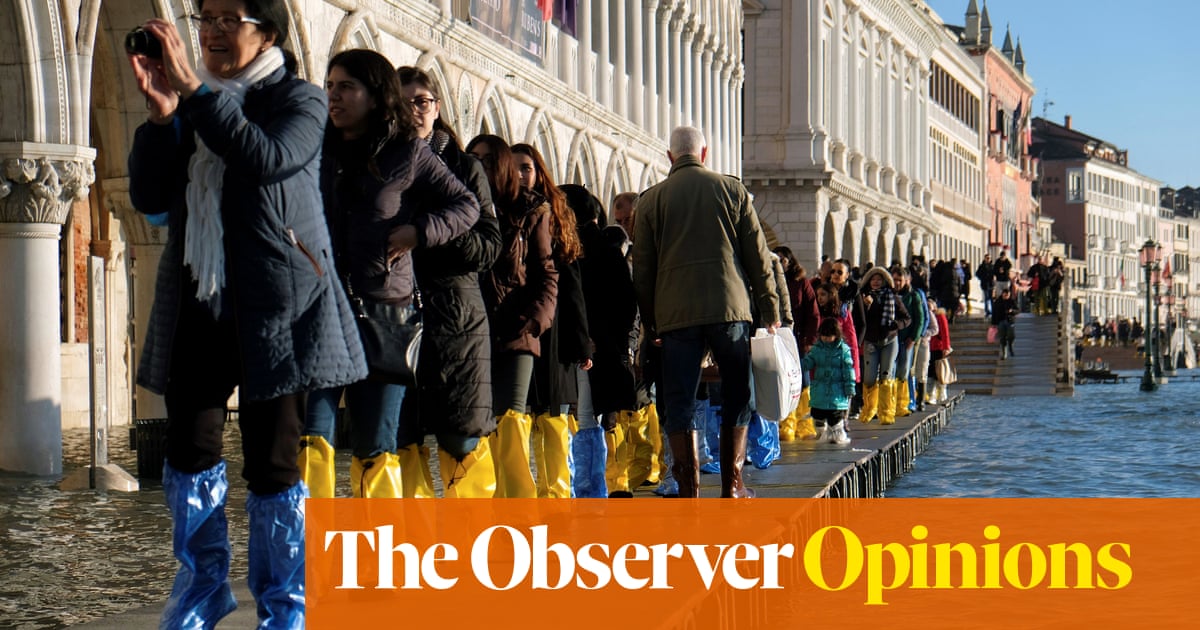
With Brexit looming, more is unknown than known with British economy, trade agreements
Although it has been in the works since June 2016, the transition phase of Great Britain’s decision to leave the European Union (EU) — more commonly known as “Brexit” — is set to take place on Jan. 31. It is a date that will most likely leave a ripple of economic uncertainty in the United Kingdom in its wake as the British prepare for total independence at the end of the year. “Brexit has created so many new unknown variables. It can be profoundly disruptive to England as we know it today,” says Ralf “Don” Keysser, D.B.A., an associate professor in the MBA program at Saint Mary’s University of Minnesota. Keysser predicts a negative short-term impact to the British economy, whereas the long-term perspective is still hard to predict until new free trade agreements with Europe and the rest of the world are established. Keysser does not see a clear-cut benefit to the U.S. establishing a free trade agreement with the U.K., simply based on the lack of British imports in the American market, other than maintaining political closeness. “It’s going to be a shock to the system. England will not be the England that it has been. There’s a lot of speculation, because we’ve never had a country pull out of the EU before, so it’s kind of an unknown. And it’s so highly politicized that it’s hard to get an objective analysis of what it’s going to look like.” Keysser points to a Toyota plant in South Derbyshire that supplies most of its output to countries in the EU through a tariff-free treatment. With Brexit going into effect, the factory may have to vastly reduce its output. Still, the workers in that community overwhelmingly voted to leave the EU. “This is a good example of how people will vote against their economic self-interests for ideological reasons,” Keysser says. “There’s a lot of ideology behind the Brexit vote: anti-immigrant, anti-Europe, pro-nationalist views that very much echoed President Trump’s appeal.” There are a few reasonably good projections, Keysser says, to make about the impact on inflation, unemployment, and economic trends — and none of them look good for Britain. One just has to look at the British pound, which has steadily been losing value to the dollar and euro over the years. In addition, several banks decided to either move from London or expand into other markets within the EU as soon as the Brexit results were announced, which could cost the British capital its status as of the world’s premier financial centers. “I see a gradual diminution of the financial business that’s been a mainstay of London,” Dr. Keysser says. On top of that, there is a real fear of Scotland and Northern Ireland wanting to leave the U.K. in favor of establishing their own independence and returning to the EU. The last time Scotland voted to leave the U.K. in 2004 it only passed 55% to 45%. “That could be the beginning of the end of the United Kingdom as we have known it,” Keysser says. The news might not be entirely bad out of Brexit. For international tourists, especially those from the U.S may be able to take advantage of the dollar’s exchange rate with the declining pound. Do you want to know more about the possible economic ramifications of Brexit? Are you a journalist covering this topic and interested in an interview? That's where we can help. Ralf Keysser, D.B.A., has been an active investment banker and business finance consultant for 35 years. He also serves an associate professor for the MBA program at Saint Mary’s University of Minnesota. To book an interview with him, simply click on his icon above to access his contact information.

Curious about who’s cashing in on Superbowl Sunday? Let our experts help!
The big day is almost here! Fans around the world are getting squares ready, chili cooked, and prop-bets placed. Superbowl Sunday is America’s biggest day for television and sports. This year, it will be all eyes on the Kansas City Chiefs and San Francisco 49ers as they land in Miami to prep and promote for Sunday’s kickoff. There’s big money to be made this week, and a lot of it is going around, according to CNBC – last year was a windfall and most expect this year to be even bigger. Super Bowl ad spots are the most expensive on commercial TV in the U.S. by far, with a 30-second slot costing $5.25 million. That works out at roughly $175,000 per second. Last year, the winners of the Super Bowl made an estimated $112,000 each, while their opponents made $56,000 each. Referees, meanwhile, make between $4,000 and $10,000 a game, according to an estimate by CBS, and their annual salary is about $201,000. Stores are set to make $14.8 billion in sales around the game, with most of that money spent on food and drink to consume while watching, according to a survey carried out by Prosper Insights & Analytics for the National Retail Federation last week. That equates to $81.30 per person, up from last year’s $81.17. Are you a journalist covering this Sunday’s big game? If you have questions about the marketing or economics of the Superbowl, the let our experts help with your stories and coverage. Professor Andrew Wonders joined the faculty of the School of Business Administration at Cedarville University in 2013 following a 13-year career in the sport industry. He is an expert in the areas of major sporting events and the business of sports. If you are looking to arrange an interview with Professor Wonders – simply click on his icon to arrange a time.


Winning a Grammy Can "Catapult" Your Career
At the 62nd Annual Grammy Awards, Billie Eilish became the first woman to take home the big four awards: Album of the Year, Record of the Year, Song of the Year and Best New Artist. Villanova's David Fiorenza, an assistant professor of economics, says that winning a high-profile award, like a Grammy, has the potential to catapult your career for decades, particularly for a lesser-known artist like Eilish. However, he notes that it's important to be wary of changes to the music industry. "Musical trends change. Creative destruction of the music industry has occurred for decades. Radio station mergers and business cycles have all contributed to dozens of artists careers fizzling a year or so after the Grammys," Fiorenza says. "One way to keep your career going economically: touring the U.S. and looking for markets in Europe, Japan and South America."