
Experts Matter. Find Yours.
Connect for media, speaking, professional opportunities & more.

It’s here and it’s time America got serious about Covid-19, known as coronavirus. The CDC is working overtime, and leading government health officials are scrambling to ensure hospitals are equipped, front-line health providers are ready and the public is informed. But with any emergency, there comes the risk of misinformation and unnecessary worry. As the new coronavirus outbreak becomes an ever-looming threat in the United States, state infectious disease specialists say the first step to staying safe is this: Remain calm. Also, don’t worry about buying a mask. “You really have to make sure you get the accurate information and not … ‘Lock your doors, close the windows, buy a generator and hope for the best,’” said Dr. Peter Gulick, an infectious disease expert at the Michigan State University's College of Osteopathic Medicine and director of the MSU Internal Medicine Osteopathic Residency program. That’s not only alarmist and bad advice, he said, it’s a waste of energy. The best advice — like these tips from the U.S. Centers for Disease Control and Prevention — is tried-and-true, Gulick said: Wash hands often with soap and water for at least 20 seconds. It’s especially important after using the bathroom, before eating, and after blowing your nose, coughing or sneezing. No soap and water? Use an alcohol-based hand sanitizer with at least 60 percent alcohol. Avoid touching your eyes, nose and mouth with unwashed hands. Avoid close contact with people who are sick. If you’re sick, stay home. Cover your cough or sneeze with a tissue, then throw the tissue in the trash. Clean and disinfect frequently touched objects and surfaces using a regular household cleaning spray or wipe. If you think you’ve come in contact with someone with the virus (there have been no confirmed cases yet in Michigan) contact your health provider immediately. February 26 – The Bridge Regrettably, that too can often lead to financial reactions that can ripple across the economy. Lately, the surging stock market has plunged with worries from investors and Wall Street about how America’s workforce will be impacted if the virus spreads. Friday ended the worst week the stock market has had since 2008. NBC News 6 sat down with the Dean of the Broad College of Business at Michigan State University, Sanjay Gupta, to talk more about the stocks and what to expect after this week. “The stock market is clearly spooked, and it has become nervous with whatever is going on in the business world,” said Gupta. What has ‘spooked’ the business world, is COVID-19. “The coronavirus is quarantined lots of factories, in fact the whole country,” said Gutpa. Gutpa says the halt in Chinese manufacturing also limits businesses and goods here in the United States. “In our day to day lives, either there will be some things that we count on that may not be available. It might be that the priciest of those things that we count on change, or go up dramatically because we are so dependent on a foreign source,” said Gutpa. February 29 – WLNS TV Covering an outbreak like Covid-19 isn’t easy, there are multiple angles to explore and it is vital that only the correct facts are shared by media to the millions of viewers, readers and listeners that are waiting for the latest information – and that’s where our experts can help. Sanjay Gupta is the Eli and Edythe L. Broad Dean of the Eli Broad College of Business. He is an expert in the areas of corporate and individual tax policy issues and finance. Peter Gulick is currently an associate professor of medicine at Michigan State University, College of Osteopathic Medicine, and serves as adjunct faculty in the College of Human Medicine and the College of Nursing. Both experts have already been sought out by the media for their expert insight on this issue – if you are interested in arranging an interview, simply click on either expert’s profile to arrange a time today.


The coronavirus will impact these three things in a major way
The coronavirus has already sent ripple effects through the global economy, according to Michael Ehrlich, professor of finance at New Jersey Institute of Technology. Reports of Wall Street reacting, automakers scrambling to avoid major disruptions and the Mobile World Congress cancellation has demonstrated the effects of COVID-19. According to Ehrlich, some of the biggest indirect impacts of the virus will be felt in tourism and travel, supply chain disruption and the flight to quality. Airlines have begun to cut routes to destinations with high risk, and tourism in major European countries have forecasted a decline, as much as 30-40% in France according to a report in Forbes. "We're already seeing people decide to not go on cruise ships or not to travel on airplanes because of the coronavirus," said Ehrlich. Supply chains are being met with challenges due to China's factory shutdowns. "The real impact of where it's going to affect the economy is supply chain. China is the factory of the world, and those factories are being shut down in order to contain the virus and slow down the transmission of the virus," said Ehrlich. Finally, the third impact is a phenomenon called flight to quality. This is when investors move capital from risky investments to safer ones, a reaction when there is uncertainty in international markets. The move, according to Ehrlich, can see investors take up more U.S. stocks, bonds, and dollars that are viewed as more stable long term investments. The downstream effect could lead to a boost in the U.S. economy as it allows national manufacturing sectors to better compete in a marketplace where they are in higher demand. Michael Ehrlich is an expert on financial markets and institutions, with an emphasis on market failures. Simply click on the button below to arrange an interview.


New Data Protection Agency: Good or Bad? It Depends.
New York senator Kirsten Gillibrand has proposed legislation to create a new data protection agency. She cites the need as personal information is freely sold across the internet without users' knowledge. She specifically calls out Facebook and Google for their misuse of consumer information. Similar legislation has been proposed in California. But is this a good idea or a bad idea? Law professor and privacy expert Doris DelTosto Brogan says it ultimately depends. "It will depend on how well resourced the new agency is both in terms of human and financial resources, and whether it is truly independent," Prof. Brogan said. "The area is huge and complex and ever-changing. The problems are often under the radar until they explode, and the nature of the threats are often nuanced and subtle. So, a good idea to create a dedicated agency? Yes, to the extent the agency comes to the table with real independence, adequate resources and genuine expertise." But the answer isn't all that simple, she says. "In terms of expertise, the agency will need people who understand the threats, and the reality of how the organizations that are managing data work. It will also need the financial resources to pursue a broad range of matters across a wide landscape not only of subject areas (hotels, airlines, credit reporting agencies, social media, financial institutions, etc.) but also the technology of how data is obtained, and accumulated, stored, used, manipulated and 'shared' by the players. "One concern with a subject-specific agency is the tendency to become overly reliant on and enmeshed with the industry being regulated. This is always an issue (like the critiques of the FAA in the Boeing matter), but with the oversized influence of big tech, and the issues of understanding a dense, rapidly evolving, tech-heavy industry the risk is significant. "Finally, if we are going to take seriously an agency dedicated to protecting privacy, in addition to mastering the market and developing technical expertise the new agency, if it is truly privacy-focused, it will have to develop a robust understanding of privacy conceptually—that is, privacy as more than just a consequentialist understanding. "A dedicated agency, if properly created, will come to the task with a deep understanding of privacy beyond just the implications of my social security number being hacked—but rather an understanding of privacy as essential to humanness, to intimacy, to thought and to informed self-governance."


As Mayor Pete pops and Democrats feel the ‘Bern’ – is Biden a bust for the third time?
As the results from Iowa seem to be still trickling in, it looks like it could be either a slim lead or even a pretty much statistical tie between Indiana’s (former) Mayor Pete Buttigieg and Vermont Senator Bernie Sanders. Both spent a lot of time, money and energy campaigning across Iowa and that seems to have paid off. For Democratic candidate Joe Biden – it must feel like Groundhog Day. For the third time, his presidential bid that started with high hopes and promise seems to be crashing down in front of him. And as the critical primary in New Hampshire approaches – there are a lot of questions to be asked as this once crowded field of close to two dozen might be down to four or even fewer. Can Biden recover? With two losses in a row, can he sustain, and should he? What about Elizabeth Warren? If her ‘plan’ can’t attract the support of even 15 percent of any primary, perhaps it’s back to the drawing board? And what are the key differences between Buttigieg and Sanders? Which one has the upper hand with voters, organizers and finances? Oh … and the legend of Michael Bloomberg and his gold-plated campaign team are reaching an almost legendary status. When is the time right for the former mayor of New York City and does he risk being too late to the game? It is going to be a wild-ride for those who follow politics over the next few months and if you are a journalist covering this road to November – let our experts help. Mark Caleb Smith is the Director of the Center for Political Studies at Cedarville University. Mark and Marc are both available to speak with media regarding the DNC Primary and the upcoming election. Simply click on either icon to arrange an interview. Dr. Marc Clauson is a professor of history and law at Cedarville and is an expert in the fields of political and economic philosophy.


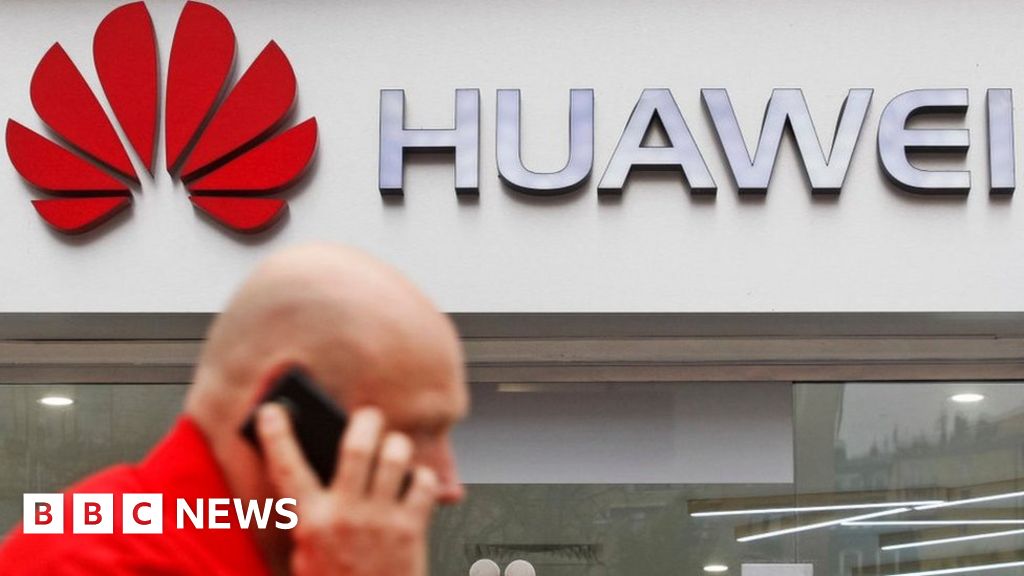
The three-way tug-of war between China, Canada and the United States
It’s a court trial in coastal Vancouver Canada that has gathered the attention of international media and plunged trade talks and international relations between America, China and America into tension, tariffs and a tug-of-war over one Chinese executive accused of fraud in in the United States. Here’s brief background courtesy of BBC: The Story in 100 Words Why is the US targeting Huawei, one of the world's largest smartphone makers, and executive Meng Wanzhou? Authorities claim they misled the US government about the company's business in Iran, which is under US economic sanctions. The US is also pursuing Huawei and Ms Meng in criminal charges including bank fraud and theft of technology. Both reject the claims. US officials want Ms Meng extradited from Canada to face the charges. Her arrest caused a diplomatic dispute between China and the US and Canada. The case against Huawei also comes as Western nations grow increasingly concerned about a possible spying risk related to the widespread adoption of the company's technology. So, is there any diplomatic resolution? What will happen if Meng Wanzhou is extradited to the United States? What will happen if she can return to China? Is Canada in a no - win situation? There are a lot of questions – and that’s where our experts can help. Dr. Glen Duerr's research interests include comparative politics, and international relations theory. Glen is available to speak to media regarding this topic– simply click on his icon to arrange an interview.


Is your social media ready for when the next crisis strikes? Let our experts help!
At the National Institute for Social Media, response plans are the priority. A response plan is the high-level look, or the umbrella overview, that crisis management falls under. Your response plan details how you respond to positive, negative feedback, and any neutral feedback that comes your way. Take a compliment and make the most out of it: Positive feedback feels like you’re off the hook. If feedback is all positive, you feel like you don’t have to do anything. But that’s your opportunity to nurture and strengthen those who are already your supporters. They then become your brand champions. Avoid the neutral zone traps – react and respond accordingly: Questions or posts that aren’t really positive or negative land in neutral space, and that’s really not crisis communication, responding to those is just good customer service. When crisis strikes: If you have a crisis, most people associate it with an isolated event, and sometimes you can plan for it, sometimes you can’t. A few years ago, when Nordstrom’s discontinued Ivanka Trump’s clothing line, they anticipated a negative backlash by those who would accuse them of being politically motivated. They stated sales was the reason, and 100 percent came out neutral, but they could anticipate that particular feedback. Whereas, in the viral video of a passenger being physically dragged off an airplane, the airline couldn’t have anticipated that event. However, with an online response plan, they would have been prepared to respond to the unexpected event. A quick response is important but an informed response is more important than anything else. If it fits the situation, you may buy yourself time to do a little research by commenting that you’ve passed their question on and will respond soon. If you don’t have a strategic plan to fall back on, and you respond quickly but poorly, you run the risk of doing more harm than good. With an online response plan, people understand how to assess a given situation. Respond: To show transparency, we want everyone to see we are responding to customer; we have a planned response where we acknowledge the customer. Take offline: Give them an offline option for sharing additional information. Resolve: This allows the customer to have their issue resolved and be heard but discourages them from sharing ugly details on that highly visible platform. The plan is for a social media manager to have a path when they don’t know what to do. The viral airplane video is one example because by the time their social media people saw it, it was already going viral. They had every indication they should be panicking. Did they have a person to talk to help them make the decision about how it needs to be addressed? For those crises we can’t anticipate, there needs to be a clear path to a leader who can help with this difficult situation. One of my favorite things to tell people is that you don’t have to be victimized online just because you’re a professional organization. You can set up community guidelines. Some businesses think, what if someone starts using racial slurs or inappropriate comments? You can post community guidelines that state these are our expectations of how our customers can participate respectfully, and we reserve the right to delete your content. You can set the expectation that you want people to engage respectfully. You have to get to the heart of what people are really asking or wanting. In the case of Ivanka Trump’s clothing line, nobody was upset because Nordstrom’s wasn’t carrying the clothing line; what they were really upset about was that a large organization could be taking a political stance against the at-that-time republican candidate. Are you looking to know more about how corporations and institutions need to be prepared and how they need to react when bad news goes viral? That’s where we can help. Amy Jauman is social media expert, consultant, writer, and professor at Saint Mary’s University of Minnesota. Dr. Jauman authored a (National Institute for Social Media) NISM textbook for social media strategists and is available to speak to speak with media – simply click on her icon to arrange an interview.


3 Steps to Earn Local News Coverage
“HOW DO WE GET OUR COMPANY FEATURED POSITIVELY IN THE LOCAL NEWS?” This is the question I get asked the most as a public relations professional, media coach and as a former long-time journalist with the Canadian Broadcasting Corporation (CBC): how do we get in the local news? The question usually comes from a small, independently-owned business owner — a company or organization that doesn’t have anyone doing marketing or communications. They are looking for LOCAL media coverage primarily — but they don’t even know where to start. It’s understandable for them to ask this question. Earned media is the holy grail of building credibility and reputation — having your executives featured in the news media as experts on a subject. Those stories then get shared on social media and it becomes the gift that keeps on giving, living on in perpetuity on the Internet, helping your search engine optimization. I can tell you this — the local media wants your story pitches. That doesn’t guarantee you’ll get covered. However, local media has been cutback so much and is forced to do so much work in such little time now, that they appreciate a good story idea landing on their desk for consideration — especially during a slow news cycle — and especially if it’s not coming from a slick PR agency voice on the other end of the line. They want authenticity. So, how do you get there? Here are 3 simple tips based on my experiences. In no way am I saying this is the only way to do it — but I’ve seen others have success with it and hopefully you will as well: #1 – Do NOT Hire An Agency Yup. I just said that. And, yes, I do realize I am a public relations professional. However, based on experience, I can tell you the majority of small, independent businesses aren’t going to be able to afford PR firms to get local news. I reiterate we are talking about getting local news coverage — not national news. So, if they’re not going to pay for it anyways, why not give them a hand? I believe in karma. With a little bit of guidance on this blog, you’ll be able to do it yourself. In the past, I’ve helped small companies, pro-bono, get in the media (hoping they make it big and hire me later). In the future, I’ll just send them the link for this blog and save me some time. You can do this. Just stick to the basics. #2 – Prepare A Newsworthy Pitch This is important. And, it can be as complicated and detailed as you want — but for the sake of this blog, I recommend keeping it very simple and keeping it authentic. Answer these questions to decide whether the story you want the media to cover is actually newsworthy from the reporter’s perspective — because they are the people who assess the newsworthiness of a pitch. What is the story? You should be able to summarize the story in less than 30 seconds. Just like a good pitch deck for potential investors, a good media pitch typically involves the identification of a problem or a trend and coming up with a solution for it or insightful analysis in the case of a media story. This is simplified but you get the picture. Why should people care about this story? A good reporter wants stories that appeal broadly to their audience, the public. So, be prepared to proactively explain why people will care about this? Is it timely? Does it impact a broad group of people? Does it solve a problem that’s been impacting society? Who is driving this story? Is it you? Is it one of your employees? Who will be the main interview for the reporter and why them? (FOR TV) What are the visuals? If it’s television, what are some strong visuals the news crew will be able to capture on video? What can viewers expect to see in this story? It will help your TV pitch if you can illustrate a visual image for them ahead of time. #3 – Pick Up The Phone Pick one media outlet you want to pitch your story to and make the call. First decide what news media is good for your story? Is it a story with very strong visuals? Perhaps TV is the way to go. Is it a story that requires a more fulsome conversation? Maybe public radio is the best option. Newspaper is the best if you’re a nervous person and worried about being on TV or radio. Newspaper is the least intrusive of the media. Once you’ve decided what outlet, decide which reporter specifically. No emails at first in my opinion. It’s too impersonal for local news and you risk getting lost in the inbox shuffle. Doing it by phone also allows the reporter to ask any clarification questions they may have, right then and there. Now, if you call the general media outlet phone number, you can end up in phone transfer Hell or end up getting an editor or producer who is putting out six fires and juggling 4 balls. So, you are better to call an individual reporter (perhaps your favourite one). Do this in the first part of the morning before they get too busy. If they’re not there, leave a message and be prepared to call back later. Reporters are busy and may forget to call you back. Don’t take it personally. If you reach them, thank them for taking your call and make your pitch. Get to the point. A few minutes tops for the pitch. If they like it, they’ll tell you. If they don’t like it — again — don’t take it personally and don’t burn any bridges. Thank them for their time. When you get off the phone, contact a reporter with a different media outlet and do it again. Shop that story around and you’re likely to get a nibble. Final Thoughts: This isn’t a science. There are no guarantees. This process is just my personal opinion based on experience. Just be yourself. Be genuine. The reporters will like that as opposed to dealing with professional PR people or communications officers. They may find it refreshing to deal with a “real person” who isn’t trying to spin them. Beyond the initial pitch, whether it’s successful or not, offer yourself as a research resource to them on issues related to your industry — even if it means you won’t be in the story. This is how you build a relationship with a reporter and it may bode well for you in the future. Good luck. Let me know how it goes.



EXPERT PITCHING 101: The Power of Spotlights
Of all the angles and perspectives, when pitching your experts, you need to figure out how yours stands out amongst the rest. How are you getting the perspectives of your subject matter experts out there? Have you figured out your 'bench strength' to know who can comment on what and how? Do you have a good way to get your people out there to the public? Sadly, when asked these questions, most PR and Marketing professionals struggle to give you a straight answer with confidence on how they get their people to comment on certain storylines. With a defeated tone, I often hear, “Well – we have our resident rock star, Professor Jones, who does most of our media interviews” often followed by, “but he’s not always the best person for the story.” Although, most organizations have a list of subject matter experts, they are often over-reliant on the same ‘go-to’ people. Here’s why: First, these people are tried and true. For media, it’s a big deal when contacting an expert for comment - especially if the interview will be conducted on camera. So, why risk the chance of speaking with someone new? The second thing, it’s time consuming. It’s easy to find a previous expert pitch in an email and forward it on to someone new. However, gathering this content for each new person every time an individual is being pitched is very time consuming and difficult to manage. Especially, when this content is strewn across the web and you need to add links for videos on YouTube, books on Amazon, articles on ResearchGate, presentations on SlideShare etc. Once you’ve found the right person for the story, and you’ve aggregated the necessary background content to send, you must tie the loose ends and make the person contextual and relevant. Why is this person the best individual to comment on the story? What angle is this person going to provide? What sort of background qualifies this person to being the subject matter expert on the topic? Don’t worry, help is on the way At ExpertFile, we’ve heard the stories about organizations missing out on opportunities to get national or international media coverage because of their small team. These understaffed teams don’t have enough bandwidth to continuously pitch their people and comment on storylines. Their websites don’t paint a full picture of their experts’ abilities and knowledge. So, we got together with these PR, Marketing and Comms people, and looked to develop a solution. Then we created “Spotlight” - putting all of the necessary tools into the hands of PR, Marketing and Communications teams. Spotlight allows you to contextualize the relevance of your expert with a the story. Write your expert pitch to explain why that person is the best to comment on that topic, and the angle they’d be able to provide. Combine that with rich media profiles created by the ExpertFile team, you now have a central home for all of your experts’ content, and it provides a more engaging representation. So, when the media are vetting, they can now watch a video of that individual speaking in front of a camera, see their latest Media Appearances to know they have experience talking to reporters, and a Contact button for the quickest way to reach that individual, while simultaneously routing to any other internal stakeholders. This last part is important to consider as every story has many angles. Take the recent United Airlines debacle, where a passenger was viciously pulled out of his seat due to the plane being overbooked. Aside from the traumatic events from the video that surfaced of the incident, after the dust settled media are left scrambling to find out more on the protocol for overbooked flights, the global impact (there was a big uproar in China due to initial reporting that he was of Chinese descent), and the economic impact on the company. Which means, you don’t need to limit yourself to an aviation expert in order to comment on an aviation story. Every story has multiple angles - this lets you offer up a unique perspective, pitch a concept others are not covering and insert your expert into an already crowded narrative. Spotlight helps you grow those invisible experts into great sources, and it helps you efficiently pitch when you have resource constraints. Spotlights in Action Since the launch of the ExpertFile News Digest service, we’ve seen some significant results for our customers. We've only been with ExpertFile a short time. We've been using Spotlights from the News Digest and have noticed a lot more attention from media. They're easy to request - and the turnaround is fast. We recently were asked to comment on the Supreme Court nominee and booked a radio show thanks to a Spotlight. It’s been a great way to get additional exposure for Augusta University. We've only been with ExpertFile a short time. We've been using Spotlights from the News Digest and have noticed a lot more attention from media. They're easy to request - and the turnaround is fast. We recently were asked to comment on the Supreme Court nominee and booked a radio show thanks to a Spotlight. It’s been a great way to get additional exposure for Augusta University. -Kelly Jasper Senior Digital Media Coordinator - Augusta University With Spotlights we are seeing immediate pick-up of the stories we want to be part of. It’s letting us tell the Cambrian College story to a wide audience. As well, we’re noticing one Spotlight generates multiple media contacts. Once one outlet sees or reads our expert weighing in on a trending topic - the others follow. It’s an earned media coup. -Shawn Poland Associate Vice President, College Advancement - Cambrian College Once I integrated my Spotlights onto the Emory University business school website, it was so simple for me to have the ExpertFile Newsroom team whip up a pitch and publish it. Especially with limited resource on my team, it’s been a huge help to get my people out there in a more efficient manner. -J. Michael Moore Senior Communications Manager, Emory University - Goizueta School of Business Want to see an example of how to pitch your expert? Send your storyline to success@expertifle.com and we will have our Newsroom team send you a draft Spotlight ASAP. Is there anything that I missed? I’d love to hear what’s worked for you to get your people speaking with the media.

Media Training Can You Afford NOT to Be Prepared When Reporters Come Calling?
Want to see someone in a respected position of power throw away a career in all of about two minutes? Stephen Duckett was an expert in his field. Respected globally. Until this… Watch this exchange Duckett wasn’t prepared to deal with media. He paid a serious professional price and left a lesson for us all to learn from. In fact, his exchange is used by a lot of media trainers on exactly what not to do in a crisis situation. As a former news producer, I remember scrambling to find an expert opinion or perspective when news was breaking. If a story required explanation and when it was beyond the grasp of even the brightest of reporters we needed the help of supporting sources. They were critical in helping explain, validate, and ideally, break down just what was going on to our audiences at home. When an outbreak struck, we needed an epidemiologist. When a rare earthquake shook the region, the search for a seismologist was on. Finding the expert wasn’t usually the problem. We had local universities, colleges, and health care facilities within arm’s reach. However, finding an expert who could effectively speak on camera often was. Our goal was to keep people from turning the channel – so boring, highly technical speaking experts simply wouldn’t do it for us. When I worked in TV, we needed someone who could explain a complex subject, in layman’s terms, and in sound bites of about 15 seconds. It may not seem like much, but it is a lot to ask. Explaining high level content is not easy, but the reality is that your audience needs complex subjects explained in the simplest of ways. To do this right, it requires understanding the roles and goals of media and media training. Anyone who will be representing an organization, institution, or corporation needs some form of coaching. It’s a must-have requirement for most CEOs and politicians. Turn on your news at just about any hour of the day, and you can easily tell who has been properly prepared and trained and who hasn’t. It doesn’t happen organically. It takes work. It takes expert coaching. Media-friendly speakers bolster credibility and get noticed. In times of a crisis, a trained speaker may be the missing piece that can make or break a situation a reputation. Those who are not trained stick out—in a very bad way. They stammer, evade questions, ramble and are usually incoherent. If the task is mainly to describe a current situation, an untrained expert may ramble or speak hundreds of feet over the head of the average person. If there’s a crisis at hand—a tragedy, a scandal, a lawsuit or worse—an untrained speaker risks making a bad situation worse. Take a look back to July of 2013—an out-of-control train carrying crude oil exploded, destroying the downtown section of Lac Megantic, in Quebec, Canada. Thirty buildings were leveled, killing 47 people. In this small town, everybody knew somebody who was killed. Edward Burkhardt, president of Montreal, Maine & Atlantic Railway Inc. arrived shortly after the explosion. He was the near-perfect storm—an untrained, and likely uncoachable leader. He was clearly in distress, rattled, arrogant, and unprepared. He fixed blame at the worst possible time, blaming the train’s engineer and the local fire department. A journalist asked how much he was worth. A town is destroyed, the world is watching, close to four dozen people are dead, and his reply was, “I’m worth a lot less now than I was last week.” Proper media training and coaching would not have prevented the horrible tragedy, but knowing how to speak during such a high-stress situation and knowing what questions to expect might have mitigated the visceral reaction of residents, industry and government officials. As it stands, Edward Burkhardt and the company, no matter how successful either had been in the past, are now forever associated with that interview. Conway Fraser worked for the Canadian Broadcasting Corporation for almost 20 years. He’s a Gemini award-winning journalist who worked as a national reporter and investigative journalist. These days, he specializes in strategic and crisis communications as well as media coaching. Conway’s worked with some of Canada’s top corporate executives, academic leaders, and politicians. In both journalism and in PR, he has seen executives who have spent decades building a reputation only to have it destroyed in moments because they weren’t prepared to deal with the media. They’ve either never received media coaching or, Conway says, have taken mandatory training but were never further invested in. In other words, he says, they thought they didn’t need media training and were only taking it to appease the Board or ownership. “Proper media coaching isn’t just about knowing how to spew a main message, use effective body language or bridge away from challenging questions,” Conway says, “In my sessions I also teach my clients about the media, what their job is like, what a day is like for a reporter, what they need from you and how to respect their role. If anyone doubts the value of that, they’re playing with fire. Ask Stephen Duckett.” Natalie Duddridge is a reporter for NY1. I worked with Natalie years ago in Canada at the start of her career. Natalie’s talent as a journalist has taken her to Ottawa (Canada’s capital), Toronto, and most recently, New York. New York sits at the top (sorry L.A.) of media markets in the United States. It has a huge audience of about 10 million people and it is hands down the most competitive media game on the continent. Reporters in these markets never get to rest. They’re either chasing stories, or when they are covering a story they had better have an angle, source, or expert that the others do not. And when you are in a race with at least six other news outlets, standing out isn’t easy. Finding experts and having them ‘camera’ or ‘microphone’ ready is a must. As Natalie explained to me, getting an expert for a story is absolutely crucial. In a market as diverse as New York City, those experts can range from police to politicians, to health and education officials, to scientists and artists. Natalie also lent some great perspective on just how a reporter puts together a story and how your expert needs to know that news is also about storytelling and not just details. “Last week I did a story about the heroin epidemic plaguing the Borough of Staten Island,” Natalie explained. “We like to begin our stories with a human element, in this case a recovering drug addict. In addition to his personal opinions and insight about how to prevent and slow the opioid crisis in the region, we also reached out to the local Drug Rehabilitation Center and interviewed a doctor as well as a therapist. We also interviewed the Staten Island District Attorney about the work he’s doing with New York State Governor to get more dollars for a drug task force to do everything from put more money into preventative education, build rehab centers, add police, fund additional assistant district attorneys to process criminal cases.” If you were counting, you can see she spoke with three key experts on the subject of the story. Each was essential in the reporting process. “For this story we featured several different experts on varying opinions on how this current drug crisis should be dealt with. All of the facts, stats and data for this story were based on the officials and experts we contacted.” Being prepared and knowing what the reporter wants are also ideal elements in conveying the right message. For TV, short, smart, and to-the-point responses work best. “We need a 10 to 15 second sound bite that is ideally informative and clear, and in some cases entertaining,” Duddridge told me. “When I am making calls to experts, I essentially do a pre-interview over the phone to hear how clearly they can explain a topic. If they are great at breaking down studies and terms into focused ideas that are concise and fit into a two-minute story, our job as reporters is so much easier.” A win/win scenario. Your message is delivered, your institution and experts are promoted and the reporter files a great story. It all seems simple. But it’s not. It takes training and preparation. If you are going to offer up your experts for an interview, they need to be ready. Media training takes time, it costs money – but it’s an investment in your staff and your institution. As we learned from the example above, not knowing how to answer, interact, and respond to media can be devastating. Performing under pressure only succeeds with practice and training. If your experts are media trained the reward will always outweigh the risk. Here are a few tips: Get media trained – Use a professional media coach. It costs money, but the professional development, readiness, comfort, and ability to deliver will pay off ten-fold. Media-friendly experts get noticed – When your expert is on the news, people see them. They are representing your institution, so think about what this means for your credibility and recruiting potential. You never get a second chance at a first impression – An old, clichéd saying, but it’s true. A weak speaker who comes across poorly imprints a negative impression on viewers, peers and your institution as a whole. It’s amateur hour, and it doesn’t need to be. Friends for life – Once you prove yourself as a worthy and media-friendly source, the media will keep coming back. Experts who can provide journalists with the information, perspective, and sound bites they need are not only appreciated but noticed and remembered by all media. Once you have established yourself as a reliable source, expect the reporters to come calling time and time again. Dividends – Every story where your expert looks good is positive earned media. Getting on NBC, CBS, FOX or any other nightly newscast is a huge win for your Communications Department. It’s exposure, promotion, and advertising—and it’s free.

Fighting Red Tape To Win The Media Relations Speed Game
It’s a situation that happens every day in the media relations world. A reporter calls and they need someone for an interview fast. This is how the scenario should play out: Step 1 - The media calls a communications officer with a simple request for information and an interview on a recently announced program. Step 2 – The communication officer identifies a suitable spokesperson. Step 3 – The reporter and spokesperson talk, arrange an interview -- and there is some excellent earned media and exposure for your institution. It sounds simple enough. But, not so fast. In reality, things often fall apart on step 3 and the process turns into something that borderlines on a Monty Python skit. Based on my experience and others I’ve consulted with – it often plays out something like this: The communications officer contacts the suitable spokesperson’s Manager to ensure it is okay they can speak to the expertise and subject matter they specialize in. Then, they have to loop in that manager with a Director and CEO to inform them of the media request and the plan. And then if the Director agrees, the CEO gets on board. Or perhaps the Director agrees only after checking with the CEO and agreeing to the spokesperson. Once that’s nailed down somehow…the CEO wonders if speaking points are required and will only proceed once the Manager and Director have signed off on them. After the speaking points are finally approved, speaking points and the media request are sent to the identified spokesperson. Then the communications officer (remember him or her?) responds to the media that they have found an expert and will arrange a time for interview. The communications officer has the Manager, Director, CEO and spokesperson each sign off on paper-generated Media Request Form for filing and safe records keeping. And, then…..finally……if the media hasn’t already gone elsewhere, the reporter and the spokesperson finally speak – about 18 steps later. It’s actually more steps than it takes to assemble my daughter’s bike or the average IKEA nightstand. It’s cumbersome, ineffective and costs the organization a lot of time in person power for something that doesn’t need to be this difficult. And the reality is … this spokesperson is a paid professional with a Master’s degree who was hired for the subject matter they specialize in. The media request was related to a media release issued by the organization. With a simple approval process and a pro-active approach to media, this could have been easier for everybody with an immediate turnaround and a positive outcome. Think this is a joke? It’s not. In fact, there’s a Communications Officer’s support group that meets every Thursday to share similar situations (I’m being cheeky). Media will appreciate that sensitive issues take time to respond to. In fact, a lot of media relish the thought the there are people scrambling to answer the tough questions. What drives media crazy is having to wait hours for what should be a simple, safe and low-risk reply. They likely already know the answer, they just need the expertise to lend it credibility and verification. (Photo courtesy: CBS Television Studios) So does your Communications Process need an institutional intervention? When you make it hard for media to get easy answers, they might start looking elsewhere. Odds are they will. Consider this: Do you have a grading system for media requests? Low-risk asks can be seen coming and responses pre-approved or left in the hands of your very competent staff. High risk asks mean approval and oversight. People will get that. As well, it will lend a tone of seriousness to the situation. Do you know the reporter or media outlet? A strong relationship needs faith on both sides. Known reporters and news outlets survive on reputation. Expect them to be professional and trust that they’ll get it right. Trust your Communications Team – Don’t Micro Manage Media relations isn’t a science – it’s an art where experience matters most. Communications Officers likely know the media and most come from a media background. They’ll know the angles, they scan the media and can likely predict the questions. Empower them to save you time and rely on their instincts. Too many Communications Officers ask “Why did you hire me?” when they aren’t trusted on the simplest of things. Most institutions have a rigorous vetting process – so why the worry? Didn’t you hire these people – rely on your staff and let them be accountable. Fewer steps saves time, reduces confusion and meets the need of a low-risk ask. Less micromanaging = more trust. Morale is a big deal in any workplace. So when the media calls, here’s my advice. Take a deep breath. Assess the risk. And arrange the interview as soon as possible and with as little maintenance and anxiety as possible. The media get the information they want, your institution gets the earned media and free exposure it wants and your Communications Team maintains a reputation as a group that can deliver content on deadline and ‘gets’ the information game. Remember – in today’s media – it’s all about speed. The easier you make it for media, the more the phone will ring.