
Experts Matter. Find Yours.
Connect for media, speaking, professional opportunities & more.

President Joe Biden is set to meet Chinese president Xi Jinping during this week’s APEC Summit in California, marking the first in-person communication between the two leaders since they spoke in Bali almost exactly a year ago. While this meeting is not expected to produce notable changes to the United States’ policy toward China, or new initiatives between the countries, the hope is that it will at least keep the doors cracked on such conversations moving forward. “The purpose of this summit—for both the U.S. and China—is to show that each country is willing to talk to the other,” said Preston Jordan Lim, an assistant professor of international law at Villanova University and expert in Chinese foreign policy. “The fact that both leaders are willing to meet face to face and restart their conversation could well lead to more regularized bilateral communication and, down the road, to some small, bite-sized agreements.” However, that does not mean the upcoming meeting – and the careful language from both countries during the leadup – are just for show. Lim says that it is very likely the two heads of state will discuss “topics of real concern,” noting that President Biden indicated following their talk in November 2022 that they had “been very blunt with one another.” There is even more at stake now. Tensions have been soaring over the last 12 months between the U.S. and China, figuratively and literally. The incident with the Chinese balloon flying over the U.S, along with aggressive maneuvers from Chinese fighter jets near American military planes have earned harsh condemnation from U.S. officials. Separately, China believes the U.S. is trying to “economically cripple” them through a “mix of measures,” according to Lim. Those are not the only factors fueling tensions. “The U.S. continues to express significant concerns about aggressive Chinese actions in the South China Sea,” Lim said. “U.S. officials also continue to criticize China’s ongoing genocide of the Uyghur people. “On top of that, the geopolitical situation is even more tempestuous than it was in November 2022. In addition to the Russia-Ukraine war, both countries are now dealing with the effects of the Israel-Hamas War.” These are all topics Lim thinks could be discussed this week, in a meeting he says President Xi has more incentive to go through with than President Biden. “The Chinese economy entered a prolonged economic slowdown in April and there is mounting domestic dissatisfaction with how the Party-state has handled the economy,” Lim explained. “Xi has, on several recent occasions, indicated that the two countries should cooperate more closely. After Governor of California Gavin Newsom’s recent meeting with Xi, the Chinese Ministry of Foreign Affairs emphasized that China’s U.S. policy ‘remains one of mutual respect, peaceful coexistence and win-win cooperation.’ “Clearly, Xi and the Chinese government want to give off the impression that they are willing to have cooperative conversations with the U.S. government, even if they are unlikely to respond in good faith to U.S. concerns.” That unlikeliness to respond in good faith underscores the true nature of the meeting between the two powers, despite the largely positive messaging from both parties in advance. Does simply meeting at the table mean they will break bread? “U.S.-China relations are at a nadir right now and may well decline further, even if Xi and Biden meet,” Lim said. “There are serious roadblocks standing in the way of more harmonious bilateral relations, even though cooperation between the two countries has never been so necessary. It remains to be seen whether the U.S. and China will be able to work together on areas of mutual concern given the many stressors in the relationship.”


Net-zero emissions targets: Genuine goals or Fortune 500 greenwashing?
Moving towards “net-zero” emissions has become a popular “target” for multinational corporations that have committed to improving their sustainability. But is it a new tagline from marketing departments or something firms are actually committed to? About half of the U.S.-based Fortune 500 firms have declared their intent to reach net zero – the point at which the emissions from an entity equals the amount of greenhouse gasses being taken out of the atmosphere – as early as by 2030. The University of Delaware’s Kalim Shah, an expert on energy and climate policy, has some thoughts on these targets, their feasibility and why these companies are pursuing these goals. We should question why the language has changed in less than a decade from lowering emissions or low carbon options to “net-zero” when targets to meet lower emissions have not really been fulfilled in the first place. Part of the explanation could be to get ahead of would-be legislated pressure, that is, to dissuade legislative efforts which would imply compliance requirements, whereas now, these pledges are completely voluntary. Net zero is more technologically feasible in some sectors/ processes and not in others. In other words, there is likely not a cost effective, technological fix for net zero in the aluminum smelting or iron or concrete making industries in the immediate future. Lack of industry standards for measuring net zero – or perhaps more correctly, several competing methods of calculating net zero – can give some cover, for now, to firms attempting to “greenwash.” In effect, one firm's net zero may not be comparable to another's net zero. A company’s “emissions scope” must be examined closed. Are firms referring to direct emissions related to on-site fuel combustion or fleet vehicles; Indirect emissions related to emission generation of purchased energy, such as heat and electricity; and/or Other indirect emissions related to both emissions from upstream and downstream business activities when setting targets? We have to "read the fine print" as well, as terms that sound as ambitious but have slightly different strategies, such as “carbon neutral” and “carbon negative” targets can also complicate how we hold firms accountable. Where net zero is less possible, emissions could be “offset” through various schemes like carbon credits of forest offsets. A carbon offset is a reduction or removal of emissions of greenhouse gases made in order to compensate for emissions made elsewhere. En vogue since the 2000s, largely because it presented a way for indebted developed countries to capture market value by preserving endangered forests when multinationals ‘"offset" operations emissions by paying said developing countries, this mechanism has become highly questionable of late for its unverifiability. To arrange an interview, click on Dr. Shah's profile and press the contact button found there.


Today’s global business environment has led to rising demand for more advanced qualifications. Aston University’s Geoff Parkes explains how a DBA degree can help leaders meet employer demands and identify cutting-edge solutions to business problems. In recent years, the Doctor of Business Administration (DBA) has emerged as a prestigious qualification that equips aspiring business leaders with the skills and knowledge necessary to address complex challenges in the corporate world. Delivered online, Aston University’s Executive DBA programme is designed to accommodate professionals’ busy schedules and exemplifies the flexibility and relevance that DBA degrees offer in today’s dynamic business environment. Turning theory into practice DBA programmes, like their doctoral counterparts, require candidates to delve deeply into advanced business topics and contribute to their chosen field through original research presented in a thesis. What sets DBA graduates apart is their ability to bridge the gap between theory and practice. They are trained to apply their extensive knowledge directly to real-world business problems, making them invaluable assets to their employers. While DBA students are generally not inventing new theories, they are applying existing models in innovative and creative ways that contribute new knowledge both to academia and practice. Universities and business schools that offer DBA programmes will have a cadre of academic supervisors and faculty who can combine scholarly rigour with practical business experience. This is what students look for in their choice of institution. According to the Global DBA Survey from Compass, the typical DBA candidate boasts an impressive 15 years of professional experience on admission to the programme. It’s the norm for DBA students to complete their research while holding middle or senior management positions, showcasing their commitment to career advancement and expertise development. In fact, a DBA candidate’s thesis is usually directly related to a live work issue that requires this level of rigour. Rising educational expectations In the rapidly evolving business landscape of the 21st century, businesses worldwide are seeking leaders who can seamlessly navigate new challenges without extensive training. While a bachelor’s degree coupled with professional experience was once sufficient, the demand for more advanced qualifications has grown substantially. For many, the Master of Business Administration (MBA) has therefore supplanted the Bachelor of Business Administration (BBA) as the requisite ‘entry-level’ degree, with DBA degrees elevating candidates even further. A recent report from EFMD Global found that DBAs are on a growth trajectory, with 86 per cent of institutions offering the qualification expecting an increase in enrolments in the near future. Career advancement and reputation are key growth factors for those seeking to study the qualification. The main driving motivations are the transformation of careers (cited by 81 per cent of respondents), the ambition to achieve the recognition of ‘Doctor’ (cited by 76 per cent) and the need for research with managerial impact (71 per cent). Business as an international language The proliferation of DBA education globally is a relatively recent phenomenon, with many programmes established in the last decade. This trend is not confined to a specific geographic location – the aforementioned Global DBA Survey from Compass indicates that 42 per cent of programmes are based in Europe, 28 per cent in North America and 22 per cent in Asia. DBAs are demonstrating their ability to impart business knowledge that transcends borders. Moreover, the survey highlights an 80 per cent increase in demand for DBA programmes worldwide, with no region experiencing decreased interest and significant growth in the Middle East and Asia. Aston University’s Executive DBA programme, with its flexible distance learning approach, exemplifies this global trend. Taking an academic approach to business Contrary to popular culture perceptions, business leaders rely on a foundation of knowledge acquired through rigorous academic and professional development. A guide in US News & World Report outlines the various stages of a typical DBA online programme, emphasising that candidates undergo multiple phases of research and evaluation to become workplace-ready executives. The journey includes: Research methods: DBA programmes commence with research methods courses that equip students with essential skills for business research. These practical courses introduce students to valuable sources and questions, preparing them for their thesis projects. Thesis and defence: After completing research methods courses, DBA candidates propose their doctoral theses, refining them with faculty supervisors. Supervisors ensure that thesis topics are original and contribute knowledge to the field. Candidates then conduct research and present their findings in a viva, which determines whether they have met the required standard for a doctorate. Benefits of DBA completion DBA graduates stand to enjoy several benefits, including: 1. Increased salary: DBAs command significantly higher salaries compared to other business degrees. PayScale data reveals that while graduates of a bachelor’s degree in business earn an average of GBP£34,000, MBA graduates earn median salaries of £52,000. DBA degree holders stand to earn even more, in executive positions that might include operations director (£87,989), vice-president (£92,800) and finance director (£102,078). 2. Multiple career paths: Unlike PhD programmes that primarily prepare students for academic careers, DBAs offer participants the flexibility to pursue both academic and business careers. Aston University’s Executive DBA programme, in line with global trends, focuses on preparing students for senior management roles. DBA candidates align their research projects with their career paths, showcasing their advanced knowledge and expertise in specific domains. In conclusion, the rise of DBA programmes is driven by the growing demand for advanced business education, the globalisation of business knowledge and the need for leaders who can integrate academic rigour with practical expertise. DBA graduates are well-equipped to meet employer demands and explore innovative solutions to contemporary business challenges, making them invaluable assets in the ever-evolving world of business. Dr Geoff Parkes is DBA programme director and associate professor in marketing and strategy at Aston Business School, Aston University. Following a career in industry, he graduated with a DBA in 2015 Discover Aston University’s online Executive DBA programme Aston University is a public research university situated in Birmingham, England. In 2020, Aston University was named ‘University of the Year’ by the Guardian and ‘Outstanding Entrepreneurial University’ in the Times Higher Education Awards. Aston was also shortlisted for ‘University of the Year’ in the Times Higher Education Awards 2021


Jacqueline Ortiz Honored for Increasing Patient Access to Interpreter Services
Fifty-eight years ago, a young man from Argentina wound up in surgery at a California hospital after stomach pains turned out to be peritonitis, a potentially life-threatening inflammation of the membrane lining the abdominal wall. He was discharged to his wife’s care, with one problem — neither the man nor his wife had any idea how to care for the open wound in his abdomen. Jacqueline Ortiz The couple did not understand the lengthy instructions delivered in English, and there was no interpreter to explain to them in their native Spanish what to expect. So, when the man tried to take a bath and discovered the gauze was stuck to his wound, he didn’t know what to do. Fear and uncertainty compounded an already stressful time. Jacqueline Ortiz wasn’t yet born when her father’s health care emergency took place, but growing up she heard the story over and over. It was more than family lore for Ortiz — it was a lesson. Ortiz said she wanted her mother, pictured with her at the DVTA event, to see the growing number of people working as interpreters to ensure people get the information they need in the language they understand. Ortiz, now the vice president for Health Equity and Cultural Competence at ChristianaCare, saw firsthand how the experience left her parents terrified of the medical environment. Removing barriers to good health Years later, Ortiz is a leader in advocating for patients to have access to qualified, culturally responsive medical interpreting services to remove communication barriers with providers and ensure the best possible care and outcomes. “Language access is what fills my heart and soul,” Ortiz said. Her pioneering efforts and enthusiasm for promoting the use of trained interpreters in health care earned Ortiz the inaugural Making an Impact Award from the Delaware Valley Translators Association (DVTA) during an event Sept. 9 at Widener University. In her role at ChristianaCare, she builds the organization’s capacity to reduce the incidence of disease and improve health outcomes, advance equitable health care services, and reduce health disparities for identified conditions and target populations through culturally competent care, including providing health care in patients’ native languages. She has over 20 years of experience researching, teaching and working in cultural competence and health equity, social networks, and economic sociology. “Language access is what fills my heart and soul,” Ortiz said. A vision for serving everyone Eliane Sfeir-Markus, CHI, president of the DVTA, said the award recognizes the efforts of those working to make interpreting and translation more available to people with limited English proficiency, and those who are deaf or hard of hearing. Ortiz’s pioneering work to expand language services for patients and implement comprehensive cultural competence training at ChristianaCare have set a standard for caring for patients in their native languages. “Jaki’s vision for a health care system that truly serves everyone, regardless of their cultural or linguistic background, is inspiring,” Sfeir-Markus said. “We as patients deserve someone who knows our culture to take care of us.” ChristianaCare has more than 20 health care interpreters and over 100 caregivers who have undergone additional training to provide interpreting services when needed. ChristianaCare has more than 20 health care interpreters — who wear eggplant-colored uniforms — and over 100 bilingual caregivers who have undergone special training to serve as interpreters in some settings. “Jaki is a well-known name in the field of interpreting and translation because she has advocated for education and professionalization of interpreters in health care,” said Claudia Reyes-Hull, MArch, CMI, CHI, manager of Cultural and Linguistic Programs at ChristianaCare. “Thanks to her advocacy, more health care systems are recognizing the need to have trained interpreters for their patients.” In accepting the award, Ortiz said interpreters play a critical role in health care by making it possible for patients — and their families — to take an active role in their own care and decrease the anxiety over visiting a health care provider. She credited the success of ChristianaCare’s interpreting and translations services and its continued growth to the collaborative spirit and camaraderie among its team of caregivers, particularly Reyes-Hull. Ortiz said her family’s personal experience with a lack of interpreting services during a hospital stay made them anxious about health care for years. “Probably all of us in this room have walked into a courtroom or a lawyer’s office or a hospital room or a clinic and introduced ourselves and seen that immediate response and relaxation in the person we were speaking with,” Ortiz said to the translators at the DVTA event. “You make those interactions within our legal, educational and health care systems so much better.”



The Role of Artificial Intelligence in Customer Experience
Gaurav Jain, assistant professor of marketing at the Rensselaer Lally School of Management, examines how individuals make judgments, estimates, and decisions in the absence of complete information. Previously, Jain served as the chief marketing advisor at multiple firms. Below are his thoughts on the impact of artificial intelligence (AI) on customer experience. Voice of the Customer In today's hyper-connected world, the voice of the customer (VoC) is louder and clearer than ever. But how do we sift through this cacophony to understand what our customers are really saying? Enter AI. It's revolutionizing the way customer experience teams handle VoC programs, and as a marketing leader, I find this incredibly exciting. Take direct customer feedback, for example. We're no longer just collecting survey responses and storing them in a database for quarterly review. AI algorithms, particularly those using natural language processing, are helping us instantly categorize and prioritize this feedback. Imagine an e-commerce platform that can immediately flag a customer's mention of "late delivery" in a post-purchase survey. That's not just efficient; it's customer-centric. But what about the things customers are saying when they're not directly talking to us? That's where AI-driven sentiment analysis comes in. These tools can scan social media, forums, and review sites to gauge the sentiment behind a customer's words. I've seen hotel chains use this technology to monitor travel forums and review sites. If a guest mentions "noisy rooms," even without lodging a direct complaint, the brand can proactively look into soundproofing solutions. Then there's inferred feedback, the kind you get by reading between the lines. AI can analyze customer behavior, like frequent page visits without conversion or cart abandonment, to suggest what might be going wrong. For instance, an online fashion retailer could use AI to figure out why a particular dress gets a lot of views but few purchases. Maybe it's the sizing, maybe it's the price, but the point is, you get to know without having to ask. And it doesn't stop at gathering feedback. AI is helping us turn this raw data into actionable insights. We can predict future behavior, like churn rates, based on past feedback. This allows us to be proactive rather than reactive, which is a game-changer in customer experience management. Finally, let's talk about what happens after we've gathered all this feedback. AI is ensuring that every customer who takes the time to share their thoughts receives an immediate and appropriate response. Chatbots can handle common queries or concerns, making the customer feel heard and valued right away. So, from the perspective of a marketing leader, it's not just about the efficiency that AI brings to VoC programs. It's about the opportunity to deepen our connection with customers. By truly understanding their words, their sentiments, and even their behaviors, we can craft experiences that resonate on a human level. And in a world that's increasingly digital, that human touch is what sets a brand apart. Customer Service It's truly intriguing to observe how AI is weaving its way into the customers’ experience. Online, chatbots are making waves. Chatbots are not just digital tools; they're our first point of contact, bridging the gap between brands and consumers. However, there was always the question of accuracy versus efficiency while managing these chatbots – AI has answered that question. AI chatbots provide real-time yet accurate assistance, making the digital shopping journey feel more interactive. Companies can reduce customer dropout while avoiding the expense of managing a large human customer service team. AI is revolutionizing phone-based customer service as well. Voice recognition allows natural language processing for easier navigation, while predictive analysis anticipates caller needs based on their history. Enhanced personalization means customers no longer repetitively provide account details, and emotion detection aids in gauging caller mood. The result? Reduced wait times, more efficient interactions, and a significantly improved telephonic customer experience. In essence, AI is bridging the gap between technology and human touch in the retail world, making our interactions with brands more meaningful and personalized. Again, companies can do this in a cost-effective manner. Jain is available to speak with media - - simply click on his icon now to arrange an interview today.


#Expert Insight: Let’s Talk About Maternal and Postpartum Health
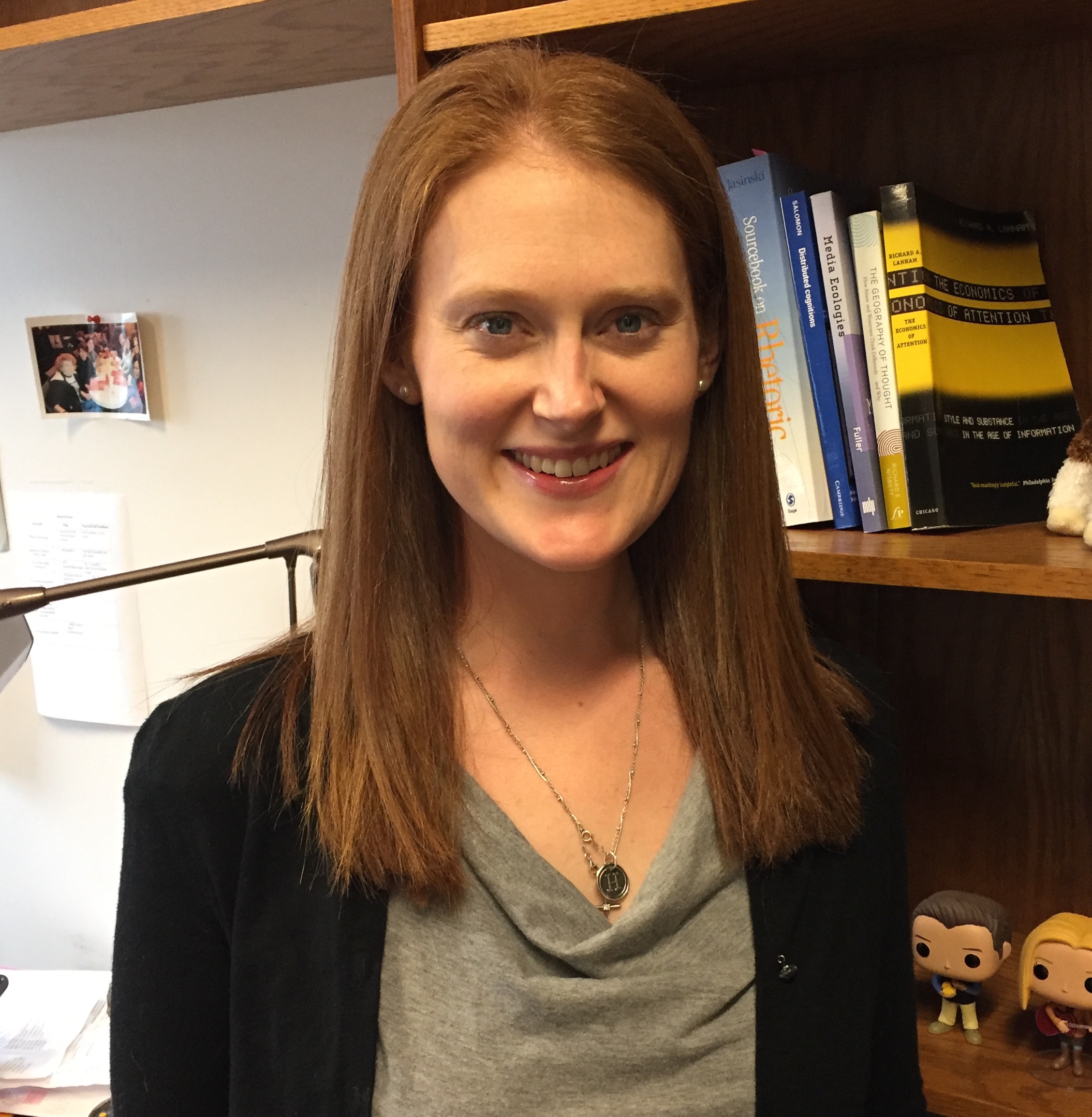
With increased maternal mortality rates in the news, and births involving inductions and c- sections on the rise despite their risks, Elizabeth Johnson-Young asks: 'What communication choices and strategies do women use after a negative birth experience?' Many women define certain aspects of childbirth as traumatic – from a mother or child’s life being put at risk to a host of less serious circumstances that can cause an unfavorable natal experience – and that can pose a threat to mental health. Who will they trust next when it comes to their maternal healthcare and their future decisions regarding birth? Johnson-Young’s project, “Birth, Trauma, and Communicating Maternal Health,” uses in-depth interviews of women who define their birth experience as difficult or traumatic. It focuses on choices and perceptions, and discusses the potential outcomes of listening, language and support. This is an important topic for health care providers, families and mothers and if you are looking to know more - then let us help. Dr. Elizabeth Johnson-Young is a published expert on health communication, especially maternal and family health. She is ready to help if you are looking to cover this topic - simply click on her icon now to arrange an interview today.



Artificial intelligence has been hogging headlines around the world in recent months. In late March 2023, an unprecedented coalition of tech CEOs signed an open letter calling for a moratorium on AI training. The race to empower powerful artificial minds should be paused, argued signatories (including Elon Musk) to give humanity time to review and reassess the potential risks of developing “human-competitive intelligence”–intelligence that “no one–not even their creators–can understand, predict, or reliably control.” Concerns about the unchecked rise of AI are not new, and global media is increasingly sounding the alarm, citing concerns that range from invasion of privacy to an existential threat to human existence. Weighing in on this with compelling new evidence around the “unintended consequences” of AI is research by Goizueta’s Ramnath Chellappa and Information Systems PhD candidate, Jonathan Gomez Martinez. Uncovering the Threat Their paper, Content Moderation and AI: Impact on Minority Communities, takes a hard look at how the use of AI in social media could disadvantage LGBTQ+ users. And what they find is worrying. Chellappa, who is Goizueta Foundation Term Professor of Information Systems & Operations Management, explains that he and Gomez Martinez homed in on Twitter to explore how unchecked artificial language moderation might (mistakenly) censor the use of “otherwise toxic” language by failing to understand the context or nuanced use of the LGBTQ+ lexicon. Examples of this include “reclaimed language”—verbiage that would be a slur in other contexts—but is reclaimed and prosocial if used by the originally targeted community. Their paper, Content Moderation and AI: Impact on Minority Communities, takes a hard look at how the use of AI in social media could disadvantage LGBTQ+ users. And what they find is worrying. Chellappa, who is Goizueta Foundation Term Professor of Information Systems & Operations Management, explains that he and Gomez Martinez homed in on Twitter to explore how unchecked artificial language moderation might (mistakenly) censor the use of “otherwise toxic” language by failing to understand the context or nuanced use of the LGBTQ+ lexicon. Examples of this include “reclaimed language”—verbiage that would be a slur in other contexts—but is reclaimed and prosocial if used by the originally targeted community. “This is a community that has ‘reclaimed’ certain words and expressions that might be considered offensive in other contexts. Terms like ‘queer’ are used within the community both in jest and as a marker of identity and belonging. But if used by those outside the community, this kind of language could be deemed inflammatory or offensive.” Gomez Martinez adds: “We wanted to measure the extent to which AI’s lack of a nuanced understanding of what is ‘acceptable’ affects minority users’ online interactions. As humans, we understand that marginalized communities have long used ‘reclaimed words’ both in jest and as a kind of rallying cry. Our intuition was that the machine simply wouldn’t understand this without context—context that is more immediately apparent to people.” Determining the Impact of AI-Based Moderation To test this, he and Chellappa looked at data from social media behemoth, Twitter. During the pandemic in 2020, the platform made a significant shift to AI-based content moderation to accommodate stay-at-home measures. Data from Twitter’s proprietary Academic Research API afforded Gomez Martinez and Chellappa access to a complete listing of historical tweets and replies before, during and after this period. Together they analyzed a total of 3.8 million interactions (1.8 million tweets and 2.0 million replies) from a panel of 2,751 users, of which 1,224 self-identified as LGBTQ+ in their Twitter bios. Their study ran over four months, from January to May 2020, before, during and after the switch to machine-based moderation. Using the same tools that Twitter moderators deploy to moderate interactions, Gomez Martinez and Chellappa were able to measure any increase or decrease in pro-social, in-group teasing and toxic language among LGBTQ+ users: terms such as “bitch” or “queer,” which research shows to be a form of ritualized insults—dubbed “reading” by the community—which can appear inappropriate or incoherent to outsiders, says Chellappa. “Analyzing the language, we find a notable reduction in the use of terms that could be considered toxic. When the AI moderation is in effect, you see these users’ language become more vanilla,” he adds. Quantifiably so, in fact. Chellappa and Martinez find a 27 percent reduction in the use of reclaimed language among LGBTQ+ users. And while that doesn’t sound like much, it’s significant for the community, says Gomez Martinez. Using in-language and reading each other is one way for this marginalized group to create a sense of community and social status. Not just that, we know from research that LGBTQ+ people use slurs and insults as a way of preparing themselves emotionally and psychologically for hostile interaction with heterosexual individuals. This kind of teasing and playing helps build resilience, so any reduction in it is significant.” Jonathan Gomez Martinez Good Intentions May Breed Unexpected Consequences So what does this mean for social media, for the LGBTQ+ community or any marginalized group for that matter, that might be prone to automated censorship? And how does any of this play out in the context of broader concerns around AI? For Chellappa and Gomez Martinez, there is a major hazard in granting technology any degree of control over how human beings interact. And it’s rooted in the mismatch between good intentions and unexpected consequences. Their paper, one of the first to dig into the impact of AI on actual business and society, lays bare some of the real-world impact AI has already had on marginalized people. While this study looks at the LGBTQ+ community, it could equally apply to any group that is prone to bias or exclusion—racial minorities or any other underrepresented demographic. “Wherever you have user-generated content, you are likely to find communities with their own, unique way of interacting. We looked at LGBTQ+ Twitter users, but you could also look at the African American community, for instance.” Ramnath K. Chellapa At a time when social media platforms have become almost newslike in their influence, this is a concern. On the one hand, censoring certain demographics might earn Twitter et al an unwanted reputation for being anti-LGBTQ+ or racist, he adds. But there are even bigger stakes here than bad publicity. “Twitter has long aspired to be a kind of global town square,” says Gomez Martinez. “But you end up pretty far from that scenario if only some voices are truly heard, or if you start reinforcing biases because you are using a time-saving technology that is not equipped yet to understand the complexity and nuance of human interaction.” AI isn’t there yet, say Chellappa and Gomez Martinez. And they caution against using AI indiscriminately to expedite or streamline processes that impact human communication and interchange. If we don’t keep track of it, their research shows that AI has the potential to start dictating and moving people into normative behavior—effectively homogenizing us. And that’s a problem. Looking to know more? Ramnath Chellappa is available to speak with media. Simply click on his icon now to arrange an interview today.



CorpusCast with Dr Robbie Love: Dr Miloš Jakubíček on Sketch Engine
The latest episode of the Aston Originals podcast, CorpusCast with Dr Robbie Love, offers listeners a peek into the remarkable evolution of Sketch Engine, the ground-breaking corpus query and management system developed by Lexical Computing. In this episode, Dr Miloš Jakubíček, the CEO of Lexical Computing, takes centre stage to narrate the fascinating journey of Sketch Engine. As an accomplished NLP researcher and software engineer, Dr Jakubíček’s profound expertise in the intersection of corpus linguistics, computational linguistics and lexicography promises to unravel the story behind one of the most widely used and celebrated corpus platforms in existence. For over 20 years, Sketch Engine has been a cornerstone of research in various domains, including lexicography, language learning and, naturally, corpus linguistics. This episode delves into the origins of Sketch Engine, tracing its growth from its inception to its current status as a trusted companion of linguists, researchers and language enthusiasts worldwide. Listeners will get an insider's perspective on the monumental impact of Sketch Engine in processing vast text corpora and deciphering morphologically rich languages. Dr Jakubíček sheds light on the tool's pivotal role in advancing research in these areas, reflecting on its dynamic journey from conception to its position as a game-changing resource for language professionals. Meanwhile Dr Love is thrilled to present this engaging episode, which coincides with the announcement made at the recent Corpus Linguistics Conference. With excitement resonating in his voice, Dr Love shared that Aston University, alongside Birmingham City University and the University of Birmingham, will co-host the upcoming Corpus Linguistics Conference in 2025. This exciting news, revealed during the conference in Lancaster, promises to gather linguists, researchers and enthusiasts in Birmingham for an event that is expected to be a milestone in the world of linguistic exploration. Don't miss out on this riveting episode, where the past, present and future of corpus linguistics converge through the lens of Sketch Engine. Tune in for an enlightening conversation with Dr Miloš Jakubíček, available here and on all major podcast platforms. Dr Robbie Love ? https://bit.ly/3Zcgo36 Dr Miloš Jakubíček ? https://bit.ly/3DHBgWF Aston Centre for Applied Linguistics ? https://bit.ly/3QKHcSF School of Social Sciences and Humanities ? https://bit.ly/3JCRAd1 Find out more about courses related to this show ? https://bit.ly/3pR705k #linguistics #corpuslinguistics #astonuniversity


#Expert Research: Can CBD effectively impede growth of heterotopic lung cancer?
Lung cancer is the most chronic form of cancer and the leading cause of cancer mortality in the world, according to studies by the American Lung Association. Despite recent advances in medical oncology, metastatic lung cancer remains incurable; however, a new discovery by Augusta University researchers has brought new hope to tackling the illness. That discovery, which stems from a joint preclinic study conducted by scientists from the Dental College of Georgia and the Medical College of Georgia at Augusta University and Medicinal Cannabis of Georgia, LLC, was published in the May 2023 issue of Human Cell. The study was led by Babak Baban, PhD, associate dean of research, immunologist and professor at DCG and one of the founders of Medicinal Cannabis of Georgia, an Augusta-based biomedical research and developmental company. The study revealed for the first time that inhalant cannabidiol, commonly referred to as CBD, can effectively impede growth of heterotopic lung cancer. “The central core of our research has been studying inflammatory diseases and for that we picked two different directions: one is centered around chronic inflammation in our system and the other is neurologic diseases such as dementia. Because of their impressive anti-inflammation effects, CBD, CBC and other cannabinoids have attracted our attention,” Baban said. “We have had some exciting findings before, and based on those, we built a new model of lung cancer. This is the first time the effect of the CBD has been assessed in inhalant format using an inhaler. This makes it more translatable into humans and more accurate,” he said. “Obviously, we are just as excited about our discoveries on mechanisms by which CBD worked. They help advance our understanding of the pathophysiology of lung cancer. We have seen some effects on plasticity and cancer stem cells, which appear to be crucial for tumors to regenerate and renew themselves.” Unlike most anti-angiogenesis drugs, inhalant CBD at the experimental dosage did not show any detectable side effects or toxicity. The findings support the notion that inhalant CBD has enough beneficial effects as a viable complementary modality to be included in combination with current standard treatments for lung cancer. Additionally, inhalant CBD delivered using a precisely metered dose is non-invasive, and has high translational value, warranting further research through clinical trials for lung cancer and possibly some other malignancies. “The cannabis plant has over 113 cannabinoids, two of which are very famous: THC and cannabidiol, or CBD. We have conducted extensive research on medicinal cannabis since 2014, but cannabis has been utilized for medicinal purposes for over 1,000 years,” Baban said. “It is not until recently we have started understanding a little better mechanisms how cannabidiols like CBD work.” Babak Baban is a professor, immunologist and associate dean for research at the Dental College of Georgia at Augusta University where he has served for 13 of his 20 years as a translational and clinical immunologist. Babak is available to speak to media about this important topic - simply click on his icon now to arrange a time to speak today.



CorpusCast with Dr Robbie Love: Dr Clyde Ancarno & Professor Insa Nolte on Anthropology
Hello, hello, hello, everyone! Welcome back to Corpuscast, the podcast that brings you the fascinating world of Corpus Linguistics. Can you believe it? We're already on episode 19! Since our launch in January 2022, we've been exploring the incredible impact of Corpus Linguistics on society. And trust me, today's episode is going to blow your mind! As always, I'm your host Robbie Love, a linguist from Aston University. Today, we dive deep into the realm of anthropology, the study of human societies and cultures. Get ready for an engaging discussion on the origins of humanity, the evolution of civilizations, and the incredible diversity that exists across our world. Our special guests for today's episode are none other than Professor Insa Nolte, a leading anthropologist from the University of Birmingham, and Dr. Clyde Ancarno, a brilliant corpus linguist and senior lecturer in Applied Linguistics and Education at King's College London. Together, Insa and Clyde collaborated on a groundbreaking research project in Southwest Nigeria, exploring how members of different religious groups coexist peacefully. Their findings shed light on the intricate social structures that maintain harmony within diverse communities. Join us as we delve into the thought-provoking questions that shape our understanding of humanity. Who are we and where do we come from? How have civilizations transformed throughout history? What factors contribute to the functioning of our societies? This captivating conversation will unveil the incredible insights brought forth by Corpus Linguistics and its intersection with anthropology. Discover how language and culture intertwine to shape our identities and communities. Don't miss out on this enriching episode! Tune in to Corpuscast below, and let's embark on this captivating journey together. Subscribe to Corpuscast on YouTube, Apple Podcasts, Spotify or wherever you get your podcasts, for more thought-provoking episodes exploring the boundless possibilities of Corpus Linguistics in education, health, technology, and beyond. Stay curious, stay inspired! ? #Corpuscast #Anthropology #CorpusLinguistics #Humanity #Culture #Diversity #Podcast #LanguageResearch