
Experts Matter. Find Yours.
Connect for media, speaking, professional opportunities & more.

Villanova Expert Reflects on Historic Number of Golden Globe-Nominated Female Directors
For the first time in the Golden Globes Awards’ history, three women were nominated for best director. "We went from barely getting one in a category to a majority," said Teresa Boyer, EdD, founding director of Villanova University's Anne Welsh McNulty Institute for Women's Leadership. But why are we seeing this change in narrative in 2021? "One wonders if this is in response to the pushback from so many past years, a growth in dogged pursuit of success of the women in the field or a change in both how we may have viewed movies and television in the past year," said Dr. Boyer. "While likely all of the above, one would think that the way we viewed our screen-based entertainment, with the majority being streaming activities, might have allowed audiences to explore films they would not have been as likely to pursue in the traditional 'group-goes-to-a-theater' method." Not only is there more to watch using streaming services, but online platforms could also allow for more diversity in options. "When we have the opportunity to choose anything we like, without being beholden to others in our social groups, we may find that the directors’ lenses are a better match to those of their audience." Increased options could also help more people see themselves represented on screen. "There is a reason why we say, 'representation matters.' For young women and people of color with an interest in the field, being able to see people who look like them lauded in the most highly prized mainstream award ceremonies sends the message that they too are welcome... and their leadership potential is not limited. It may also open the eyes of their peers and others in the field who previously discounted the value of their work and potential based solely on their perceptions of who should be making films."


Why are U.S. corporate boards under-diversified?
Research tells us that firms with diverse workforces generally outperform those that do not. And in recent years, corporate America has taken significant strides towards greater heterogeneity in the employee base. But a problem remains at the top. U.S. boardrooms remain overwhelmingly Anglo Saxon and male. No less than 81 percent of the Standard & Poor (S&P) 1500 Index directors in America today are white men. White women account for 11 percent, while ethnic minority men make up 6 percent. Meanwhile, female minority board members account for just 2 percent of the total. For businesses, this is becoming problematic, not least because institutional investors and regulators like the Securities and Exchange Commission have started asking firms to open up about their processes in selecting board members. Where diversity is a criterion, firms are required to be transparent about specifications and frameworks. Shedding light on this issue is new research from Grace Pownall, professor of accounting, and Justin Short, assistant professor of accounting, at Emory University’s Goizueta Business School. Together with Zawadi Lemayian of Washington University, they parsed 12 years of data on gender, ethnicity, and salaries from the S&P 1500 to build a composite picture of who’s who and who’s paid what in U.S. boardrooms. What they found points to a systemic shortage of female and minority executives making it onto shortlists for board appointments. But that’s not all. Once women and minority men do make it onto the board, there’s another roadblock waiting for them: they are not getting promoted at the same rate as their white, male counterparts. There seem to be two complex dynamics at play, said Short: a glass ceiling effect hampering the upward trajectory of Black, female, and other minority executives, and what he and his co-authors call “myopic” bias on the part of corporate America. “We developed two hypotheses that might explain what’s behind the lack of diversity on boards,” explained Short. “The glass ceiling hypothesis comes from what we see as a shortfall of women and ethnic minorities in the workforce relative to white men—so the theory here is that these groups just aren’t getting promoted to the point where they would be considered for board positions.” “The alternative hypothesis we worked on was that there might actually be a plentiful supply, but that companies just don’t see directors from different backgrounds as being as valuable in the same way,” he said. “And we would put this down to some kind of institutional myopia or bias at the very highest echelons of business.” To put these hypotheses to the test, Short and his colleagues first collected demographical data on American board members from a database compiled by Institutional Shareholders Services. Here they were able to determine the gender and ethnicity of individuals. They also ran a simple statistical regression on salaries using data from S&P. Then they compared the two. “Economic theory tells us that if there’s a high demand for diverse directors—women and ethnic minorities—and there’s a low supply of them, then these directors will be able to command higher salaries than others,” said Short. “It’s a simple case of supply and demand, and minorities will come at a greater premium.” Looking at the S&P 1500 data, they found that female and minority directors were indeed getting paid more on average than white male counterparts in other companies. And when they analyzed this more closely, Short and his co-authors found that these salaries were in general being paid by larger, more successful firms. “We can see that women and minorities are commanding higher compensation than the average white male director across the S&P universe of 1500 companies, and it’s the bigger, better paying firms that are hiring them,” Short said. “So that tells us that the top companies are proactively trying to build diversity in their boardrooms. At the same time, it shows there is a deficit of supply in this talent pool—the so-called glass ceiling dynamic.” To understand whether bias or institutional myopia might also be limiting the prospects of Black, female, and ethnic directors, Short et al. also looked at differences in compensation within the same company, and here they found something striking. While they made more on average than the typical white male director in U.S. firms, minority directors were being paid around 3 percent less than their direct counterparts – the white male directors on the same board. All this scrutiny begs the questions: What is going on in the American boardroom? And why is there still such a stark lack of diversity in the upper echelons of business in the U.S. today? “This tells us something important,” said Short. “Once these directors make it to the board, for most of them that’s it. They don’t advance or achieve promotion at the same rate.” This could be due to bias or what Short calls a Rolodex effect: “Maybe it’s because they didn’t go to the same school as the chairman of the board, or weren’t connected socially in the same way, so they don’t appear in the Rolodex of candidates with right or familiar credentials to get promoted within the board,” he said. “We know it’s not about hard skills or aptitudes because the data shows us that women and minority directors typically hold more qualifications than their counterparts. But for whatever reason, once they are on the board, they fail to advance in the same way as white men.” Interestingly, Short and his colleagues found that there was a very small number of women and minority directors sitting on the boards of multiple companies in the U.S. “Pulling it all together, we see that there’s a generalized shortage of women and ethnic group candidates in the U.S.,” Short said. “Successful companies are proactively on the lookout for them and offer higher compensation to attract them. “But there seems to be a glass ceiling effect acting as a bottle neck for talent. We also see that minority directors become a bit stuck once they’re on a board. The upward momentum tails off relative to their white, male colleagues. This could be due to bias or myopic thinking.” All of this should provide rich food for thought for the most senior decision-makers in U.S. enterprises, according to Short and his co-authors. With the pressure on to drive board-level diversity in corporate American, leaders need to be cognizant of the roadblocks or cut-off points to tie to ethnicity and gender. “Diversity is something we urgently need to enable and nurture in the United States. Without diversity, creativity and innovation can stall, and in business you run the risk of deferring to group think—sourcing ideas and perspectives from the same small pool of shared experience or expertise,” said Short. “It’s encouraging to see that diversity has increased over time and the largest companies are proactive. But there are still vast gaps of representation on the board compared to the workforce. There’s still work to be done because diversity in American business should be commonplace.” If you are a journalist looking to cover this research or to learn more about the diversification of corporate boards in America, then let our experts help. Grace Pownall, professor of accounting, and Justin Short, assistant professor of accounting, at Emory University’s Goizueta Business School are both available for interviews; simply click on either expert's icon to arrange a time today.



This week, the Lincoln Memorial Reflecting Pool was lit with 400 lights to honor and acknowledge the 400,000 lives lost in America to COVID-19. But the reflecting pool ceremony -- hosted by then-incoming, now newly inaugurated President Joseph Biden -- is the most prominent effort so far to remember those who have died. UConn history professor Micki McElya was interviewed on NPR's All Things Considered to explain the historic significance of this event. "This is an iconic vista of heroes and honor and of memorialization," says history professor Micki McElya, who wrote the book The Politics of Mourning: Death and Honor in Arlington National Cemetery. "It's impossible to consider that terrain without also thinking of the March on Washington for Jobs and Freedom in 1963." The memorial, building upon prior localized efforts, represents the "realization of the work of a lot of people and the realization of the need to come together and honor those who've been lost, but also to reckon with those losses and what this means for this country," McElya says. January 19 – NPR If you are a journalist covering the historic aspects of this occasion or other events taking place – then let our experts help with your stories. Professor McElya is an expert in the histories of women, gender, sexuality, and race in the U.S., with a focus on politics and memory. She’s available to speak with media regarding these topics – simply click on her icon now to arrange an interview today.


Lockdown teleworking impacts productivity of women more than men
When the COVID-19 pandemic led countries all over the world to lock down their economies in early 2020, there was an unprecedented global shift to teleworking in white collar sectors. A trend that had been gathering traction was suddenly and exponentially accelerated and many of the world’s largest corporations, Google and Facebook among them, have announced plans allowing employees to work from home well into 2021 or indefinitely. Remote working not only appears to work, but it appears to have a number of advantages—savings in office maintenance costs and time spent commuting, not to mention enabling organizations to safeguard productivity when there’s a major shock or crisis. But is it all good news? Or good news for all? A new paper by Ruomeng Cui, assistant professor of information systems and operations management at Emory’s Goizueta Business School, reveals an important drop in the productivity of female academics around the world in the wake of the COVID-19 lockdowns. In fact, in the ten weeks following the initial lockdown in the United States, their productivity fell by a stunning 13.9 percent relative to that of male colleagues. And it’s likely to do with the disproportionate burden of responsibility for household needs and childcare that persistently falls on women, Cui said. “We know that gender inequality persists both in the workplace and at home, and we were curious to see how the lockdown scenario would attenuate or exacerbate the situation for women,” Cui said. Anecdotal evidence from her own field—academia—showed that in the weeks following the stay at home mandate in March, there was an upswing of around 20 to 30 percent of papers submitted to journals. However, the overwhelming majority of these were being authored by men. Intrigued, Cui teamed up with Goizueta doctoral student Hao Ding and Feng Zhu from Harvard Business School to conduct a systematic study of female academics’ productivity and output during this period. “We knew that the lockdown had disrupted life for everyone, including academics. With schools and kindergartens closed and people taking care of work and household obligations at home, we intuited that women would be affected more than men as they are disproportionately burdened with domestic and childcare duties,” Cui said. For female academics this would theoretically be particularly acute, as the critical thinking that goes into research calls for quiet, interruption-free environments. To put this to the test, Cui and her co-authors created a large data set covering all the new social science research papers produced by men and women, across 18 disciplines and submitted to SSRN, a research repository, between December 2018 to May 2019 and then from December 2019 to May 2020. From this set, they were able to extract information on titles, authors’ names, affiliations, and addresses to identify their countries and institutions, as well as faculty pages to distinguish between men and women. In total they collected just under 43,000 papers written by more than 76,000 authors in 25 countries. Looking at the data, Cui and her colleagues were able to compute the total number of papers produced by male and female academics each week and then compare the productivity of both before and after the start of the lockdown. Prior to the pandemic, the 2019 period showed no significant changes in productivity in either gender. But in the 10 weeks following the shock of lockdown, a clear gap emerges between men and women, with female academics’ productivity falling by just under 14 percent in comparison to their male colleagues. Interestingly the effect was more pronounced in top-ranked research universities. This is likely because top schools require faculty to publish research as the primary requisite for promotion, so men would be motivated to continue authoring papers before and after the lockdown. These findings lend solid, empirical clout to the notion that women do take a hit to productivity when care and work time are reorganized, Cui noted. “We see clearly that women are producing less work as a consequence of working from home. In the field of academia, that has huge implications as achieving a permanent position, or tenure, is generally linked to your research output,” she said. “So, there is a serious fairness issue there. If women are producing less because the burden of household responsibility is greater for them than for men, then you’re likely to see fewer female academics get tenure through no fault of their own.” Indeed, one of the other findings of the study shows that while productivity fell, the quality of female-authored research measured by downloads and citations did not. Then there’s the issue of teleworking and gender. With a significant proportion of the world’s white-collar organizations still working from home and unlikely to head back to the office any time soon—and as many schools and childcare facilities remain closed due to the pandemic—Cui is concerned that productivity as a measure of value and a marker of success might mean the odds are further stacked against women. And not just in academia. “We looked at universities in particular, but our findings can really be externalized to any other industry because the underlying issues here are universal. So, with remote working becoming normalized, I think there’s a real onus on organizations of every type to think about how to mitigate these unintended consequences,” she said. “There needs to be more thought about how we measure value or potential of employees.” Cui calls for organizations and institutions to consider these factors when they evaluate male and female workers in the present context and looking to the future. Among the kinds of proactive moves they might consider are to make training programs for male and female employees that explore fairness and encourage a more even distribution of responsibility in the home and for children. “There’s nothing to be gained in prioritizing productivity as a tool for evaluation and just giving women more time, say, to produce as much,” Cui warned. “You’re just left with the same scenario of women doing more than their fair share. Solving this issue is really much more about being aware of it, getting educated about it, and changing your mindset.” If you are a journalist looking to cover this research or speak with Professor Ciu about the subjects of telework and productivity, simply click on her icon now to arrange an interview today.

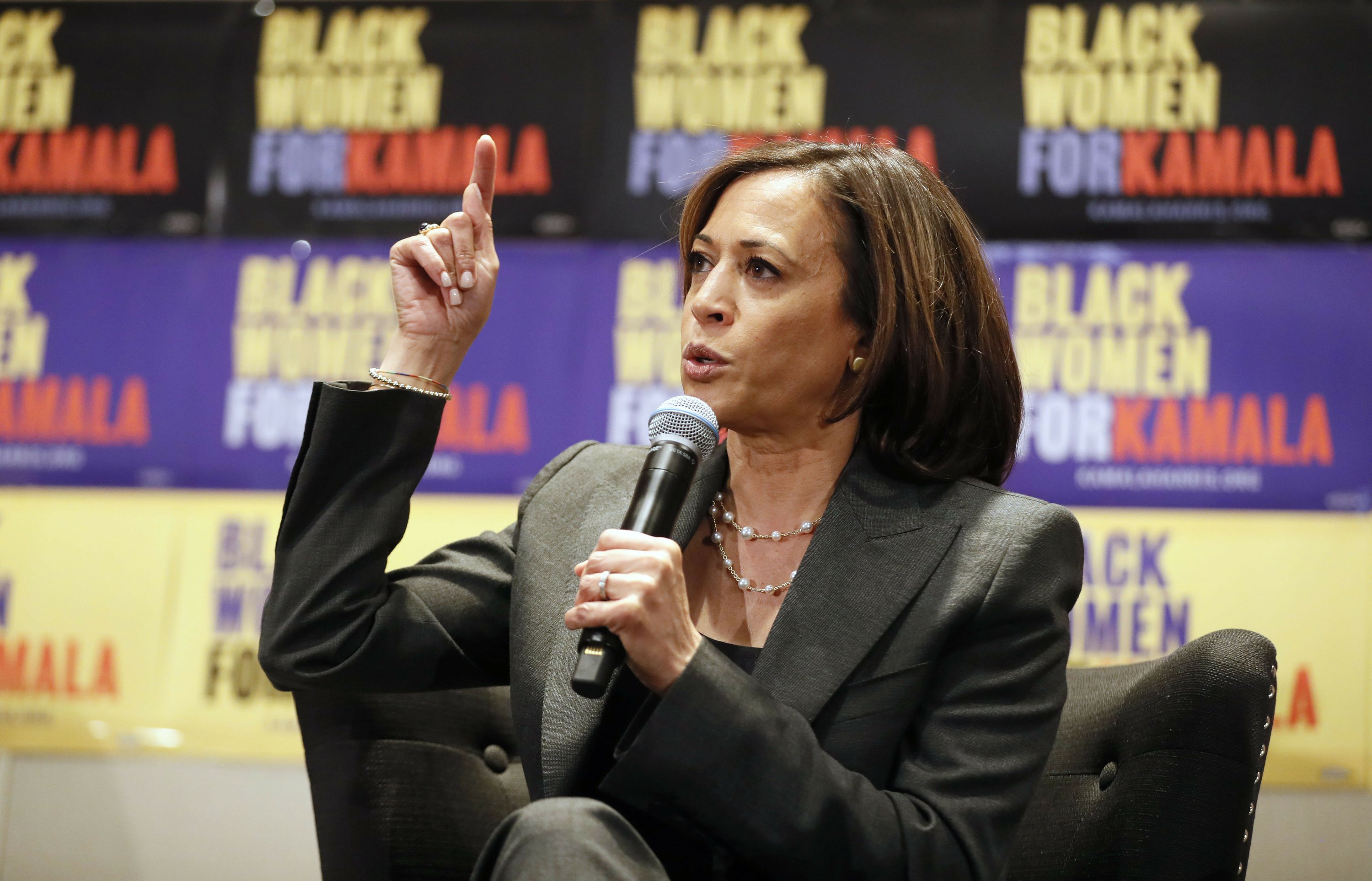
The 'XX' factor: Women voters and what candidates need to know for future elections
As unique as the 2020 election was, it was still similar to every other election, where winning comes down to isolating key demographics, swaying them to lend support and getting those voters out to the ballot box. There are many different blocks of voters in America based on income, education, race, geography and gender. Gender among them is key, and on Nov. 3, women ensured their votes were counted. Ask Virginia voter Mary Hayes why Joe Biden defeated Donald Trump, and she does not hesitate. “Women won this election!” says Hayes, 56, a mother of three and Biden supporter from Leesburg, Virginia. In particular, she credits two categories of voters that she herself is part of: Black women and suburban women. Trump had begged the latter group — some of whom he’d alienated by referring to them as “housewives” — to “please, please” like him. But that plea rang hollow, she says. “We showed America that suburban women are diverse, and are a beautiful collection of ethnicity, race, marital status, occupations and many other categories,” Hayes says. “Suburban women mobilized, determined to remove Trump from office.” And, she says, they succeeded. Nov. 16, Associated Press Women did play a key role in the vote as it rolled across the country. But now, the balance of power in Washington will rely on two key Senate races in Georgia. And no doubt, both sides are strongly courting female voters. If you are a journalist looking to know how important a role gender will play in the January runoffs and what all four of the candidates need to do to secure those votes, then let an expert from Augusta University help with your story. Dr. Mary-Kate Lizotte is an expert in political behavior and the implications of gender differences in public opinion. She is available to talk about the 2020 election and the upcoming Senate runoffs in Georgia. Click on her name to schedule an interview.


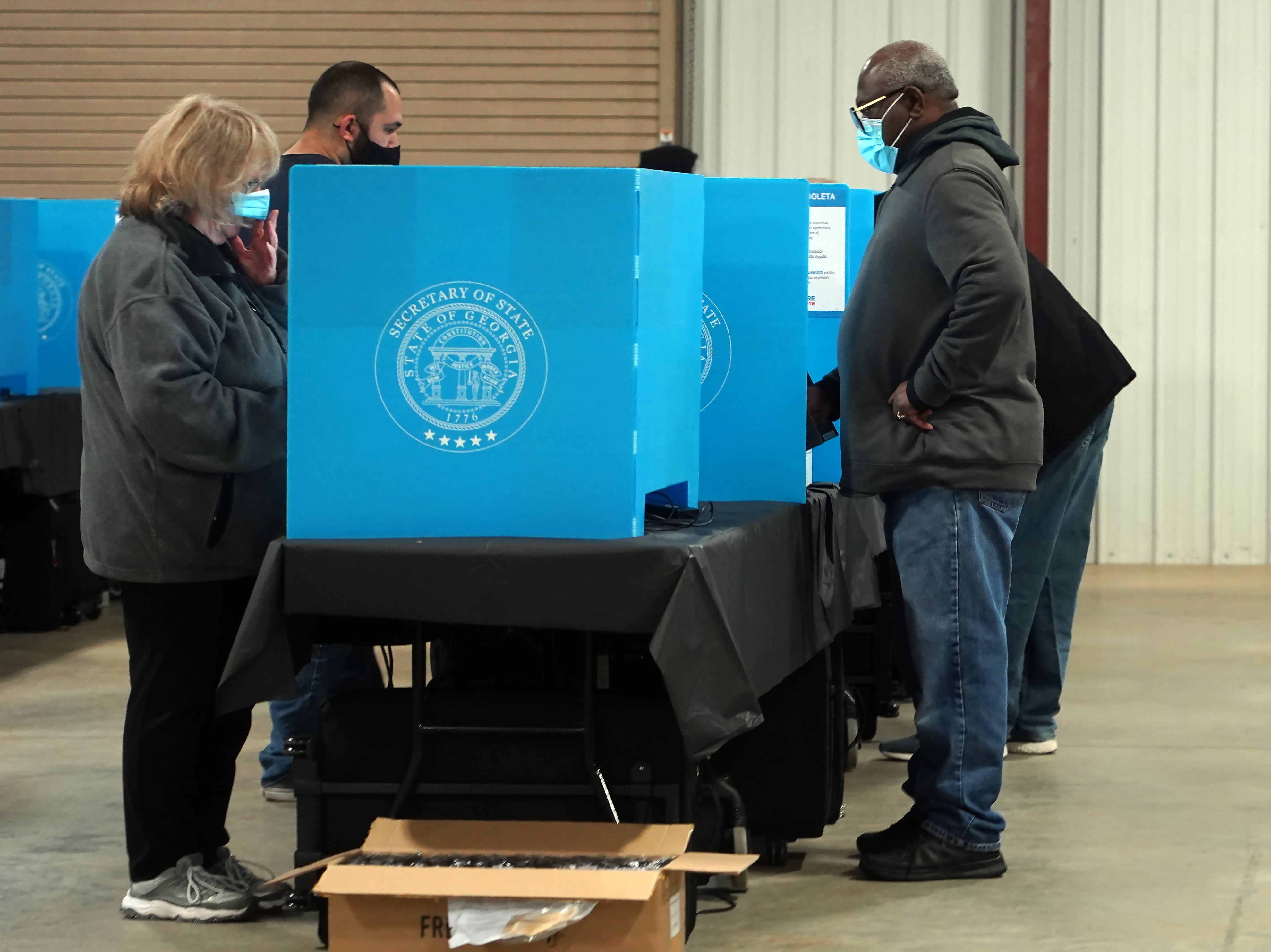
Political playoffs – if you are covering the run-off election in Georgia, let our experts help.
It’s a political junkie’s dream. After a drawn-out and contentious presidential election – the question over who will hold the balance of power in Washington now rests in two Georgia senate races that have each gone into overtime. There’s a lot on the line for both parties and especially President-elect Biden, who faces high expectations from not just Americans, but from various factions across the broad spectrum of the Democratic party who feel owed for their part in narrowly defeating President Donald Trump. In the final push before the crucial Georgia U.S. Senate run-offs on Tuesday, Republicans and Democrats share this closing message: The stakes can’t be any higher, and the fate of each party’s agenda rests on the two races. Incumbent GOP Sens. David Perdue and Kelly Loeffler face respective challenges from Democrats Jon Ossoff and Rev. Raphael Warnock. The races will decide which party controls the Senate, and thus, the extent to which Democratic President-elect Joe Biden can enact his legislative priorities. “The future of the country is on the ballot here in Georgia,” Loeffler told Fox News on Tuesday. If at least one Republican candidate wins their race, the GOP will maintain control of the upper chamber. If Ossoff and Warnock win, the Democratic caucus and GOP would each have 50 members, giving Vice President-elect Kamala Harris the tiebreaking vote. January 04 - CNBC If you’re a journalist covering Tuesday’s run-offs, then get in touch with our experts to help with your questions and stories. Dr. Rosalyn Cooperman, professor of political science at the University of Mary Washington and member of Gender Watch 2018, is an expert on women in politics. Dr. Cooperman is available to speak to media – simply click on her icon to arrange an interview today.



Exploring the direct link between drug abuse and the internet
Drug overdoses account for a staggering number of deaths in the United States. In 2017 alone, more than 70,000 U.S. citizens died from opioid overdoses, a number that eclipses the death toll due to traffic accidents, gun violence, or HIV in the same year. Among the academic community, media and national organizations such as the Drug Enforcement Agency (DEA) and the Food and Drug Administration (FDA), there is a growing consensus that the internet plays a key role in enabling access to illicit drugs in America. As far back as 2005, the DEA referred to the internet as an “open medicine cabinet; a help-yourself pill bazaar to help you feel good.” But until now, the jury has been out about whether online platforms actually drive substance abuse among internet users. Research by Anandhi Bharadwaj, vice dean for faculty and research and Roberto C. Goizueta Endowed Chair in Electronic Commerce, along with doctoral candidate Jiayi Liu 22PhD, casts compelling new light on this issue. Their paper, Drug Abuse and the Internet: Evidence from Craigslist, was published in March 2020. By using data from Craigslist, one of the largest online platforms for classified advertisements, the researchers found a significant uptick in drug abuse in areas where Craigslist had become active in the last decade or so. Launched in San Francisco in 1995, Craigslist is a location-specific site that has been spreading to different U.S. cities in a staggered fashion since 2000. As the site has grown, so too have the number of illicit, user behaviors that exist in tandem with the many positive services it offers. Among these are prostitution and the sale of controlled or illicit drugs. The internet: a pipeline for narcotics Historically the sale and purchase of illegal drugs has happened in physical spaces—streets and urban areas prone to certain boundaries and limitations, not to mention the risk of arrest or potential violence. The internet has changed the game in two key ways. First, there is the simple mechanism of buyer-seller matching. Dealers and buyers transact online, which is more straightforward, faster and cuts through many of the risks associated with physical interaction. Simply put, it’s easy to buy drugs online. Second, there is the issue of anonymity. Research has documented how human beings behave differently when we believe our identity is shielded from others. We are prone to take more risks under the cloak of anonymity. Working off these two premises, Bharadwaj and Liu hypothesized that the internet not only facilitates the sale and purchase of drugs—it must also proactively spur supply and demand. To put this to the test, they documented the U.S. cities and counties where Craigslist has become operational since 2000 and then analyzed three other key variables: total number of people admitted into drug treatment facilities in different counties between 1997 and 2008, county-level drug abuse violations, and number of deaths caused by overdose per county. Eager to understand how this new access to drugs online might also be impacting people at a demographic and socioeconomic level, the researchers merged this data with statistics on age, ethnicity and poverty from the U.S. Census Bureau. Additionally, the authors compiled information about income and unemployment, crime and arrests from the Bureau of Labor Statistics and the FBI respectively. What they found was stunning. Not only is there a marked increase in drug-related treatments (14.9 percent), violations (5.7 percent) and deaths (6.0 percent) wherever Craigslist becomes operational in a city or county; the momentum of increasing drug abuse also continues to grow over time in that area. And that’s not all. Economic disadvantages—poverty, unemployment and lower standards of education—are typically associated with a higher risk of substance abuse. But the findings suggest that in fact it’s the wealthier, higher-educated groups—especially among whites, Asians, and women—that are more likely than others to engage in drug abuse once Craigslist starts operating in an area. In fact, they conclusively found an uptick in this kind of behavior where crime and drug abuse had been less prevalent previously. In other words, where drugs are becoming readily available online, there is a dramatic increase in new and first-time users. If you are interested in learning more or if you are a journalist looking to cover this research – then let our experts help. Professor Anandhi Bharadwaj is the Vice Dean for Faculty and Research and the Goizueta Endowed Chair in Electronic Commerce and Professor of Information Systems, Operations Management. To arrange an interview with – simply click on her icon today.


New York Times, Pornhub, Visa & Mastercard: The Debate
Yet another example of no one listening to sex workers Pornhub just made major changes to how their platform works, including expanded moderation and new guidelines for content uploads. Now, only verified users can upload videos to the platform – a decision which meant the total number of videos hosted on Pornhub were more than quartered overnight from 13.4 million to 2.9 million – and users can no longer download videos from the site. This comes after an expose on the New York Times, The Children of Pornhub, which investigated the number of rape videos being hosted on the site, including those of minors. The article, written by Nicholas Kristof, followed the lives of child sexual assault victims whose videos were uploaded onto the site. The op-ed launched a huge debate within the adult industry over censorship & moderation. People, rightfully so, do not trust Kristof because of his ties to anti-porn organisations and his reputation when it comes to reporting on sex work. In the past he has been accused of conflating sex work with sex trafficking, using misleading statistics, and was instrumental in the shutting down of Backpage, a vital safeguarding tool for sex workers, calling it “the pillar of sex trafficking”. He also quoted Laila Mickelwait in the op-ed, who is an activist and director of Traffickinghub, a campaign launched by Exodus Cry which has anti-sex work, anti-LGBTQ and anti-abortion links (it’s founder reportedly compared abortion to the holocaust). This week, two days after Pornhub announced their changes, Visa and Mastercard started an investigation and soon announced that their cards would no longer be accepted on the platform. This has left Pornhub with no way to process payments other than with cryptocurrencies. It goes without saying that the decision from Visa & Mastercard has panicked adult content creators who make their living from paid content on Pornhub. Because let’s be clear, Mastercard & Visa’s decision will not hurt Pornhub, who always have and always will continue to make money off of stolen content, this decision hurts sex workers – the people that Pornhub has never cared for. Adult performers, producers and directors have spent years speaking out about the exploitation within Pornhub and the tube site business model, yet no one has listened. MindGeek, the parent company of Pornhub, dominates online porn. It has completely demolished the industry and drained money out of the industry by stealing performers’ work and giving it away for free, and by monopolising the industry. MindGeek is an aggressive tech company through and through, it does not care about porn or adult content creators, it cares about traffic and advertising. It also owns production companies which means performers who may want to speak out about the system ultimately can’t for fear of being black listed from the production companies and therefore having less work and even less money. "Adult performers have spent years speaking out about the exploitation within Pornhub and the tube site business model, yet no one has listened" Pornhub does not care about performers and it’s clear that Kristof doesn’t either, but it wasn’t until the New York Times covered this issue that Pornhub did something. I wonder why? If properly implemented by Pornhub, their new regulations could have had a significant impact on illegal and stolen content, which would be a win for adult performers who have no choice but to use the platform. But with the new ban from Mastercard & Visa, they could now be in an even worse position than before. This is yet another example, just like SESTA/FOSTA, that shows that when it comes to making changes to the adult industry we must speak to sex workers & have their involvement in policy. Pornhub, Mastercard, & Visa, do not care about the issue of rape videos or of pirated material, these are policies that were brought in under pressure to “do something” out of fear of negative publicity. We know that Pornhub does not care about the content it hosts, the people it hurts or the lives it ruins – they have shown us this time and again. Just last year they demonstrated this with the Girls do Porn case. Despite 22 women coming forward to sue Girls Do Porn for uploading explicit videos of them to Pornhub without their consent, Pornhub refused to remove the videos from the platform, even promoting them, until Girls do Porn were finally charged with sex trafficking. Now is not a time to protect Pornhub, it’s time to protect and support the people who will actually be harmed by this. We must remember who have been talking about this for years whilst no one has listened; sex workers. Please go and find performers and indie producers that you want to support and pay them for their work. Whether it’s on Only Fans or through their personal websites, pay & support sex workers & adult content creators.


Kamala Harris Is First Woman, and Woman of Color, Elected Vice President
History was made on Saturday, November 7, when Kamala Harris was elected vice president of the United States, 100 years after women first won the right to vote. "Although our new president will look like almost all the others we have had in our history, the fact that we will have a woman of color in the second highest position in our executive branch for the first time ever has an importance that cannot be understated," says Teresa Boyer, EdD, director of the Anne Welsh McNulty Institute for Women's Leadership at Villanova University. "When it comes to our highest office, Americans have been famously resistant and behind other countries in selecting a woman for the role. Perhaps having a woman in the vice presidency could shift that barrier that we haven't seemed to get past." Dr. Boyer adds, "We will also have a record number of women in this congressional delegation. Although Democrats have historically sent the most women to Congress, this year, the Republicans are the ones who set a record, with at least 32 women in the House and Senate—two more than their previous record of 20 in 2006. Democrats still have the greater representation of women, though, with at least 102." "Themes of gender and race have been threaded throughout this election, as they underlie many of the crises we are currently facing as a nation. The tight races mixed with progress on women's representation indicate a national culture on the cusp of change—one exploring openness to diverse identities in the role of public leader. Not so much a wave as a slow inching forward—but forward nonetheless." "Many have said Biden will be a transitional president—due to his age, and his role as a party elder—but perhaps he would be better noted as a potentially transformational president, or a conduit to the diverse America reflected in our leadership."

Rob Campbell on why it pays to shake things up
Rob is a mischief-maker and passionately believes in culture, creativity and chaos. He’s worked with names like NIKE, Virgin and Metallica at agencies including Cynic, Wieden+Kennedy and R/GA and has proudly been called an “asshole” by Lars Ulrich, Richard Branson and Dan Wieden. I ask Rob what’s he’s done in his life that has perhaps raised some eyebrows, but that he’s most proud of. He tells us his COVID story, and shares positive insights. We hear how three African American women fundamentally changed his view on the world, and how being exposed to completely different cultures have shaped his life.

